

AI Visibility Futures
Explore AI Visibility Futures - forward-looking analysis of emerging trends in AI-driven brand discovery. Learn how brands will be discovered by AI systems and ...
12 min read

AI chatbots like ChatGPT are now primary brand discovery channels. Learn why 84% of brands lack AI visibility and how to ensure your brand gets recommended by AI systems.
The digital discovery landscape is undergoing a seismic shift that most brands haven’t fully grasped. AI systems like ChatGPT, Claude, and Gemini have amassed over 200 million weekly active users, fundamentally changing how consumers research products and make purchasing decisions. Unlike traditional search engines where users navigate through sponsored results and organic listings, AI chatbots present recommendations as conversational guidance—a format that feels remarkably neutral and trustworthy to consumers. When someone asks ChatGPT “what’s the best project management tool for remote teams,” the response carries an implicit endorsement that traditional advertising simply cannot replicate. This shift represents a move from algorithmic ranking to what might be called “conversational curation,” where the AI’s training data and design choices determine which brands get mentioned and which remain invisible. The psychological impact is significant: consumers perceive AI recommendations as objective analysis rather than marketing, even though these systems are trained on data that inherently reflects existing market biases and brand visibility. For brands accustomed to competing on search engine results pages, this new gatekeeping dynamic requires a fundamentally different approach to visibility and authority.
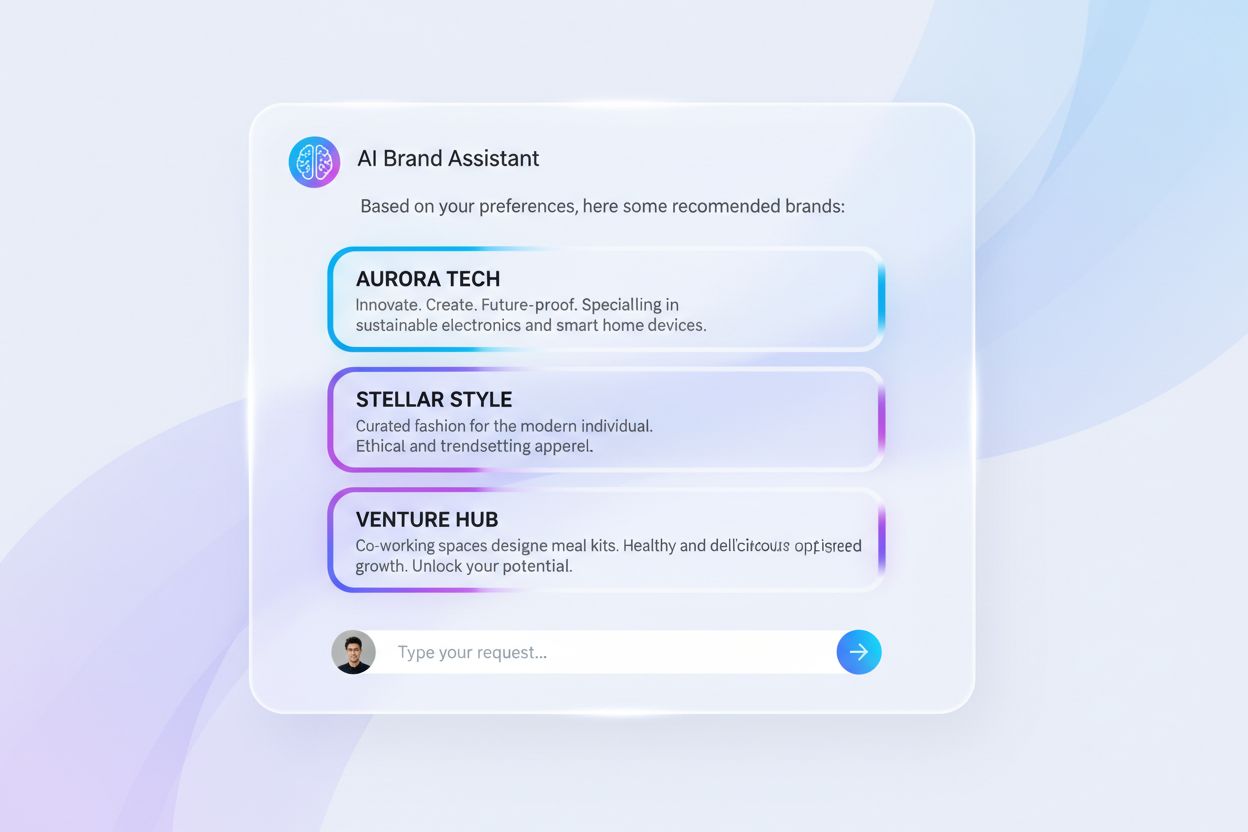
One of the most critical blind spots in modern marketing is the attribution gap created by AI-mediated research. When a consumer asks ChatGPT for recommendations, they’re engaging in a research phase that traditional analytics tools cannot track or measure. Consider a realistic scenario: a business owner searches “best espresso machines under $500” in ChatGPT, receives three recommendations, clicks through to one brand’s website, and makes a purchase—yet your analytics show a direct visit with no referral source. This happens millions of times daily across industries, creating a massive measurement problem that most brands haven’t addressed. Research indicates that 84% of brands currently lack any tracking mechanism for AI-driven discovery, meaning they’re flying blind when it comes to understanding how AI systems influence their customer acquisition. The problem compounds when you consider that AI agents are increasingly conducting research on behalf of humans, with the human only seeing the final recommendation. This creates a two-layer attribution challenge: first, the AI’s research phase is invisible, and second, the human’s decision-making process is disconnected from the AI’s influence. Without proper tracking and measurement frameworks, brands cannot optimize for AI visibility or understand the true ROI of their AI-focused initiatives.
The economic stakes of AI visibility are staggering and growing rapidly. Projections indicate that US revenue flowing through AI search channels will reach $750 billion by 2028, representing a fundamental shift in how commerce is discovered and influenced. Currently, approximately 50% of consumers are already using AI search tools for product research, a number that continues to accelerate as these tools become more sophisticated and integrated into everyday workflows. Brands that establish strong visibility within AI systems are seeing measurably better conversion rates compared to those relying solely on traditional search optimization. The difference isn’t marginal—companies with optimized AI presence report 2-3x higher conversion rates from AI-sourced traffic compared to organic search, primarily because AI recommendations carry higher trust signals. This performance gap exists because AI recommendations function as third-party validation, reducing purchase friction and increasing consumer confidence. The competitive advantage belongs to early movers who understand and optimize for AI discovery before it becomes table stakes.
| Metric | AI Search | Traditional Search |
|---|---|---|
| Trust Signal | High (perceived neutral) | Medium (perceived commercial) |
| Conversion Rate | 8-12% | 3-5% |
| Attribution Clarity | Low | High |
| Brand Mention Impact | Growing | Stable |
| Optimization Difficulty | High | Established |
The technical architecture of AI systems creates a gatekeeping mechanism that most brands don’t fully understand. AI language models can only recommend and cite what they can effectively crawl, parse, and incorporate into their training data—and this creates a significant barrier for many brands. Heavy JavaScript-dependent websites present a particular challenge because many AI crawlers struggle to execute dynamic content, meaning your beautifully designed interactive product pages may be invisible to the systems that influence purchasing decisions. PDF-based content, while indexable, is often deprioritized in AI training data because it’s harder to extract structured information. Authentication gates—requiring login to view product specifications or reviews—completely block AI systems from accessing your content, effectively removing you from consideration. E-commerce feeds that lack proper structured data become difficult for AI systems to understand and cite accurately, leading to incomplete or inaccurate recommendations. These technical factors have evolved from nice-to-have optimization considerations into critical ranking factors for AI visibility. Brands must audit their technical infrastructure specifically for AI accessibility, not just traditional search engine optimization, because the requirements differ in meaningful ways.
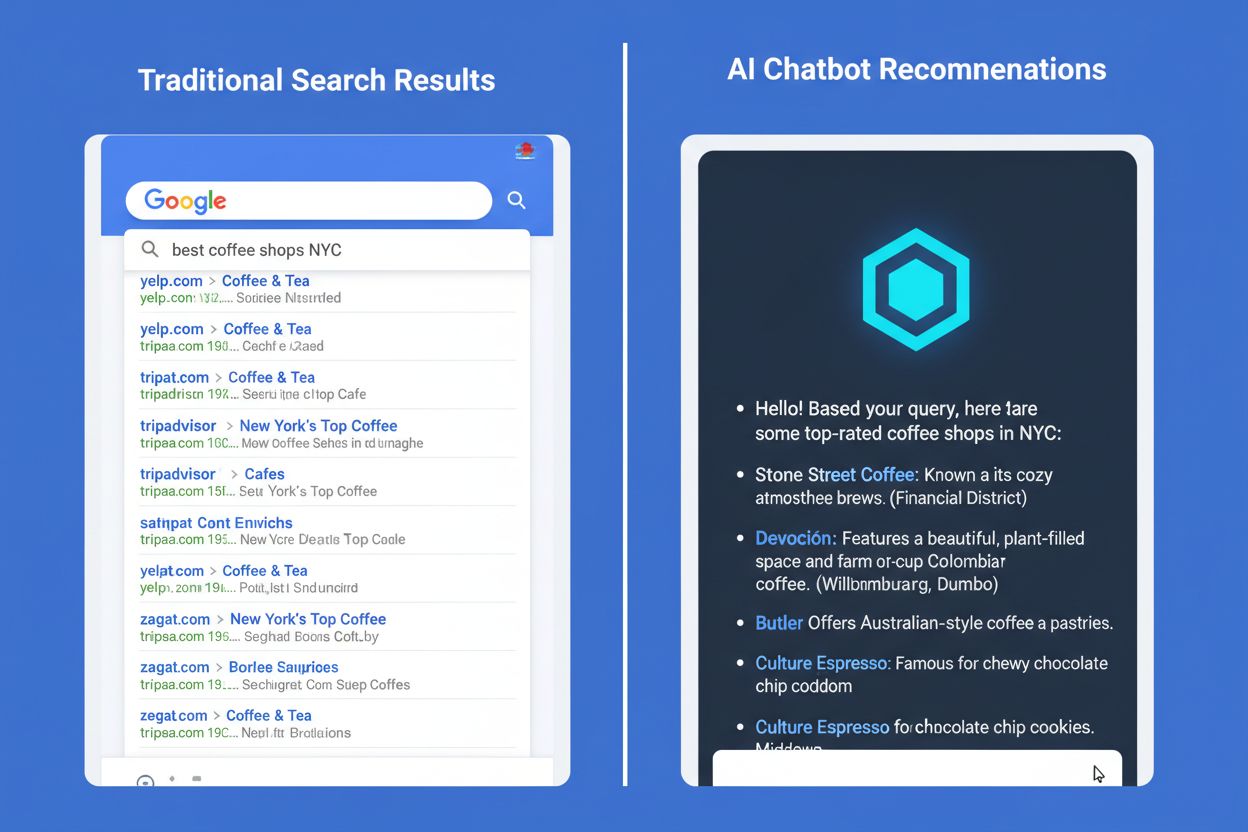
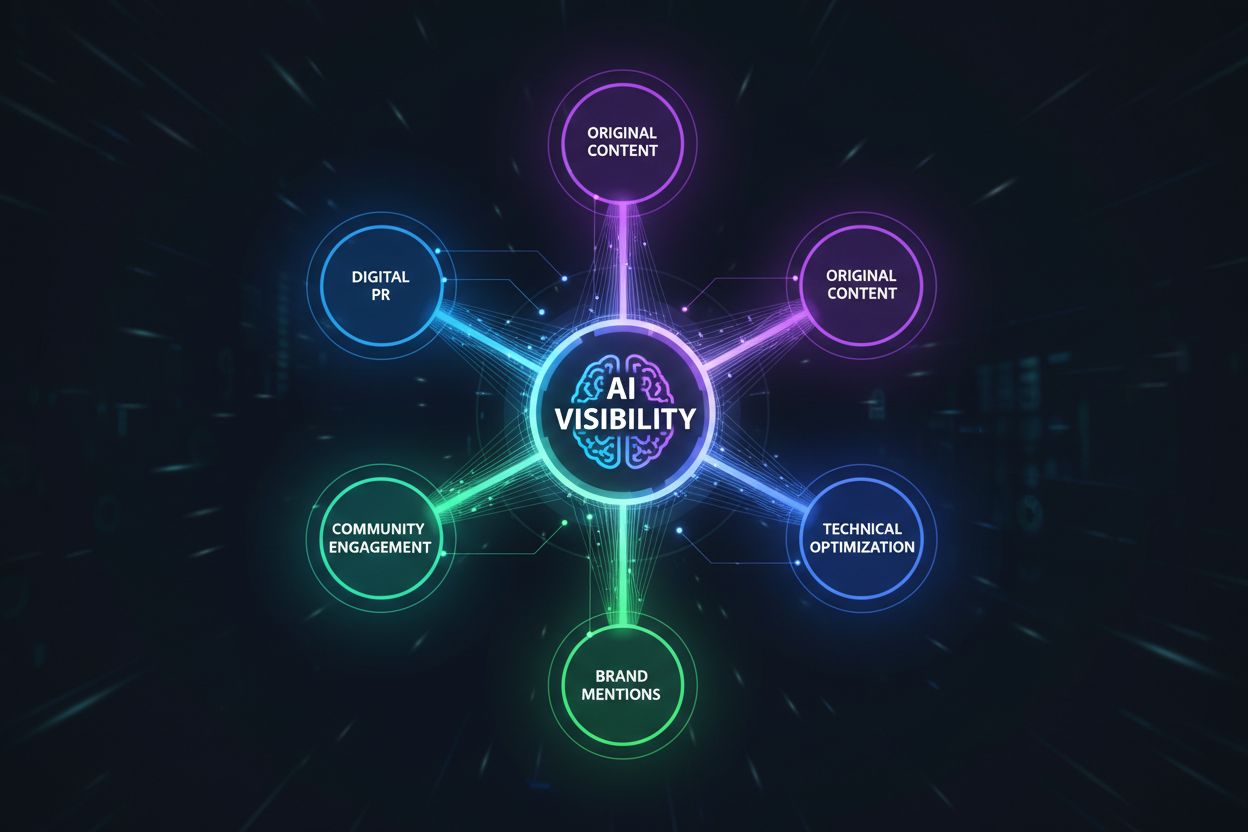
AI systems demonstrate a strong preference for citing content from authoritative, credible sources—a bias that creates both challenges and opportunities for brand positioning. Research from Madden Media reveals that journalism and established media outlets account for approximately 49% of all citations in AI-generated responses, reflecting the training data’s emphasis on professional editorial standards. This means that brands cannot simply create product pages and expect AI systems to cite them; instead, brands must build genuine authority through multiple channels. Public relations becomes exponentially more important in an AI-mediated world because media mentions and third-party coverage carry significantly more weight than self-published content. Original research, industry reports, and expert positioning establish the credibility signals that AI systems use to validate recommendations. Structured data implementation—using schema markup to clearly communicate product specifications, reviews, and availability—helps AI systems understand and accurately represent your offerings. The brands winning in AI discovery are those investing in comprehensive authority-building strategies that span PR, content creation, expert positioning, and technical optimization.
A fundamental shift in how brand visibility works is the growing importance of brand mentions that exist completely independent of hyperlinks. In traditional SEO, a mention without a link carries minimal value; in AI systems, mentions across community platforms, forums, and social networks significantly influence how brands are represented in AI responses. When users discuss your product on Reddit, Quora, LinkedIn, or industry-specific forums, those conversations become part of the training data that shapes how AI systems understand and recommend your brand. The consistency of these mentions matters enormously—AI systems look for patterns and consensus, so brands mentioned repeatedly across multiple platforms with consistent messaging gain stronger positioning. This creates a new competitive dynamic where community presence and earned mentions become as important as traditional media coverage.
Key sources of AI-influencing brand mentions:
Winning in the AI gatekeeping era requires a multi-faceted strategy that addresses visibility, authority, and discoverability simultaneously. The most effective approach combines several complementary tactics that work together to establish strong AI presence.
Core strategies for AI visibility:
Invest in strategic PR and media relations – Secure coverage in reputable publications that AI systems heavily weight in their training data; focus on outlets known for industry authority rather than volume
Create quotable, original content – Develop research, reports, and insights that journalists and AI systems naturally want to cite; make claims specific and defensible rather than generic
Build active community presence – Participate authentically in forums, Reddit communities, and professional networks where your target audience congregates; answer questions and provide value without overt promotion
Optimize product feeds and structured data – Ensure all product information is complete, accurate, and properly formatted with schema markup; fill optional attributes that help AI systems understand nuance and differentiation
Use natural language in all content – Write product descriptions, specifications, and marketing copy as if explaining to a knowledgeable human; avoid keyword stuffing and artificial language that AI systems recognize as low-quality content
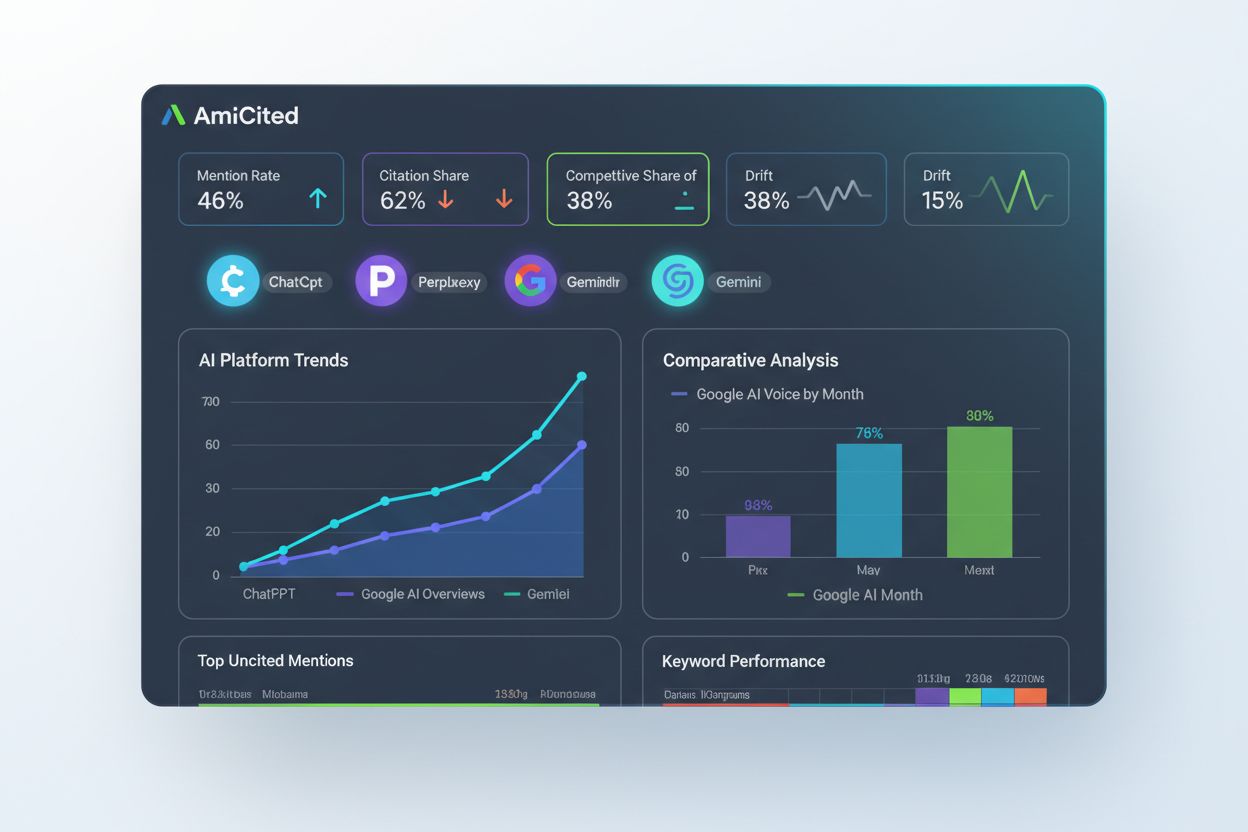
Measuring and monitoring your AI presence requires different tools and metrics than traditional analytics provide. Platforms like AmICited and similar monitoring services now track how frequently your brand appears in AI-generated responses, providing visibility into a previously unmeasurable channel. Key metrics to monitor include citation frequency (how often your brand is mentioned in AI responses), sentiment analysis (whether mentions are positive, neutral, or negative), and share of voice (your brand mentions relative to competitors in your category). Regular audits of AI responses for your product category reveal gaps in visibility and opportunities for improvement—simply asking ChatGPT, Claude, and other systems for recommendations in your space shows you exactly how you’re being positioned. When you identify inaccuracies or missing information in AI responses, reporting these issues to the AI platforms creates feedback loops that can improve future recommendations. Building a systematic monitoring process ensures you catch visibility problems early and can respond with updated content, PR efforts, or community engagement before competitive dynamics shift further.
The window for establishing strong AI presence is closing rapidly as these systems become the primary discovery mechanism for consumer decisions. Industry projections suggest that by 2029, approximately 20% of US businesses will be significantly impacted by AI-mediated discovery, with that number growing to 50%+ within five years. The brands that move quickly to optimize for AI visibility now will establish competitive moats that become increasingly difficult for late movers to overcome. This isn’t a future consideration or a nice-to-have optimization—it’s becoming essential infrastructure for brand survival in digital commerce. The early movers who understand AI gatekeeping dynamics, invest in authority-building, and optimize their technical presence will capture disproportionate share of AI-influenced revenue. For most brands, the question isn’t whether to prioritize AI visibility, but how quickly they can implement a comprehensive strategy before their competitors do.
AI systems like ChatGPT now control which brands consumers discover and trust. When AI recommends your brand, it acts as a neutral third-party validator, significantly influencing purchasing decisions. This gatekeeping power means brands must optimize for AI visibility just as they once optimized for Google rankings.
AI visibility differs fundamentally in attribution, trust signals, and discovery mechanisms. AI recommendations feel like objective analysis rather than marketing, carry higher trust signals, and create an attribution gap where AI influence on purchasing decisions goes unmeasured in traditional analytics. AI recommendations also prioritize brand mentions and authority signals differently than traditional search.
AI search is a relatively new channel, and most brands haven't yet developed monitoring systems for it. Unlike Google Search Console, there's no built-in analytics for AI visibility. Additionally, many brands don't realize how significantly AI systems influence purchasing decisions, so they haven't prioritized tracking this channel.
The attribution gap is the invisible influence AI has on purchasing decisions. When AI agents research products before humans decide, analytics don't capture this upstream influence. A consumer might ask ChatGPT for recommendations, then search for a specific brand on Google—analytics credit the branded search, not the AI research that drove the decision.
Improve AI visibility through four main strategies: invest in digital PR and earned media, create original quotable content, build active community presence on Reddit/Quora/LinkedIn, and optimize your technical infrastructure with structured data. Consistency across platforms and authentic authority-building are more important than keyword optimization.
AmICited is specifically designed to track brand mentions across ChatGPT, Perplexity, and Google AI Overviews. Other tools like SE Ranking's AEO Tracker and Profound also offer AI visibility monitoring. These tools track citation frequency, sentiment, and share of voice compared to competitors.
AI visibility and traditional SEO are complementary, not competing. However, AI visibility is growing in importance and will likely become equally critical within 2-3 years. Brands should optimize for both channels simultaneously, as the same authority-building strategies that improve SEO also improve AI visibility.
ChatGPT reached 200 million weekly active users by 2024, doubling from 100 million in November 2023. Projections suggest $750 billion in US revenue will flow through AI search by 2028, with 50% of consumers already using AI search tools. By 2029, approximately 20% of US businesses will be significantly impacted by AI-mediated discovery.
Don't let AI algorithms decide your brand's fate. Monitor and optimize your presence across ChatGPT, Perplexity, and Google AI Overviews with AmICited.
Explore AI Visibility Futures - forward-looking analysis of emerging trends in AI-driven brand discovery. Learn how brands will be discovered by AI systems and ...
Discover how AI visibility is reshaping marketing success. Learn why citations matter more than clicks, how to measure AI visibility, and why your brand's prese...
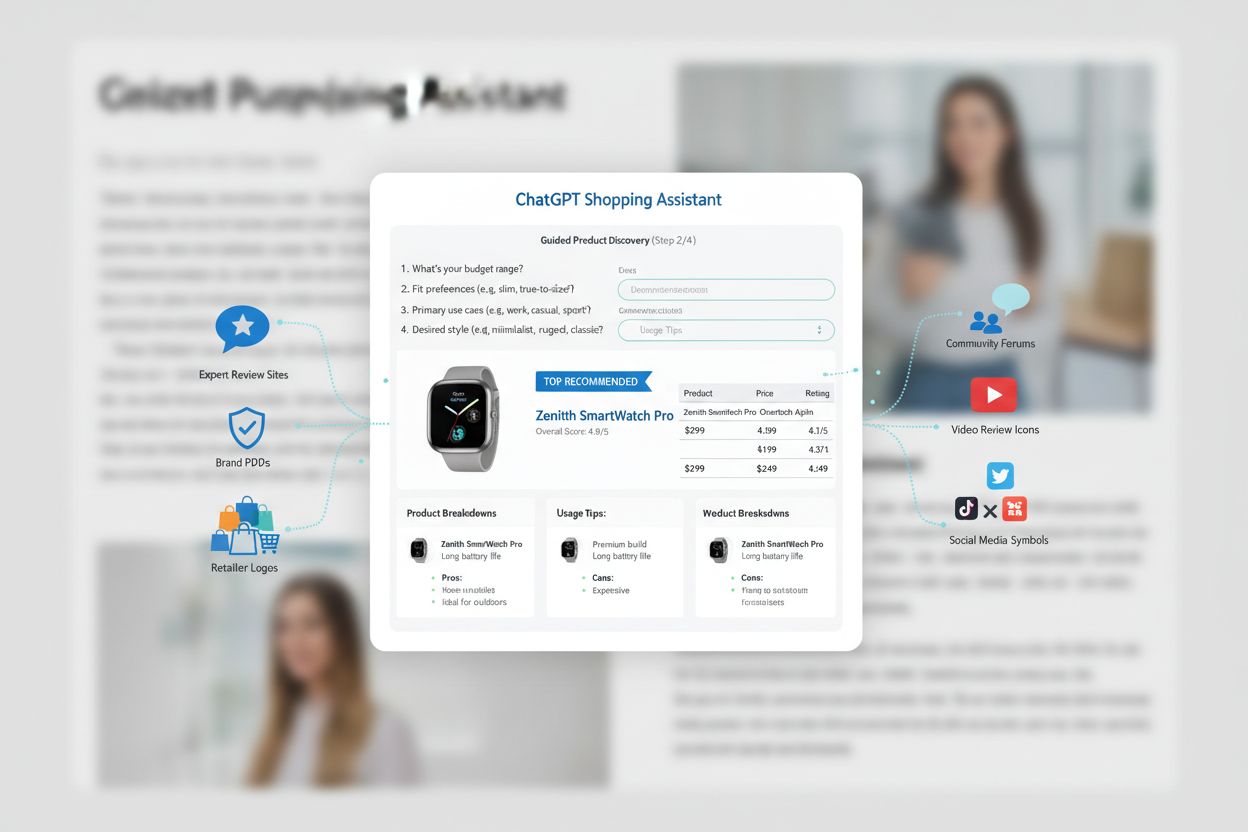
Learn how ChatGPT's new shopping research feature reshapes product discovery. Discover what brands need to optimize for AI buyer's guides and stay competitive i...