
Why 76% of AI Overview Citations Come from Top 10 Results
Discover why Google AI Overviews cite top 10 results 76% of the time. Learn how ranking positions, content structure, and topical authority impact AI citations ...
10 min read
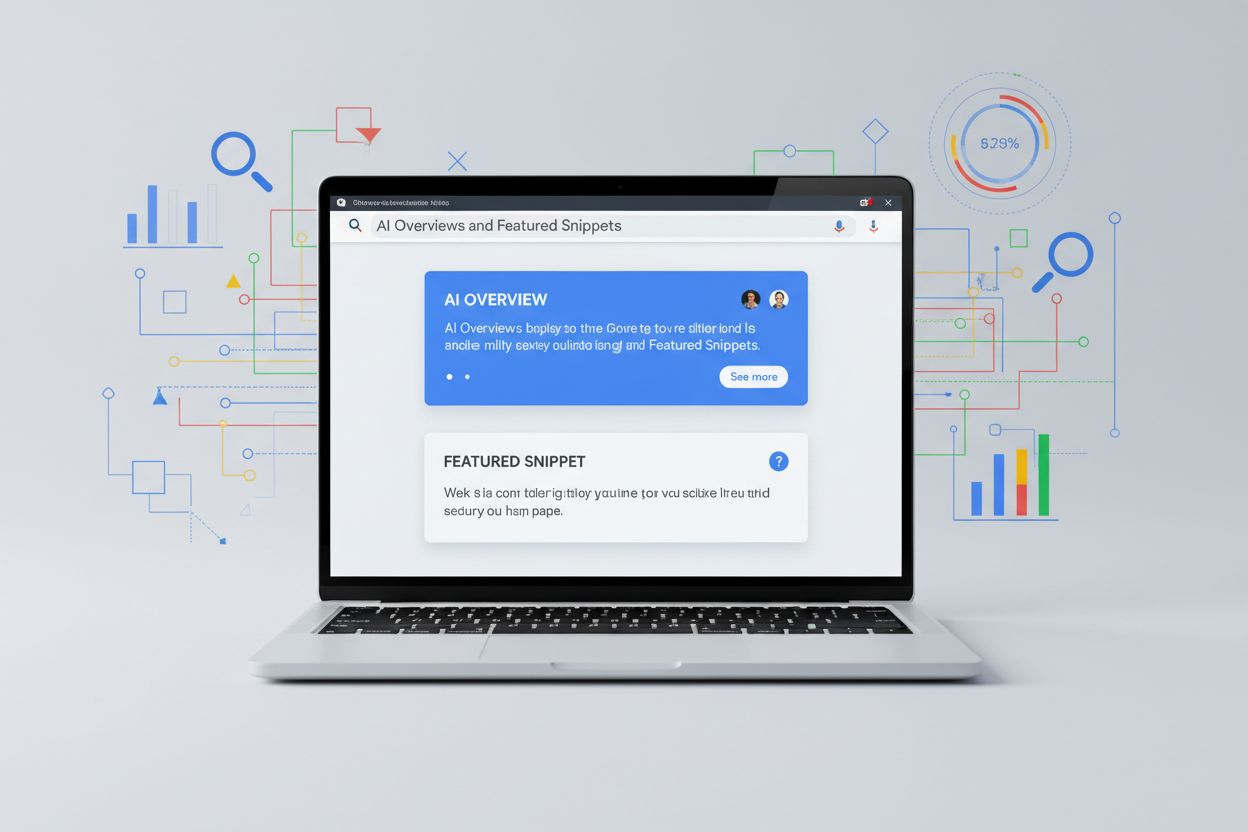
Learn how to optimize for both AI Overviews and featured snippets with a 54% overlap strategy. Master dual optimization for better search visibility.
The relationship between AI Overviews and featured snippets is no longer competitive—it’s complementary. A recent study by Authoritas, highlighted by Search Engine Journal, reveals that 54% of Google’s AI Overview citations overlap with traditional organic search results, fundamentally reshaping how SEO professionals should approach content strategy. This overlap isn’t random; it reflects Google’s preference for pulling information from pages that already rank well in traditional search. For businesses in healthcare, manufacturing, B2B, and higher education, this convergence means that optimizing for one feature increasingly optimizes for the other. Understanding this relationship is critical because it changes the fundamental question from “AI or SEO?” to “How do I build strategies that work in a landscape where AI and organic search increasingly overlap?”
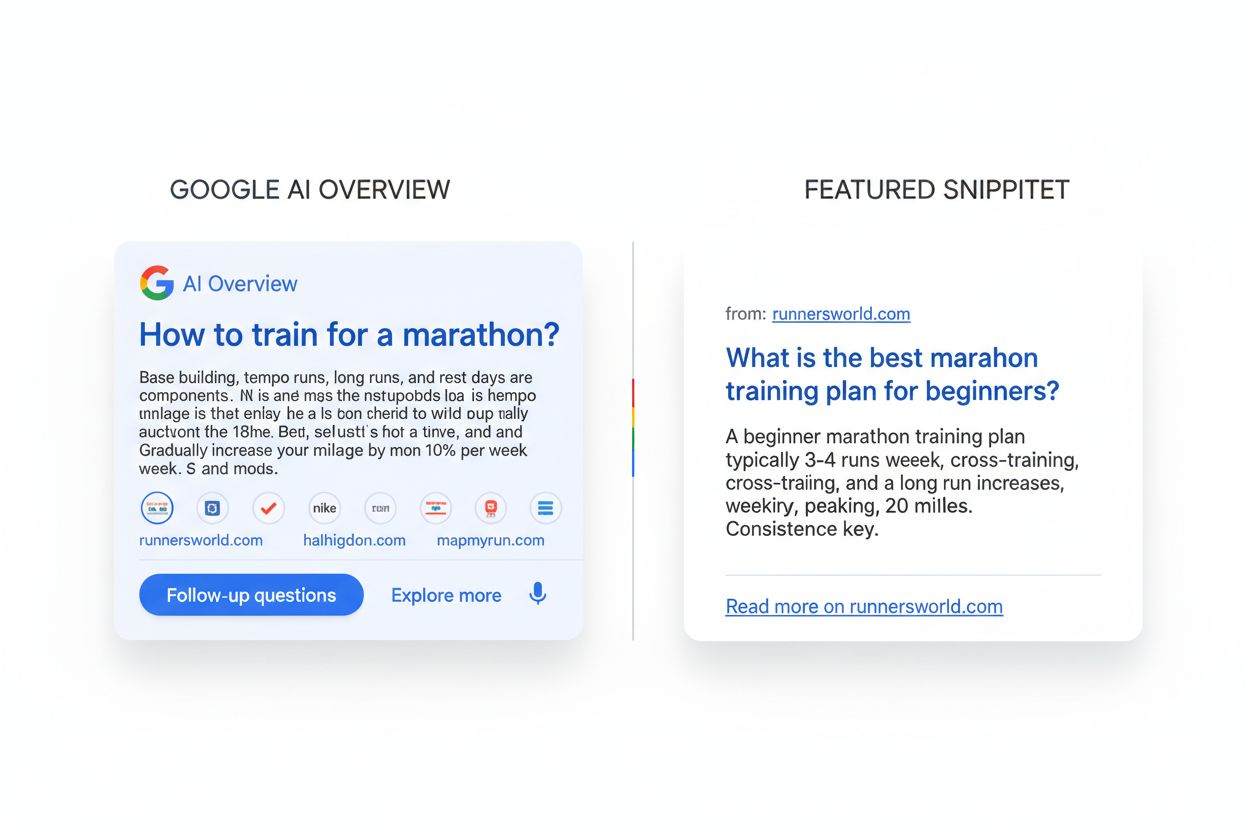
Featured snippets, introduced by Google in 2014, are highlighted search results that appear at the top of organic results—often called “Position Zero.” These snippets provide concise, direct answers to user queries, typically ranging from 40-60 words for paragraph snippets, and they appear in four primary formats. Featured snippets are designed to save users time by answering questions immediately on the search results page, and they typically appear for informational queries phrased as questions (e.g., “What is X?” or “How to do Y?”). The prominence of featured snippets means they capture significant attention and can drive meaningful traffic; studies show featured snippets receive approximately 8% of all clicks on a search results page. For businesses in regulated industries like healthcare and manufacturing, earning a featured snippet can establish authority and credibility with potential customers.
| Type | Format | Best For | Example |
|---|---|---|---|
| Paragraph | Brief text excerpt (40-60 words) | Definitions, explanations | “What is a CNC machine?” |
| List | Bulleted or numbered steps | How-to queries, rankings | “How to reduce machine downtime” |
| Table | Data in table format | Comparisons, specifications | “Compare CNC vs 3D printing” |
| Video | Video content | Visual demonstrations | “How to tie a shoelace” |
AI Overviews are Google’s newest answer format, providing AI-generated summaries at the top of search results that synthesize information from multiple sources. Initially introduced as part of Google’s Search Generative Experience (SGE) in 2023, AI Overviews now appear more broadly across search results, sometimes referred to as “super-snippets” due to their expanded format and capabilities. These overviews typically display 150-200 words of synthesized content, significantly longer than traditional featured snippets, and include interactive elements that allow users to ask follow-up questions without leaving the search results page. AI Overviews appear when Google’s systems determine that generative responses would be especially helpful, particularly for complex, exploratory queries that benefit from information aggregated from multiple sources. The interactive nature of AI Overviews represents a fundamental shift in how users engage with search results, transforming Google Search into a more conversational research tool.
While both featured snippets and AI Overviews aim to answer user queries directly on the search results page, they differ significantly in how they accomplish this goal. Featured snippets extract exact text from a single webpage and display it verbatim, maintaining the original author’s tone and phrasing, whereas AI Overviews generate new content by synthesizing information from multiple sources, creating a unified, neutral answer. Featured snippets are static—users see the answer and must click through for more information—but AI Overviews are interactive, allowing users to expand sections, ask follow-up questions, and explore related topics without leaving Google. In terms of placement, AI Overviews typically appear at the very top of search results, even above featured snippets when both are present, pushing traditional organic results further down the page. The content length differs dramatically: featured snippets average 40-60 words while AI Overviews average approximately 169 words, providing substantially more context and detail.
| Aspect | Featured Snippets | AI Overviews |
|---|---|---|
| Source | Single webpage (exact text) | Multiple sources (synthesized) |
| Content Generation | Human-written, extracted | AI-generated, synthesized |
| Interactivity | Static, one-time answer | Interactive, expandable, follow-up questions |
| Format | Paragraph, list, table, or video | Longer text with lists, images, multiple sections |
| Length | 40-60 words (typical) | 150-200 words (average) |
| Placement | Top of organic results | Top of page (above featured snippets) |
| Citations | Single source link | Multiple source citations |
| Updates | Reflects page changes | Real-time information integration |
The 54% overlap between AI Overview citations and organic search results reveals that Google’s AI systems heavily favor content already ranking well in traditional search. However, this overlap varies dramatically by industry, with healthcare showing the highest overlap at 75.3%, indicating that SEO investments in healthcare content directly benefit AI visibility. The variation across verticals is significant:
This overlap pattern suggests that traditional SEO signals remain central to AI visibility, but the content format and delivery must evolve to meet AI system requirements. For businesses in healthcare and B2B sectors, this is encouraging news: investing in strong SEO fundamentals simultaneously improves AI search visibility. The overlap also means that approximately 7.4% of searches display both AI Overviews and featured snippets together, creating opportunities for brands to occupy multiple premium positions on the search results page.
Creating content that ranks for both AI Overviews and featured snippets requires a dual-purpose approach that serves both human readers and AI systems scanning for authoritative answers. The most effective strategy involves five key tactics:
Place direct answers at the top of your page - Begin with a concise, one-to-three sentence answer to your target question before diving into detailed explanations, making it easy for both users and AI systems to find the core answer immediately.
Use structured Q&A format - Pose common questions as H2/H3 subheadings and answer them directly in the following paragraph, helping Google recognize potential snippet material and improving content scannability.
Include clear definitions and context - Start sections with explicit definitions of key terms and provide immediate context, which AI systems prioritize when synthesizing information from multiple sources.
Incorporate lists and tables - Use bulleted or numbered lists for step-by-step processes and tables for comparisons, as both featured snippets and AI Overviews favor structured, scannable content formats.
Update content regularly - Refresh statistics, examples, and references on high-performing pages to ensure your content remains competitive, particularly important since AI systems may favor more recent sources.
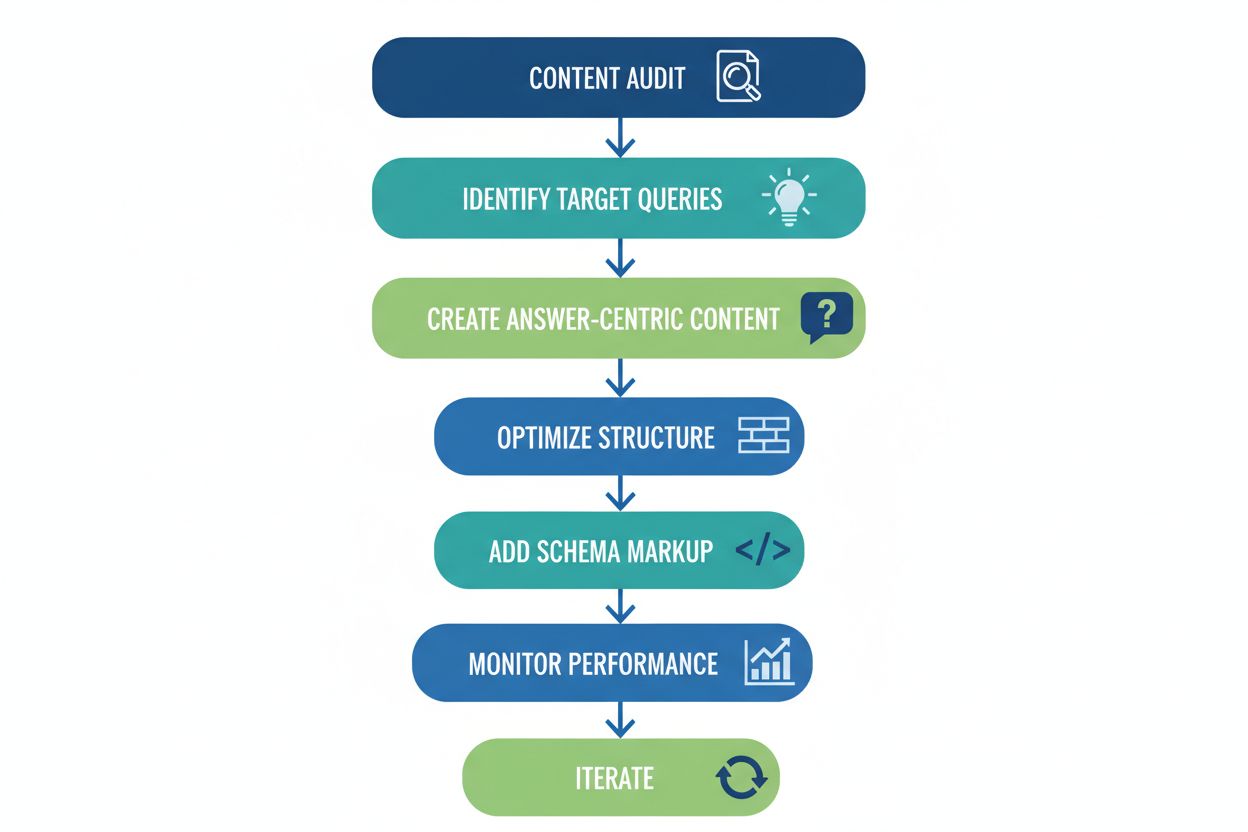
Beyond content structure, technical implementation significantly impacts both featured snippet and AI Overview visibility. Implementing schema markup—structured data that helps Google understand your content—is essential; use FAQ schema for question-answer content, Table schema for data comparisons, and HowTo schema for step-by-step guides. Ensure your meta descriptions accurately reflect your content and include your target keywords naturally, as these descriptions influence how Google displays your content in both traditional and AI-powered results. Core Web Vitals matter more than ever; pages with fast load times, mobile optimization, and low cumulative layout shift rank better and are more likely to be selected for featured snippets and AI citations. Additionally, ensure your page returns an HTTP 200 status code and that Googlebot can access your content without restrictions—technical barriers prevent both traditional ranking and AI inclusion. Consider using the max-snippet meta tag to control snippet length if needed, though this may limit AI Overview inclusion.
Earning a featured snippet or AI Overview citation is only half the battle; converting that visibility into meaningful traffic requires optimizing the post-click experience. When users click from an AI Overview or featured snippet, they arrive with specific intent—they want to confirm the snippet information or explore deeper details—so your page must immediately deliver on that promise. Structure your content so the answer appears “above the fold” without requiring scrolling, and use clear visual hierarchy with headings, bold text, and white space to guide readers to relevant information. Implement strategic internal linking to related content, which keeps users engaged on your site longer and sends positive engagement signals to Google’s ranking systems. Monitor your click-through rate in Google Search Console for queries where you rank highly but receive fewer clicks than expected; this may indicate a zero-click scenario where the snippet fully answers the query, suggesting you should optimize for alternative keywords or create content that invites deeper exploration.
Tracking your performance in AI Overviews and featured snippets requires a multi-layered approach since Google Search Console doesn’t yet provide separate reporting for AI Overview performance. Monitor your top 20-30 target keywords monthly, noting which ones display AI Overviews, featured snippets, or both, and track your ranking position for each. Use third-party SEO tools like Semrush, Ahrefs, or Positional to identify which of your pages appear in AI Overviews and featured snippets, and analyze the content characteristics of pages that earn these placements. Track overall organic traffic and engagement metrics rather than focusing solely on clicks, since AI Overviews may increase brand awareness and consideration even if they reduce direct clicks. Create a custom dashboard in Google Analytics to monitor traffic from specific keyword clusters, allowing you to identify which content types and topics drive the most valuable traffic. Establish KPIs around visibility (percentage of target keywords with AI Overview or featured snippet placement) rather than just traffic volume, as visibility often precedes traffic increases.
The optimal optimization strategy varies significantly by industry, reflecting how AI systems prioritize different content types and formats. In healthcare, the 75.3% overlap rate means that traditional SEO best practices—creating authoritative, well-researched content—directly support AI visibility; focus on patient education content, symptom explainers, and treatment comparisons written in plain language. In B2B and manufacturing, AI systems reward clarity and structure; create content that breaks down technical processes into step-by-step guides, includes glossary-style explanations, and uses structured Q&A formats that help AI systems understand complex concepts. In higher education, colleges and universities should optimize admissions FAQs, program comparison pages, and research summaries, ensuring content aligns with how prospective students naturally ask questions. In e-commerce, the low 16.7% overlap rate indicates that AI systems pull heavily from product feeds and structured data; ensure your product information is complete, accurate, and properly marked up with schema, and consider creating buying guides and comparison content that synthesizes information from your product catalog.
Many organizations inadvertently undermine their AI and featured snippet visibility by making preventable optimization mistakes. Avoid these pitfalls:
Over-optimizing for snippets at the expense of full content - Creating thin, snippet-focused pages without substantial supporting content fails to satisfy users who click through and signals low quality to Google’s ranking systems.
Ignoring AI Overview requirements - AI systems require clear, synthesizable information; dense jargon, unclear structure, or missing context makes your content invisible to AI systems even if it ranks well traditionally.
Neglecting user experience after earning placement - A fast-loading, mobile-friendly page with clear information hierarchy converts snippet clicks into engaged visitors; poor UX wastes the opportunity.
Failing to update content regularly - AI systems may favor fresher sources; outdated statistics, examples, or references reduce your competitiveness for both traditional and AI-powered results.
Focusing exclusively on keywords rather than intent - AI systems prioritize content that genuinely answers user questions; keyword-stuffed content that doesn’t address user intent won’t earn placement regardless of keyword optimization.
The search landscape continues evolving rapidly, with AI Overviews representing just one step in a longer transformation toward more conversational, multimodal search experiences. Google is integrating shopping results, real-time information, and image-based search into AI Overviews, expanding the types of content that can be featured and creating new opportunities for visibility. The organizations winning in this evolving landscape won’t debate whether to optimize for AI or traditional SEO; they’ll master both by creating high-quality, authoritative content that serves human readers first while being structured for AI comprehension. Stay ahead by monitoring how AI Overviews evolve in your industry, testing new content formats (video, interactive tools, data visualizations), and maintaining flexibility in your optimization approach. The fundamental principle remains unchanged: focus on creating unique, valuable content that genuinely helps your audience, and both traditional search and AI systems will reward that effort with visibility.
Featured snippets are static excerpts from a single webpage displayed at the top of organic results, typically 40-60 words. AI Overviews are AI-generated summaries synthesizing information from multiple sources, averaging 150-200 words, with interactive elements allowing follow-up questions. AI Overviews typically appear above featured snippets when both are present.
Yes, absolutely. Research shows that 54% of AI Overview citations overlap with organic search results, and approximately 7.4% of searches display both features together. In healthcare, this overlap reaches 75.3%, meaning strong SEO investments directly support AI visibility. Optimizing for one feature increasingly optimizes for the other.
Focus on creating clear, answer-centric content with direct answers at the top of your page, structured Q&A formats, and scannable content using lists and tables. Implement schema markup, ensure fast page load times, and maintain mobile optimization. Since AI systems primarily pull from top-ranking pages, traditional SEO fundamentals remain essential.
Early data suggests mixed results. While some queries may see reduced click-through rates, Google reports that links within AI Overviews generate higher click-through rates than traditional search results. Additionally, if AI Overviews improve search quality and increase overall search usage, publishers may benefit from increased total traffic despite lower per-query click rates.
The overall overlap is 54%, but it varies significantly by industry. Healthcare shows the highest overlap at 75.3%, education shows mid-range overlap, B2B/manufacturing varies, and e-commerce shows the lowest at 16.7%. This variation reflects how different industries structure information and how AI systems prioritize different content types.
Update high-performing content regularly—at least quarterly for evergreen content and more frequently for time-sensitive topics. Refresh statistics, examples, and references to ensure your content remains competitive. AI systems may favor more recent sources, so regular updates signal freshness and relevance to both traditional search and AI systems.
Yes, optimization strategies should reflect your industry's characteristics. Healthcare benefits most from traditional SEO due to high overlap. B2B/manufacturing should emphasize clarity and structure. E-commerce should focus on product feeds and structured data. Higher education should optimize FAQs and program comparisons. Monitor your industry's specific overlap rate to guide strategy.
Google Search Console doesn't yet provide separate AI Overview reporting, but you can track overall performance and monitor which keywords display AI Overviews. Use third-party tools like Semrush, Ahrefs, or Positional to identify which pages appear in AI Overviews. Track visibility metrics (percentage of target keywords with AI placement) alongside traffic metrics for a complete picture.
Track how AI systems reference your brand across Google AI Overviews, Perplexity, and other AI search platforms. Get real-time alerts when your content is cited in AI answers.
Discover why Google AI Overviews cite top 10 results 76% of the time. Learn how ranking positions, content structure, and topical authority impact AI citations ...
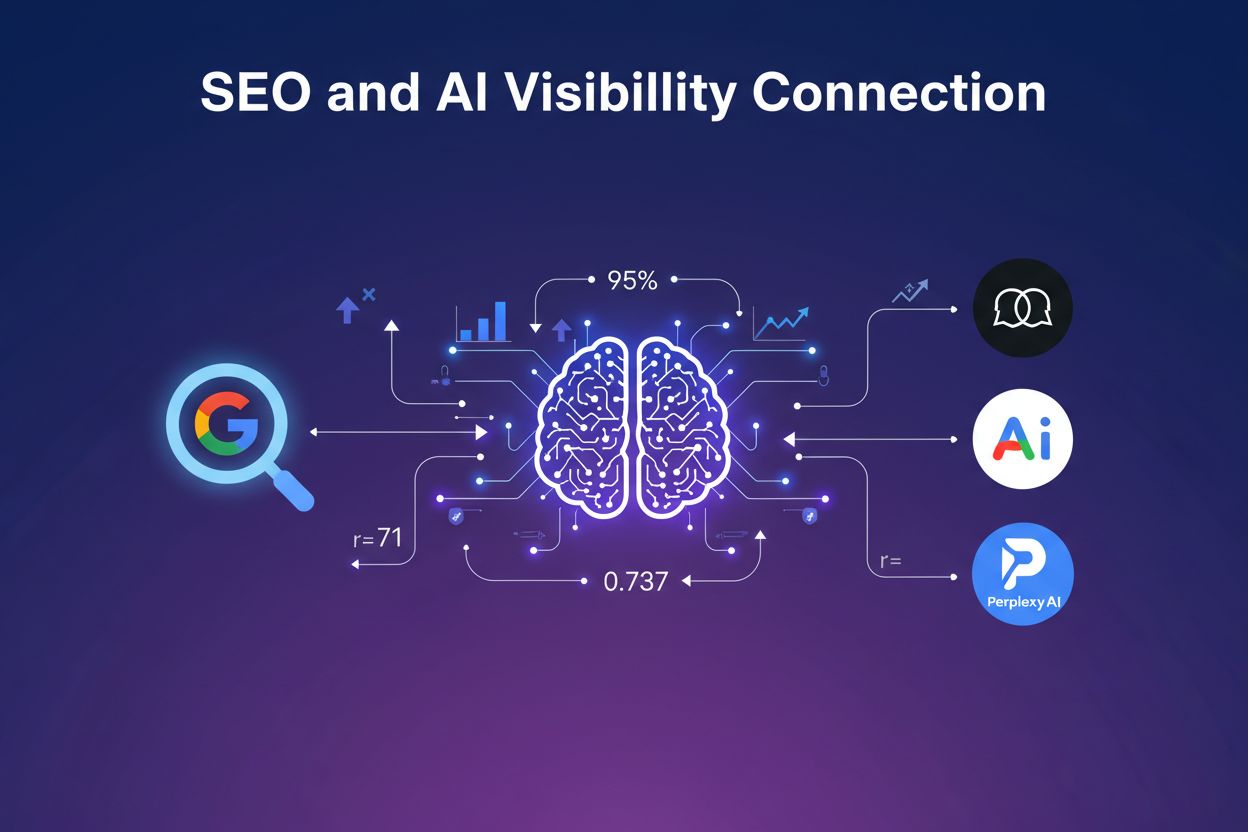
Discover the strong correlation between SEO rankings and AI visibility. Learn how traditional SEO drives AI citations and what signals matter most for AI platfo...
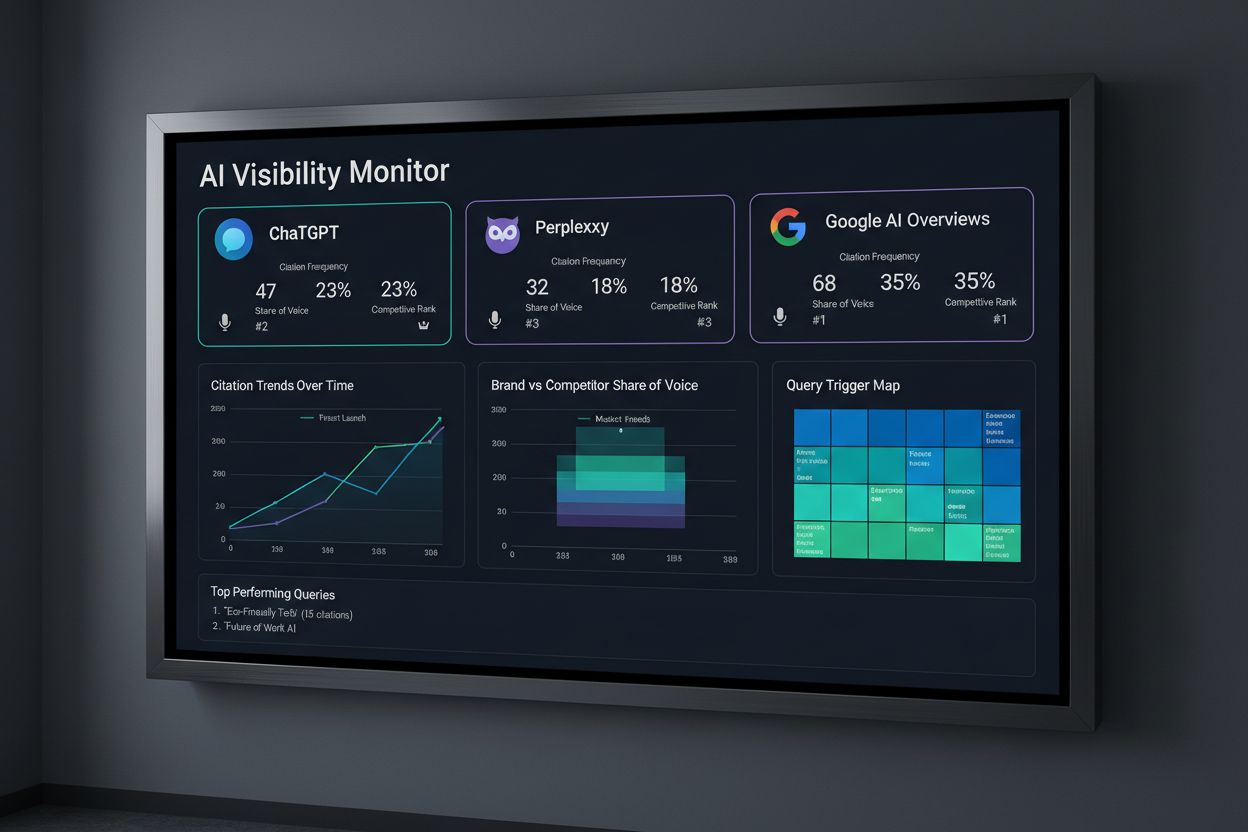
Only 7% of URLs cited by AI search engines match Google's top results. Discover why ranking on Google doesn't guarantee AI visibility and how to optimize for mu...