

How to Align SEO and GEO Teams for Unified Search Strategy
Learn how to align SEO and GEO teams for maximum visibility across traditional and AI search. Discover organizational structures, shared metrics, and unified st...
13 min read
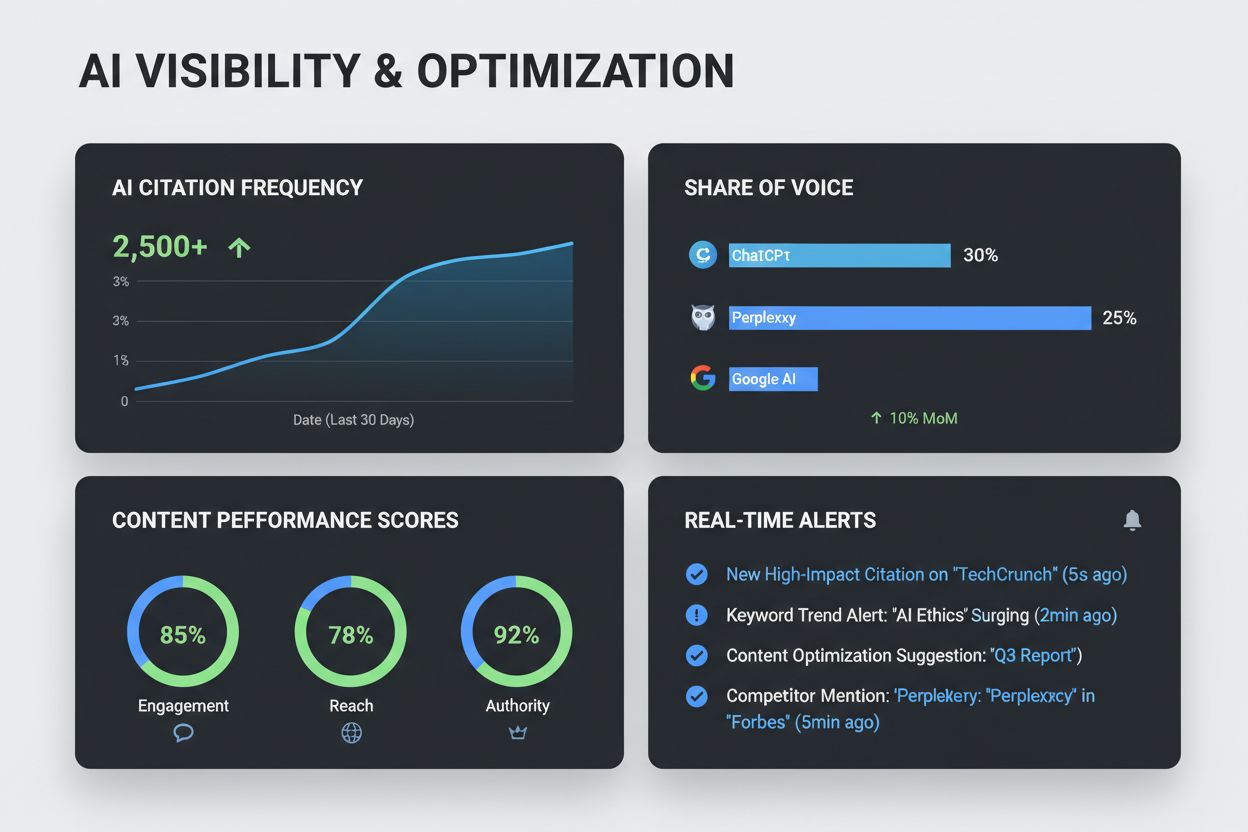
Learn how AI-powered tools optimize content for AI search engines like ChatGPT, Perplexity, and Google AI Overviews. Discover automated GEO strategies and measurement techniques.
The digital marketing landscape is undergoing a fundamental transformation. For nearly two decades, Search Engine Optimization (SEO) dominated content strategy, with marketers obsessing over backlinks, keyword density, and page rankings. Today, a new paradigm is emerging: Generative Engine Optimization (GEO), which requires an entirely different approach to content visibility and discovery.
The shift from SEO to GEO represents a move away from link-based ranking systems toward AI-generated answer systems. Traditional search engines ranked content based on authority signals—primarily backlinks from other websites. Conversely, AI-powered search engines and chatbots analyze content to generate direct answers, citations, and recommendations without necessarily ranking pages in a traditional sense. This distinction is critical: your content might never appear as a “blue link” in an AI response, but it could be cited, paraphrased, or synthesized into the answer itself.
The business implications are staggering. According to recent market research, 37% of product discovery now occurs through AI-powered platforms, fundamentally reshaping how consumers find information and make purchasing decisions. This shift is projected to generate a $750 billion impact on digital commerce by 2028, making GEO optimization not just a nice-to-have but a business imperative. Companies that fail to optimize for AI visibility risk losing significant market share to competitors who understand and implement GEO strategies effectively.
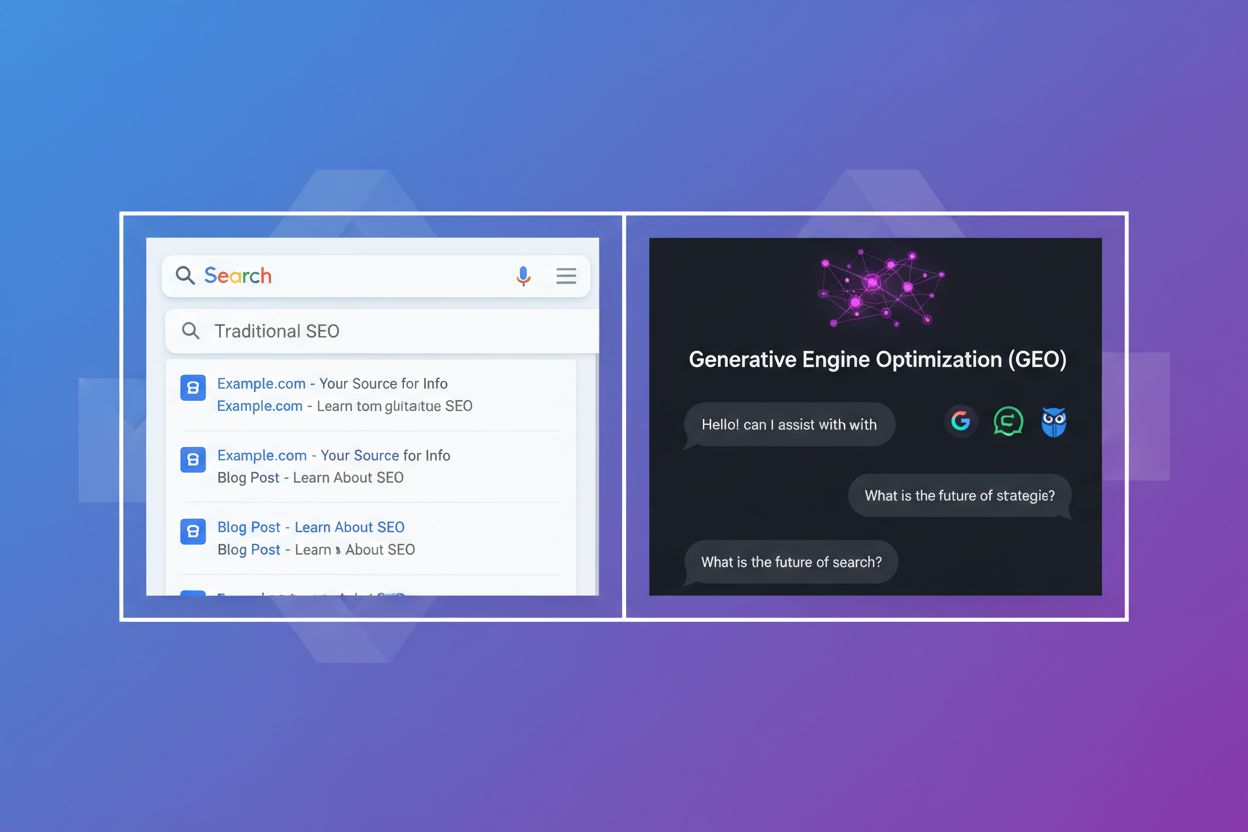
Generative Engine Optimization (GEO) is the practice of optimizing content to be discovered, cited, and recommended by AI-powered systems, including large language models, AI chatbots, and generative search engines. Unlike traditional SEO, which focuses on ranking for specific keywords in search results, GEO emphasizes content quality, comprehensiveness, and relevance to the patterns AI models recognize during training and inference.
GEO-optimized content exhibits several distinctive characteristics. First, it prioritizes depth and comprehensiveness, covering topics thoroughly enough to serve as a reliable source for AI systems. Second, it demonstrates clear expertise, experience, authority, and trustworthiness (E-E-A-T) signals that AI models have learned to recognize as indicators of quality. Third, it uses semantic language that aligns with how AI systems understand concepts and relationships between ideas. Fourth, it structures information in ways that make it easy for AI to parse, extract, and synthesize—using headers, lists, tables, and clear hierarchies rather than dense paragraphs.
The E-E-A-T framework has become central to GEO strategy. Expertise means demonstrating deep knowledge of your subject matter through detailed explanations and nuanced perspectives. Experience involves sharing real-world applications, case studies, and practical examples that show you’ve actually worked with the concepts you’re discussing. Authority comes from credentials, citations from other authoritative sources, and recognition within your field. Trustworthiness is established through transparency, accuracy, proper sourcing, and clear disclaimers where appropriate.
Here’s how SEO and GEO compare across key dimensions:
| Dimension | SEO | GEO |
|---|---|---|
| Output | Ranked list of links | AI-generated answers with citations |
| Focus | Keywords and backlinks | Comprehensiveness and E-E-A-T |
| Consumption | User clicks through to website | Content synthesized in AI response |
| Nature of Interaction | Query → Results → Click | Query → AI synthesis → Citation |
| Citation Frequency | Measured by rankings | Measured by inclusion in responses |
| Content Structure | Optimized for crawlers | Optimized for AI parsing and synthesis |
The paradox of GEO is that optimizing for AI requires using AI. Manual analysis of how AI systems cite and synthesize content is impractical at scale; the patterns are too complex and the systems too numerous. This is where AI-powered optimization tools become essential.
Modern GEO optimization platforms use machine learning algorithms to analyze how different AI systems cite and reference content. These tools monitor thousands of AI-generated responses across multiple platforms, identifying patterns in which content gets cited, how frequently, and in what contexts. By aggregating this data, they reveal which content characteristics correlate with higher citation rates and visibility in AI responses.
Automated content optimization powered by machine learning goes beyond simple keyword suggestions. These systems analyze your existing content against top-cited sources in your industry, identifying gaps in comprehensiveness, missing semantic relationships, and structural improvements that could increase AI visibility. They evaluate factors like content length, header hierarchy, use of data and statistics, entity mentions, and semantic coherence—all elements that influence how AI systems process and cite content.
Leading platforms like Frase, Clearscope, and Profound provide real-time scoring and recommendations. They generate AEO (AI Engine Optimization) scores that quantify how well your content is optimized for AI discovery. More importantly, they create a feedback loop: as you implement recommendations and publish optimized content, the system tracks how that content performs in AI citations, continuously refining its recommendations based on actual performance data. This closed-loop optimization is far more effective than static guidelines because it adapts to how AI systems actually behave, not how we theorize they should behave.
Measuring GEO success requires different metrics than traditional SEO. While organic traffic and rankings remain relevant, they don’t capture the full picture of AI visibility. AEO scores have emerged as a primary metric, quantifying how well content is optimized for AI discovery on a scale typically ranging from 0-100. These scores aggregate multiple factors: content comprehensiveness, E-E-A-T signals, semantic structure, and alignment with how AI systems process information.
Citation frequency and prominence are perhaps the most direct GEO metrics. Citation frequency measures how often your content appears in AI-generated responses across monitored platforms. Prominence considers not just whether you’re cited, but where—citations in the opening sentences of an AI response carry more weight than those buried in supporting references. Some platforms track “citation share,” the percentage of all citations in your industry that reference your content, providing a competitive benchmark.
Share of voice (SOV) metrics adapted from traditional marketing measure your content’s visibility relative to competitors. If your industry generates 1,000 AI citations monthly and your content accounts for 50 of them, your SOV is 5%. Tracking SOV trends over time reveals whether your GEO strategy is gaining ground or losing visibility to competitors.
Platform-specific metrics matter because different AI systems have different citation patterns. Content that performs well in ChatGPT citations might underperform in Perplexity or Google’s AI Overviews. Sophisticated GEO strategies track performance across multiple platforms, identifying which content types and topics resonate with different AI systems.
Citation performance varies dramatically by content type, as shown in this analysis of citation rates across formats:
| Content Type | Citation Rate |
|---|---|
| Listicles | 25% |
| Blogs/Opinion | 12% |
| Community/Forum | 5% |
| Documentation | 4% |
| Commercial | 4% |
| Video | 2% |
This data reveals that structured, list-based content receives citations at rates 12.5 times higher than video content. The implication is clear: if AI visibility is a priority, listicles and structured content should be central to your content strategy, though this doesn’t mean abandoning other formats entirely.
Implementing effective GEO requires a multi-faceted approach. Here are the core strategies that drive AI visibility:
Comprehensive Content (2000+ Words): AI systems are trained on vast amounts of text and tend to cite sources that provide thorough, detailed coverage. Content under 1,000 words rarely achieves significant citation rates. Aim for 2,000-3,000 words for competitive topics, ensuring every section adds genuine value rather than padding word count.
Clear Structure with Headers, Bullets, and FAQ: AI systems parse content structure to understand hierarchy and relationships. Use H2 and H3 headers to organize ideas logically. Include bulleted lists to break up dense information. Add FAQ sections that anticipate questions AI systems might need to answer—these often get cited directly in responses.
Semantic URLs (4-7 Descriptive Words): While URL structure matters less for AI than for traditional SEO, semantic URLs provide additional context signals. Research shows that semantic URLs receive 11.4% more citations than generic URLs. Use descriptive, hyphenated URLs like /ai-powered-geo-optimization-strategy rather than /article-123.
Natural Language and Conversational Tone: AI systems are trained on human language patterns and recognize when content sounds natural versus artificially optimized. Write as you would explain concepts to a knowledgeable colleague—conversational but authoritative, avoiding both jargon-heavy academic language and oversimplified explanations.
Data-Driven Content with Statistics: AI systems weight content that includes original research, statistics, and data-backed claims more heavily than opinion-based content. Include specific numbers, percentages, and research findings. When citing statistics, link to original sources when possible to strengthen E-E-A-T signals.
Entity-Aware Content: Modern AI systems understand entities—people, companies, concepts, locations—and how they relate to each other. Mention relevant entities explicitly and explain their relationships to your topic. If writing about AI optimization, mention specific platforms, researchers, and companies by name.
Mobile-First, Fast-Loading Pages: While AI systems don’t directly measure page speed, they do consider user experience signals. Fast-loading pages reduce bounce rates and increase time-on-page, both of which correlate with content quality. Ensure your site loads in under 3 seconds on mobile devices.
The GEO optimization landscape includes several sophisticated platforms designed specifically to help content teams improve AI visibility. These tools share a common architecture: they monitor AI-generated responses across multiple platforms, analyze citation patterns, and provide actionable recommendations.
Frase pioneered AI-powered content optimization and has evolved to include GEO-specific features. The platform analyzes top-performing content in your industry, identifies content gaps, and provides real-time optimization suggestions as you write. Its strength lies in comprehensive content analysis and competitive benchmarking.
Clearscope focuses on semantic content optimization, analyzing how concepts relate to each other and ensuring your content covers all relevant semantic variations. This approach aligns well with how modern AI systems understand language and relationships between ideas.
Profound specializes in identifying which content gets cited by AI systems and why. It tracks citation patterns across multiple AI platforms and provides insights into what makes content “citation-worthy” from an AI perspective.
AmICited has emerged as a leading platform specifically designed for AI visibility monitoring and optimization. Unlike general content optimization tools, AmICited focuses exclusively on how content performs in AI-generated responses. Its core features include:
AmICited’s integration capabilities allow it to connect with popular content management systems and analytics platforms, making it easy to incorporate GEO metrics into existing workflows. The platform’s strength is its laser focus on AI visibility—every feature is designed specifically to improve how content performs in AI-generated responses.

For teams managing complex content operations, FlowHunt.io serves as a complementary platform for AI automation, helping streamline the content creation and optimization workflow. By automating routine tasks, teams can focus more resources on strategic GEO optimization.
Understanding how your content’s AI visibility compares to competitors is essential for strategic planning. Competitive intelligence in GEO involves tracking which competitor content gets cited in AI responses, how frequently, and in what contexts.
Share of voice analysis reveals your competitive position. If you and three competitors collectively receive 100 citations monthly in your industry, and you receive 20 of them, your SOV is 20%. Tracking this metric monthly reveals whether your GEO strategy is gaining ground. A rising SOV indicates your content is becoming more visible to AI systems; declining SOV suggests competitors are outpacing you.
Identifying content gaps involves analyzing which topics competitors are covering that you’re not, and which of their content receives the most citations. If a competitor’s guide to “AI optimization for e-commerce” receives 15 citations monthly while your similar content receives only 3, analyzing the differences reveals optimization opportunities. Perhaps their content is longer, more comprehensive, includes more data, or has better structure.
Prompt analysis examines the actual queries and prompts that trigger citations of your content versus competitors. Some content gets cited for broad, high-volume queries; other content serves niche, specific questions. Understanding which prompts trigger your citations helps you identify where your content is strongest and where gaps exist.
Real-time alerts notify you when competitors publish new content or when your citation rates change significantly. This allows rapid response—if a competitor publishes content that immediately receives high citation rates, you can analyze what made it successful and either improve your existing content or create complementary content addressing gaps.
The sophistication of AI models continues to increase at a rapid pace. Newer models demonstrate improved ability to distinguish between authoritative and unreliable sources, recognize nuanced expertise, and understand context in ways previous models couldn’t. This evolution means GEO strategies must continuously adapt—what works today may be less effective in six months as models improve.
Multi-platform optimization is becoming increasingly important. As AI-powered search and discovery platforms proliferate, content must be optimized not just for ChatGPT but for Perplexity, Google’s AI Overviews, Claude, and emerging platforms. Different platforms have different citation patterns and preferences, requiring more sophisticated, platform-aware optimization strategies.
Integration of GEO metrics into standard content workflows is accelerating. Leading content teams now include AEO scores and citation tracking alongside traditional SEO metrics when evaluating content performance. This integration ensures GEO considerations influence content strategy from the planning stage through publication and optimization.
Emerging platforms and technologies will continue to reshape the landscape. Voice-based AI assistants, industry-specific AI models, and specialized AI systems for different domains will create new opportunities and challenges for content visibility. Staying informed about these developments and adapting strategies accordingly will separate leaders from laggards.
The fundamental principle underlying all GEO strategy remains constant: create genuinely valuable, comprehensive, authoritative content that serves user needs. AI systems are increasingly sophisticated at recognizing quality, and shortcuts that worked in SEO—keyword stuffing, link schemes, thin content—provide no advantage in GEO. The future belongs to organizations that commit to creating content so valuable that AI systems naturally recognize it as authoritative and cite it in responses. This shift, while challenging, ultimately benefits users by incentivizing higher-quality content creation across the web.
SEO (Search Engine Optimization) focuses on ranking content in traditional search engine results through keywords and backlinks. GEO (Generative Engine Optimization) optimizes content to be cited and synthesized by AI systems like ChatGPT and Perplexity. While SEO aims for clicks, GEO aims for content to be incorporated directly into AI-generated answers.
AI models and algorithms update frequently, so you should review and optimize your content quarterly at minimum. Monitor your citation rates and AEO scores monthly to identify trends. When you notice declining visibility or new competitors emerging, conduct a comprehensive content audit and optimization cycle.
ChatGPT and Google AI Overviews currently drive the highest downstream conversions and user engagement. Perplexity is rapidly growing in popularity. Start by optimizing for these three platforms, then expand to Claude, Microsoft Copilot, and emerging platforms as your strategy matures.
Listicles and structured content receive citations at rates 25% of the time, making them the highest-performing format. Blogs and opinion pieces achieve 12% citation rates. Comprehensive, well-structured content with clear headers, bullet points, and data-driven insights consistently outperforms thin, unstructured content.
Most brands see initial AI citations within 2-4 weeks of implementing GEO optimization. Significant improvements in citation frequency and share of voice typically appear within 60-90 days. Results depend on content quality, competition level, and how comprehensively you implement optimization strategies.
Yes, but with important caveats. Core content can serve both purposes, but GEO requires additional optimization: longer word counts (2000+ words), more comprehensive coverage, better structure, and stronger E-E-A-T signals. Content optimized for GEO typically performs well for SEO, but not all SEO-optimized content meets GEO standards.
Semantic URLs (4-7 descriptive words like '/ai-powered-geo-optimization-strategy') receive 11.4% more citations than generic URLs. While URL structure matters less for AI than for traditional SEO, semantic URLs provide additional context signals that help AI systems understand and cite your content more effectively.
Track AEO scores, citation frequency, and share of voice metrics to measure GEO success. Connect these metrics to business outcomes by monitoring traffic from AI sources using GA4 and tracking conversions from AI-referred visitors. Calculate the revenue impact of increased AI visibility to demonstrate clear ROI.
Track how your brand appears in ChatGPT, Perplexity, Google AI Overviews, and other AI platforms. Get real-time insights into your AI citations and optimize your content for maximum visibility.
Learn how to align SEO and GEO teams for maximum visibility across traditional and AI search. Discover organizational structures, shared metrics, and unified st...
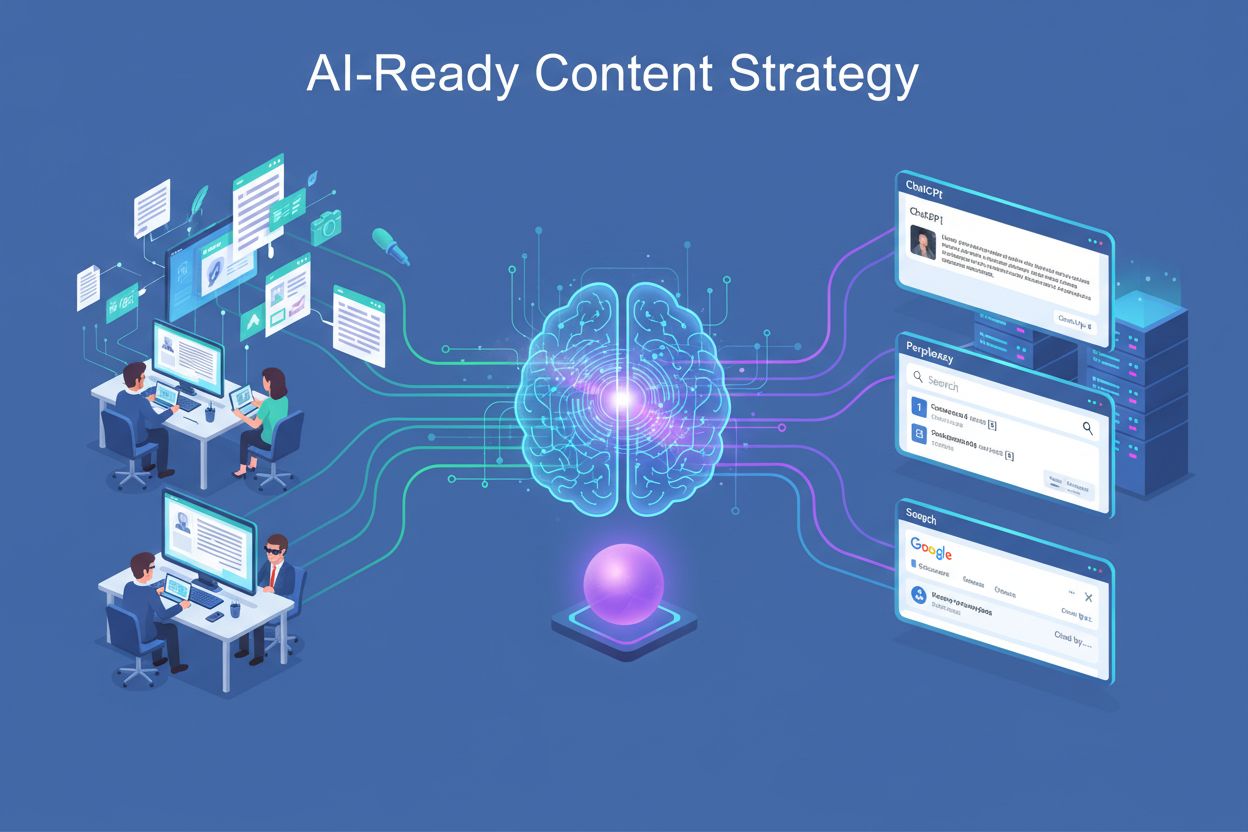
Learn how to build an AI-ready content strategy optimized for generative engines. Discover the three layers of AI infrastructure, implementation steps, and meas...
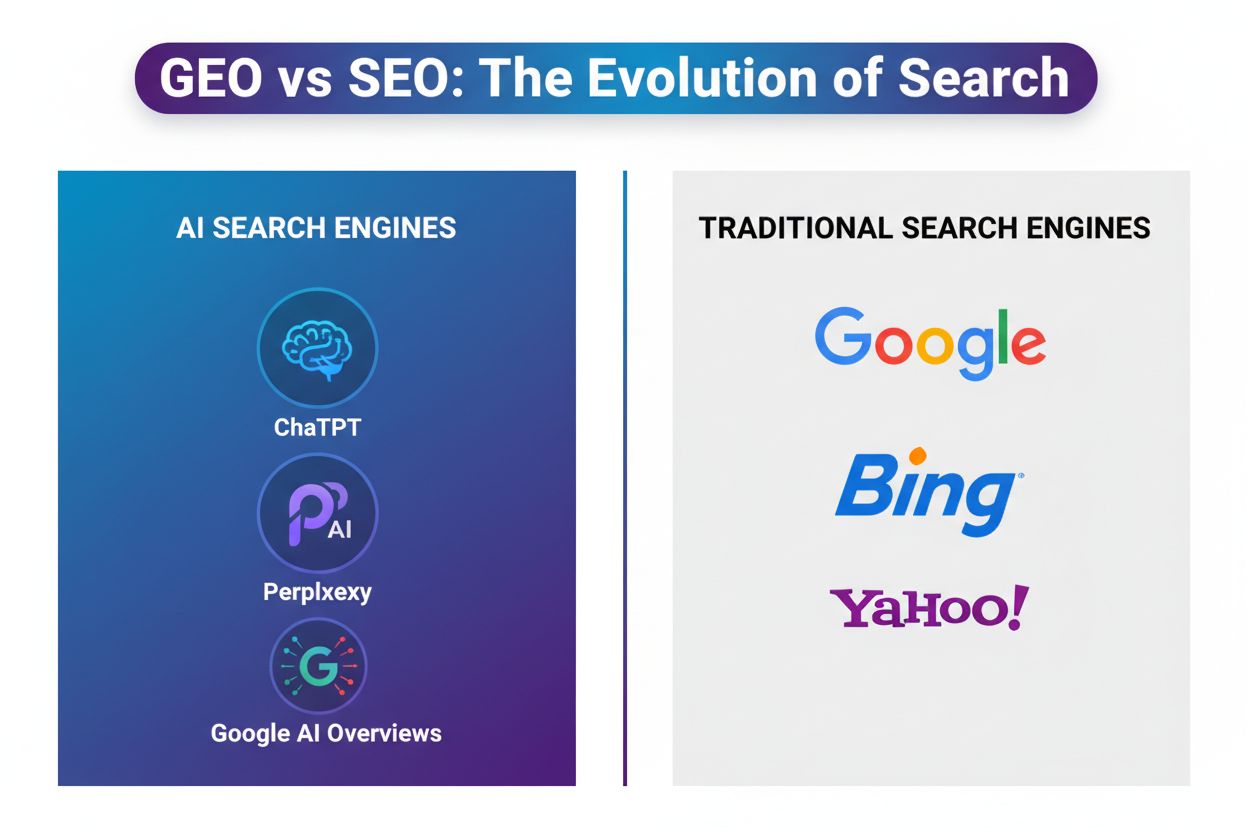
Understand the critical differences between Generative Engine Optimization (GEO) and traditional SEO. Learn how to optimize for AI search engines like ChatGPT, ...