

What is Author Authority for AI Search and Why Does It Matter?
Learn how author authority influences AI search results and AI-generated answers. Understand E-E-A-T signals, expertise demonstration, and how to build credibil...
10 min read

Learn how to build author expertise and credentials that AI systems recognize. Discover trust signals that increase citations in ChatGPT, Perplexity, and Google AI Overviews.
The rise of AI-powered search systems like ChatGPT, Perplexity, and Google AI Overviews has fundamentally changed how content credibility is evaluated online. Unlike traditional search engines that rely primarily on link authority and keyword relevance, modern AI systems employ a more sophisticated approach to author verification and expertise assessment. These systems cross-reference author identity across the entire web, analyzing multiple signals—including professional credentials, publication history, social media presence, and third-party mentions—to determine whether a writer is a genuine expert in their field. This shift means that anonymous or unattributed content faces significant disadvantages in AI-driven search results, while named experts with verifiable credentials receive preferential treatment. For content creators and businesses, this represents a critical opportunity: establishing clear author expertise is no longer just a best practice for user trust—it’s becoming a technical requirement for visibility in AI search results.
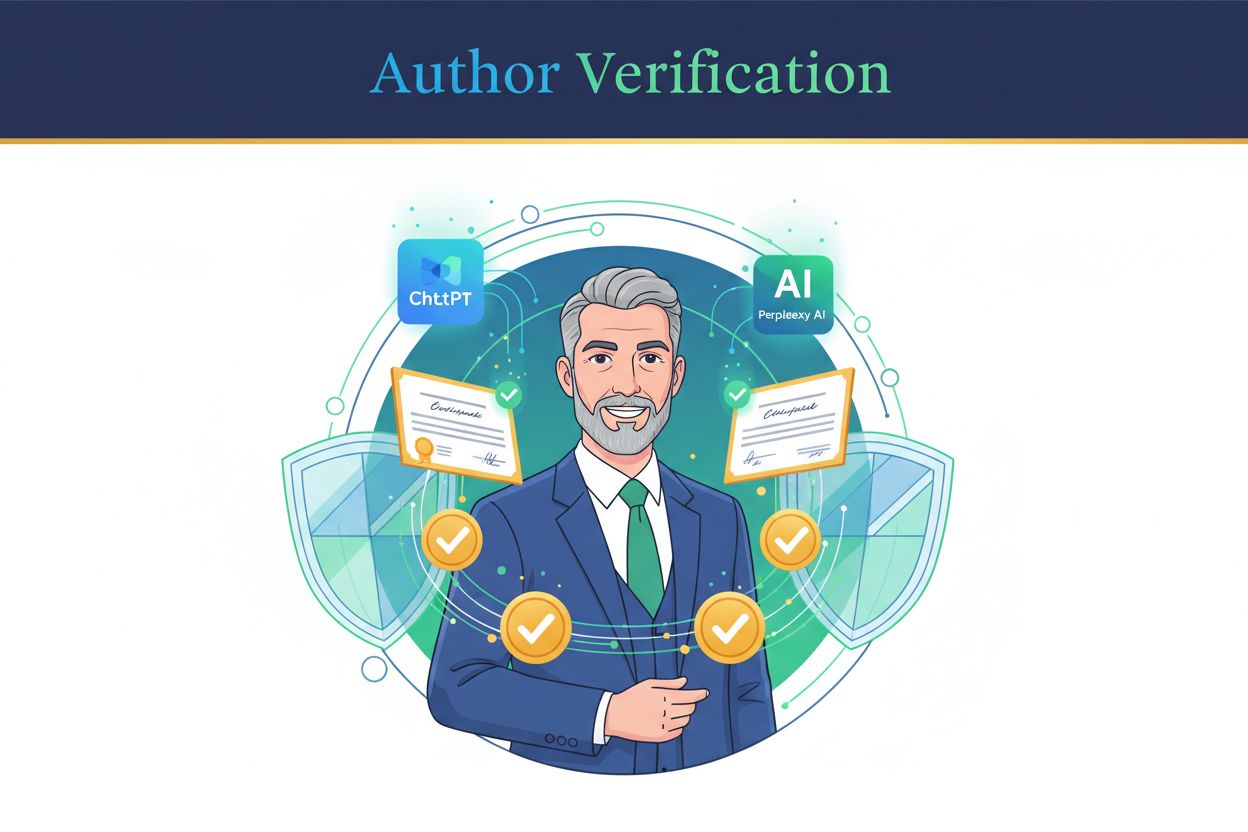
Google’s E-E-A-T framework (Experience, Expertise, Authoritativeness, and Trustworthiness) has become the gold standard for content evaluation, and AI systems have adopted and adapted these principles for their own ranking and citation mechanisms. While traditional Google search uses E-E-A-T primarily as a quality signal for ranking, AI language models integrate E-E-A-T assessment directly into their response generation, using it to determine which sources to cite and how prominently to feature them. Understanding how each element functions within AI systems is essential for anyone seeking to improve their content’s visibility and credibility.
| E-E-A-T Element | Definition | AI System Evaluation | Example |
|---|---|---|---|
| Experience | Practical, hands-on knowledge in a field | AI systems verify through case studies, portfolio work, and documented projects | A financial advisor who has managed $100M+ in client assets receives higher credibility than someone with only theoretical knowledge |
| Expertise | Deep knowledge, certifications, and specialized training | AI systems cross-reference credentials, degrees, and professional certifications across multiple platforms | A cardiologist with an MD from Johns Hopkins and board certification is weighted more heavily than a general health blogger |
| Authoritativeness | Recognition and respect within an industry | AI systems measure through speaking engagements, published research, media mentions, and peer citations | An author frequently cited in peer-reviewed journals and quoted by major news outlets gains higher authority scores |
| Trustworthiness | Transparency, accuracy, and ethical practices | AI systems prioritize this most heavily—evaluating disclosure of conflicts of interest, correction of errors, and consistency across sources | A financial writer who clearly discloses affiliate relationships and has a track record of accurate predictions ranks higher than one with hidden conflicts |
The critical distinction is that AI systems weight trustworthiness most heavily of the four elements, often treating it as a gating factor before considering the other three. This means that even highly experienced and authoritative authors can lose credibility if they fail to demonstrate transparency or if their content contains factual errors that AI systems can detect through cross-referencing.
In the age of AI-driven search, named authorship has become a competitive advantage that anonymous or generic bylines simply cannot match. When AI systems encounter content attributed to a specific, credentialed individual, they can immediately begin verification processes—searching for the author’s professional website, LinkedIn profile, previous publications, and third-party mentions that confirm their expertise. This verification process is nearly impossible with anonymous content, which AI systems treat with inherent skepticism. Research from content analysis platforms shows that articles with named authors and detailed author bios receive 3-5x more citations in AI-generated responses compared to similar content without clear attribution. For example, a health article written by “Dr. Sarah Chen, MD, Board-Certified Cardiologist” with a link to her medical credentials and professional profile will be prioritized over an identical article attributed only to “Health Staff Writer.” Companies like Healthline and Mayo Clinic have seen measurable improvements in AI citation rates after implementing comprehensive author profiles that include credentials, specializations, and publication history. The takeaway is clear: visibility in AI search requires visibility of the author behind the content.
Establishing author expertise requires a deliberate, multi-faceted approach that goes beyond simply claiming credentials. The most effective strategy involves creating multiple touchpoints where your expertise becomes visible and verifiable to both human readers and AI systems. This means systematically building signals across different channels that collectively demonstrate your knowledge, experience, and authority in your field. Organizations like HubSpot and Neil Patel have successfully built their author brands by consistently publishing high-quality content while simultaneously strengthening their author profiles across multiple platforms. The key is to treat author credibility as an ongoing project rather than a one-time setup task. By implementing the following actionable steps, you can significantly enhance how AI systems perceive and rank your content based on author authority.
Actionable Steps to Establish Author Expertise Signals:
Create comprehensive author profiles and bios – Develop detailed author pages on your website that include professional background, credentials, education, certifications, and notable achievements. Include a professional headshot and links to your social profiles to create a complete picture of your expertise.
Publish original research and case studies – Conduct and publish proprietary research, data-driven case studies, and original insights that demonstrate deep knowledge in your field. This original work becomes a powerful credibility signal that AI systems recognize as authoritative content.
Earn media mentions and third-party validation – Pursue interviews, guest articles, and mentions in reputable industry publications, news outlets, and trade journals. These external validations serve as independent verification of your expertise that AI systems heavily weight.
Maintain consistent author information across all platforms – Ensure your name, title, bio, and credentials are identical across your website, LinkedIn, Twitter, company directories, and any other platforms where you publish content.
Build and actively maintain author social media presence – Develop a professional social media following by sharing insights, engaging with industry discussions, and building a community around your expertise. Consistent social activity signals active engagement in your field.
Participate in industry discussions and thought leadership – Contribute to industry forums, webinars, podcasts, and professional associations. Speaking engagements and active participation in industry conversations establish you as a recognized voice in your domain.
Document and display professional certifications and awards – Prominently feature relevant certifications, industry awards, speaking engagements, and professional memberships. These credentials provide concrete proof of expertise that AI systems can verify.
Implementing structured data markup is essential for helping AI systems accurately identify and understand author credentials. Schema.org provides specific markup types—particularly the Author schema and ProfilePage schema—that allow you to formally declare author information in a machine-readable format. When you implement author schema markup on your content, you’re essentially creating a standardized credential card that AI systems can easily parse and understand. This structured data tells search engines and AI models exactly who wrote the content, what their credentials are, and where to find more information about them. Without this markup, AI systems must infer author information from unstructured text, which is far less reliable and often leads to missed credibility signals. By using ProfilePage schema to link to your author profile and including detailed credential information within that profile’s structured data, you create a clear, verifiable connection between your content and your expertise. This technical implementation is particularly important because modern AI systems increasingly rely on structured data to make trust assessments—they can process and verify formally declared credentials far more efficiently than they can extract and validate information from plain text.
Maintaining consistent author information across all your digital properties is crucial for building AI trust, as inconsistencies create confusion and reduce credibility signals. Your author bio, professional title, credentials, and contact information should be identical across your website, Google Business Profile, LinkedIn, Twitter, industry directories, and any other platforms where you maintain a presence. When AI systems encounter conflicting information about the same author across different platforms—such as different job titles, varying credential lists, or inconsistent professional backgrounds—they interpret this as a credibility risk and may downweight your content accordingly. For example, if your website bio lists you as a “Senior Marketing Strategist” while your LinkedIn profile says “Marketing Manager,” or if one platform mentions your MBA while others don’t, AI systems struggle to verify which information is accurate. This inconsistency is particularly damaging because it suggests either carelessness or intentional misrepresentation. To maintain consistency, conduct a quarterly audit of all platforms where your author information appears, create a master document with your official bio and credentials, and systematically update each platform to match. Tools like Google Search Console and third-party profile management services can help you monitor how your author information appears across the web and identify discrepancies before they damage your credibility with AI systems.
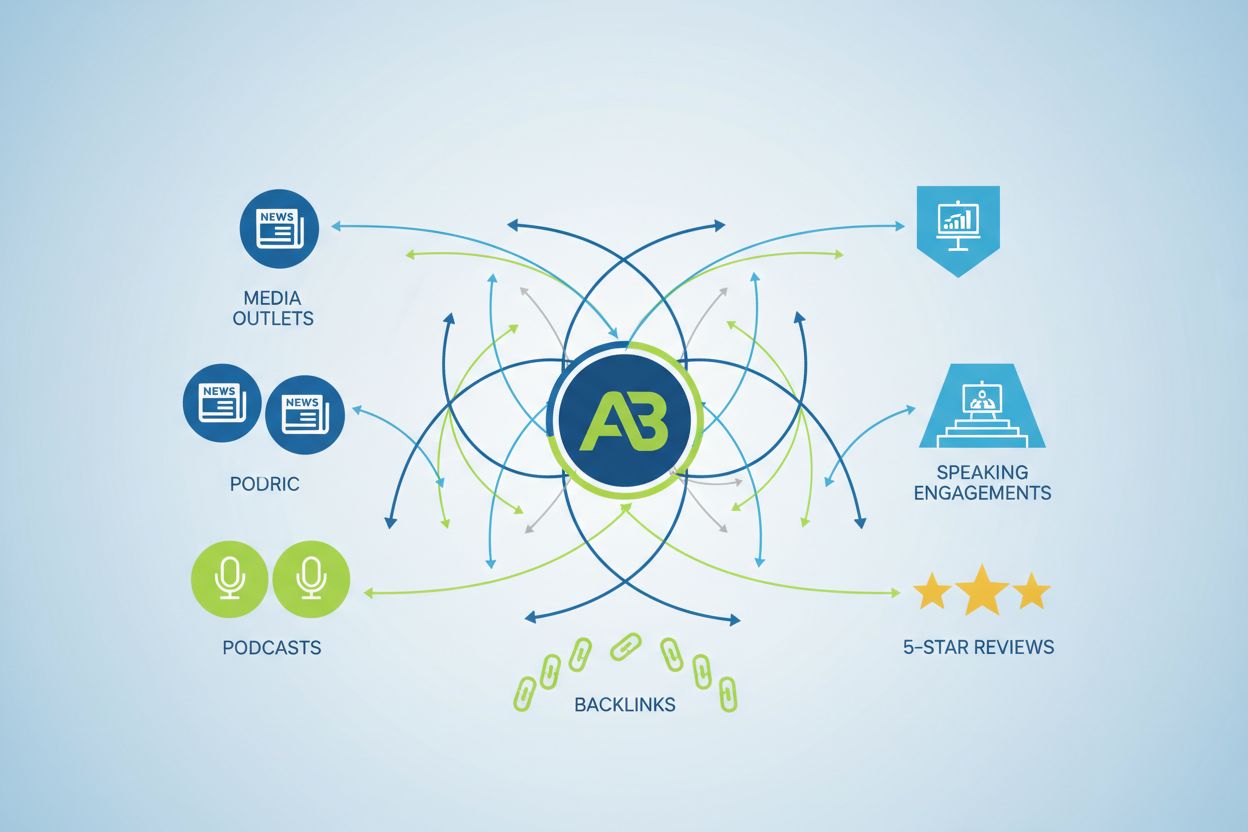
Third-party validation serves as a powerful external signal that amplifies author credibility within AI systems. When reputable media outlets, industry publications, and authoritative websites cite or reference an author’s work, AI algorithms interpret these mentions as endorsements of expertise and trustworthiness. This validation extends beyond simple backlinks—it encompasses podcast appearances where authors discuss their expertise, speaking engagements at recognized conferences, and peer recognition from other established experts in the field. Research from SEMrush and Moz indicates that content with third-party mentions receives significantly higher citation rates in AI-generated responses, with studies showing that authors mentioned in 10+ authoritative sources are 3x more likely to be cited by major language models. To earn meaningful third-party validation, authors should actively pursue speaking opportunities at industry conferences, pitch themselves as expert commentators to journalists and podcasters, contribute guest articles to established publications in their niche, and build relationships with other recognized authorities who can provide peer endorsements. Additionally, creating original research, publishing whitepapers, or conducting surveys that other publications want to reference naturally generates third-party citations. The key is consistency—sporadic mentions carry less weight than sustained visibility across multiple reputable platforms over time. For AI systems, third-party validation essentially acts as a credibility multiplier, transforming individual author claims into verified expertise that algorithms can confidently weight in their decision-making processes.
Author credentials take on heightened importance in “Your Money or Your Life” (YMYL) topics, where inaccurate information can directly impact readers’ financial security, health, or legal standing. AI systems apply significantly stricter evaluation criteria to author expertise when processing content about healthcare, finance, legal matters, insurance, and investment advice. Google’s E-E-A-T framework (Experience, Expertise, Authoritativeness, Trustworthiness) explicitly emphasizes that YMYL content requires demonstrable credentials, professional certifications, and verifiable experience—standards that modern AI systems have adopted in their training and evaluation protocols. For example, financial advice from a certified financial planner (CFP) or someone with a CFA designation carries substantially more weight in AI citations than general commentary, while medical content from board-certified physicians receives preferential treatment over wellness bloggers. The distinction matters because AI systems recognize that YMYL topics carry real-world consequences; a misquoted investment strategy or incorrect medical information could harm users who rely on AI-generated responses. Authors writing in these domains should prominently display relevant credentials, licenses, and certifications, maintain updated professional profiles on platforms like LinkedIn, and ensure their author bios explicitly mention their qualifications. This transparency helps AI systems quickly verify expertise and increases the likelihood that the author’s content will be cited in responses to YMYL queries.
Several critical mistakes can severely undermine author credibility signals and damage how AI systems evaluate expertise. Fake or misrepresented credentials represent the most damaging error—claiming certifications you don’t possess, inflating job titles, or exaggerating experience levels can be detected through verification processes that AI systems increasingly employ, resulting in complete loss of credibility. Outdated author information creates confusion and reduces trust; if your author bio hasn’t been updated in five years and no longer reflects your current role or achievements, AI systems may discount your expertise or flag the content as potentially unreliable. Missing or minimal author bios are equally problematic—content without clear author attribution or with vague descriptions like “written by our team” provides no credibility signals for AI systems to evaluate. Inconsistent author details across platforms—such as having different credentials listed on your website versus LinkedIn, or varying descriptions of your experience—trigger credibility warnings in AI evaluation algorithms. Other credibility killers include failing to disclose conflicts of interest, maintaining an inactive or unprofessional online presence, publishing content with numerous factual errors that contradict your claimed expertise, and disappearing from public visibility for extended periods. The consequences are severe: AI systems may deprioritize your content in citations, flag it with lower confidence scores, or exclude it entirely from responses to authoritative queries. Even a single credibility violation can take months or years to recover from in AI systems’ evaluation frameworks.
Tracking whether your author expertise is being recognized by AI platforms requires a multi-faceted monitoring approach that goes beyond traditional analytics. Begin by monitoring AI citations through tools like Semrush’s AI Visibility tool, which tracks how often your content appears in AI-generated responses and identifies which specific pieces are being cited. Use specialized platforms like Originality.AI or Copyleaks to monitor where your content is referenced in AI outputs, and set up Google Alerts for your name combined with keywords like “according to [your name]” or “[your name] says” to catch organic mentions. Track brand mentions in major language models by periodically querying ChatGPT, Claude, and other LLMs with questions related to your expertise area, noting whether your name or work appears in responses. Measure author mentions across industry publications and podcasts using tools like Mention.com or Brand24, which provide insights into third-party validation trends. Key metrics to monitor include citation frequency (how often you’re cited in AI responses), citation context (whether mentions are positive and accurate), visibility trends (whether mentions are increasing or decreasing over time), and competitive positioning (how your citation rate compares to competitors in your field). Establish a baseline by documenting your current visibility, then review these metrics quarterly to identify gaps and opportunities. This ongoing monitoring helps you understand how AI systems perceive your expertise and guides strategic decisions about where to publish, speak, and build visibility to strengthen your author authority signals.
AI systems like ChatGPT and Perplexity cross-reference author identity across the entire web, analyzing professional credentials, publication history, social media presence, and third-party mentions in real-time. Unlike Google's traditional ranking algorithms that primarily use backlinks and keyword relevance, AI systems employ sophisticated verification protocols to determine if an author is a genuine expert before citing their content.
Author expertise refers to formal or informal knowledge, certifications, and specialized training in a field, while author experience means practical, hands-on involvement with the subject matter. AI systems value both, but they evaluate them differently—expertise through credentials and certifications, and experience through documented case studies, portfolio work, and real-world projects.
Yes, you can build credibility through demonstrated experience, original research, published case studies, and third-party validation. However, for YMYL (Your Money or Your Life) topics like healthcare, finance, and legal matters, formal qualifications become essential. AI systems weight formal credentials more heavily for these sensitive topics.
Author visibility is critical for AI citations. Research shows that articles with named authors and detailed author bios receive 3-5x more citations in AI-generated responses compared to similar content without clear attribution. Named experts with verifiable credentials are prioritized by AI systems over anonymous or generic bylines.
Use Schema.org's Author schema to formally declare author information on your content pages, and implement ProfilePage schema on your author profile pages. These structured data types help AI systems accurately identify and understand author credentials in a machine-readable format, improving verification accuracy.
Building author expertise signals is an ongoing process. Initial improvements in AI citations may appear within 2-4 weeks of implementing author profiles and publishing original content, but significant credibility gains typically take 3-6 months of consistent effort across multiple platforms and channels.
Yes, every piece of content should have a named author whenever possible. Anonymous or generic bylines like 'Staff Writer' or 'Admin' significantly reduce credibility signals for AI systems. Even if multiple people contribute to content, designate a primary author with a detailed author profile and credentials.
Use tools like Semrush's AI Visibility tool to track citations in AI-generated responses, set up Google Alerts for your name combined with keywords, and periodically query major LLMs (ChatGPT, Claude, Perplexity) with questions related to your expertise. Monitor citation frequency, context, and trends quarterly to assess your author authority signals.
Track how AI systems recognize and cite your author credentials with AmICited's AI monitoring platform
Learn how author authority influences AI search results and AI-generated answers. Understand E-E-A-T signals, expertise demonstration, and how to build credibil...
Learn how to demonstrate expertise and build authority for AI visibility in ChatGPT, Perplexity, and Google AI Overviews. Master E-E-A-T framework for AI search...

Author expertise is demonstrated knowledge of a content creator showing qualifications, experience, and credibility. Learn how it impacts SEO, AI citations, and...