

Personal Brand AI Visibility: Getting Cited as an Expert
Learn how to build personal brand visibility in AI systems like ChatGPT, Google AI Overview, and Perplexity. Discover AI citation strategies to get recognized a...
7 min read

Learn how to create B2B thought leadership content that gets cited by AI platforms like ChatGPT, Perplexity, and Google AI Overviews. Strategic content optimization for enterprise authority.
When potential customers research B2B solutions today, they’re not scrolling through ten blue links—they’re getting direct answers from AI-powered tools like ChatGPT, Perplexity, and Google AI Overviews. If your B2B brand isn’t being cited in these AI responses, you’re missing out on prime visibility when prospects are actively researching solutions. Being cited by AI represents a new form of digital authority that goes beyond traditional search rankings, fundamentally reshaping how enterprise buyers discover and evaluate solutions.
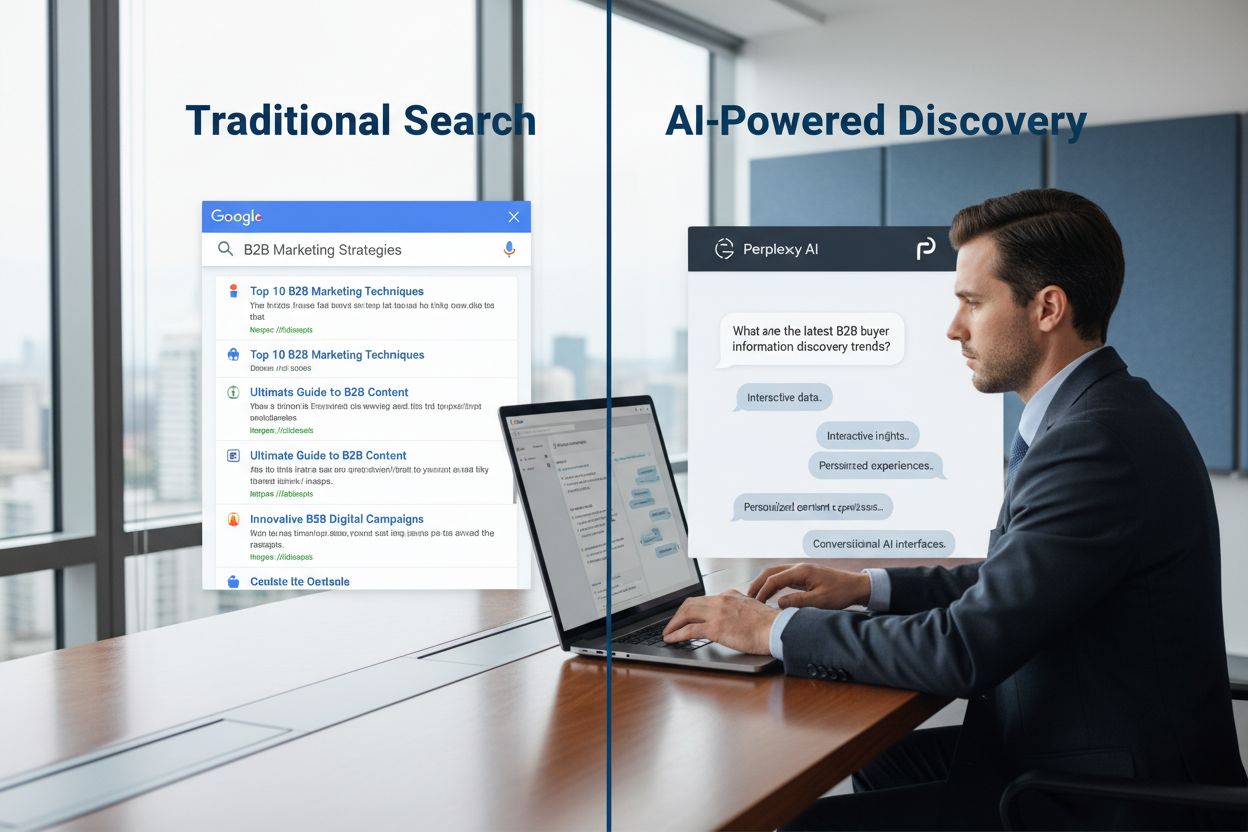
Each AI platform has distinct preferences when selecting sources to cite, and understanding these patterns is crucial for B2B companies looking to maximize their AI visibility. ChatGPT heavily favors neutral, high-authority content from established sources, rarely citing commercial product pages unless they appear in third-party reviews or analyst reports. Perplexity excels at finding specialized, authoritative content within specific industries and particularly favors structured reviews, editorial comparisons, and expert-authored content. Google AI Overviews cast the widest net, pulling from blogs, news, forums like Reddit, and professional networks like LinkedIn, with most citations coming from non-homepage URLs that emphasize depth and specificity. Understanding these platform-specific preferences allows you to tailor your content strategy accordingly, ensuring your thought leadership reaches the right AI systems.
| AI Platform | Citation Preference | Content Type | Authority Source |
|---|---|---|---|
| ChatGPT | Neutral, high-authority | Third-party reviews, analyst reports, educational content | Established publications, Wikipedia, industry standards |
| Perplexity | Specialized, niche authority | Comparison pages, technical guides, research reports | Industry experts, specialized blogs, review platforms |
| Google AI Overviews | Comprehensive, multi-source | Deep informational pages, FAQs, how-to guides | Diverse sources including blogs, forums, LinkedIn |
| Claude | Evidence-based, methodical | Research-backed content, case studies, documentation | Academic sources, technical documentation, verified data |
Research shows that specific content formats consistently surface in LLM-driven results and get picked up, cited, and amplified by AI models. These five content types, when structured the right way, dramatically increase your chances of earning AI citations:
Comparison Pages: “X vs. Y” content that includes pros, cons, pricing, use case matching, and structured comparison tables. AI engines frequently surface comparison content even when queries don’t explicitly ask for comparisons, making this format essential for competitive positioning.
Integration Docs and API Documentation: Technical documentation with clear auth scopes, API limits, rate limiting, error codes, and troubleshooting guides. ChatGPT and Copilot regularly cite SaaS APIs and developer documentation in answers about implementation and best practices.
Use Case Hubs: Content that ties features to real business problems with testimonials and product mapping. AI systems prefer content that addresses specific industry challenges and demonstrates how solutions solve actual pain points.
Thought Leadership on External Platforms: Posts from company experts, founders, and SMEs on outlets like Medium and Dev.to for strategy-based questions. LLMs pick up these posts because they represent independent expert voices rather than promotional company content.
Product Documentation with Schema: Product docs structured with FAQPage, HowTo sections, and breadcrumb structured data. Gemini AI Mode particularly favors well-structured documentation that helps machines understand content hierarchy and relationships.
Enterprise buyers expect comprehensive, authoritative resources that demonstrate deep expertise in specific domains. Rather than creating scattered content across multiple topics, focus on a small number of recurring topics within your industry vertical—such as AI in procurement, cybersecurity in logistics, or compliance automation in healthcare. This focused approach allows you to build pillar content that establishes clear category expertise, supported by deep documentation, implementation guides, and case studies that address every stage of the buyer journey.
Third-party validation matters significantly for enterprise audiences. Analyst coverage from firms like Gartner or Forrester, mentions in industry standards bodies, and citations in niche industry publications all signal authority to both AI systems and human buyers. When AI engines see your content referenced by multiple authoritative sources, they’re more likely to cite you as a trusted source. This earned authority loop—where your content gets cited, which increases your authority, which leads to more citations—becomes self-reinforcing over time.
AI search engines don’t index or retrieve whole pages; they break content into passages or “chunks” and retrieve the most relevant segments for synthesis. This fundamental difference requires a different approach to content structure. Each section of your content should be independently understandable, with clear, direct answers leading each paragraph rather than burying conclusions at the end. Start with a concise, quotable answer, then expand with supporting details, examples, and evidence.
Use clear subheadings (H2/H3) for every subtopic to help AI systems understand your content hierarchy. Keep passages semantically tight and self-contained, focusing on one idea per section. Here’s an example of answer-first structure:
<h2>What is SOC 2 compliance?</h2>
<p>SOC 2 is a security audit framework that evaluates how service organizations manage customer data and systems. It focuses on five trust service criteria: security, availability, processing integrity, confidentiality, and privacy.</p>

<h3>Why SOC 2 matters for SaaS companies</h3>
<p>Enterprise customers increasingly require SOC 2 certification before signing contracts. This certification demonstrates that your company has implemented proper security controls and undergoes regular audits.</p>

<h3>SOC 2 Type I vs. Type II</h3>
<p>Type I audits evaluate your controls at a specific point in time, while Type II audits assess controls over a minimum six-month period. Most enterprise customers require Type II certification.</p>
Implementing structured data using JSON-LD helps AI systems better understand and extract information from your content. This technical implementation is non-negotiable for maximizing AI citations. Use SoftwareApplication schema for product pages to help AI systems understand your offering’s capabilities and positioning:
{
  "@context": "https://schema.org",
  "@type": "SoftwareApplication",
  "name": "Your Product Name",
  "applicationCategory": "Business Software",
  "operatingSystem": "Web",
  "offers": {
    "@type": "Offer",
    "price": "Starting at $X/month",
    "priceCurrency": "USD"
  }
}
Use FAQPage schema for Q&A sections to make your content easily extractable:
{
  "@context": "https://schema.org",
  "@type": "FAQPage",
  "mainEntity": [
    {
      "@type": "Question",
      "name": "How do I implement this feature?",
      "acceptedAnswer": {
        "@type": "Answer",
        "text": "Follow these steps..."
      }
    }
  ]
}
Use HowTo schema for implementation guides to help AI systems understand step-by-step processes:
{
  "@context": "https://schema.org",
  "@type": "HowTo",
  "name": "How to set up integration",
  "step": [
    {
      "@type": "HowToStep",
      "name": "Step 1",
      "text": "First, navigate to..."
    }
  ]
}
AI engines favor original, citable data that only your company can provide. Create quarterly benchmarks from your customer base showing industry performance metrics, publish anonymized case studies with real implementation timelines and results, and develop methodology studies explaining how you approach common challenges. Always include sample size, time windows, and limitations to establish credibility.
Present key statistics in single, quotable sentences alongside simple charts. For example: “Companies that implement automated compliance workflows reduce audit preparation time by an average of 40%, according to our analysis of 500+ enterprise deployments.” This format makes your research easy for AI systems to extract and cite while maintaining transparency about your methodology.
Each AI platform has unique crawling patterns and citation preferences, requiring platform-specific optimization strategies. For Google AI Overviews, elevate your deep informational pages by adding FAQPage and HowTo structured data, including outbound citations to authoritative sources, and reinforcing expertise with mini case studies. This approach helps AI Overviews understand your content’s depth and relevance.
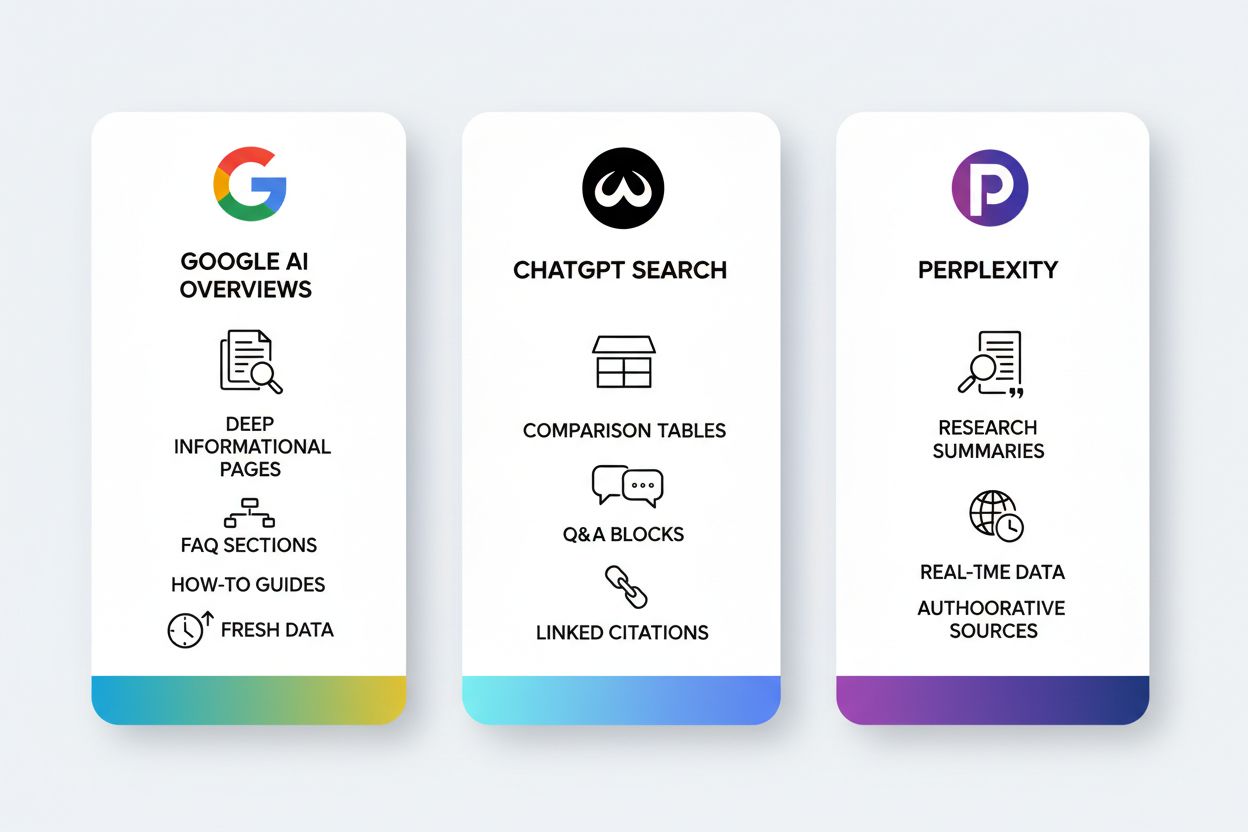
For ChatGPT Search, use a neutral, encyclopedic tone on reference content, include clear frameworks and definitions, and add methodology sections with supporting evidence. ChatGPT’s training data emphasizes authoritative, unbiased sources, so positioning your content as educational rather than promotional increases citation likelihood.
For Perplexity, emphasize fresh data and regular updates, structure Q&A blocks prominently, use explicit comparison tables with implementation details and total cost of ownership, and keep documentation fast and crawlable. Perplexity rewards specialized expertise and current information, making it ideal for technical and industry-specific content.
To effectively optimize for AI citations, you need to track your progress across multiple dimensions. Monitor citation frequency metrics including how often your company appears in AI responses, which types of queries trigger citations of your content, which pieces of your content are being cited most frequently, and how your citation frequency compares to key competitors.
Track quality and context metrics such as whether you’re being cited positively, neutrally, or negatively, whether citations appear for high-intent and relevant queries, whether your content is cited across multiple AI platforms, and whether citations accurately represent your capabilities. Implement a weekly testing protocol by creating a prompt bank of 25-50 realistic buyer prompts, testing them across Google AI Overviews, ChatGPT Search, and Perplexity, logging whether your content appears in answers, and noting which URLs are cited and the exact sentences quoted.
Over-promotional content gets filtered out by AI systems that prioritize neutral, educational information. Instead of focusing on why you’re the best, focus on educating prospects about the category and your approach. Neglecting technical documentation is another critical mistake—B2B SaaS buyers need detailed technical information, and comprehensive documentation often gets cited more frequently than marketing content.
Ignoring long-tail queries misses significant opportunities. While high-volume keywords are competitive, long-tail, specific queries often have less competition and higher intent. Claims without supporting evidence rarely get cited by AI systems that increasingly verify information. Always back up statements with data, research, or customer examples. Balance your marketing messaging with genuine educational content, and ensure technical depth matches your audience’s sophistication level.
As AI search continues evolving, B2B companies should prepare for increased personalization, where AI responses become more tailored to specific company profiles and use cases. Multi-modal content integration will accelerate, with AI engines incorporating video, images, and interactive content alongside text. Real-time integration capabilities may allow AI tools to pull from live APIs and databases, making your product data and availability accessible in real-time.
Enhanced verification capabilities are developing, with AI platforms building better fact-checking abilities. Ensure all claims are accurate and can be independently verified. The companies that start optimizing for AI citations now will have a significant advantage as this channel continues to grow. By focusing on educational content, building third-party credibility, and structuring information for machine readability, B2B companies can position themselves to win in the AI-driven search landscape.
Traditional SEO focuses on ranking for keywords in search results, while AI citation optimization targets being referenced as an authoritative source in AI-generated answers. AI platforms like ChatGPT and Perplexity cite sources based on authority, relevance, and content quality rather than keyword rankings. This requires a different content strategy focused on depth, original research, and topical authority rather than keyword density.
Most B2B companies begin seeing AI citations within 2-4 months of implementing a comprehensive content strategy, though this varies by industry and competition level. The timeline depends on your starting authority level, content quality, and how quickly you implement schema markup and structural improvements. Consistent monitoring and iteration can accelerate results, with some companies seeing citations within 4-6 weeks for niche topics.
B2B companies should prioritize Google AI Overviews, ChatGPT Search, and Perplexity, as these platforms drive the most B2B buyer traffic. Google AI Overviews reach the broadest audience, ChatGPT attracts enterprise decision-makers, and Perplexity excels at technical and specialized queries. Start by optimizing for all three, then allocate resources based on where your target audience spends the most time.
Yes, small B2B companies can absolutely compete for AI citations by focusing on niche topics and specific use cases where they have genuine expertise. AI platforms reward original research, deep technical knowledge, and specialized authority over brand size. Small companies often win citations in long-tail queries and vertical-specific topics where they can establish clear topical authority.
Update your highest-value content at least quarterly to maintain freshness signals that AI platforms prioritize. Add new data, refresh case studies, update screenshots, and expand FAQ sections based on new customer questions. For evergreen content, annual reviews are sufficient, but pages targeting competitive queries benefit from more frequent updates to maintain citation visibility.
While backlinks still matter for traditional SEO, AI citations are more influenced by content quality, authority signals, and topical expertise than raw link counts. However, backlinks from authoritative sources still help establish domain authority, which AI platforms consider. Focus on earning citations through excellent content first, then build backlinks as a supporting signal.
Measure ROI by tracking: citation frequency across platforms, qualified leads from AI-sourced traffic, conversion rates from AI-referred visitors, and brand awareness metrics. Use tools like AmICited to monitor citation trends, then correlate with sales pipeline data. Many B2B companies see 15-30% of qualified leads originating from AI platform citations within 6 months.
AmICited.com specializes in monitoring how AI platforms cite your B2B brand across ChatGPT, Perplexity, and Google AI Overviews. Other tools include brand monitoring platforms with AI tracking capabilities, Google Search Console for AI Overview appearances, and custom GA4 tracking for AI-sourced traffic. Weekly manual testing with your target prompts also provides valuable insights.
Track how AI platforms like ChatGPT, Perplexity, and Google AI Overviews cite your B2B thought leadership content. Get real-time visibility into your AI authority.
Learn how to build personal brand visibility in AI systems like ChatGPT, Google AI Overview, and Perplexity. Discover AI citation strategies to get recognized a...
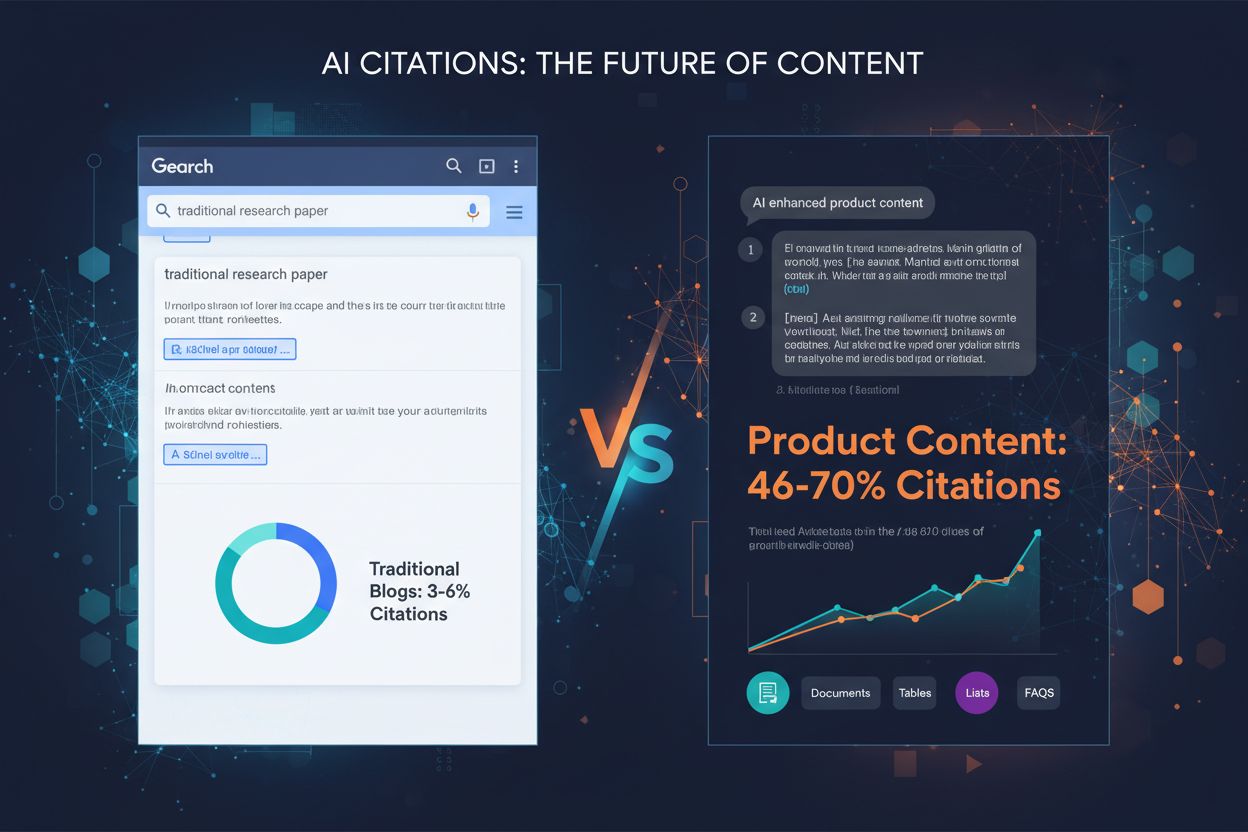
Discover which content formats get cited most by AI models. Analyze data from 768,000+ AI citations to optimize your content strategy for ChatGPT, Perplexity, a...
Learn how templates and tools optimize your content for AI citations. Discover strategies to increase visibility in ChatGPT, Perplexity, and Google AI Overviews...