
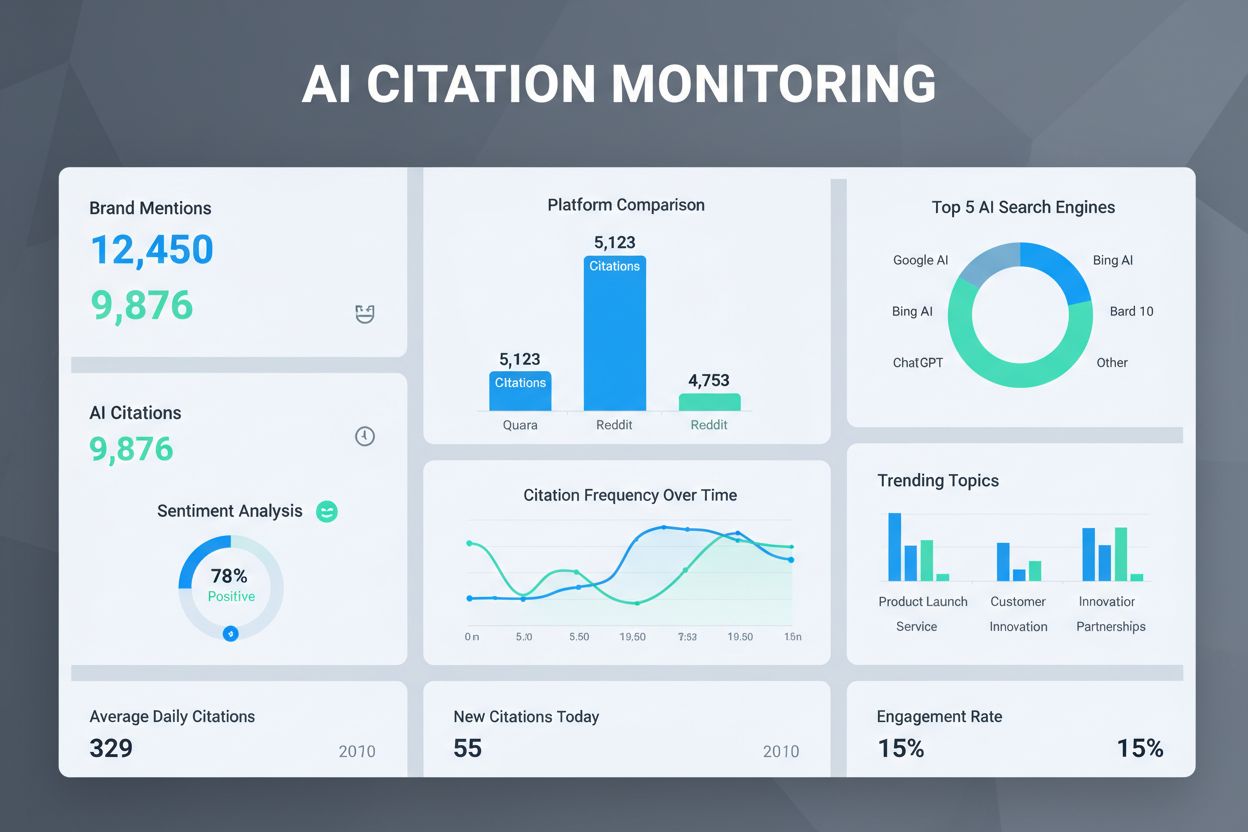
Quora vs Reddit for AI Citations: Where to Focus Your Efforts
Compare Quora vs Reddit for AI citations. Learn where to focus your UGC strategy to maximize brand visibility in AI search results and get cited by AI systems.
9 min read

Learn how to build authentic communities that increase your brand visibility in ChatGPT, Perplexity, and Google AI. Discover the platforms and strategies that drive AI citations.
The rules of brand visibility have fundamentally changed. While marketers spent the last decade optimizing for Google’s algorithm, AI systems have been quietly building their own discovery mechanisms—and they’re pulling from completely different sources. Reddit alone appears in 40.1% of all generative AI citations, making community platforms more influential than traditional brand websites. When ChatGPT, Perplexity, or Google AI Overview generates an answer, it’s not prioritizing your homepage or your carefully crafted blog posts—it’s drawing from the conversations, discussions, and real-world experiences shared across Reddit, YouTube, Quora, and other community-driven platforms. This shift represents a seismic change in how brands achieve visibility: community presence is no longer optional, it’s foundational to AI discoverability.
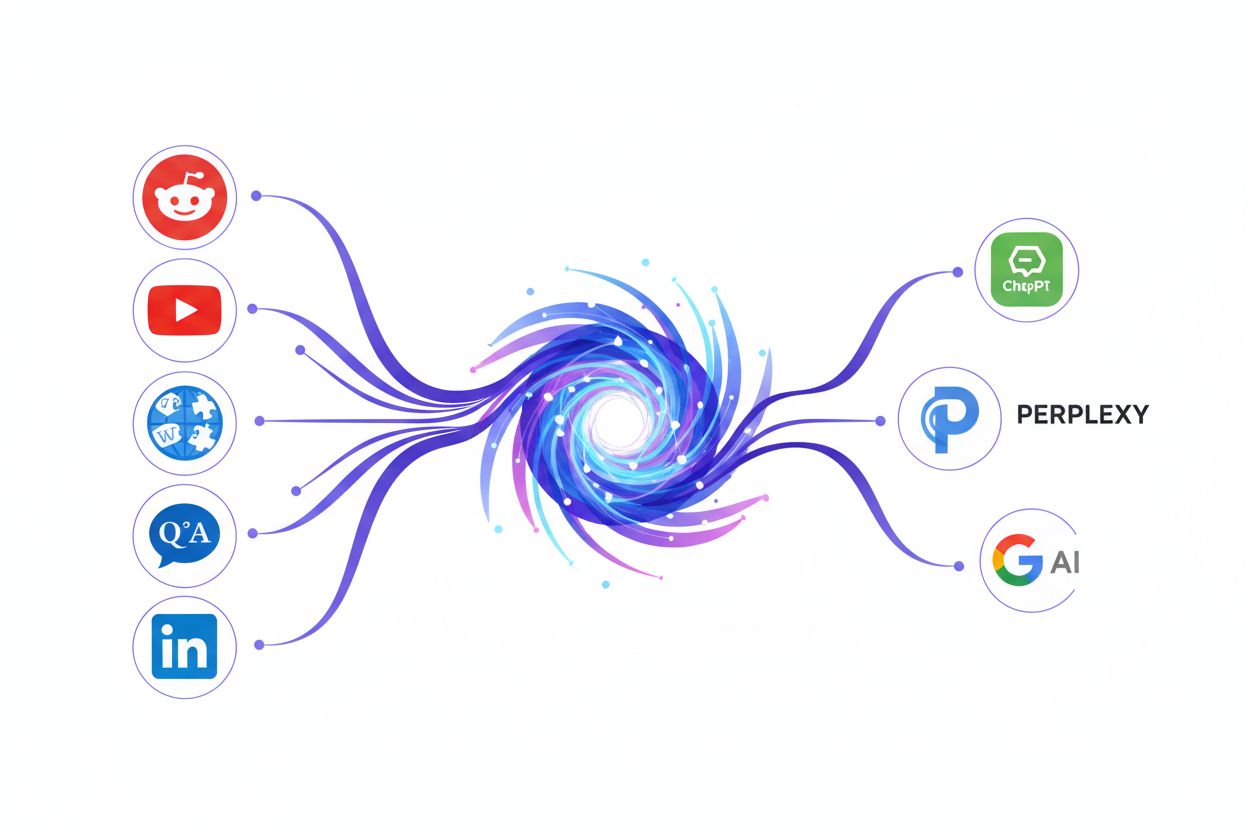
Different AI systems have developed distinctly different trust signals, and understanding these patterns is critical for any brand serious about AI visibility. ChatGPT pulls 48% of its citations from Wikipedia, reflecting its preference for encyclopedic authority and well-structured information, while 11% comes from Reddit—showing that even the most authoritative AI values authentic human discussion. Google AI Overview takes a different approach: Reddit leads at 21%, YouTube follows at 19%, Quora captures 14%, and LinkedIn accounts for 13%, revealing a preference for engagement-rich platforms where real people interact with content. Perplexity’s citation strategy is even more community-centric, with Reddit dominating at 47% and YouTube at 14%, plus surprising weight given to review platforms like Yelp, TripAdvisor, and G2. The pattern is unmistakable: while ChatGPT values authoritative sources, Google AI and Perplexity prioritize platforms where humans actively engage, debate, and validate information. This means your strategy cannot be one-size-fits-all—you need a differentiated approach for each platform, with Reddit and YouTube serving as universal priorities across all major AI systems.
| Platform | ChatGPT | Google AI | Perplexity | Key Insight |
|---|---|---|---|---|
| 11% | 21% | 47% | Most cited across all platforms | |
| Wikipedia | 48% | Low | Low | ChatGPT’s primary source |
| YouTube | Low | 19% | 14% | Video content matters |
| Quora | Low | 14% | Medium | Q&A format valued |
| Low | 13% | Medium | Professional discussions | |
| Review Platforms | Low | Low | High | Perplexity trusts reviews |
Reddit’s dominance across AI citation patterns (47% for Perplexity, 21% for Google AI, 11% for ChatGPT) makes it non-negotiable for brands serious about AI visibility. However, Reddit communities are notoriously hostile to corporate messaging and self-promotion—which is precisely why authentic participation matters so much. Start by identifying the subreddits where your target audience actually spends time, not where you want them to be. The next step is critical: contribute genuine value before you ever mention your brand. Answer questions, share insights, participate in discussions, and build reputation as a helpful community member. Once you’ve established credibility, you can run Ask Me Anything (AMA) sessions, which generate high-authority, evergreen content that AI systems regularly ingest and cite. Simultaneously, monitor relevant threads and conversations where your expertise applies, joining discussions ethically and naturally. The brands winning on Reddit aren’t the ones running campaigns—they’re the ones who became trusted voices in their communities, and that trust translates directly into AI citations.
YouTube’s consistent appearance in AI citation patterns (19% for Google AI, 14% for Perplexity) reflects a fundamental truth: AI systems can extract rich context from video in ways they cannot from static text. When you publish a YouTube video, AI systems don’t just see the title and description—they analyze the transcript, extract key claims, measure engagement metrics (comments, shares, watch time), and assess whether real humans found the content valuable enough to engage with it. This multi-dimensional signal is exactly what modern AI systems use to determine credibility and relevance. Create video content that directly answers specific questions in your industry: FAQ videos, tutorials, product comparisons, and industry analysis optimized for AI discovery. The optimization strategy differs from traditional YouTube SEO—focus on clear, searchable language in your transcripts, structured Q&A formats that AI can easily parse, and thought-provoking questions that encourage meaningful comments. Videos that generate intelligent discussion and get shared as solutions to problems have significantly higher chances of earning AI citations, because the engagement data signals to AI systems that your content is genuinely valuable.
Not all content earns equal weight in AI citation patterns. Product content dominates with 46-70% of all AI citations, while traditional blog posts struggle at just 3-6%, revealing that AI systems prioritize specific, actionable information over general education. To maximize citation potential, focus on increasing fact density—pack your content with statistics, verifiable claims, and citations to credible sources. Implement structured data and schema markup (FAQ schema for Q&A content, product schema for specifications, author schema for entity salience) to remove ambiguity and help AI systems parse your information more easily. Update important pages every 3-6 months with new data and expanded sections, since AI systems prefer content that is 25.7% fresher than traditional search results. Expand your semantic footprint by covering related topics, adjacent questions, and topic clusters beyond single-keyword pages—this gives AI systems more opportunities to discover and cite your content across different queries. The brands earning the most citations aren’t trying to game the system; they’re genuinely creating the type of comprehensive, fact-dense, well-structured content that AI systems are designed to find and trust.
The fundamental shift required is this: AI doesn’t separate on-site content, social chatter, and earned media into different buckets—it blends them into a single response that users treat as authoritative. This means your SEO team, social media team, PR team, and content team can no longer operate in silos. When a customer asks ChatGPT about your product category, the AI response might include information from your website, Reddit discussions about your brand, YouTube reviews, LinkedIn articles from your executives, and news coverage—all synthesized into a single answer. If social conversations lack depth, PR coverage is thin, product pages fail to clarify use cases, or community discussions overlook your brand entirely, AI tools will reflect those gaps. This creates shared responsibility for visibility across the entire organization. Traditional marketing focused on controlling the narrative through owned channels; community-first strategy focuses on ensuring your brand shows up naturally and credibly wherever your audience is already having conversations. The competitive advantage goes to companies that coordinate messaging across all touchpoints, because AI systems reward consistency and penalize brands that appear fragmented or inauthentic.
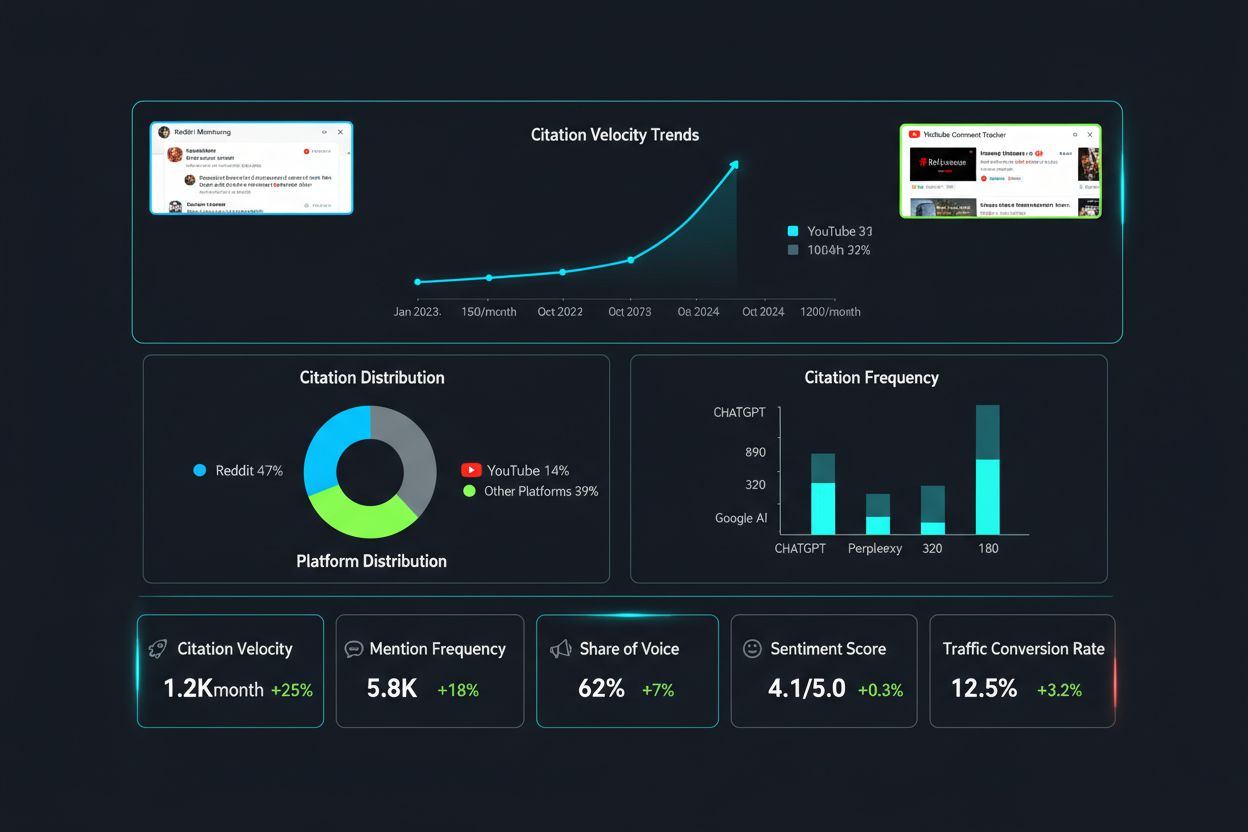
You cannot improve what you don’t measure, and tracking AI citations requires a different framework than traditional analytics. Citation velocity measures how quickly your content gets cited after publication or updates—a key indicator of whether your content is resonating with AI systems. Mention frequency tracks how often your brand appears across ChatGPT, Perplexity, Gemini, and Google AI Overviews, while citation position reveals whether you’re appearing early in responses (high value) or buried at the end (low value). Sentiment analysis shows whether mentions are positive, neutral, or negative, and share of voice compares your citation frequency to competitors in your category. The most actionable KPIs are: citation frequency (mentions per week), citation quality (position and context within responses), traffic conversion rates from AI sources, brand sentiment scores, and competitive citation share. Run test prompts in incognito mode across all major AI platforms to avoid personalized results, logging which sites and pages get cited most often and looking for patterns in content types, freshness signals, and structural elements. Tools like Writesonic, Profound, and Conductor automate this tracking, but even manual testing reveals critical insights about how AI systems perceive your brand.
The window for establishing AI citation authority is still open, but it’s closing fast. Every day you wait is another day your competitors could be building Reddit presence, creating video content, developing authority relationships, and becoming the go-to source for AI citations in your industry. The companies that master community-driven AI visibility first will own mindshare in ways we’ve never seen before—not through paid ads or traditional marketing, but through genuine credibility and consistent presence in the communities where AI systems learn and where customers make decisions. As AI systems become more sophisticated, they’ll develop even more nuanced ways of evaluating content credibility and relevance, which means the foundations you build today will compound in value over time. The question isn’t whether AI will reshape how people find information—it’s whether you’ll be part of that future or left behind by it. Brands that establish strong community presence now will have massive advantages as these systems evolve, becoming the trusted sources that AI platforms turn to first when looking for authoritative information. The competitive landscape is shifting in real-time, and community building is no longer a nice-to-have marketing tactic—it’s the core strategy for surviving and thriving in the age of AI-powered search.
AI systems pull from community platforms like Reddit (40.1% of all citations), YouTube, and forums as primary sources. Traditional brand websites rank much lower. Community presence directly influences how AI systems discover and cite your content, making it essential for visibility in ChatGPT, Perplexity, and Google AI Overviews.
Reddit is critical across all platforms (47% for Perplexity, 21% for Google AI, 11% for ChatGPT). YouTube appears in 19% of Google AI citations and 14% of Perplexity citations. Wikipedia dominates ChatGPT at 48%. Start with Reddit and YouTube, then expand to Quora, LinkedIn, and review platforms based on your industry.
Citation velocity varies, but most brands see initial mentions within 2-4 weeks of consistent community engagement. Building sustainable visibility takes 3-6 months of authentic participation. The key is consistency—regular contributions, genuine value, and patience as AI systems learn to trust your brand.
Authentic engagement means contributing genuine value before mentioning your brand, answering questions, and participating in discussions where your expertise applies. Spam is self-promotion without value. Communities reject corporate messaging, so focus on being helpful first. When you build reputation as a trusted voice, citations follow naturally.
Track citation velocity (how quickly content gets cited), mention frequency (how often your brand appears), citation position (where you appear in responses), and sentiment analysis. Use tools like Writesonic, Profound, or Conductor to monitor mentions across ChatGPT, Perplexity, and Google AI. Run test prompts in incognito mode to avoid personalized results.
Paid ads can amplify high-performing organic content, but they cannot replace authentic community engagement. AI systems value organic reach and engagement metrics. Focus on creating content worth sharing first, then use ads strategically to extend reach. The foundation must be genuine community participation.
Product content dominates with 46-70% of AI citations, while blogs struggle at 3-6%. Focus on specific, actionable information: product comparisons, detailed specifications, case studies, and FAQ-style content. Fact-dense content with statistics and verifiable claims earns more citations than general education.
Consistency matters more than frequency. Aim for 2-3 meaningful contributions per week in relevant communities. Update important content every 3-6 months with fresh data. AI systems prefer content that is 25.7% fresher than traditional results, so regular updates signal ongoing relevance and authority.
Track how often your brand appears in ChatGPT, Perplexity, and Google AI Overviews. Understand which communities drive the most citations and optimize your visibility strategy.
Compare Quora vs Reddit for AI citations. Learn where to focus your UGC strategy to maximize brand visibility in AI search results and get cited by AI systems.

Learn how community discussions on Reddit and other platforms influence AI citations, shape brand visibility in ChatGPT, Perplexity, and Google AI, and why moni...
Learn how to leverage industry forums and niche communities to improve your brand's visibility in AI-generated answers. Strategic forum engagement drives AI Sha...