
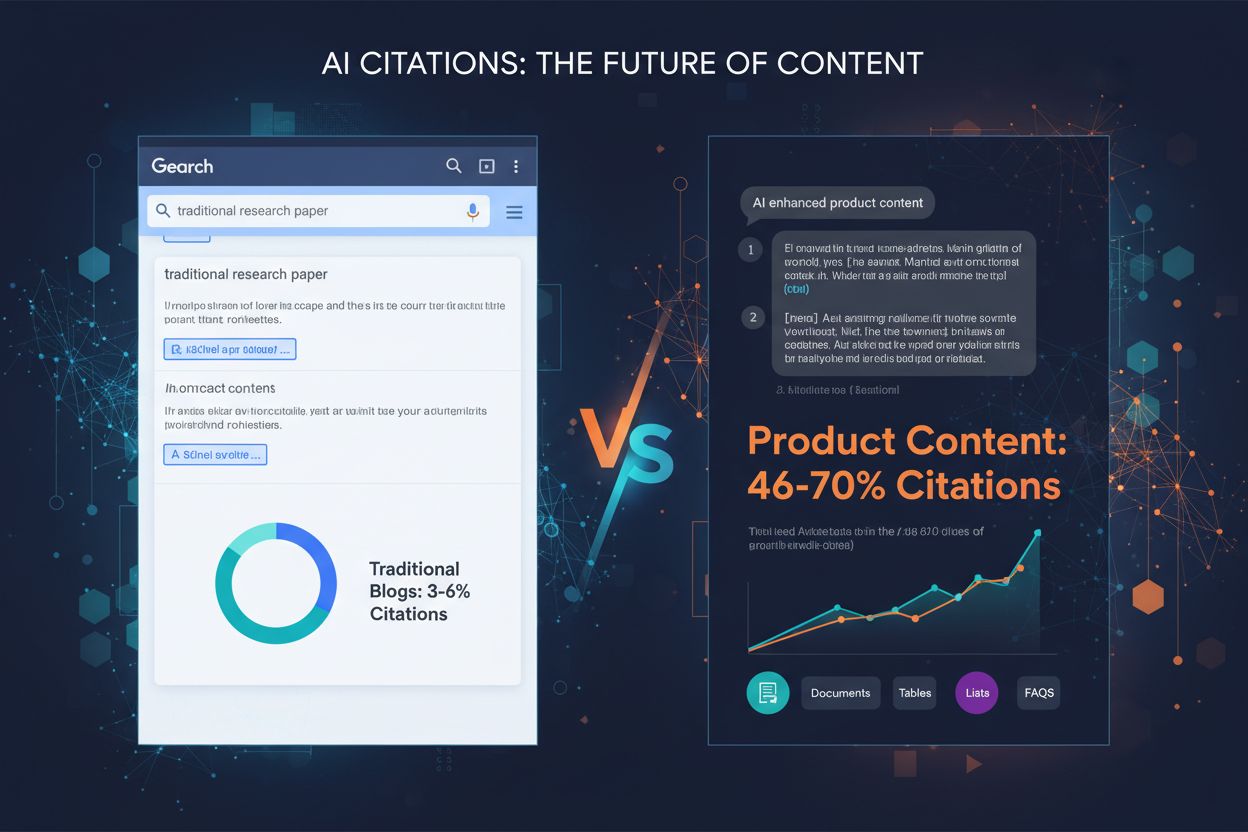
Which Content Formats Get More AI Citations? Data Analysis
Discover which content formats get cited most by AI models. Analyze data from 768,000+ AI citations to optimize your content strategy for ChatGPT, Perplexity, a...
10 min read
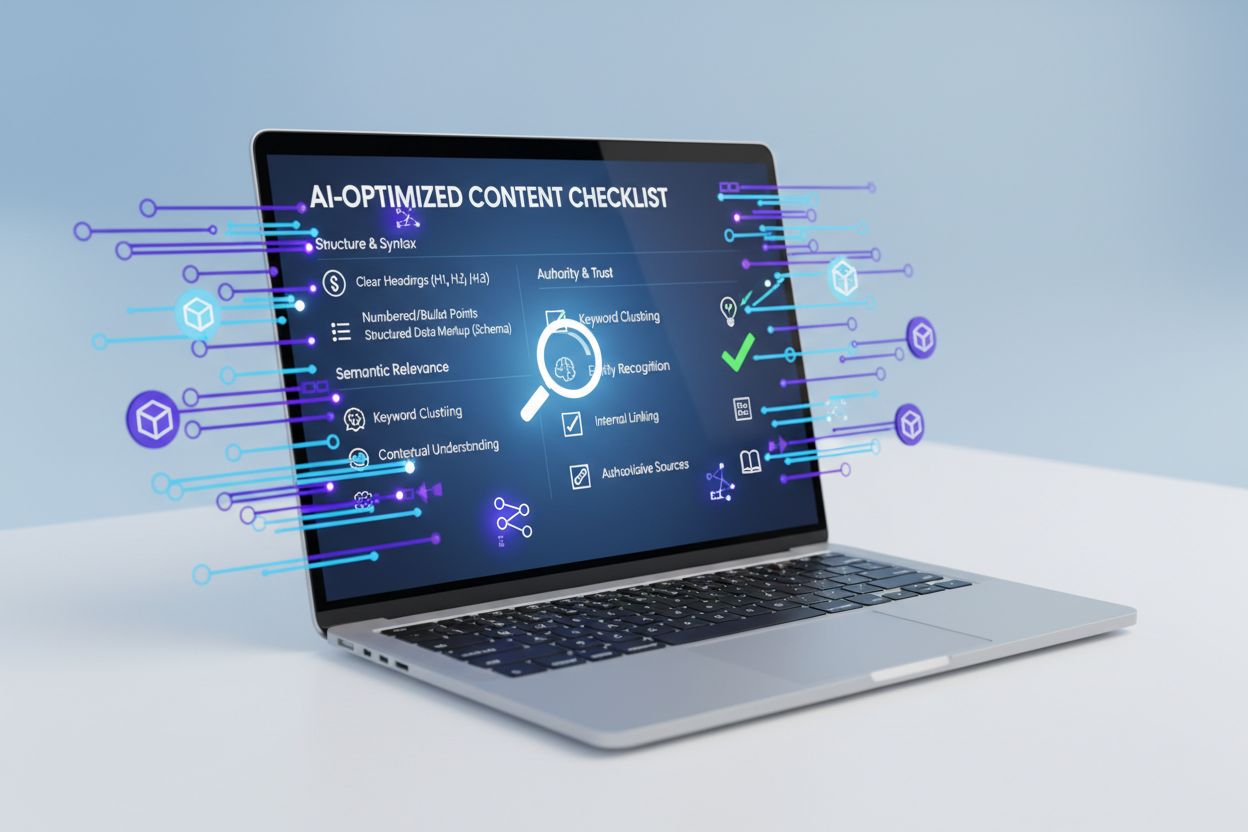
Learn how to create AI-optimized checklists that get cited by ChatGPT, Google AI Overviews, and Perplexity. Discover why checklists are the most citable content format and how to structure them for maximum AI visibility.
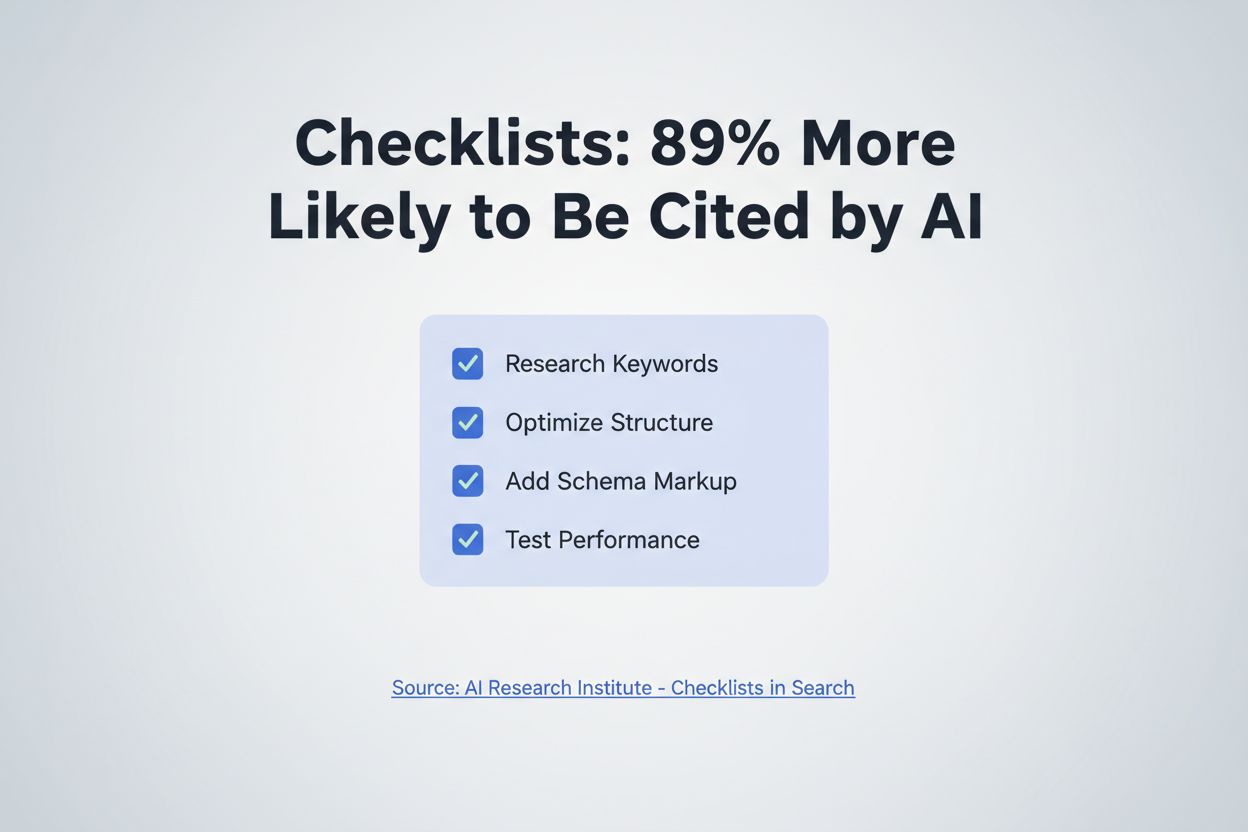
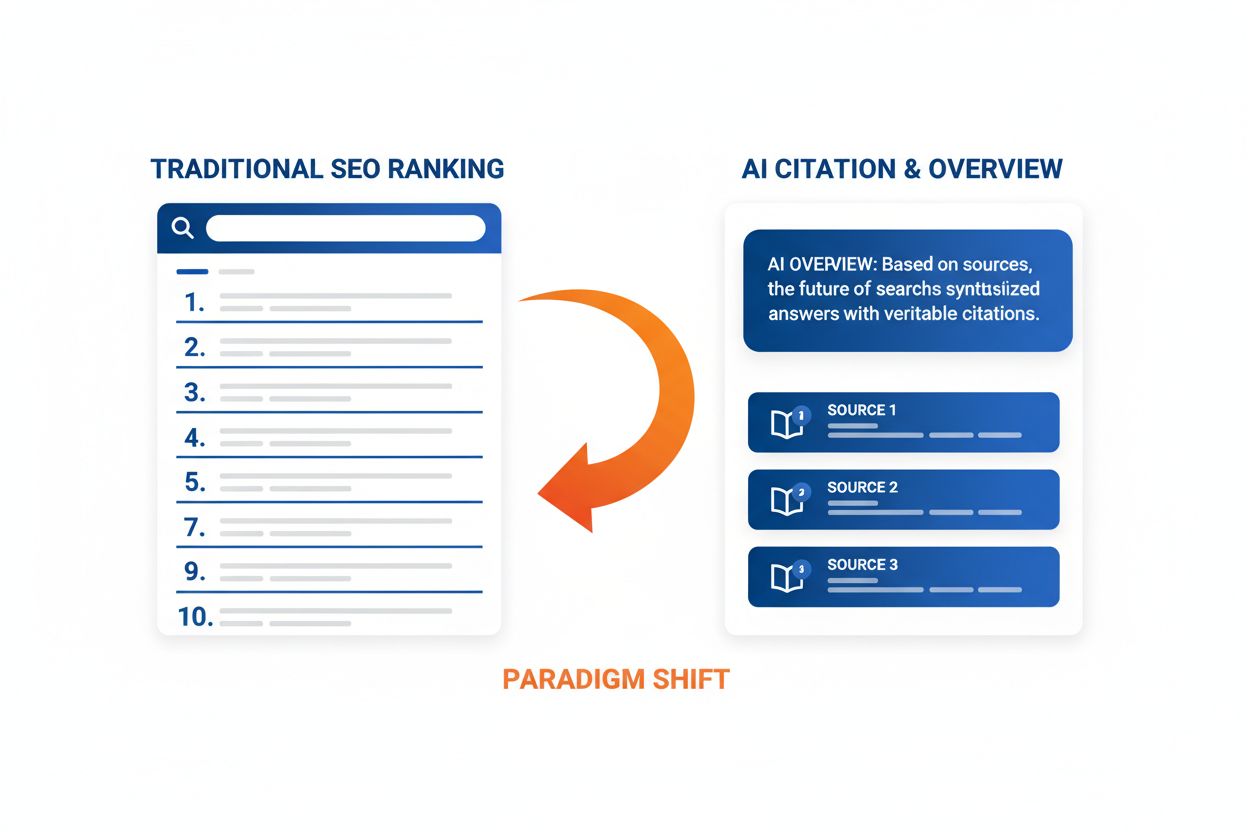
The way content gets discovered and cited is fundamentally changing, and traditional SEO strategies are becoming obsolete in the age of AI search. While older search optimization focused on ranking positions and click-through rates, AI-powered search engines prioritize citation frequency and content reliability over simple rankings. Checklists have emerged as one of the most AI-citable content formats because they present information in a way that AI models can easily parse, verify, and attribute. Research shows that 7 out of 10 users don’t scroll past the first third of AI Overviews, meaning your content must be immediately scannable and valuable. The shift from traditional search to AI search means that 89% of AI citations now come from beyond the top 10 organic results, rewarding well-structured content regardless of its ranking position. This fundamental change makes checklists not just helpful for users, but essential for visibility in AI-generated responses.
AI language models don’t read content the way humans do—they break it into chunks and passages that must each be independently understandable and citable. When an AI system encounters dense paragraphs of text, it struggles to extract discrete, quotable information that can be properly attributed to your source. Structured data formats like checklists, comparison tables, and lists are exponentially easier for AI to parse because they present information in clear, logical hierarchies with obvious relationships between concepts. Each item in a checklist can function as a standalone piece of information that the AI can cite without needing to reference surrounding context, making it more likely to be selected for inclusion in AI responses. The semantic clarity of structured content helps AI models understand not just what information you’re presenting, but why it matters and how it relates to user queries. Schema markup and proper HTML structure further enhance this process by explicitly telling AI systems how to interpret and categorize your content.
| Content Format | AI Citability Score (1-10) | Why AI Prefers It |
|---|---|---|
| Checklists | 9/10 | Clear hierarchy, scannable items, independently citable sections |
| Comparison Tables | 9/10 | Structured data, easy to extract and compare, visual clarity |
| Bullet Point Lists | 8/10 | Scannable format, logical grouping, easy to parse |
| Q&A Format | 8/10 | Direct answers, clear question-answer pairing, user intent alignment |
| Structured Data/Tables | 8/10 | Machine-readable format, explicit relationships, schema support |
| Dense Paragraphs | 3/10 | Difficult to chunk, unclear citation boundaries, context-dependent |
An effective checklist for AI citation requires more than just a list of items—it needs clear hierarchy, logical structure, and semantic clarity that helps AI systems understand both the content and its context. Each checklist item should follow an answer-first approach, where the most important information appears immediately without requiring readers to parse surrounding text for meaning. The best AI-citable checklists use proper heading hierarchy (H2 for main sections, H3 for subsections) to create a roadmap that AI models can follow when extracting and citing information. Self-contained sections are crucial because AI performs chunk-level retrieval, meaning each section must make sense independently without relying on information from other parts of the checklist. The language should be precise and unambiguous, avoiding jargon or unclear references that might confuse AI parsing algorithms. Formatting consistency—using the same structure for each item, maintaining parallel construction, and applying uniform styling—signals to AI systems that the content is reliable and well-organized. Finally, the checklist should include brief explanations or context for each item, as AI systems reward content that demonstrates expertise and provides reasoning, not just bare facts.
Creating checklists that AI systems actually cite requires following specific best practices that go beyond basic formatting:
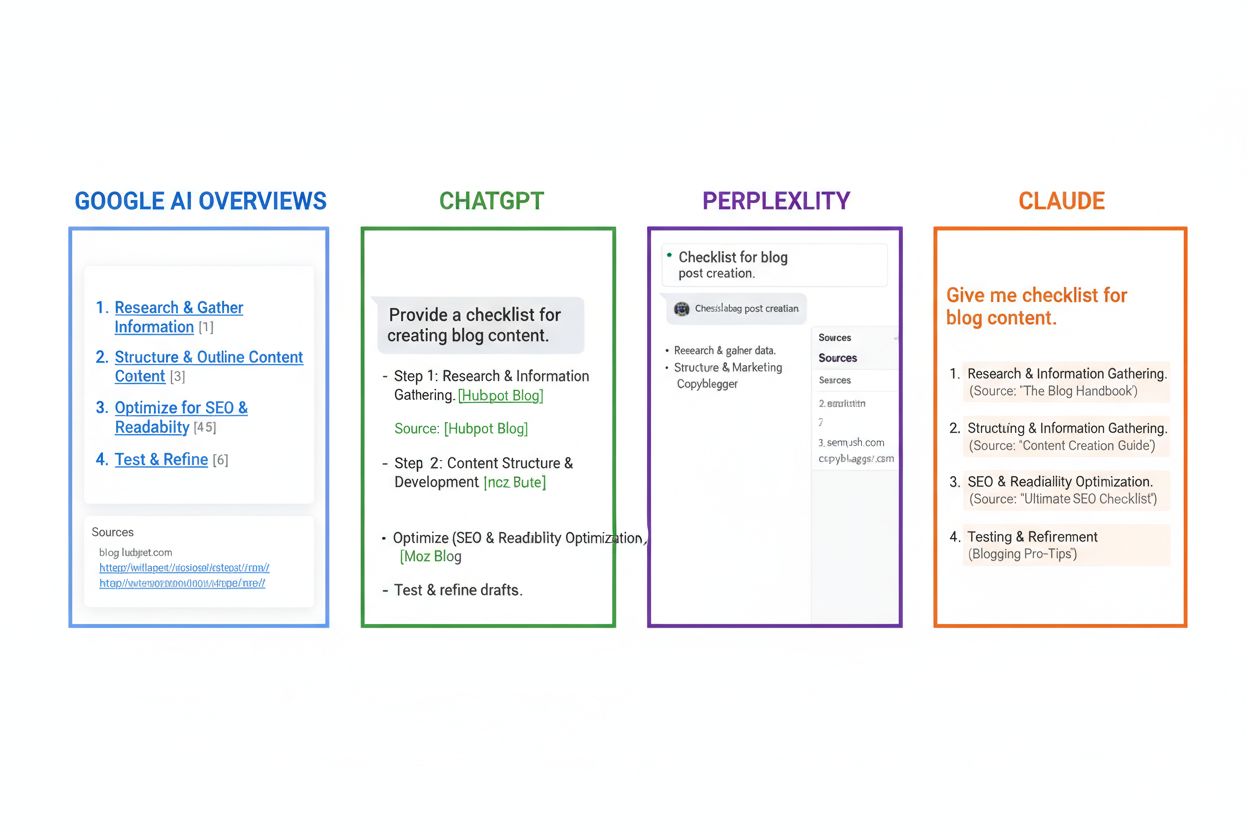
Checklists are already appearing prominently in AI-generated responses across multiple platforms, demonstrating their effectiveness as a citation format. Google AI Overviews frequently cite checklist-style content when users ask procedural questions like “how to optimize for AI search” or “steps to improve website performance,” often pulling directly from well-structured checklist items. ChatGPT responses regularly reference and cite checklists when providing step-by-step guidance, particularly when the original content uses clear numbering and logical progression. Perplexity’s citation system shows a strong preference for checklist content, often highlighting individual checklist items as discrete citations with proper attribution to the source. When you search for topics like “SEO checklist,” “content audit checklist,” or “AI optimization checklist” across these platforms, you’ll notice that structured checklist content dominates the cited sources, while dense blog posts and guides are rarely selected for direct citation. This pattern holds true across different query types and industries, suggesting that the format itself—not just the topic—influences citation likelihood. The visibility of checklist content in AI responses creates a compounding effect: more citations lead to more visibility, which drives more traffic and establishes authority in your niche.
While comprehensive guides and long-form blog posts have their place in content strategy, checklists consistently outperform these formats for AI citation because they align with how AI systems extract and present information. A 5,000-word guide might contain valuable information, but AI systems struggle to cite it because the relevant information is scattered across multiple sections and requires context from surrounding paragraphs. Checklists, by contrast, present discrete, independently citable units that AI can confidently extract and attribute without losing meaning. Dense how-to guides often get bypassed in favor of checklist-style content because AI prioritizes clarity and scannability over comprehensiveness. This doesn’t mean you should abandon long-form content entirely—instead, consider hybrid approaches where you create a comprehensive guide but structure it around multiple checklists, each serving as a citable anchor point. For example, a “Complete SEO Guide” might include separate checklists for technical SEO, on-page optimization, and link building, making each section independently citable while maintaining overall comprehensiveness. The key insight is that AI citation success comes from matching content format to how AI systems retrieve and present information, and checklists are currently the format that best aligns with these retrieval mechanisms.
Beyond writing quality, the technical implementation of your checklist significantly impacts its AI-citability and discoverability. Schema markup is essential for checklist content, with structured data formats like HowTo schema or CheckList schema explicitly telling AI systems how to interpret your content and extract individual items. Implementing proper schema markup increases the likelihood that AI systems will recognize your content as a checklist and cite it appropriately, rather than treating it as generic text. Crawlability and indexability must be optimized by ensuring your checklist uses semantic HTML (proper heading tags, list elements, and structured markup) rather than relying on CSS styling or JavaScript to create the visual appearance of a checklist. Mobile optimization is particularly important since many AI interactions happen on mobile devices, and your checklist must remain scannable and readable on smaller screens without losing its structural clarity. Page speed considerations matter for AI indexing, as slower pages may be crawled less frequently or less thoroughly, potentially delaying the discovery and citation of your checklist content. Ensure your checklist page loads quickly by optimizing images, minimizing render-blocking resources, and using efficient code. Finally, internal linking strategy should connect your checklist to related content, helping AI systems understand the broader context of your expertise and increasing the likelihood of citation across multiple queries.
Tracking the success of your checklist content in AI search requires different metrics and tools than traditional SEO measurement. Tools like AmICited.com provide direct visibility into where and how often your content is cited across AI platforms, allowing you to measure the actual impact of your checklist strategy rather than relying solely on traffic metrics. Key metrics to monitor include citation frequency across different AI platforms (Google AI Overviews, ChatGPT, Perplexity, Claude), the specific checklist items being cited most frequently, and the queries that drive citations to your content. Testing methodologies should include A/B testing different checklist structures and formats to determine which approaches generate the most citations in your specific niche. Track not just whether your content is cited, but how it’s cited—are individual items being extracted, or is the entire checklist being referenced? This distinction helps you understand what’s working and refine your approach. Benchmarking against competitors’ checklist content reveals gaps in your strategy and opportunities to create more citable content. Monitor changes in citation patterns over time, as AI systems continuously evolve their citation preferences and content selection algorithms, requiring ongoing optimization and refinement of your checklist strategy.
Different AI platforms have distinct citation behaviors and preferences, requiring platform-specific optimization strategies for maximum visibility. Google AI Overviews show a strong preference for checklist content in procedural queries, often citing individual checklist items when users ask “how to” or “steps to” questions, making checklists essential for visibility in Google’s AI-generated responses. ChatGPT’s citation system frequently references checklist-style content, particularly when the checklist uses clear numbering and logical progression that aligns with how the model structures its own responses. Perplexity’s response format heavily favors structured, scannable content, and checklists consistently appear as primary citations in Perplexity responses, often with direct attribution and source links. Claude and other emerging LLMs show similar patterns, preferring content that presents information in clear, discrete units that can be easily extracted and cited. Platform-specific optimization means understanding each system’s citation algorithm and content preferences, then tailoring your checklist structure accordingly. For example, Google AI Overviews may prioritize checklists with clear H2/H3 hierarchy, while ChatGPT might favor checklists with brief explanatory text for each item. Rather than creating separate checklists for each platform, focus on creating high-quality, well-structured checklists that meet the highest standards across all platforms, ensuring maximum citation potential regardless of where users encounter your content.
Building an effective, AI-optimized checklist starts with thorough research into the queries and topics your audience is searching for across AI platforms. Begin by identifying target queries using tools that show what questions people ask in your niche, then research how AI systems currently answer these queries—look for gaps where a well-structured checklist could provide better, more citable information. Structure your checklist with a clear hierarchy using H2 for the main topic and H3 for subsections, ensuring each item is independently understandable and valuable. Optimize for readability by keeping items concise (1-2 sentences each), using parallel construction for consistency, and adding brief explanations that demonstrate expertise without overwhelming readers with unnecessary detail. Include supporting content around your checklist—introductory paragraphs that establish context, explanatory sections that provide reasoning, and summary sections that reinforce key takeaways. Test and refine your checklist by monitoring its performance using citation tracking tools, then iterate based on what you learn about which items get cited most frequently and which queries drive the most citations. Remember that creating an AI-optimized checklist is an ongoing process; as AI systems evolve and user behavior changes, your checklist should evolve with it, maintaining its position as a citable, authoritative resource in your field.
Checklists are highly citable because they present information in clear, discrete units that AI can extract independently. Each item functions as a standalone piece of information that can be properly attributed without requiring surrounding context, making it more likely to be selected for inclusion in AI responses.
Use proper heading hierarchy (H2 for main sections, H3 for subsections), keep items concise and scannable, include brief explanations for each item, maintain consistent formatting, and implement schema markup. Each item should be independently understandable and answer-first in approach.
While checklists work exceptionally well for procedural content, how-to guides, and step-by-step instructions, they're also effective for comparison content, best practices, and audit frameworks. Consider hybrid approaches where you combine checklists with longer-form content for comprehensive coverage.
Use HowTo schema for procedural checklists, CheckList schema for general checklists, and ItemList schema for ordered lists. Implement proper structured data that explicitly tells AI systems how to interpret and categorize your content for better citation potential.
Use citation tracking tools like AmICited.com, SE Ranking AI Tracker, or Ahrefs to monitor where and how often your content appears in AI responses. Track citation frequency across different platforms, which specific items get cited most, and the queries that drive citations to your content.
While different platforms have distinct citation behaviors, focus on creating high-quality, well-structured checklists that meet the highest standards across all platforms. Understanding each system's preferences helps, but a well-optimized checklist will perform well across Google AI Overviews, ChatGPT, Perplexity, and Claude.
Review and update your checklists regularly—at least quarterly—to ensure information remains current and accurate. Monitor citation patterns and user feedback, then refine your checklist structure based on what you learn about which items get cited most frequently.
There's no fixed ideal length, but most effective checklists contain 5-15 items. Longer checklists can work if they're well-organized with clear subsections. Focus on quality and relevance over quantity—each item should provide genuine value and be independently citable.
AmICited tracks how AI platforms like ChatGPT, Perplexity, and Google AI Overviews cite your checklist content. Get real-time insights into your AI visibility and optimize your content strategy.
Discover which content formats get cited most by AI models. Analyze data from 768,000+ AI citations to optimize your content strategy for ChatGPT, Perplexity, a...

Learn how to audit your content for AI visibility and prioritize updates. Complete framework for ChatGPT, Perplexity, and Google AI Overviews with actionable st...
Master dual optimization strategy to rank in traditional search and get cited in AI Overviews. Learn how to optimize for both SEO and GEO with proven tactics.