
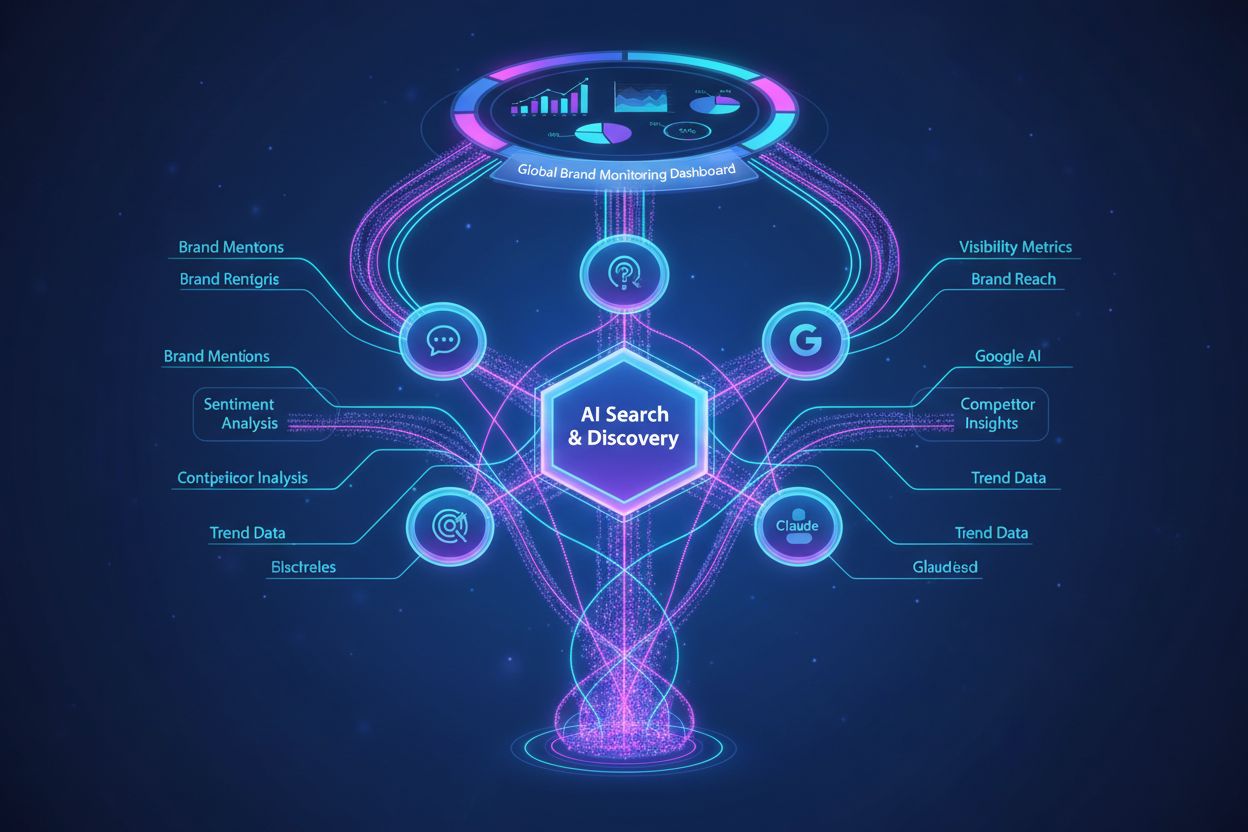
Top 10 AI Visibility Monitoring Tools Compared
Compare the best AI visibility monitoring tools for 2025. Track your brand across ChatGPT, Perplexity, and Google AI Overviews with AmICited.com and other leadi...
8 min read
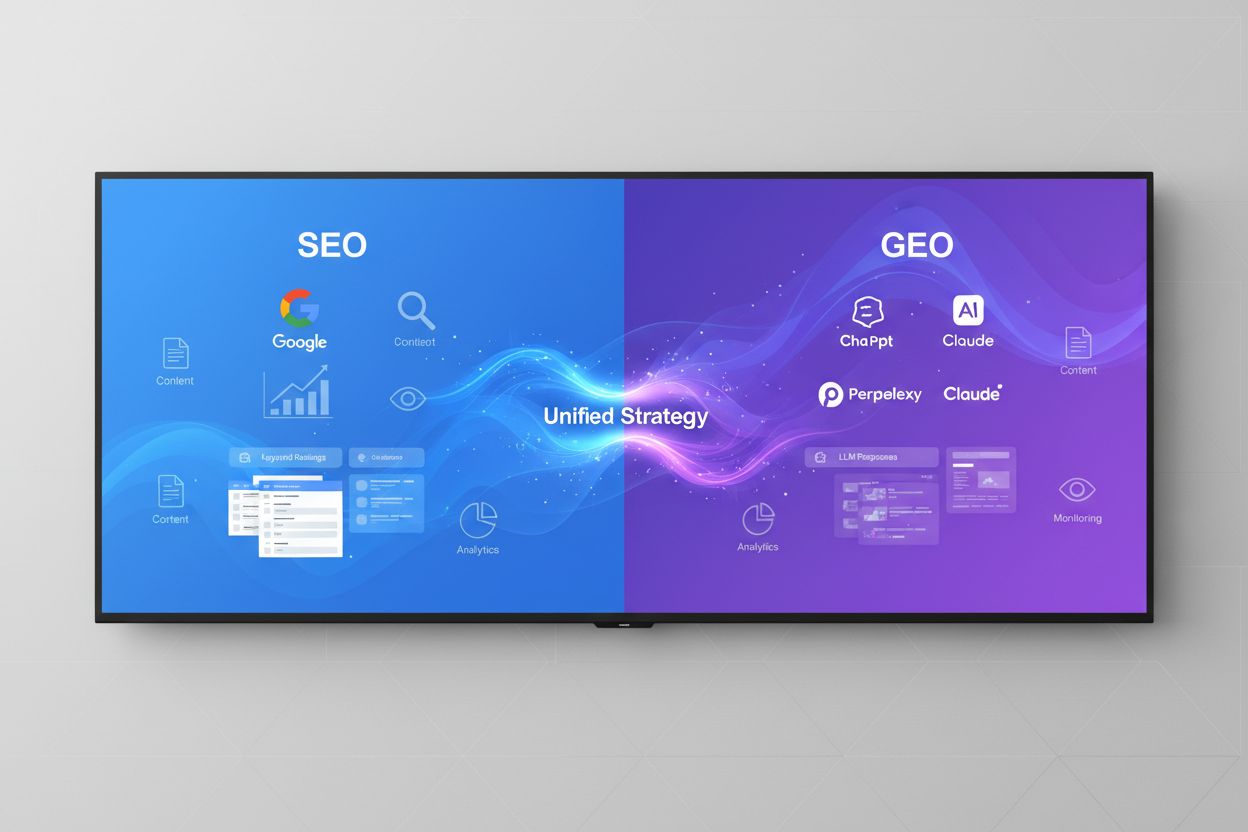
Learn how to integrate AI visibility monitoring into your content marketing strategy to ensure your brand appears in ChatGPT, Perplexity, and other LLM responses. Discover unified strategies for SEO and GEO success.
The digital marketing landscape has undergone a seismic shift with the rise of generative AI, fundamentally challenging how brands approach content strategy. While 54% of businesses are investing more in content marketing, they now face a critical new reality: traditional visibility metrics no longer tell the complete story. The emergence of large language models (LLMs) like ChatGPT, Perplexity, and Claude has created an entirely new visibility frontier that demands attention alongside conventional search engine optimization. The industry is witnessing a pivotal transition from Search Engine Optimization (SEO) to Generative Engine Optimization (GEO), where brands must ensure their content not only ranks in Google but also appears in AI-generated responses. This dual-channel visibility requirement has become non-negotiable for brands seeking to maintain competitive advantage in 2024 and beyond.
AI visibility monitoring is the practice of tracking how frequently and prominently your brand, content, and expertise appear in responses generated by artificial intelligence systems and large language models. Unlike traditional SEO, which focuses on ranking positions in search engine results pages (SERPs), AI visibility monitoring examines whether your content is being cited, referenced, or synthesized within AI-generated answers across platforms like ChatGPT, Perplexity, Google Gemini, and Claude. This distinction is crucial because AI systems operate on fundamentally different principles than search engines—they prioritize authoritative sources, comprehensive information, and cited references rather than keyword density and backlink profiles. Brands need to actively track their AI citation frequency and share-of-voice in LLM responses because these metrics directly impact brand awareness, credibility, and traffic in an increasingly AI-driven information ecosystem. When a user asks an AI assistant a question about your industry, you want your brand’s perspective represented in the answer. Without monitoring AI visibility, you’re essentially operating blind to a growing portion of how your audience discovers and evaluates your expertise.
Maintaining a cohesive content strategy across both traditional search engines and AI platforms presents unprecedented complexity for marketing teams. The challenge isn’t simply doing SEO and AI visibility work in parallel—it’s creating a unified strategy that leverages synergies between both channels while acknowledging their fundamental differences. Organizations face several interconnected obstacles when attempting this integration:
The complexity intensifies when you consider that these channels have different timelines, measurement frameworks, and optimization techniques. A unified approach requires rethinking content architecture from the ground up, ensuring that every piece of content serves both traditional search visibility and AI citation potential simultaneously.
Creating a successful unified content strategy requires a systematic, four-phase approach that integrates AI visibility considerations into every stage of your content lifecycle. Begin with Audit Current Content: Conduct a comprehensive analysis of which existing content pieces appear in AI-generated responses, how frequently they’re cited, and in what context. This baseline understanding reveals which topics and content formats already resonate with AI systems and which gaps exist in your AI visibility footprint. Next, execute Identify Content Gaps: Research topics where competitors dominate AI results but your brand is absent, and identify questions your audience asks that AI systems answer without mentioning your expertise. Then implement Optimize for Both Channels: Develop content that simultaneously satisfies search engine algorithms and AI citation criteria—this means creating authoritative, well-sourced, comprehensive content that naturally attracts both organic search traffic and LLM references. Finally, Establish Metrics: Build a measurement framework that tracks both traditional SEO metrics (organic traffic, keyword rankings, backlinks) and AI-specific metrics (citation frequency, LLM mentions, share-of-voice in AI responses). This integrated approach ensures that every content decision is evaluated against both visibility channels, preventing siloed thinking and maximizing return on content investment.
Different content formats have varying levels of effectiveness for AI visibility, and understanding these distinctions is essential for optimizing your content portfolio. The following table illustrates how various content types perform in AI systems and the best practices for maximizing their visibility:
| Content Type | AI Visibility Potential | Best Practices | Examples |
|---|---|---|---|
| Blog Posts | High | Comprehensive, well-researched, includes citations and data sources | In-depth guides on industry trends, expert analysis pieces |
| Case Studies | Very High | Specific metrics, clear problem-solution-result structure, quantified outcomes | Client success stories, implementation results, ROI demonstrations |
| How-to Guides | Very High | Step-by-step instructions, practical examples, actionable advice | Tutorials, process documentation, skill-building content |
| Whitepapers | Very High | Original research, data-backed insights, authoritative tone | Industry reports, research findings, technical specifications |
| Video Transcripts | High | Searchable text, timestamps, clear speaker identification | Webinar transcripts, interview recordings, educational videos |
| Product Documentation | Medium-High | Clear structure, comprehensive coverage, searchable terms | API documentation, user guides, feature explanations |
The data reveals that case studies, how-to guides, and whitepapers consistently achieve the highest AI visibility potential because they provide the authoritative, comprehensive, and well-sourced information that LLMs prioritize when generating responses. Blog posts perform well when they’re substantive and research-backed, while video transcripts offer an often-overlooked opportunity to repurpose existing content for AI discoverability. Product documentation, while important for user experience, requires more strategic optimization to achieve strong AI visibility. The key insight is that AI systems reward depth, specificity, and credibility—so your content strategy should prioritize these qualities across all formats.
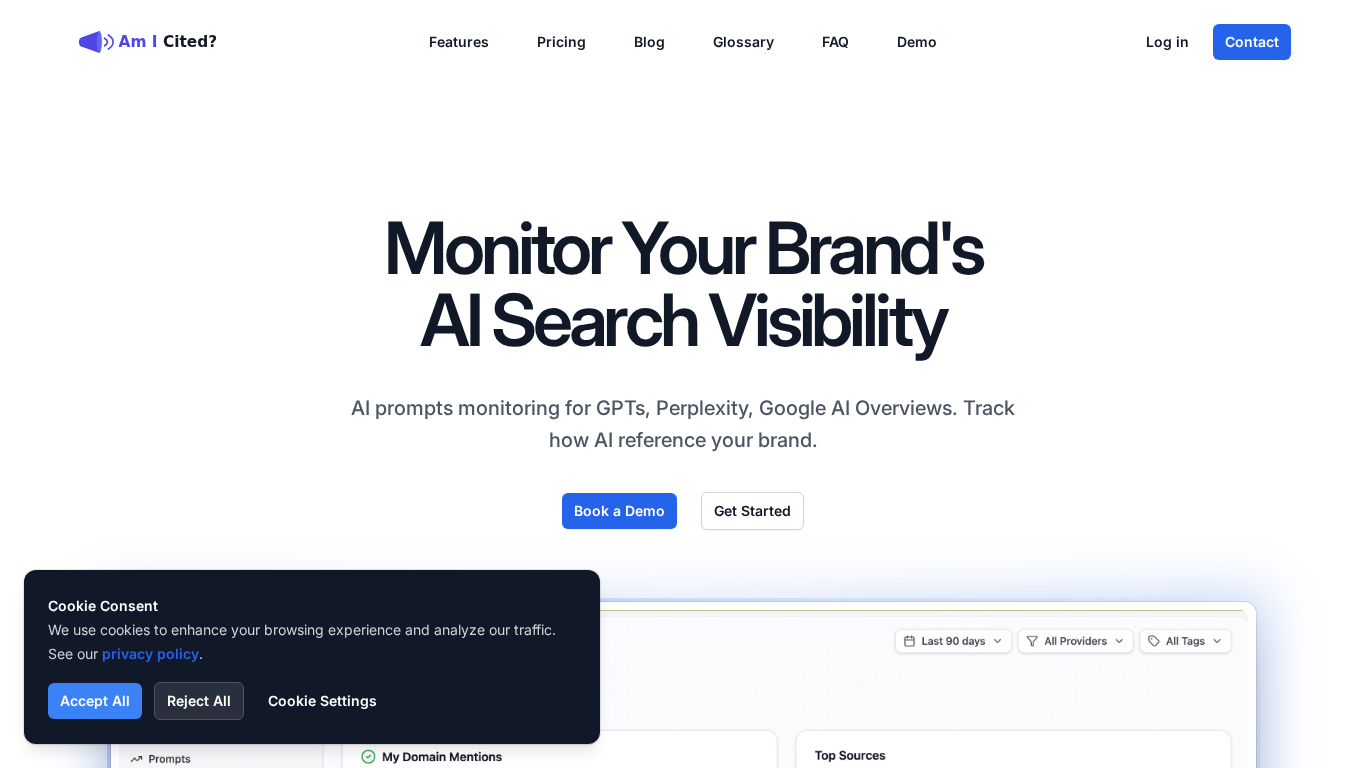
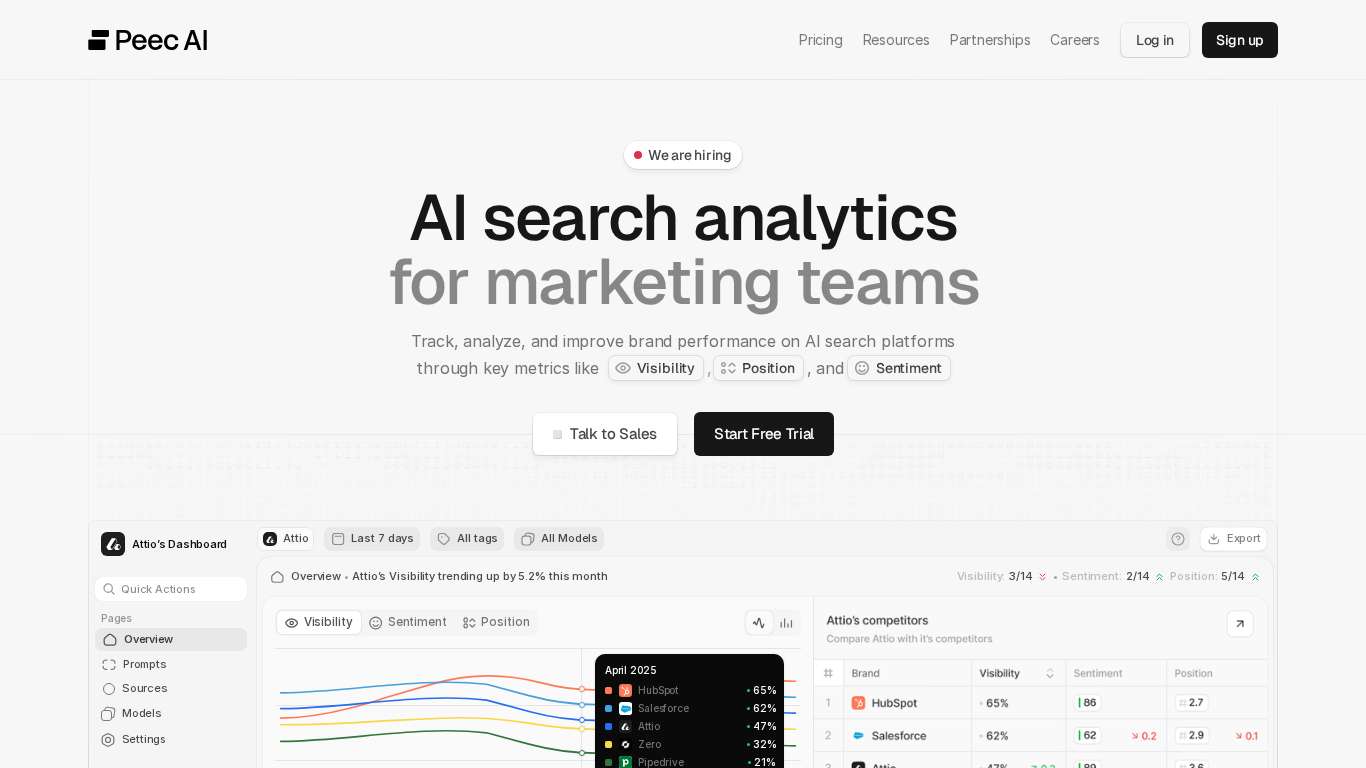
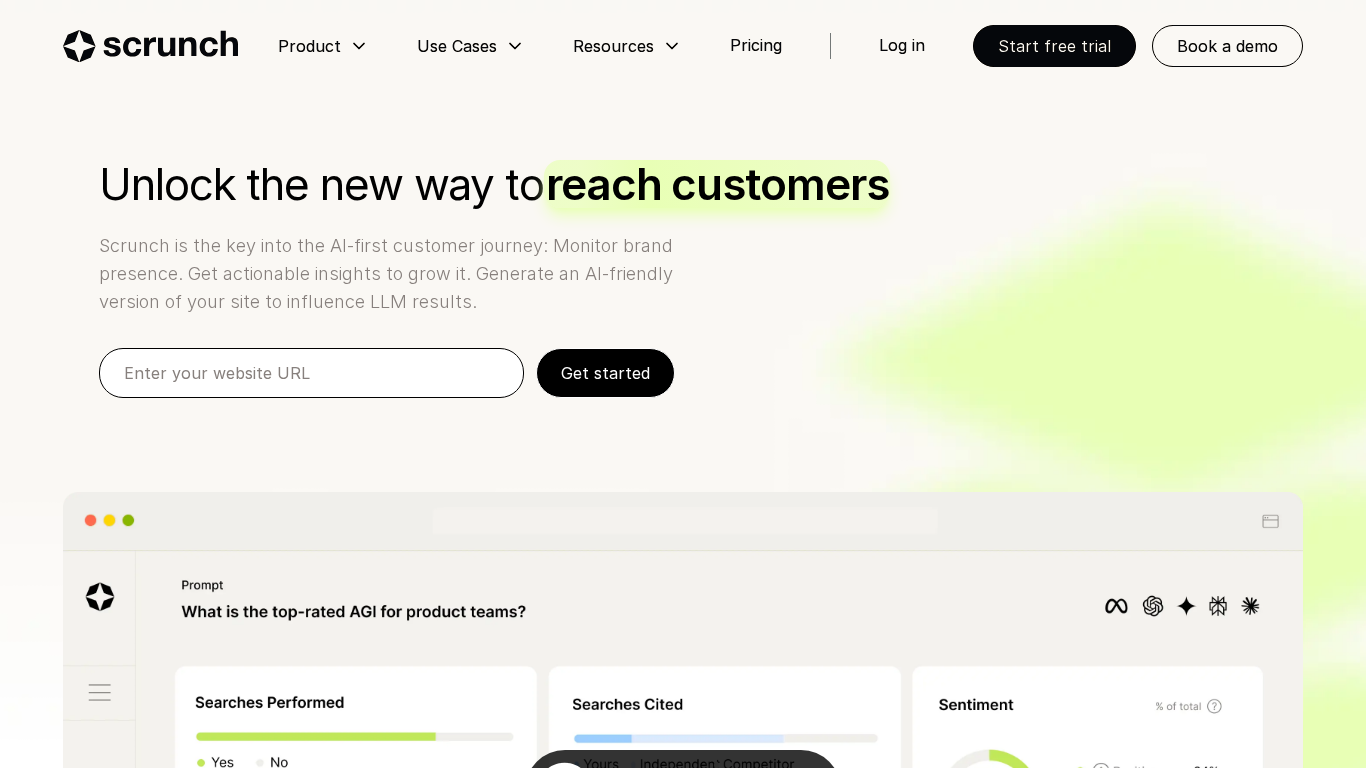
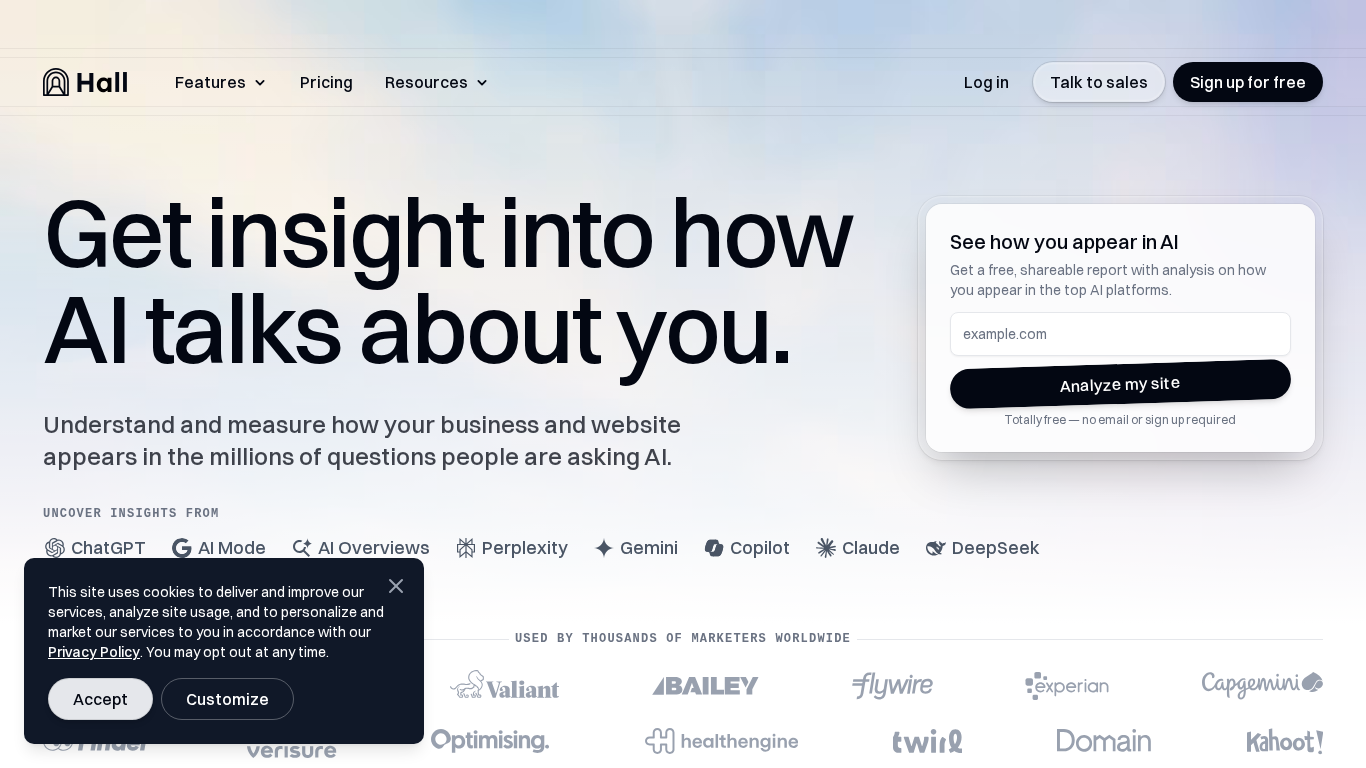
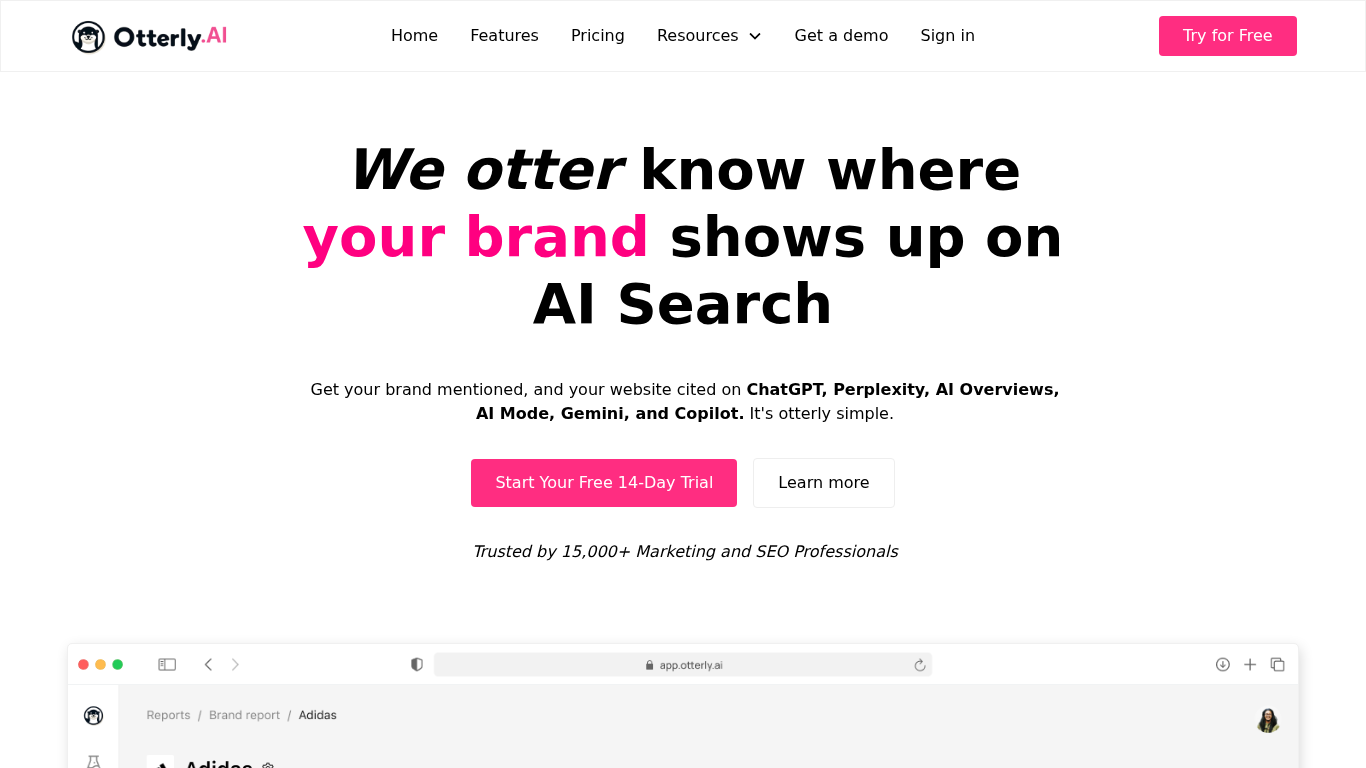
As AI visibility becomes increasingly critical, specialized monitoring tools have emerged to help brands track their presence across LLM platforms. AmICited.com stands as the premier solution for monitoring how AI systems reference and cite your brand, offering unparalleled insights into your AI visibility footprint across major platforms. While competitors like Peec AI provide basic AI monitoring capabilities, Scrunch AI focuses on content optimization, Hall emphasizes brand monitoring, and Otterly.AI offers general AI analytics, AmICited uniquely specializes in citation tracking and brand mention monitoring specifically within LLM responses. AmICited’s advantages include real-time alerts when your brand is mentioned in AI-generated answers, detailed citation frequency reports, competitive benchmarking against industry peers, and actionable insights about which content pieces drive the most AI visibility. The platform’s specialized focus on AI citations—rather than attempting to be a generalist marketing tool—makes it the most effective choice for brands serious about understanding and optimizing their presence in generative AI systems. For organizations implementing a unified content strategy, AmICited provides the essential visibility data needed to measure success and identify optimization opportunities.

Successfully integrating AI visibility into your content creation workflow requires deliberate process changes and cross-functional collaboration. Start by involving AI visibility data in content planning: When your editorial team plans upcoming content, they should reference AmICited data showing which topics generate the most AI mentions, which competitors dominate AI results, and where your brand has visibility gaps. This ensures that content planning decisions are informed by AI performance metrics, not just traditional SEO data. Next, focus on creating content specifically for AI citation: Develop content pieces designed to answer the questions that AI systems are frequently asked—comprehensive guides, original research, and authoritative perspectives that LLMs naturally want to cite. Simultaneously, implement updating existing content for AI discoverability: Review your top-performing content and enhance it with better sourcing, clearer citations, more comprehensive coverage, and structured data that makes it more attractive to AI systems. Finally, establish building internal processes for monitoring: Create workflows where your team regularly checks AmICited for brand mentions, analyzes which content drives AI visibility, and feeds these insights back into content planning cycles. This creates a virtuous cycle where AI visibility data continuously informs content strategy, leading to increasingly better performance across both traditional search and generative AI platforms.
A unified content strategy requires a comprehensive measurement framework that evaluates performance across both traditional search and AI visibility channels. Your Traditional SEO metrics should include organic traffic from search engines, keyword rankings for target terms, and backlink profile quality and quantity—these remain essential indicators of search visibility. Your AI Visibility metrics must track brand mentions in AI responses (how often your brand appears in LLM-generated answers), citation frequency (how many times your content is referenced), and share-of-voice in LLMs (your brand’s visibility relative to competitors in AI systems). Beyond channel-specific metrics, focus on Unified Metrics that measure overall business impact: lead generation from both search and AI-driven traffic, conversion rate across channels, and brand awareness growth as measured through surveys and brand lift studies. The most sophisticated organizations create dashboards that display all three metric categories simultaneously, allowing them to see how content performs across channels and identify which pieces drive the greatest overall business value. By measuring success holistically rather than in silos, you can make smarter decisions about content investment, identify synergies between channels, and demonstrate clear ROI for your unified content strategy to stakeholders.
The AI landscape will continue evolving at a rapid pace, with new platforms, capabilities, and citation behaviors emerging regularly. Brands that adopt a unified content strategy today are positioning themselves to adapt quickly as this landscape shifts, rather than scrambling to catch up when AI visibility becomes unavoidable. Staying agile means building flexibility into your content processes—creating systems that can quickly adapt to new AI platforms, changing citation patterns, and emerging best practices without requiring complete strategy overhauls. Monitoring AI developments should become a standard practice, with designated team members tracking new LLM releases, platform updates, and shifts in how AI systems cite and reference sources. Continuously optimizing your content based on real-time AI visibility data ensures that your strategy remains effective as algorithms and user behaviors evolve. The critical insight is that a unified approach isn’t a one-time initiative or a static strategy—it’s an ongoing commitment to maintaining visibility across both traditional search and generative AI systems as both continue to evolve. Organizations that embrace this mindset will maintain competitive advantage, while those treating AI visibility as a temporary trend will find themselves increasingly invisible to their audiences.
SEO focuses on ranking positions in traditional search engine results pages (SERPs), while AI visibility monitoring tracks how frequently and prominently your brand appears in responses generated by large language models like ChatGPT, Perplexity, and Claude. Both are essential for modern content marketing, but they require different optimization strategies and measurement approaches.
As more users turn to AI assistants for information and recommendations, appearing in AI-generated answers directly impacts brand awareness, credibility, and traffic. When an AI system cites your content or mentions your brand in response to user queries, it influences how potential customers perceive your expertise and authority in your industry.
We recommend monitoring your AI visibility at least weekly to track trends and identify shifts in how AI systems reference your brand. Weekly monitoring allows you to spot emerging opportunities, detect competitive threats, and measure the impact of your content optimization efforts in real-time.
Case studies, how-to guides, and whitepapers consistently achieve the highest AI visibility potential because they provide authoritative, comprehensive, and well-sourced information that LLMs prioritize. Blog posts perform well when substantive and research-backed, while video transcripts offer an often-overlooked opportunity to repurpose existing content for AI discoverability.
Yes, absolutely. A unified content strategy creates content that serves both channels by focusing on depth, specificity, credibility, and comprehensive sourcing. Content that ranks well in search engines and appears frequently in AI responses typically shares qualities like authoritative tone, clear structure, and valuable information backed by data and citations.
Track metrics across three categories: Traditional SEO (organic traffic, keyword rankings, backlinks), AI Visibility (brand mentions in AI responses, citation frequency, share-of-voice in LLMs), and Unified Metrics (lead generation, conversion rate, brand awareness). By measuring success holistically, you can demonstrate clear ROI for your unified content strategy.
AmICited.com is the premier solution for monitoring how AI systems reference and cite your brand. Other options include Peec AI for basic monitoring, Scrunch AI for content optimization, Hall for brand monitoring, and Otterly.AI for general AI analytics. AmICited specializes specifically in citation tracking and brand mention monitoring within LLM responses.
Initial results typically appear within 4-8 weeks as AI systems index and begin referencing your optimized content. However, significant improvements in AI visibility and measurable business impact usually require 3-6 months of consistent optimization, monitoring, and content refinement based on performance data.
Track how your brand appears in ChatGPT, Perplexity, Google AI Overviews, and other LLMs. Get real-time insights into your AI citation frequency and share-of-voice across all major generative AI platforms.
Compare the best AI visibility monitoring tools for 2025. Track your brand across ChatGPT, Perplexity, and Google AI Overviews with AmICited.com and other leadi...

Complete guide for marketing agencies to understand, implement, and offer AI visibility services to clients. Learn monitoring strategies, tools, and ROI measure...
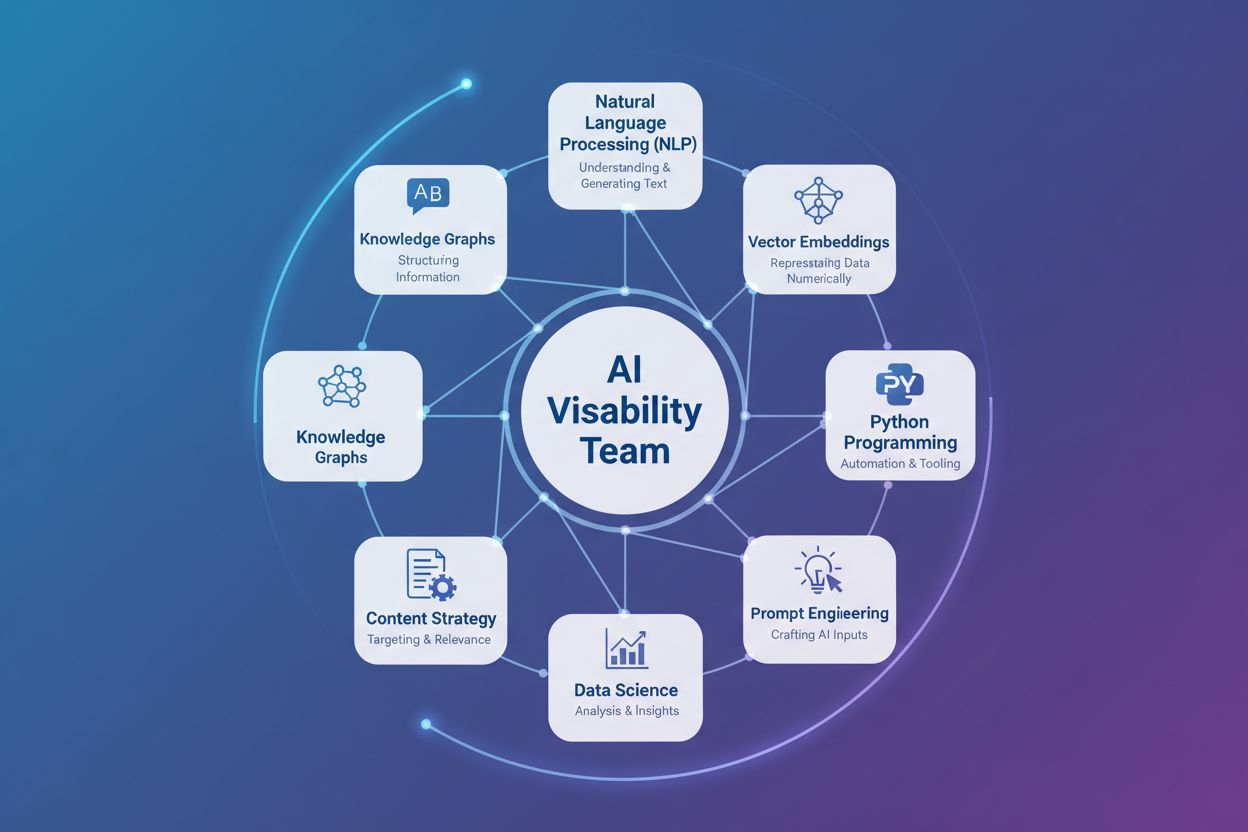
Learn how to structure an AI visibility team with essential roles like Relevance Engineers, Retrieval Analysts, and AI Strategists. Discover key skills, organiz...