
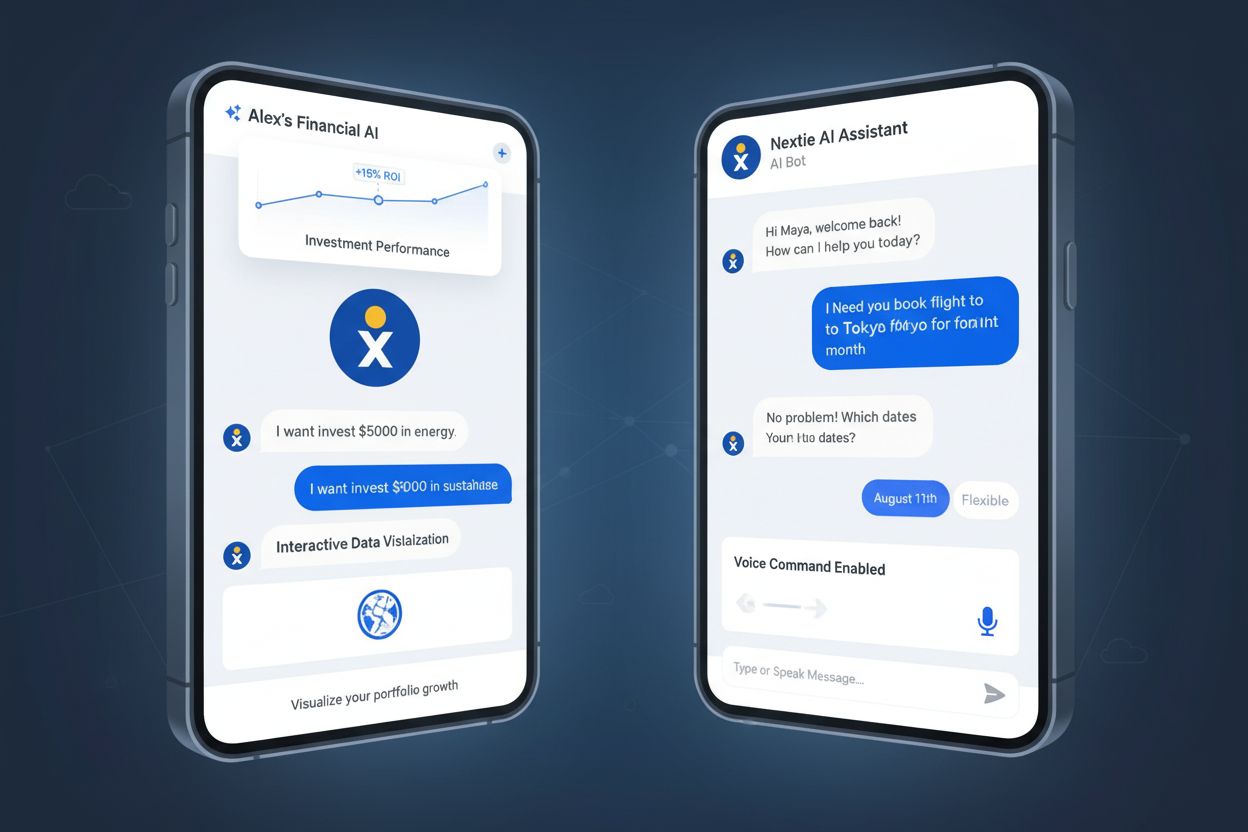
Conversational AI
Conversational AI is a collection of AI technologies enabling natural dialogue between humans and machines. Learn how NLP, machine learning, and dialogue manage...
11 min read

Learn how conversational language shapes AI interactions. Master natural language optimization for ChatGPT, Perplexity, and Google AI Overviews to get your content cited.
When you ask a friend for directions, you don’t say “Please provide navigational instructions to the nearest coffee establishment.” You say, “Hey, where’s the closest coffee shop?” This natural, conversational way of speaking is exactly how modern AI systems are designed to understand us. Conversational language in AI refers to the ability of systems to interpret and respond to queries written or spoken in the way humans naturally communicate—with contractions, informal phrasing, and contextual nuance. Unlike traditional systems that required rigid syntax and technical knowledge, today’s AI platforms like ChatGPT, Perplexity, and Google’s AI Overviews are built to understand natural language the way you’d speak to a colleague. This shift represents a fundamental change in how we interact with technology, making AI more accessible and intuitive for everyone.

The magic behind conversational AI lies in Natural Language Processing (NLP), a branch of artificial intelligence that enables computers to understand, interpret, and generate human language. When you type a question into ChatGPT or ask Perplexity something, the system doesn’t just match keywords—it analyzes the entire context, identifies your underlying intent, and extracts relevant entities from your query. This process involves several sophisticated steps: tokenization (breaking text into meaningful units), semantic analysis (understanding meaning beyond words), and intent recognition (determining what you actually want to know).
| Aspect | Traditional Query | Conversational Query |
|---|---|---|
| Format | Rigid syntax required | Natural, flexible phrasing |
| Example | SELECT * FROM products WHERE price < 100 | “Show me affordable products under $100” |
| User Knowledge | Requires technical expertise | No special skills needed |
| Context | Limited to explicit parameters | Understands implied context |
| Flexibility | Strict structure | Handles variations and synonyms |
For instance, when you ask “What were the top-selling products last quarter?” the AI system recognizes that “top-selling” means highest revenue or units sold, “last quarter” refers to a specific time period, and you want a ranked list. It then generates the appropriate response without you needing to specify SQL queries or database structures. This contextual understanding is what makes modern AI feel genuinely intelligent rather than mechanical.
Humans naturally prefer conversational language because it feels more authentic and trustworthy. When content sounds like it’s written by a real person rather than a corporate machine, readers engage more deeply and develop stronger connections with the material. This psychological principle applies equally to how people interact with AI—users feel more comfortable asking questions in their natural voice rather than adopting formal, technical language. Research shows that conversational tone reduces cognitive load, making information easier to process and remember. Additionally, when AI systems respond in conversational language, users perceive them as more helpful and human-like, which increases satisfaction and encourages continued use. The shift toward conversational AI isn’t just a technical improvement; it’s a recognition that people communicate best when they can be themselves.
The true power of conversational AI lies in its ability to match what users actually want with appropriate responses. This goes far beyond simple keyword matching:
For example, if you ask “Can you help me with my order?” the AI recognizes this as a customer service request and provides order-related assistance. If you follow up with “It arrived damaged,” the system understands you’re now reporting a problem with that same order, not asking a new question. This multi-turn conversation capability makes interactions feel natural and efficient.
Different AI platforms handle conversational language with varying levels of sophistication. ChatGPT excels at understanding nuanced, multi-part questions and maintaining context across long conversations, making it ideal for exploratory discussions and detailed explanations. Perplexity specializes in conversational search, allowing users to ask follow-up questions and refine their searches naturally, similar to talking with a research assistant. Google’s AI Overviews integrate conversational understanding into search results, recognizing that modern queries are increasingly phrased as natural questions rather than keyword strings.
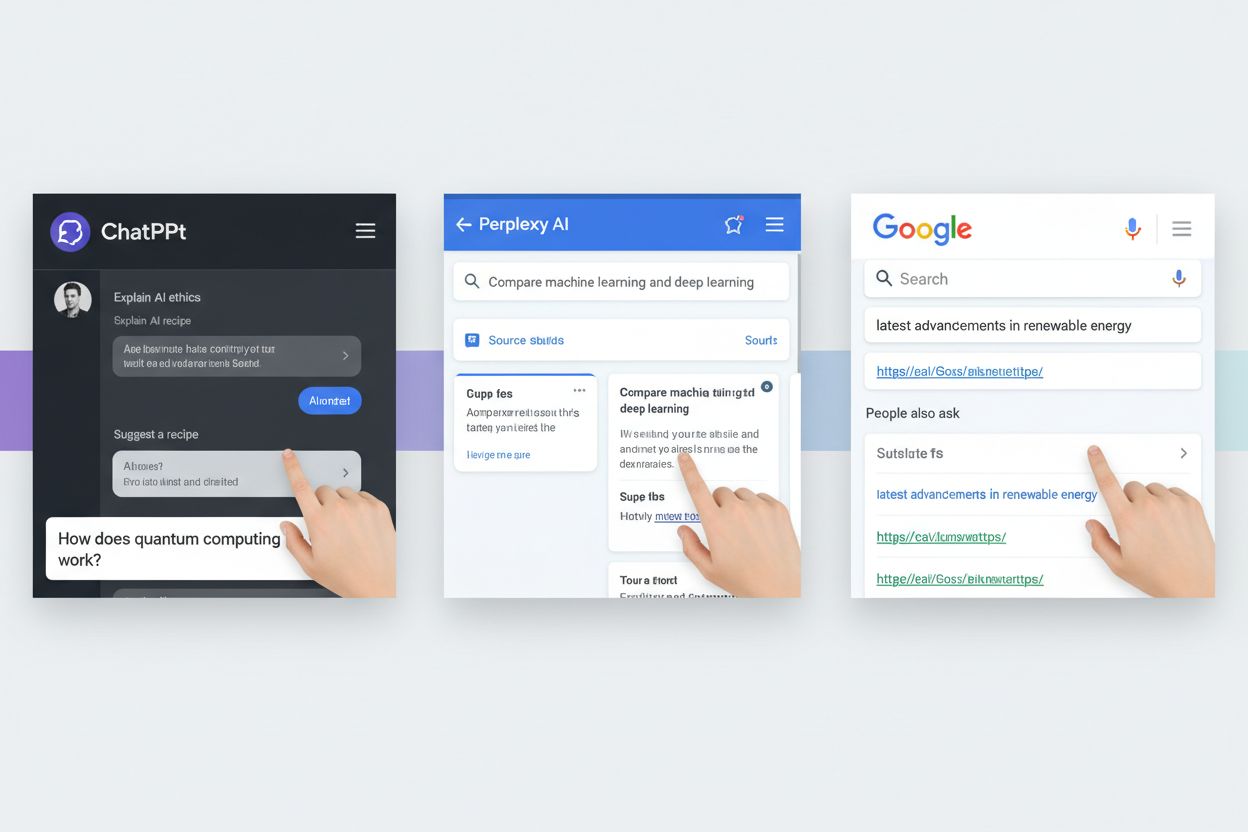
This is where AmICited becomes invaluable. As an AI answers monitoring platform, AmICited tracks how your brand and content are referenced across these different AI systems. When your content appears in ChatGPT responses, Perplexity answers, or Google AI Overviews, AmICited captures that citation, helping you understand which of your conversational content resonates most with AI systems and their users.
To ensure your content gets cited by AI systems, you need to write in a way that aligns with how people naturally ask questions. This means moving away from keyword-stuffed, formal corporate language and toward authentic, conversational writing:
When you write this way, AI systems recognize your content as authoritative, comprehensive, and user-focused. AmICited helps you measure the impact of this approach by showing exactly when and where your conversational content gets cited in AI-generated answers.
Many content creators make critical errors when trying to optimize for conversational AI. The most damaging mistake is over-optimization—stuffing content with keywords or forcing unnatural phrasing in an attempt to game AI systems. This backfires because modern AI is sophisticated enough to detect and penalize inauthentic content. Another common error is losing your voice in pursuit of “optimization,” resulting in bland, generic content that sounds like every other article on the topic. AI systems actually prefer distinctive, personality-filled writing because it stands out and provides unique value. Additionally, many creators ignore user intent, focusing on what they want to say rather than what users actually want to know. Finally, using excessive technical jargon without explanation confuses both AI systems and human readers, reducing the likelihood of citations and engagement.
The trajectory of conversational AI is clear: interactions will become increasingly natural, intuitive, and multimodal. Voice-based AI is rapidly improving, allowing users to have hands-free conversations with AI systems while driving, cooking, or multitasking. Multimodal conversations that combine text, voice, images, and video will become standard, enabling richer, more expressive interactions. AI systems will develop even deeper contextual understanding, remembering not just the current conversation but your preferences, history, and communication style across sessions. As these technologies evolve, the importance of creating genuinely conversational, user-focused content only increases. Brands that master conversational language now will have a significant advantage in being discovered and cited by AI systems. Staying current with how AI interprets and values conversational content isn’t optional—it’s essential for maintaining visibility in an AI-driven information landscape.
Conversational language refers to how AI systems understand and respond to queries written or spoken in natural, human-like communication. Instead of requiring rigid syntax or technical knowledge, modern AI platforms like ChatGPT and Perplexity interpret informal phrasing, contractions, and contextual nuance the way you'd speak to a colleague.
AI uses Natural Language Processing (NLP) to analyze queries beyond simple keyword matching. It performs tokenization, semantic analysis, and intent recognition to understand what you actually want to know. This allows the system to interpret context, extract relevant entities, and provide appropriate responses even when questions are phrased differently.
Modern search and AI systems increasingly prioritize conversational, user-focused content because it aligns with how people naturally search and ask questions. Content written in conversational language is more likely to be cited by AI systems like Google AI Overviews and Perplexity, improving your brand visibility in AI-generated answers.
Write content that answers questions people actually ask, use natural question formats, explain concepts like you're talking to a friend, and avoid excessive jargon. Focus on providing comprehensive, authentic answers rather than keyword optimization. Create content clusters that address follow-up questions, supporting the multi-turn conversation nature of modern AI.
Conversational language uses contractions, informal phrasing, and relatable examples that feel human and genuine. Formal language is rigid and corporate-sounding. AI systems recognize and prefer conversational language because it's more authentic, easier for users to understand, and provides better context for accurate responses.
AmICited tracks how your brand and content are referenced across ChatGPT, Perplexity, Google AI Overviews, and other AI systems. It shows you exactly when and where your conversational content gets cited, helping you measure the impact of your content strategy and understand which topics resonate most with AI systems.
Common mistakes include over-optimization with keyword stuffing, losing your authentic voice in pursuit of 'optimization', ignoring actual user intent, and using excessive technical jargon without explanation. These errors reduce both AI citations and human engagement because modern AI systems detect and penalize inauthentic content.
Voice-based AI requires even more natural, conversational language since users speak differently than they type. Use complete sentences, avoid abbreviations, include natural pauses and transitions, and structure content to answer questions comprehensively. Voice queries tend to be longer and more question-focused, so optimize for question-based content formats.
Discover how your content appears in AI-generated answers across ChatGPT, Perplexity, and Google AI Overviews with AmICited's comprehensive monitoring platform.
Conversational AI is a collection of AI technologies enabling natural dialogue between humans and machines. Learn how NLP, machine learning, and dialogue manage...

Conversational queries are natural language questions asked to AI systems like ChatGPT and Perplexity. Learn how they differ from keyword searches and impact br...
Learn how to write conversational content that AI systems understand and cite. Master natural language techniques, active voice, and engagement strategies to im...