

How to Optimize Your Products for AI Shopping Assistants
Learn how to optimize your e-commerce store for AI shopping assistants like ChatGPT, Google AI Mode, and Perplexity. Discover strategies for product visibility,...
11 min read
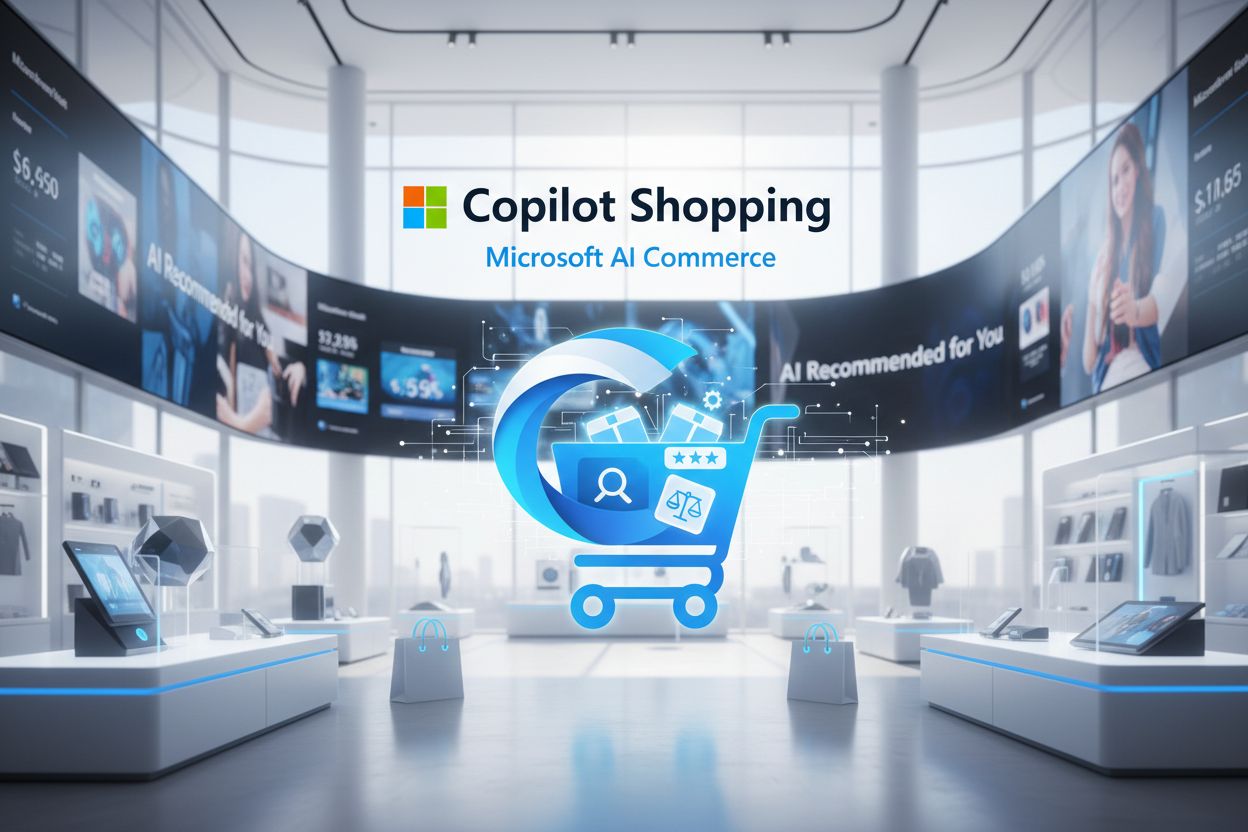
Learn how Microsoft’s Copilot Shopping revolutionizes e-commerce with AI-powered buying guides, price matching, and personalized recommendations. Optimize your strategy.
Copilot Shopping represents a fundamental shift in how consumers discover and purchase products online, leveraging Microsoft’s advanced AI capabilities integrated directly into Bing and Edge. This intelligent shopping assistant combines natural language processing with real-time product data to create a seamless purchasing experience that goes far beyond traditional search. At its core, Copilot Shopping delivers three transformative features: AI-generated buying guides that aggregate product information by category, intelligent review summaries that distill customer feedback into actionable insights, and price matching capabilities that ensure consumers get the best deals. The evolution from traditional e-commerce to AI-assisted commerce represents a paradigm shift where the shopping assistant actively helps users make informed decisions rather than simply displaying search results. By harnessing Bing’s GPT-powered AI capabilities, Microsoft has created a shopping experience that understands context, learns from user behavior, and provides personalized recommendations in real-time. This integration demonstrates how AI commerce is reshaping the retail landscape, making shopping faster, more confident, and more rewarding for millions of users worldwide.
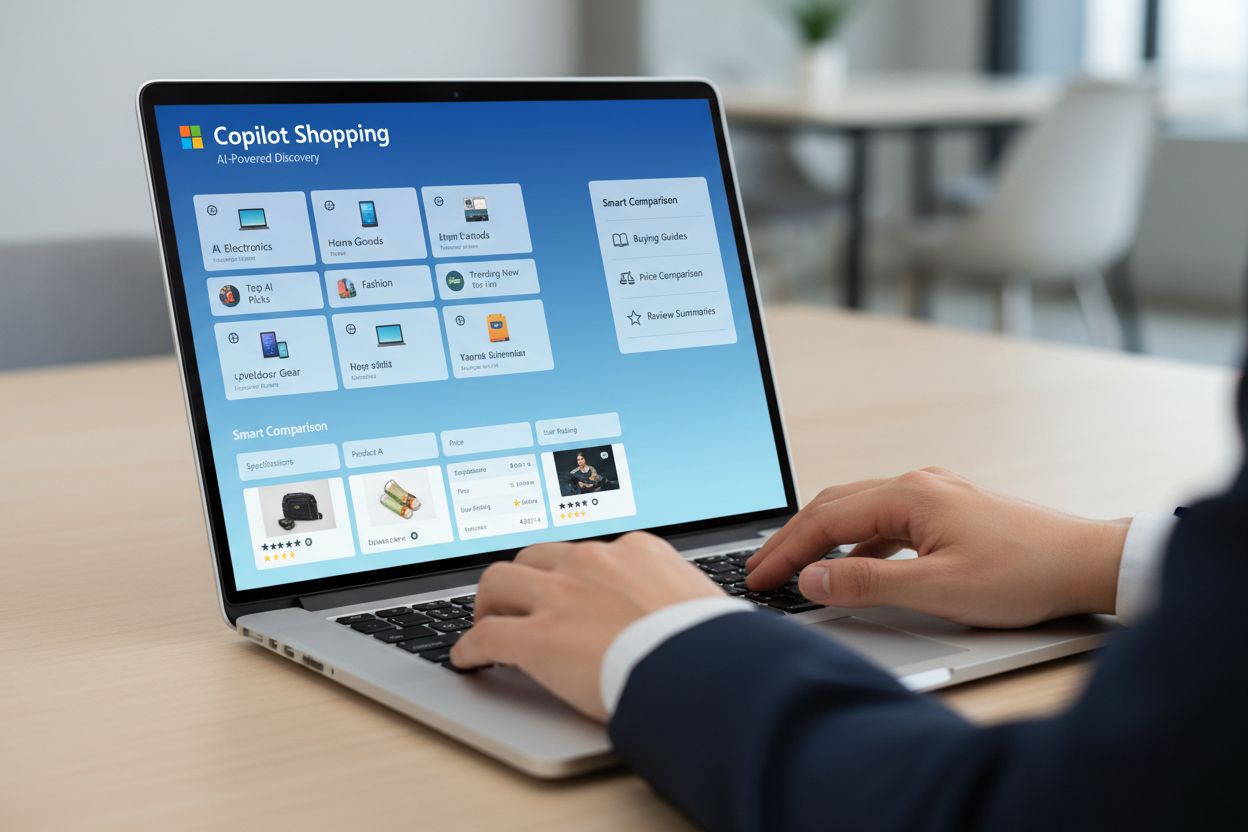
When you search for something like “college supplies” or “noise-cancelling headphones” on Bing, Copilot Shopping automatically generates a comprehensive buying guide that would traditionally take hours of research to compile. The AI analyzes thousands of products, customer reviews, and specifications to create organized categories with clear recommendations for each product type. One of the most powerful features is the smart comparison table, which displays multiple similar products side-by-side with their key specifications, prices, and features—allowing consumers to make informed decisions without clicking between dozens of websites. The natural language search capability means users can ask questions like “What should I look for in a gaming laptop?” and receive detailed, contextual answers rather than generic search results. This approach dramatically reduces decision fatigue and increases purchase confidence by presenting curated, relevant information in an easily digestible format.
| Aspect | Traditional Shopping | AI-Powered Shopping |
|---|---|---|
| Time to Decision | 2-4 hours of research | 10-15 minutes with AI guidance |
| Information Quality | Mixed quality from various sources | Aggregated, verified product data |
| Confidence Level | Often uncertain about choices | High confidence with detailed comparisons |
Key Benefits of AI-Powered Buying Guides:
Reading through hundreds of customer reviews to understand a product’s real-world performance is one of the most time-consuming aspects of online shopping. Copilot Shopping’s review summarization feature uses advanced sentiment analysis to distill customer feedback into concise, actionable insights that highlight what people genuinely appreciate and what concerns they have. Rather than scrolling through pages of reviews with varying levels of detail and credibility, users can ask Bing Chat to “summarize what people are saying about this product” and receive a balanced overview of top insights and popular opinions. The AI identifies patterns across reviews—such as common complaints about durability, praise for value, or concerns about sizing—and presents them in a structured format that makes decision-making faster and more confident. This approach not only saves time but also builds trust by showing authentic customer experiences rather than relying solely on star ratings or promotional content. By reducing decision paralysis caused by information overload, sentiment analysis helps consumers move from research to purchase with greater certainty.
Beyond product discovery, Copilot Shopping excels at helping consumers find the best possible price through multiple integrated features. The price matching capability monitors prices across top U.S. retailers with existing price match policies, and if a price drops after purchase, users can request a match directly through the platform—ensuring they never overpay. Price history tracking in Microsoft Edge provides a visual timeline of how a product’s price has fluctuated over time, helping users identify whether current pricing represents a genuine deal or if they should wait for a better opportunity. The price comparison feature automatically searches across multiple retailers to show where the same product is available at different price points, eliminating the need to manually visit competitor websites. Additionally, Copilot Shopping automatically applies available coupons and cashback offers at checkout, meaning users benefit from savings opportunities they might otherwise miss. Package tracking keeps tabs on purchases directly from the Edge sidebar, eliminating the need to dig through email confirmations. Together, these features create a comprehensive price optimization ecosystem that helps consumers save money not just at purchase time, but throughout the entire product lifecycle.
While consumer-facing Copilot Shopping transforms the buying experience, Copilot for Dynamics 365 Commerce brings similar AI-powered intelligence to enterprise retail operations. This enterprise solution provides store associates and managers with deep customer insights that aggregate data on customer preferences, favorite product categories, preferred price ranges, and lifetime value metrics based on recency, frequency, and monetary analysis. Store employees gain access to comprehensive product insights including clear descriptions, key benefits, inventory levels, discount details, and information about related items like accessories and bundles—empowering staff to provide personalized recommendations and increase average order value. The platform generates automated report insights that synthesize complex sales data into natural language summaries, providing instant overviews of critical metrics such as sales, revenue, profit margins, and overall store performance. Retail statement insights automatically summarize posted and unposted statements, highlighting key metrics and identifying risks like returns without receipts or unusual price overrides. Additionally, merchandising optimization streamlines the complex process of configuring products, categories, and catalogs across channels by automating data validation and checking for errors and inconsistencies. These enterprise features directly impact retail operations by improving customer satisfaction, boosting sales, increasing profit margins, and enhancing workforce productivity.
The true power of Copilot Shopping emerges through its ability to learn and adapt to individual customer preferences at scale. The system continuously analyzes browsing history and purchase patterns to understand what types of products, price ranges, and brands resonate with each user. Location-based shopping suggestions leverage geographic data to recommend products and deals relevant to a user’s region, while cross-selling and upselling capabilities identify complementary products that enhance the primary purchase. For example, if a customer searches for a laptop, Copilot might recommend compatible accessories, software, or extended warranties based on similar customer behavior patterns. This personalization extends across the entire Microsoft ecosystem, creating a consistent experience whether users are shopping through Bing, browsing in Edge, checking deals in Microsoft Start, or reviewing products mentioned in Outlook. However, this level of personalization raises important privacy considerations—Microsoft has implemented transparent data practices and user controls that allow customers to understand how their data is used and opt-in or opt-out of personalized features. The balance between delivering valuable personalized experiences and respecting user privacy represents a critical aspect of responsible AI implementation in e-commerce.

Copilot Shopping doesn’t exist in isolation—it’s deeply integrated into Microsoft’s broader ecosystem of productivity and browsing tools. Users can access shopping features seamlessly across Bing search, Microsoft Edge browser, Microsoft Start (the personalized homepage), and even Outlook email, creating a unified shopping experience regardless of which Microsoft service they’re using. This cross-platform integration means that a user can start researching a product on Bing, compare prices in Edge, receive price drop notifications in Microsoft Start, and track their purchase through Outlook—all without leaving the Microsoft ecosystem. The seamless experience across devices ensures that shopping research on a desktop computer continues smoothly on a mobile device, with all preferences, comparisons, and tracking information synchronized. Integration with Microsoft 365 for business users means that enterprise customers can leverage shopping intelligence within their productivity workflows. This ecosystem approach creates significant competitive advantages by making shopping assistance available wherever users are already spending their digital time, rather than requiring them to visit a separate shopping platform.
For e-commerce retailers and brands, understanding how to optimize for Copilot Shopping is becoming increasingly critical. Product data optimization is foundational—ensuring that product titles, descriptions, specifications, and images are clear, accurate, and comprehensive helps Copilot’s AI better understand and recommend your products. Implementing structured data and schema markup (such as Schema.org product markup) makes it easier for AI systems to parse product information, prices, availability, and reviews. Inventory management integration ensures that Copilot Shopping displays accurate stock levels and availability information, preventing customer frustration from out-of-stock recommendations. Pricing strategy alignment involves understanding how your pricing compares to competitors and ensuring that your products appear in price comparisons when they offer genuine value. Content quality for AI analysis means creating detailed, honest product descriptions and encouraging authentic customer reviews—both of which improve how AI systems understand and recommend your products. Retailers should also consider how their products appear in buying guides and comparison tables, optimizing for the specific categories and use cases where their products excel. By taking these optimization steps, e-commerce businesses can increase their visibility in AI-powered shopping experiences and capture customers at critical decision-making moments.
The emergence of Copilot Shopping fundamentally changes the competitive landscape of e-commerce by shifting power toward platforms that can aggregate and synthesize product information effectively. Early adopters who optimize their product data and pricing strategies for AI-powered shopping platforms gain significant advantages in visibility and customer acquisition. The technology impacts consumer behavior by making comparison shopping faster and easier, which can increase price sensitivity but also drives higher purchase confidence and lower return rates. Market trends indicate that AI shopping assistants are becoming the primary discovery mechanism for many consumers, particularly for complex purchasing decisions involving multiple options and price points. The future of e-commerce increasingly depends on visibility within AI systems rather than traditional search engine optimization alone. Brands that understand how to present their products to AI systems—through clear data, authentic reviews, and competitive pricing—will thrive in this new landscape. Companies that fail to adapt risk becoming invisible to consumers who rely on AI shopping assistants for product discovery and recommendations. This shift represents one of the most significant changes in e-commerce since the rise of search engines, with implications for how retailers market, price, and present their products. Tools like AmICited.com help brands monitor their visibility in AI shopping assistants and understand how they’re being referenced across different AI platforms.
As Copilot Shopping collects and analyzes increasingly detailed information about consumer behavior and preferences, data privacy becomes a paramount concern. Microsoft has committed to adhering to strict privacy regulations including GDPR (General Data Protection Regulation) and CCPA (California Consumer Privacy Act), ensuring that user data is handled responsibly and transparently. The platform implements transparent data practices that inform users about what information is collected, how it’s used, and who has access to it. Security measures for payment data include encryption and compliance with PCI DSS standards to protect sensitive financial information. Ethical AI implementation means ensuring that recommendation algorithms don’t perpetuate biases or manipulate users into purchases they don’t genuinely want. Microsoft provides user control and opt-in features that allow consumers to understand and manage their data, choosing which personalization features they want to enable. The company’s commitment to Responsible AI practices ensures that all AI-powered features in Copilot Shopping adhere to stringent ethical standards, promoting transparency, fairness, and accountability. As AI shopping assistants become more prevalent, maintaining this balance between delivering valuable personalized experiences and protecting user privacy and autonomy will be essential for building consumer trust and ensuring sustainable growth in AI-powered commerce.
Copilot Shopping is Microsoft's AI-powered shopping assistant integrated into Bing and Edge. It uses advanced AI to generate buying guides, summarize customer reviews, compare prices across retailers, and provide personalized product recommendations. The system analyzes thousands of products and customer reviews to help users make informed purchasing decisions faster and with greater confidence.
Copilot Shopping offers multiple money-saving features including price matching across retailers, price history tracking to identify the best time to buy, automatic coupon and cashback application at checkout, and price comparison tools. The platform monitors prices even after purchase and can help you request price matches if prices drop, ensuring you always get the best deal.
Microsoft is committed to protecting user data through strict compliance with GDPR, CCPA, and other privacy regulations. The platform implements transparent data practices, encryption for payment information, and user controls that allow you to manage your personalization preferences. You can opt-in or opt-out of personalized features and understand exactly how your data is being used.
Instead of reading hundreds of individual reviews, Copilot Shopping uses sentiment analysis to distill customer feedback into concise, actionable insights. The AI identifies patterns across reviews—such as common complaints, praised features, or concerns about specific aspects—and presents them in a structured format that highlights what customers genuinely appreciate and what concerns they have.
Yes. E-commerce retailers should focus on product data optimization by ensuring titles, descriptions, and specifications are clear and comprehensive. Implementing structured data markup (Schema.org), maintaining accurate inventory information, competitive pricing, and encouraging authentic customer reviews all help Copilot Shopping better understand and recommend your products.
Copilot Shopping works seamlessly across Bing search, Microsoft Edge browser, Microsoft Start homepage, and Outlook email. This integration creates a unified shopping experience where you can research products on Bing, compare prices in Edge, receive price drop notifications in Microsoft Start, and track purchases through Outlook—all with synchronized preferences and information.
This is the enterprise version of Copilot Shopping designed for retail businesses. It provides store associates and managers with customer insights, product recommendations, automated report generation, and merchandising optimization. The platform helps retailers improve customer satisfaction, boost sales, increase profit margins, and enhance workforce productivity through AI-powered insights.
AmICited.com provides AI monitoring solutions that track how your brand and products are referenced in AI shopping assistants like Copilot Shopping, Perplexity, and Google AI Overviews. This helps you understand your visibility in AI-powered commerce platforms and optimize your presence accordingly.
Track how AI systems like Copilot Shopping reference your brand and products. Get insights into your visibility in AI-powered commerce platforms.
Learn how to optimize your e-commerce store for AI shopping assistants like ChatGPT, Google AI Mode, and Perplexity. Discover strategies for product visibility,...

Discover how agentic AI is transforming shopping and what it means for brand visibility. Learn how AI agents make autonomous purchases and how to prepare your b...
Master Amazon Rufus optimization with our complete guide. Learn 5 proven strategies to improve product visibility, increase conversions, and stay ahead in AI-dr...