

How to Conduct an AI Visibility Audit: Complete Methodology
Learn the complete step-by-step methodology for conducting an AI visibility audit. Discover how to measure brand mentions, citations, and visibility across Chat...
10 min read
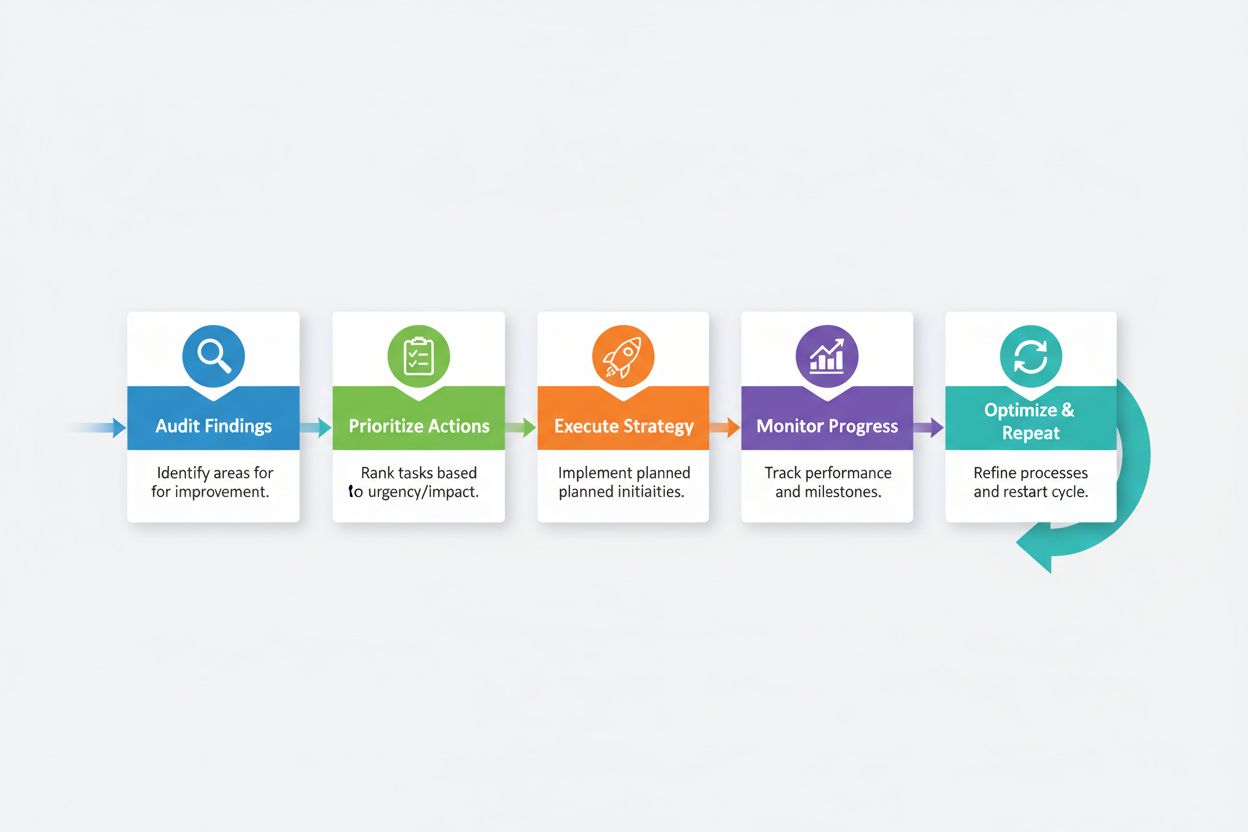
Transform your AI visibility audit findings into a strategic action plan. Learn how to prioritize fixes, build AI-citable content, and measure success with continuous monitoring.
Your AI visibility audit provides a comprehensive snapshot of how your brand appears across AI-powered platforms, search engines, and language models. The audit findings reveal critical data points including the frequency of brand mentions, the accuracy of citations, the sentiment of references, and significant content gaps where your brand should appear but doesn’t. These metrics establish your baseline performance and expose vulnerabilities in how AI systems represent your organization. By analyzing which sources AI systems prioritize, you gain insight into the authority signals that matter most in the AI era. Understanding these findings is the essential first step before building your visibility action plan, as they illuminate exactly where your brand stands in the AI-generated content landscape.
Translating audit findings into a prioritized action plan from your AI visibility audit requires a structured framework that balances immediate fixes with long-term growth opportunities. Not all action items carry equal weight—some address critical accuracy issues that damage your reputation, while others represent growth opportunities that expand your market presence. The most effective approach categorizes actions into three distinct types, each with different timelines and resource requirements. By mapping your findings against these categories, you create a roadmap that addresses urgent problems first while simultaneously building the foundation for sustained visibility growth. This prioritization ensures your team focuses energy where it matters most, preventing the common pitfall of spreading resources too thin across too many initiatives.
| Action Type | Description | Timeline |
|---|---|---|
| Fix | Correct misinformation, inaccurate citations, and factual errors in AI responses | 1-4 weeks |
| Build | Create authoritative content designed for AI citation and expand topical coverage | 4-12 weeks |
| Influence | Strengthen relationships with authoritative sources and build backlink profiles | Ongoing |
Misinformation in AI responses poses an immediate threat to brand reputation and customer trust, making accuracy fixes your highest-priority action items. Your audit likely identified specific instances where AI systems cite outdated information, attribute incorrect details to your organization, or present competitors’ claims as your own. The first step involves tracking the sources that AI systems rely upon—whether these are old web pages, competitor content, or third-party directories—so you understand why the inaccuracy persists. Once you’ve identified the root sources, you can pursue multiple correction strategies: updating or removing outdated content from your own properties, submitting corrections to third-party platforms that host the misinformation, and conducting targeted PR outreach to authoritative sources that AI systems trust. Document each correction attempt and monitor whether AI systems update their responses accordingly, as some corrections take weeks to propagate through AI training cycles. This systematic approach transforms reactive reputation management into a measurable, repeatable process that prevents future accuracy issues.
Creating content that AI systems actively cite requires understanding what makes information valuable in the AI era—specificity, authority, comprehensiveness, and structural clarity all influence citation likelihood. Your audit revealed gaps where AI systems lack authoritative sources on your key topics, creating opportunities to become the definitive source that AI systems reference. Rather than creating generic marketing content, you must develop deep, research-backed material that answers the specific questions AI systems encounter. The following best practices significantly increase the likelihood that AI systems will cite your content:
Authority signals determine whether AI systems trust your brand enough to cite it prominently, making this a critical component of your AI visibility strategy. Backlinks from authoritative domains function as endorsements that AI systems recognize and weight heavily in their citation decisions—a single mention from a major industry publication carries more weight than dozens of mentions from low-authority sources. Your action plan should identify high-authority publications, industry associations, and thought leadership platforms where your brand should appear, then develop targeted outreach campaigns to earn mentions and citations. Building relationships with journalists, industry analysts, and influential bloggers creates ongoing opportunities for earned media that strengthens your authority profile. Additionally, securing speaking engagements at major conferences, publishing in respected industry journals, and participating in authoritative roundtables all generate the types of citations that AI systems recognize as trust signals. These tactics work synergistically—each authority signal reinforces others, creating a compounding effect that elevates your brand’s prominence in AI-generated responses.
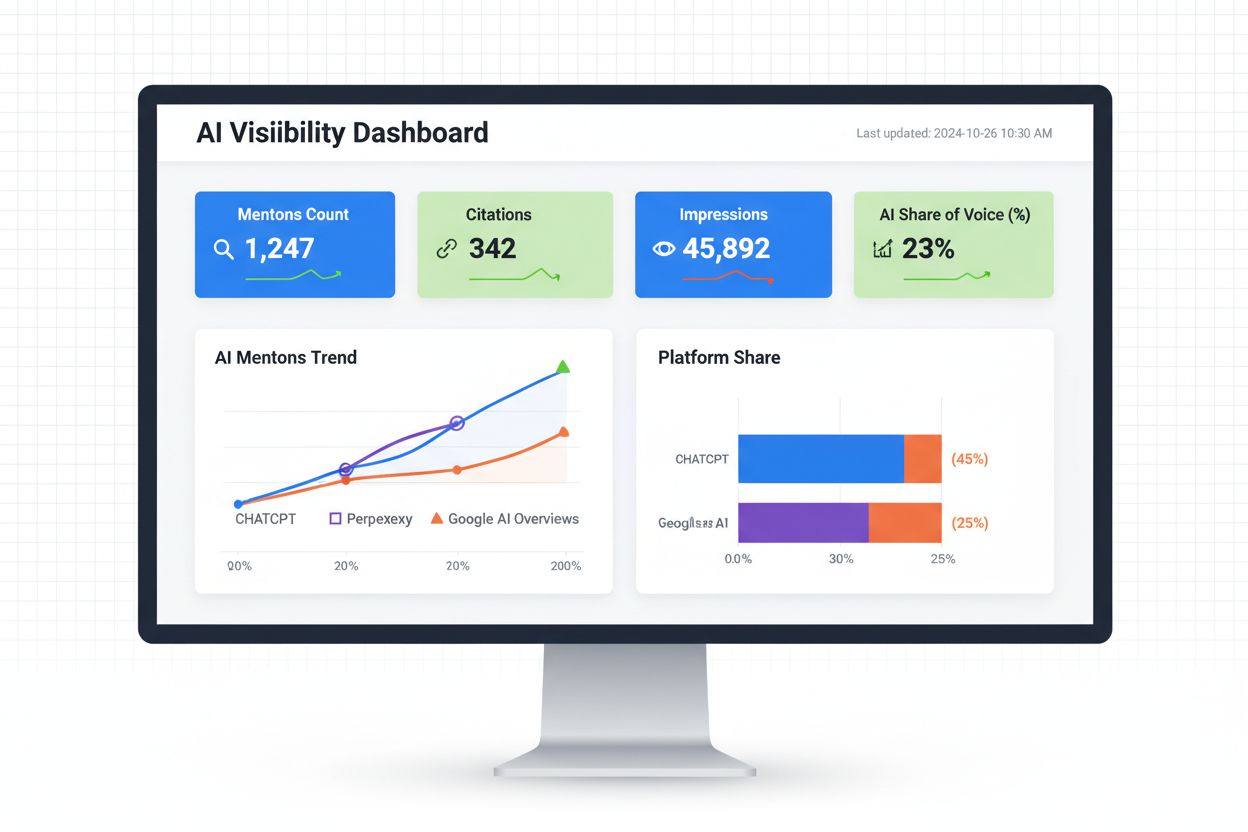
A one-time audit provides valuable baseline data, but sustainable visibility growth requires continuous monitoring that tracks how your brand appears across AI platforms over time. Establishing a regular monitoring cadence—whether weekly, bi-weekly, or monthly depending on your industry volatility—allows you to detect accuracy issues before they spread widely and identify emerging opportunities quickly. The most important key metrics to track include citation frequency across different AI platforms, sentiment of mentions, accuracy rates of attributed claims, and the authority level of sources citing your brand. By monitoring these metrics consistently, you create a feedback loop that shows whether your action plan initiatives are working and where adjustments are needed. Automated monitoring tools eliminate the manual work of checking AI responses repeatedly, freeing your team to focus on strategy and execution rather than data collection. This systematic approach transforms visibility management from a periodic project into an embedded business process that continuously optimizes your AI presence.
Understanding your competitive position within the AI visibility landscape reveals opportunities that a standalone audit cannot expose, making benchmarking an essential component of your audit to action strategy. By comparing your citation frequency, mention sentiment, and authority signals against direct competitors, you identify specific areas where you’re losing visibility and concrete opportunities to gain ground. Gap analysis reveals topics where competitors dominate AI responses but your brand is absent—these represent high-value opportunities to create authoritative content and earn citations. Your audit findings become significantly more actionable when contextualized against competitor performance; a citation frequency that seems adequate in isolation might represent a significant competitive disadvantage when compared to market leaders. Tracking how competitors respond to their own visibility challenges provides a real-time case study in what works and what doesn’t in your specific industry. This competitive intelligence informs your prioritization decisions, helping you focus resources on the highest-impact opportunities where you can realistically gain meaningful ground against established competitors.
Executing a comprehensive visibility action plan at scale requires technology infrastructure that automates monitoring, tracks progress, and provides actionable insights. AmICited.com serves as the primary monitoring solution for tracking how your brand appears across AI platforms, providing detailed visibility into citation frequency, accuracy, and sentiment across multiple AI systems including ChatGPT, Perplexity, and Google AI Overviews. Beyond monitoring, your technology stack should include content management systems that support structured data implementation, SEO tools that identify high-authority linking opportunities, and PR management platforms that streamline outreach campaigns. Analytics platforms help you correlate visibility improvements with business outcomes, demonstrating the ROI of your action plan investments. The right tool combination eliminates manual work, reduces human error, and creates accountability by providing transparent, measurable data on action plan progress. Rather than adopting every available tool, focus on integrating a core set of solutions that address your specific audit findings and action priorities.
Demonstrating the business impact of your citation tracking and visibility initiatives requires defining clear KPIs that connect AI visibility improvements to measurable business outcomes. The most relevant metrics vary by organization, but typically include citation frequency growth, improvement in citation accuracy rates, expansion of topics where your brand appears in AI responses, and increases in traffic from AI-generated content. Beyond these direct visibility metrics, track downstream business impact including website traffic from AI platforms, lead quality from AI-sourced visitors, and brand awareness metrics that correlate with increased AI visibility. Establish baseline measurements from your initial audit, then measure progress at regular intervals to demonstrate whether your action plan is delivering results. Some improvements appear quickly—accuracy fixes and relationship-building can show results within weeks—while others require longer timeframes as new content gains authority and backlinks accumulate. By connecting visibility metrics to business outcomes, you build the case for continued investment in AI visibility management and secure stakeholder support for long-term initiatives.
Effective continuous monitoring and visibility management require treating your action plan as an iterative cycle rather than a one-time project with a defined endpoint. Establish a regular review cadence—quarterly works well for most organizations—where you assess progress against your initial audit findings, identify new opportunities revealed by monitoring data, and adjust your action plan based on what’s working. Each cycle should include a mini-audit that measures changes in citation frequency, accuracy, and sentiment, providing data to inform the next round of prioritization. As you execute your initial action items, new gaps and opportunities inevitably emerge; your process should accommodate these discoveries without losing focus on core priorities. Building visibility management into your regular marketing operations—rather than treating it as a special project—ensures sustained attention and consistent resource allocation. This cyclical approach transforms your initial audit into the foundation for an ongoing competitive advantage, where continuous improvement in AI visibility becomes a permanent feature of your brand strategy rather than a temporary initiative.
Start by reviewing your audit findings to understand your baseline metrics including mentions, citations, and accuracy rates. Then prioritize your action items using the Fix-Build-Influence framework, addressing critical accuracy issues first before moving to content expansion and authority building initiatives.
Quick wins like accuracy corrections can show results within 1-4 weeks, while content building and authority signals typically require 4-12 weeks to demonstrate measurable impact. Long-term visibility improvements compound over time, with most organizations seeing significant results within 3-6 months of consistent execution.
Fixing addresses immediate accuracy issues and misinformation in AI responses, protecting your brand reputation. Building involves creating new, authoritative content designed for AI citation and expanding your topical coverage to capture visibility in areas where you're currently absent.
Conduct comprehensive audits quarterly to measure progress and identify new opportunities. Implement continuous monitoring weekly or bi-weekly to detect accuracy issues quickly and track citation trends, allowing you to adjust your strategy based on real-time data.
While core strategies like content quality and authority building apply across platforms, each AI system has unique characteristics. Tailor your approach by analyzing platform-specific citation patterns, preferred content formats, and source preferences revealed in your audit findings.
Track citation frequency growth, accuracy improvement rates, expansion of topics where your brand appears, and sentiment of mentions. Connect these visibility metrics to business outcomes including website traffic from AI platforms, lead quality, and brand awareness improvements.
AI-citable content includes original research and data, clear structure with proper headers, specific statistics and quantifiable findings, transparent source citations, comprehensive coverage of topics, and regular updates. Content that answers specific questions directly and provides unique insights is most likely to be cited by AI systems.
This depends on your team's expertise and available resources. In-house execution provides more control and institutional knowledge, while agencies bring specialized expertise and established processes. Many organizations benefit from a hybrid approach where agencies handle specialized tasks like PR outreach while internal teams manage content creation and monitoring.
Transform your audit findings into measurable results with continuous AI visibility monitoring and actionable insights.
Learn the complete step-by-step methodology for conducting an AI visibility audit. Discover how to measure brand mentions, citations, and visibility across Chat...
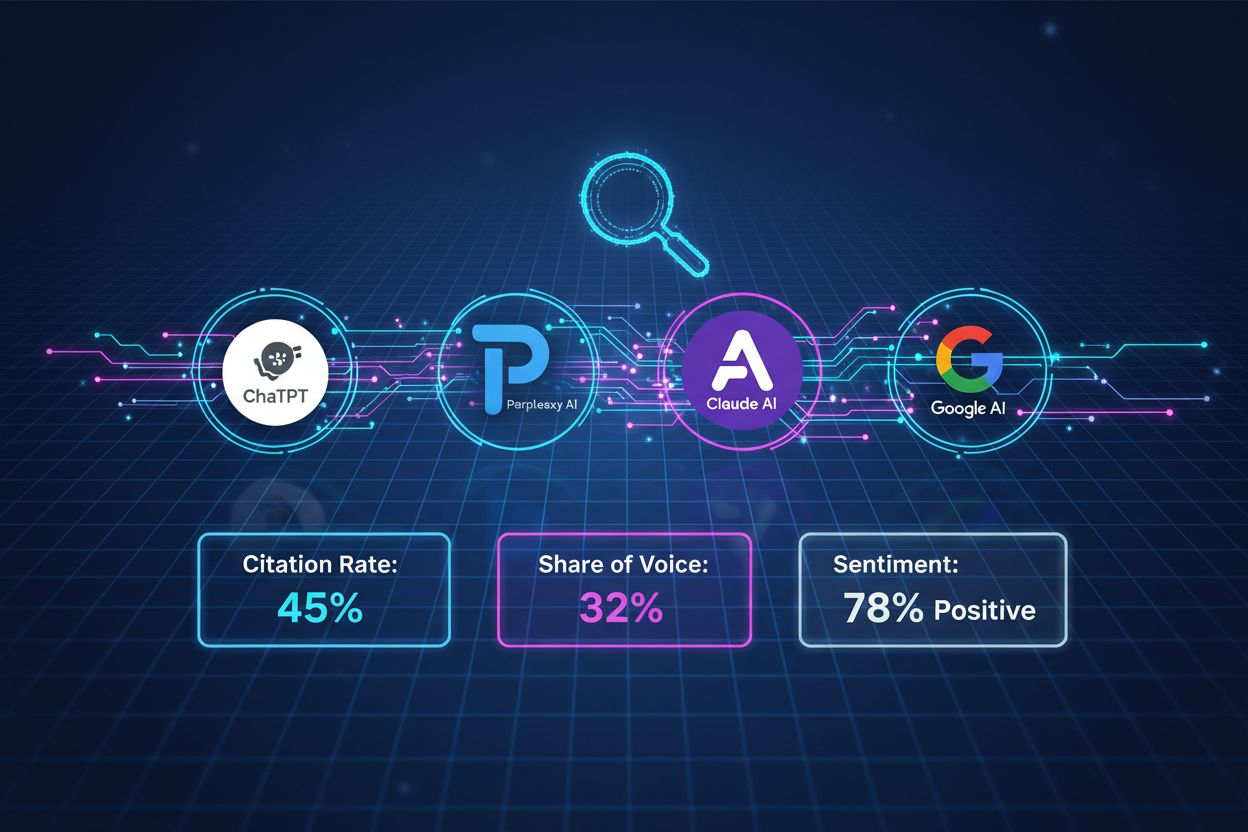
Learn how to interpret AI visibility audit results. Understand citation frequency, brand visibility scores, share of voice, and sentiment metrics. Get actionabl...

Learn what metrics and data should be included in an AI visibility report to track brand presence across ChatGPT, Perplexity, Google AI Overviews, and Claude. C...