
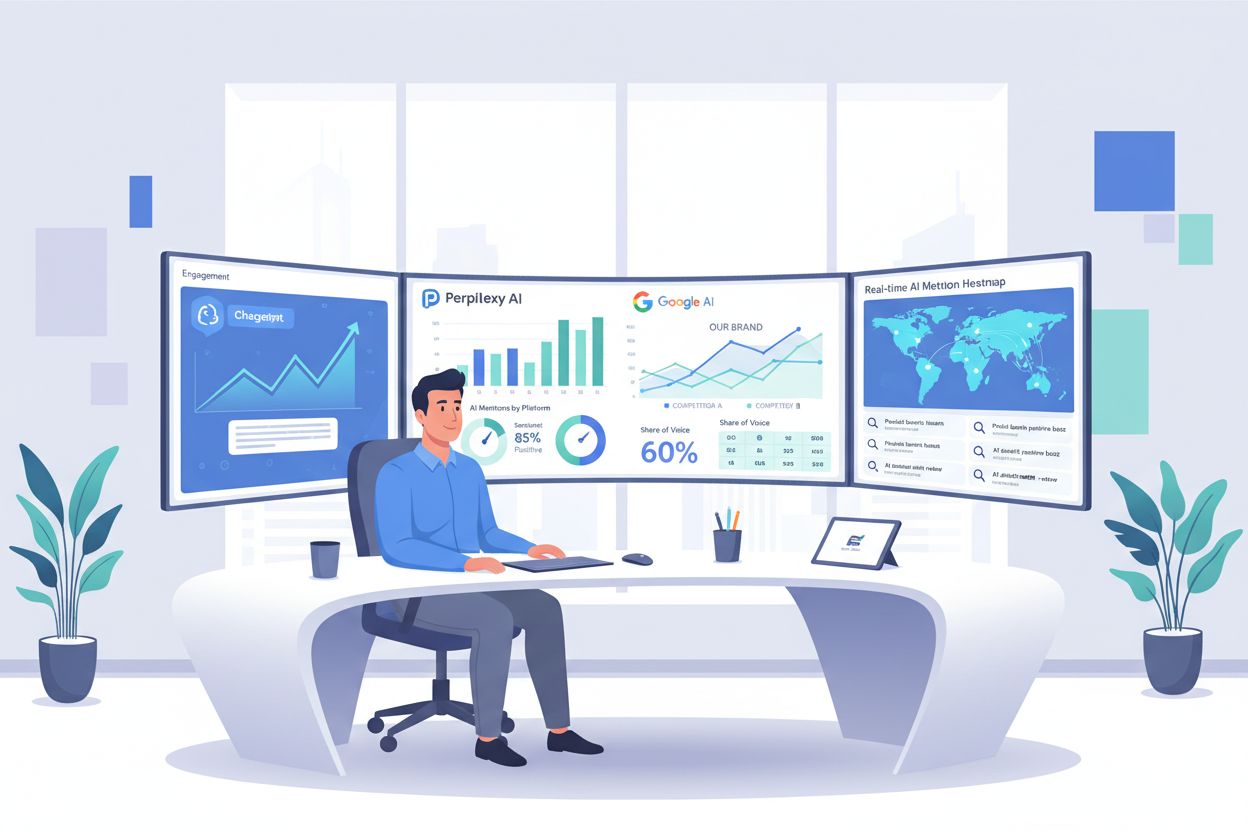
How to Set Up AI Brand Monitoring: A Complete Guide
Learn how to set up AI brand monitoring to track your brand across ChatGPT, Perplexity, and Google AI Overviews. Complete guide with tools, strategies, and best...
9 min read
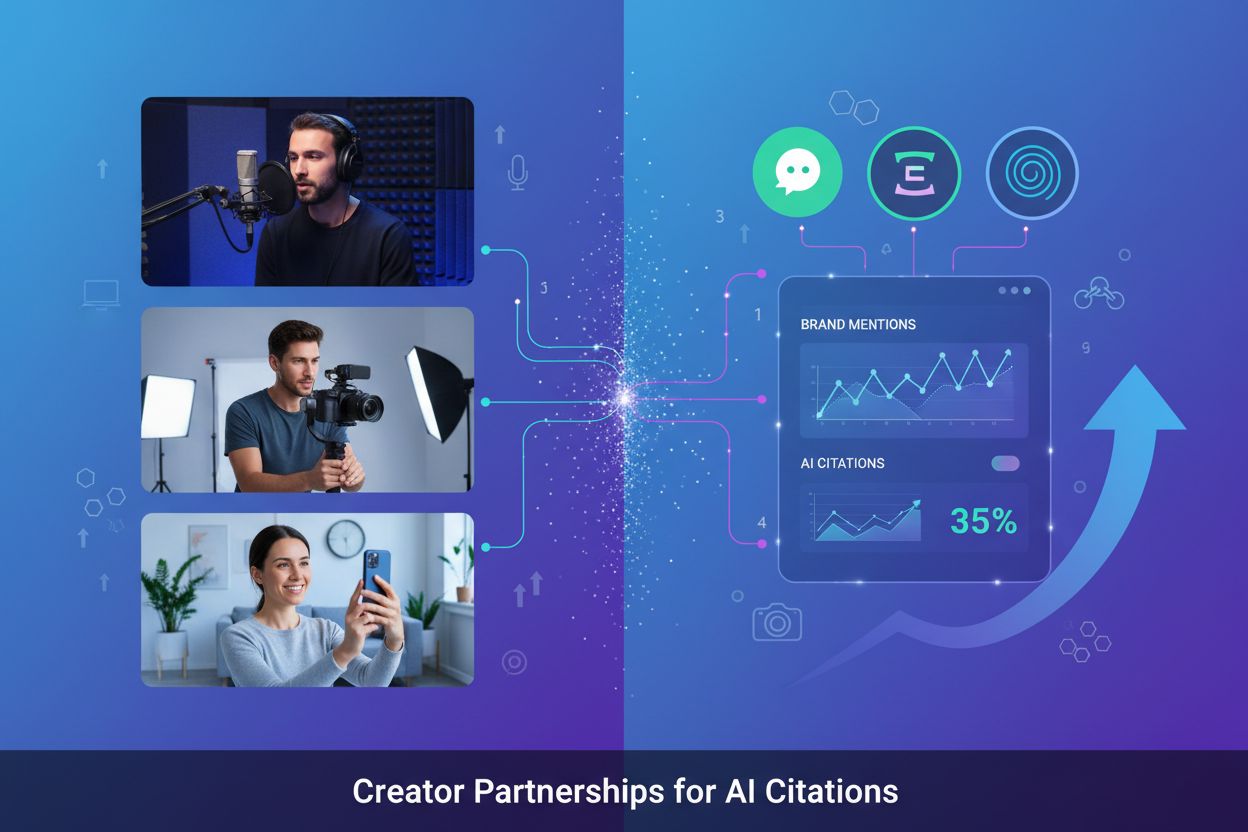
Learn how to leverage creator partnerships, podcasts, and video content to boost your brand’s visibility in AI-generated answers and LLM citations.
The traditional SEO playbook—ranking high for keywords—no longer guarantees visibility where it matters most: in AI-generated answers. When a user asks ChatGPT, Gemini, or Perplexity a question about your industry, your brand’s appearance depends less on search rankings and more on how frequently and contextually your brand is mentioned across the web. This shift fundamentally changes how brands should approach influencer marketing. Creator partnerships now serve a dual purpose: driving immediate engagement through social channels while simultaneously training large language models to recognize and cite your brand. According to BSM Media’s recent case study, 25% of influencer blog content appeared in AI-generated summaries and search previews—a powerful reminder that authentic creator voices resonate with both audiences and algorithms. The brands winning in the AI era understand that mentions are the new links, and strategic creator partnerships are the vehicle for generating those mentions at scale.
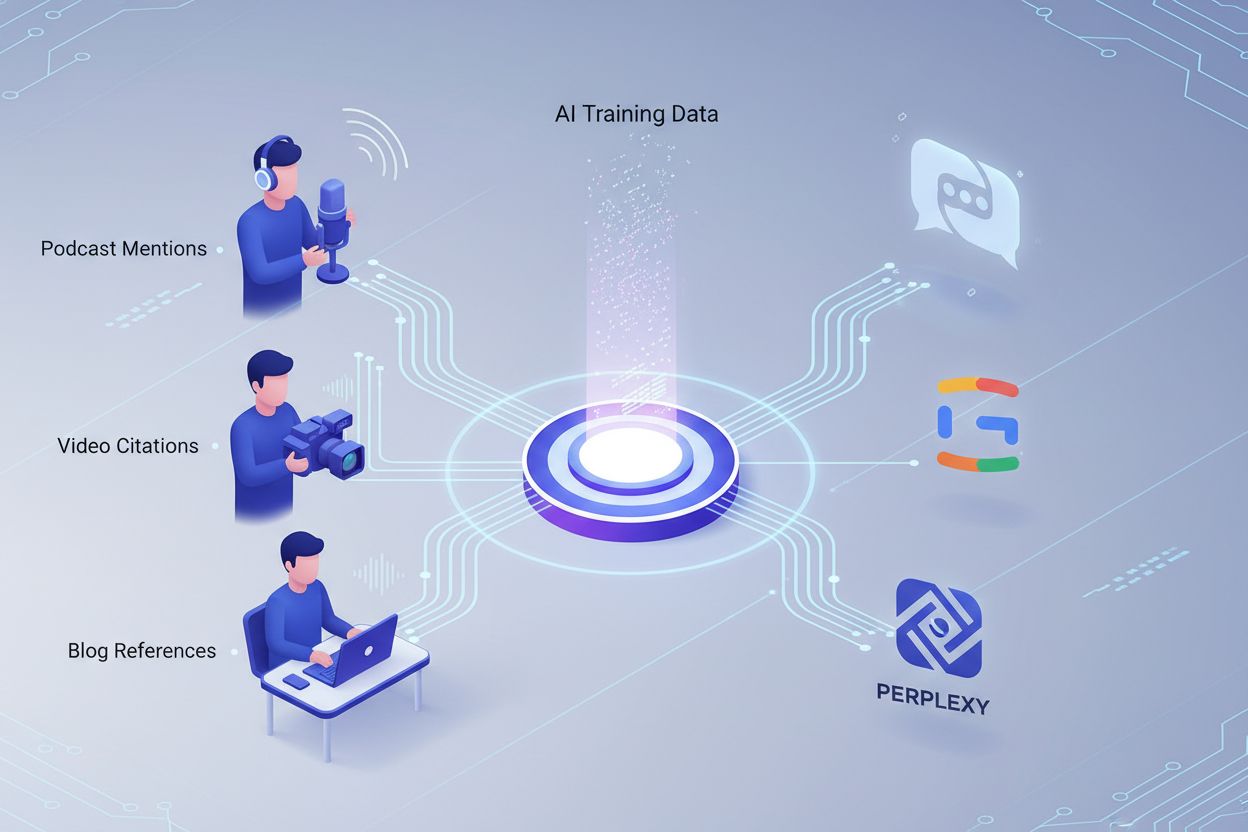
A single podcast episode generates far more than just audio content—it creates an ecosystem of text-based assets that train AI systems. When a guest appears on a podcast, their brand name and expertise appear in the episode title, show notes, transcript, YouTube description, and guest bio. Each of these elements contains keywords, context, and mentions that feed into LLM training data. Transcripts are particularly valuable because they provide complete, searchable text that AI systems can analyze for context and relevance. Unlike a single blog post, a podcast episode creates multiple citation opportunities across different platforms and formats. This multiplier effect means that a single 60-minute conversation can generate dozens of brand mentions across various content touchpoints, each reinforcing your association with specific topics and keywords. The strategic value becomes clear when you consider that repeated mentions in the right context—discussing your product as a solution to a specific problem—train AI systems to include your brand when users ask related questions.
| Content Element | AI Indexing Potential | Audience Reach | Optimization Priority |
|---|---|---|---|
| Episode Title | High | Direct (podcast apps) | Critical - Include brand/keyword |
| Show Notes | High | Website visitors | High - Detailed context and links |
| Transcript | Critical | Search engines & LLMs | Critical - Full text training data |
| YouTube Description | High | YouTube & Google | High - Metadata rich |
| Guest Bio | Medium | Multiple platforms | Medium - Authority signals |
| Episode Summary | Medium | Email & social | Medium - Keyword placement |
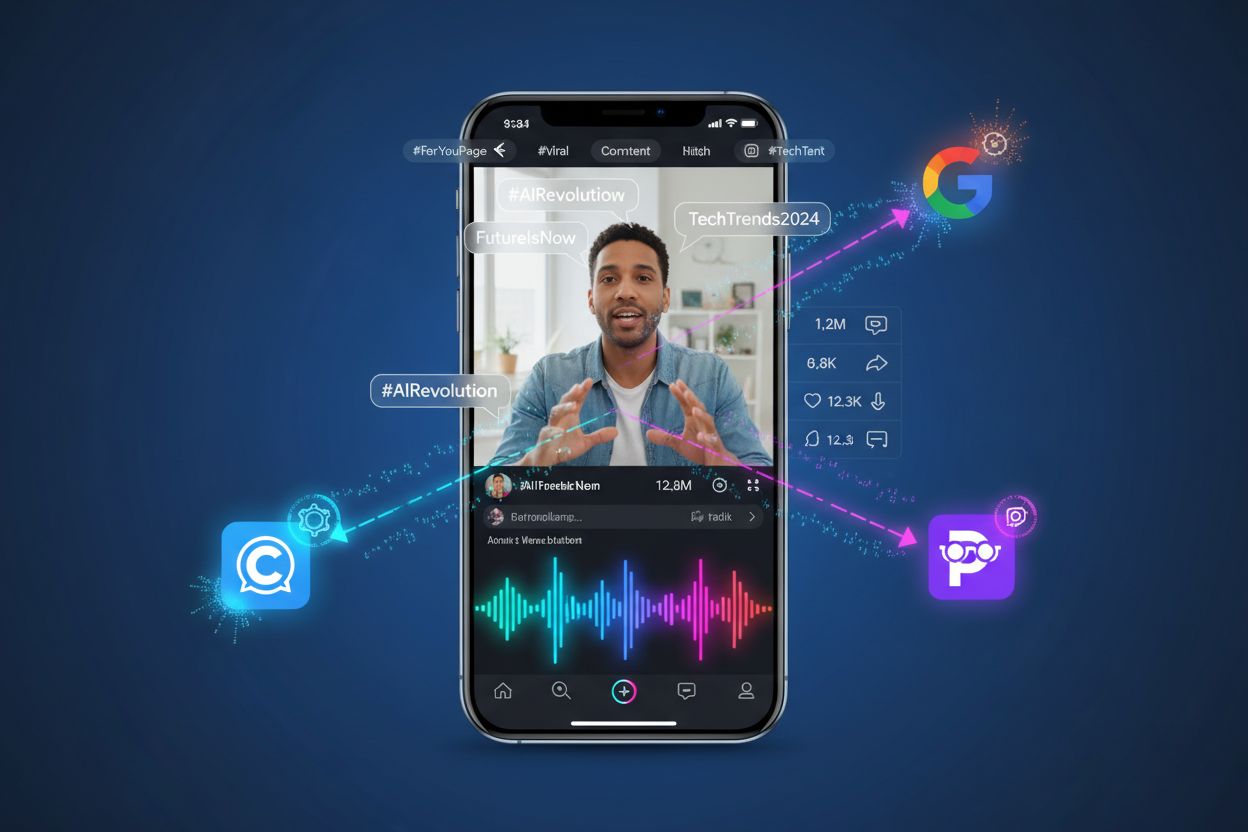
Short-form video has become an unexpected frontier for AI visibility, particularly as Gen Z increasingly treats platforms like TikTok as search engines rather than entertainment apps. 64% of Gen Z now use TikTok as their primary search tool, and this behavior is reshaping how AI systems index and cite content. When creators produce short-form videos with clear captions, question-based framing, and conversational language, they create multimodal content that AI systems find particularly valuable. Unlike text-only blog posts, video content combines visual, audio, and textual elements, providing richer training data for language models. The key to AI visibility in short-form video is clarity: creators should frame content around common questions their audience asks (“How do I…?”, “What’s the best…?”) and use captions that restate key points. 78% of TikTok users have purchased a product after seeing it in a video, demonstrating that this platform drives real business outcomes while simultaneously building AI visibility. As external LLMs like ChatGPT and Gemini increasingly cite TikTok content in their answers, brands that invest in authentic, well-optimized short-form video gain visibility in two discovery channels simultaneously.
Traditional influencer briefs focus on engagement metrics—likes, shares, comments—but AI-optimized briefs add a strategic layer that most brands haven’t yet implemented. The goal shifts from “create content that gets engagement” to “create content that trains AI systems to cite your brand.” This requires educating creators on how to write for both humans and algorithms simultaneously.
Key elements of AI-optimized creator briefs include:
Conversational Language Guidance: Provide creators with natural language phrases and question-based framings that mirror how users actually query AI systems. Instead of “Product X is the best,” suggest “How to solve [problem] with Product X.”
Specific Use Case Examples: Include 2-3 concrete scenarios where your product solves real problems. Creators should weave these examples into their content naturally, giving AI systems context-rich mentions.
Mention Frequency and Placement: Guide creators on how many times to mention your brand and where to place mentions for maximum AI impact. Early mentions in captions and repeated mentions in long-form content perform better.
Supporting Data Points: Provide statistics, research findings, or case studies that creators can reference. Data-backed claims are more likely to be cited by AI systems and shared by audiences.
Long-Form Content Anchors: Encourage creators to produce blog posts, detailed captions, or video descriptions that expand on social content. Long-form content provides more training data for LLMs.
Platform-Specific Optimization: Tailor briefs for each platform’s unique characteristics. TikTok requires trending audio and quick hooks; podcasts need detailed show notes; blogs need comprehensive keyword coverage.
The challenge with AI visibility is that it doesn’t fit neatly into traditional marketing attribution. When an LLM cites your brand in an answer, the user may never click a link or visit your website directly—yet your brand still gained valuable exposure. This is why tracking AI citations has become essential for understanding the true ROI of creator partnerships. Tools like AmICited.com monitor your brand mentions across ChatGPT, Gemini, Perplexity, and other major LLMs, showing exactly which creator content surfaces in AI-generated answers. By correlating AI visibility data with brand search volume and website traffic, you can identify which creator partnerships drive the most valuable long-term benefits. The measurement challenge also reveals why sustained partnerships matter more than one-off campaigns: AI systems need repeated exposure to your brand across multiple contexts before they reliably cite you. Attribution often appears as “direct” traffic in analytics because users discover your brand through AI and then search for you directly, making it critical to track AI mentions separately from traditional metrics.
The most effective creator partnerships leverage multiple platforms simultaneously, creating a network effect that amplifies brand signals across AI systems. When a podcast episode, blog post, video, and social media content all discuss your brand in similar contexts, AI systems recognize this consistency and weight your brand more heavily in their training data. This cross-platform synergy works because LLMs analyze patterns across the entire web—if your brand appears consistently in discussions about a specific topic across different creators and platforms, the algorithm learns that your brand is authoritative on that topic. A coordinated product launch exemplifies this approach: the creator records a podcast episode discussing the product’s benefits, publishes a detailed blog post with use cases, creates short-form video clips highlighting key features, and shares social media posts with customer testimonials. Each piece of content reinforces the others, and when aggregated, they create a powerful signal to AI systems. Additionally, engaged comment sections and shares amplify these signals further—when audiences interact with creator content, they’re essentially voting for its quality and relevance, which AI systems interpret as trustworthiness.
TikTok’s transformation from a social entertainment platform into an AI-powered search engine represents one of the most significant shifts in digital marketing. The platform now uses AI to analyze not just captions and hashtags, but also spoken content in videos, matching user queries to the most relevant video content. Beyond TikTok’s internal search, external LLMs are increasingly indexing and citing TikTok videos in their answers—a user asking ChatGPT about a trend or product may receive a response that references a TikTok video. This creates a unique opportunity for creators: low barrier to visibility means that authentic, high-engagement content can outrank established brands. Unlike Google’s algorithm, which favors domain authority and backlinks, TikTok’s algorithm prioritizes engagement and relevance, allowing smaller creators and emerging brands to gain visibility. The challenges are real—TikTok’s multimodal format (video + audio + text) is harder for text-based AI systems to process, and rapid trend cycles mean content can become outdated quickly. However, creators who master question-based framing, trending audio, and clear on-screen text can create content that performs well both in TikTok’s algorithm and in external AI systems. The opportunity window is open now, before most brands have optimized their TikTok strategy for AI visibility.
One-off influencer campaigns miss the compounding benefits of sustained creator partnerships for AI visibility. When a creator mentions your brand once, it registers as a single data point in LLM training data. When the same creator mentions your brand repeatedly across multiple pieces of content over months, AI systems begin to associate that creator’s voice with your brand’s authority. This sustained association becomes particularly valuable because creators develop their own authority and audience trust—when a trusted creator consistently recommends your brand, AI systems learn to weight those mentions more heavily. Long-term partnerships also allow creators to develop deeper product knowledge and authentic enthusiasm, which translates into more credible content that resonates with both audiences and algorithms. The ROI calculation changes when you measure beyond immediate engagement: a creator partnership that generates modest engagement metrics but produces consistent, high-quality mentions across multiple platforms and formats delivers exponentially more AI visibility value than a high-engagement campaign that generates one-time mentions. Strategic brands are shifting their influencer budgets from transactional relationships (pay for a post) to partnership models (sustained collaboration with shared goals around AI visibility and brand authority).
Podcast episodes generate multiple content touchpoints including transcripts, show notes, descriptions, and YouTube versions. Each touchpoint contains brand mentions and keywords that train LLMs. When your brand is mentioned repeatedly in the right context across these elements, AI systems learn to associate your brand with relevant topics and are more likely to cite you in answers.
Traditional influencer marketing focuses on engagement metrics like likes and views. AI-optimized partnerships prioritize authentic, answer-rich content that trains LLMs. This includes using conversational language, question-based framing, and strategic keyword placement while maintaining authenticity and providing genuine value to audiences.
Short-form video (TikTok, Reels, YouTube Shorts) is increasingly indexed by AI systems and used as a search platform by Gen Z. Video content with clear captions and question-based framing creates richer training data for LLMs and can be cited in AI-generated answers, providing dual benefits of social engagement and AI visibility.
Provide creators with target keywords, question-based framing suggestions, and guidance on using natural, conversational language. Educate them on how AI systems process content and encourage long-form content (blogs, detailed captions) alongside social posts. The key is maintaining authenticity while optimizing for AI discoverability through strategic mention placement and context.
Use tools like AmICited.com to track brand mentions in AI responses across ChatGPT, Gemini, Perplexity, and other LLMs. Monitor which creator content surfaces in AI answers and correlate AI visibility with brand searches and traffic. Note that AI-driven discovery often appears as 'direct' traffic in analytics, making dedicated AI monitoring essential.
Yes, and this is highly recommended. Repurposing podcast episodes into blog posts, video clips, social media posts, and short-form content creates multiple citation opportunities and amplifies your brand signals across AI systems. Consistent messaging across platforms strengthens AI visibility and maximizes the value of each creator partnership.
AI visibility is a long-term play. While engagement metrics may show immediate results, LLM training and citation typically take weeks to months. Focus on sustained partnerships and consistent content rather than one-off campaigns for lasting AI visibility benefits and compounding returns over time.
TikTok is emerging as both an AI search platform and a source of training data for external LLMs. The platform's algorithm favors engagement over brand size, creating opportunities for authentic content to gain visibility. Trending audio, clear captions, and question-based framing help content get indexed and cited by AI systems both within and outside TikTok.
Discover how often your brand appears in ChatGPT, Gemini, Perplexity, and other AI systems. Monitor creator partnerships and measure real AI visibility impact with AmICited.
Learn how to set up AI brand monitoring to track your brand across ChatGPT, Perplexity, and Google AI Overviews. Complete guide with tools, strategies, and best...
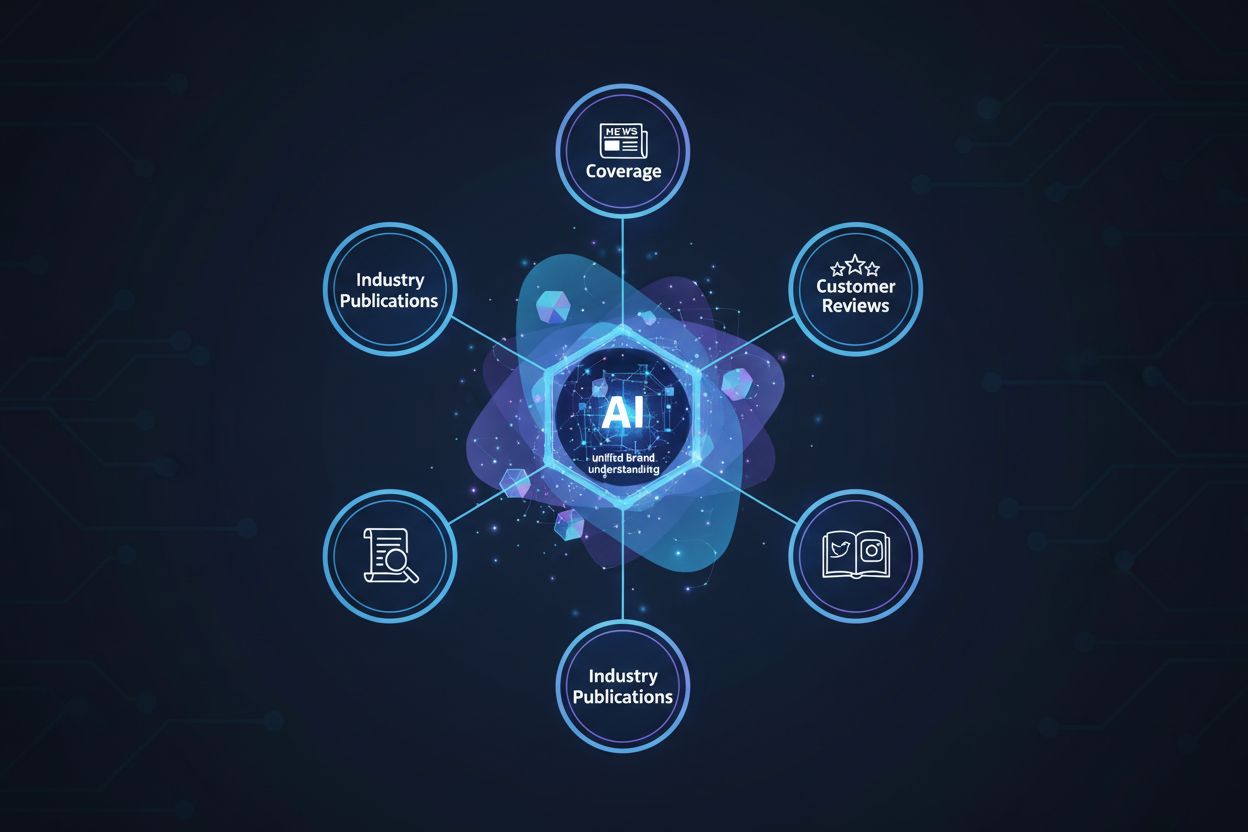
Learn how strategic content partnerships drive AI visibility. Discover collaboration strategies between PR and SEO teams to establish brand authority in AI syst...
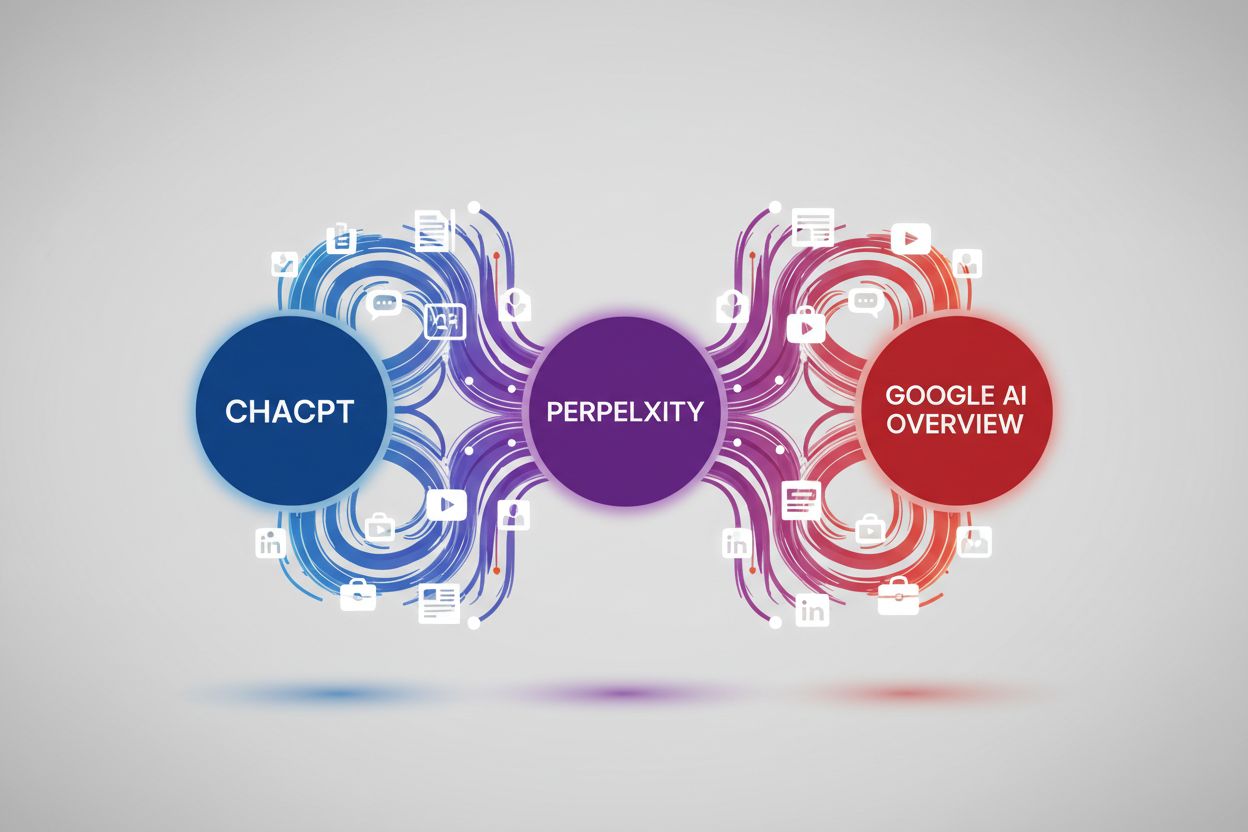
Learn where to guest post for maximum AI visibility. Discover the top platforms AI systems cite and create a guest posting strategy that increases your brand's ...