
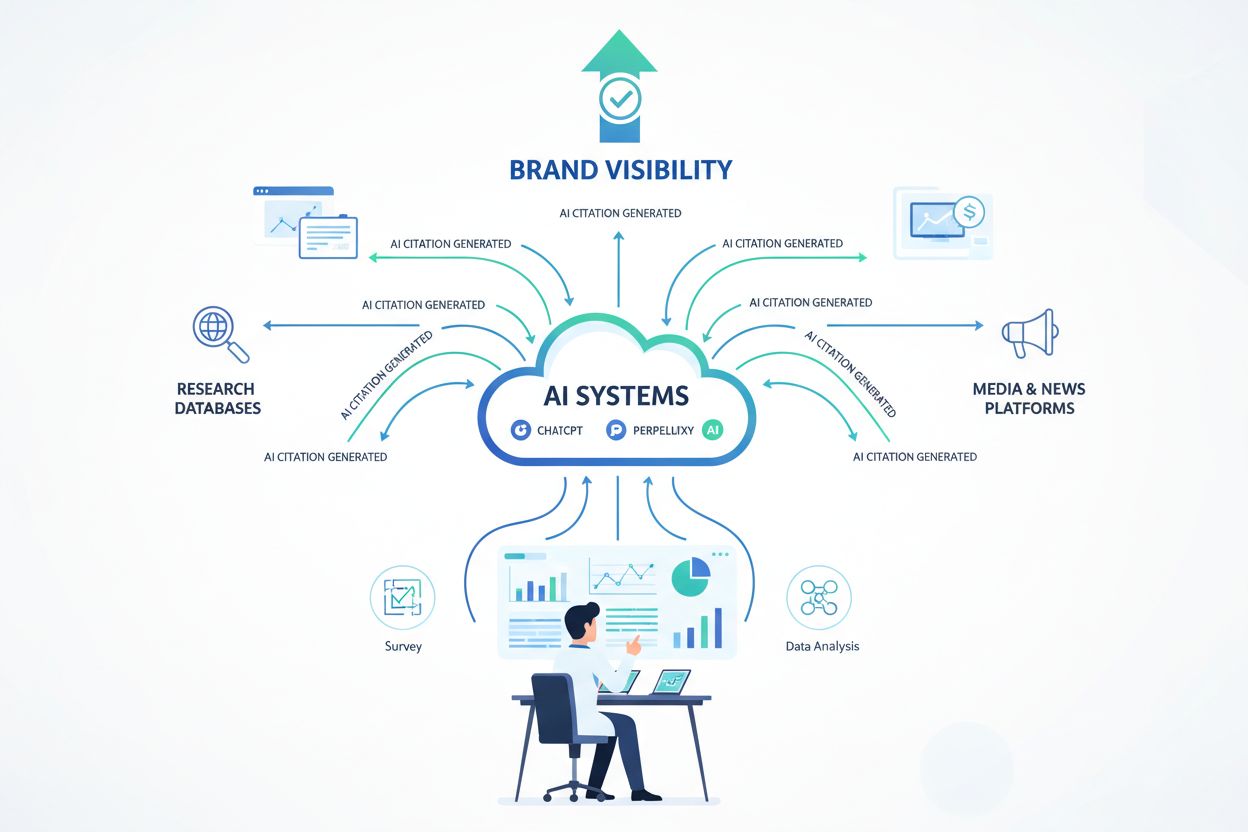
Original Research: The 30-40% Visibility Boost for AI Citations
Discover how original research and first-party data drive 30-40% visibility boost in AI citations across ChatGPT, Perplexity, and Google AI Overviews.
13 min read

Learn how to create original research and data-driven PR content that AI systems actively cite. Discover the 5 attributes of citation-worthy content and strategies to maximize AI visibility.
Original research has become the most valuable asset in the AI-driven information ecosystem, fundamentally shifting how content earns visibility in large language models. When LLMs evaluate source credibility, they prioritize primary data and original research over aggregated or derivative content, because these sources represent authoritative knowledge that hasn’t been filtered through multiple interpretations. According to recent research, content featuring original statistics and proprietary data sees 30-40% higher visibility in AI citations compared to general industry commentary. This represents a seismic shift from the traditional SEO era, where keyword optimization and backlink quantity dominated rankings. Remarkably, 90% of ChatGPT citations originate from positions 21 and beyond in traditional search results, meaning that AI models are actively deprioritizing the conventional “top 10” websites that dominated the Google era. The implication is clear: AI systems reward depth, originality, and data-backed claims over popularity metrics. This transition means that PR professionals and marketing leaders must fundamentally rethink their content strategy, moving away from click-driven metrics toward citation-driven authority building.

| Attribute | Description | Example |
|---|---|---|
| Original Data | Proprietary research, surveys, or studies conducted by your organization | A SaaS company publishing quarterly benchmark data on customer retention rates across 500+ clients |
| Structural Clarity | Well-organized content with clear headings, subheadings, and extractable insights | Research findings presented with numbered key takeaways and data visualizations that LLMs can parse |
| Specificity & Quantification | Precise statistics, percentages, and measurable outcomes rather than vague claims | “42% of enterprise buyers prioritize vendor security certifications” vs. “many buyers care about security” |
| Methodological Transparency | Clear explanation of research methodology, sample size, and data collection approach | Detailed methodology section explaining survey sample size, demographics, and statistical confidence levels |
| Contextual Authority | Content published by recognized experts or organizations with established credibility in the field | Research published by industry analysts, academic institutions, or brands with demonstrated expertise |
These five attributes work synergistically to create content that AI models recognize as citation-worthy and reliable. When your research embodies all five characteristics, LLMs are significantly more likely to reference your work as a primary source rather than aggregating information from multiple secondary sources. The combination of original data with transparent methodology creates a trust signal that algorithms recognize and reward with higher citation frequency. Organizations that excel at combining these attributes—such as publishing original research with clear methodology and specific quantification—consistently see their content cited across multiple AI platforms. This framework should guide every research initiative your organization undertakes, from initial concept through final publication and distribution.
To create research that AI systems actively seek out and cite, your strategy must begin with systematic gap identification and progress through rigorous execution:
This systematic approach transforms research from a one-time content asset into a foundational authority-building initiative that compounds over time. Each well-executed study creates multiple citation opportunities across different AI platforms and use cases, extending the ROI far beyond traditional PR metrics.
The distribution channels you choose matter more than traditional backlink strategies when optimizing for AI citations. Research reveals that Reddit accounts for 40.1% of AI citations, making it the single largest source platform for LLM training data and real-time information retrieval. Wikipedia represents 26.3% of citations, serving as a trusted reference layer that AI systems heavily weight when evaluating source credibility. Notably, 44% of AI citations originate from first-party brand websites, indicating that owned channels remain critical for establishing direct authority with AI systems. This distribution pattern fundamentally differs from the backlink-focused strategies of traditional SEO, where external validation dominated rankings. The strategic implication is that your brand’s own website, combined with strategic placement on high-authority platforms like Reddit and Wikipedia, creates a citation advantage that external backlinks cannot replicate. Rather than pursuing quantity of links, focus on ensuring your research reaches the platforms where AI models actively source information—community forums, reference databases, and industry-specific repositories. This shift requires PR professionals to develop new distribution partnerships and content adaptation strategies that prioritize AI-friendly platforms over traditional media outlets.
AI systems extract and cite content more effectively when it follows semantic HTML standards and clear information architecture. Structure your research findings using proper heading hierarchies (H1 for title, H2 for major sections, H3 for subsections) that allow LLMs to understand content relationships and extract relevant passages with context. Here’s an example of AI-optimized content structure:
# Original Research: Enterprise Software Adoption Trends 2024

## Executive Summary
Key finding: 73% of enterprises plan to increase AI tool adoption in 2024.

## Methodology
- Sample size: 1,200 enterprise decision-makers
- Survey period: January-February 2024
- Geographic coverage: North America, Europe, APAC

## Key Findings

### Finding 1: Adoption Acceleration
**73% of enterprises plan to increase AI tool adoption**, up from 58% in 2023.

### Finding 2: Budget Allocation
Enterprise AI budgets will increase by an average of **$2.3M per organization**.
This structure allows LLMs to identify the core statistic (73%), understand its context (enterprise adoption), and cite it with appropriate attribution. Include meta descriptions and structured data that explicitly state your key findings, making them immediately extractable without requiring the AI to interpret or summarize. Use bold formatting for key statistics and numbered lists for sequential findings, creating visual and semantic clarity that algorithms recognize as authoritative information. The more easily your content can be parsed and extracted, the higher the probability it will be cited in AI-generated responses.
Traditional SEO metrics no longer capture the full value of your content in the AI era, requiring new measurement frameworks focused on citation frequency, sentiment, and authority context. Tools like Profound, Goodie, and Writesonic now enable PR professionals to track how often their content appears in AI-generated responses across ChatGPT, Perplexity, Google AI Overviews, and other LLM platforms. Beyond simple citation counts, measure the quality of citation context—whether your research is cited as a primary source, supporting evidence, or contradictory data point—as this indicates how AI systems evaluate your authority. Track sentiment and framing around your citations; positive citations that reinforce your brand positioning carry more strategic value than neutral mentions. Monitor citation velocity over time to identify which research topics generate sustained interest versus one-time mentions, informing future research priorities. Compare your citation performance against competitor benchmarks to understand your relative authority position within your industry. These metrics should feed directly into your research strategy, helping you identify which topics, formats, and distribution approaches generate the highest citation ROI.
Consider a B2B software company that published original research on remote work productivity trends, surveying 2,000 knowledge workers across 15 industries. The initial research generated three major media placements in tier-one business publications, establishing credibility with human audiences. Within weeks, the research began appearing in ChatGPT responses about remote work best practices, cited as a primary source for productivity statistics. As the research gained AI citations, additional journalists discovered it through AI-generated content, leading to secondary media coverage that further amplified visibility. The company then published a follow-up study examining how their initial findings evolved over six months, creating a narrative of ongoing authority that AI systems recognized as authoritative trend analysis. This second study generated citations not only for the new data but also reinforced citations of the original research, creating a compounding effect where each publication strengthened the authority of previous work. Within 12 months, the company’s research had been cited in over 400 AI-generated responses across multiple platforms, establishing them as the go-to source for remote work insights. This case demonstrates how systematic, data-driven PR creates exponential returns, where each research initiative builds on previous authority rather than existing as isolated content assets. The key differentiator was treating research as an ongoing authority-building program rather than one-off content projects.
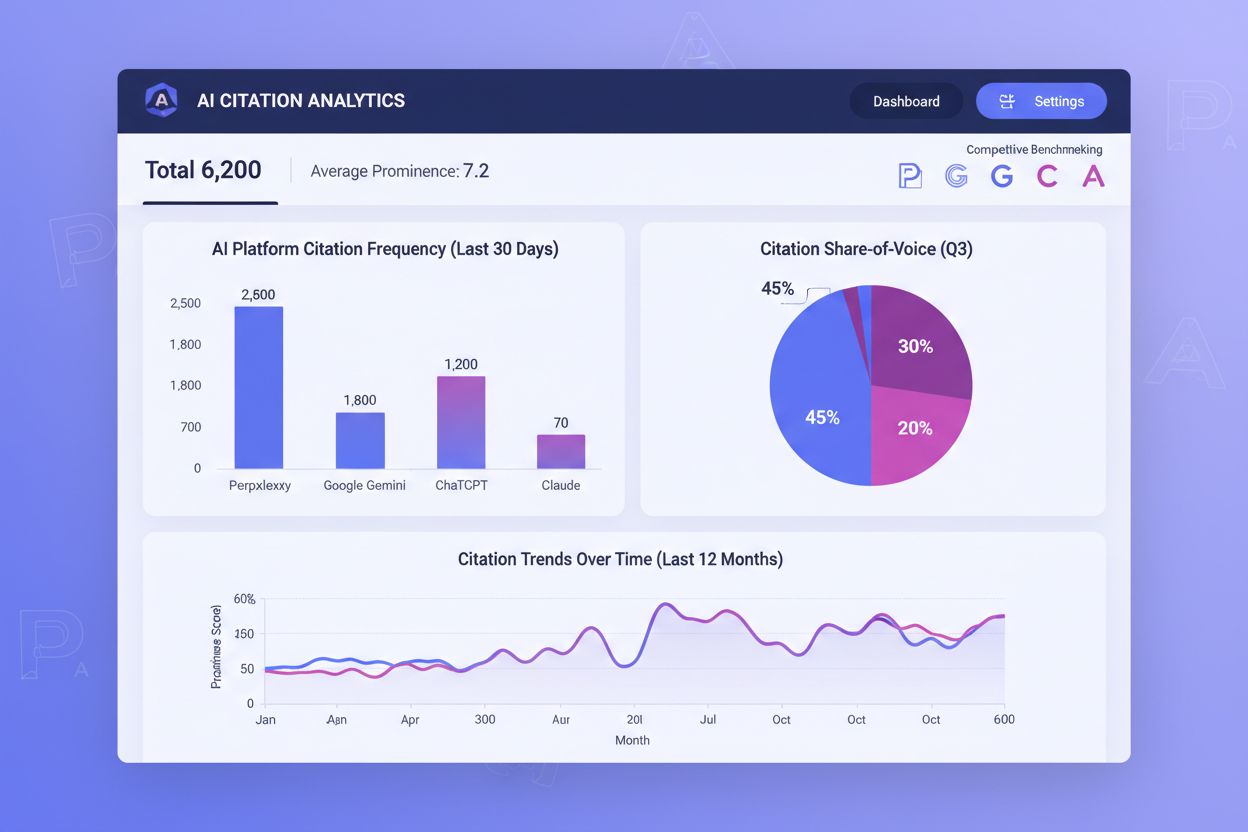
AmICited.com provides the competitive intelligence layer that modern PR teams need to understand how AI systems are citing their research and positioning their brand authority. The platform enables real-time monitoring of your content across ChatGPT, Perplexity, Google AI Overviews, and emerging LLM platforms, providing visibility into citation frequency, context, and competitive positioning. Rather than manually searching for mentions or relying on outdated SEO tools, AmICited.com delivers structured data on which of your research assets are generating AI citations, allowing you to identify your most valuable content and double down on similar topics. The platform reveals competitive gaps—topics where competitors are being cited but your organization isn’t—enabling strategic research planning that targets high-value citation opportunities. By tracking citation trends over time, you can measure the ROI of your research investments with precision, understanding exactly how your data-driven PR initiatives translate into AI visibility and brand authority. Integration with AmICited.com transforms AI citations from an invisible metric into a measurable, actionable component of your PR strategy, enabling data-driven decisions about research topics, distribution channels, and content formats. For marketing leaders and PR professionals operating in the AI era, this visibility is no longer optional—it’s essential infrastructure for maintaining competitive advantage in an information landscape increasingly shaped by large language models.
Data-driven PR focuses on creating and distributing original research, surveys, and proprietary data to establish brand authority with AI systems and human audiences. Unlike traditional PR that emphasizes media relations and brand mentions, data-driven PR prioritizes creating citation-worthy content that AI models actively seek out and reference in their responses.
AI systems evaluate credibility based on verifiable evidence and authoritative sources. Original research with transparent methodology, specific data points, and clear findings signals expertise and trustworthiness to LLMs. This makes your content more likely to be cited as a primary source rather than aggregated from multiple secondary sources.
Tools like Profound, Goodie, Writesonic, and AmICited.com enable you to track citations across ChatGPT, Perplexity, Google AI Overviews, and other LLM platforms. Monitor citation frequency, sentiment, authority context, and citation velocity to understand which research topics generate sustained interest and strategic value.
Research that performs best includes: industry benchmarks with clear methodology, original surveys with statistically significant sample sizes (300+ respondents), case studies with detailed implementation data, competitive analysis with quantified comparisons, and trend analysis backed by proprietary data. The key is combining original data with transparent methodology and specific quantification.
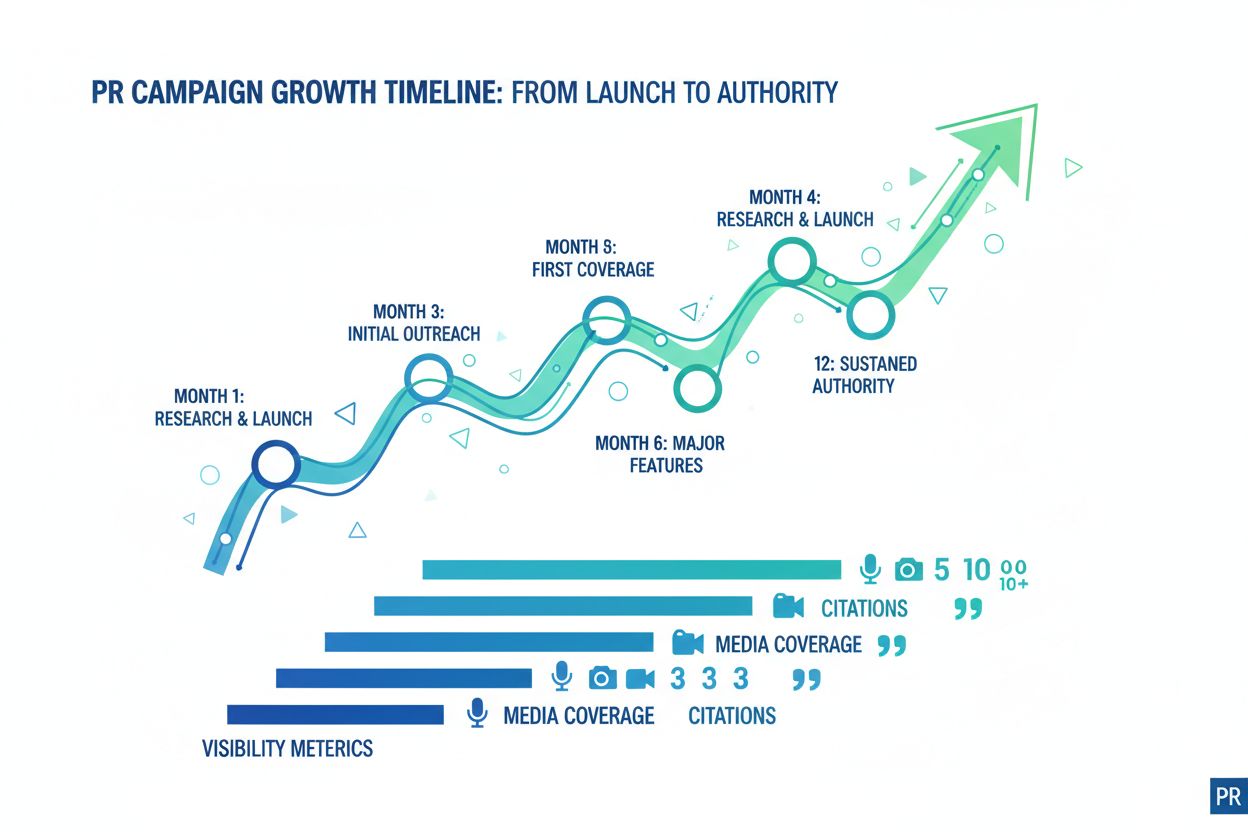
Initial AI citations can appear within weeks of publication, but compounding authority builds over months and years. A well-executed research program typically shows measurable citation growth within 3-6 months, with significant authority positioning established within 12 months. The key is treating research as an ongoing program rather than isolated projects.
Interestingly, 90% of ChatGPT citations come from positions 21 and beyond in traditional Google search rankings. This means your thoroughly researched article on page 4 can get cited more by AI than a competitor ranking #1. AI prioritizes citation-worthiness over traditional ranking factors, making original data more valuable than keyword optimization.
AmICited.com provides real-time monitoring of your content across ChatGPT, Perplexity, Google AI Overviews, and emerging LLM platforms. The platform reveals which research assets generate citations, identifies competitive gaps where competitors are cited but you aren't, and tracks citation trends to measure ROI of your research investments.
Prioritize platforms where AI models source information: Reddit (40.1% of citations), Wikipedia (26.3%), your brand website (44%), industry publications, and professional communities. Distribution strategy matters more than traditional backlinks—focus on reaching the platforms where LLMs actively retrieve information rather than pursuing external links.
Track how AI systems cite your original research across ChatGPT, Perplexity, and Google AI Overviews. Get real-time insights into your brand's visibility in AI-generated answers.
Discover how original research and first-party data drive 30-40% visibility boost in AI citations across ChatGPT, Perplexity, and Google AI Overviews.
Learn how to create original data and research that AI systems actively cite. Discover strategies for making your data discoverable to ChatGPT, Perplexity, Goog...
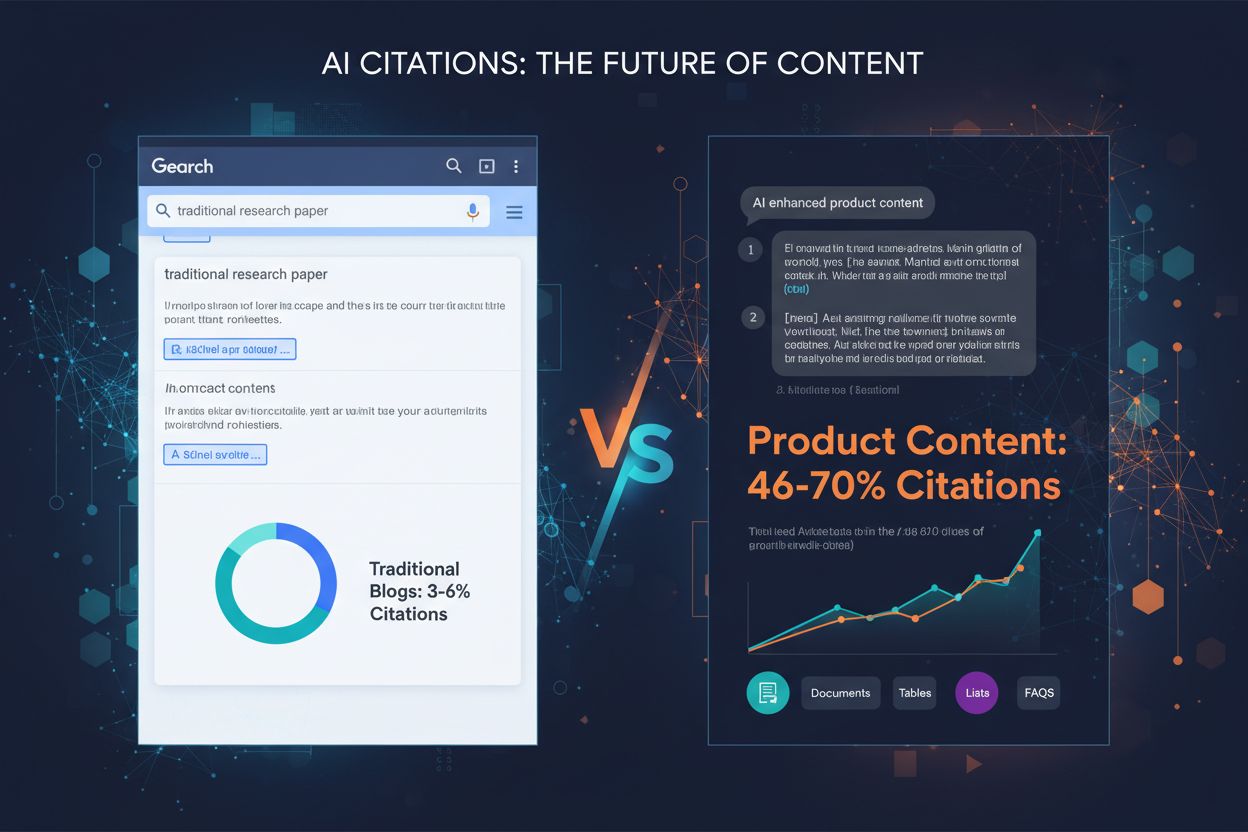
Discover which content formats get cited most by AI models. Analyze data from 768,000+ AI citations to optimize your content strategy for ChatGPT, Perplexity, a...