
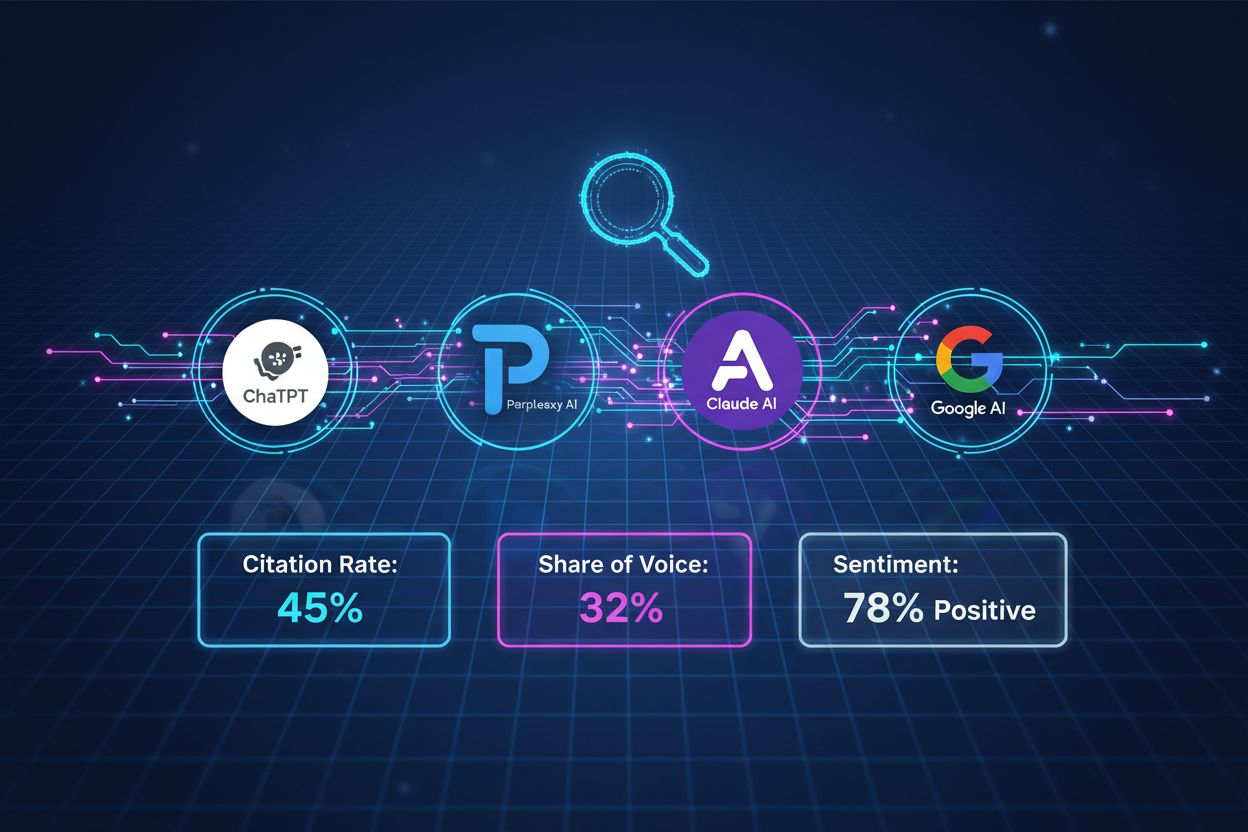
Interpreting AI Visibility Audit Results: What the Data Means
Learn how to interpret AI visibility audit results. Understand citation frequency, brand visibility scores, share of voice, and sentiment metrics. Get actionabl...
14 min read
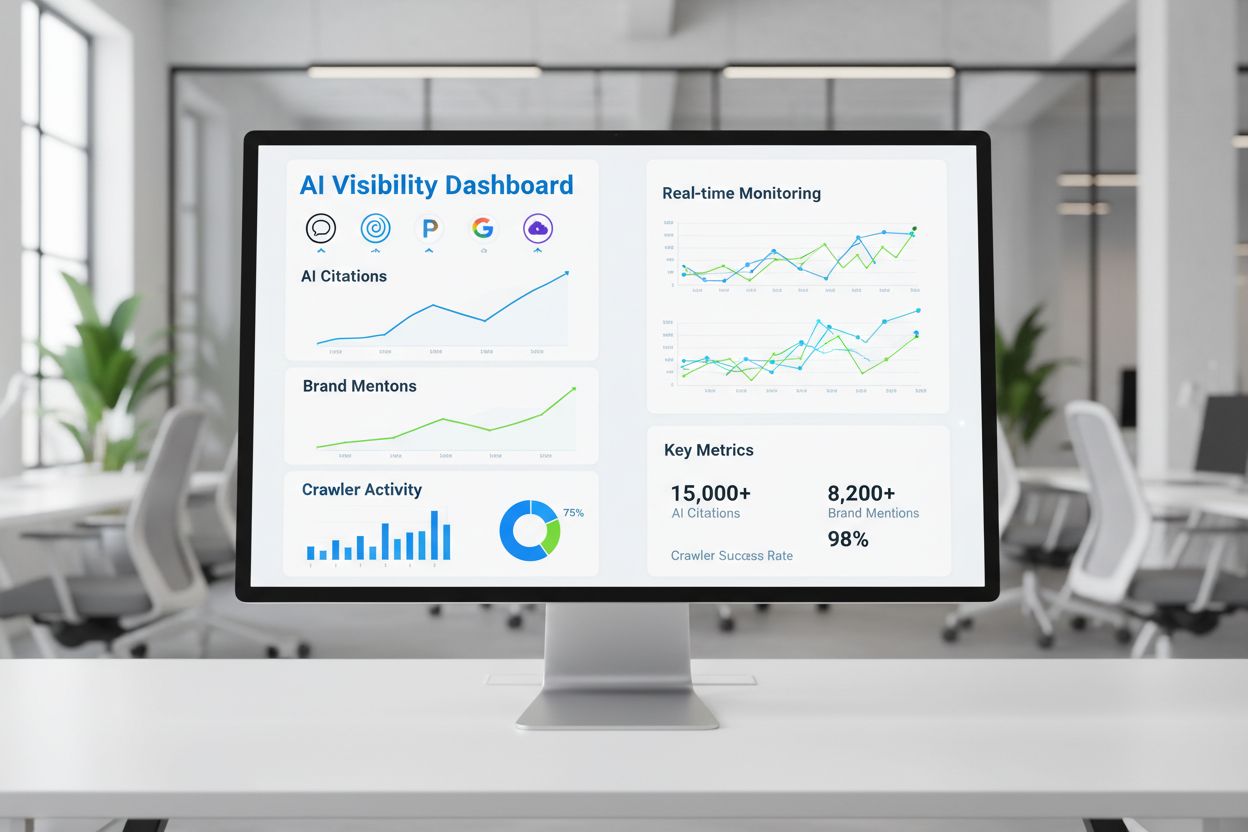
Learn how to document your AI visibility strategy with internal resources. Track AI citations, monitor crawler activity, and build a comprehensive documentation system for AI monitoring.
The distinction between AI citations and brand mentions has become increasingly important for modern marketing strategies, yet many organizations fail to track this critical difference. When your content is cited by AI systems, it carries significantly more weight than a simple brand mention—citations indicate that your information was valuable enough to be directly referenced in AI-generated responses. Documentation of these citations is essential because AI search visitors convert 4.4x better than organic search visitors, making it crucial to understand exactly which content is driving this high-value traffic. Without proper documentation systems in place, brands lose visibility into their AI performance metrics and cannot identify which content strategies are actually resonating with AI systems. By establishing a comprehensive documentation framework, you create an auditable record of your AI visibility efforts that enables data-driven decision-making and strategic optimization.
AI crawlers are automated systems deployed by AI companies to systematically collect and index content from across the web, serving as the foundation for training large language models and powering real-time retrieval systems. The major players in this space include GPTBot (operated by OpenAI), PerplexityBot (from Perplexity AI), ClaudeBot (from Anthropic), and Google-Extended (Google’s crawler for AI training). Understanding crawler behavior is critical because these systems operate in two distinct modes: some crawlers focus on training data collection for model improvement, while others perform real-time retrieval to fetch current information for generating responses. Your content strategy must account for both approaches, as they require different optimization techniques and documentation methods.
| Crawler | Company | Primary Purpose | Frequency |
|---|---|---|---|
| GPTBot | OpenAI | Training & Real-time | Continuous |
| PerplexityBot | Perplexity AI | Real-time Retrieval | Frequent |
| ClaudeBot | Anthropic | Training & Real-time | Continuous |
| Google-Extended | AI Training | Continuous |
Different crawlers have varying behaviors and access patterns, which means your documentation system needs to track not just that you’re being crawled, but which crawlers are accessing your content and how frequently. This granular understanding allows you to optimize your content strategy for the specific AI systems most relevant to your business goals and audience.
Creating a centralized knowledge base for AI visibility documentation begins with establishing a clear organizational structure that your entire team can understand and contribute to. Your documentation framework should be organized by content type, topic area, and performance metrics, making it easy for team members to locate relevant information and understand how different pieces of content are performing in AI systems. The key elements you should track include: crawler access logs, citation sources and frequency, content performance metrics, competitive analysis data, and strategic recommendations based on documented patterns. A well-structured framework might organize information hierarchically—starting with high-level AI visibility metrics at the top level, then drilling down into specific content pieces, their citation history, and associated crawler activity. This approach ensures that both executives reviewing overall AI visibility performance and content creators optimizing individual pieces can find the information they need quickly and efficiently.
Tracking AI crawler activity traditionally relied on server log analysis, where IT teams would manually parse access logs to identify crawler user-agents and monitor their behavior patterns. This method remains valuable because it provides direct, unfiltered data about which crawlers are accessing your content and when, but it requires technical expertise and can be time-consuming to implement and maintain. Modern monitoring tools have emerged to simplify this process, offering dashboards and automated alerts that make crawler tracking accessible to non-technical team members. Solutions like AmICited.com provide specialized platforms designed specifically for monitoring AI visibility, offering insights into which AI systems are citing your content and how frequently citations occur across different AI platforms.
| Method | Pros | Cons | Best For |
|---|---|---|---|
| Server Log Analysis | Direct data, comprehensive | Technical expertise required, time-intensive | Technical teams, detailed analysis |
| Monitoring Tools | User-friendly, automated alerts | May miss some data, subscription costs | Marketing teams, ongoing monitoring |
| Specialized AI Platforms | AI-specific metrics, citation tracking | Focused scope, additional cost | AI visibility strategy, ROI measurement |
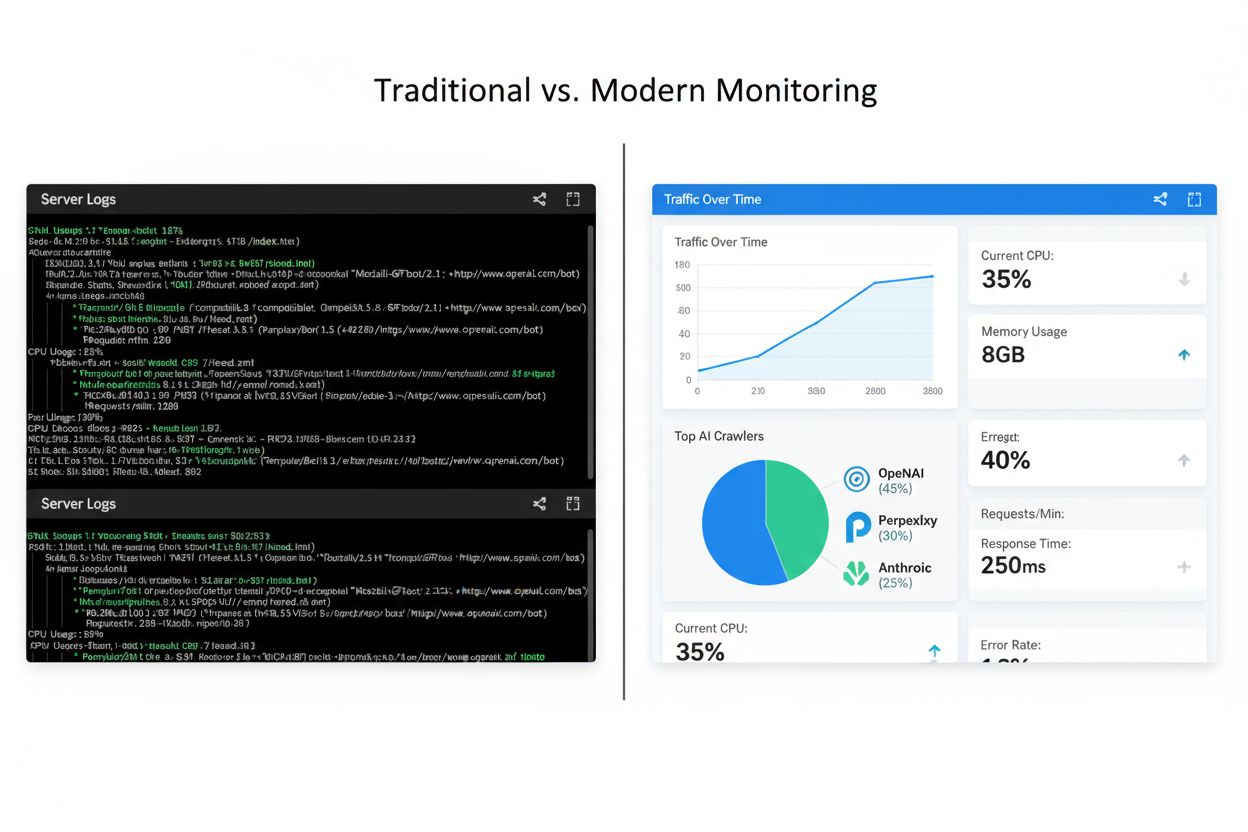
Implementing a practical tracking system involves selecting tools that integrate with your existing infrastructure, establishing baseline metrics before optimization efforts begin, and creating regular reporting schedules to monitor changes over time. Whether you choose traditional server log analysis, modern monitoring platforms, or a combination of both, the critical factor is consistency—your documentation system must capture crawler activity data regularly and systematically so you can identify trends and measure the impact of your optimization efforts.
Documenting which content gets cited by AI systems requires creating a systematic process for capturing citation data and associating it with specific content pieces, authors, and publication dates. You should track not only the frequency of citations but also the sources—which AI systems are citing your content, in what context, and for what types of queries. This granular documentation reveals patterns in what types of content AI systems find most valuable, whether that’s technical guides, research data, opinion pieces, or other formats. Creating content performance templates helps standardize how this information is captured across your organization, ensuring consistency and making it easier to analyze patterns over time. A particularly important insight from research is that fewer than 30% of brands most mentioned by AI are also most cited, meaning that visibility in AI systems doesn’t automatically translate to citations—documentation helps you understand this distinction and optimize for actual citations rather than mere mentions.
Building an effective AI visibility documentation system follows a structured process: first, audit your current content and establish baseline metrics for crawler activity and citations; second, select documentation tools that fit your team’s workflow and technical capabilities; third, create templates and standardized processes for capturing new data; and fourth, integrate documentation responsibilities into existing team workflows so that tracking becomes automatic rather than an additional burden. Popular platforms for knowledge management include Confluence for enterprise teams, Notion for flexible, customizable documentation, Document360 for customer-facing knowledge bases, and Nuclino for collaborative team documentation. The key to successful implementation is choosing tools that your team will actually use consistently—a sophisticated system that nobody maintains is less valuable than a simple system that becomes part of your regular workflow. Integration with existing tools is critical; your AI visibility documentation should connect with your content management system, analytics platform, and team communication tools to create a seamless information flow.
Maintaining your AI visibility documentation requires establishing regular review schedules and assigning clear ownership for different documentation areas. Effective maintenance practices include:
Documentation becomes stale quickly in the fast-moving AI landscape, so establishing these maintenance practices ensures your documentation remains a reliable source of truth for strategic decision-making rather than becoming a repository of outdated information.

The true value of AI visibility documentation emerges when you use the documented data to inform strategic decisions and identify opportunities for improvement. By analyzing your documentation, you can identify which content topics, formats, and distribution channels generate the most AI citations, then replicate those successful patterns across your content strategy. Competitive analysis becomes more sophisticated when you document not just your own AI visibility metrics but also track how competitors’ content is being cited, revealing gaps in the market and opportunities to establish thought leadership. Documentation enables precise ROI measurement by connecting AI citations to business outcomes—tracking which cited content drives traffic, leads, or conversions—allowing you to quantify the business value of your AI visibility efforts. This data-driven approach transforms AI visibility from a vague marketing goal into a measurable, optimizable business function with clear connections to revenue and growth, making it easier to justify continued investment in AI visibility strategy and secure resources for ongoing optimization efforts.
AI citations occur when your content is directly referenced as a source in AI-generated responses, while brand mentions are when your brand name appears in AI responses without necessarily linking to your content. Citations are significantly more valuable because they indicate your content was authoritative enough to be used as a source, and they typically drive higher-quality traffic with better conversion rates.
The major AI crawlers to monitor are GPTBot (OpenAI), PerplexityBot (Perplexity AI), ClaudeBot (Anthropic), and Google-Extended (Google). Prioritize based on your target audience and business goals. If your audience uses ChatGPT frequently, GPTBot should be a priority. For research-focused content, PerplexityBot activity is particularly important.
Establish a regular review schedule with weekly crawler activity reviews, monthly citation analysis, and quarterly strategy reviews. This ensures your documentation remains current and actionable. The AI landscape changes rapidly, so consistent maintenance prevents your documentation from becoming outdated and unreliable.
Options range from traditional server log analysis tools like Screaming Frog and Botify to modern specialized platforms like AmICited.com. For non-technical teams, modern monitoring tools with user-friendly dashboards are more practical. For technical teams, server log analysis provides more granular control. Many organizations use a combination of both approaches.
Create a systematic process that captures citation data including the content piece, publication date, AI system citing it, citation frequency, and context. Use standardized templates to ensure consistency across your organization. Track not just that content was cited, but which AI systems cited it and for what types of queries.
Key metrics include crawler access frequency by crawler type, citation count and sources, content performance rankings, competitive citation analysis, traffic from AI sources, and conversion rates from AI-driven traffic. These metrics help you understand which content resonates with AI systems and drives business value.
Analyze your documentation to identify patterns in which content topics, formats, and distribution channels generate the most citations. Replicate successful patterns, conduct competitive analysis to find gaps, and measure ROI by connecting citations to business outcomes. This transforms AI visibility from a vague goal into a measurable, optimizable business function.
Most organizations benefit from allowing AI crawlers, as they provide opportunities for citations and brand mentions. However, you can be selective—allow crawlers from AI systems relevant to your business while blocking others if needed. Use robots.txt to manage crawler access and consider creating an llms.txt file to highlight important content for AI systems.
AmICited helps you track how AI systems reference your brand across ChatGPT, Perplexity, Google AI Overviews, and more. Document your AI visibility strategy with real-time monitoring and insights.
Learn how to interpret AI visibility audit results. Understand citation frequency, brand visibility scores, share of voice, and sentiment metrics. Get actionabl...

Learn proven strategies to maintain and improve your content's visibility in AI-generated answers across ChatGPT, Perplexity, and Google AI Overviews. Discover ...
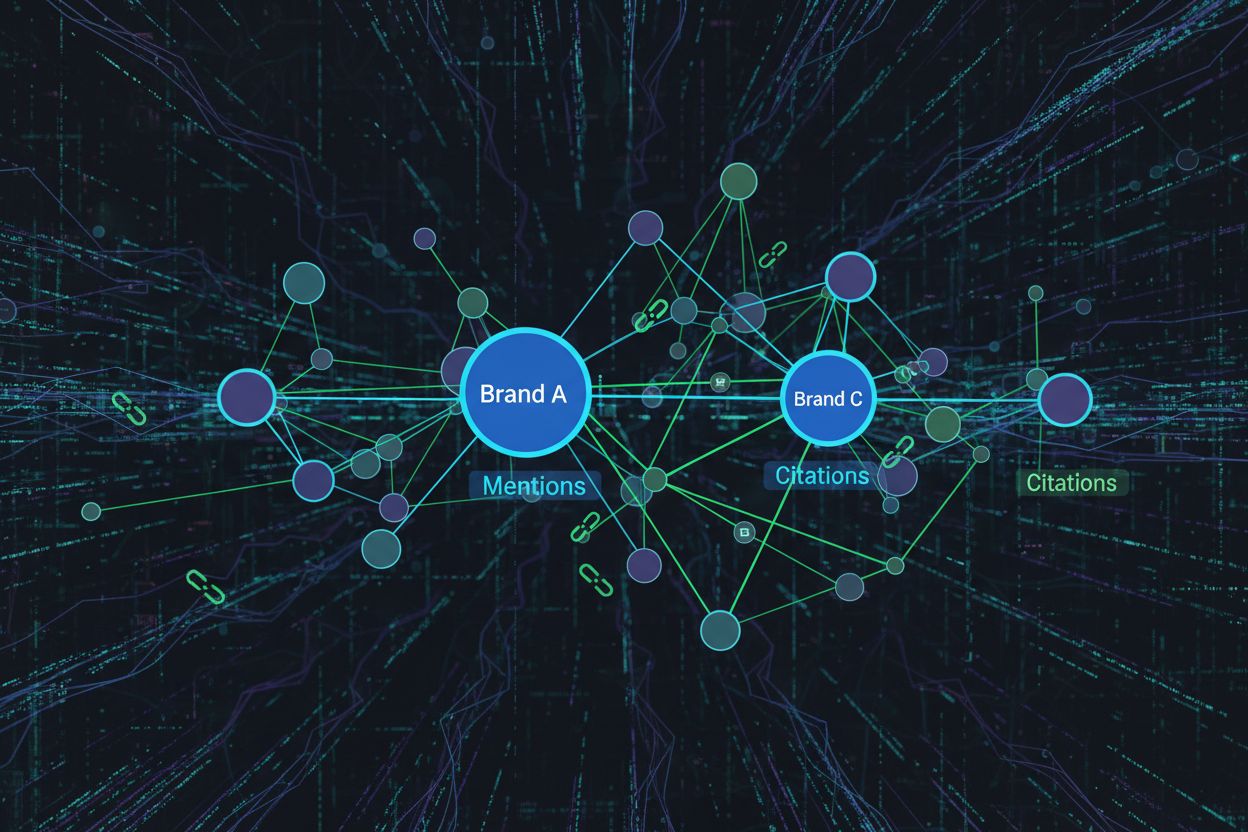
Learn the critical difference between AI citations and mentions. Discover how to optimize for both signals to boost your brand's visibility in ChatGPT, Perplexi...