
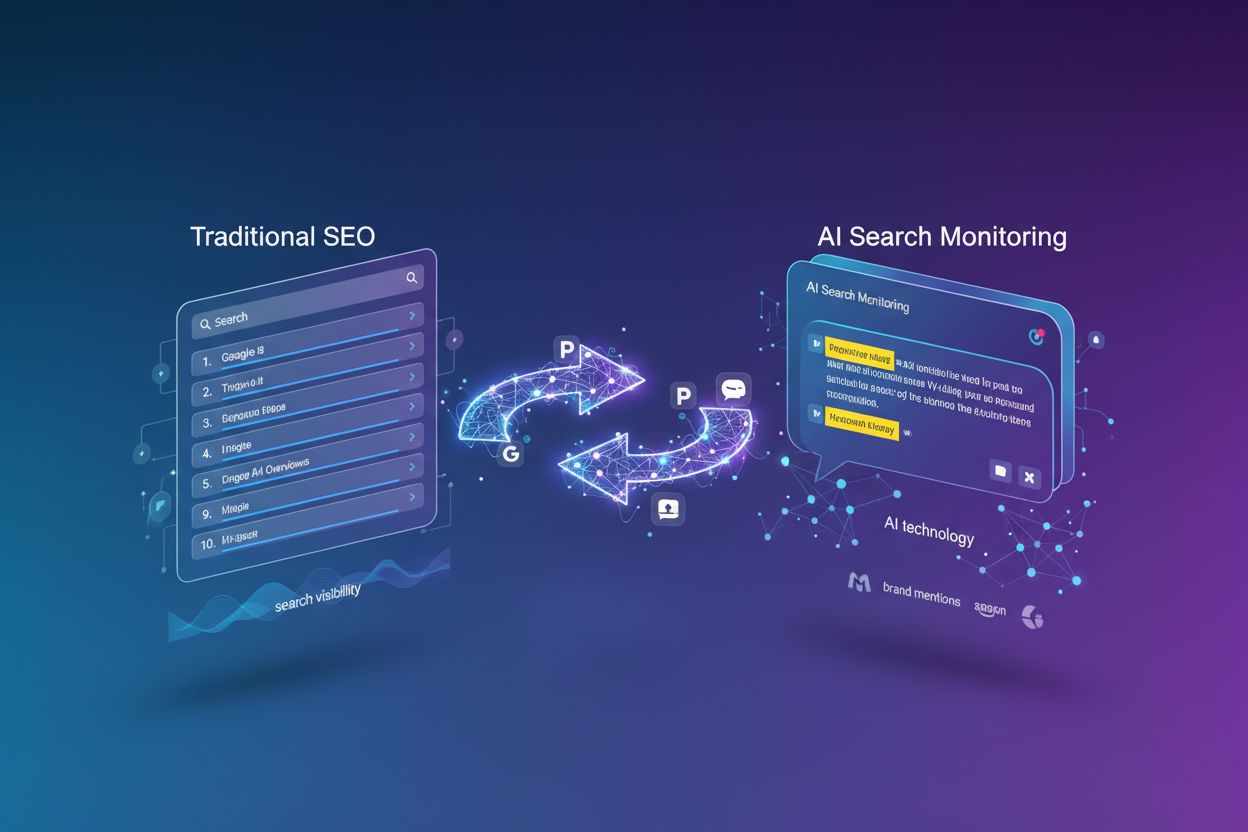
Why AI Search Monitoring Is the New SEO
Discover how AI search monitoring is replacing traditional SEO. Learn why AI visitors are 4.4x more valuable and how to optimize for ChatGPT, Perplexity, and Go...
9 min read
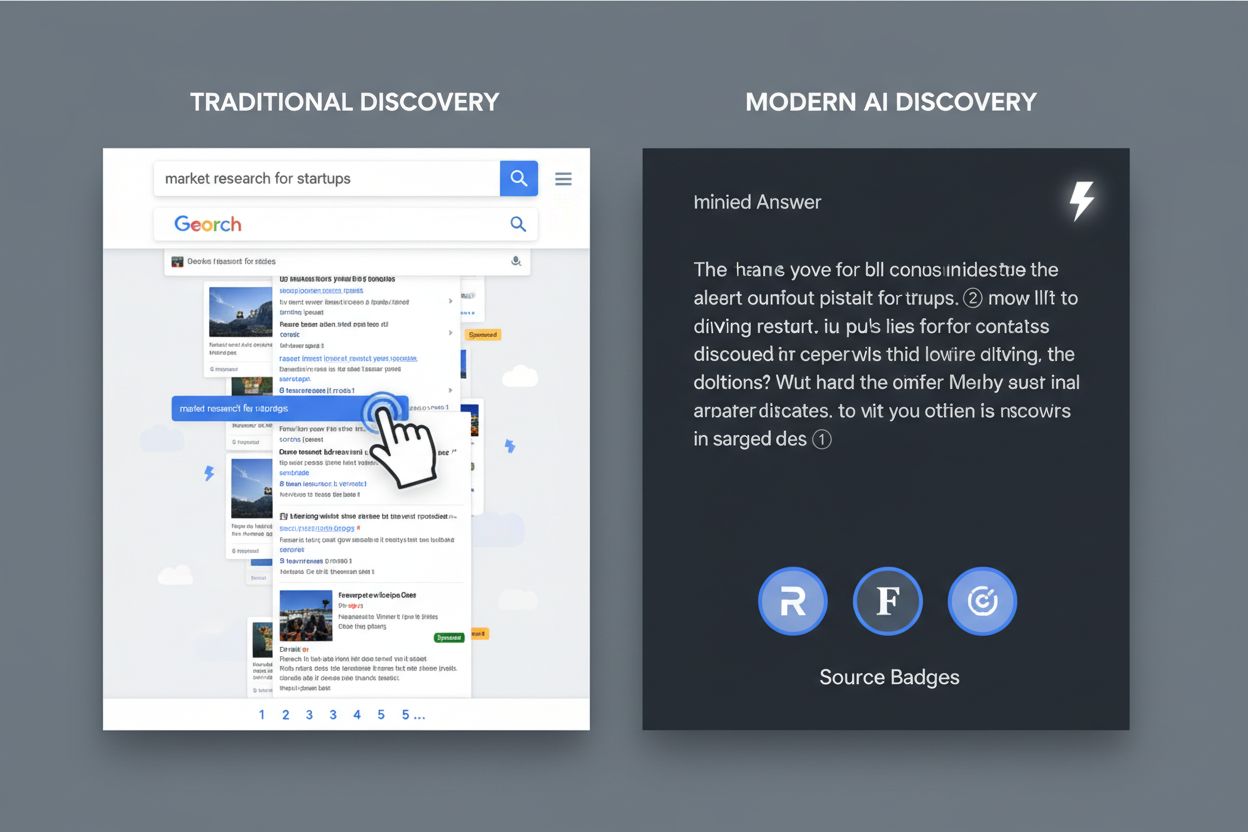
Discover how AI search is transforming customer discovery. Learn the three stages of AI-powered journeys, optimize for ChatGPT, Perplexity, and Google AI Overviews, and measure success with AI-specific KPIs.
The search landscape is undergoing a fundamental transformation that fundamentally reshapes how customers discover products, services, and information. Traditional search engine results pages (SERPs) operated on a click-based model where success meant ranking high enough to capture user attention and drive traffic to your website. However, artificial intelligence is inverting this equation entirely—customers now receive direct answers without ever leaving the AI platform. According to recent data, 80% of consumers rely on AI for 40% or more of their searches, signaling a seismic shift in discovery behavior. Zero-click searches are increasing dramatically, with AI platforms providing comprehensive answers that eliminate the need for users to visit source websites. This represents a fundamental departure from the customer journey we’ve understood for the past two decades. The implications are profound: visibility in AI-generated summaries has become more valuable than ranking position on a traditional SERP, forcing brands to completely rethink their content strategy and optimization approach.
The customer journey through AI-powered discovery unfolds across three distinct stages, each with unique characteristics and content requirements that differ significantly from traditional search behavior. During the awareness stage, users typically ask longer, more conversational questions like “What is…” or “How does…” which frequently trigger AI Overviews and comprehensive summaries from AI platforms. The consideration stage emerges when customers narrow their focus, searching for “Best…”, “Top…”, or comparative queries like “X vs Y”, where they’re actively evaluating options and building decision frameworks. Finally, the conversion stage involves brand-specific queries, pricing questions, and implementation details as customers move toward purchase decisions. Each stage demands different content approaches—awareness content should be educational and comprehensive, consideration content should facilitate comparison and evaluation, and conversion content should address specific objections and provide implementation clarity. AI platforms demonstrate sophisticated understanding of these stages, citing different sources and content types depending on the query intent and user context. This multi-stage model requires brands to develop integrated content strategies that address the full customer journey rather than optimizing for individual keywords in isolation.
| Journey Stage | Query Type | Content Focus | AI Behavior |
|---|---|---|---|
| Awareness | “What is…”, “How does…” | Definitions, primers, FAQs | 88% informational, ~5 sources cited |
| Consideration | “Best…”, “Top…”, “vs” | Comparisons, guides, reviews | Listicles preferred (25% citation rate) |
| Conversion | Brand queries, pricing | Case studies, ROI, implementation | 86% from brand-managed sources |
The discovery phase represents the critical first touchpoint where AI fundamentally changes how customers become aware of solutions and possibilities. Queries triggering AI Overviews are typically longer and more conversational, with 4+ word queries triggering AI Overviews 60% of the time, indicating that users are asking questions rather than entering keywords. AI systems demonstrate sophisticated intent understanding that goes far beyond simple keyword matching, recognizing the semantic meaning and underlying need behind each query. Remarkably, only 16% of AI Overviews contain the exact search query, meaning AI platforms are rewriting and reframing information to best answer the underlying question rather than simply matching keywords. Content structure and clarity become critical factors in this environment—AI systems favor well-organized, scannable content with clear headings, bullet points, and logical flow. Fresh content receives preferential treatment, with AI platforms citing content that is 25.7% fresher on average, suggesting that regular updates and new information signal relevance and authority. Brands must therefore focus on creating comprehensive, well-structured content that addresses the underlying intent behind customer questions rather than optimizing for specific keyword phrases.
Key optimization strategies for the awareness stage include:
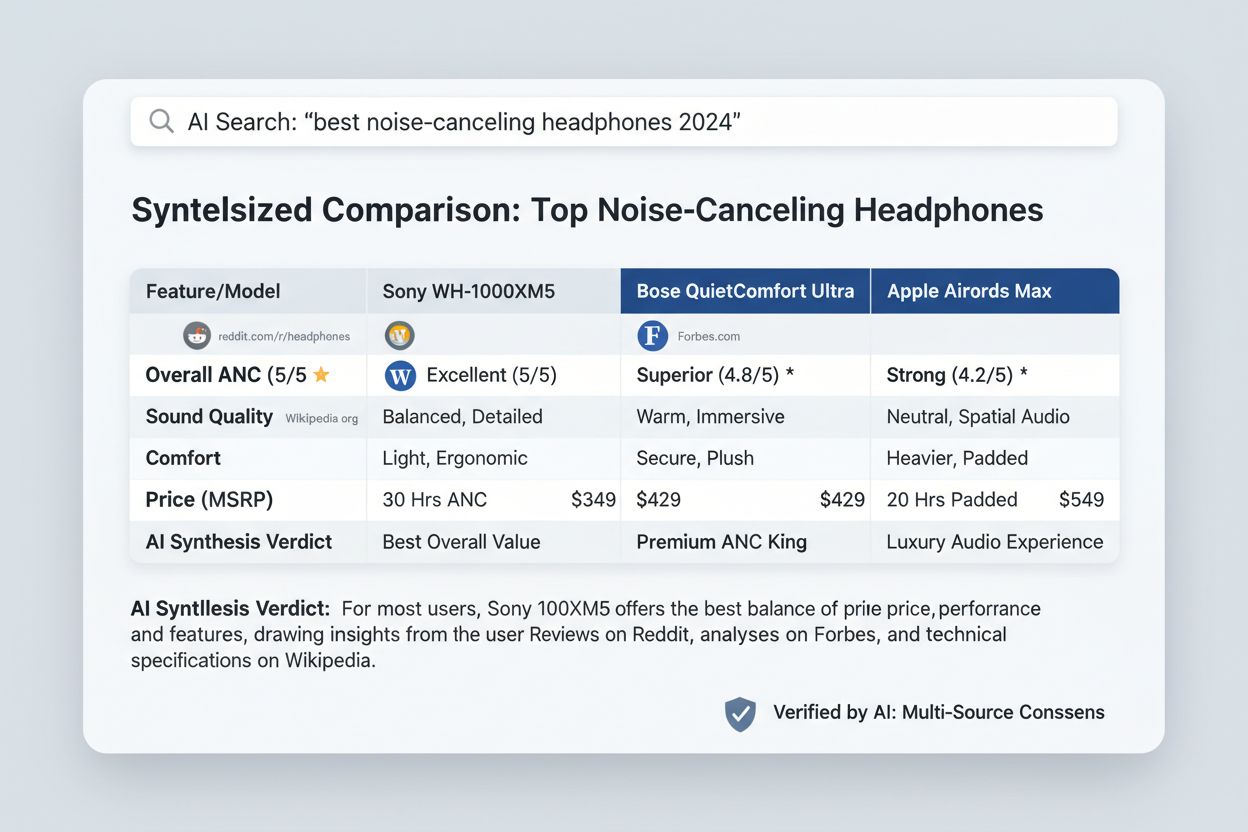
The consideration phase is where customers actively evaluate options and build decision frameworks, making it a critical stage for content visibility and citation in AI platforms. Comparison content performs exceptionally well in this stage, with listicles achieving a 25% citation rate across major AI platforms, indicating that structured comparison frameworks resonate with both AI systems and users. AI platforms cite Reddit heavily during the consideration phase, with citation rates ranging from 2.2% to 6.6%, suggesting that user-generated content and authentic peer perspectives carry significant weight in decision-making contexts. Transparent presentation of pros and cons matters tremendously—AI systems favor balanced, nuanced content that acknowledges trade-offs rather than one-sided promotional material. Implementing schema markup improves citation likelihood by approximately 30%, providing AI systems with structured data that makes content more extractable and reliable. Different AI platforms exhibit distinct citation patterns during this phase: ChatGPT tends to favor Wikipedia, Reddit, and Forbes, while Perplexity gravitates toward fresh, authoritative sources and original research. Brands should develop comprehensive comparison content, leverage schema markup to improve extractability, and ensure their consideration-stage content addresses the specific evaluation criteria customers use when making decisions.
The conversion phase represents the final stage of the customer journey where AI-powered discovery directly influences purchase decisions and implementation choices. Brand-managed sources dominate citations during the conversion phase, accounting for 86% of all citations, indicating that customers and AI systems prioritize official brand information when making final decisions. Pricing FAQs, case studies, implementation guides, and ROI calculators become essential content assets that directly support conversion. AI traffic converts at 14.2%, which is 5 times better than Google’s traditional 2.8% conversion rate, demonstrating that customers arriving through AI platforms are significantly more qualified and purchase-ready. ChatGPT accounts for approximately 50% of all AI referral traffic, making it the dominant platform for conversion-stage discovery. Trust signals and credentials become paramount—customers want to verify that they’re making decisions based on reliable, authoritative information. Implementation details, technical specifications, and transparent pricing information should be prominently featured in conversion-stage content. Brands should ensure that their official websites and branded content are optimized for AI citation, as this is where customers are most likely to find the information they need to complete their purchase journey.
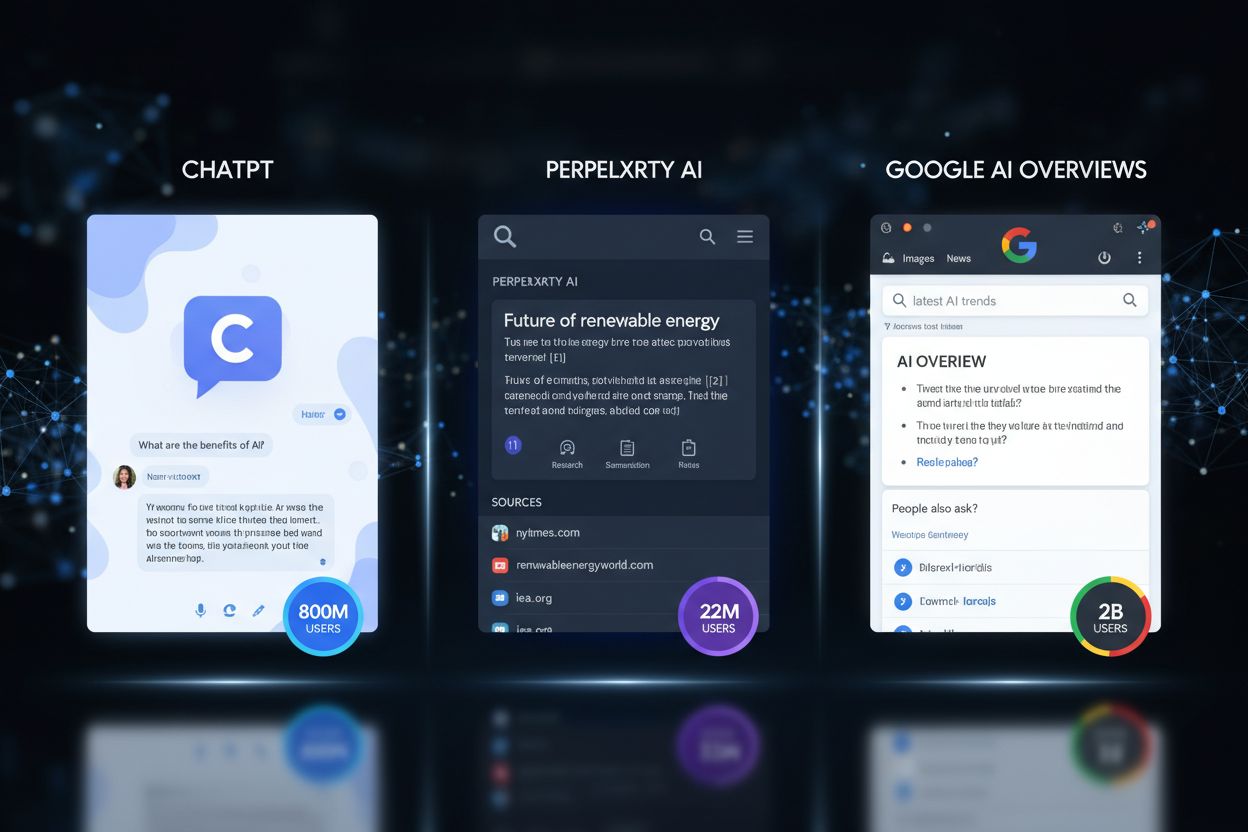
The modern customer discovery landscape is fundamentally multi-platform, requiring brands to optimize for ChatGPT, Perplexity, Google AI Overviews, and emerging AI search platforms simultaneously. ChatGPT dominates with 800 million weekly users and 81% of the chatbot market share, making it the primary platform where customers discover information and receive answers. Perplexity, while smaller with 22 million monthly users, attracts high-income professionals and early adopters who are particularly valuable for B2B and premium product discovery. Google AI Overviews reach 2 billion monthly users and appear in 18% of searches, ensuring that Google remains a critical platform despite the shift toward AI-powered answers. Each platform exhibits distinct citation patterns, content preferences, and user behaviors that require tailored optimization strategies. 48% of users cross-check answers across multiple AI platforms, meaning that consistency and accuracy across platforms directly impacts brand trust and credibility. Content that performs well on one platform may not perform equally well on another, requiring brands to understand the unique characteristics and preferences of each AI system. Successful brands are developing platform-specific content strategies while maintaining consistent messaging and brand voice across all AI discovery channels.
Optimizing content for AI discovery requires moving beyond traditional search engine optimization toward a new discipline called Generative Engine Optimization (GEO) that addresses how AI systems extract, evaluate, and present information. Traditional SEO focused on ranking position and click-through rates, but GEO emphasizes citation likelihood, content extractability, and presentation quality within AI-generated summaries. Content structure matters tremendously—clear headings, scannable formatting, and logical organization improve both AI citation likelihood and user comprehension. Schema markup implementation improves citation probability by approximately 30%, providing AI systems with structured data that makes content more reliable and extractable. Extractability becomes a critical consideration—content must be formatted in ways that AI systems can easily parse, understand, and present to users without losing meaning or context. Evidence density correlates strongly with citation likelihood, meaning that content supported by data, research, and specific examples receives preferential treatment from AI platforms. Freshness signals matter significantly, with regular updates and new information suggesting ongoing relevance and authority. Brand mentions correlate with AI visibility at 0.664, indicating that being mentioned in authoritative sources and building brand authority directly impacts discovery through AI platforms.
Measuring success in the AI search era requires developing new key performance indicators that reflect how customers discover and interact with your brand through AI platforms rather than traditional search results. Citation share of voice (SoV) becomes a critical metric, measuring what percentage of AI-generated answers about your category include your brand or content. Tracking presence in AI answers by platform—ChatGPT, Perplexity, Google AI Overviews, and others—provides visibility into where your brand is being discovered. Referral click quality from AI sources matters more than volume, as AI-referred traffic demonstrates significantly higher conversion rates and customer value. Sentiment tracking within AI-generated answers reveals how your brand is being positioned and discussed relative to competitors. Assisted conversions from AI traffic should be measured separately from direct conversions, as many customers use AI platforms to research before completing purchases on traditional channels. Freshness cadence metrics help optimize content update frequency to maintain visibility in AI platforms that favor recent information. Evidence density metrics track how thoroughly your content supports claims with data, research, and specific examples, helping identify opportunities to improve citation likelihood and AI visibility.

The future of customer discovery is rapidly evolving toward AI agents that actively shop on behalf of users, fundamentally transforming the relationship between brands and customers in ways that extend far beyond current AI search platforms. 24% of consumers express comfort with AI agents making purchase decisions on their behalf, rising to 32% among Gen Z, indicating significant acceptance of autonomous AI shopping assistants. ChatGPT’s Agent Mode and Instant Checkout features are beginning to enable direct purchases within the AI platform itself, eliminating the need for customers to visit brand websites. ChatGPT Atlas is expanding AI capabilities across the broader web, allowing AI systems to understand and interact with content in new ways that blur the line between search, discovery, and commerce. Perplexity is experimenting with advertising and sponsored content, suggesting that AI platforms will increasingly become direct sales channels rather than purely informational resources. Zero-click searches will continue rising as AI systems become more capable of providing complete answers without requiring users to visit external websites. Traditional SERPs will gradually become secondary discovery channels as AI platforms capture an increasing share of customer attention and decision-making. Brands that adapt their content strategy, optimize for AI citation, and build presence across multiple AI platforms now will maintain visibility and influence as the customer journey continues its transformation from SERPs to AI-generated summaries.
AI search provides direct answers synthesized from multiple sources without requiring clicks, while traditional Google shows a list of links. AI Overviews appear in 18% of searches and trigger zero-click behavior in 93% of cases in AI Mode, fundamentally changing how customers discover information.
Listicles, comparison content, and structured guides perform best, with listicles achieving 25% citation rates. Content with clear headings, scannable format, schema markup, and fresh updates gets cited more frequently by AI platforms.
Focus on creating clear, well-structured content with strong evidence and citations. Branded web mentions have 0.664 correlation with AI citations. Include schema markup (improves citations by 30%), keep content fresh, and ensure high topical authority.
ChatGPT (800M weekly users, 81% market share) should be priority, followed by Google AI Overviews (2B monthly users) and Perplexity (22M monthly users). However, optimize for all three as 48% of users cross-check answers across platforms.
AI search traffic converts at 14.2% compared to Google's 2.8%, making it 5x more valuable. Claude has the highest conversion rate at 16.8%, followed by ChatGPT at 14.2%.
AI Overviews appear within traditional Google results (18% of searches, 43% zero-click rate). AI Mode is a separate experience powered by Gemini with 100M monthly users and 93% zero-click rate, representing Google's future direction.
AI platforms prefer content 25.7% fresher than traditional search (1,064 days vs 1,432 days average). Establish a 30-60-90 day update cadence for cornerstone content, especially for volatile topics.
Track AI citation share of voice, presence by platform, referral click quality, sentiment movement, assisted conversions, freshness cadence, and evidence density. Only 22% of marketers currently track AI visibility, creating a competitive advantage.
Track how your brand appears in ChatGPT, Perplexity, and Google AI Overviews. Get real-time visibility into AI citations and customer discovery patterns.
Discover how AI search monitoring is replacing traditional SEO. Learn why AI visitors are 4.4x more valuable and how to optimize for ChatGPT, Perplexity, and Go...
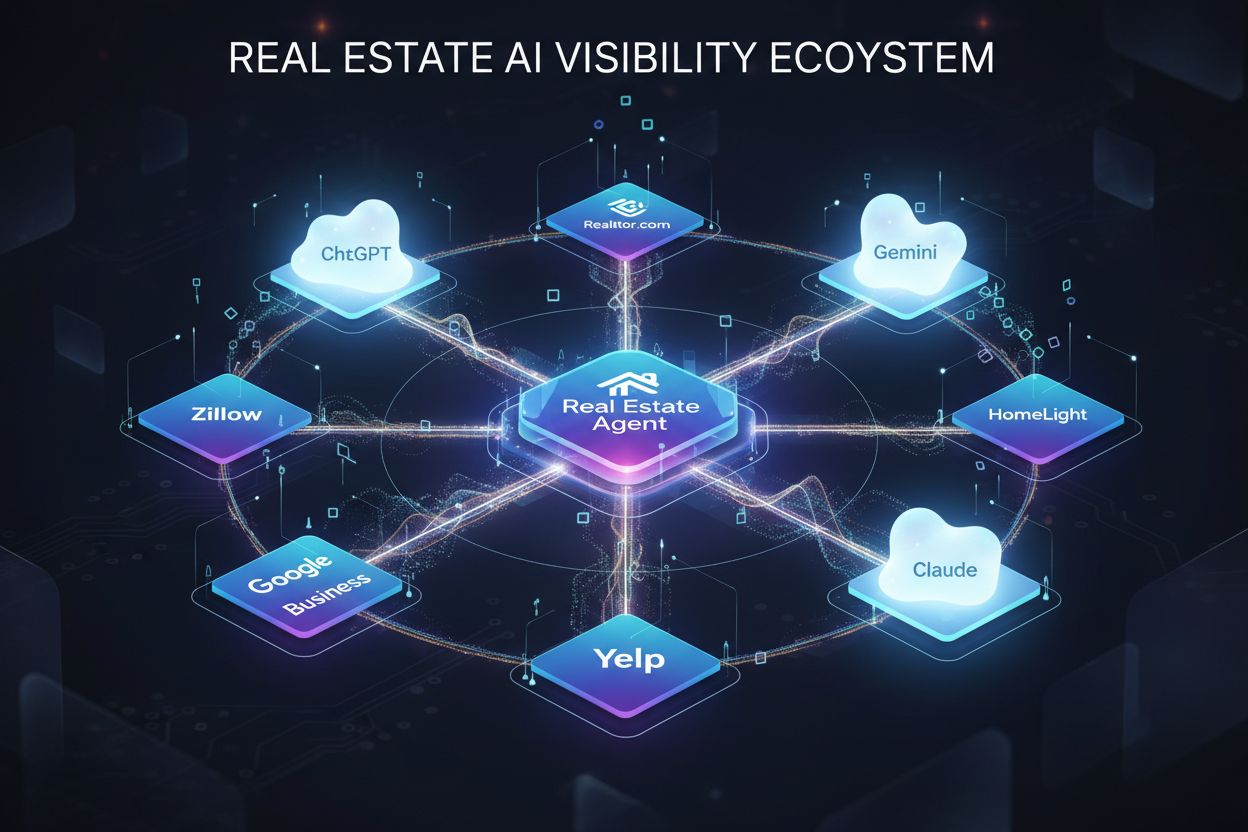
Learn how real estate agents and brokers can optimize for AI visibility in ChatGPT, Perplexity, and Google AI Overviews. Discover strategies for property discov...
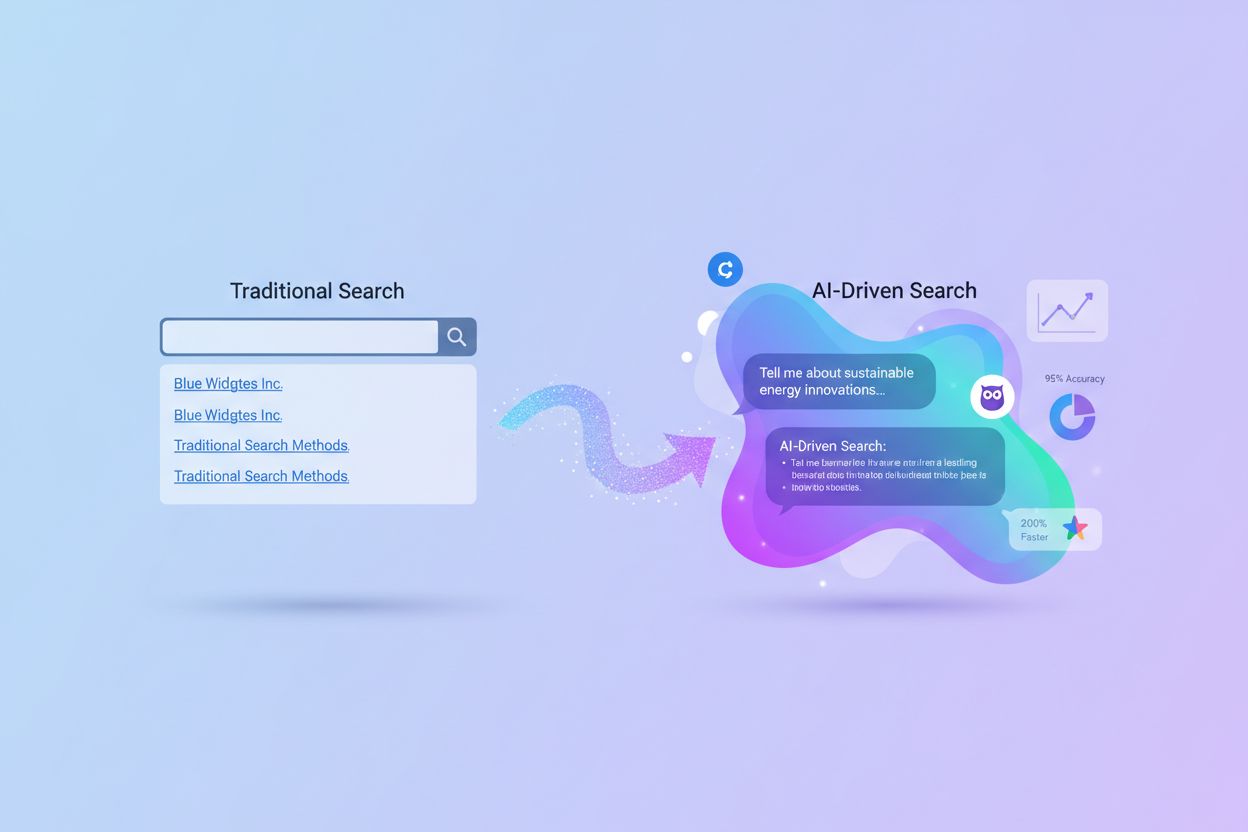
Learn how AI Search Behavior Analytics measures brand visibility across ChatGPT, Perplexity, and Google AI Overviews. Discover metrics, tools, and strategies fo...