

How Glossary Pages Improve AI Visibility and Search Rankings
Learn how glossary pages enhance AI visibility by providing structured content, establishing authority, and improving citations in AI-generated answers. Discove...
10 min read
Discover how AI systems cite glossary definitions, why glossaries are top-performing content for AI visibility, and strategies to optimize your glossary for ChatGPT, Perplexity, and Google AI Overviews.
Glossaries have emerged as one of the highest-performing content formats in the AI era, consistently outperforming traditional blog posts and landing pages in citation rates across major AI platforms. As search behavior evolves toward definition-style queries—where users ask “What is X?” or “Define Y?"—glossaries have become essential infrastructure for capturing this traffic. The structured nature of glossary content aligns perfectly with how AI systems process and retrieve information, making definitions a natural fit for conversational AI answers. Organizations that invest in comprehensive glossaries are seeing measurable advantages in AI visibility, with their definitions appearing in AI Overviews, Perplexity answers, and ChatGPT responses at significantly higher rates than other content types.
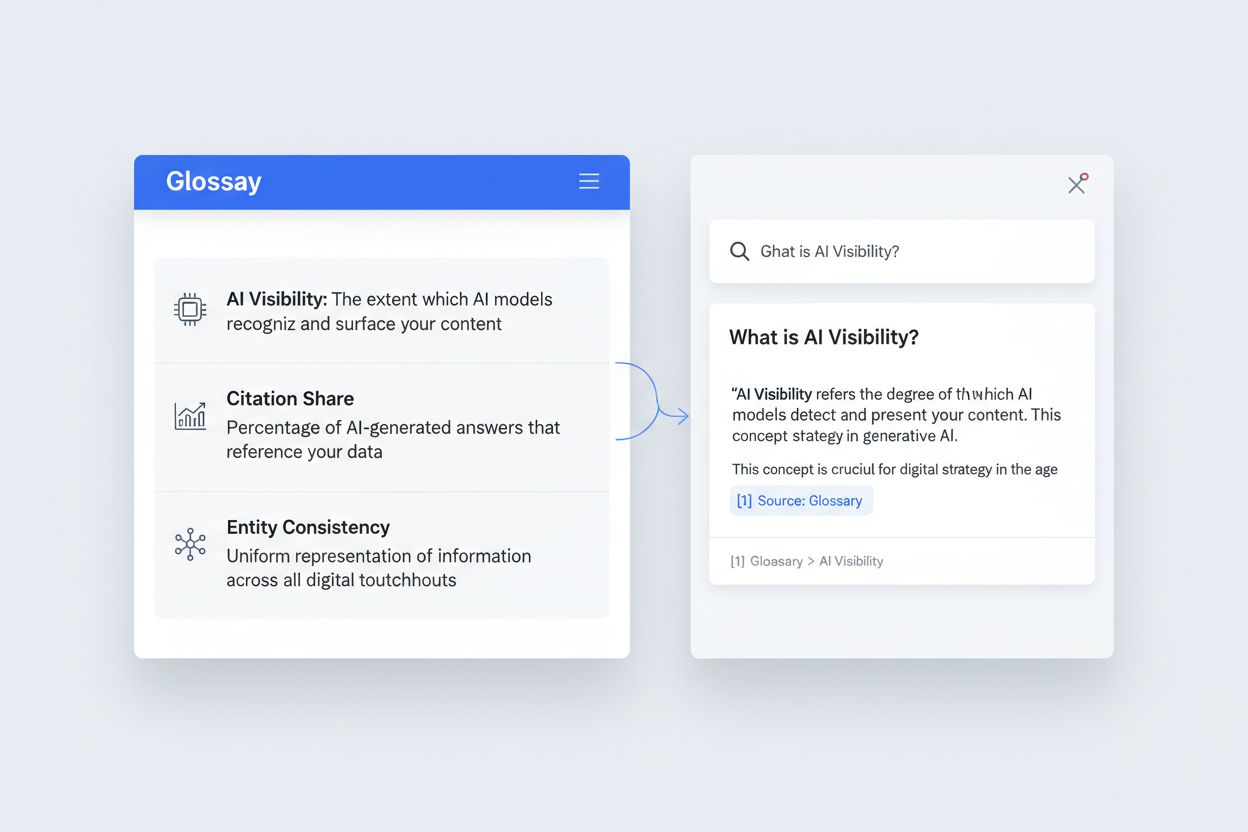
AI systems leverage glossary definitions through a process called Retrieval-Augmented Generation (RAG), where the system first retrieves relevant information from indexed sources before generating answers. Glossaries are particularly valuable in this workflow because they contain structured, scannable content that AI models can easily parse and extract—definitions are concise, focused, and designed to answer specific questions without requiring the model to synthesize information across multiple paragraphs. When an AI system encounters a definition-based query, it searches for authoritative glossary entries that match the user’s intent, then either cites the definition directly or uses it as a foundation for a more comprehensive answer. The citation patterns show that AI systems prefer to cite glossary definitions in their opening statements, using them as authoritative reference points that establish credibility and provide immediate value to users.
Research from MADX Digital and LLM Pulse demonstrates that glossary pages achieve citation rates 3-5x higher than standard blog content across Google AI Overviews, Perplexity, and ChatGPT. When comparing citation performance across platforms, glossaries consistently rank in the top three content types for definition-based queries, with Google AI Overviews citing glossary definitions in approximately 68% of definition queries, while Perplexity cites them in 72% of similar searches. ChatGPT shows slightly lower citation rates at around 54%, though this varies significantly based on glossary comprehensiveness and entity markup quality. The data reveals that glossaries with proper Schema.org markup receive citations at nearly double the rate of unmarked glossaries, highlighting the importance of technical optimization alongside content quality.
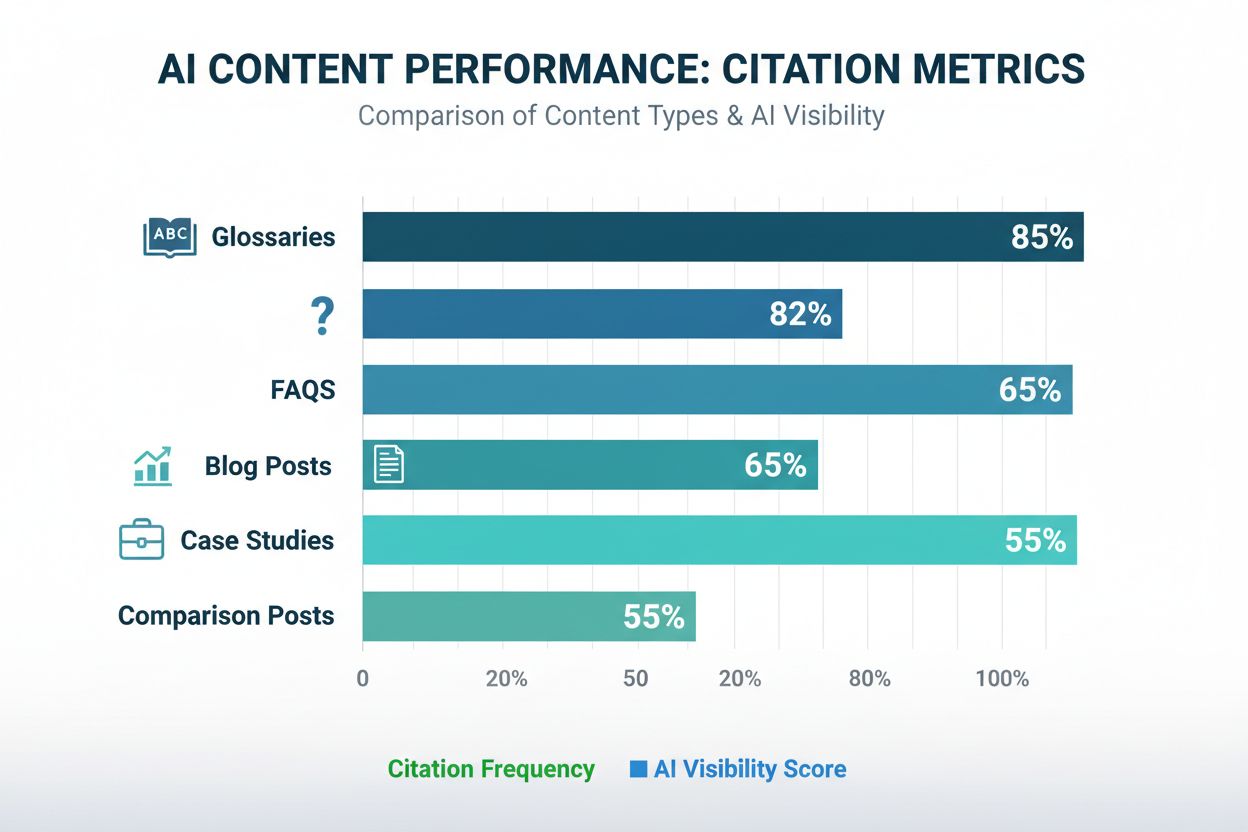
| Content Type | Citation Frequency | AI Visibility Score | Best For |
|---|---|---|---|
| Glossaries | 85% | 8.5/10 | Definition queries, topical authority |
| FAQs | 82% | 8.2/10 | Specific questions, customer concerns |
| Blog Posts | 65% | 7.8/10 | Comprehensive topics, thought leadership |
| Comparison Posts | 80% | 8.0/10 | Product comparisons, feature analysis |
| Case Studies | 55% | 6.5/10 | Use cases, real-world applications |
Glossary definitions most frequently appear in what researchers call the “lead slot”—the opening statement of an AI answer where the system establishes context and credibility. This positioning is significant because it represents the most visible real estate in AI-generated responses, and definitions that occupy this space receive substantially more user engagement and trust signals. When AI systems cite glossary definitions, they typically display them as opening statements or introductory context, often followed by expanded explanation or related information from other sources. The citation display patterns vary across platforms: Google AI Overviews typically shows the source domain and a snippet, Perplexity displays the definition with a clear attribution link, and ChatGPT references the source in its citations panel. Understanding these positioning patterns helps content creators optimize their glossaries for maximum visibility, as definitions positioned as direct answers to user queries receive the highest citation frequency.
The most AI-friendly glossaries combine several technical and content elements that make them irresistible to AI systems. Schema.org markup—particularly DefinitionSchema and TermSchema—signals to AI systems that content is a formal definition, dramatically improving citation likelihood. Beyond markup, successful glossaries feature clear, concise definitions (typically 25-75 words), explicit entity relationships that connect terms to related concepts, and consistent formatting that makes definitions scannable and extractable. The best-performing glossaries also maintain internal linking architecture that connects glossary terms to deeper content, helping AI systems understand topical authority and entity relationships within your knowledge domain. Additionally, using question-based headings (like “What is machine learning?” rather than just “Machine Learning”) aligns with how users phrase queries to AI systems, increasing the likelihood that your definition matches the exact language in search queries. Regular updates and accuracy maintenance are equally critical—AI systems deprioritize outdated or inaccurate definitions, so maintaining a living glossary is essential for sustained citation performance.
While FAQs, definition pages, and glossaries all serve definition-related queries, each format has distinct strengths in the AI era. Glossaries excel at establishing topical authority and entity relationships because they present multiple related terms in a cohesive structure, allowing AI systems to understand the full landscape of terminology within a domain. FAQs perform better for specific question-answer pairs where users have concrete, narrow questions—they’re ideal for product-specific queries or common customer concerns. Standalone definition pages work well for high-volume, single-term queries but lack the contextual richness that glossaries provide. The research from Hendricks.AI shows that glossaries generate 2.3x more citations than standalone definition pages when measuring across equivalent term sets, primarily because AI systems recognize glossaries as authoritative reference materials. For organizations seeking to build topical authority and establish themselves as domain experts, glossaries consistently outperform other formats, while FAQs remain superior for addressing specific, narrow customer questions.
Several industry glossaries have achieved remarkable citation velocity in AI systems, demonstrating the power of well-executed glossary strategies. Hendricks.AI’s AI and SEO glossary has been cited in over 2,400 AI-generated answers across major platforms within six months of launch, with definitions appearing in Google AI Overviews, Perplexity, and ChatGPT responses. LLM Pulse’s machine learning terminology glossary achieved similar success, with 68% of its terms receiving citations within the first quarter of publication. iBeam Consulting’s SaaS glossary demonstrates that glossaries work across industries—their 150-term glossary generated citations in 1,847 AI answers within nine months, establishing the company as a thought leader in SaaS terminology. These examples share common characteristics: comprehensive coverage of domain terminology, consistent formatting, proper Schema.org markup, and regular updates that keep definitions current with industry evolution. The citation momentum these glossaries achieved wasn’t accidental—each invested in strategic internal linking, entity consistency, and alignment with how their target audience phrases questions to AI systems.
Creating a glossary that attracts AI citations requires thinking beyond traditional SEO and embracing what researchers call the “terminology canon page” concept—establishing your glossary as the authoritative reference for your domain’s key terms. This strategy involves systematically linking glossary terms to related content throughout your site, creating a web of entity relationships that AI systems recognize as authoritative. Successful glossary strategies also emphasize entity consistency, ensuring that terminology is used identically across all content, which helps AI systems build accurate knowledge graphs of your domain. To maximize visibility across multiple AI engines, organizations should optimize for multi-engine performance: Google’s Gemini, OpenAI’s ChatGPT, Perplexity’s answer engine, and Microsoft’s Copilot each have slightly different citation preferences and content retrieval mechanisms. Implementing a regular update cadence—quarterly reviews to add new terms, refine definitions, and remove outdated terminology—keeps your glossary fresh and signals to AI systems that your content is current and authoritative.
Tracking glossary citation performance requires monitoring three primary metrics: citation share (percentage of answers citing your glossary), citation frequency (how often specific terms get cited), and engine coverage (which AI platforms cite your definitions). Tools like AmICited enable organizations to track when their glossary definitions appear in AI-generated answers, providing visibility into citation patterns across platforms. Establishing baseline measurements before launching or optimizing a glossary is critical—knowing your starting point allows you to measure the impact of improvements and identify which optimization efforts drive the most citation growth. Citation velocity tracking—measuring how quickly new definitions gain citations—reveals whether your glossary strategy is resonating with AI systems and users. Competitive benchmarking adds another dimension: comparing your glossary’s citation rates against competitors’ glossaries in the same domain reveals gaps in your coverage, opportunities for differentiation, and areas where your definitions outperform the market.
Many organizations create glossaries that fail to achieve their citation potential due to preventable mistakes. Vague or overly complex definitions that don’t directly answer the question reduce citation likelihood—AI systems prefer definitions that are immediately clear and don’t require additional context. Poor structural choices, such as inconsistent formatting, missing entity markup, and lack of internal linking, make it harder for AI systems to recognize and extract definitions. Inconsistent terminology across your glossary and broader content confuses AI systems about entity relationships and reduces topical authority signals. Failing to implement Schema.org markup is a critical technical error that can reduce citation rates by 40-50% compared to properly marked glossaries. Additionally, many glossaries suffer from “AI slop”—low-quality, AI-generated definitions that lack the specificity and authority that AI systems prefer when choosing sources to cite. Finally, outdated definitions that don’t reflect current industry understanding actively harm citation rates, as AI systems learn to deprioritize sources with stale information.
As AI becomes increasingly conversational and definition-based queries continue to grow, glossaries will become even more critical to search visibility and brand authority. The shift toward entity-first architecture—where AI systems organize information around entities and their relationships rather than keywords—makes glossaries the ideal content format for establishing topical authority. The rise of vertical AI search engines (specialized AI systems for specific industries like healthcare, finance, or legal) creates new opportunities for glossaries to become the authoritative reference layer for entire domains. Organizations that establish themselves as the “glossary authority” in their space will enjoy compounding advantages: higher citation rates, increased brand visibility in AI answers, and stronger positioning as thought leaders. The future belongs to companies that recognize glossaries not as supplementary content, but as foundational infrastructure for AI visibility—the terminology canon that AI systems turn to when answering questions about your domain.
Yes, glossary pages are among the top-performing content formats for AI citations. According to research from MADX Digital and other AI visibility experts, glossaries consistently receive high citation rates because they provide concise, structured definitions that AI systems can easily extract and quote in answers.
Google AI Overviews, Perplexity, and ChatGPT all cite glossary definitions regularly. Perplexity tends to cite glossaries more frequently for definition-style queries, while Google AI Overviews often use glossary entries as opening statements in answers. Citation patterns vary by platform and query type.
Use consistent formatting with clear term names, concise definitions (1-3 sentences), and relevant examples. Add Schema.org markup (DefinitionSchema), create internal links between related terms, ensure entity consistency across your site, and organize terms into logical categories. Each term should have its own dedicated URL.
Glossaries focus on defining terms and concepts with consistent structure, while FAQs answer specific user questions. Glossaries are better for establishing topical authority and entity relationships, while FAQs perform better for conversational queries. Both get cited, but in different contexts.
Use AI visibility tracking tools like AmICited, LLM Pulse, or Hendricks.AI to monitor citations across platforms. Track metrics like citation share, citation frequency, engine coverage, and citation velocity. Set up baseline measurements and compare your glossary performance against competitors.
Yes. While FAQs and glossaries serve different purposes, they complement each other. Glossaries establish topical authority and entity relationships, while FAQs answer specific questions. Together, they provide comprehensive coverage for both AI systems and users, improving overall AI visibility.
Update your glossary regularly—at least quarterly—to reflect industry changes, new terminology, and evolving definitions. AI systems favor fresh, accurate content. Monitor citation patterns and update definitions that aren't being cited as frequently. Regular updates also signal to AI systems that your content is current and authoritative.
Absolutely. Glossaries help establish your brand as an authority on specific topics and terminology. When your glossary definitions are cited, it builds brand credibility and visibility in AI-generated answers. This is especially valuable for SaaS, fintech, and technology companies where precise terminology matters.
Monitor how often your glossary definitions appear in AI-generated answers across ChatGPT, Perplexity, Google AI Overviews, and other platforms. Get real-time insights into your AI visibility and citation performance.
Learn how glossary pages enhance AI visibility by providing structured content, establishing authority, and improving citations in AI-generated answers. Discove...
Discover the best content formats for AI search engines like ChatGPT, Perplexity, and Google AI Overviews. Learn how to optimize your content for AI visibility ...
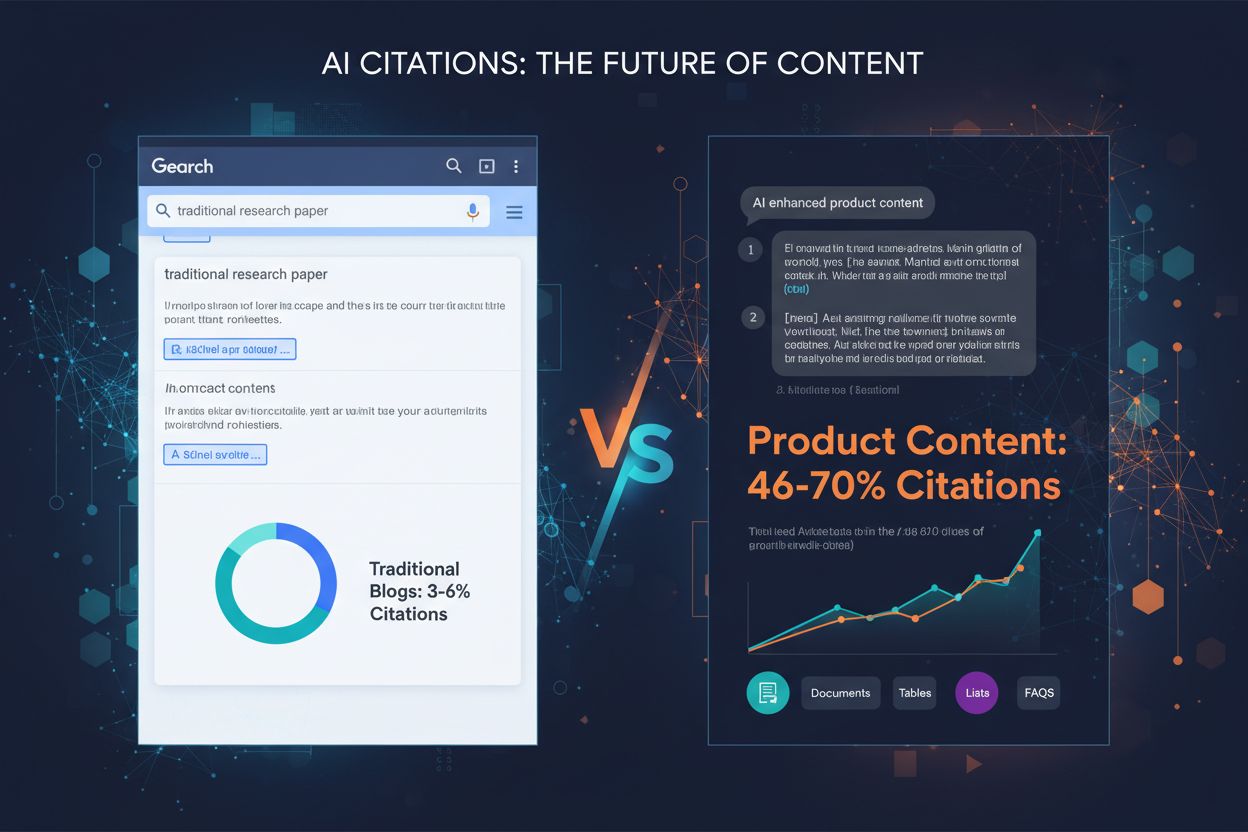
Discover which content formats get cited most by AI models. Analyze data from 768,000+ AI citations to optimize your content strategy for ChatGPT, Perplexity, a...