Google Gemini Optimization: Brand Visibility in Google's AI Assistant
Learn how to optimize your brand for Google Gemini citations. Discover proven strategies to increase visibility in AI-generated answers with 52.15% of Gemini citations coming from brand-owned websites.
Published on Jan 3, 2026.Last modified on Jan 3, 2026 at 3:24 am
Understanding Google Gemini’s Citation Preferences
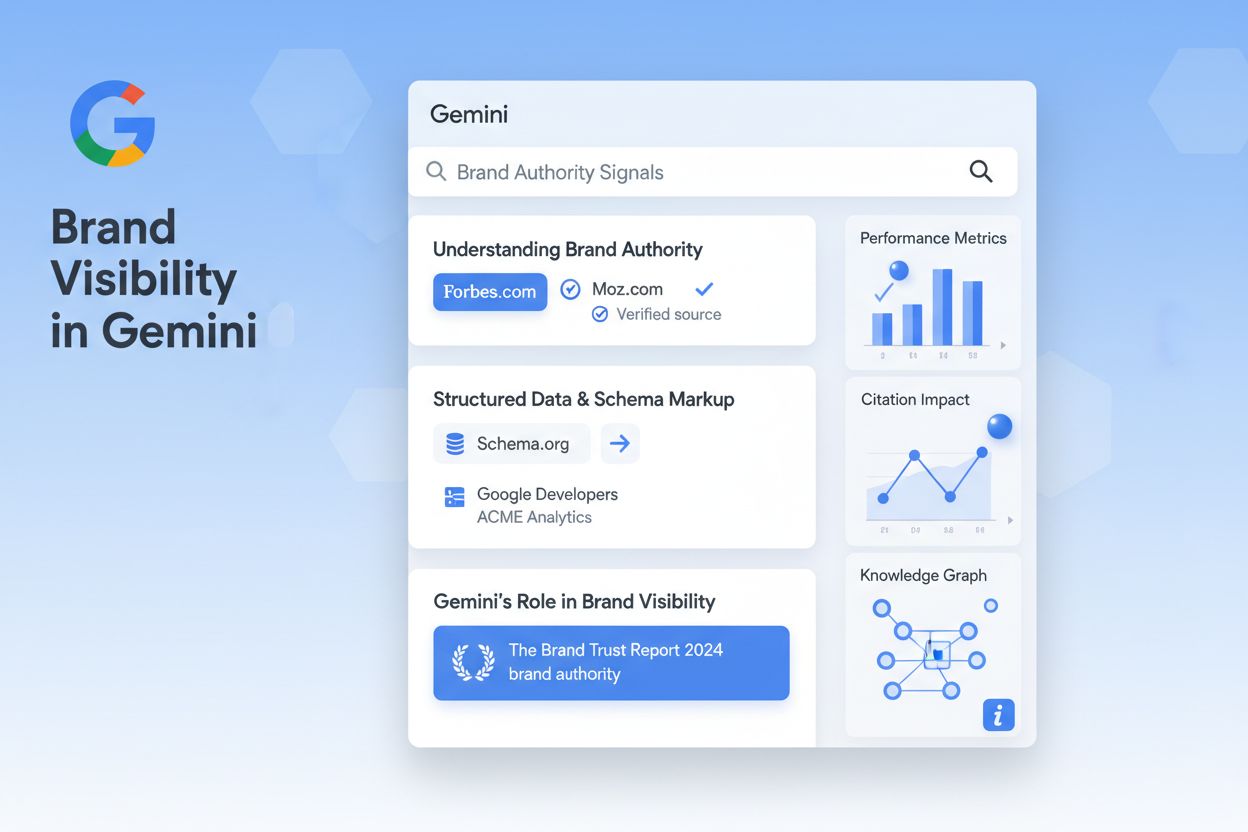
Google Gemini, the company’s advanced AI assistant powering over 140 million users, represents a fundamental shift in how people access information online. Unlike traditional search engines that return links, Gemini synthesizes information from multiple sources to provide direct answers, making citation attribution a critical factor for brand visibility. According to Yext’s analysis of 6.8 million AI citations, 52.15% of Gemini citations originate from brand-owned websites, demonstrating that Google’s AI model prioritizes authoritative, first-party sources when generating responses.
The Citation Data Breakdown: Comparing AI Models
The citation patterns across different AI platforms reveal distinct preferences in source selection. Gemini’s reliance on brand-owned websites (52.15%) contrasts sharply with ChatGPT, which draws 48.73% of its citations from third-party directories and listings, indicating fundamentally different training and citation methodologies. The remaining 42% of Gemini citations come from business listings, while Perplexity demonstrates a preference for niche industry directories and specialized sources. This data is crucial because it shows that 86% of all AI citations originate from brand-controlled sources, meaning your website and official business listings are your primary opportunities for visibility.
AI Model
Brand Websites
Listings
Third-Party Sources
Gemini
52.15%
42%
5.85%
ChatGPT
51.27%
0%
48.73%
Perplexity
Varies
Varies
Niche directories
Ready to Monitor Your AI Visibility?
Track how AI chatbots mention your brand across ChatGPT, Perplexity, and other platforms.
To capture Gemini citations, your website content must align with the E-E-A-T principles (Experience, Expertise, Authoritativeness, Trustworthiness) that Google’s AI systems evaluate. Gemini’s underlying ranking systems—RankBrain, BERT, and PageRank—analyze content depth, relevance, and credibility to determine citation worthiness. Focus on creating comprehensive, well-researched content that directly answers user questions with specific data, examples, and actionable insights. Ensure your content is highly readable with clear formatting, short paragraphs, and logical structure, as Gemini’s algorithms assess content accessibility alongside authority. Include author credentials and publication dates to establish expertise, and maintain consistent brand voice across all pages to build recognition within Gemini’s citation patterns.
The Power of Structured Data and Schema Markup
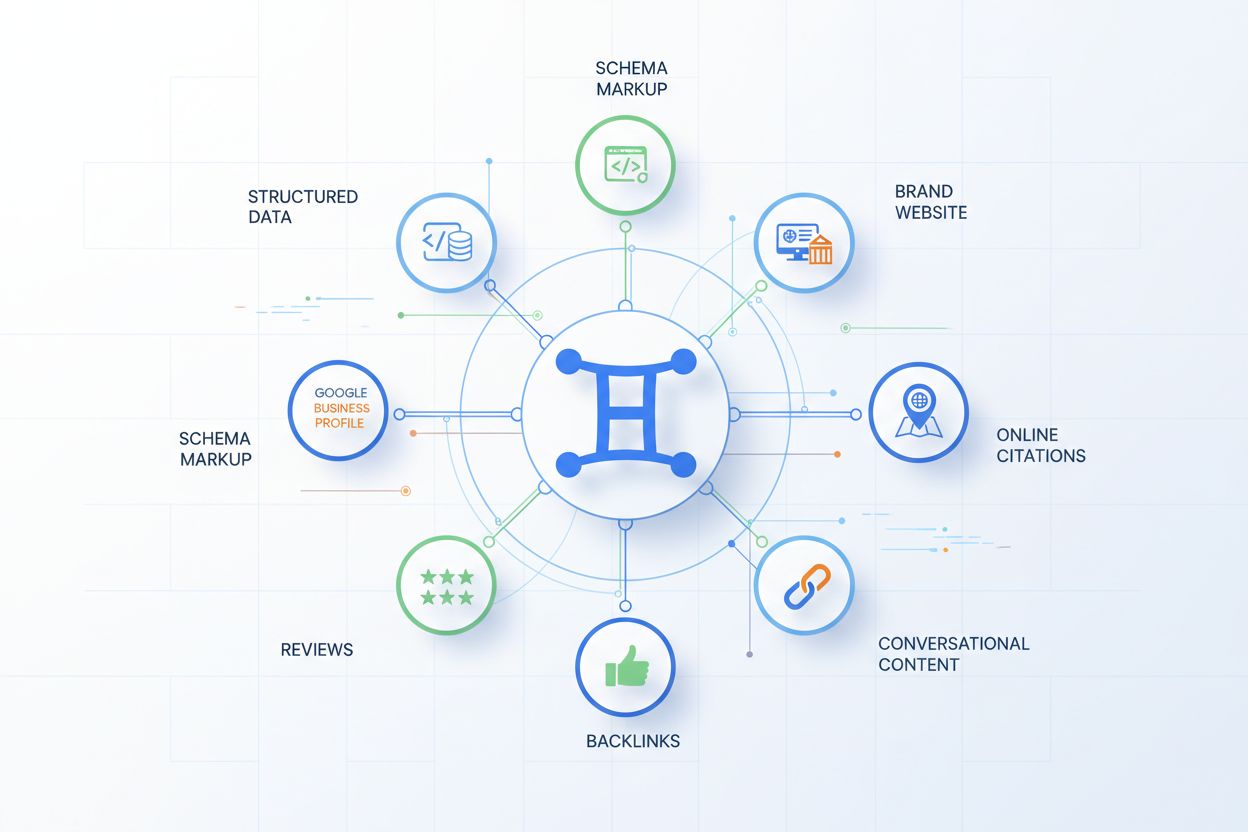
Structured data acts as a bridge between your content and Gemini’s citation algorithms, providing explicit context that AI systems can easily parse and understand. Implementing schema markup (JSON-LD format) for your business, products, articles, and reviews helps Gemini quickly identify and cite your most relevant content. Use tools like Google’s Structured Data Testing Tool or Schema.org to implement Organization schema (company information), Article schema (blog posts), LocalBusiness schema (location-based services), and Product schema (e-commerce items). Properly marked-up content receives higher citation priority because Gemini can confidently extract accurate information without ambiguity. This technical optimization directly impacts your visibility in AI-generated responses and should be a foundational element of your Gemini optimization strategy.
Stay Updated on AI Visibility Trends
Get the latest insights on AI mentions, brand monitoring, and optimization strategies.
Building Online Citations and Authority Signals
Beyond your website, Gemini heavily weights citations from authoritative business listings and directories, accounting for 42% of all Gemini citations. Ensure your Google Business Profile is completely optimized with accurate business information, high-quality photos, regular posts, and customer reviews—this is often the first source Gemini consults for local and service-based queries. Maintain consistent NAP (Name, Address, Phone) information across all major directories including Apple Maps, Yelp, and industry-specific listings relevant to your sector. Encourage customer reviews and ratings, as Gemini uses these as trust signals when deciding whether to cite your business. Additionally, build high-quality backlinks from authoritative websites in your industry, as these external citations reinforce your domain authority and increase the likelihood of Gemini attribution.
Targeting Conversational Queries and User Intent
Gemini users interact with the AI assistant using natural, conversational language rather than traditional keyword queries, requiring a fundamental shift in content strategy. Optimize your content for conversational phrases and question-based queries that mirror how people actually speak, such as “What’s the best way to…” or “How do I…” rather than short-tail keywords. Implement a hub-and-spoke content strategy where comprehensive pillar content covers broad topics while supporting articles address specific questions and long-tail variations. This structure helps Gemini understand your topical authority and increases the chances of citation across multiple related queries. Monitor search trends and user questions in your industry to identify emerging conversational patterns, then create targeted content that directly addresses these natural language queries.
Content Freshness and Regular Updates
Gemini’s algorithms prioritize fresh, regularly updated content as a signal of ongoing expertise and relevance. Establish a content maintenance schedule that reviews and updates existing articles at least quarterly, adding new data, recent case studies, and current industry insights. When you update content, ensure the publication date reflects the refresh, as Gemini uses recency signals to determine citation priority. Outdated information can actually harm your citation potential, so proactively identify and revise content that references old statistics, deprecated tools, or superseded best practices. Regular updates demonstrate that your brand actively maintains its knowledge base and remains engaged with current industry developments.
Monitoring Your Gemini Visibility
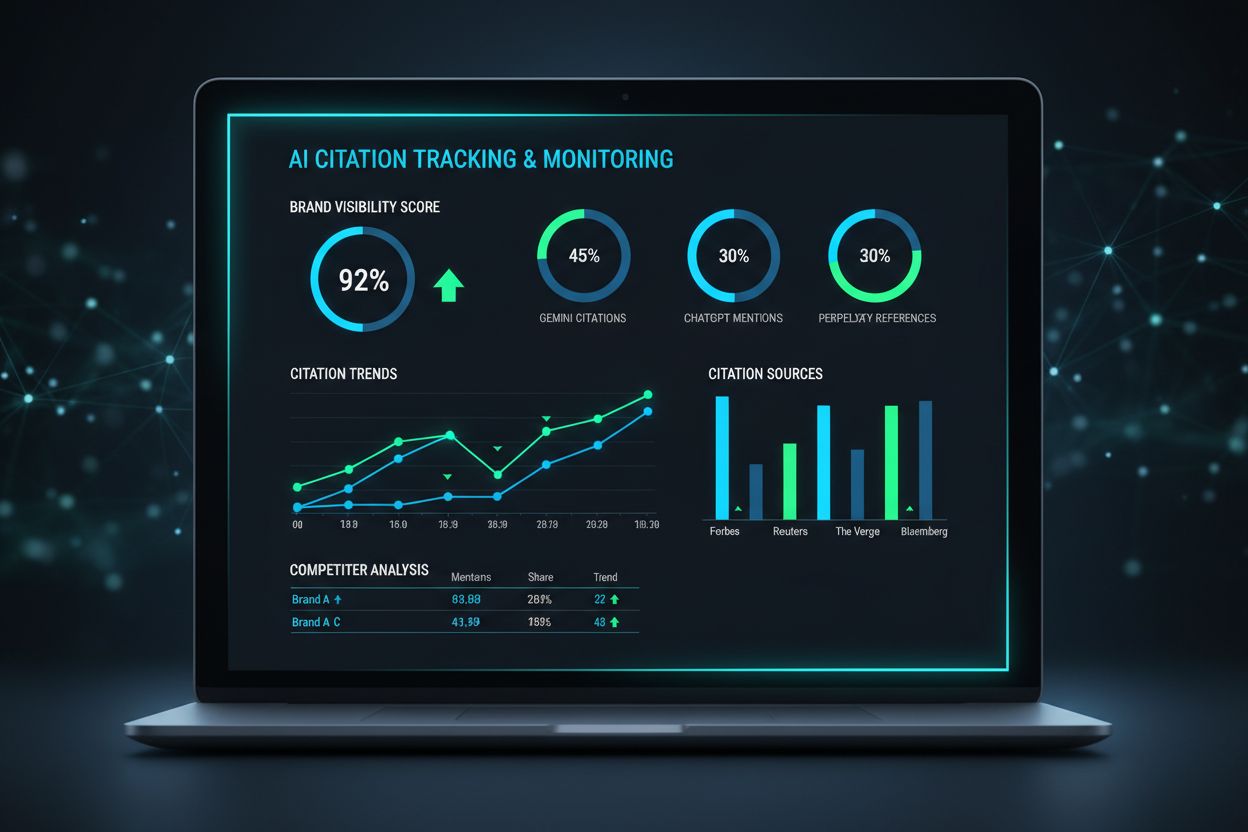
Tracking your citation performance across AI platforms is essential for measuring the effectiveness of your optimization efforts. While Gemini doesn’t provide direct citation metrics like traditional search engines, you can monitor visibility through several approaches: track branded search queries in Google Analytics to identify traffic from Gemini responses, use AI monitoring tools to capture instances where your content is cited, and analyze your Google Business Profile insights for AI-driven traffic patterns. Set up alerts for your brand name and key product terms to identify when Gemini cites your content, allowing you to understand which content types and topics generate the most AI visibility.
AmICited.com: Your AI Citation Monitoring Solution
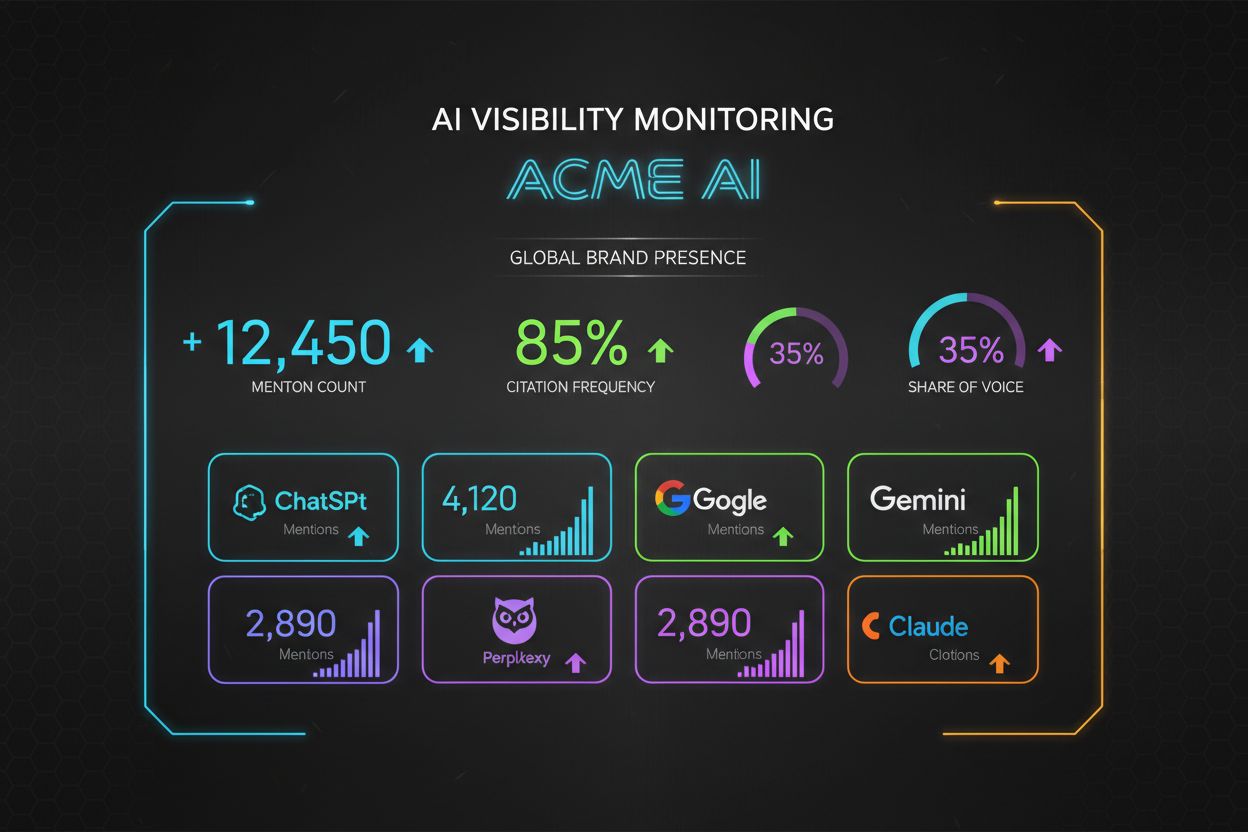
As Google invests $75 billion in AI development and Gemini continues expanding its user base, monitoring your brand’s visibility across AI platforms has become essential. AmICited.com provides comprehensive monitoring of your citations across Gemini, ChatGPT, Perplexity, and Google AI Overviews, giving you real-time visibility into how AI assistants cite your brand. Our platform tracks citation frequency, source attribution, and competitive benchmarking, enabling you to measure the ROI of your optimization efforts. Integrated with FlowHunt.io’s advanced analytics capabilities, AmICited.com delivers actionable insights that help you refine your strategy and maximize your presence in AI-generated responses.
Key Takeaways and Action Items
Implement these strategic actions to improve your Gemini visibility and capture more AI citations:
Audit your website content against E-E-A-T principles and ensure all pages demonstrate clear expertise, authority, and trustworthiness
Implement comprehensive schema markup using JSON-LD format for your business, articles, products, and reviews
Optimize your Google Business Profile with complete information, high-quality images, regular posts, and encourage customer reviews
Create conversational, question-focused content that addresses how users naturally phrase queries to AI assistants
Establish a content maintenance schedule to regularly update existing articles with fresh data and current insights
Build consistent NAP information across all major business directories and industry-specific listings
Develop a hub-and-spoke content strategy with comprehensive pillar content supported by targeted long-tail articles
Monitor your AI citation performance using dedicated tools to track Gemini visibility and competitive positioning
Prioritize brand-owned website optimization since 52.15% of Gemini citations come from your own domain
Track backlink quality and authority to strengthen domain credibility signals that influence AI citation decisions
Frequently asked questions
What percentage of Gemini citations come from brand-owned websites?
According to Yext's analysis of 6.8 million AI citations, 52.15% of Gemini citations originate from brand-owned websites, making them the primary source for AI visibility. This is significantly higher than ChatGPT's reliance on third-party directories, demonstrating Gemini's preference for authoritative first-party sources.
How does Gemini differ from ChatGPT in terms of citation sources?
Gemini prioritizes brand-owned websites (52.15%) and listings (42%), while ChatGPT relies heavily on third-party directories and listings (48.73%). This fundamental difference means your optimization strategy must be tailored to each platform's unique citation preferences.
What is E-E-A-T and why does it matter for Gemini optimization?
E-E-A-T stands for Experience, Expertise, Authoritativeness, and Trustworthiness. Gemini's algorithms evaluate these factors to determine which sources to cite. Building E-E-A-T signals through author credentials, data-backed content, and consistent brand voice increases your citation likelihood.
How important is schema markup for Gemini visibility?
Schema markup is crucial for Gemini optimization because it provides explicit context that AI systems can easily parse and understand. Properly implemented structured data helps Gemini confidently extract accurate information and cite your content with higher priority.
Should I focus on traditional SEO or Gemini optimization?
Both are essential. Gemini uses the same core ranking systems as traditional Google Search (RankBrain, BERT, PageRank), so traditional SEO fundamentals remain important. However, Gemini optimization requires additional focus on conversational queries, content readability, and structured data.
How often should I update my content for Gemini visibility?
Establish a quarterly content maintenance schedule to review and update existing articles with fresh data and current insights. Regular updates signal to Gemini that your brand actively maintains its knowledge base and remains engaged with current industry developments.
What is the hub-and-spoke content strategy for Gemini?
This strategy involves creating comprehensive pillar content that covers broad topics, supported by targeted articles addressing specific questions and long-tail variations. This structure helps Gemini understand your topical authority and increases citation chances across multiple related queries.
How can I monitor my Gemini citations?
Track branded search queries in Google Analytics, use AI monitoring tools like AmICited.com to capture citation instances, and analyze Google Business Profile insights for AI-driven traffic patterns. Set up alerts for your brand name and key product terms to identify when Gemini cites your content.
Monitor Your Gemini Citations Today
Track how Google Gemini cites your brand across AI search results. Get real-time visibility into your AI presence with AmICited.com.
How Do I Optimize for Google Gemini? Complete Guide to AI Search Optimization
Learn how to optimize your content for Google Gemini and other AI search engines. Master Answer Engine Optimization (AEO) strategies to increase brand visibilit...
Am I Cited? How to Know If AI Chatbots Recommend Your Brand
Learn how to monitor AI brand mentions and citations across ChatGPT, Gemini, and Perplexity. Discover why AI visibility matters more than traditional rankings a...
Learn about Gemini Deep Research, Google's agentic AI feature for comprehensive research. Understand how it works, capabilities, pricing, and how it compares to...
7 min read
Cookie Consent We use cookies to enhance your browsing experience and analyze our traffic. See our privacy policy.