
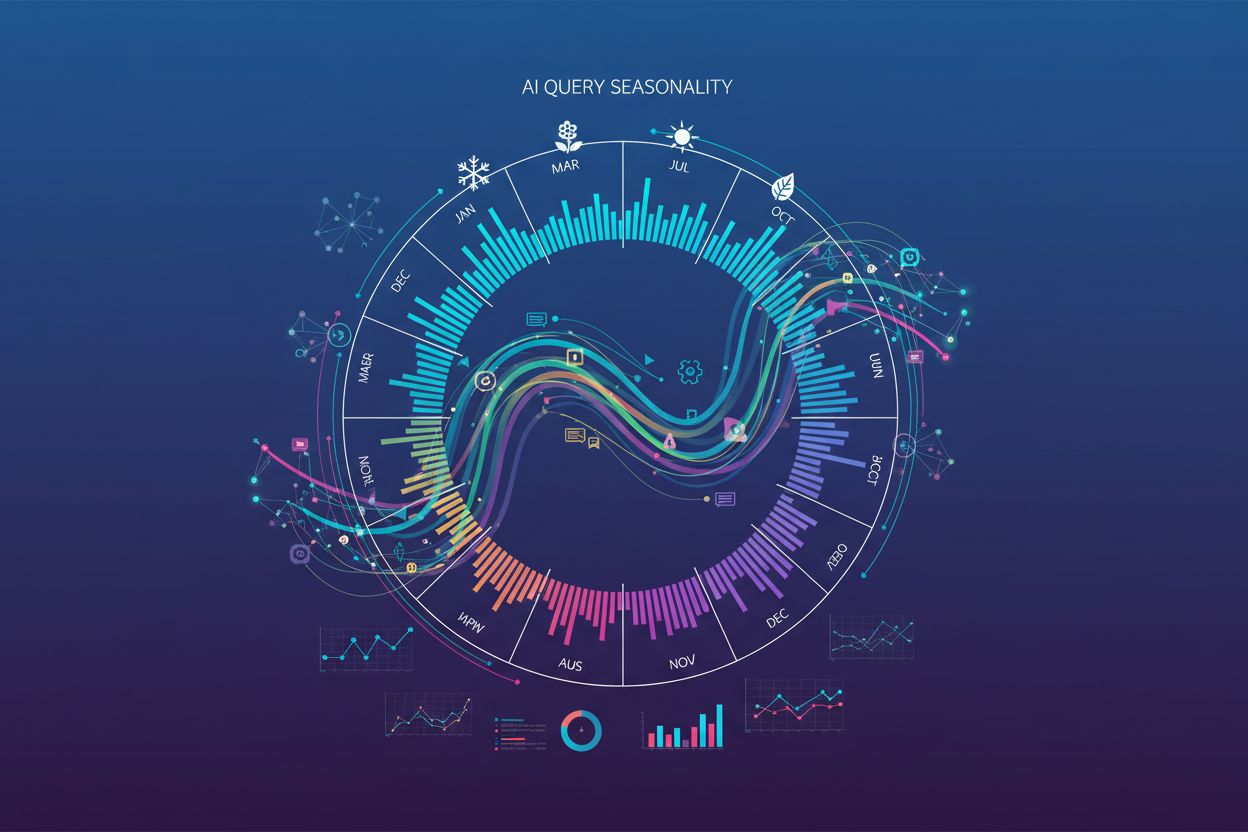
Query Seasonality for AI
Learn about query seasonality for AI - how seasonal patterns, events, and trends affect AI query volumes and types. Discover monitoring strategies and business ...
7 min read
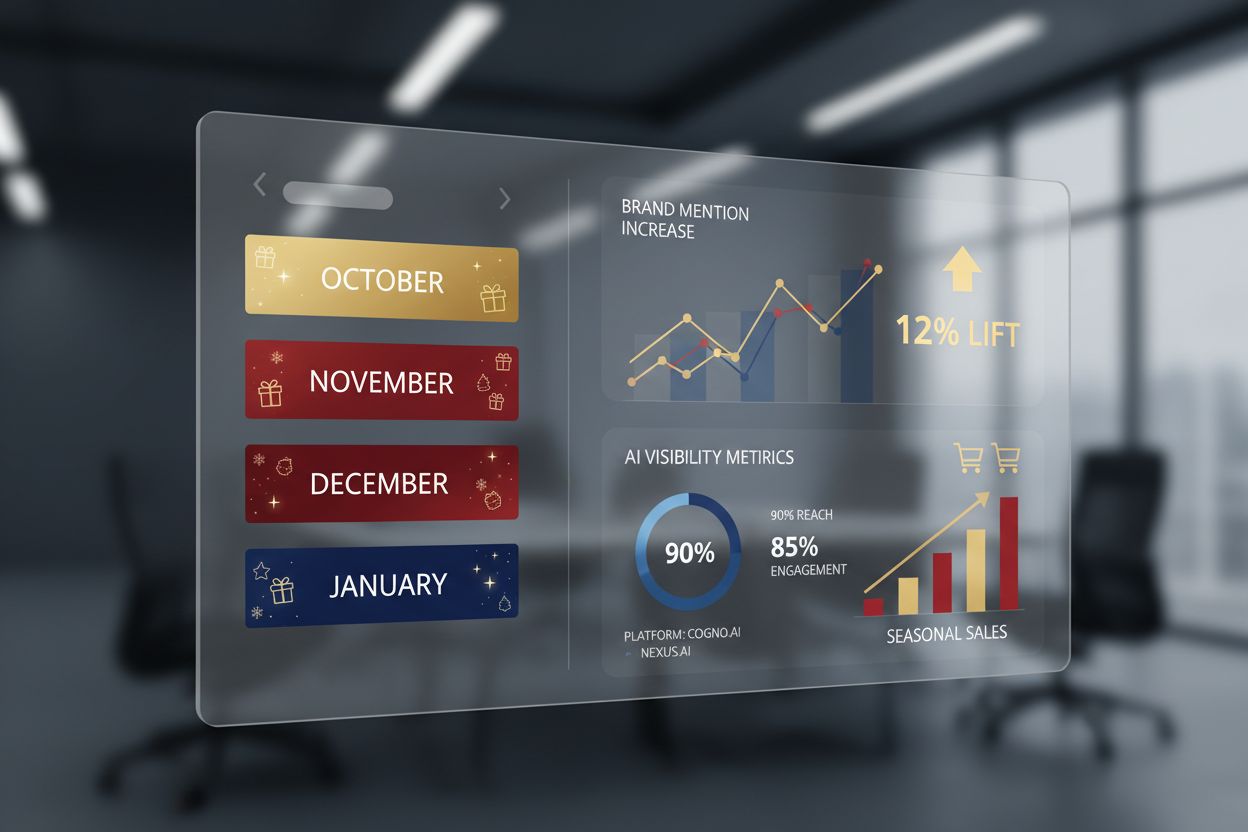
Master holiday AI visibility with proven seasonal optimization strategies. Learn how to increase brand mentions across ChatGPT, Perplexity, and Google AI during peak shopping seasons with data-driven tactics.
The holiday shopping season has fundamentally transformed over the past few years, extending far beyond the traditional November-December window. Modern consumers now begin their holiday research and purchasing as early as October, with the season effectively running through January as retailers extend promotions and consumers continue gift-giving and personal purchases. This extended timeline means that impulse buying has declined significantly, with shoppers conducting substantially more research before making purchasing decisions. According to industry data, brands that maintain visibility throughout this entire October-January window experience a 12% lift in brand mentions across AI engines. This shift requires a strategic approach that goes beyond traditional holiday marketing, focusing instead on sustained visibility and consistent presence across AI-powered search platforms.
AI engines have become critical discovery channels during the holiday season, but their citation patterns vary dramatically across platforms. ChatGPT leads in overall brand mention rates at 99.3%, with a 6.5% holiday lift, making it essential for baseline visibility. Perplexity shows the strongest seasonal engagement with an 85.7% brand mention rate and an impressive 9.4% holiday lift, indicating that users actively seek product recommendations on this platform during peak shopping periods. Google AI Mode captures 81.7% of brand mentions with a substantial 18.7% holiday lift, demonstrating significant seasonal demand shifts. Meanwhile, Google AI Overview maintains a 6.2% citation rate but represents an emerging channel worth monitoring. The variation in citation patterns across these platforms underscores the importance of platform-specific optimization strategies.
| Platform | Brand Mention Rate | Holiday Lift | Citation Sources | Key Insight |
|---|---|---|---|---|
| ChatGPT | 99.3% | 6.5% | Broad web content | Baseline visibility essential |
| Perplexity | 85.7% | 9.4% | Specialized domains | Strong seasonal engagement |
| Google AI Mode | 81.7% | 18.7% | Diverse sources | Highest seasonal demand shift |
| Google AI Overview | 6.2% | Emerging | Limited sources | Monitor for growth |
Holiday-specific keywords dominate search behavior during the seasonal period, and understanding their citation patterns is crucial for content strategy. Budget and Affordable keywords generate 6.3-8.8 mentions across AI engines, reflecting consumers’ heightened price sensitivity during the holidays. Gift Ideas keywords produce 5.5-6.9 mentions, making them essential for product discovery and recommendation content. Comparison keywords appear in 4.5-5.8 citations, indicating that shoppers actively seek side-by-side product evaluations before purchasing. Deal-focused keywords generate the highest engagement at 6.2-8.3 mentions, showing that promotional messaging resonates strongly during peak shopping periods.
Marketplace presence has become non-negotiable for holiday visibility, with Amazon accounting for 61.3% of all ChatGPT citations and marketplaces collectively representing 41% of citation sources. This concentration means that optimizing product listings on major marketplaces is as important as optimizing your owned content. Product descriptions must be comprehensive and keyword-rich, incorporating seasonal language and addressing common holiday shopping concerns like gift-wrapping, delivery timelines, and return policies. Inventory accuracy is critical — AI engines prioritize products that are actually in stock, so real-time inventory synchronization across all channels prevents citations to unavailable items. To maximize marketplace impact, conduct a comprehensive audit of all product listings, ensure descriptions include seasonal keywords and benefits, verify inventory accuracy across all platforms, and implement automated feeds that update in real-time to reflect stock levels and pricing changes.
Video content has emerged as a dominant citation source during the holiday season, with YouTube representing 62.4% of all Google AI Overview citations. Citation rates for video content increase 3x during November and December, making seasonal video optimization a high-impact strategy. Product demonstration videos receive the highest citation rates, as they provide the visual context that AI engines prioritize when recommending products to shoppers. Metadata optimization — including titles, descriptions, and tags — directly influences citation frequency, with updated seasonal metadata showing measurable improvements in visibility. To optimize video content for holiday AI visibility, implement this checklist: update all video titles and descriptions with seasonal keywords by October 1st, create product demonstration videos highlighting key features and benefits, add seasonal tags and playlists to improve discoverability, ensure video descriptions include links to product pages and marketplace listings, and monitor video performance metrics weekly to identify top-performing content.
Content distribution strategy significantly impacts citation patterns, with Perplexity showing the highest diversity of domain sources and 48-77% of citations including specialized industry sites. This indicates that AI engines value content from authoritative, niche sources alongside mainstream publications. Review sites generate 3.6-5.3% of citations, making them valuable partners for holiday visibility campaigns. Content syndication matters considerably — republishing content across multiple platforms and networks increases the likelihood of citation across different AI engines. Rather than concentrating all efforts on owned channels, develop a multi-channel distribution strategy that includes industry publications, review aggregators, and content syndication networks. Partner with relevant review sites and industry publications to expand your content reach, syndicate holiday guides and comparison content across established networks, and ensure that all distributed content includes proper attribution and links back to your primary content sources.
Successful holiday AI visibility requires a phased implementation approach that builds momentum throughout the season. Phase 1: Audit and Assessment (September-early October) involves analyzing current citation patterns across all AI engines, identifying keyword gaps, and benchmarking against competitors. Phase 2: Content and Distribution Optimization (mid-October) focuses on updating existing content with seasonal keywords, creating new holiday-specific content, and establishing distribution partnerships. Phase 3: Seasonal Signal Layering (late October-November) involves implementing real-time inventory updates, launching video content, and activating marketplace optimization strategies. Phase 4: Monitoring and Adjustment (November-January) requires weekly performance reviews, competitive tracking, and rapid optimization based on emerging trends and citation pattern changes. This phased approach ensures that optimization efforts are coordinated, resources are allocated efficiently, and adjustments can be made quickly as the season progresses and consumer behavior evolves.
Measuring success requires tracking multiple metrics that collectively indicate holiday AI visibility performance. Brand Mention Rate measures the percentage of relevant AI-generated responses that include your brand, providing a baseline visibility metric. Citation Frequency tracks how often your content appears in AI responses, with seasonal increases indicating successful optimization. Domain Diversity measures whether citations come from a broad range of sources or concentrate on a few channels, with greater diversity indicating stronger overall visibility. Competitive Positioning compares your citation metrics against direct competitors, revealing relative market share in AI-powered discovery. Prompt Coverage analyzes which specific search queries and prompts trigger your brand citations, identifying both strengths and gaps in your content strategy. Establish baseline metrics in September, set realistic targets for each metric based on historical data and competitive benchmarks, and review performance weekly to identify optimization opportunities and emerging trends.
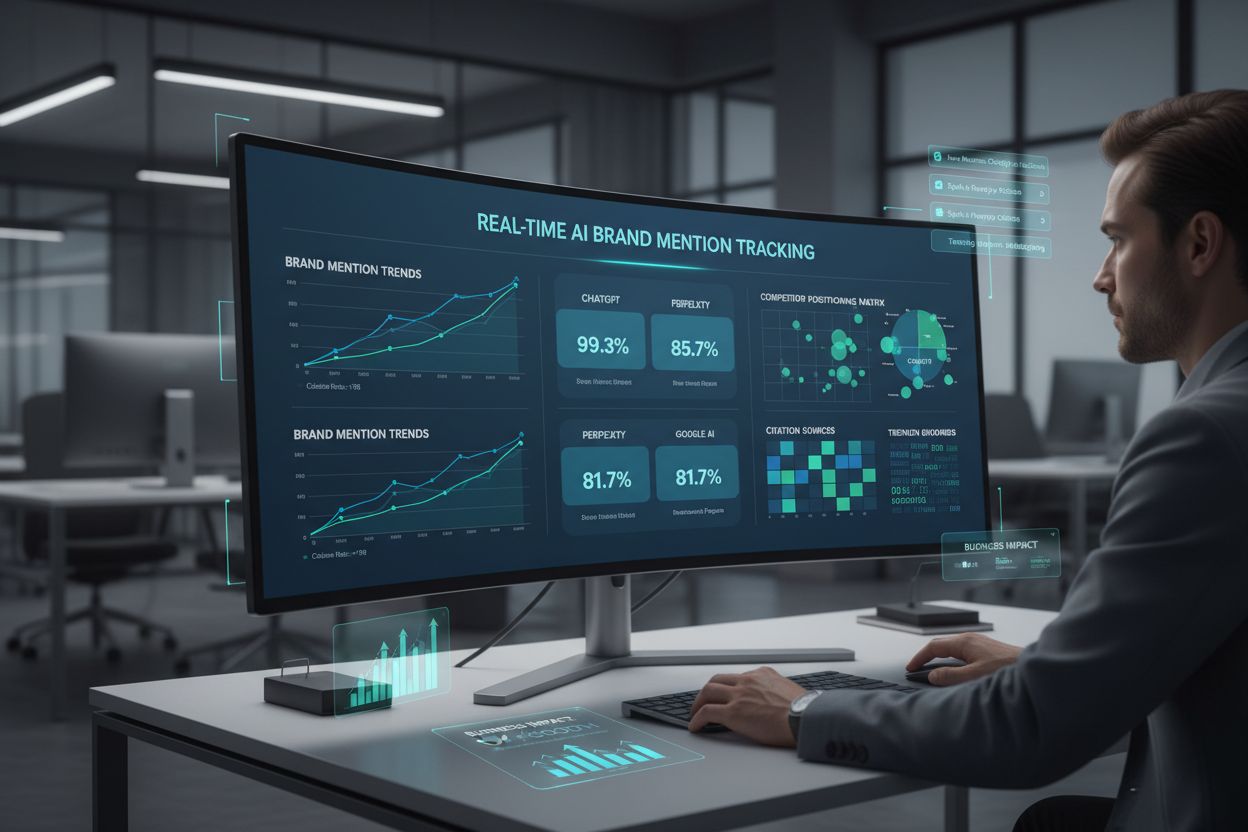
AmICited.com provides the real-time tracking infrastructure necessary to monitor and optimize holiday AI visibility across all major platforms. The platform enables real-time tracking of brand mentions and citations across ChatGPT, Perplexity, Google AI Mode, and Google AI Overview, eliminating the guesswork from seasonal optimization. Monitor citation patterns by keyword, content type, and source domain to identify which strategies are driving visibility and which require adjustment. Identify citation gaps where competitors appear but your brand doesn’t, revealing specific optimization opportunities. Track content type performance to understand whether video, written guides, marketplace listings, or other formats drive the most citations during peak seasons. Conduct seasonal analysis to compare performance across different time periods, revealing patterns that inform next year’s strategy. By integrating AmICited.com into your holiday optimization workflow, you gain the visibility and insights necessary to make data-driven decisions that maximize brand presence across AI-powered search engines throughout the extended holiday season.
The extended holiday shopping season now runs from October through January, not just November-December. Brands should begin optimization efforts in September to prepare for the October launch, as early visibility during the season's start is critical for capturing research-phase shoppers before they make purchasing decisions.
Prioritize based on your goals: ChatGPT for baseline visibility (99.3% brand mention rate), Perplexity for strong seasonal engagement (9.4% holiday lift), and Google AI Mode for highest seasonal demand shifts (18.7% lift). A balanced approach across all three platforms ensures maximum coverage during peak shopping periods.
Video content dominates with 3x higher citation rates during November-December, particularly product demonstration videos. However, a diversified approach including marketplace listings (41% of citations), written guides, and comparison content ensures visibility across different AI engines and user search behaviors.
AmICited.com provides real-time tracking of brand mentions and citations across ChatGPT, Perplexity, Google AI Mode, and Google AI Overview. The platform monitors citation patterns by keyword, content type, and source domain, enabling data-driven optimization decisions throughout the holiday season.
Yes. Small businesses can compete by focusing on niche keywords, leveraging marketplace optimization (Amazon accounts for 61.3% of ChatGPT citations), creating authentic content, and using content distribution partnerships. Specialized content and targeted optimization often outperform generic large-retailer content in AI citations.
Brands that maintain visibility throughout the October-January season experience a 12% lift in brand mentions. This translates to increased traffic, higher conversion rates, and improved market share during the highest-revenue period of the year. Early optimization investments typically yield 3-5x returns during peak season.
Begin preparation in September with Phase 1 (audit and assessment). This allows time for Phase 2 (content optimization) in mid-October, Phase 3 (seasonal signal layering) in late October-November, and Phase 4 (monitoring and adjustment) throughout the season. Starting early ensures all systems are optimized before peak shopping periods.
Track five key metrics: Brand Mention Rate (percentage of AI responses including your brand), Citation Frequency (how often your content appears), Domain Diversity (breadth of citation sources), Competitive Positioning (relative to competitors), and Prompt Coverage (which queries trigger your citations). Review these metrics weekly during the season.
Monitor how your brand appears across ChatGPT, Perplexity, and Google AI during peak seasons. Get actionable insights to optimize your holiday strategy and maximize brand mentions when it matters most.
Learn about query seasonality for AI - how seasonal patterns, events, and trends affect AI query volumes and types. Discover monitoring strategies and business ...

Discover how AI assistants are transforming consumer shopping habits, from personalized recommendations to streamlined purchasing decisions and the future of re...
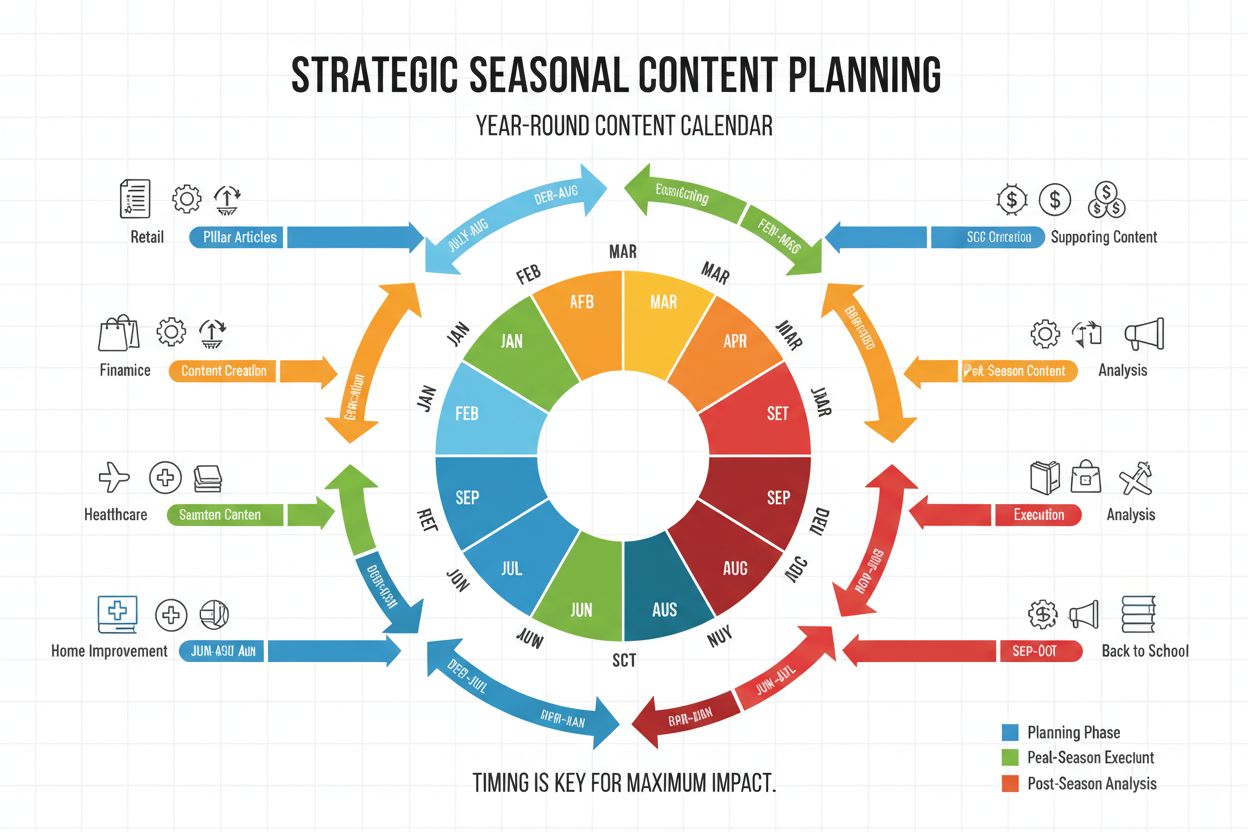
Master seasonal AI visibility strategies to maximize content citations. Learn when to publish, how to optimize for peak seasons, and track AI mentions with AmIC...