
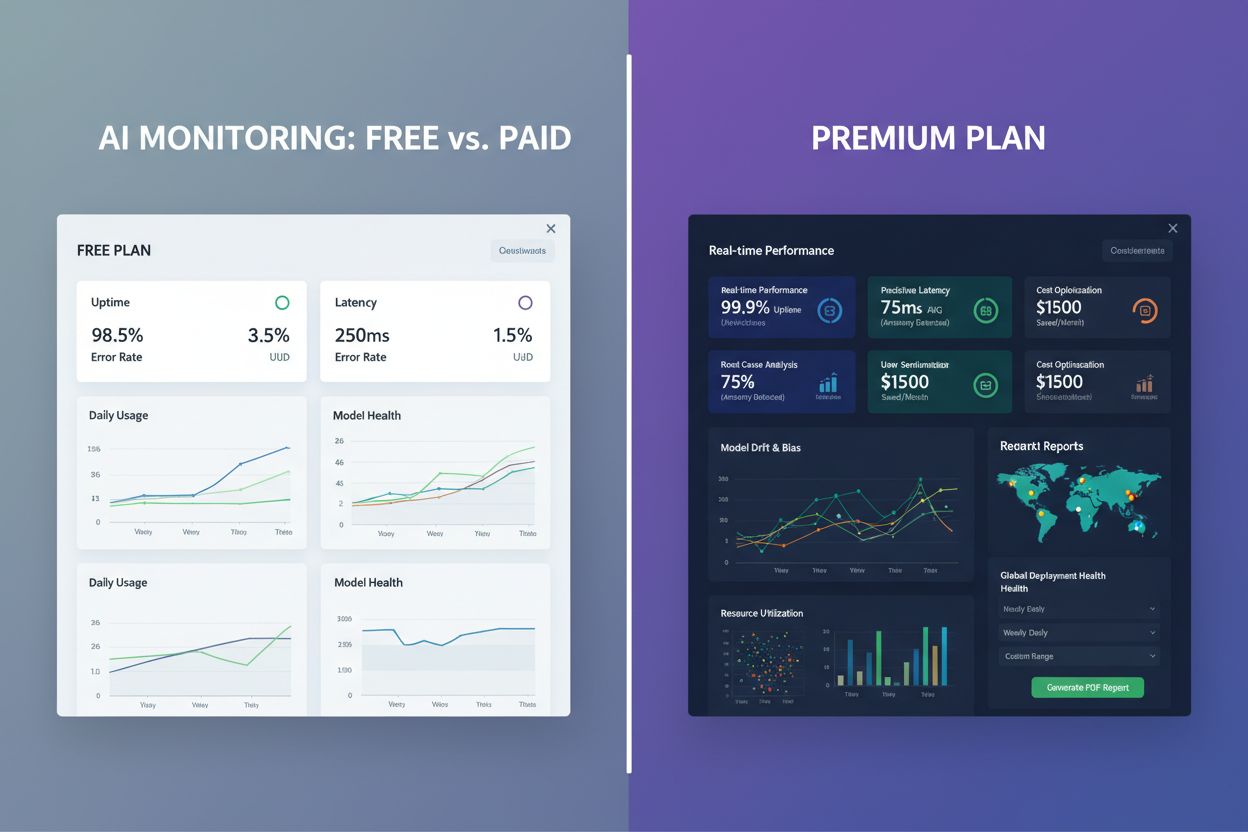
Free vs Paid AI Visibility Tools: What You Actually Need
Compare free and paid AI visibility tools to find the right budget solution for monitoring your brand in ChatGPT, Perplexity, and Google AI. Expert guide with p...
7 min read
Learn proven strategies to get your brand mentioned in ChatGPT responses. Complete guide covering training data sources, content optimization, and monitoring tools for AI visibility.
Artificial intelligence is fundamentally reshaping how consumers discover brands, and the stakes have never been higher. With over 1.7 billion monthly visits, ChatGPT has become a critical discovery channel that traditional marketing strategies often overlook. What makes this shift particularly important is that 41% of consumers now trust AI search results more than paid advertisements—a seismic change in how purchasing decisions are made. Yet here’s the sobering reality: only 26% of brands currently appear in AI Overviews, meaning your competitors might already be capturing mindshare in conversations you’re not even aware of. For businesses serious about staying relevant, getting mentioned in ChatGPT isn’t optional anymore—it’s essential.
ChatGPT’s knowledge comes from a sophisticated three-layer ecosystem that determines which brands, products, and information get surfaced in responses. The first layer consists of pre-training data collected from publicly available internet sources, including Common Crawl (a massive web archive), Wikipedia, academic papers, and books published before the training cutoff date. The second layer involves real-time retrieval capabilities, where ChatGPT can access current information through partnerships with search engines and publishers—this is why your recent press releases and news mentions matter more than ever. The third layer includes fine-tuning data from human feedback and OpenAI’s $250M+ in publisher licensing deals with outlets like the Wall Street Journal, Financial Times, Reuters, and Associated Press. Understanding this architecture is crucial because it reveals exactly where your brand needs to appear to maximize visibility.
| Data Layer | Primary Sources | Update Frequency | Brand Impact |
|---|---|---|---|
| Pre-Training | Common Crawl, Wikipedia, Academic Papers, Books | Static (cutoff date dependent) | Foundational authority and historical context |
| Real-Time Retrieval | Bing Search, Publisher APIs, News Feeds | Daily/Hourly | Current mentions and breaking news |
| Fine-Tuning | Human Feedback, Licensed Publisher Content | Continuous | Relevance ranking and response quality |
To get mentioned in ChatGPT, you need to dominate three primary data sources that carry the most weight in AI training and retrieval systems. Here’s where your brand visibility strategy should focus:
Wikipedia and Industry Wikis: A Wikipedia presence increases LLM visibility by 65%—this is the single most impactful channel. Create or optimize your company page with comprehensive information, citations, and links to authoritative sources. Include your founding story, key products, notable achievements, and leadership team. Wikipedia’s strict notability requirements mean you’ll need third-party coverage to support your entry, but the payoff is enormous.
OpenAI Publisher Partnerships: The Wall Street Journal, Financial Times, Reuters, AP News, and other premium publishers have direct licensing agreements with OpenAI. Getting featured in these outlets means your content is actively fed into ChatGPT’s training and retrieval systems. Pitch thought leadership articles, research findings, and expert commentary to business journalists at these publications. Focus on newsworthy angles that align with their editorial calendars.
Your Owned Website and Press Releases: Your company website and official press releases are crawled regularly by both Bing and OpenAI’s systems. Ensure your website has clear E-E-A-T signals (Experience, Expertise, Authoritativeness, Trustworthiness), comprehensive product documentation, and regularly updated blog content. Publish press releases through official channels like PR Newswire and Business Wire, which are indexed by search engines and AI systems within hours.
ChatGPT doesn’t just pull random information—it prioritizes content that demonstrates genuine expertise and answers specific user questions. The platform favors certain content types that align with how people actually use AI assistants:
Question-Focused Articles: Write comprehensive guides that answer the exact questions your customers ask ChatGPT. Use tools like AnswerThePublic and your customer support data to identify these questions. Structure articles with clear H2 and H3 headings that match search intent.
Original Research and Data: Publish industry reports, surveys, and original research that no one else has. ChatGPT actively seeks unique data points and will cite studies that provide novel insights. This positions your brand as a thought leader and primary source.
Case Studies and Implementation Guides: Detailed case studies showing real results resonate strongly with AI systems. Include specific metrics, before-and-after comparisons, and step-by-step implementation details that demonstrate practical value.
Technical Deep-Dives: In-depth technical content that explains complex topics thoroughly performs exceptionally well. ChatGPT users often ask for detailed explanations, and your comprehensive technical guides become the answers it provides.
Each content type matters because it serves different user intents. When someone asks ChatGPT “How do I implement X?” your case study becomes the answer. When they ask “What’s the latest research on Y?” your original study gets cited. The key is creating content so valuable and authoritative that ChatGPT naturally references it.
Here’s a critical fact most brands miss: 40% of ChatGPT queries trigger live web searches via Bing, and SearchGPT relies entirely on Bing’s index. This means Bing optimization is now a prerequisite for AI visibility. If your brand doesn’t rank well on Bing, it won’t appear in ChatGPT’s real-time retrieval results—and you’re losing 40% of potential mentions.
Start by claiming and optimizing your Bing Business Profile with complete information, high-quality images, and regular updates. Ensure your website is mobile-optimized and loads quickly, as Bing weights these factors heavily. Build backlinks from authoritative Bing-indexed sources, particularly industry directories and news sites. Create a Bing Webmaster Tools account and submit your XML sitemap to ensure all your content is indexed. Finally, focus on long-tail keywords that match conversational queries—Bing’s algorithm favors natural language matching, which aligns perfectly with how people interact with ChatGPT.
Getting mentioned in ChatGPT requires a coordinated distribution strategy across multiple channels that feed into AI training and retrieval systems. Think of it as building a network effect where your content appears in multiple authoritative sources simultaneously:
Industry Publications and Trade Journals: Pitch guest articles to publications in your industry. These outlets are heavily indexed by AI systems and carry significant authority weight. Target publications that your customers actually read and that journalists cite regularly.
Reddit Communities: OpenAI’s $60M licensing deal with Reddit means subreddit discussions are now part of ChatGPT’s training data. Participate authentically in relevant communities, answer questions, and share insights. Build genuine credibility rather than promotional content—Reddit’s algorithm and community moderators quickly flag spam.
Medium and Substack: These platforms are indexed by search engines and AI systems. Publishing on these channels extends your reach and creates additional touchpoints for discovery. Use them for thought leadership pieces, industry commentary, and detailed how-to guides.
Podcasts and YouTube: While audio and video aren’t directly indexed like text, transcripts are. Publish podcast episodes and YouTube videos with detailed transcripts that include your key messages and expertise. These channels also generate backlinks and social signals that boost your overall authority.
LinkedIn Articles: LinkedIn’s professional network is increasingly indexed by AI systems. Share long-form insights, industry analysis, and thought leadership directly on the platform where your audience already spends time.
The network effect works like this: when your content appears across multiple authoritative channels simultaneously, AI systems recognize it as important information worth surfacing. Each mention reinforces the others, creating a compounding visibility advantage.
You can’t improve what you don’t measure, and tracking your brand mentions in ChatGPT requires dedicated monitoring tools and clear KPIs. This is where solutions like AmICited.com become invaluable—they provide real-time visibility into how often your brand appears in AI responses and which topics trigger mentions.
| Monitoring Tool | Best For | Key Metrics | Integration Capability |
|---|---|---|---|
| AmICited.com | AI mention tracking and competitive analysis | Citation frequency, context, sentiment | GA4, CRM, Slack |
| Semrush | SEO and Bing visibility | Keyword rankings, backlinks, traffic | Google Analytics, CRM |
| Brandwatch | Social and web mentions | Sentiment, reach, engagement | Multiple platforms |
| Google Analytics 4 | Traffic attribution from AI sources | Referral traffic, user behavior, conversions | CRM, email platforms |
Set up GA4 with custom events to track traffic from ChatGPT and other AI sources. Create a custom dimension for “AI referral source” and monitor conversion rates from these visitors. Integrate your CRM to track which AI-sourced leads convert best. Monitor these key performance indicators monthly: mention frequency (how often your brand appears), mention context (what topics trigger mentions), competitive share (how often you appear vs. competitors), and conversion impact (revenue attributed to AI-sourced traffic).
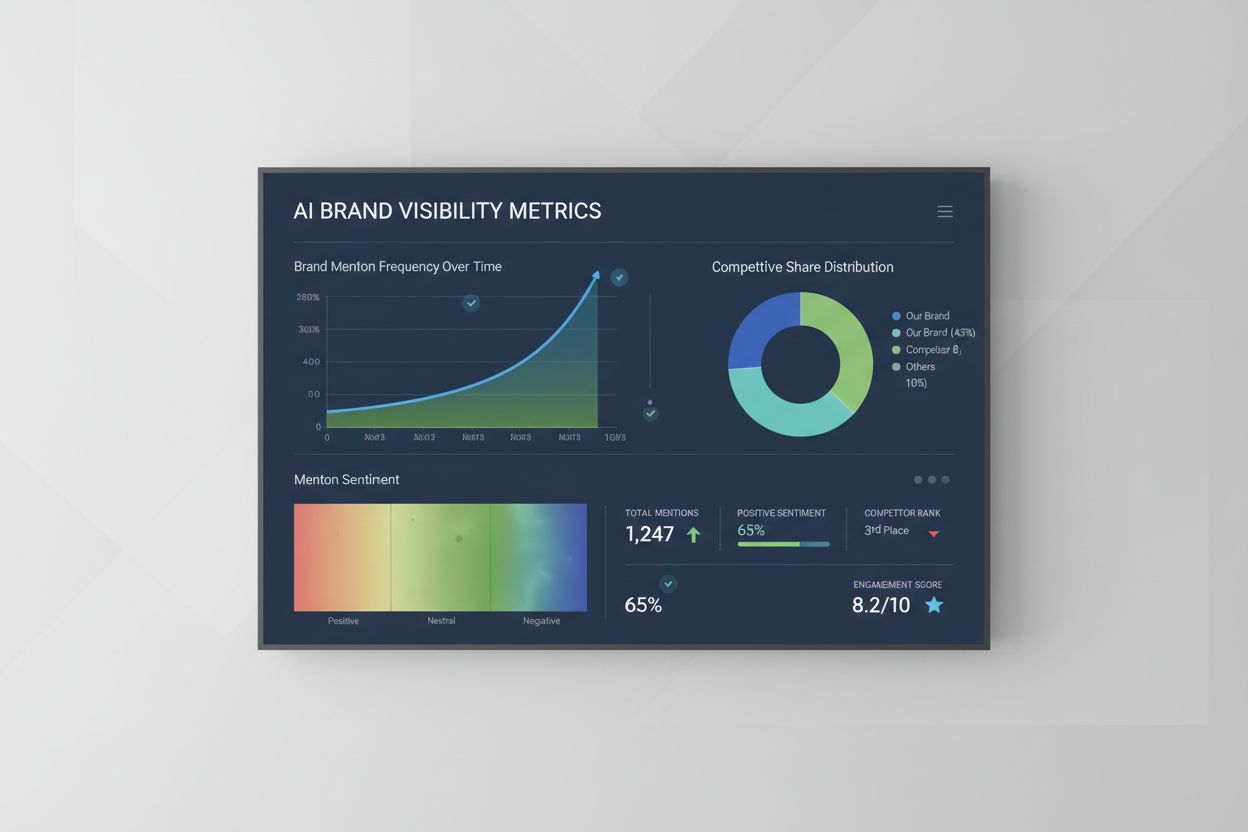
Beyond tools, set up Google Alerts for your brand name combined with “ChatGPT,” “AI,” and “search results.” Create a simple spreadsheet to log significant mentions and the context in which they appear. This manual tracking complements automated tools and helps you identify patterns in what content drives mentions.
Most brands pursuing AI visibility make predictable mistakes that undermine their efforts. Here’s how to avoid them:
Publishing Outdated Content: If your website hasn’t been updated in months, ChatGPT will cite older, more current sources instead. Establish a content refresh schedule and update key pages quarterly. Add publication dates and “last updated” timestamps to build freshness signals.
Ignoring Bing Optimization: Brands optimize for Google but neglect Bing, then wonder why they don’t appear in ChatGPT’s live search results. Treat Bing as a first-class citizen in your SEO strategy, not an afterthought.
Poor Content Structure: ChatGPT struggles with poorly formatted content. Use clear headings, short paragraphs, bullet points, and descriptive subheadings. Structure matters as much as substance.
Weak E-E-A-T Signals: If your content doesn’t clearly demonstrate expertise, experience, authoritativeness, and trustworthiness, ChatGPT deprioritizes it. Include author bios with credentials, cite sources, link to authoritative references, and build backlinks from trusted domains.
Inconsistent Brand Information: If your company description differs across Wikipedia, your website, LinkedIn, and press releases, AI systems get confused about which version is authoritative. Audit all your brand information and ensure consistency across platforms.
Neglecting Long-Tail Keywords: ChatGPT users ask conversational, specific questions. If you only optimize for broad keywords, you’ll miss the queries where you could actually appear. Research and target long-tail variations of your core keywords.
Transform your AI visibility strategy from concept to results with this 90-day action plan broken into three phases:
Phase 1: Foundation (Days 1-30) - Audit your current presence across Wikipedia, your website, and major search engines. Claim or create your Wikipedia page if you don’t have one. Optimize your company website for E-E-A-T signals: add author bios, improve internal linking, ensure mobile optimization, and submit your sitemap to Bing Webmaster Tools. Identify your top 20 long-tail keywords that match conversational queries. Quick win: publish one comprehensive guide answering your most-asked customer question.
Phase 2: Authority Building (Days 31-60) - Pitch guest articles to three industry publications and Reddit communities. Publish two original research pieces or case studies on your website. Create or optimize your Bing Business Profile. Start a content calendar focused on question-based articles. Begin building backlinks from industry directories and relevant websites. Medium-term win: secure one feature in a tier-one publication.
Phase 3: Amplification (Days 61-90) - Distribute your best content across Medium, Substack, LinkedIn, and podcasts. Set up GA4 tracking for AI referral sources and integrate with your CRM. Launch your monitoring system using AmICited.com or similar tools. Analyze which content types and topics drive the most mentions. Refine your strategy based on data. Long-term win: establish yourself as a recognized authority in your niche with consistent AI mentions.
Track progress weekly: monitor mention frequency, Bing rankings, website traffic from AI sources, and conversion rates. Adjust tactics based on what’s working. By day 90, you should see measurable increases in ChatGPT mentions and traffic from AI sources.
The AI landscape is evolving rapidly, and your strategy needs to adapt to stay ahead. GPT-5, released in August 2025, introduced enhanced reasoning capabilities and more sophisticated content evaluation. This means AI systems are becoming better at identifying truly authoritative, original content and worse at being fooled by thin or derivative material. Your strategy should emphasize depth, originality, and genuine expertise over volume.
Regulatory changes are also coming. The EU’s AI Act and similar regulations in other jurisdictions will likely require AI companies to be more transparent about their training data sources and to respect content licensing agreements. This creates opportunities for brands that have formal partnerships with AI companies—consider exploring licensing agreements for your proprietary research or content.
Stay informed about training data cutoff dates for major AI models. When GPT-5 or future models release new training data, there’s a window of opportunity to get your latest content included. Plan major content releases and research publications around these windows. Monitor OpenAI’s publisher partnerships and consider whether your brand should pursue a direct licensing agreement.
Finally, remember that AI visibility is not separate from traditional SEO and brand building—it’s an extension of it. The fundamentals remain the same: create genuinely valuable content, build authority through expertise and citations, optimize for user intent, and distribute strategically. The channels and systems change, but the principles endure. By building a sustainable, authority-focused strategy now, you’ll be positioned to thrive regardless of how AI systems evolve.
Unlike traditional search engines that index content within hours, ChatGPT's training data updates happen with major model releases (typically every 6-12 months). However, real-time web search results can surface your content within days if you rank well on Bing. For sustainable visibility, plan for a 3-6 month timeline to see measurable improvements in mentions.
No, approximately 40% of ChatGPT queries trigger live web searches via Bing, while 60% rely on the model's trained knowledge. This means you need both strategies: optimize your website for Bing SEO for real-time visibility, and build authority across multiple channels for long-term training data inclusion.
OpenAI doesn't have a direct submission process for brands. Instead, focus on getting your content indexed by search engines, published on authoritative platforms, and included in Wikipedia. These channels feed into ChatGPT's training data and real-time retrieval systems.
Google ranks pages based on links and keywords, while ChatGPT generates answers based on mentions and context across training data. You don't need to rank on page one—you need to be mentioned frequently in authoritative sources that ChatGPT trusts. This requires a different strategy focused on thought leadership and multi-channel presence.
They're complementary but distinct. SEO gets you traffic from search engines, while ChatGPT optimization gets you mentioned in AI responses. Both benefit from quality content and authority building, but ChatGPT optimization emphasizes mentions across multiple platforms and real-time web search visibility via Bing.
Test it directly by asking ChatGPT questions related to your industry and products. Use monitoring tools like AmICited.com to track mentions systematically across multiple AI platforms. Set up Google Alerts for your brand name combined with 'ChatGPT' to catch mentions in articles and discussions.
Absolutely. With 1.7+ billion monthly visits and 41% of consumers trusting AI results more than paid ads, ChatGPT visibility directly impacts brand discovery and consideration. Early movers are establishing competitive advantages that will be difficult for competitors to overcome as AI adoption accelerates.
While each AI tool has different training data and algorithms, the fundamental strategy is similar: build authority, create quality content, and ensure your brand appears across multiple authoritative sources. Tools like AmICited.com monitor all major AI platforms simultaneously, so you can optimize for the entire AI ecosystem rather than individual tools.
Don't let your competitors dominate AI-generated answers. Monitor how your brand appears across ChatGPT, Perplexity, Google AI Overviews, and other AI platforms with AmICited's comprehensive tracking solution.
Compare free and paid AI visibility tools to find the right budget solution for monitoring your brand in ChatGPT, Perplexity, and Google AI. Expert guide with p...
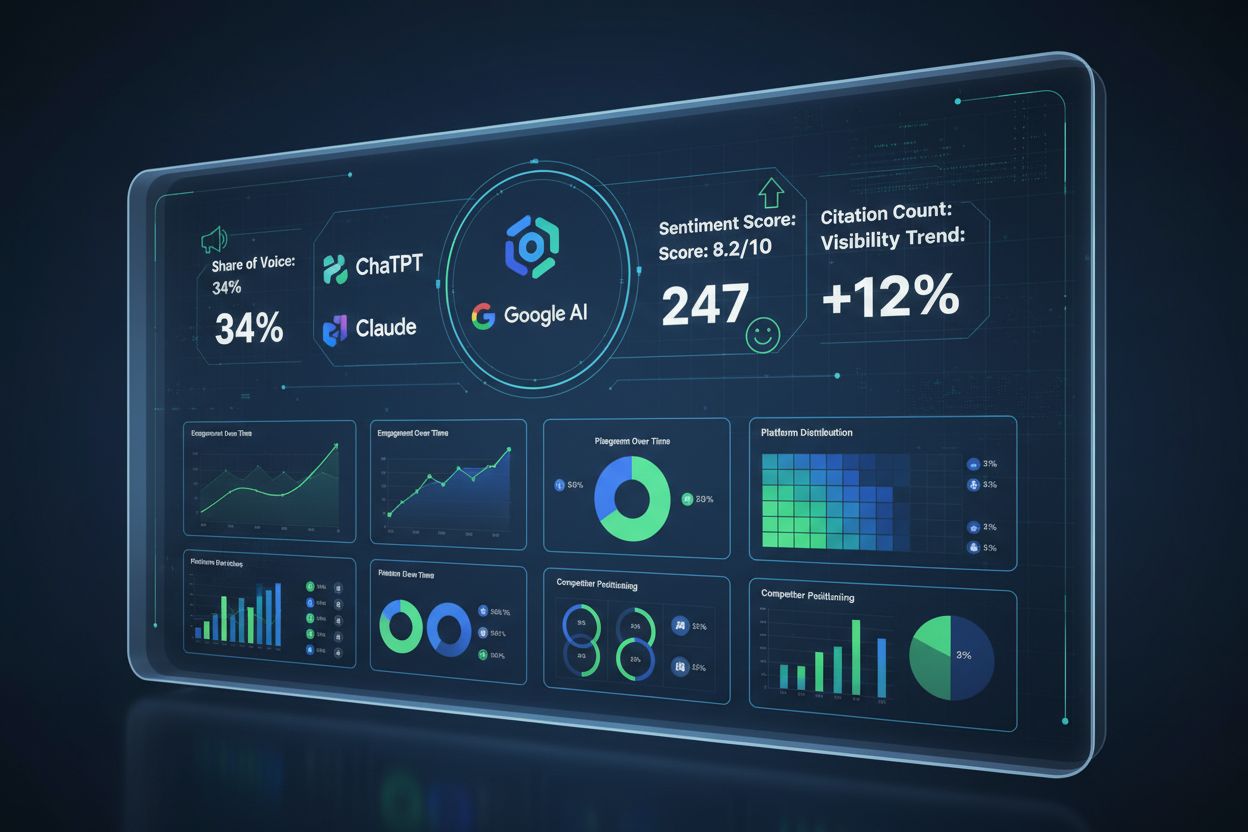
Learn how to automate AI visibility monitoring across ChatGPT, Perplexity, and Google AI. Discover tools, workflows, and best practices for tracking brand menti...
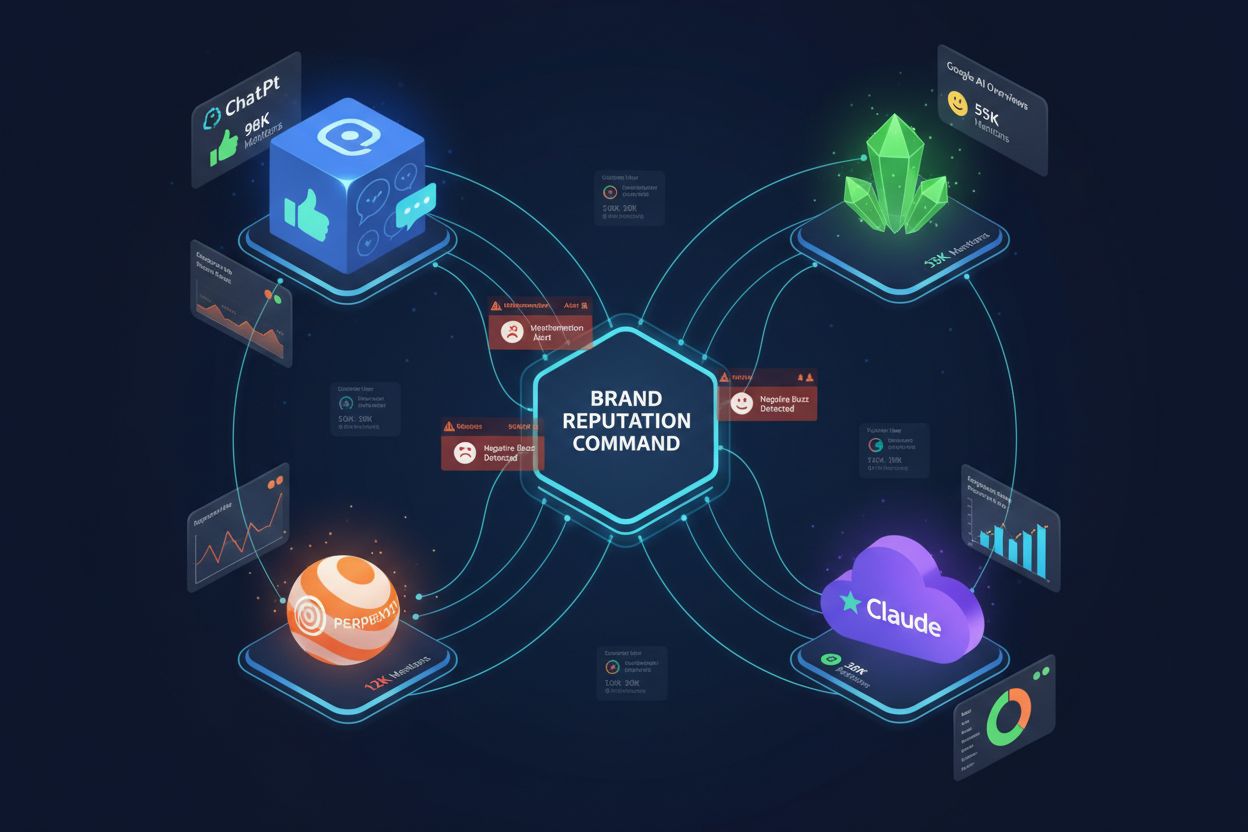
Learn how to set up AI mention alerts to monitor your brand across ChatGPT, Perplexity, and Google AI Overviews. Protect your reputation and gain competitive in...