

AI Reputation Repair
Learn how to identify and fix negative brand sentiment in AI-generated answers. Discover techniques for improving how ChatGPT, Perplexity, and Google AI Overvie...
9 min read
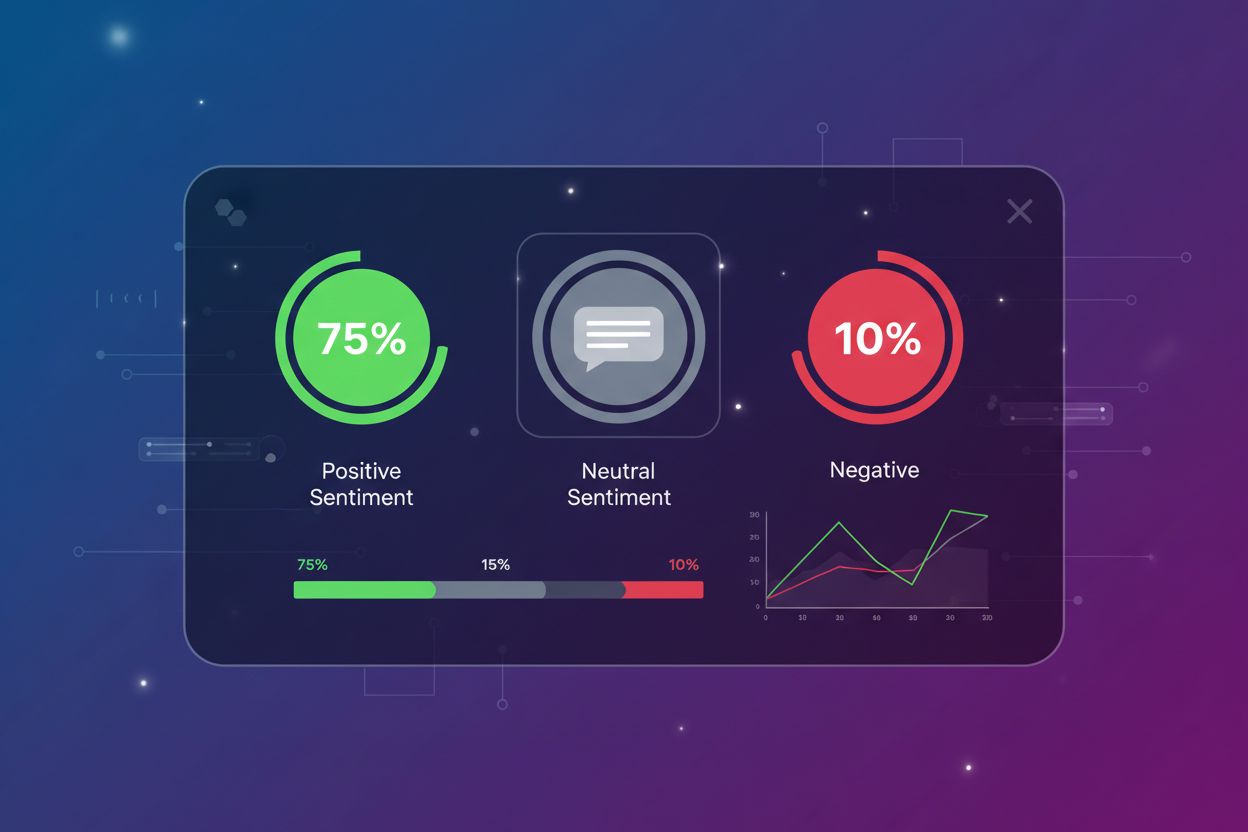
Learn proven strategies to improve negative AI sentiment and correct how AI systems describe your brand. Real-world tactics for sentiment improvement in ChatGPT, Perplexity, and Google AI Overviews.
AI sentiment refers to the overall perception and attitude that artificial intelligence systems, language models, and AI-powered applications express toward specific topics, organizations, or concepts. This sentiment is shaped by the training data, fine-tuning processes, and the accumulated knowledge embedded within these systems. Understanding AI sentiment is critical because it directly influences how AI systems respond to user queries, recommend information, and shape public discourse. When AI sentiment becomes negative toward a particular entity or topic, it can amplify misinformation, reduce visibility, and damage reputation across digital platforms.
Negative AI sentiment typically stems from multiple interconnected factors that compound over time. The primary causes include biased training data, outdated information, poor documentation, and unresolved product issues. When AI models are trained on datasets containing negative or incomplete information about a subject, they perpetuate and amplify these biases in their outputs. Additionally, rapid changes in products, services, or organizational practices often outpace the information available to AI systems, creating a gap between reality and AI perception.
| Root Cause | Impact Level | Frequency | Primary Solution |
|---|---|---|---|
| Biased Training Data | High | Very Common | Data Auditing & Retraining |
| Outdated Information | High | Common | Regular Updates & Documentation |
| Poor Documentation | Medium | Common | Content Creation & SEO |
| Unresolved Issues | High | Moderate | Product Improvement & Communication |
| Hallucinations | Medium | Increasing | Fact-Checking & Verification |
These factors create a compounding effect where negative sentiment becomes embedded in AI responses, making correction increasingly difficult without systematic intervention and strategic communication efforts.
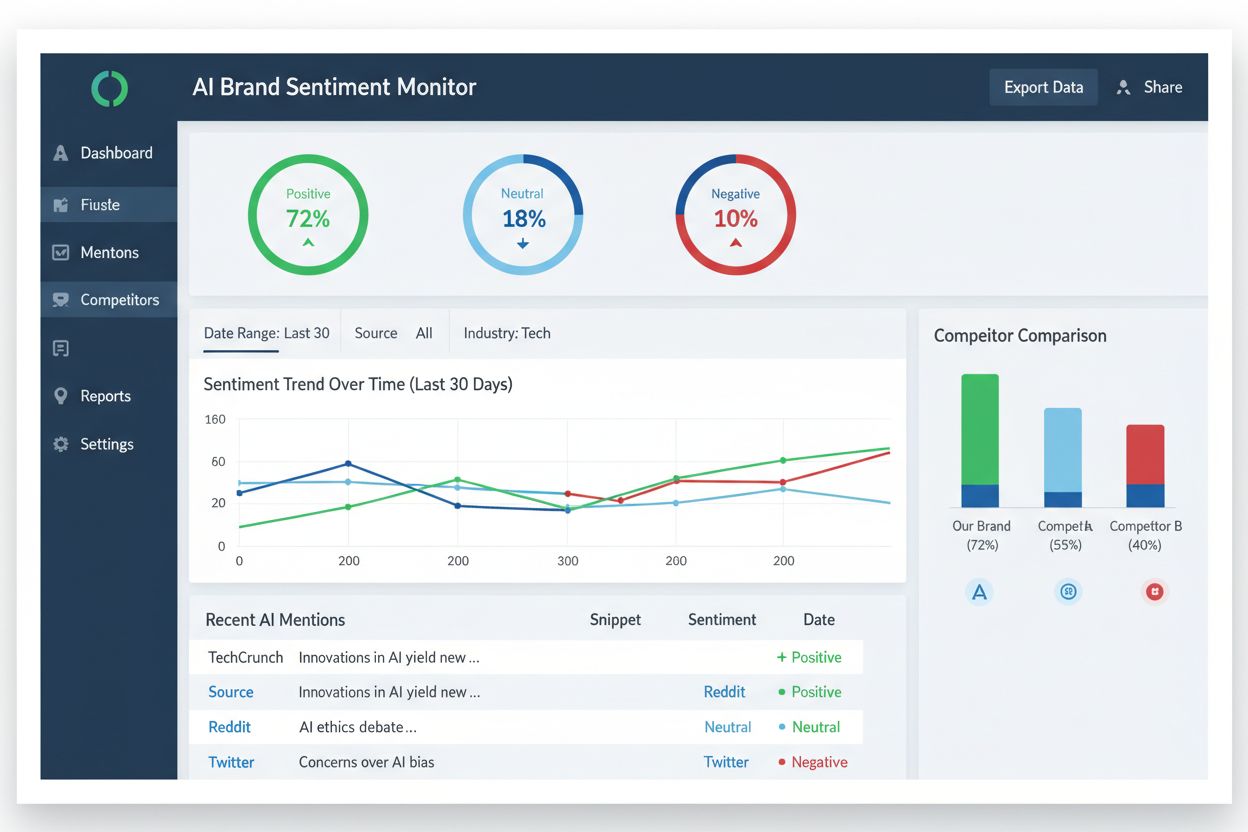
Effective sentiment monitoring requires a multi-layered approach that tracks how AI systems perceive and discuss your organization, products, or services across different platforms and models. Organizations should regularly audit AI outputs by querying major language models with relevant keywords and analyzing response patterns for bias, inaccuracy, or negativity. Tools like AmICited.com provide automated tracking of how AI systems reference and discuss specific entities, offering quantifiable metrics on sentiment trends over time. Establishing baseline measurements of current AI sentiment allows organizations to set realistic improvement targets and measure the effectiveness of correction strategies. Regular monitoring should occur at least monthly, with increased frequency during product launches, crisis situations, or after implementing major correction strategies.
Clear documentation and transparent communication form the foundation of any AI sentiment correction strategy. Organizations must create comprehensive, well-structured documentation that explicitly addresses common misconceptions, clarifies product features, and explains organizational values and practices. This documentation should be published on official websites, technical repositories, and industry-recognized platforms where AI training data is sourced. High-quality documentation serves dual purposes: it provides accurate information for AI systems to learn from during training and retraining cycles, while simultaneously offering authoritative sources that AI systems can cite when generating responses. Ensure documentation includes specific metrics, dates, and verifiable claims rather than vague statements. Structured data formats like JSON-LD and schema markup help AI systems better understand and incorporate this information. Organizations should also maintain a public changelog documenting updates, improvements, and corrections, which signals to AI systems that the organization is actively addressing issues and evolving positively.
Not all sources carry equal weight in AI training and perception. High-influence domains such as academic institutions, major news outlets, industry publications, and recognized authority sites have disproportionate impact on AI sentiment formation. Developing relationships with journalists, researchers, and industry analysts who publish on these platforms can amplify positive messaging about your organization. Publishing original research, whitepapers, and case studies on reputable platforms increases the likelihood that AI systems will encounter authoritative positive information during training. Guest articles on established industry publications, speaking engagements at conferences, and participation in peer-reviewed research all contribute to building positive AI sentiment through high-credibility channels. Organizations should actively pitch stories to journalists covering their industry, highlighting innovations, improvements, and positive impacts. Engaging with academic researchers studying relevant topics can result in citations and references that carry significant weight in AI perception.
Negative AI sentiment often reflects genuine product or service problems that have been documented, discussed, or experienced by users. Rather than attempting to mask these issues through communication alone, organizations must prioritize identifying and resolving the underlying problems that generate negative sentiment. Conduct thorough audits of customer feedback, support tickets, and online reviews to identify recurring complaints and issues. Create a prioritized roadmap for addressing the most impactful problems, and communicate progress transparently through regular updates. When issues are resolved, actively publicize the fixes through multiple channels—press releases, social media, product announcements, and documentation updates. This approach not only improves actual product quality but also demonstrates responsiveness to AI systems that monitor organizational activity and customer satisfaction metrics. Organizations that consistently address reported issues build positive momentum that gradually shifts AI sentiment from negative to neutral and eventually positive. Document the resolution process, including root cause analysis and preventive measures, to show systematic improvement rather than one-off fixes.
AI hallucinations—confident but false statements generated by language models—represent a significant source of negative sentiment that organizations cannot directly control but can actively counter. When AI systems generate false claims about your organization, products, or services, the most effective response is creating authoritative content that directly addresses these specific misconceptions. Identify the most common hallucinations through regular monitoring and create targeted content that provides the correct information with supporting evidence and citations. Engage with AI system developers and researchers to report systematic hallucinations, providing examples and context that help improve model accuracy. Participate in fact-checking initiatives and contribute to databases that AI systems reference for verification. When hallucinations appear in high-visibility contexts, consider direct engagement with content platforms to request corrections or clarifications. Building a strong factual record across multiple authoritative sources makes it increasingly difficult for AI systems to confidently assert false claims, as they encounter contradictory information from trusted sources.
Real-time monitoring capabilities enable organizations to detect and respond to negative AI sentiment shifts before they become entrenched in AI systems’ outputs. Implement automated systems that regularly query major AI platforms and language models with relevant keywords, tracking changes in response tone, accuracy, and sentiment over time. Set up alerts for significant sentiment shifts, new negative claims, or increased frequency of problematic responses. Establish rapid response protocols that allow your organization to quickly identify the source of negative sentiment and implement targeted corrections. Real-time monitoring also helps identify emerging issues before they become widespread—if multiple AI systems suddenly generate similar negative claims, this signals a common source that needs investigation and correction. Use monitoring data to inform content strategy, identifying which topics or claims require additional authoritative documentation. Organizations with mature monitoring systems can often correct negative sentiment within weeks rather than months, as they catch issues early and respond with precision.
AmICited.com provides specialized tools for monitoring and improving how AI systems cite, reference, and discuss your organization across major language models and AI platforms. The platform tracks sentiment trends, identifies specific claims and citations, and measures the impact of correction strategies over time with quantifiable metrics. Organizations can use AmICited.com to establish baseline sentiment measurements, set improvement targets, and monitor progress toward those targets with detailed reporting. The platform’s citation tracking reveals which sources AI systems rely on when discussing your organization, helping you identify high-impact opportunities for content placement and correction. AmICited.com also provides competitive analysis, showing how AI sentiment toward your organization compares to competitors and identifying relative strengths and weaknesses in how AI systems perceive different entities. Integration with your content strategy allows you to measure the direct impact of new documentation, press releases, and published content on AI sentiment metrics. By combining AmICited.com’s monitoring capabilities with the correction strategies outlined above, organizations can systematically improve their AI sentiment and ensure accurate representation across AI systems.
A mid-sized technology company experienced significant negative AI sentiment following a high-profile security incident that received substantial media coverage. When users queried major language models about the company, responses consistently emphasized the security breach, questioned the company’s competence, and recommended competitors. The company implemented a comprehensive correction strategy: first, they published detailed documentation of the security improvements implemented post-incident, including third-party security audits and certifications. Second, they engaged industry security researchers to publish independent analyses of their improved security posture on reputable platforms. Third, they created a transparent public roadmap addressing the specific vulnerabilities that led to the original breach. Fourth, they monitored AI sentiment monthly using AmICited.com, tracking changes in how language models discussed their security practices. Within six months, AI sentiment shifted noticeably—language models began citing the security improvements and third-party validations, and recommendations became more balanced. Within twelve months, AI sentiment had recovered substantially, with language models now presenting the company as having learned from the incident and implemented industry-leading security practices. This case demonstrates that negative AI sentiment, even from significant incidents, can be systematically corrected through authentic improvement, transparent communication, and strategic engagement with high-credibility information sources.
Sustained improvement in AI sentiment requires ongoing commitment to accuracy, transparency, and proactive communication rather than one-time correction efforts. Establish a dedicated team or assign clear responsibility for monitoring AI sentiment and implementing correction strategies, ensuring accountability and consistency. Integrate AI sentiment monitoring into your regular business metrics and reporting, treating it with the same importance as customer satisfaction or brand perception. Create a content calendar that strategically addresses common misconceptions, highlights positive developments, and maintains consistent presence on high-influence platforms. Develop relationships with journalists, researchers, and industry analysts who can amplify accurate information about your organization through authoritative channels. Implement feedback loops that connect customer support, product teams, and communications to identify issues that generate negative sentiment and address them systematically. Regularly audit your documentation, website content, and public statements for accuracy and completeness, updating information as your organization evolves. Finally, recognize that improving AI sentiment is a long-term investment—meaningful changes typically require 3-6 months of consistent effort, with continued improvement over 12+ months as corrections propagate through AI training cycles and become embedded in system outputs.
AI sentiment refers to how artificial intelligence systems describe and perceive your brand in their responses. It matters because AI systems like ChatGPT, Perplexity, and Google AI Overviews now shape customer perception before they visit your website. Negative AI sentiment can reduce visibility, amplify misinformation, and damage your reputation across digital platforms.
Organizations should monitor AI sentiment at least monthly to track trends and identify emerging issues. During product launches, crisis situations, or after implementing correction strategies, increase monitoring frequency to weekly. Real-time monitoring tools like AmICited.com enable continuous tracking and immediate detection of significant sentiment shifts.
Negative sentiment reflects genuine criticism or dissatisfaction with your brand, products, or services. Misinformation refers to false or inaccurate claims that AI systems generate. Both require different correction strategies—negative sentiment requires addressing underlying issues, while misinformation requires providing authoritative correct information.
Meaningful improvements typically require 3-6 months of consistent effort, with continued improvement over 12+ months as corrections propagate through AI training cycles. The timeline depends on the severity of negative sentiment, the number of correction strategies implemented, and how quickly you address underlying issues.
You cannot directly control AI outputs, but you can significantly influence them by providing authoritative, accurate information through high-credibility sources. Publishing clear documentation, engaging with high-influence domains, addressing product issues, and correcting misinformation all contribute to improving how AI systems perceive and describe your brand.
The most effective approach combines multiple strategies: clarifying your offerings through documentation, engaging with high-influence domains, addressing underlying product or service issues, and correcting misinformation. Organizations that implement all four strategies see the fastest and most sustainable improvements in AI sentiment.
Track key metrics including sentiment mix percentages (positive/neutral/negative), topic-based sentiment breakdown, competitive benchmarking, and citation sources. Use tools like AmICited.com to measure changes over time and establish baseline metrics before implementing correction strategies to quantify improvement.
AmICited.com specializes in monitoring how AI systems cite and discuss your brand across ChatGPT, Perplexity, and Google AI Overviews. The platform provides sentiment tracking, citation analysis, competitive benchmarking, and actionable insights to guide your correction strategies.
Don't let negative AI sentiment damage your brand. AmICited tracks how AI references your brand across ChatGPT, Perplexity, and Google AI Overviews, helping you improve perception and maintain accurate representation.
Learn how to identify and fix negative brand sentiment in AI-generated answers. Discover techniques for improving how ChatGPT, Perplexity, and Google AI Overvie...
Discover how LLMs perceive your brand and why AI sentiment monitoring is critical for your business. Learn to measure and improve your brand's AI perception.

Learn how negative sentiment affects AI citations and brand reputation in generative search. Understand sentiment drift, negative anchors, and strategies to pro...