
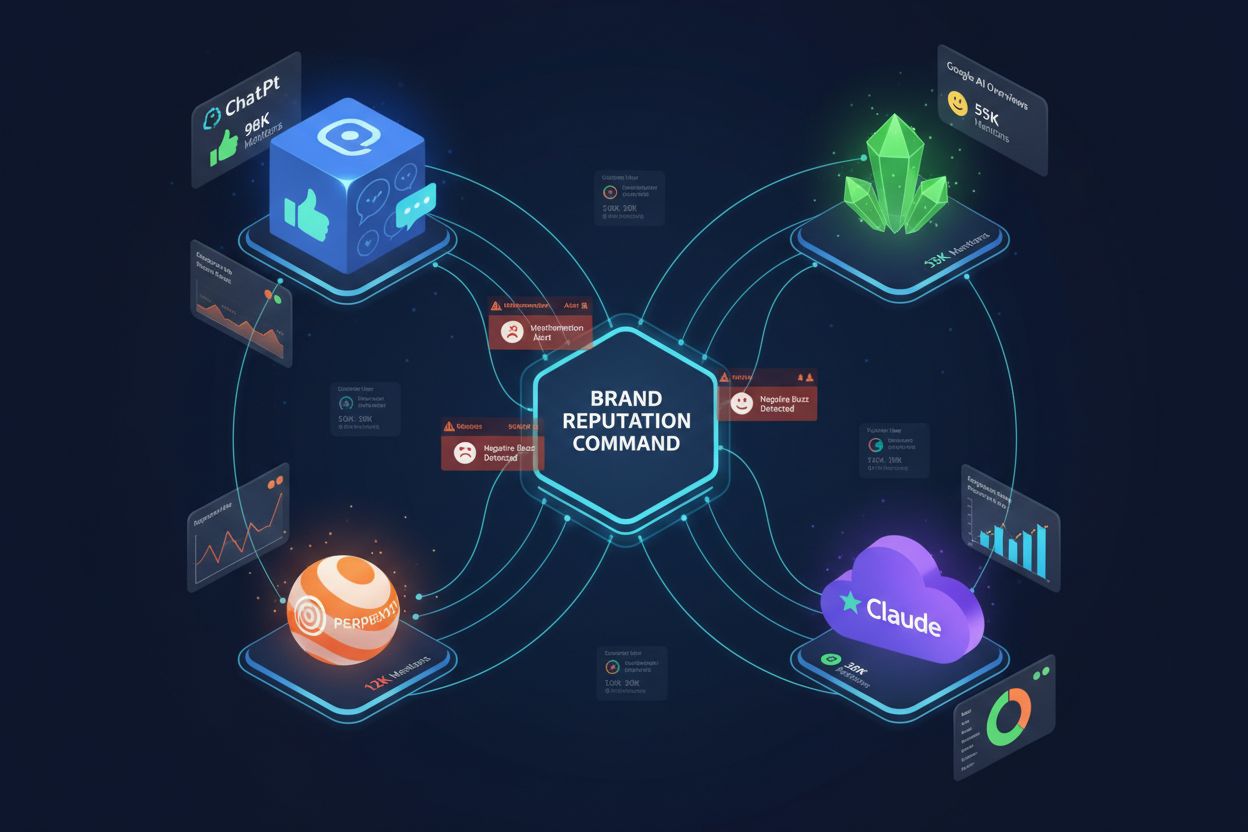
Setting Up AI Mention Alerts: Never Miss a Brand Reference
Learn how to set up AI mention alerts to monitor your brand across ChatGPT, Perplexity, and Google AI Overviews. Protect your reputation and gain competitive in...
8 min read

Discover how influencer mentions impact AI visibility and LLM citations. Learn strategic collaboration techniques to increase brand visibility in AI-generated responses across ChatGPT, Gemini, and Perplexity.
In the age of artificial intelligence, influencer mentions have transcended traditional marketing boundaries to become a critical component of AI visibility and brand authority. Unlike conventional advertising, which relies on paid placements and direct consumer targeting, influencer mentions operate as organic trust signals that AI models actively learn from and incorporate into their training datasets. Research indicates that 26-39% of AI-generated responses include brand mentions, demonstrating the substantial influence that influencer content exerts on AI outputs. When an influencer discusses a brand, product, or service, they’re not just reaching their immediate audience—they’re creating content that becomes part of the vast corpus of information that large language models and AI systems use to understand context, credibility, and relevance. This shift fundamentally changes how brands should approach influencer partnerships, moving from vanity metrics like follower counts to a focus on AI-indexed visibility and the quality of mentions that will resonate within algorithmic systems.
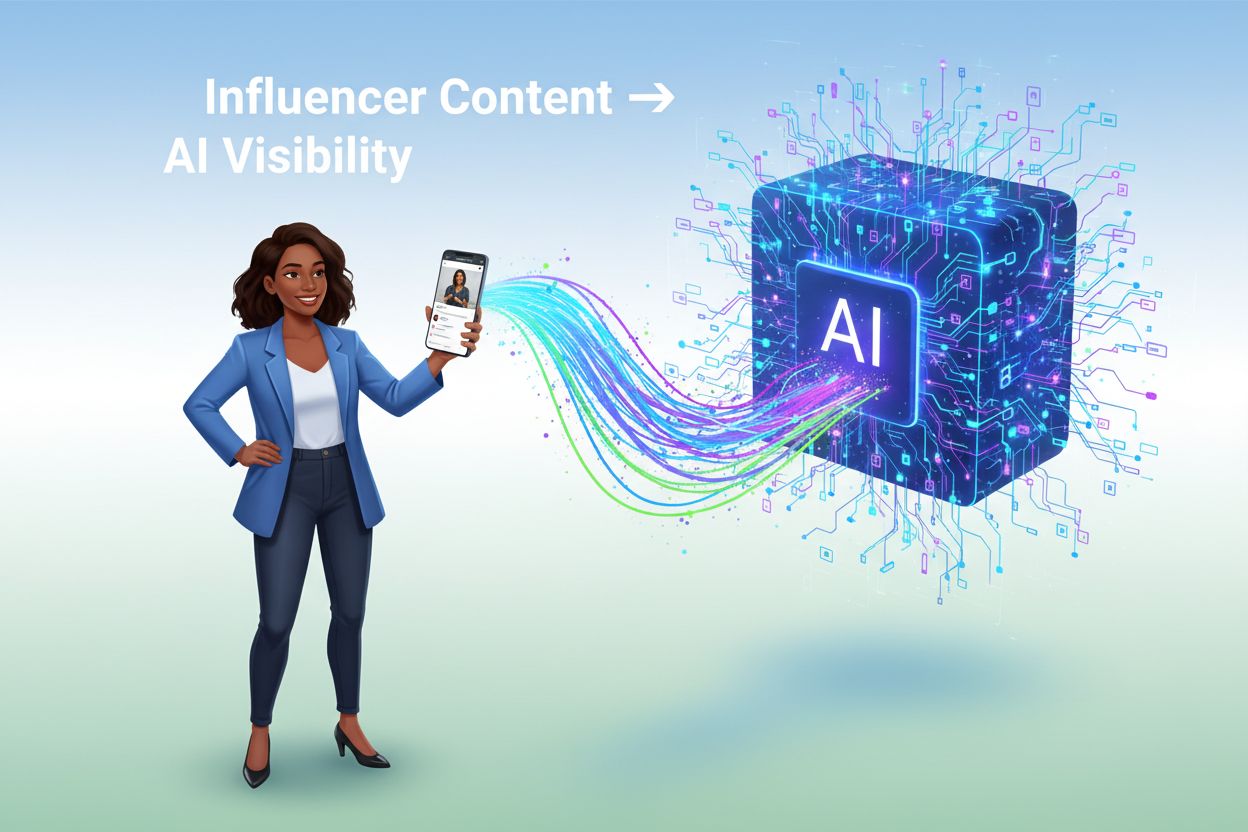
AI systems employ sophisticated decision-making frameworks when determining which influencers and their associated content to reference or amplify in generated responses. The primary factors that influence these decisions include relevance alignment (how closely the influencer’s niche matches the query topic), authority signals (the influencer’s demonstrated expertise and recognition within their field), and trust indicators such as engagement rates, citation frequency, and consistency of messaging over time. AI models analyze the credibility architecture surrounding an influencer—examining factors like how often their content is cited by other authoritative sources, the quality of their audience interactions, and whether their recommendations align with broader expert consensus. This process mirrors traditional SEO principles but operates at a deeper level, as AI systems evaluate not just keywords and backlinks, but the semantic meaning and contextual authority embedded within influencer content. Influencers with strong domain authority, consistent publishing records, and high-quality audience engagement naturally rank higher in AI recommendation systems, making them more likely to be referenced when users ask questions related to their expertise. The distinction from traditional marketing is crucial: while paid ads can be ignored or blocked, AI-referenced influencers become part of the authoritative knowledge base that shapes how AI systems respond to millions of queries.
| Factor | Traditional Influencer Marketing Impact | AI Visibility Impact |
|---|---|---|
| Follower Count | High priority for reach | Low priority; quality over quantity |
| Engagement Rate | Important metric | Critical for authority signals |
| Content Quality | Moderate importance | Extremely high; AI analyzes semantic depth |
| Brand Mentions | Valuable for awareness | Essential for AI training data |
| Authority Signals | Secondary consideration | Primary decision factor |
| Audience Authenticity | Nice to have | Non-negotiable for credibility |
Strategic collaborations between brands and influencers create a multiplier effect that exponentially increases visibility within AI systems, far beyond what either party could achieve independently. When a brand partners with a credible influencer to create authentic content, that collaboration generates multiple touchpoints for AI indexing: the original influencer post, brand website mentions, cross-platform shares, and subsequent citations by other creators and publications. Consider the example of a sustainable fashion brand partnering with an environmental influencer—the resulting content becomes a reference point for AI systems answering questions about eco-friendly fashion, sustainable materials, and ethical manufacturing practices. This collaborative amplification works because AI models recognize the reinforcement pattern: when multiple authoritative sources (the influencer, the brand, third-party validators) converge around the same message, it signals genuine expertise and market relevance. The synergy extends further as influencer-generated content often achieves higher engagement rates, more organic shares, and greater citation potential than traditional brand content alone, creating a virtuous cycle where AI systems increasingly recognize the collaboration as a primary source of information. Brands that understand this dynamic can structure partnerships not just for immediate audience reach, but as long-term AI visibility investments that compound in value as the content ages and accumulates citations.
Selecting the right influencers for AI-focused collaborations requires a fundamental shift from traditional influencer marketing metrics to a more sophisticated evaluation framework. Rather than prioritizing follower counts, brands should assess niche authority, audience quality, content consistency, and the influencer’s existing citation patterns within AI systems. Authentic partnerships thrive when there’s genuine alignment between the influencer’s values and the brand’s mission—AI systems are increasingly sophisticated at detecting inauthentic endorsements, and forced collaborations typically generate lower-quality content that performs poorly in algorithmic rankings. The structure of these collaborations matters significantly; rather than one-off sponsored posts, consider long-term ambassador relationships that allow influencers to develop deeper expertise and create multiple touchpoints of content that AI systems can reference. Avoiding fake followers and engagement manipulation is non-negotiable, as AI systems now incorporate audience quality metrics into their authority calculations, and partnerships with influencers using artificial engagement tactics can actually harm brand credibility.
Key Strategies for Maximizing AI Visibility Through Influencer Partnerships:
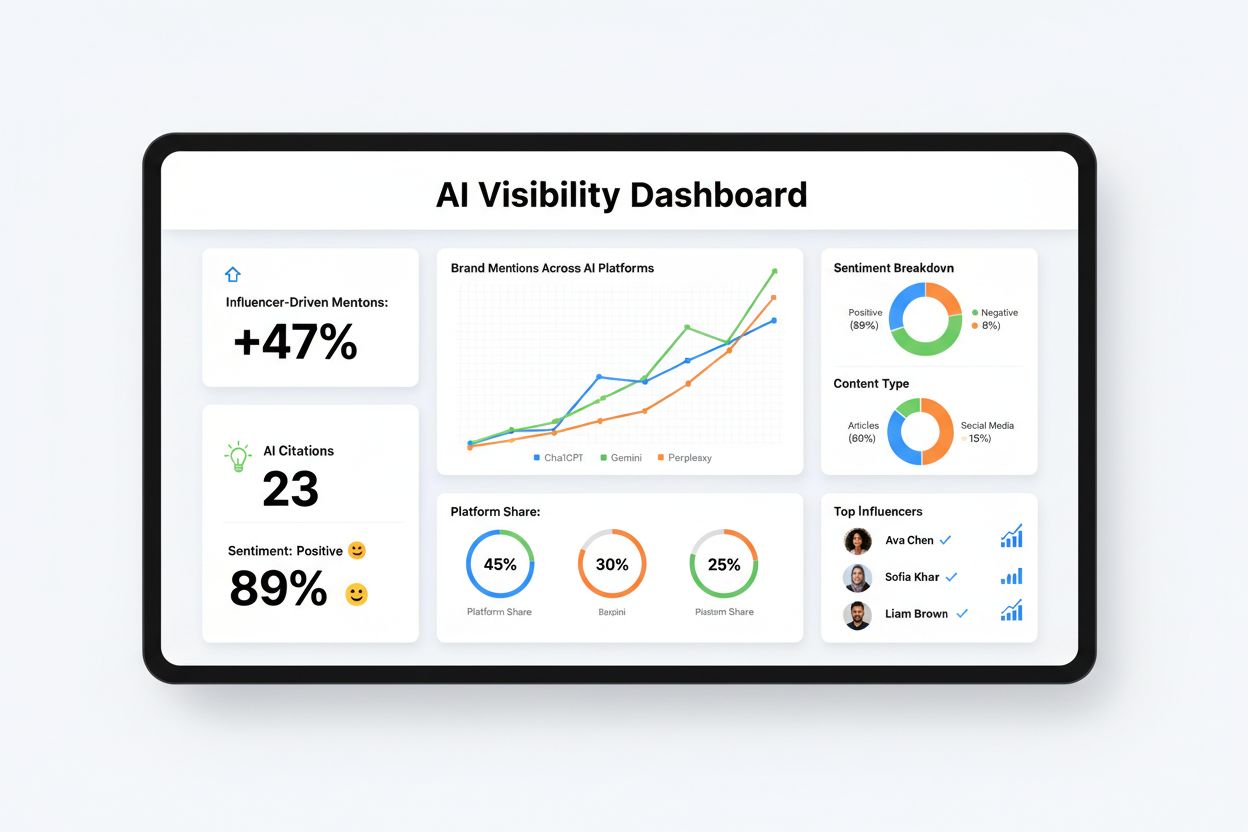
Measuring the true impact of influencer partnerships requires moving beyond traditional marketing metrics to focus on AI-specific indicators that directly correlate with algorithmic visibility and recommendation patterns. The distinction between mentions (simple references to a brand or product) and citations (substantive references that position the brand as an authoritative source) is critical; while 26-39% of AI responses include brand mentions, only a fraction of these represent meaningful citations that drive actual business value. Tools like AmICited.com provide specialized monitoring capabilities that track how influencer-driven content appears in AI-generated responses, offering insights into which collaborations generate the most valuable algorithmic visibility. Key metrics to monitor include citation frequency (how often AI systems reference the influencer or collaboration), citation context (whether mentions appear in authoritative or peripheral positions within responses), semantic relevance (whether citations appear in responses to relevant queries), and citation growth over time (indicating whether the content’s authority is increasing). ROI measurement should connect these AI visibility metrics to business outcomes—tracking whether increased AI citations correlate with improved search visibility, higher website traffic from AI-powered search results, and ultimately, conversion improvements. The most sophisticated brands are developing AI visibility dashboards that integrate AmICited.com data with traditional analytics, creating a comprehensive view of how influencer partnerships translate into algorithmic authority and business results.
The landscape of influencer marketing is undergoing a fundamental transformation as AI systems become the primary discovery mechanism for products, services, and information across digital ecosystems. Emerging trends suggest that human authenticity will become increasingly valuable—as AI-generated content proliferates, audiences and algorithms alike will place higher premiums on genuine human expertise and lived experience that only authentic influencers can provide. The rise of AI-generated influencers presents an interesting paradox; while synthetic creators can be produced at scale, they lack the genuine authority signals and audience trust that drive meaningful AI citations, suggesting that human creators will maintain a competitive advantage in the foreseeable future. Brands that invest now in building authentic influencer partnerships and understanding AI visibility mechanics will establish first-mover advantages in 2025-2026, when AI-driven search and discovery become dominant consumer behaviors. The strategic imperative is clear: influencer marketing is no longer about reaching audiences directly, but about becoming part of the authoritative knowledge base that AI systems consult when answering questions, making influencer selection and partnership strategy a core component of modern brand visibility and competitive positioning.
Influencer mentions serve as organic trust signals that AI models learn from and incorporate into their training datasets. When influencers discuss your brand, they create content that becomes part of the vast corpus of information that large language models use to understand context, credibility, and relevance. This directly impacts how often and in what context your brand appears in AI-generated responses.
Influencer mentions are simple references to your brand by name in AI responses, while AI citations are substantive references that position your brand as an authoritative source with direct attribution or links. Citations are more valuable because they signal expertise and drive higher trust with both users and AI systems, though both contribute to overall AI visibility.
Yes, absolutely. AI systems now incorporate audience quality metrics into their authority calculations. Partnerships with influencers using artificial engagement tactics or fake followers can actually harm your brand credibility in AI systems, making authentic audience engagement a critical factor in influencer selection.
Use specialized AI monitoring tools like AmICited.com to track how influencer-driven content appears in AI-generated responses. Key metrics include citation frequency, citation context, semantic relevance, and citation growth over time. Connect these metrics to business outcomes by tracking whether increased AI citations correlate with improved search visibility and conversions.
AI systems favor educational, research-backed, and original content that demonstrates genuine expertise. Long-form content, thought leadership pieces, case studies, and data-driven insights perform better than promotional content. Content that answers specific questions clearly and provides evidence-backed recommendations is most likely to be referenced by AI systems.
Initial AI mentions can appear within weeks of content publication, but meaningful citation patterns typically develop over 2-3 months as content accumulates engagement and citations. Long-term collaborations show compounding benefits, with AI visibility increasing as the influencer-brand partnership demonstrates consistency and authority over time.
For AI visibility, niche authority matters more than follower count. Micro-influencers with strong domain expertise and engaged audiences often outperform macro-influencers in AI citation patterns. The key is selecting influencers whose expertise genuinely aligns with your brand and who have demonstrated authority within their specific niche.
AmICited monitors how your brand appears across major AI platforms including ChatGPT, Gemini, and Perplexity. It tracks both mentions and citations, analyzes sentiment, identifies which influencer collaborations drive the most valuable AI visibility, and provides actionable insights to optimize your influencer marketing strategy for maximum AI impact.
Track how your influencer collaborations drive mentions and citations across ChatGPT, Gemini, Perplexity, and Google AI Overviews with AmICited's AI monitoring platform.
Learn how to set up AI mention alerts to monitor your brand across ChatGPT, Perplexity, and Google AI Overviews. Protect your reputation and gain competitive in...

Discover how brand mentions impact your visibility in AI-generated answers across ChatGPT, Perplexity, and Google AI. Learn strategies to increase AI visibility...
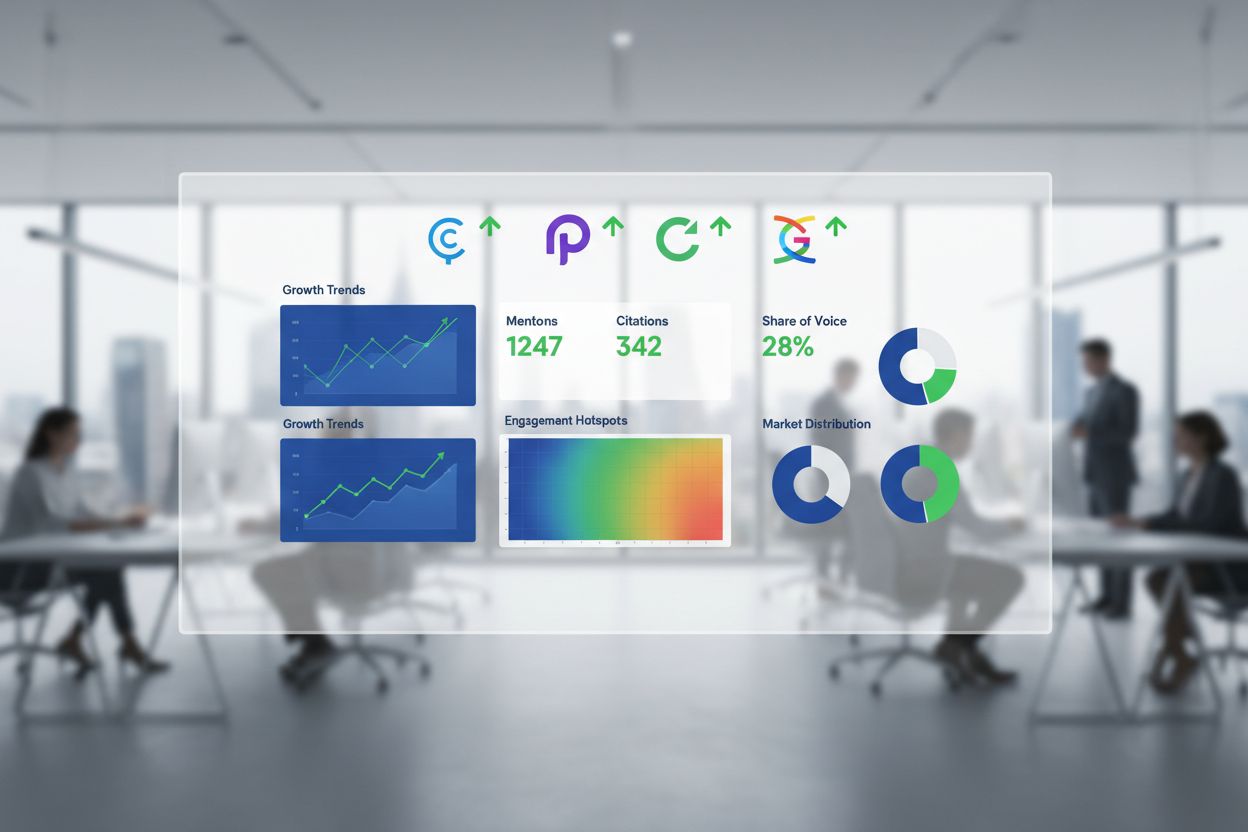
Learn how to build comprehensive AI visibility reports that executives understand. Track brand mentions across ChatGPT, Perplexity, and Google AI Overviews with...