
How to Improve Your Citation Position in AI Answer Engines
Learn proven strategies to improve your brand's citation position in ChatGPT, Perplexity, Gemini, and other AI answer engines. Discover technical, content, and ...
11 min read
Learn how to extract key points and create AI-citable summaries. Discover best practices for content structure, formatting, and optimization to increase AI citations from ChatGPT, Perplexity, and Google AI.
Key points extraction represents the process of identifying and isolating the most valuable, citable information from content in a format that AI models can easily recognize and reference. As artificial intelligence systems increasingly generate answers by synthesizing information from multiple sources, the ability to extract meaningful content has become critical for content creators and publishers. The shift from traditional search engine optimization—where users clicked through to websites—to AI-generated answers means that visibility now depends on whether your content can be parsed, understood, and cited by language models. AI systems like ChatGPT, Claude, and Gemini actively search for content that contains clear, structured, and authoritative information they can confidently attribute to sources. Platforms like AmICited.com have emerged to help creators monitor when and how their content gets cited by AI systems, providing visibility into this new citation landscape.
AI models employ sophisticated evaluation criteria when determining which sources to cite in their responses. Understanding these criteria allows content creators to optimize their material for AI discoverability and citation. The following table outlines the primary factors AI systems consider:
| Factor | Why It Matters | How to Optimize |
|---|---|---|
| Authority | AI models prioritize content from established, credible sources with demonstrated expertise | Build author credentials, cite peer-reviewed research, establish topical authority through consistent publishing |
| Freshness | Recent information signals relevance and accuracy, especially for time-sensitive topics | Update content regularly, include publication and modification dates, reference current data and statistics |
| Structure | Well-organized content with clear hierarchies helps AI models extract information accurately | Use semantic HTML, implement proper heading hierarchy (H1, H2, H3), break content into scannable sections |
| Originality | AI systems favor unique insights and original research over recycled content | Include original data, conduct primary research, provide unique perspectives, avoid generic information |
| Entity Clarity | Clear identification of people, places, concepts, and organizations improves AI understanding | Use consistent naming conventions, implement schema markup, define entities explicitly on first mention |
AI models don’t randomly select sources; they evaluate content against these dimensions to determine citation-worthiness. A piece of content might be well-written but fail to get cited if it lacks clear structure or original insights. Conversely, content that excels across multiple dimensions becomes a natural choice for AI systems seeking authoritative sources to cite.
Extractable content possesses characteristics that allow AI models to quickly identify, understand, and cite specific information without ambiguity. This typically includes clear topic sentences, logical paragraph structure, and information presented in scannable formats like lists or tables. Non-extractable content, by contrast, buries key information within dense paragraphs, uses inconsistent terminology, or presents ideas in narrative form that requires significant interpretation. Common mistakes that reduce extractability include using pronouns without clear antecedents, mixing multiple topics within single paragraphs, and failing to use descriptive headings that signal content topics. Formatting plays a crucial role—content presented as plain text requires AI models to perform additional processing to extract meaning, while the same information presented as a bulleted list or table becomes immediately parseable. For example, a paragraph stating “Our research found that 73% of users prefer mobile interfaces, with younger demographics showing even stronger preferences” is less extractable than a structured format: “Mobile Interface Preference: 73% overall adoption rate; 89% among users under 30; 64% among users over 50.”
Creating content that AI systems can easily extract and cite requires intentional structural choices throughout your writing process. The following practices significantly improve your content’s citation potential:
These practices work together to create content that serves dual purposes: it remains engaging and readable for human audiences while becoming highly extractable for AI systems. The most successful content doesn’t sacrifice readability for AI optimization; instead, it recognizes that clear structure benefits both humans and machines.
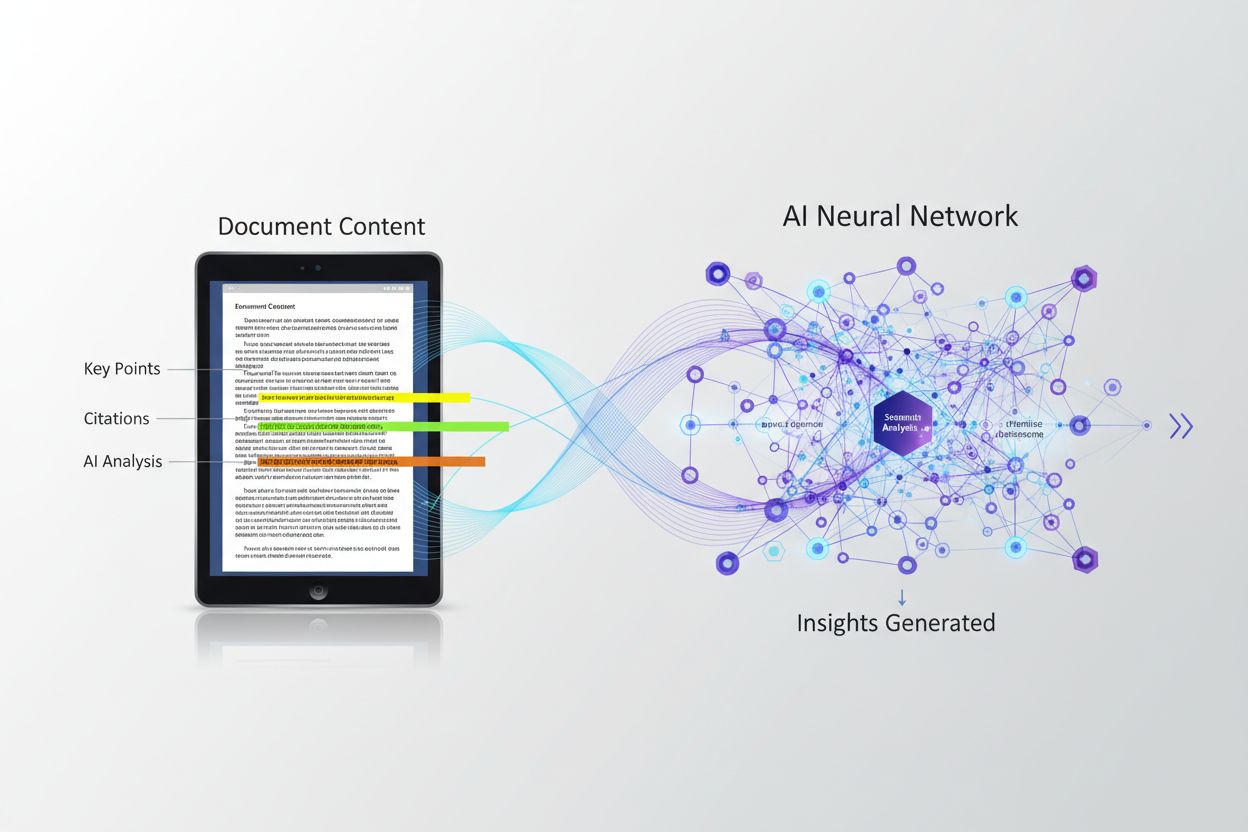
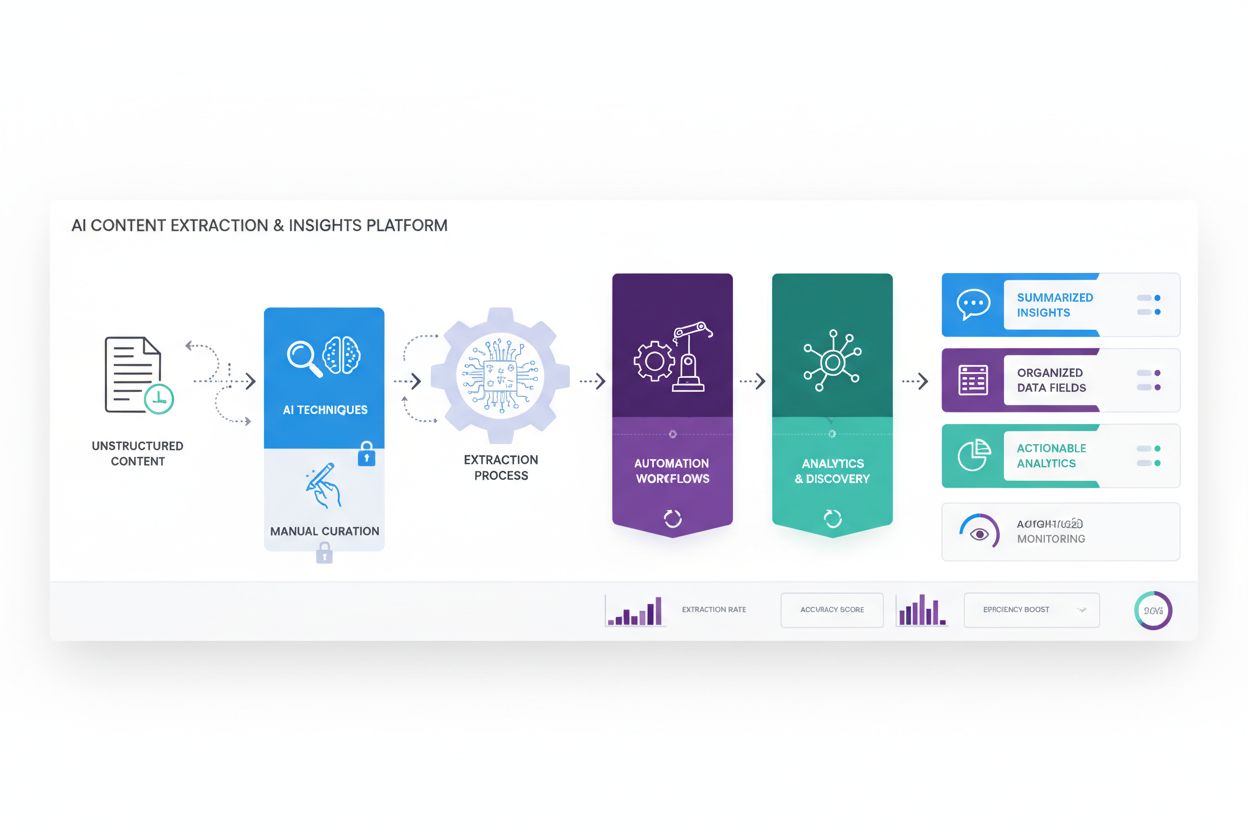
Multiple tools and approaches exist for extracting key points from content, each serving different purposes in your content strategy. Fluig.cc specializes in document summarization and key point extraction, using AI to identify the most important information from longer texts. Scholarcy focuses on academic and research content, automatically generating summaries and extracting key findings from papers. QuillBot offers summarization features alongside paraphrasing capabilities, useful for repurposing existing content into multiple formats. Beyond automated tools, manual extraction techniques remain valuable—reading content with extraction in mind, highlighting key sentences, and reorganizing them into structured formats ensures quality control. These tools integrate into content workflows by enabling creators to generate multiple summary versions for different platforms: a full article for your website, a condensed summary for social media, and structured key points for AI citation. AmICited.com complements these extraction tools by monitoring how your extracted content actually performs in AI citations, providing feedback on which key points resonate with language models. This feedback loop allows you to refine your extraction strategy based on real citation data rather than assumptions.
Summaries designed for AI citation differ from traditional executive summaries or abstracts in several important ways. The most citable summaries present information in declarative statements rather than narrative form, making claims explicit and verifiable. Length optimization matters significantly—summaries between 150-300 words tend to get cited more frequently than either very brief summaries or lengthy ones, as they provide sufficient detail for AI systems to confidently cite without requiring excessive space in responses. Maintaining consistent tone and voice throughout your summary signals reliability to AI systems; inconsistent voice can trigger uncertainty algorithms that reduce citation likelihood. Citation-friendly formatting includes numbered lists, clear topic sentences, and explicit source attribution within the summary itself. Testing your summaries with AI models before publication provides valuable feedback—prompt ChatGPT or Claude with questions related to your summary’s topic and observe whether the AI cites your content and how it extracts information. This testing reveals whether your summary structure actually facilitates the extraction process or whether adjustments could improve citation potential.
Monitoring AI citations requires different tools and approaches than traditional web analytics, since citations occur within AI systems rather than on websites. AmICited.com provides direct monitoring of when your content gets cited by major AI models, offering visibility into citation frequency, context, and which specific content pieces generate the most citations. Atomic AGI offers complementary tracking capabilities, helping creators understand citation patterns across different AI systems and use cases. Key metrics to watch include citation frequency (how often your content appears in AI responses), citation context (what questions trigger citations of your content), and citation consistency (whether the same content pieces get cited repeatedly or whether citations are distributed across your work). Iterating based on citation data means analyzing which content structures, topics, and formats generate the most citations, then applying those insights to future content creation. Long-term strategy involves building a content portfolio that consistently attracts AI citations across multiple topics, establishing your domain as a trusted source that language models naturally reference. This requires patience and systematic tracking—citation patterns emerge over weeks and months, not days, so sustained monitoring provides the data needed for meaningful optimization.
Even well-intentioned content creators often make mistakes that significantly reduce their citation potential with AI systems. Over-optimization and keyword stuffing signal low quality to AI models; content that prioritizes keyword density over natural language and genuine information value gets deprioritized in citation decisions. Poor formatting and structure forces AI systems to work harder to extract information, increasing the likelihood they’ll choose better-structured alternatives instead. Inconsistent entity naming—referring to the same person, product, or concept by different names throughout content—creates confusion in AI parsing and reduces extraction accuracy. Lack of original data makes your content less valuable than sources offering unique research, statistics, or insights; AI systems prefer citing sources that provide information unavailable elsewhere. Missing schema markup means AI systems must infer your content’s structure and purpose rather than having it explicitly defined, reducing extraction efficiency. Generic or recycled content that repeats information widely available elsewhere offers little value to AI systems seeking authoritative, unique sources. These mistakes often compound—content that’s poorly structured, inconsistently named, and lacking original insights becomes nearly invisible to AI citation systems regardless of its quality for human readers.
The landscape of AI citations continues evolving as language models become more sophisticated and citation practices become standardized. Evolution of AI citation preferences suggests that future models will increasingly favor content with explicit structured data, making schema markup and semantic HTML more critical than ever. Emerging best practices include dynamic content that updates in real-time, interactive elements that provide multiple perspectives on topics, and content specifically designed for multimodal AI systems that process text, images, and data simultaneously. The importance of staying ahead of these changes means monitoring AI developments and adjusting content strategies proactively rather than reactively. Tools like AmICited.com will become increasingly essential as creators need reliable data on how their content performs in AI citation systems, providing the feedback necessary to optimize for emerging preferences. The creators and organizations that establish themselves as trusted, citable sources now will maintain that advantage as AI systems become more prevalent in how people access information. Begin monitoring your AI citations today, analyze which content structures and topics generate citations, and systematically refine your approach based on real data from the AI systems that matter most to your audience.
Key points extraction is the process of identifying and isolating the most valuable, citable information from content in a format that AI models can easily recognize and reference. As AI systems increasingly generate answers by synthesizing information from multiple sources, the ability to extract meaningful content has become critical for visibility in AI-generated responses.
AI models evaluate content based on several factors: authority and credibility, freshness and relevance, clear structure and formatting, originality and unique insights, and entity clarity. Content that excels across these dimensions becomes a natural choice for AI systems seeking authoritative sources to cite in their responses.
Extractable content has clear topic sentences, logical paragraph structure, and information presented in scannable formats like lists or tables. Non-extractable content buries key information in dense paragraphs, uses inconsistent terminology, or presents ideas in narrative form requiring significant interpretation by AI systems.
Start with direct answers in your first 2 sentences, use H2/H3 headings as questions, keep paragraphs under 120 words, implement FAQ and HowTo schema markup, use consistent entity naming, add visual elements like tables and lists, and include original data and expert quotes throughout your content.
Popular tools include Fluig.cc for document summarization, Scholarcy for academic content, QuillBot for paraphrasing and summarization, and SummarizeBot for handling multiple documents. AmICited.com complements these tools by monitoring how your extracted content performs in actual AI citations.
Use AmICited.com to monitor when your content gets cited by major AI models, track citation frequency and context, and analyze which specific content pieces generate the most citations. Tools like Atomic AGI offer complementary tracking capabilities across different AI systems.
Key points extraction and traditional SEO are complementary strategies. Content optimized for AI citation—with clear structure, original insights, and proper schema markup—also tends to perform well in traditional search results, creating a synergistic effect that improves overall visibility.
Update your key points and summaries whenever your source content changes significantly or when new data becomes available. For evergreen content, quarterly reviews ensure your summaries remain current and accurate, which helps maintain consistent AI citations over time.
Track how AI platforms like ChatGPT, Perplexity, and Google AI Overviews reference your brand. Get insights into your AI visibility and optimize your content strategy.
Learn proven strategies to improve your brand's citation position in ChatGPT, Perplexity, Gemini, and other AI answer engines. Discover technical, content, and ...
Learn how to use statistics and data-backed insights to improve your brand's visibility in AI search engines like ChatGPT, Perplexity, and Google Gemini. Discov...
Learn how bullet points impact AI citations and content discovery. Discover best practices for formatting content to improve AI recognition and citation accurac...