
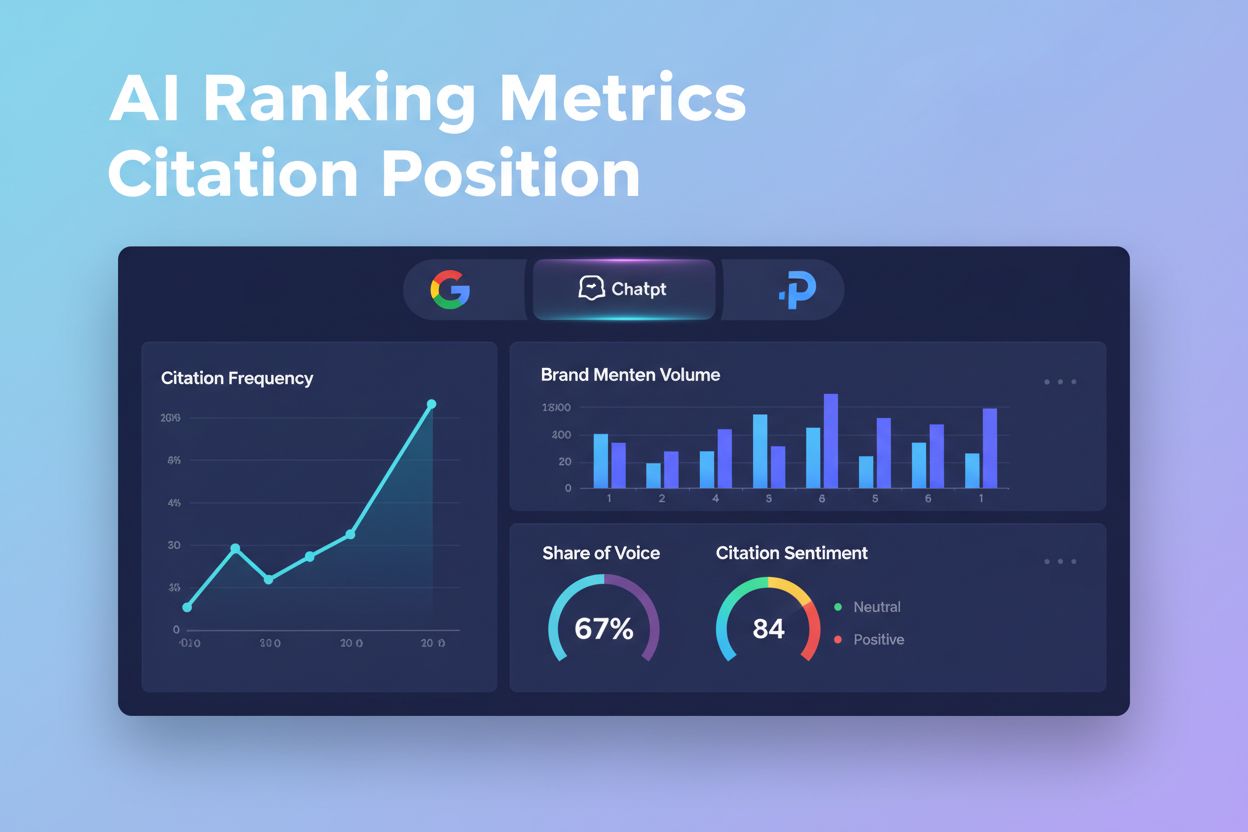
Position vs Citation: New Ranking Metrics for AI-Powered Search
Learn how AI search engines rank content differently than Google. Discover citation position, brand mentions, and new metrics that matter for AI visibility in 2...
9 min read
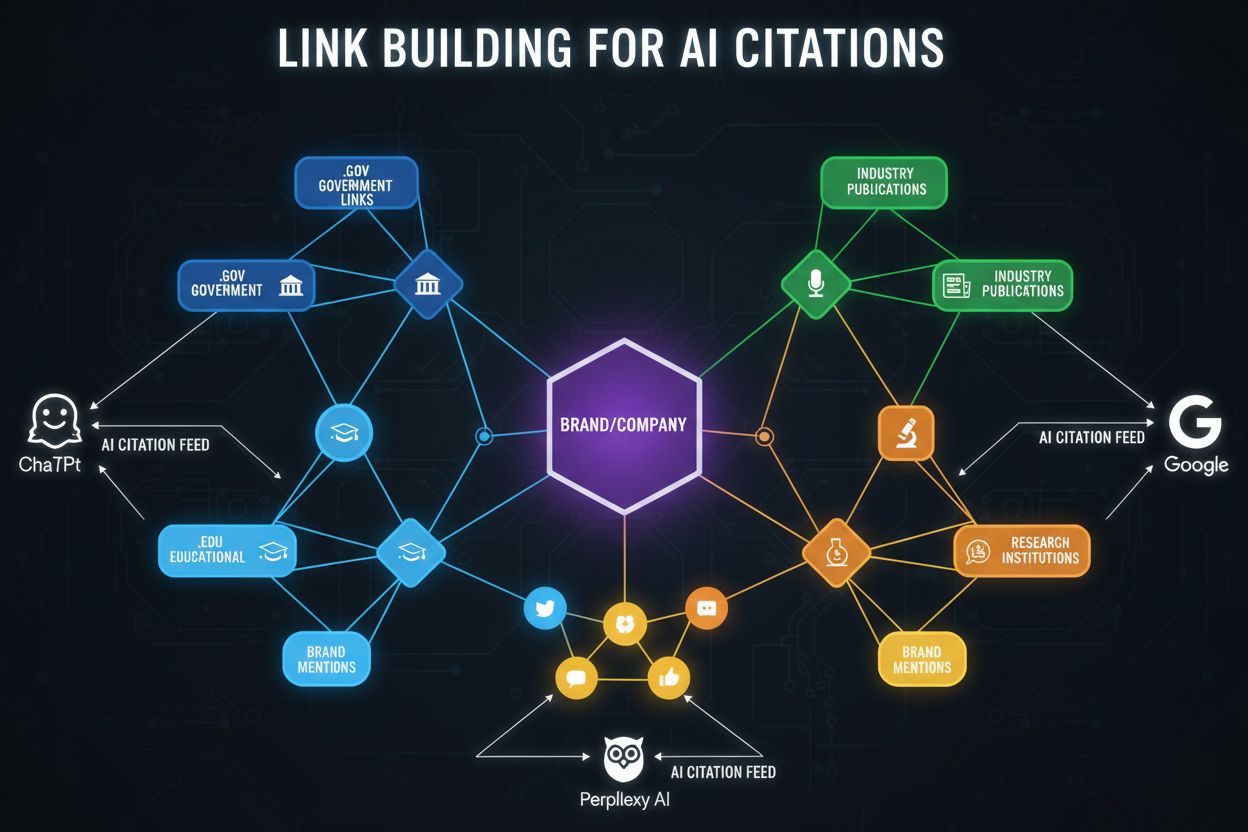
Learn how link building has evolved for AI search. Discover strategies to earn AI citations across ChatGPT, Perplexity, and Google AI Overviews. Master the new rules of AI visibility.
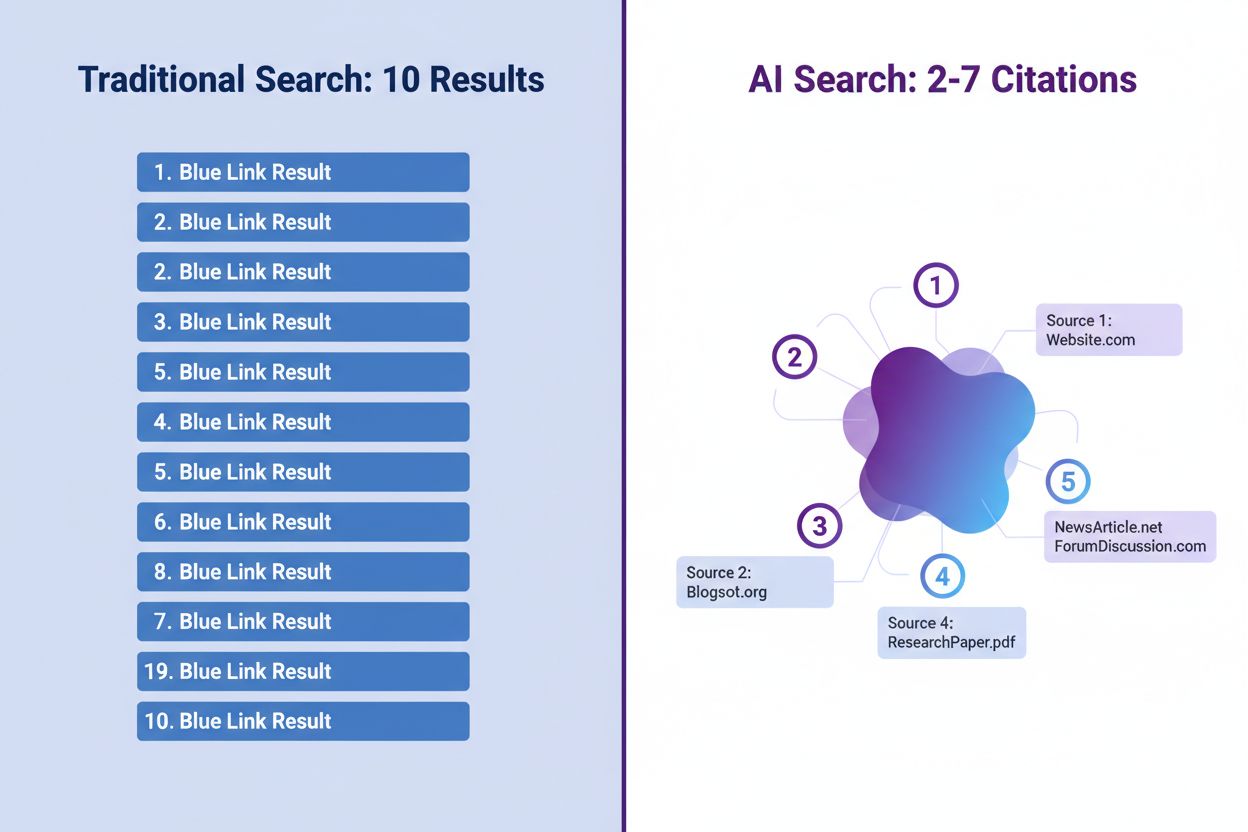
For years, link building meant one thing: accumulate backlinks from high-authority domains, and your rankings would improve. Google’s algorithm rewarded quantity and domain authority metrics. But AI-powered search engines like ChatGPT, Perplexity, and Google AI Overviews operate on fundamentally different principles. These systems don’t rank pages—they synthesize answers from a carefully curated set of trusted sources. When a user asks an AI system a question, it doesn’t return 10 blue links. Instead, it generates a direct answer and cites only 2-7 sources that informed that response.
This shift changes everything about how visibility works. Research shows that 62% of first-page Google results appear in ChatGPT answers, suggesting some overlap with traditional rankings. But here’s the critical insight: 50% of AI citations come from sources that don’t even rank on Google’s first page. This means your traditional SEO success doesn’t guarantee AI visibility. You need a different strategy.
In AI search, links still matter—but they serve a different purpose. They’re no longer primarily ranking signals. Instead, they’re authority signals that help AI systems determine which sources are credible enough to cite. A link from a .edu domain or government website tells AI that your content has been vetted by an authoritative institution. A link from a relevant industry publication signals topical expertise. The goal isn’t to accumulate links; it’s to build the kind of authority that AI systems recognize and trust.
The brands winning in AI search understand this distinction. They’re not chasing link quantity. They’re strategically building authority in the places where AI systems already look for information. They’re earning mentions in authoritative publications, creating original research that others reference, and positioning themselves as credible sources within their topic clusters. This is link building evolved for the AI era.
Large language models (LLMs) don’t process links the way traditional search engines do. Google’s PageRank algorithm treated links as votes—more votes meant higher authority. But AI systems evaluate links through a semantic lens, considering context, relevance, and the quality of the surrounding content.
When an AI system encounters a link, it asks several questions: Is this link surrounded by relevant content? Does the linking domain operate within the same topic cluster? Is the link placed naturally within a meaningful explanation, or does it feel forced? Does the source have a history of providing accurate information? These contextual factors matter far more than the link’s domain authority score.
Here’s how the evaluation differs:
| Factor | Traditional SEO | AI Systems |
|---|---|---|
| Link Quantity | High importance—more links = higher authority | Low importance—quality and context matter more |
| Domain Authority | Primary ranking signal | Supporting signal, not primary driver |
| Topical Relevance | Keyword-based matching | Semantic and conceptual alignment |
| Link Context | Minimal consideration | Critical—content surrounding the link matters greatly |
| Freshness | Moderate importance | High importance—recent links signal current relevance |
| Source Type | All links weighted similarly | Hierarchical trust (government > education > industry > general) |
This table reveals a fundamental shift. AI systems care less about who links to you and more about why they link to you and what context surrounds that link. A single link from a government health agency within a detailed, well-researched article carries more weight than 50 links from low-quality directories. Topical authority clusters matter more than domain authority scores. Semantic relevance trumps keyword matching.
This is why traditional link-building tactics—mass directory submissions, reciprocal linking schemes, and low-quality guest posts—actively harm your AI visibility. AI systems are trained to detect and devalue manipulative link patterns. They’re designed to reward natural, contextual links that emerge from genuine editorial decisions.
Not all links contribute equally to AI visibility. AI systems maintain clear hierarchies of source trust, with certain link types delivering disproportionate impact on whether your content gets cited in AI-generated answers.
Understanding this hierarchy is crucial because it reveals why many brands struggle with AI visibility despite strong traditional SEO. Brand websites themselves represent only about 10% of all AI citations. Why? Because AI systems prefer third-party validation. When an independent publication mentions your brand, it carries more weight than your own website claiming authority. This doesn’t mean your website doesn’t matter—it’s your foundation. But your visibility in AI answers depends heavily on what others say about you in authoritative contexts.
Earning links that AI systems recognize requires a fundamental shift in strategy. You’re no longer chasing link quantity or domain authority metrics. You’re strategically building authority in places where AI systems already look for information.
Digital PR and media outreach represents the most effective modern link-building strategy. Rather than cold-pitching for links, you develop newsworthy stories, announcements, and data that journalists and publishers want to cover. When a major publication features your brand or research, it creates multiple benefits: a high-quality backlink, third-party validation, and often, repeated mentions across the web that AI systems recognize as authority signals.
Original research and data creation gives others a reason to reference your brand naturally. Surveys, benchmarks, studies, and proprietary insights that don’t exist elsewhere become citation magnets. When you publish original data, industry publications cite it, competitors reference it, and AI systems recognize it as a primary source worth mentioning.
Expert commentary and thought leadership positions your team as trusted voices in your industry. Contributing insights to roundups, being quoted in articles, and participating in industry discussions creates repeated expert attributions across authoritative sites. AI systems notice when a brand’s executives consistently appear as go-to sources for expert opinions.
Niche edits in authoritative content involve identifying existing articles on high-authority sites that could naturally mention your brand or link to your content. Rather than creating new content, you’re improving existing content by adding relevant context that includes your brand. This approach works because the content already ranks well and attracts AI attention.
Converting unlinked mentions into links represents low-hanging fruit. When sites mention your brand without linking, you have an opportunity. Personalized outreach explaining how a link would benefit their readers often results in quick wins. These conversions are particularly valuable because the site has already demonstrated interest in your brand.
A critical distinction is emerging in AI search: brand mentions (whether linked or unlinked) now correlate more strongly with AI visibility than backlinks alone. This represents a fundamental shift in how visibility is built.
Research reveals striking correlation differences: brand mentions show a 0.664 correlation with AI visibility, while backlinks show only 0.218 correlation. This data suggests that being talked about matters more than being linked to. Why? Because AI systems recognize brands as entities, not just websites. They understand your brand through language, context, and repeated mentions across the web.
An unlinked mention of your brand in a trusted publication still signals authority to AI systems. When a journalist writes about your company without including a hyperlink, AI still registers that mention as validation. The link itself is less important than the fact that an authoritative source found your brand worth discussing.
Key Insight: Citation overlap between AI platforms is only 11%. This means 89% of AI citations come from completely different sources depending on which platform users query. You could be visible in ChatGPT but invisible in Perplexity, and vice versa.
This fragmentation creates both challenges and opportunities. It means you can’t rely on a single link-building strategy to achieve visibility across all AI platforms. You need presence across multiple types of sources—some that ChatGPT trusts, some that Perplexity prioritizes, and some that Google AI Overviews favor. The brands that win are those with diverse, multi-platform presence combined with consistent brand mentions across relevant conversations.
You can’t improve what you can’t measure. Yet most brands have no visibility into how AI systems reference their brands. This is where specialized monitoring becomes essential.
Tools like Profound provide detailed tracking of how your brand appears across different AI platforms. You can see which queries generate citations, which platforms mention you most frequently, and where competitors appear instead. This data reveals gaps—topics where competitors are cited but you’re not, indicating content opportunities.
Semrush’s AI SEO Toolkit offers broader visibility tracking across multiple AI platforms simultaneously. It shows your brand’s performance in AI-generated answers, identifies which topics drive citations, and highlights strategic opportunities for improvement. The competitive research features reveal exactly where you’re losing visibility to competitors.
Wellows specializes in tracking both explicit mentions (linked) and implicit mentions (unlinked) separately. This distinction is crucial because it shows your true AI visibility—not just your backlink profile. You can see which sources should be crediting you but aren’t, creating targeted outreach opportunities.
Effective monitoring reveals patterns: Which content types generate the most citations? Which topics does AI associate with your brand? Which platforms cite you most frequently? Which competitors consistently appear where you don’t? These insights guide your strategy, helping you double down on what works and address gaps where you’re losing visibility.
While building links and earning mentions, you need real-time visibility into how AI systems actually reference your brand. This is where AmICited.com becomes an essential tool in your AI citation strategy.
AmICited specializes in monitoring how AI systems cite your brand across GPTs, Perplexity, Google AI Overviews, and other AI platforms. Unlike traditional SEO tools that track rankings, AmICited tracks citations—showing you exactly when and how AI systems mention your brand in generated answers. This real-time monitoring reveals your actual AI visibility, not estimated metrics.
The platform’s cross-platform tracking shows which AI systems cite you most frequently and where you have visibility gaps. If you’re cited in ChatGPT but invisible in Perplexity, AmICited reveals this immediately. This insight guides your strategy—you might need different content or link-building approaches for different platforms.
AmICited’s competitive analysis features show where competitors are cited instead of you. These gaps represent your biggest opportunities. If a competitor appears in AI answers for “industry trends” but you don’t, that’s a clear signal to create or optimize content targeting that query. The platform helps you identify these opportunities systematically rather than guessing.
By integrating AmICited into your monitoring workflow, you transform AI citation building from a guessing game into a data-driven strategy. You see what’s working, identify gaps quickly, and measure the impact of your link-building and content efforts on actual AI visibility.
As AI search continues to evolve, your link-building strategy must evolve with it. The brands that maintain long-term AI visibility are those that adapt proactively rather than reactively.
Shift from volume to quality and relevance. Stop counting links and start evaluating context. One link from a government agency within a detailed, relevant article beats 100 links from low-quality directories. Your goal is building authority in the right places, not accumulating link quantity.
Build topical authority clusters. Rather than scattered content across unrelated topics, develop deep expertise in specific areas. Create comprehensive pillar content that links to supporting articles, all within a coherent topic cluster. This structure signals to AI systems that you have genuine expertise, not just surface-level coverage.
Maintain consistent brand entity signals. Ensure your brand is described consistently across the web. Your company name, product names, and core topics should appear consistently in the same contexts. This consistency helps AI systems recognize and trust your brand as a distinct entity.
Adapt to AI platform changes. AI systems evolve constantly. New models emerge, training data updates, and citation patterns shift. Stay informed about how different AI platforms work and adjust your strategy accordingly. What works for ChatGPT might not work for Perplexity. Diversify your approach.
Combine traditional SEO with AI optimization. Don’t abandon traditional link building. Instead, integrate it with AI-focused strategies. A link that helps you rank in Google also signals authority to AI systems. The best approach leverages both—building links that serve traditional SEO while also strengthening your AI visibility.
The future of search visibility belongs to brands that understand both traditional and AI-driven approaches. Link building hasn’t disappeared; it’s evolved. The brands that master this evolution will maintain visibility as search continues to transform.
Traditional link building focuses on accumulating backlinks to improve search rankings. AI citation building focuses on earning mentions and links in authoritative sources that AI systems trust. AI systems evaluate links based on context, topical relevance, and source credibility rather than domain authority metrics. The goal shifts from ranking pages to being cited in AI-generated answers.
Yes, backlinks still matter, but they serve a different purpose. In AI search, backlinks are authority signals that help AI systems determine source credibility. However, brand mentions (linked or unlinked) now correlate more strongly with AI visibility than backlinks alone. The focus should be on quality, contextual links from authoritative sources rather than link quantity.
Links from government (.gov) and educational (.edu) institutions have the highest impact, followed by primary research institutions, industry publications, and established expert platforms. AI systems maintain a clear hierarchy of source trust. Links from these authoritative sources signal credibility far more effectively than links from low-quality directories or general websites.
Use specialized monitoring tools like AmICited, Profound, Semrush's AI SEO Toolkit, or Wellows to track how AI systems cite your brand across different platforms. These tools show which queries generate citations, which platforms mention you, and where competitors appear instead. Real-time monitoring helps you identify gaps and measure the impact of your link-building efforts.
Brand mentions are any reference to your brand, whether linked or unlinked. Citations are specific references with source attribution. Research shows brand mentions have a 0.664 correlation with AI visibility, while backlinks have only 0.218 correlation. This means being talked about matters more than being linked to in AI search.
Results vary depending on your starting point and strategy. Earning mentions in major publications can generate immediate AI visibility. Building topical authority through consistent content and links typically takes 3-6 months to show measurable results. The key is consistency—brands that maintain ongoing link-building and content efforts see compounding visibility gains over time.
Start with brand mentions. Create content worth talking about, earn coverage in authoritative publications, and build presence in relevant communities. These mentions naturally attract links. Then reinforce with strategic link-building to strengthen authority signals. The most effective approach combines both—mentions create visibility, links reinforce credibility.
AmICited provides real-time monitoring of how AI systems cite your brand across ChatGPT, Perplexity, Google AI Overviews, and other platforms. It shows which queries generate citations, identifies competitive gaps, and tracks citation trends over time. This data guides your link-building and content strategy, helping you focus efforts on opportunities that actually improve AI visibility.
Track how AI systems reference your brand across ChatGPT, Perplexity, Google AI Overviews, and other AI platforms. Get actionable insights to improve your AI visibility and outrank competitors.
Learn how AI search engines rank content differently than Google. Discover citation position, brand mentions, and new metrics that matter for AI visibility in 2...

Learn how to position yourself as an AI-citable expert. Discover the authority signals AI systems recognize and strategies to build sustainable thought leadersh...
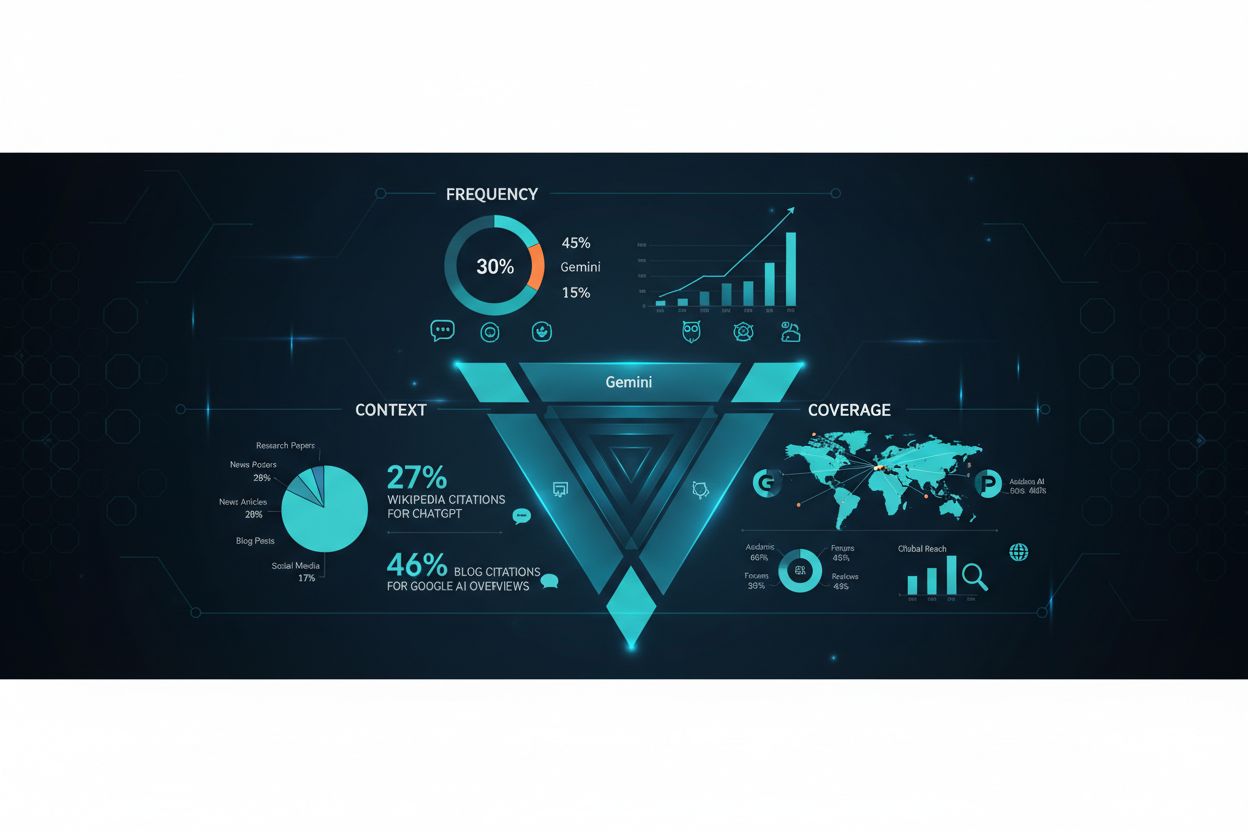
Discover how AI engines cite ultimate guides and long-form content. Learn citation patterns across ChatGPT, Gemini, Perplexity, and Google AI Overviews to boost...