

B2B AI Visibility: Enterprise Sales Through AI Discovery
Learn how B2B enterprises leverage AI visibility and GEO strategy to capture high-intent buyers. Discover the Authority Orchestration Framework and achieve 30-5...
9 min read

Learn how to optimize LinkedIn content for AI citations. Discover strategies for B2B visibility in ChatGPT, Gemini, and Perplexity using professional credibility signals.
The way B2B professionals discover solutions has fundamentally transformed in the past 18 months. Traditional discovery signals—organic search rankings, paid advertising, and industry directories—no longer dominate the buyer’s journey. Instead, 94% of B2B buyers now use large language models to research vendors, compare solutions, and validate purchasing decisions. This shift has created a new discovery paradigm where AI systems act as intermediaries between buyers and content, filtering information through their training data and retrieval mechanisms. The old playbook of optimizing for Google’s 10 blue links has become insufficient; companies must now optimize for AI systems that operate on entirely different ranking principles. Curated lists, verified credentials, and domain authority matter far more than keyword density or backlink profiles. In this new landscape, fewer signals carry more weight—credibility-driven discovery has replaced volume-driven visibility, fundamentally changing how B2B content strategy must evolve.

LinkedIn has emerged as the second most-cited domain in AI search results, a position that reflects both its content quality and its unique position in the B2B ecosystem. With over 100 million verified members, LinkedIn provides AI systems with a built-in trust signal that most other platforms cannot match. When ChatGPT, Gemini, or Perplexity cite a LinkedIn article or profile, they’re drawing from a platform where identity verification is standard, professional credentials are validated, and content is authored by real people with verifiable expertise. High-trust platforms consistently outperform generic content repositories in AI citations because LLMs are trained to prioritize sources that reduce hallucination risk and provide authoritative information. The platform’s emphasis on professional identity creates a natural filtering mechanism that AI systems recognize and reward. LinkedIn’s dominance in B2B citations isn’t accidental—it’s the result of structural advantages that align perfectly with how modern AI systems evaluate source credibility.
| Platform | Verification Level | B2B Trust Score | AI Citation Frequency | Audience Relevance |
|---|---|---|---|---|
| High (100M+ verified) | 9.2/10 | 2nd most-cited | Enterprise decision-makers | |
| Company Websites | Medium | 7.8/10 | Moderate | Self-selected visitors |
| Industry Publications | High | 8.5/10 | Frequent | Professional readers |
| Social Media (General) | Low | 4.2/10 | Rare | Broad audience |
| GitHub/Dev Platforms | High (technical) | 8.1/10 | Frequent (technical) | Developer audience |
B2B purchasing decisions are rarely made by individuals acting alone; they’re made by committees, buying groups, and consensus-driven teams. This reality fundamentally changes how AI recommendations influence outcomes. When an LLM cites a LinkedIn article from a recognized industry expert, it carries weight that a generic blog post cannot match because the recommendation comes with built-in social proof. Reputation is 3x more influential than features or price in B2B decision-making, and AI systems have learned to recognize and amplify this dynamic. A well-crafted LinkedIn article that demonstrates deep expertise, original thinking, and peer validation becomes a powerful tool for influencing the entire buying group. The credibility signals embedded in LinkedIn—verified identity, professional network, endorsements, and engagement metrics—create trust-building cues that AI systems recognize and reward. When your content appears in an AI recommendation alongside your professional credentials, it transforms a simple citation into a credibility multiplier that accelerates the entire sales cycle.
Not all content is created equal in the eyes of AI systems. Certain formats and structures are far more likely to be cited in LLM responses, and understanding these patterns is critical for B2B visibility. The content types that consistently appear in ChatGPT, Gemini, and Perplexity citations include:
These formats work because they provide AI systems with clear, structured information that can be confidently cited without risk of hallucination. Comparison pages work because they present multiple options objectively. Use case hubs work because they provide concrete examples. Thought leadership works because it offers original insights that add value beyond what the AI model already knows. The common thread is clarity, structure, and verifiability—content that AI systems can confidently extract, cite, and present to users without qualification or uncertainty.
Before your content can be cited by AI systems, it must first be discoverable and readable by the crawlers and indexing systems that feed LLM training data and retrieval mechanisms. Technical SEO remains foundational, but with different priorities than traditional search optimization. Your content must be crawlable by modern AI indexers, which means clean HTML structure, fast page load speeds, and mobile responsiveness are non-negotiable. Structured data markup—schema.org vocabulary for articles, organizations, and products—helps AI systems understand context and relationships within your content. Internal linking architecture matters because it helps AI systems understand how concepts relate to each other and which pages represent your deepest expertise. Site speed and mobile optimization affect not just user experience but also how thoroughly AI crawlers can index your content. The technical foundation you build determines whether your best content is even discoverable by the systems that will cite it, making this the prerequisite for all other optimization efforts.
AI systems don’t read content the way humans do; they parse it into chunks, extract key information, and reconstruct meaning from structured patterns. This reality demands a fundamentally different approach to content formatting and organization. Your content should be organized into independent, self-contained sections that can be extracted and cited without requiring readers to understand the entire article. Direct answers should appear early—within the first paragraph or section—rather than buried in conclusions. Clear heading hierarchies (H1, H2, H3) help AI systems understand information hierarchy and extract relevant sections. Short paragraphs, numbered lists, and bullet points are far more extractable than dense prose. Metadata—article summaries, key takeaways, and structured abstracts—helps AI systems quickly understand what your content covers and whether it’s relevant to a user’s query. When you format content for AI extraction, you’re not dumbing it down; you’re making it more useful for both human readers and machine systems that will cite it.
In a world where AI systems are trained on billions of pages of existing content, original insights have become the scarcest and most valuable commodity. Content that simply repackages existing knowledge will rarely be cited because AI systems already have access to that information in their training data. First-party data, original research, and unique perspectives are what make content worth citing. Surveys of your customer base, analysis of proprietary data, trend analysis based on your unique vantage point, and detailed case studies with real results create content that AI systems cannot find elsewhere. When you cite original research in your articles—“our analysis of 500 enterprise implementations found that…"—you’re creating information that has scarcity value. Real examples from your own experience, specific metrics from your customers, and insights that only you can provide become the foundation for AI citations. The companies that will dominate B2B AI visibility are those that invest in original research and insights rather than content that summarizes what others have already said.
AI systems evaluate authority differently than traditional search engines, but the principle of demonstrating deep expertise remains central. Rather than optimizing individual pages, successful B2B content strategies now focus on building content clusters around core topics where you want to establish authority. A content cluster consists of a pillar page that covers a topic comprehensively, supported by multiple detailed articles that explore specific angles, use cases, and applications. This structure signals to AI systems that you have depth of knowledge across a topic, not just surface-level familiarity. When you create content clusters around your core competencies, you’re building niche leadership that AI systems recognize and reward. The same cluster that improves your SEO visibility also makes you more likely to be cited in AI responses because you’ve demonstrated comprehensive expertise. Examples might include a pillar page on “enterprise data integration” supported by articles on specific integration patterns, industry use cases, and technical implementation guides. Topic authority is built through breadth and depth, and AI systems are increasingly sophisticated at recognizing when a domain has genuine expertise versus when it’s simply trying to rank for keywords.
LinkedIn’s unique position as a verified professional network creates specific opportunities for AI visibility that don’t exist on other platforms. Your verified LinkedIn profile and network become part of your credibility signal when your content is cited by AI systems. Publishing long-form articles directly on LinkedIn—not just sharing links to external content—increases the likelihood that AI systems will cite your LinkedIn domain rather than your company website. Thought leadership articles that demonstrate original thinking, industry insights, and unique perspectives perform particularly well because they combine LinkedIn’s trust signals with content quality. Engaging in industry discussions, commenting on relevant topics, and building your professional network creates additional credibility signals that AI systems recognize. Your company page, employee advocacy programs, and content syndication strategies all contribute to your overall visibility in AI search results. The most successful B2B companies are treating LinkedIn not as a social media platform but as a core component of their AI visibility strategy, publishing original content directly on the platform and leveraging their verified network to amplify reach.

Traditional analytics tools measure organic search traffic and conversion metrics, but AI citation success requires different measurement approaches. The metrics that matter for AI visibility are fundamentally different from those that matter for traditional search—you need to track how often your content appears in LLM responses rather than how many clicks you receive from search results. Tools like Profound and similar AI monitoring platforms allow you to track when your content is cited in ChatGPT, Gemini, and Perplexity responses. AmICited.com provides a simple way to check whether your domain appears in AI search results for relevant queries. Manual monitoring—regularly querying ChatGPT, Gemini, and Perplexity with your target keywords and noting which sources appear—provides qualitative insights into your AI visibility. The key is establishing baseline measurements now, before AI citations become the dominant discovery mechanism. Companies that begin tracking their AI citation performance today will have the data and insights needed to optimize their strategies as the 50% projected drop in organic search by 2028 accelerates the shift toward AI-driven discovery. In a $20 trillion B2B market, the companies that master AI visibility will capture disproportionate share of attention and influence.
LinkedIn has become the second most-cited domain for LLMs because it combines high-trust signals with verified professional identity. AI systems prioritize sources where identity is verified and expertise is validated, making LinkedIn's 100+ million verified members a powerful credibility signal that other platforms cannot match.
Focus on publishing original insights, clear structure, and actionable information directly on LinkedIn. Use descriptive headings, short paragraphs, and include specific data or case studies. Engage in professional discussions and build your network to strengthen credibility signals that AI systems recognize.
Traditional SEO focuses on ranking for keywords in search results. AI search optimization focuses on being cited as a credible source in LLM responses. While technical SEO remains important, AI visibility prioritizes original insights, verified credentials, and content structure that makes information easily extractable.
Use tools like AmICited.com to monitor when your content appears in ChatGPT, Gemini, and Perplexity responses. Track citation frequency, context, and which queries trigger your citations. Establish baseline measurements now to understand your AI visibility and optimize your strategy over time.
AI systems extract content in chunks and passages, so structure is critical. Clear headings, short paragraphs, bullet points, and direct answers at the beginning make your content more extractable. Well-structured content is more likely to be cited because AI systems can confidently extract and present it without modification.
AmICited.com tracks how AI systems like ChatGPT, Gemini, and Perplexity cite your brand and content across all platforms, including LinkedIn. It provides visibility into your AI search presence, helping you understand which content resonates with LLMs and how often you appear in AI-generated responses.
AI systems recognize content clusters and depth of expertise. Building topic authority through multiple articles exploring different angles of the same subject signals to AI systems that you have genuine expertise. This cluster approach strengthens both traditional SEO and AI visibility simultaneously.
AI citation patterns can emerge relatively quickly—sometimes within weeks of publishing high-quality, original content. However, building sustained visibility requires consistent effort over months. The key is starting now, as AI search becomes increasingly important in B2B discovery.
Track how AI systems like ChatGPT, Gemini, and Perplexity cite your LinkedIn content and professional insights. Get real-time visibility into your AI search presence.
Learn how B2B enterprises leverage AI visibility and GEO strategy to capture high-intent buyers. Discover the Authority Orchestration Framework and achieve 30-5...

Discover how AI agents reshape search behavior, from conversational queries to zero-click results. Learn the impact on user habits, brand visibility, and search...
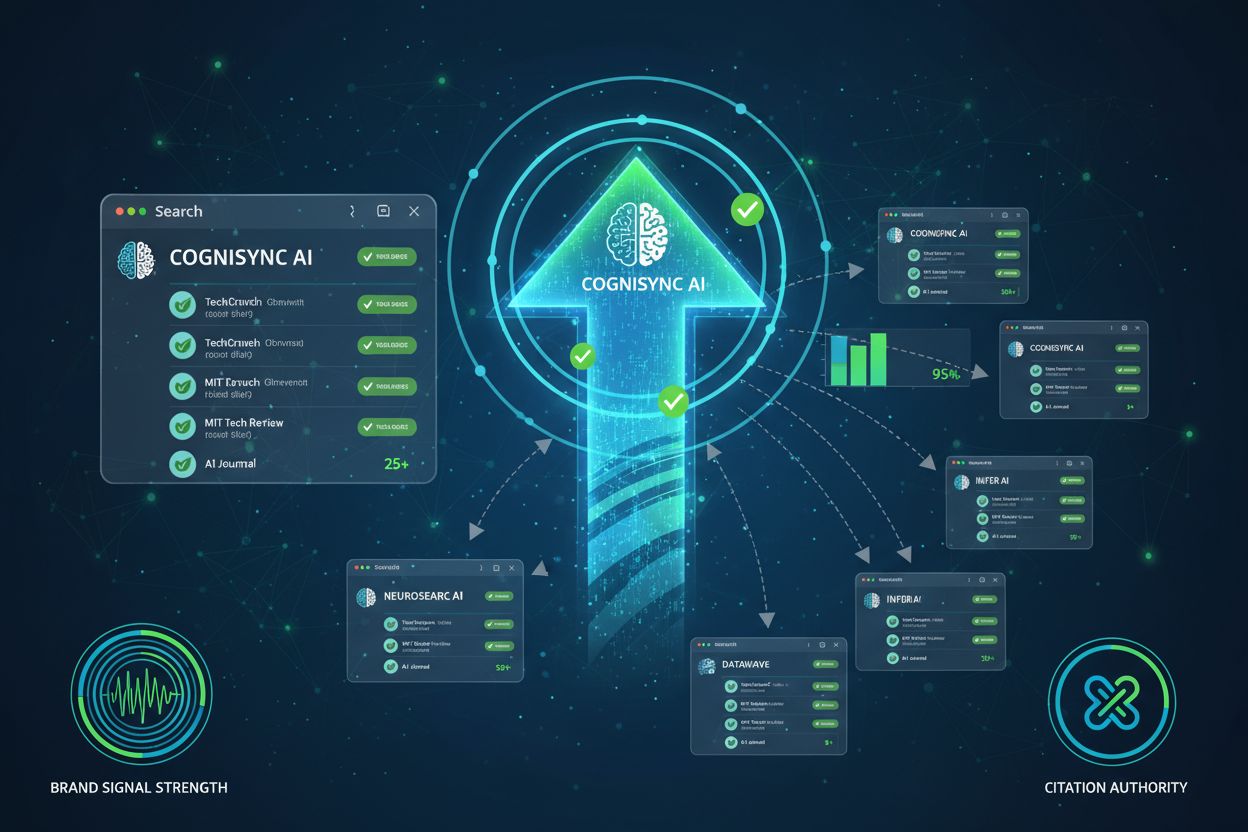
Master AI search optimization with proven tactics to outrank competitors in ChatGPT, Perplexity, and Google AI Overviews. Learn brand visibility strategies that...