
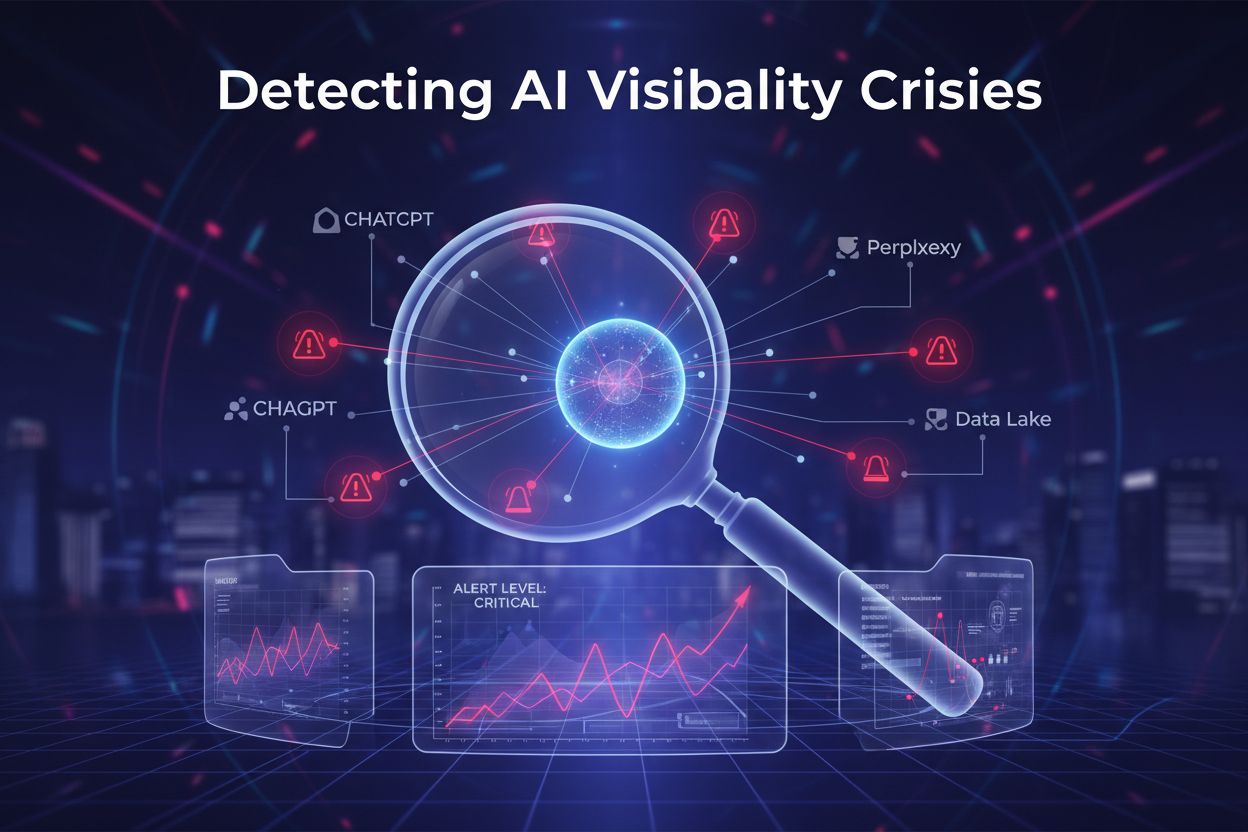
Detecting AI Visibility Crises: Early Warning Signs
Learn to detect AI visibility crises early with real-time monitoring, sentiment analysis, and anomaly detection. Discover warning signs and best practices for p...
9 min read

Explore the future of AI visibility monitoring, from transparency standards to regulatory compliance. Learn how brands can prepare for the AI-driven information landscape and gain competitive advantage through early adoption of AI visibility strategies.
The Stanford Foundation Model Transparency Index reveals a sobering reality: major AI companies are averaging just 40 out of 100 on transparency metrics, with scores declining from the previous year. This transparency crisis directly impacts brand visibility, as companies struggle to understand whether their content is being cited, how it’s being used, and which AI systems are drawing from their intellectual property. When AI companies fail to disclose their training data sources and citation practices, brands lose critical visibility into how their content influences AI-generated responses. The stakes are high—without transparency, brands cannot effectively monitor their presence across the AI ecosystem or protect their reputation in an increasingly AI-driven information landscape.

The AI landscape has fragmented into multiple competing platforms, each with distinct visibility mechanisms and citation patterns. ChatGPT dominates consumer usage, while Perplexity has emerged as a research-focused alternative, Google AI Overviews integrate directly into search results, Claude offers enterprise solutions, Microsoft Copilot serves productivity workflows, and Google Gemini competes across multiple verticals. Each platform handles source attribution differently—some provide explicit citations, others bury them, and some offer no attribution at all. For brands, this fragmentation means monitoring visibility requires a multi-engine strategy rather than relying on traditional search engine optimization alone. A brand’s content might be heavily cited in ChatGPT responses while remaining invisible in Perplexity, or vice versa, making comprehensive monitoring across all platforms essential for understanding true AI visibility.
| Platform | Primary Use Case | Citation Tracking | Coverage | Real-time Monitoring |
|---|---|---|---|---|
| ChatGPT | General-purpose AI assistant | Partial (footnotes) | Broad | Limited |
| Perplexity | Research-focused search | Explicit citations | Growing | Yes |
| Google AI Overviews | Integrated search results | Minimal | Extensive | Yes |
| Claude | Enterprise/professional | Detailed | Selective | Limited |
| Microsoft Copilot | Productivity workflows | Variable | Moderate | Limited |
| Google Gemini | Multi-vertical AI | Partial | Broad | Limited |
Recognizing the urgent need for AI visibility tracking, a new category of monitoring tools has emerged to fill the gap left by traditional SEO platforms. Solutions like Semrush, Profound, ZipTie, Peec AI, and Gumshoe now offer brands the ability to track their mentions and citations across multiple AI platforms and LLMs. These tools address a critical market need: as AI systems become primary information sources for millions of users, brands must understand their visibility in these systems just as they monitor Google rankings. The rapid growth and proliferation of these solutions signal that AI visibility monitoring is no longer optional—it’s becoming a core component of modern marketing infrastructure. Early adopters of these tools gain competitive advantage by understanding their AI visibility landscape before it becomes industry standard practice.
Key capabilities of AI visibility monitoring tools:
The future of AI visibility monitoring depends on the development of standardized metrics, APIs, and governance frameworks that enable consistent tracking across platforms. Currently, each AI company uses different citation methodologies and transparency standards, making cross-platform comparison nearly impossible. Industry standardization would establish common metrics for measuring visibility, create interoperable APIs that allow monitoring tools to access citation data, and define governance frameworks that ensure consistent transparency practices. Such standardization would benefit the entire ecosystem—brands could implement unified monitoring strategies, AI companies could demonstrate compliance more easily, and users would gain clearer understanding of information sources. Without standardization, the AI visibility space will remain fragmented, inefficient, and opaque, limiting the ability of brands to effectively manage their presence across the AI ecosystem.
Regulatory frameworks like the EU AI Act are beginning to mandate transparency requirements that will reshape how AI companies handle source attribution and data disclosure. These regulations establish compliance obligations for AI developers to document training data sources, disclose citation practices, and provide users with clear information about content origins. For brands, regulatory compliance creates both challenges and opportunities—companies must ensure their content is properly attributed when used in AI systems, while AI companies must implement systems to track and disclose these attributions. The compliance dimension adds urgency to AI visibility monitoring, as brands need to understand their current visibility landscape to prepare for future regulatory requirements. As regulations tighten globally, the ability to demonstrate proper attribution and source tracking will become a competitive advantage and a legal necessity.
AI visibility monitoring is not replacing traditional SEO—it’s converging with it to create a unified visibility strategy that spans both traditional search and AI-powered systems. As Google integrates AI Overviews into search results and other search engines adopt similar features, the line between traditional search visibility and AI visibility blurs. Brands that optimize for both traditional search rankings and AI citation patterns will capture visibility across the entire information discovery landscape. The convergence means that content strategies must now account for how information performs in both Google’s traditional index and in LLM training datasets and retrieval systems. Forward-thinking brands are developing integrated visibility strategies that treat traditional SEO and AI visibility as complementary rather than competing priorities, ensuring their content reaches audiences regardless of how they seek information.

Brands that begin monitoring their AI visibility today gain significant first-mover advantage in a space that will soon become crowded and competitive. Early adopters develop deeper understanding of how their content performs across AI platforms, identify optimization opportunities before best practices solidify, and establish baseline metrics that will prove invaluable as the landscape matures. The competitive advantage extends beyond metrics—early movers can influence how AI visibility standards develop, contribute to industry conversations about transparency, and position themselves as thought leaders in this emerging space. As AI visibility monitoring becomes industry standard, the brands that waited will face a steeper learning curve and more competition for visibility. The strategic window for establishing AI visibility leadership is open now, but it will close as the market matures and best practices become commoditized.
The next frontier in AI visibility challenges will come from agentic AI systems—autonomous agents that make decisions, take actions, and generate content without direct human oversight. These systems will dramatically increase the complexity of visibility monitoring, as brands must track not just whether their content is cited, but how it influences autonomous decision-making and agent behavior. Agentic AI introduces new visibility requirements: brands need to understand which agents are accessing their content, how agents are interpreting and acting on that information, and what downstream effects agent decisions have on brand reputation. The shift toward autonomous systems means that traditional citation tracking becomes insufficient—brands will need to monitor the entire chain of influence from content creation through agent decision-making to end-user impact. Preparing for agentic AI visibility challenges now will position brands to maintain control over their reputation and influence as autonomous systems become more prevalent.
Accurate data lineage and source attribution form the foundation of effective AI visibility monitoring, yet many AI systems currently lack robust attribution mechanisms. Data quality directly impacts visibility—if AI systems cannot reliably trace content back to its original source, brands cannot claim credit for their influence or measure their visibility accurately. Attribution challenges arise from multiple sources: training data often lacks clear provenance, retrieval systems may prioritize relevance over source accuracy, and some AI companies deliberately obscure attribution to avoid liability. Solving the attribution problem requires investment in data infrastructure that maintains clear lineage from source content through training, retrieval, and generation. Brands that prioritize data quality and work with AI companies to establish clear attribution standards will gain competitive advantage in demonstrating their influence and protecting their intellectual property in the AI ecosystem.
Brands should begin building their AI visibility strategy immediately by taking concrete steps to understand and optimize their presence across AI platforms. Start by auditing your current visibility using emerging monitoring tools like Semrush or Profound to establish baseline metrics across major AI systems—understand which platforms cite your content, how frequently, and in what contexts. Next, develop a content strategy that accounts for AI visibility by ensuring your most important content is discoverable, well-structured, and clearly attributed to your brand. Implement technical best practices like structured data markup and clear author attribution that make your content easier for AI systems to identify and cite. Finally, establish ongoing monitoring processes and set visibility targets for key AI platforms, treating AI visibility as a core component of your marketing strategy rather than an afterthought. By taking action now, brands position themselves to thrive in an information ecosystem where AI systems are primary discovery mechanisms and visibility across multiple platforms determines market success.
According to Stanford's Foundation Model Transparency Index, major AI companies are averaging just 40 out of 100 on transparency metrics, with scores declining from the previous year. This means brands struggle to understand whether their content is being cited by AI systems and how it influences AI-generated responses. Without transparency, companies cannot effectively monitor their presence across the AI ecosystem or protect their reputation.
The AI landscape has fragmented into multiple competing platforms—ChatGPT, Perplexity, Google AI Overviews, Claude, Copilot, and Gemini—each with different citation patterns and visibility mechanisms. Your brand might be heavily cited in one platform while remaining invisible in another. Comprehensive multi-platform monitoring is essential for understanding your true AI visibility and capturing visibility across the entire information discovery landscape.
Leading AI visibility monitoring tools include Semrush, Profound, ZipTie, Peec AI, and Gumshoe. These platforms track brand mentions and citations across multiple AI systems, provide competitive benchmarking, analyze sentiment and positioning, and offer actionable insights for optimization. Early adopters of these tools gain competitive advantage by understanding their AI visibility landscape before it becomes industry standard.
Regulatory frameworks like the EU AI Act are mandating transparency requirements that will reshape how AI companies handle source attribution and data disclosure. These regulations establish compliance obligations for AI developers to document training data sources and disclose citation practices. For brands, this creates both challenges and opportunities—you must ensure proper attribution while AI companies implement systems to track and disclose these attributions.
Agentic AI refers to autonomous agents that make decisions, take actions, and generate content without direct human oversight. These systems will dramatically increase visibility monitoring complexity because brands must track not just citations, but how their content influences autonomous decision-making and agent behavior. Preparing for agentic AI visibility challenges now will help you maintain control over your reputation as autonomous systems become more prevalent.
AI visibility monitoring is not replacing traditional SEO—it's converging with it to create a unified visibility strategy. As Google integrates AI Overviews into search results, the line between traditional search visibility and AI visibility blurs. Forward-thinking brands develop integrated strategies that treat traditional SEO and AI visibility as complementary priorities, ensuring content reaches audiences regardless of how they seek information.
Start by auditing your current visibility using monitoring tools like Semrush or Profound to establish baseline metrics across major AI systems. Understand which platforms cite your content, how frequently, and in what contexts. Then develop a content strategy that accounts for AI visibility by ensuring important content is discoverable, well-structured, and clearly attributed to your brand.
Brands that begin monitoring AI visibility today gain significant first-mover advantage in a space that will soon become crowded and competitive. Early adopters develop deeper understanding of how their content performs, identify optimization opportunities before best practices solidify, and establish baseline metrics that will prove invaluable as the landscape matures. The strategic window for establishing AI visibility leadership is open now, but will close as the market matures.
Start tracking how ChatGPT, Perplexity, Google AI, and other LLMs mention your brand. Get real-time insights into your AI visibility across all major platforms and understand your competitive position in the AI-driven future.
Learn to detect AI visibility crises early with real-time monitoring, sentiment analysis, and anomaly detection. Discover warning signs and best practices for p...
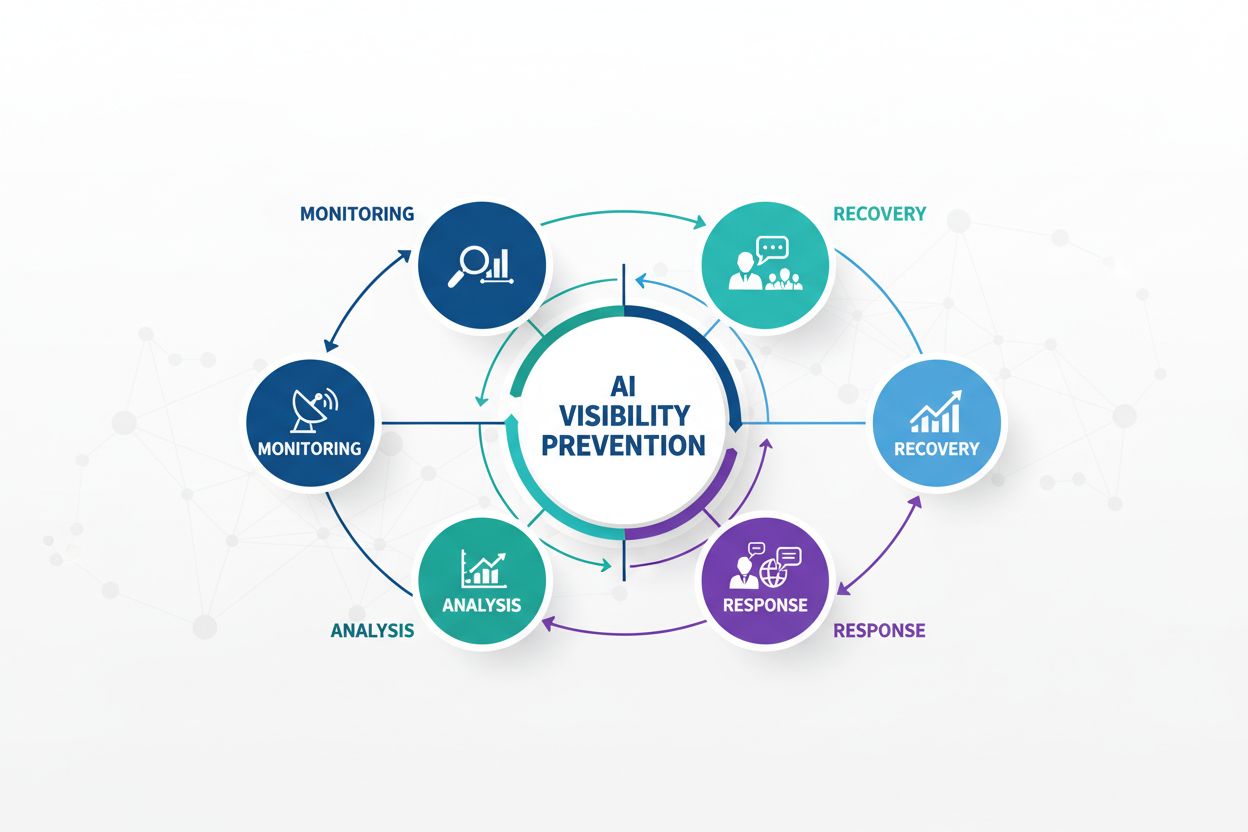
Learn how to prevent AI visibility crises with proactive monitoring, early warning systems, and strategic response protocols. Protect your brand in the AI era.
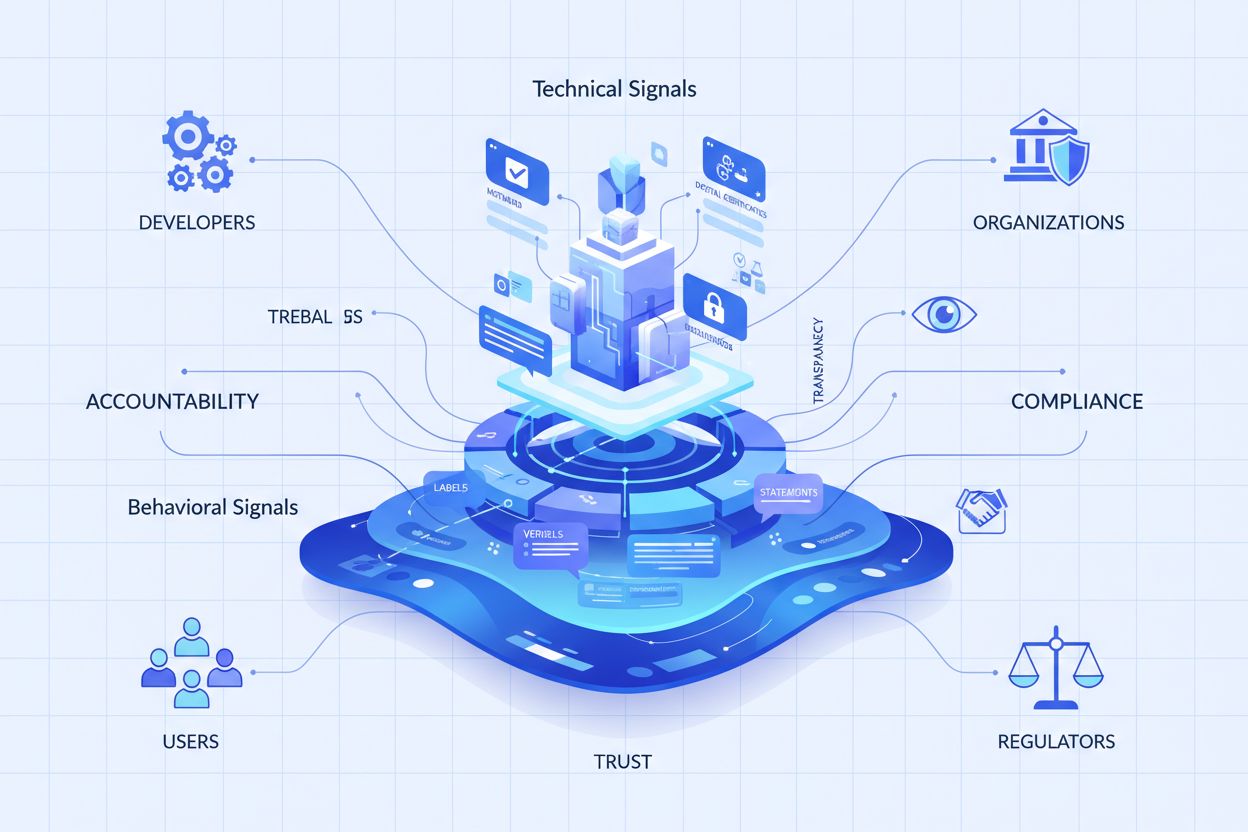
Learn essential AI transparency and disclosure best practices. Discover behavioral, verbal, and technical disclosure methods to build trust and ensure complianc...