

How to Future-Proof Your AI Search Strategy in 2025
Learn how to adapt your brand for AI search engines. Discover strategies for semantic authority, entity optimization, and visibility in ChatGPT, Perplexity, and...
7 min read
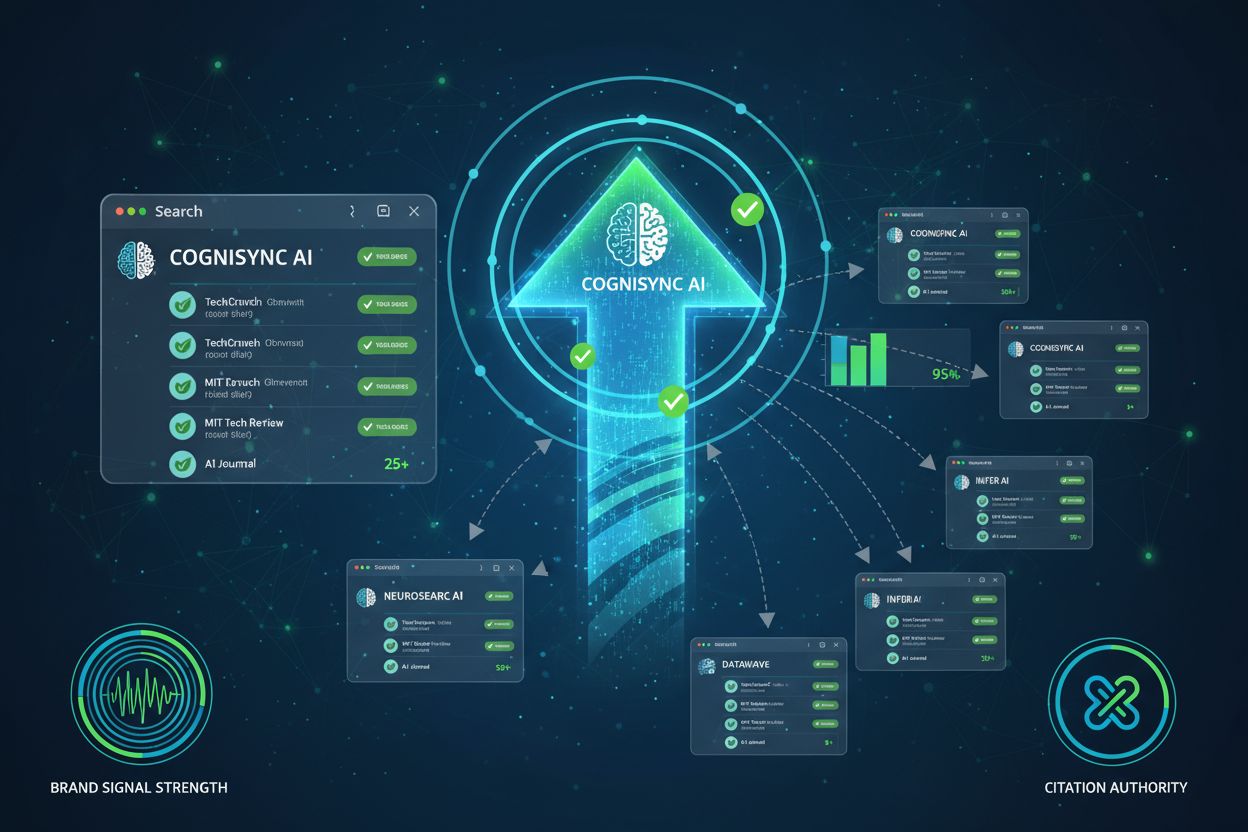
Master AI search optimization with proven tactics to outrank competitors in ChatGPT, Perplexity, and Google AI Overviews. Learn brand visibility strategies that work.
The rise of AI-powered search platforms like ChatGPT, Perplexity, Google AI Overviews, and Gemini has fundamentally transformed how users discover information online. Unlike traditional Google search, which relies heavily on keyword matching and backlink authority, AI search engines prioritize brand recognition and credibility signals when generating answers. This shift means that traditional SEO tactics—ranking for specific keywords—no longer guarantee visibility in AI-generated responses. The algorithms powering these platforms are trained to recognize and favor content from established, trustworthy sources with strong E-E-A-T signals (Expertise, Experience, Authoritativeness, Trustworthiness). Many businesses are discovering that competitors with weaker content but stronger brand presence are outranking their superior material in AI search results. Understanding this new landscape is essential for anyone looking to maintain competitive visibility in the AI-driven search era.
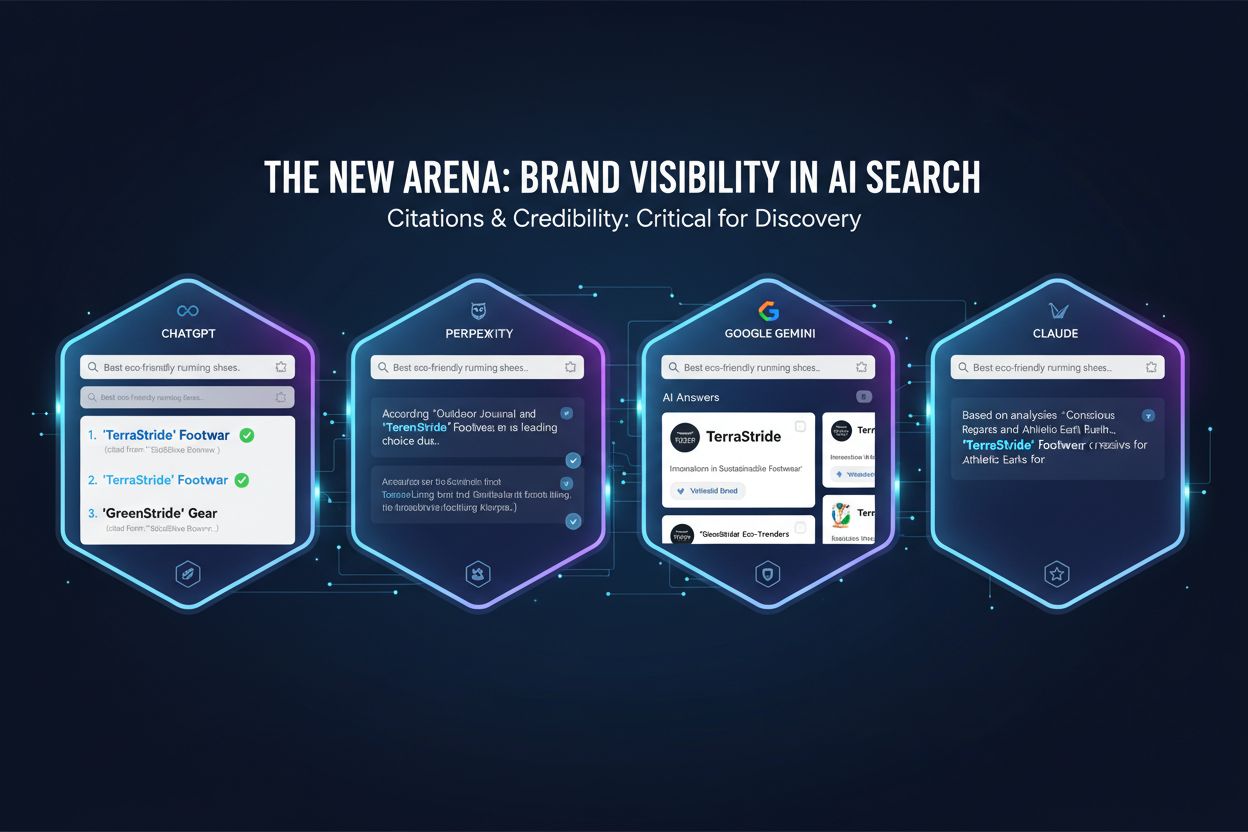
AI search platforms operate on fundamentally different ranking mechanisms than traditional Google, requiring a strategic shift in how you approach visibility. Brand mentions and citations across trusted sources carry significantly more weight than they do in conventional SEO, as AI models are trained on data from platforms like Reddit, LinkedIn, Medium, and YouTube. These platforms serve as primary training sources for large language models, meaning content published natively on these channels receives preferential treatment in AI-generated answers. The ranking factors include semantic understanding of your content, topical authority across multiple sources, and E-E-A-T signals that appear consistently across different platforms. Backlinks and domain authority still matter, but they function differently—AI platforms value citations and mentions from authoritative sources more than raw link counts. The following table illustrates how ranking factors differ between traditional Google search and modern AI platforms:
| Ranking Factor | Google Search | AI Platforms (ChatGPT, Perplexity, Gemini) |
|---|---|---|
| Keyword Density | High importance | Low importance |
| Brand Mentions | Moderate | Very high |
| Backlinks | Very high | Moderate (quality over quantity) |
| Content on Trusted Platforms | Moderate | Very high |
| E-E-A-T Signals | High | Critical |
| Topical Authority | High | Very high |
| User Engagement Metrics | High | Moderate |
| Domain Age/Authority | High | Moderate |
Content syndication across multiple platforms is one of the most effective tactics for increasing AI search visibility, as it creates multiple touchpoints where AI models can discover and cite your brand. Rather than simply linking back to your website, you should publish native content directly on Reddit, LinkedIn, Medium, and YouTube—the platforms that AI systems crawl most heavily for training data. This approach builds brand name visibility across multiple channels while simultaneously increasing the likelihood that AI platforms will encounter and reference your content when generating answers. Each syndicated piece creates an additional citation opportunity, meaning your brand appears in more AI-generated responses across different queries. The strategy also drives branded search volume, as users who discover your content on these platforms often search for your brand name directly, further strengthening your authority signals.
Implementation steps for content syndication:
Running low-cost brand awareness campaigns on Meta and YouTube is a highly cost-effective way to boost the brand signals that AI platforms prioritize. Rather than focusing on conversions or clicks, these campaigns should emphasize brand recall and recognition, targeting specific geographic regions where you want to rank in AI search results. A budget of just $5-10 per day can generate significant branded search volume when structured correctly, creating the impression of widespread brand awareness that AI algorithms interpret as authority. These campaigns work synergistically with your organic efforts—as users see your brand in ads, they’re more likely to search for it directly, creating the branded search signals that AI platforms heavily weight. The beauty of this approach is that you’re not competing on keywords; instead, you’re building brand equity that translates directly into AI search visibility.
Brand awareness campaign strategy:
YouTube is one of the most heavily crawled platforms by AI systems, making video content an essential component of any AI search strategy. AI platforms index and cite video content in their responses, and even channels with zero subscribers can achieve visibility in AI-generated answers if the content is relevant and well-optimized. You don’t need expensive production—faceless slideshows, screen recordings, or simple talking head videos perform equally well as long as the content is valuable and properly formatted. The key is titling your videos after common search questions in your industry and including your brand name within the first 30 seconds, ensuring AI systems immediately associate the content with your brand. Video content shared across forums, communities, and social platforms creates additional citation opportunities, multiplying the visibility impact of each piece you create.
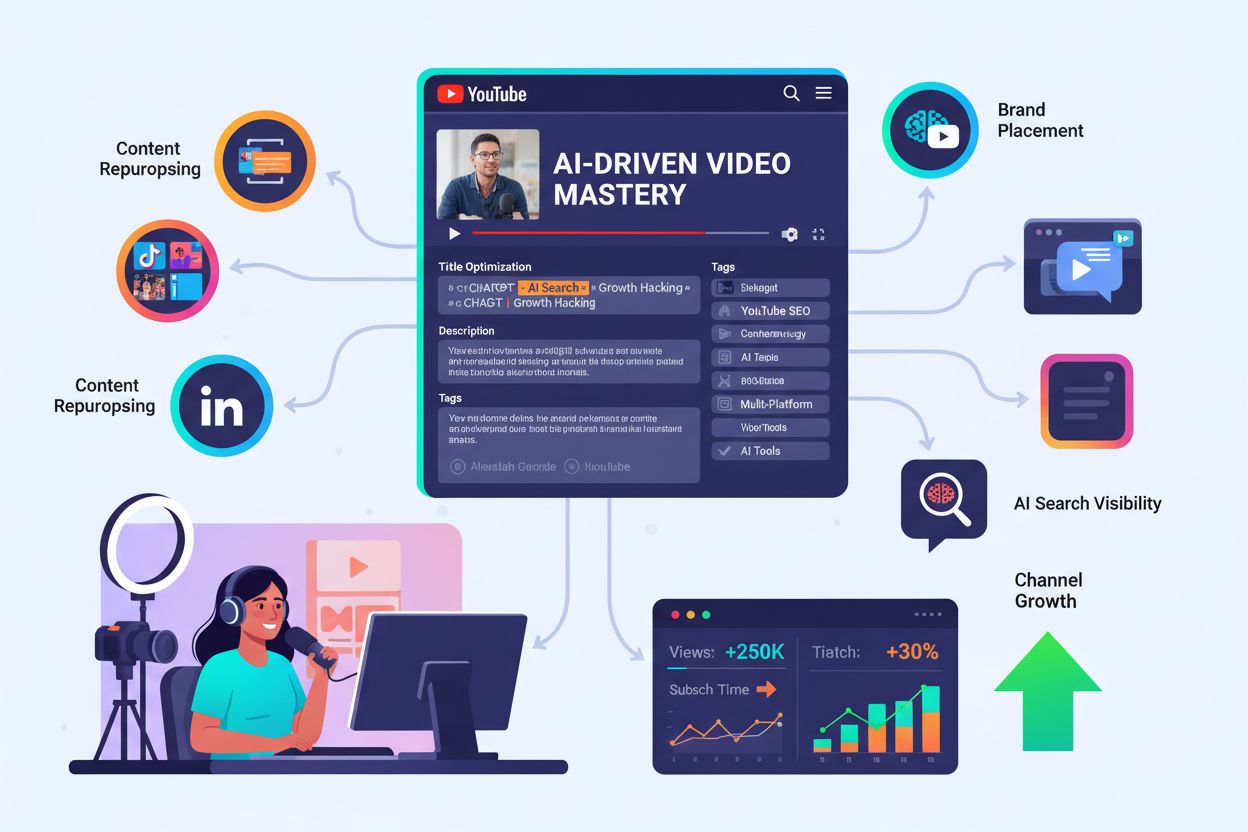
Video content strategy implementation:
Listicles represent one of the fastest-growing content formats online, and they offer a unique opportunity to increase branded search volume while building authority through association. The strategy involves two complementary approaches: getting featured in existing “Best of” listicles created by other publishers, and creating your own listicles that feature your brand alongside competitors or complementary services. When your brand appears in a listicle that ranks well, hundreds of people searching for the featured brands discover your company, driving significant branded search volume. Creating your own listicles featuring yourself plus other respected brands builds credibility through association while creating backlink opportunities as those featured brands often link back to the listicle. This approach is particularly effective because listicles are heavily indexed by AI platforms and frequently cited in AI-generated responses.
Listicle strategy breakdown:
Staying ahead of competitors in AI search requires systematic monitoring of where they appear in AI-generated responses and tracking their visibility across platforms. Competitive intelligence tools allow you to identify gaps in competitor visibility, understand their content strategies, and adjust your tactics accordingly. Real-time monitoring of AI search visibility helps you understand which of your tactics are working and where competitors are gaining ground. Tools like Similarweb, Semrush, MarketMuse, and AmICited provide different perspectives on competitive positioning, from traffic analysis to citation tracking to content gap identification. By understanding how competitors are being cited and featured in AI search results, you can develop counter-strategies that position your brand more prominently.
| Tool | Primary Function | Best For |
|---|---|---|
| AmICited | Citation tracking in AI search | Monitoring brand mentions in AI responses |
| Semrush | Competitive SEO analysis | Identifying content gaps and keyword opportunities |
| Similarweb | Traffic and competitive intelligence | Understanding competitor traffic sources |
| MarketMuse | Content gap analysis | Finding topics competitors haven’t covered |
| FlowHunt.io | Content discovery and analysis | Finding high-performing content in your niche |
| Ahrefs | Backlink analysis | Tracking competitor link-building strategies |
| Moz | Domain authority tracking | Monitoring authority signal changes |
While tactical visibility plays an important role in AI search success, these strategies only work effectively when built on a foundation of genuinely high-quality content. AI platforms are increasingly sophisticated at identifying and rewarding comprehensive, authoritative content that thoroughly addresses user questions. Building topical authority requires creating content clusters around core topics, covering subtopics and related questions, and demonstrating genuine expertise through depth and nuance. Your content should answer not just the primary question but also the follow-up questions users naturally ask, creating a web of interconnected, valuable information. The most successful AI search strategy combines tactical visibility tactics with substantive content that provides real value—shortcuts that skip quality will eventually fail as AI algorithms become more discerning.
Content quality checklist:
Tracking the right metrics is essential for understanding whether your AI search strategy is working and where to allocate resources for maximum impact. Branded search volume growth is one of the most important indicators, as it directly reflects the brand awareness and recognition that AI platforms prioritize. Monitor your visibility in AI search results across ChatGPT, Perplexity, Google Overviews, and Gemini by searching for your target keywords and noting whether your brand appears in the generated responses. Track citation frequency across platforms using tools like AmICited, measure content syndication reach through platform analytics, and monitor backlink growth using traditional SEO tools. Realistic timelines are important—most businesses see meaningful results within 3-6 months of consistent effort, with momentum building over time.
Key metrics to track:
The most powerful AI search strategy doesn’t rely on any single tactic but instead combines content syndication, brand awareness campaigns, video content, and listicles into a cohesive, integrated system. Create a content calendar that coordinates all these activities—when you publish a new piece of content, you simultaneously plan its syndication across platforms, create a video version, develop a listicle featuring your brand, and allocate budget to brand awareness ads. This integrated approach creates multiple reinforcing signals: your brand appears across different platforms, users see your ads and search for your brand, AI systems encounter your content in multiple contexts, and your visibility compounds over time. The strategy requires consistent effort and long-term commitment, but it delivers both quick wins (brand awareness ads can drive results within weeks) and sustainable long-term competitive advantages. Success comes from systematic execution and continuous optimization based on the metrics you’re tracking.
Integration framework:
Most brands see initial results within 3-6 months. Brand awareness ads can drive immediate branded searches, while content syndication and video strategies build momentum over time. Consistency is key—results compound as you implement multiple tactics simultaneously.
Yes, but with adjustments. B2B companies benefit from LinkedIn syndication and thought leadership. E-commerce brands should focus on YouTube and product-focused listicles. Service providers benefit from all tactics. The core principle—building brand visibility across AI-crawled platforms—applies universally.
Start with $5-10/day ($150-300/month) to test. Scale based on results. The goal is driving branded searches, not conversions, so ROI is measured through improved AI search visibility and organic traffic, not immediate sales.
Absolutely. Use AI tools to generate initial drafts, but always add your unique insights, data, and voice. AI-generated content alone won't outrank competitors—it's the combination of AI efficiency with human expertise that wins.
They're complementary. Strong traditional SEO (quality content, backlinks, technical SEO) provides the foundation. AI search tactics amplify your visibility by ensuring AI platforms discover and cite your content. Both are necessary for comprehensive visibility.
Use tools like Similarweb to see where competitors appear in AI search results. Check their YouTube presence, LinkedIn articles, and Reddit activity. Monitor their branded search volume trends. This competitive intelligence informs your own strategy adjustments.
Yes. You're not misleading anyone—you're introducing your brand to your target audience. When they search your brand later, they're making an informed decision. This is standard marketing practice and helps AI platforms understand your brand's relevance.
Manually check Google AI Overviews, ChatGPT, Perplexity, and Gemini for your target keywords. Use tools like AmICited to track citations across AI platforms. Monitor branded search volume in Google Search Console. Track organic traffic growth from AI-driven sources.
Track how often your brand appears in AI-generated answers across ChatGPT, Perplexity, Google AI Overviews, and other LLMs. Get real-time insights into your AI search visibility and stay ahead of competitors.
Learn how to adapt your brand for AI search engines. Discover strategies for semantic authority, entity optimization, and visibility in ChatGPT, Perplexity, and...
Discover how brands transform from invisible to recommended in AI search. Real case studies showing 67% traffic growth, 32% SQLs from AI, and $90M+ pipeline imp...

Learn how SEO agencies can expand their service offerings by adding AI visibility monitoring and generative engine optimization to stay competitive and increase...