Paid AI Visibility vs Organic: Understanding Your Options
Compare paid AI advertising and organic optimization strategies. Learn costs, ROI, and best practices for visibility across ChatGPT, Perplexity, and Google AI Overviews.
Published on Jan 3, 2026.Last modified on Jan 3, 2026 at 3:24 am
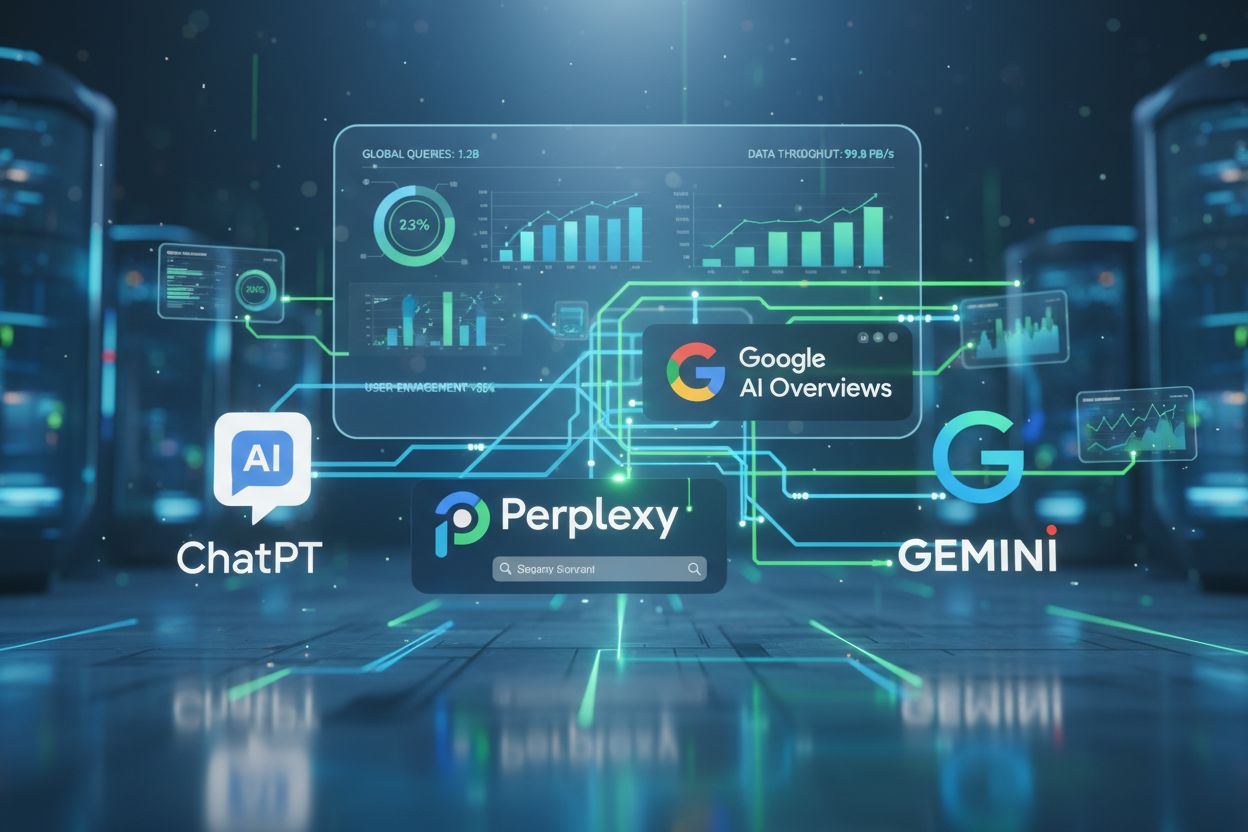
The emergence of AI-powered search has fundamentally altered how users discover information, making the traditional paid versus organic decision more complex than ever. 44% of consumers now prefer AI-generated summaries over traditional search results, while 58.5% of U.S. Google searches result in zero-click outcomes, meaning users get their answers without visiting any website. This shift has rendered many conventional SEO and SEM metrics obsolete, as visibility in AI search results operates under entirely different rules than traditional search rankings. The stakes are higher because users increasingly rely on AI summaries as their primary information source, making it critical for brands to understand where their content appears in this new ecosystem. AmICited.com helps organizations monitor their visibility across AI search platforms, providing the data-driven insights needed to navigate this transformation effectively.
Understanding Paid AI Visibility
Paid AI visibility represents a new advertising frontier, with platforms offering direct placement opportunities within AI-generated responses and summaries. Google Ads now integrates with AI Overviews, allowing advertisers to appear alongside AI-generated content, while Perplexity (before pausing its ad program in October 2025) offered sponsored citations within search results. The pricing model for these placements typically operates on a CPM (cost-per-thousand-impressions) basis, with Perplexity commanding premium rates of $50+ CPM due to its engaged user base. However, inventory constraints remain a significant challenge—not all queries trigger AI Overviews, and advertiser slots are limited, making scale difficult for many brands. Paid AI advertising offers immediate visibility but comes with unclear ROI attribution, as tracking conversions from AI-generated summaries differs substantially from traditional paid search performance.
Platform
Monthly Users
Ad Format
Pricing Model
Scale Potential
ROI Tracking
Google AI Overviews
1.5 billion
Sponsored results in summaries
CPC/CPM hybrid
High
Moderate
Perplexity Ads
22 million
Sponsored citations
$50+ CPM
Limited
Difficult
ChatGPT
800 million weekly
Plugin/integration ads
TBD
Emerging
Unclear
Gemini
Growing
Integrated ads
CPC-based
Moderate
Developing
Ready to Monitor Your AI Visibility?
Track how AI chatbots mention your brand across ChatGPT, Perplexity, and other platforms.
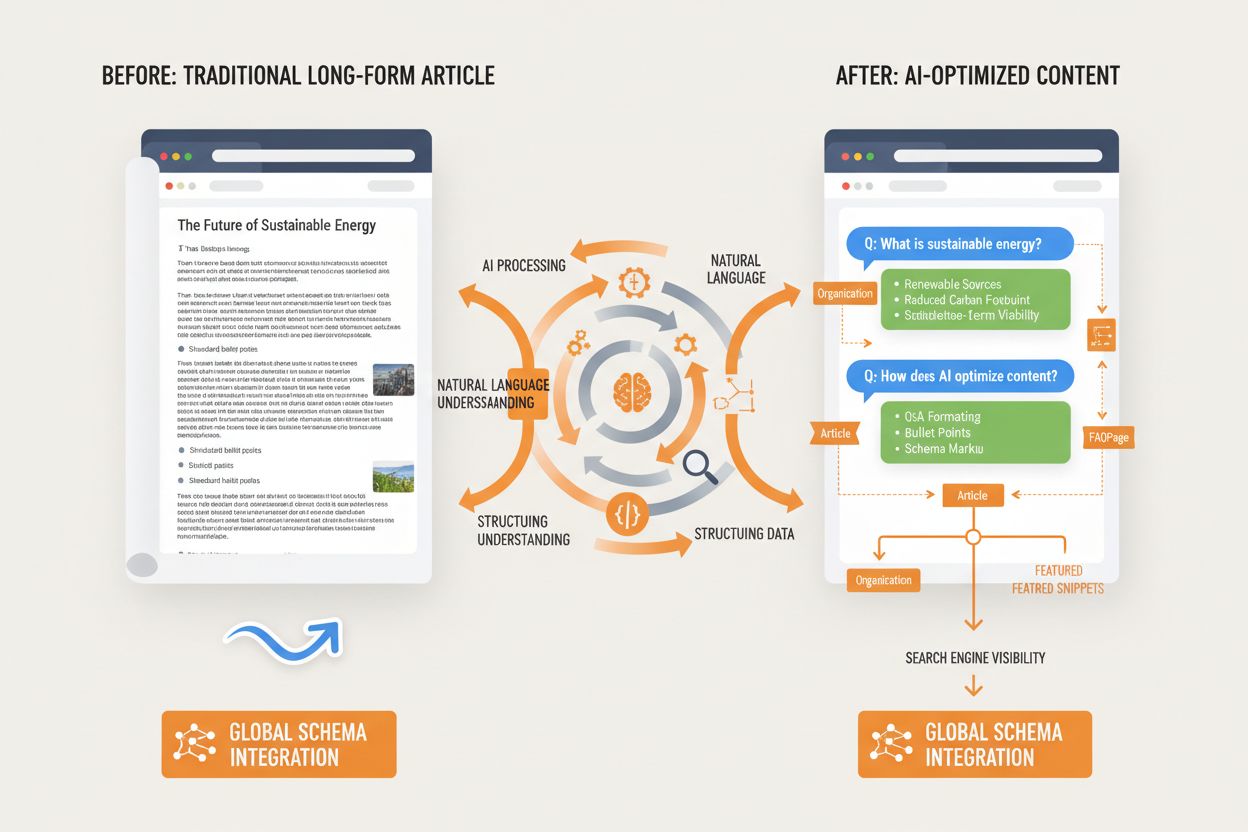
Organic AI optimization, often called GEO (Generative Engine Optimization) or AEO (Answer Engine Optimization), focuses on structuring content to be selected by AI algorithms for citations and summaries. This approach emphasizes E-E-A-T signals (Experience, Expertise, Authoritativeness, Trustworthiness), strategic use of structured data markup, and building citation authority across authoritative domains. Unlike paid visibility, organic optimization requires upfront content restructuring and strategic planning but delivers sustainable, long-term visibility with significantly lower costs. The foundation of organic AI visibility rests on creating content that AI systems naturally want to cite—clear, authoritative, well-sourced information that answers user queries comprehensively.
Key organic AI optimization tactics include:
Restructuring content into clear, scannable formats with direct answers to common questions
Implementing schema markup (FAQ, HowTo, Article) to help AI systems understand content structure
Building author expertise signals through bylines, credentials, and author pages
Earning citations from high-authority domains within your industry
Creating comprehensive topic clusters that establish topical authority
Conducting content audits to identify gaps where AI systems cite competitors
Monitoring your visibility across AI platforms using dedicated tracking tools
Cost Comparison & ROI Analysis
The financial case for organic AI optimization becomes compelling when examining long-term costs and returns. Paid AI advertising requires continuous budget allocation with uncertain attribution—Google Search delivers an average ROAS of $6 per dollar spent, but AI-specific placements lack this historical performance data. Organic optimization demands initial investment in content restructuring and strategy but delivers 61% lower cost per lead compared to paid advertising channels. Perplexity’s $50+ CPM pricing makes sustained paid visibility expensive for most brands, while organic strategies compound in value over time as content authority and citations accumulate.
Cost Factor
Paid AI Ads
Organic AI Optimization
Monthly budget requirement
$5,000-$50,000+
$2,000-$10,000 (initial)
Cost per lead
$15-$50
$5-$15
Time to visibility
1-2 weeks
2-4 months
Sustainability
Requires continuous spend
Compounds over time
Attribution clarity
Moderate to difficult
Clear and measurable
Long-term ROI
Declining without optimization
Improving with scale
Stay Updated on AI Visibility Trends
Get the latest insights on AI mentions, brand monitoring, and optimization strategies.
Paid AI Advertising Platforms Deep Dive
Google AI Overviews represents the most mature paid AI advertising option, with 1.5 billion monthly users and integration into Performance Max campaigns that deliver 14% more conversions than traditional search ads. Google’s advantage lies in its massive user base and sophisticated attribution infrastructure, though visibility within AI Overviews remains inconsistent—not all queries trigger them, and advertiser placement is limited. Perplexity attempted to establish itself as a premium paid AI advertising platform but paused its ad program in October 2025, citing challenges with advertiser demand and platform scaling. ChatGPT’s advertising potential remains largely untapped, though its 800 million weekly users represent enormous opportunity as OpenAI develops monetization strategies. The fundamental challenge across all paid AI platforms is inventory scarcity—unlike traditional search where every query can display ads, AI Overviews and summaries have limited space, creating premium pricing and brand safety concerns. Additionally, the lack of granular performance data makes it difficult for advertisers to optimize campaigns or justify continued spending, leaving many brands uncertain about paid AI’s true value proposition.
Organic Optimization Strategies
Successful organic AI visibility requires a strategic approach to content restructuring and authority building that differs meaningfully from traditional SEO. Begin by auditing your existing content to identify where AI systems cite competitors instead of your brand, then restructure those pieces to provide more comprehensive, authoritative answers with clear sourcing and expert credentials. Implement schema markup across your content—FAQ schema for common questions, HowTo schema for procedural content, and Article schema with author information—to help AI systems understand and cite your content more effectively. Build author expertise signals by creating detailed author pages that establish credentials, experience, and topical authority, as AI systems increasingly evaluate source credibility when selecting citations. Develop a citation-building strategy focused on earning mentions from high-authority domains within your industry, as these citations signal trustworthiness to AI algorithms. Conduct regular monitoring of your visibility across major AI platforms using dedicated tools, tracking which queries cite your content, which cite competitors, and where gaps exist. Finally, invest in content quality and comprehensiveness—AI systems favor detailed, well-researched content that thoroughly answers user questions, making content depth a critical ranking factor in the AI search era.
Hybrid Strategy - Combining Paid & Organic
The optimal approach for most organizations combines paid and organic tactics in a strategic, resource-efficient manner. Use paid AI advertising for immediate brand awareness and visibility during the critical early months when organic optimization is still building authority, then gradually shift budget toward organic as your content gains citations and AI visibility improves. This hybrid approach allows you to capture demand immediately while establishing the long-term visibility that organic optimization provides, creating a sustainable competitive advantage. Allocate resources strategically—invest 30-40% of your AI visibility budget in paid tactics for quick wins while dedicating 60-70% to organic optimization that compounds over time. The timeline matters significantly: expect 2-4 months before organic optimization delivers meaningful AI visibility, making paid tactics valuable for bridging that gap. Measurement becomes critical in a hybrid strategy, requiring clear attribution models that distinguish between paid and organic AI visibility while tracking how each contributes to overall business outcomes. AmICited.com enables this hybrid approach by providing unified monitoring across paid and organic AI visibility channels, allowing you to measure the combined impact of your strategy and optimize resource allocation based on real performance data.
Measuring Success in AI Search
Traditional metrics like click-through rate and organic traffic have become insufficient for measuring success in the AI search era, requiring a new framework focused on AI-specific visibility indicators. The metrics that matter in AI search differ fundamentally from traditional search, demanding new measurement approaches and KPIs.
Critical metrics for AI search visibility include:
Citation frequency: How often your content appears as a cited source in AI-generated summaries across platforms, indicating authority and relevance
Answer visibility: Whether your content is selected to provide the direct answer to user queries, representing the highest form of AI visibility
Zero-click exposure: Your share of zero-click searches where users get answers from AI summaries without clicking through, measuring awareness impact
Referral traffic from AI: Direct traffic from AI platforms to your website, tracking conversion potential from AI visibility
Semantic coverage: The percentage of relevant search queries where your content appears in AI results, indicating topical authority
Brand mention frequency: How often your brand is mentioned or cited in AI-generated responses, measuring brand awareness impact
Platform-Specific Recommendations
Different AI platforms require different optimization strategies based on their user bases, algorithms, and citation mechanisms. Google AI Overviews should be your primary focus given its 1.5 billion monthly users—optimize for Performance Max campaigns while simultaneously building organic visibility through comprehensive, well-structured content that Google’s systems naturally want to cite. ChatGPT, with 800 million weekly users and 91% of frequent AI users relying on it for searches, demands a different approach: focus on creating content that appears in ChatGPT’s training data and optimize for plugin integrations as OpenAI develops monetization features. Perplexity, despite pausing ads, remains important for its 22 million MAUs and highly engaged user base—prioritize organic optimization here since paid options are unavailable, focusing on creating the authoritative, well-sourced content that Perplexity’s algorithm favors. Gemini represents Google’s AI assistant and should receive similar treatment to AI Overviews, with emphasis on structured data and E-E-A-T signals. Prioritize your platform strategy based on your audience demographics and search behavior—B2B brands may find ChatGPT and Perplexity more valuable, while consumer brands should emphasize Google AI Overviews. Implement platform-specific monitoring to track your visibility across each system, allowing you to identify which platforms drive the most valuable traffic and adjust your optimization efforts accordingly.
Future Outlook & Strategic Planning
The AI search landscape will continue evolving rapidly, with paid advertising becoming more sophisticated while organic optimization emerges as the table-stakes requirement for visibility. As AI platforms mature, paid advertising will likely become more efficient and better-attributed, but the fundamental challenge of limited inventory will persist—making organic optimization increasingly valuable as a sustainable competitive advantage. Brands that invest in organic AI optimization now will establish authority and citation patterns that compound over time, creating defensible positions as the market matures. The importance of continuous monitoring cannot be overstated—the AI search landscape changes monthly, with new platforms emerging and existing platforms adjusting their algorithms, making real-time visibility tracking essential for strategic decision-making. Content quality and brand authority will become increasingly important differentiators, as AI systems grow more sophisticated at evaluating source credibility and selecting citations from authoritative domains. Organizations that treat AI visibility as a strategic priority now, rather than a tactical experiment, will capture disproportionate share of AI-driven traffic and awareness as these platforms become primary discovery channels. AmICited.com’s role in this evolution is critical—providing the monitoring infrastructure that allows brands to track their AI visibility, understand platform-specific performance, and optimize their strategies based on real data rather than assumptions about how AI systems work.
Frequently asked questions
What's the difference between paid AI visibility and organic AI optimization?
Paid AI visibility involves advertising on AI platforms for immediate placement in search results, requiring continuous budget allocation with uncertain ROI. Organic AI optimization focuses on structuring content to be naturally cited by AI systems, delivering lower costs and proven long-term returns, though results take 2-4 months to materialize.
How much does it cost to advertise on AI search platforms?
Google AI Ads use CPC or ROAS bidding models with costs varying by industry. Perplexity charges $50+ CPM but has paused new advertiser acceptance. Organic optimization typically costs $2,000-$10,000 monthly for content strategy and implementation, delivering 61% lower cost per lead than paid advertising.
Which AI platforms should I focus on first?
Prioritize Google AI Overviews with 1.5 billion monthly users and proven advertising infrastructure. ChatGPT with 800 million weekly users offers emerging opportunities. Perplexity's 22 million users warrant monitoring for future paid opportunities, but focus on organic optimization there currently.
How do I measure success in AI search?
Track AI citations (how often your content is cited), answer visibility share (percentage of relevant queries showing your content), zero-click exposure (brand visibility without clicks), referral traffic from AI platforms, and semantic coverage (breadth of related topics). These metrics replace traditional rankings and CTR.
Is organic AI optimization worth the investment?
Yes. Organic optimization delivers 61% lower cost per lead than paid advertising, compounds in value over time, and provides sustainable competitive advantage. While results take 2-4 months, the long-term ROI significantly exceeds paid-only strategies.
Should I use paid or organic or both?
A hybrid approach works best: use paid advertising for immediate awareness while organic optimization builds long-term authority. Allocate 30-40% of budget to paid tactics for quick wins and 60-70% to organic strategies that compound over time, creating sustainable visibility.
How long does organic AI optimization take to show results?
Initial AI visibility typically appears within 2-4 months as you restructure content and build citations. Significant impact and competitive advantage develop over 6-12 months as your content authority accumulates and AI systems increasingly cite your brand.
What tools help monitor AI visibility?
AmICited.com provides comprehensive monitoring across ChatGPT, Perplexity, and Google AI Overviews. Additional tools include SE Ranking, Profound, Peec AI, and Conductor. These platforms track citations, answer visibility, and brand mentions across AI search engines.
Monitor Your Brand's AI Visibility Today
Track how AI platforms mention your brand across ChatGPT, Perplexity, Google AI Overviews, and more. Get real-time insights into your AI visibility strategy.
How Does AI Search Affect Brand Discovery? Impact on Visibility and Citations
Learn how AI search engines like ChatGPT, Perplexity, and Google AI are changing brand discovery. Understand citation patterns, visibility metrics, and strategi...
Branded Search Volume and AI Visibility: The Connection Explained
Discover how branded search volume directly correlates with AI visibility. Learn to measure brand signals in LLMs and optimize for AI-driven discovery with acti...
Integrating AI Visibility with Your Existing SEO Strategy
Learn how to combine AI visibility monitoring with traditional SEO to create a unified search strategy that captures visibility across all discovery channels.
12 min read
Cookie Consent We use cookies to enhance your browsing experience and analyze our traffic. See our privacy policy.