
How Perplexity Shopping Works: Optimization for Shop Like a Pro
Learn how Perplexity Shopping and Shop Like a Pro work, and discover optimization strategies to increase your ecommerce visibility in AI-powered product discove...
7 min read

Master Perplexity Shopping with our complete optimization guide. Learn how to set up your store, optimize products, and drive sales through AI-powered shopping features.
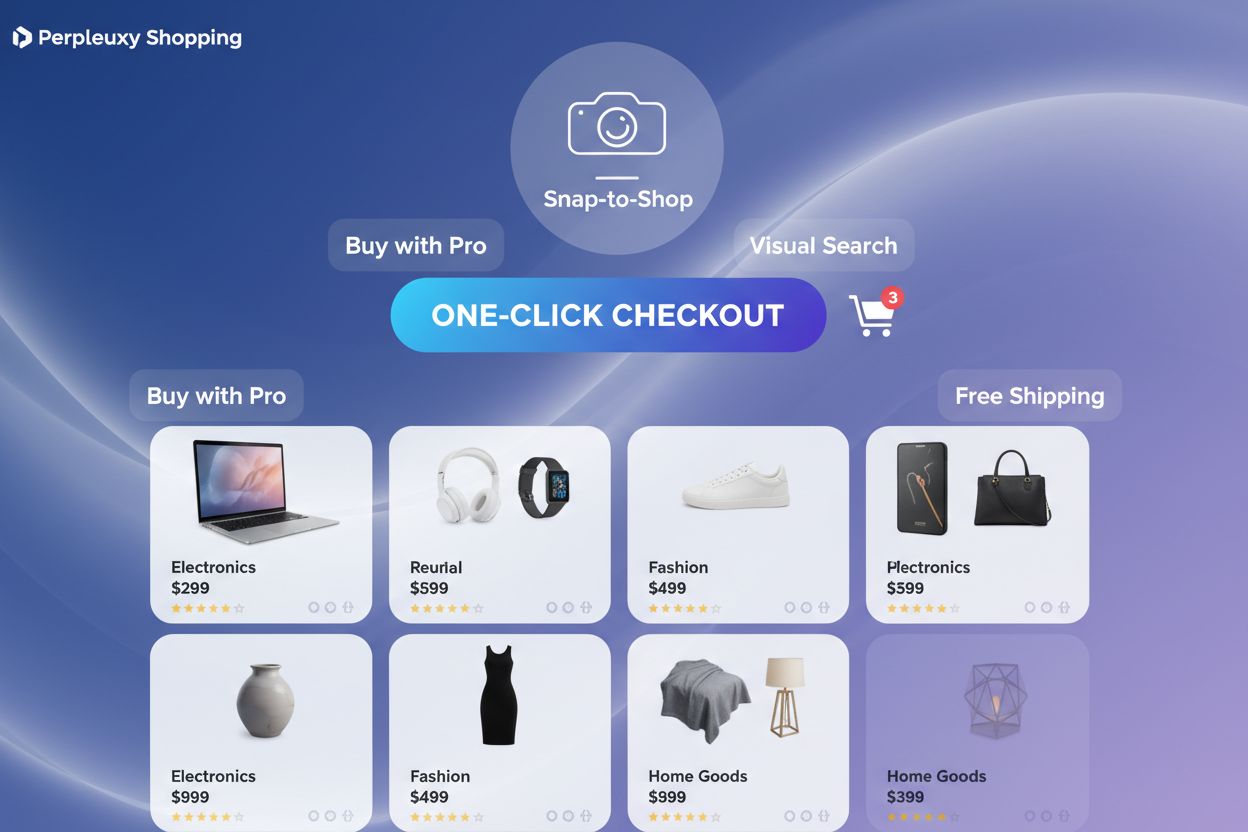
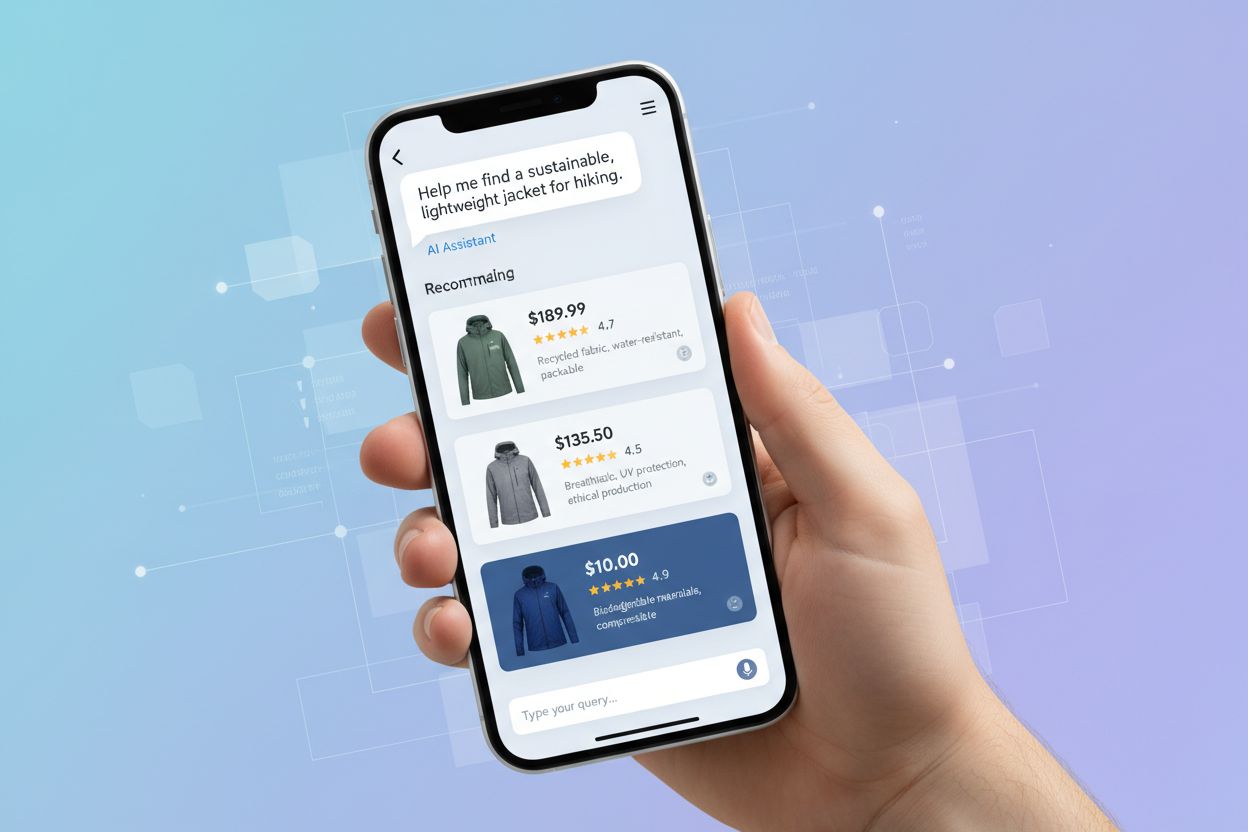
Perplexity Shopping is an AI-powered shopping experience that transforms how consumers discover and purchase products online. Unlike traditional search engines that display links and ads, Perplexity combines conversational AI with integrated shopping features including Buy with Pro (one-click checkout), Snap-to-Shop (visual search using your phone camera), and AI-powered product recommendations. When you use Perplexity Shopping, you get personalized product suggestions based on your specific needs, complete with detailed product cards showing prices, availability, and customer reviews. The platform offers free shipping on all Buy with Pro orders for Pro users in the US, eliminating a major friction point in the purchasing journey. What sets Perplexity apart is its conversational approach—you can ask follow-up questions, refine your search naturally, and get answers that feel like talking to a knowledgeable shopping assistant rather than scrolling through endless product listings.
The opportunity to reach customers through Perplexity Shopping is growing rapidly, with the platform experiencing over 40% month-over-month growth. According to recent data, 17% of billion-dollar companies are already exploring Perplexity’s capabilities, recognizing it as a significant emerging channel for customer acquisition. What makes Perplexity particularly attractive to both consumers and merchants is its ad-free environment, which builds trust and ensures that product recommendations are based on relevance rather than advertising spend. The platform’s conversational search aligns perfectly with how modern consumers naturally search for products—asking questions and expecting personalized answers rather than generic results. By optimizing your products for Perplexity Shopping, you’re positioning your business to capture early adopters who are actively seeking a better shopping experience. The direct shopping integration reduces friction in the buying journey, meaning customers can move from discovery to purchase without leaving the platform. For forward-thinking eCommerce businesses, establishing a strong presence on Perplexity Shopping now is a strategic advantage that can drive significant revenue growth.
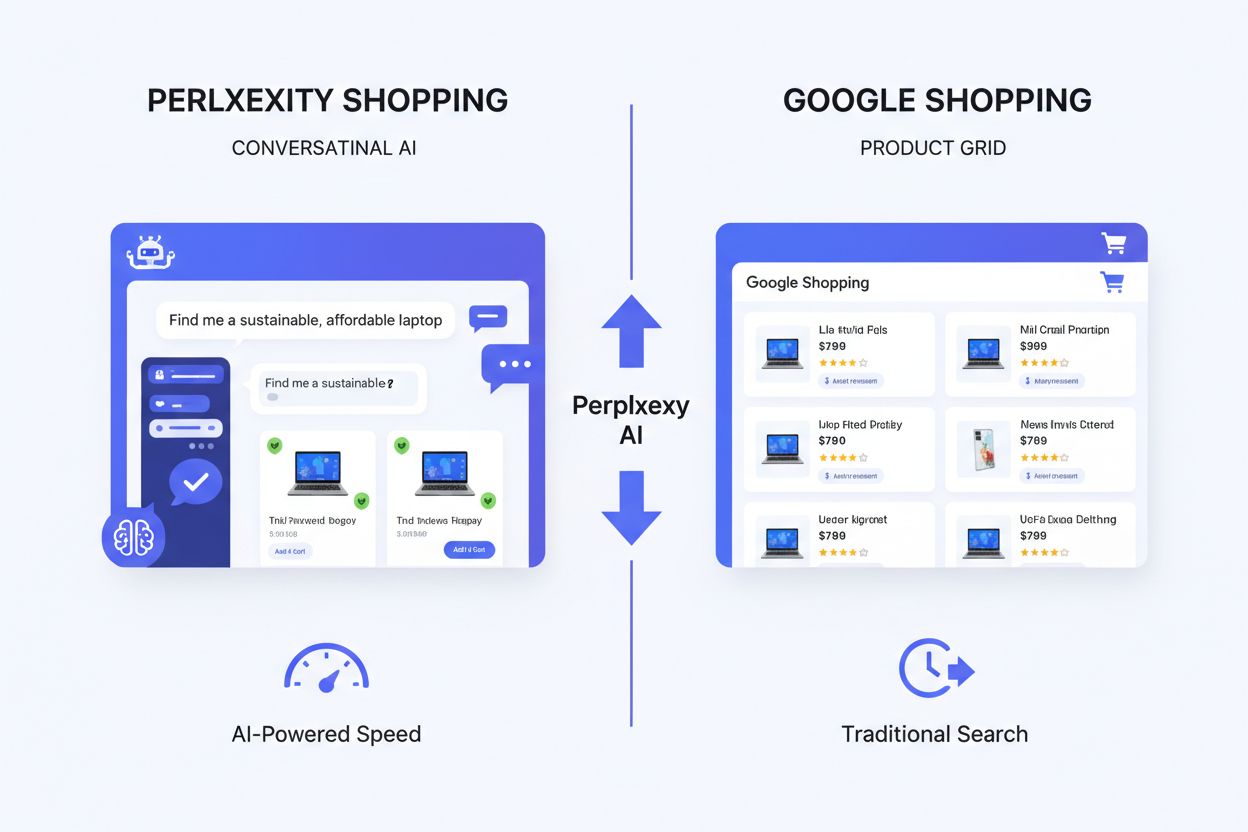
Understanding how Perplexity Shopping compares to other shopping platforms helps you prioritize your optimization efforts effectively. Here’s a detailed comparison:
| Feature | Perplexity Shopping | Google Shopping | Traditional Search |
|---|---|---|---|
| User Intent Understanding | Conversational AI analyzes context and nuance | Keyword-based matching | Basic keyword matching |
| Checkout Experience | One-click Buy with Pro checkout | Redirects to retailer sites | Multiple redirects required |
| Ad-Free Environment | Yes, no sponsored results | No, includes ads | No, includes ads |
| Conversational Interface | Yes, ask follow-up questions | No, traditional SERP | No, traditional SERP |
| Visual Search | Snap-to-Shop feature available | Limited visual search | No visual search |
| Source Transparency | Clear citations and sources | Limited source visibility | Limited source visibility |
Perplexity Shopping’s conversational nature means it better understands what customers actually want, not just what keywords they type. The one-click checkout dramatically reduces cart abandonment compared to traditional shopping flows where customers must navigate to external retailer websites. The ad-free model ensures that product recommendations are purely merit-based, building consumer confidence in the results. For merchants, this means your products can compete on quality and relevance rather than advertising budget. The visual search capability opens entirely new discovery pathways—customers can photograph items they like and find similar products instantly. Finally, Perplexity’s transparent citation system means your brand gets proper attribution when your products are recommended, building brand awareness alongside sales.
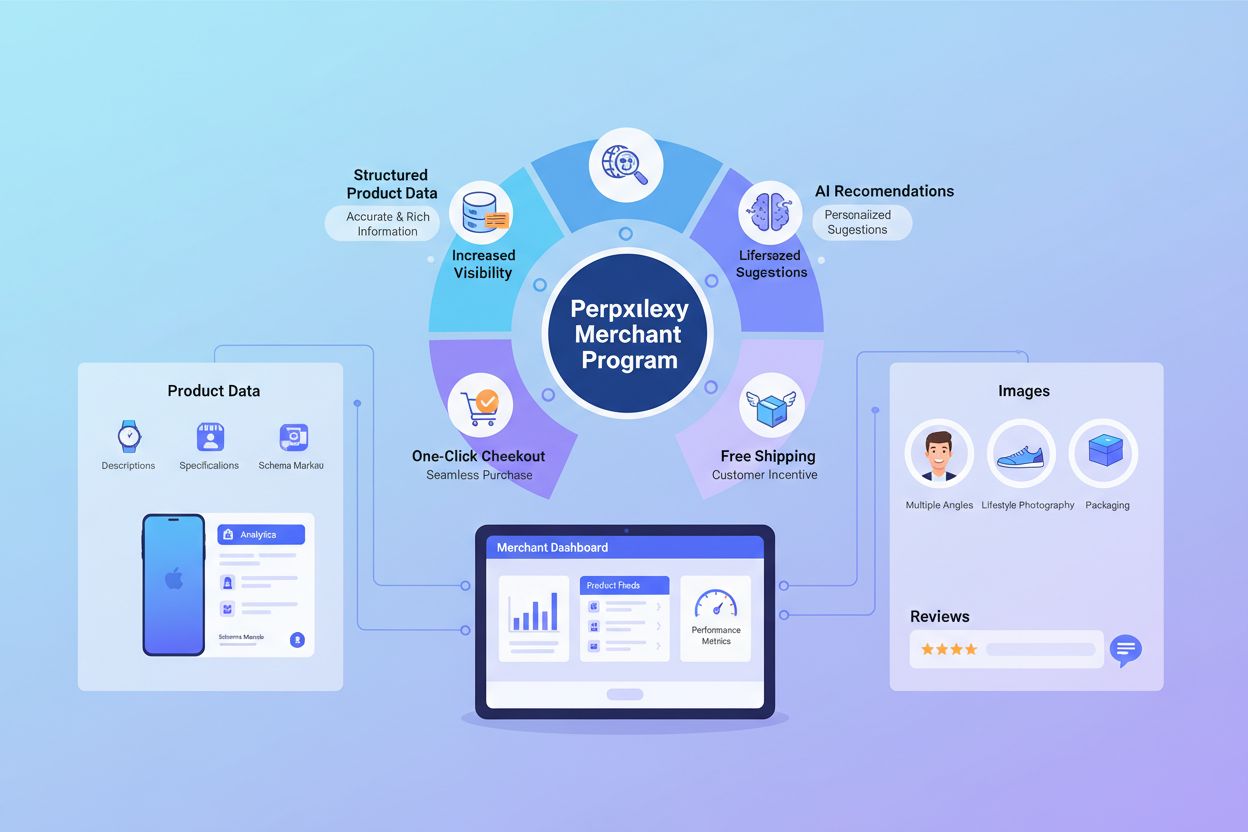
Getting your products in front of Perplexity Shopping customers requires a strategic setup process. First, join the Perplexity Merchant Program by visiting their merchant portal and completing the registration process—this gives you access to tools and insights specific to the platform. Next, ensure you’re providing detailed product specifications including dimensions, materials, colors, sizes, and all relevant attributes that help the AI understand your products comprehensively. Maintain accurate pricing and real-time availability across all your product listings, as Perplexity’s AI relies on current data to make reliable recommendations to customers. Optimize your product descriptions for AI interpretation by writing clear, detailed copy that explains benefits and features in natural language—avoid keyword stuffing and focus on genuine product information. Include high-quality product imagery from multiple angles with clean backgrounds, as visual search is a key discovery method on the platform. If you’re using Shopify, leverage the native integrations available to sync your product catalog automatically. Finally, set up Buy with Pro checkout to enable seamless one-click purchasing, and regularly monitor your merchant dashboard to track performance metrics and identify optimization opportunities.
The quality of your product information directly impacts how often your items appear in Perplexity Shopping results and recommendations. Comprehensive product details are essential—include everything from basic specifications to usage instructions, care information, and warranty details. The AI uses this information to match products with customer needs, so the more thorough your descriptions, the better the matches. AI interpretation of descriptions works best when you write naturally and comprehensively; explain what makes your product unique, who it’s best for, and what problems it solves. Visual search optimization requires high-quality images with proper lighting, clear product visibility, and minimal distracting backgrounds—multiple angles (front, back, side, detail shots) significantly improve visual search performance. Ensure pricing accuracy and real-time updates by syncing your inventory management system with Perplexity, preventing customers from encountering out-of-stock items or outdated prices. Availability synchronization is critical—if your inventory changes, update Perplexity immediately to maintain customer trust. Implement proper product categorization and attributes (size, color, material, brand, etc.) so the AI can accurately filter and recommend your products. Consider adding rich media integration like 360-degree product views or demonstration videos, which significantly enhance product understanding. Finally, implement schema markup on your website to help Perplexity’s crawlers better understand your product data and extract information more accurately.
Perplexity’s recommendation engine is sophisticated and works differently than traditional eCommerce algorithms. The AI analyzes user queries for intent and context, understanding not just what customers are looking for but why they’re looking for it. This means your products are more likely to be recommended when they genuinely match customer needs rather than just matching keywords. Product attributes and metadata are crucial—ensure every attribute is accurate and complete, as the AI uses this data to understand your product’s position in the market. The system excels at cross-selling and upselling opportunities; if a customer is looking for a laptop, complementary products like cases, chargers, or software might be recommended alongside it. Your competitive positioning in recommendations depends on how well your product data compares to competitors—ensure your specifications are complete and your descriptions highlight genuine differentiators. To improve recommendation visibility, focus on building a strong review profile and maintaining high customer satisfaction ratings, as these signals influence recommendation algorithms. Customer reviews and ratings serve as social proof that the AI weighs heavily in recommendations—actively encourage satisfied customers to leave detailed reviews. Finally, understand that personalization factors like user search history and preferences influence recommendations, so optimizing for broad relevance ensures your products appear across diverse customer segments.
The Snap-to-Shop feature is a game-changer for product discovery, allowing customers to photograph items they like and instantly find similar products on Perplexity. To optimize for this feature, you need to understand how visual recognition works. Image quality requirements are high—use professional photography with sharp focus, accurate colors, and proper exposure; blurry or poorly lit images won’t be recognized effectively. Product visibility in images is paramount; ensure the product occupies at least 60-70% of the frame and is clearly distinguishable from the background. Background optimization means using clean, simple backgrounds (white, light gray, or subtle patterns) that don’t distract from the product or confuse the visual recognition algorithm. Multiple angle photography is essential—provide front, back, side, and detail shots that show different aspects of your product; this increases the chances of visual matches across various customer photos. Maintain consistency across platforms; if your product appears on your website, Amazon, and other retailers, ensure the images are consistent in style and quality so visual search recognizes them as the same product. Alt text and metadata for images should be descriptive and include relevant keywords, helping the AI understand what’s in the image. Finally, test visual search regularly by photographing your products and searching for them on Perplexity to ensure they’re being recognized and recommended correctly.
Getting customers to your products is only half the battle; converting them into buyers requires strategic optimization. Streamline your checkout process by reducing the number of steps required to complete a purchase—every additional step increases abandonment rates. Optimize your product pages for conversion by ensuring they load quickly, display clearly on mobile devices, and include all information customers need to make confident purchasing decisions. Provide clear pricing and shipping information upfront; hidden costs are a major reason customers abandon purchases, so be transparent about total cost including shipping and taxes. Customer reviews and ratings are conversion powerhouses—products with numerous positive reviews convert significantly better than those without, so actively encourage customers to leave feedback. Include trust signals and certifications like security badges, money-back guarantees, return policies, and industry certifications that reassure customers they’re making a safe purchase. Mobile optimization is non-negotiable; over 60% of shopping searches happen on mobile devices, so ensure your product pages are fully responsive and fast-loading. Loading speed optimization directly impacts conversion rates—every second of delay increases bounce rates, so optimize images, minimize code, and use content delivery networks. Finally, implement A/B testing strategies to continuously improve conversion rates; test different product descriptions, images, pricing displays, and call-to-action buttons to identify what resonates best with your audience.
Data-driven optimization requires understanding how your products perform on Perplexity Shopping. The merchant dashboard provides essential metrics including impressions (how often your products appear), clicks (how many customers view them), and conversions (actual purchases). Traffic sources from Perplexity should be tracked separately in your analytics to understand the channel’s contribution to overall revenue. Conversion rate tracking helps you identify which products sell well and which need optimization—products with low conversion rates might need better descriptions, images, or pricing adjustments. Product performance analysis reveals patterns; you might discover that certain categories outperform others or that specific product attributes drive more sales. Monitor search trends and keywords that lead customers to your products, helping you understand customer intent and optimize your product information accordingly. Customer behavior insights from the dashboard show how customers interact with your products—do they view multiple images? Do they read reviews? This information guides optimization priorities. Calculate your ROI by comparing revenue generated through Perplexity Shopping against the time and resources invested in optimization. Finally, use all this data to drive optimization based on data; if certain products consistently underperform, investigate why and make targeted improvements rather than guessing at solutions.
Once you’ve mastered the basics, advanced techniques can significantly amplify your Perplexity Shopping success. Content partnerships with authority sites can boost your visibility—when your products are mentioned or reviewed on trusted websites, Perplexity’s algorithm recognizes this as a credibility signal. Building topical credibility means becoming a recognized expert in your product category; publish detailed guides, comparisons, and educational content that establishes your brand as authoritative. Leveraging user-generated content like customer photos and videos adds authenticity and provides additional visual search opportunities—encourage customers to share their experiences with your products. Review management strategies go beyond just collecting reviews; respond to all reviews professionally, address concerns, and use feedback to improve your products and service. Competitive analysis helps you understand how your products compare to competitors on Perplexity; identify gaps in competitor offerings and position your products to fill those gaps. Seasonal optimization means adjusting your product information, imagery, and positioning based on seasonal demand—winter products need different messaging than summer products. Inventory management should be proactive; if a product is trending on Perplexity, ensure you have adequate stock to meet demand. Finally, implement pricing strategy optimization by analyzing how price positioning affects visibility and conversion rates; sometimes strategic pricing changes can dramatically improve performance.
Many merchants make preventable mistakes that limit their Perplexity Shopping success. Here are the most common pitfalls and how to avoid them:
The trajectory of AI shopping is clear, and Perplexity is positioned at the forefront of this transformation. Expansion of Perplexity Shopping globally is already underway, with the platform planning to extend beyond the US market to reach international customers—early optimization now positions you for global reach. Integration with more platforms is coming; expect Perplexity to partner with additional eCommerce platforms, payment processors, and logistics providers to create a seamless shopping ecosystem. Enhanced AI capabilities will make product recommendations even more accurate and personalized, meaning merchants who provide comprehensive product data will see exponential visibility gains. Increased user adoption is inevitable as more consumers discover the convenience of conversational shopping; the 40% monthly growth rate suggests we’re still in the early adoption phase. The competitive landscape evolution means that merchants who optimize early will establish market leadership before competition intensifies. For forward-thinking businesses, the emerging opportunities for merchants include exclusive partnerships, featured placements, and premium merchant programs that reward early adopters. The importance of early adoption cannot be overstated—just as early SEO adopters dominated Google results, early Perplexity optimizers will dominate AI shopping results, capturing disproportionate market share and customer loyalty.
Perplexity Shopping is an AI-powered shopping experience that combines conversational search with integrated shopping features. It uses advanced AI to understand customer intent and provide personalized product recommendations with one-click checkout through Buy with Pro, visual search via Snap-to-Shop, and free shipping on orders.
Visit the Perplexity Merchant Program portal and complete the registration process. You'll need to provide your business information, product catalog details, and integrate your inventory system. Once approved, you'll gain access to merchant tools, analytics dashboards, and optimization resources.
Perplexity Shopping offers conversational AI, one-click checkout, visual search, and an ad-free environment, while Google Shopping uses keyword matching with ads. Perplexity provides better user intent understanding and reduced checkout friction, making it ideal for merchants seeking a modern shopping experience.
Use professional photography with sharp focus and accurate colors. Ensure products occupy 60-70% of the frame with clean, simple backgrounds. Provide multiple angles (front, back, side, detail shots) and maintain consistency across all platforms. Test visual search regularly to ensure proper recognition.
Track impressions (product visibility), clicks (customer interest), conversions (actual sales), conversion rates, traffic sources, product performance by category, search trends, and ROI. Use these metrics to identify top performers and optimize underperforming products.
Buy with Pro is a one-click checkout feature available to Perplexity Pro users in the US. Customers save their shipping and billing information securely, then complete purchases directly on Perplexity without leaving the platform. All Buy with Pro orders include free shipping.
Yes, Perplexity offers native integrations with Shopify and other major eCommerce platforms. You can sync your product catalog automatically, manage inventory in real-time, and access merchant tools directly from your dashboard. API access is also available for custom integrations.
ROI varies by industry and product type, but early adopters report significant returns. With Perplexity's 40%+ monthly growth and 17% of billion-dollar companies already exploring the platform, early optimization positions you to capture market share before competition intensifies.
Track how your products appear in Perplexity Shopping and other AI platforms. Get real-time insights into AI citations and shopping visibility to optimize your presence.
Learn how Perplexity Shopping and Shop Like a Pro work, and discover optimization strategies to increase your ecommerce visibility in AI-powered product discove...

Learn about Perplexity Buy with Pro, the premium integrated checkout feature for Pro subscribers. Discover how AI-powered shopping, one-click checkout, and cont...
Learn what Perplexity Shopping is, how it works, and how it's transforming e-commerce discovery with AI-powered product recommendations and conversational searc...