

News Publishers and AI Citations: Timely Content Optimization
Learn how news publishers can optimize content for AI citations, track visibility across ChatGPT and Perplexity, and build authority in the AI search era with d...
8 min read
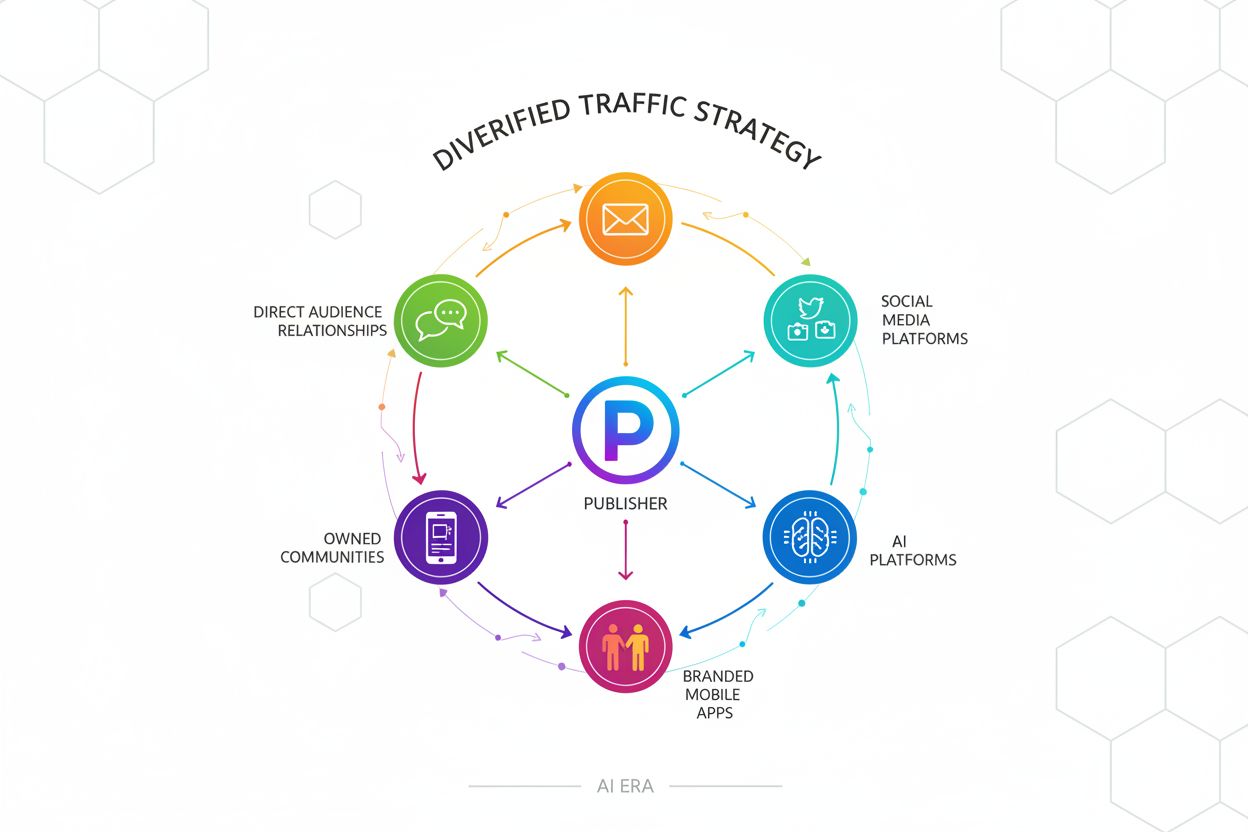
Learn how publishers can protect traffic and maintain visibility in the AI era. Discover strategies for AI optimization, citation tracking, and diversifying beyond search.
The digital landscape is undergoing a seismic shift that traditional publishers can no longer ignore. The rise of AI-powered discovery mechanisms—from Google’s AI Overviews to ChatGPT and Claude—is fundamentally changing how audiences find and consume information. Rather than clicking through to publisher websites, users increasingly receive answers directly within AI interfaces, a phenomenon that’s reducing publisher traffic by 10-25% according to recent studies. The era of zero-click searches has intensified, with 69% of searches now resulting in no click-through, making traditional SEO strategies insufficient for maintaining visibility. The critical challenge facing publishers today isn’t about ranking higher in search results—it’s about achieving visibility within AI systems themselves, a distinction that requires an entirely new approach to content strategy and measurement.
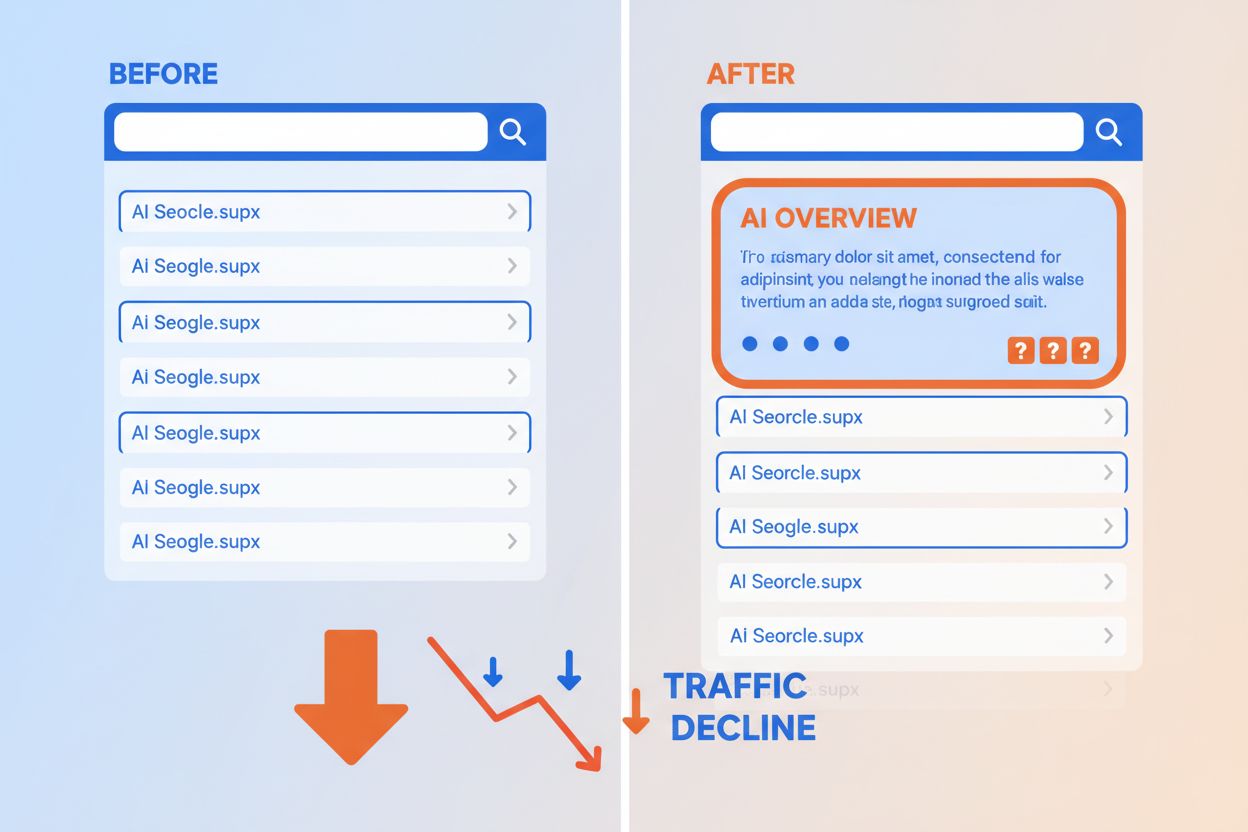
The traffic impact of AI-powered discovery extends far beyond theoretical concerns, with multiple independent research studies documenting significant real-world consequences for publishers. A comprehensive analysis of traffic patterns reveals a troubling picture: Pew Research Center found a 46% reduction in click-through rates from search, while Ahrefs documented a 34.5% decline in organic traffic following AI Overview rollouts. The impact varies dramatically by industry—DMG Media reported an 89% traffic reduction in certain categories, while Chegg experienced a 49% decline in search traffic after ChatGPT’s launch. Interestingly, branded searches show resilience, with some publishers seeing +18% growth in direct brand searches as users seek trusted sources. The data reveals a clear pattern: publishers who rely heavily on algorithmic discovery face existential threats, while those with strong brand recognition maintain more stable traffic patterns.
| Study/Source | Finding | Impact Level |
|---|---|---|
| Pew Research Center | 46% CTR reduction | Critical |
| Ahrefs | 34.5% traffic decline | High |
| DMG Media | 89% category-specific reduction | Severe |
| Chegg | 49% search traffic decline | High |
| Branded Search Trends | +18% growth in brand searches | Positive |
The metrics that matter for publisher success are fundamentally changing in the AI era, requiring a shift from traditional ranking-focused analytics to a more sophisticated measurement framework. Publishers must now track not just rankings but citations—instances where AI systems reference, quote, or ground their responses in publisher content. Modern analytics platforms like GA4, Chartbeat, and Tollbit enable publishers to measure grounding events, which track when AI systems cite publisher content as a source for their answers. Sports Illustrated and Forbes have both adapted their measurement strategies to prioritize citation tracking over traditional pageview metrics, recognizing that visibility in AI outputs drives long-term brand authority and indirect traffic. The importance of structured data cannot be overstated; publishers who implement proper schema markup, author attribution, and content metadata significantly increase their likelihood of being cited by AI systems. This shift represents a fundamental reimagining of what “visibility” means in a world where being mentioned by an AI system may be more valuable than appearing at the top of a search results page.
Optimizing content for AI visibility requires a fundamentally different approach than traditional SEO, focusing on clarity, comprehensiveness, and machine-readability:
Brand management in the AI era extends far beyond traditional website optimization, requiring publishers to cultivate strong signals across multiple platforms and touchpoints. Off-site signals—including Google Maps listings, review platforms, app store ratings, and social media presence—now play a crucial role in how AI systems evaluate publisher credibility and authority. When users search for branded content or specific publishers, AI systems increasingly surface these off-site signals alongside traditional search results, making reputation management across platforms essential. Ringier Group, a major European media company, has invested heavily in optimizing their brand presence across multiple channels, recognizing that AI systems use these signals to determine which publishers to cite and trust. For media companies, this represents a new challenge: maintaining consistent brand messaging and quality signals across dozens of platforms simultaneously, rather than focusing primarily on website optimization. Publishers who neglect their off-site presence risk being deprioritized by AI systems, even if their on-site content is excellent.
The most forward-thinking publishers are actively diversifying their audience reach beyond search-dependent channels, building direct relationships with readers through multiple touchpoints. Email newsletters have emerged as a particularly effective channel, with 54% of publishers reporting strong engagement and conversion rates through newsletter strategies, creating a direct line to audiences that bypasses AI intermediaries entirely. Branded mobile applications, community platforms, and WhatsApp alerts provide additional channels for direct audience engagement, allowing publishers to build first-party data relationships that are increasingly valuable in a privacy-conscious, AI-driven world. Reach and Metro, two major UK publishers, have successfully implemented multi-channel strategies that treat their websites as one component of a broader audience engagement ecosystem rather than the primary revenue driver. By collecting first-party data through these channels, publishers can develop more sophisticated subscription models and create more valuable audience insights for advertisers. This diversification approach transforms publishers from search-dependent entities into direct-to-consumer media companies with multiple revenue streams and audience touchpoints.
Rather than viewing AI companies as threats, forward-thinking publishers are negotiating direct partnerships and licensing agreements that create new revenue opportunities. News Corp’s partnership with OpenAI and The Atlantic’s content licensing deal demonstrate that AI companies are willing to pay for quality content, recognizing that their systems require authoritative sources to provide credible answers. These agreements typically include upfront payments for content access and ongoing royalties based on usage, creating a new revenue model that complements traditional advertising and subscription income. Direct relationships with AI companies offer publishers several advantages: guaranteed revenue regardless of traffic fluctuations, increased visibility within AI systems (as licensed content is more likely to be cited), and opportunities to shape how their content is presented and attributed. Rather than fighting AI adoption, publishers who establish these partnerships position themselves as essential infrastructure for the AI era, transforming potential threats into revenue-generating relationships.
Measuring the impact of AI on publisher traffic and revenue requires new tools and methodologies designed specifically for the AI era, moving beyond traditional analytics to track citations and grounding events. AmICited.com provides publishers with comprehensive visibility into how their content is being cited across AI systems, tracking mentions, quotes, and grounding events that traditional analytics platforms cannot measure. Platforms like Tollbit and AmICited.com enable publishers to monitor not just traffic impact but also attribution quality—ensuring that when AI systems cite their content, proper credit and links are provided. Publishers can now measure grounding events (instances where AI systems cite their content as a source), citation frequency (how often their content appears in AI responses), and attribution accuracy (whether citations include proper links and author attribution). Advanced attribution modeling allows publishers to correlate citation activity with downstream traffic, subscription conversions, and brand awareness metrics, creating a complete picture of AI’s impact on their business. By implementing these monitoring tools, publishers gain the visibility necessary to optimize their AI strategy and demonstrate ROI to stakeholders.
The publishers who will thrive in the AI era are those who view AI not as an existential threat to be fought, but as a fundamental shift in the media landscape requiring strategic adaptation. Quality content remains the foundation of any successful publisher strategy—AI systems are designed to cite authoritative, well-researched, original content, making editorial excellence more important than ever. A multi-channel approach that combines search optimization, direct audience relationships, content licensing partnerships, and brand building creates resilience against any single platform’s algorithm changes. Publishers should invest in brand building and direct audience relationships as insurance against algorithmic disruption, recognizing that owned channels and loyal audiences provide stability in an uncertain landscape. As AI systems continue to evolve—including the expansion of AI Mode and other new discovery mechanisms—publishers must remain agile, continuously monitoring their visibility and adjusting strategies based on performance data. The regulatory landscape surrounding AI and content attribution is still developing, and publishers who actively participate in shaping these regulations while simultaneously optimizing for current AI systems will be best positioned for long-term success.
Publisher AI visibility refers to how often and how prominently your content appears in AI-generated responses, summaries, and citations across platforms like Google AI Overviews, ChatGPT, and other AI systems. Unlike traditional search visibility which focuses on rankings, AI visibility measures whether AI systems cite, quote, or reference your content when answering user queries.
Research shows significant traffic losses ranging from 10-25% on average, with some publishers experiencing declines up to 89% in specific categories. Pew Research found a 46% reduction in click-through rates, while Ahrefs documented a 34.5% decline. The impact varies by industry, content type, and brand strength, with branded searches showing more resilience than generic queries.
Traditional SEO focuses on ranking your content higher in search results to drive clicks. AI visibility focuses on being cited and referenced by AI systems, which may not generate direct clicks but builds authority and brand awareness. AI visibility requires different optimization strategies including structured data, answer-first content, and machine-readable formatting.
Publishers should adopt an answer-first approach, implement comprehensive structured data and schema markup, create Q&A formatted content, optimize for machine readability with clear headings, enhance author attribution and credentials, develop content recirculation strategies, and focus on creating original research and proprietary data that AI systems cannot find elsewhere.
AmICited.com provides comprehensive monitoring of how your content is cited across AI systems, tracking mentions, quotes, and grounding events. Other platforms like Tollbit also offer AI citation tracking. These tools measure citation frequency, attribution accuracy, and help correlate AI visibility with downstream traffic and conversions.
Blocking AI crawlers entirely eliminates opportunities for citations and visibility in AI systems, which increasingly drive discovery. A better approach is to optimize for AI visibility while negotiating licensing agreements with major AI companies. This allows you to benefit from citations while potentially earning revenue through content partnerships.
Brand building is more important than ever in the AI era. Research shows branded searches see +18% growth in click-through rates when AI Overviews appear, while generic searches see 34-46% declines. Strong brands are more likely to be cited by AI systems and maintain audience loyalty independent of algorithmic changes.
Content licensing deals with AI companies like OpenAI and Anthropic create new revenue streams through upfront payments and ongoing royalties. These partnerships guarantee revenue regardless of traffic fluctuations, increase visibility within AI systems, and allow publishers to shape how their content is presented and attributed in AI responses.
Understand how your content is being cited across AI platforms and protect your publisher traffic with real-time monitoring.
Learn how news publishers can optimize content for AI citations, track visibility across ChatGPT and Perplexity, and build authority in the AI search era with d...
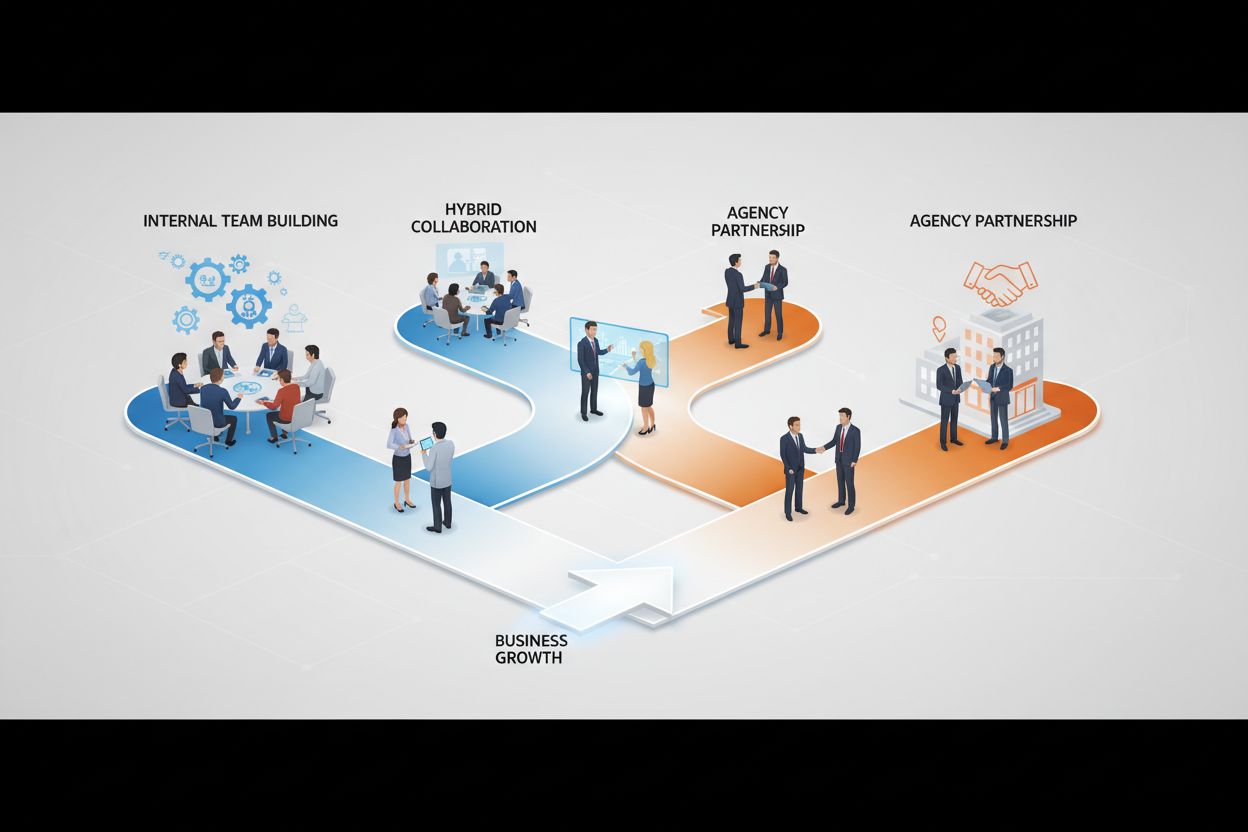
Comprehensive decision guide comparing DIY and agency approaches to AI visibility monitoring. Learn costs, timelines, and when to hire professional help for tra...
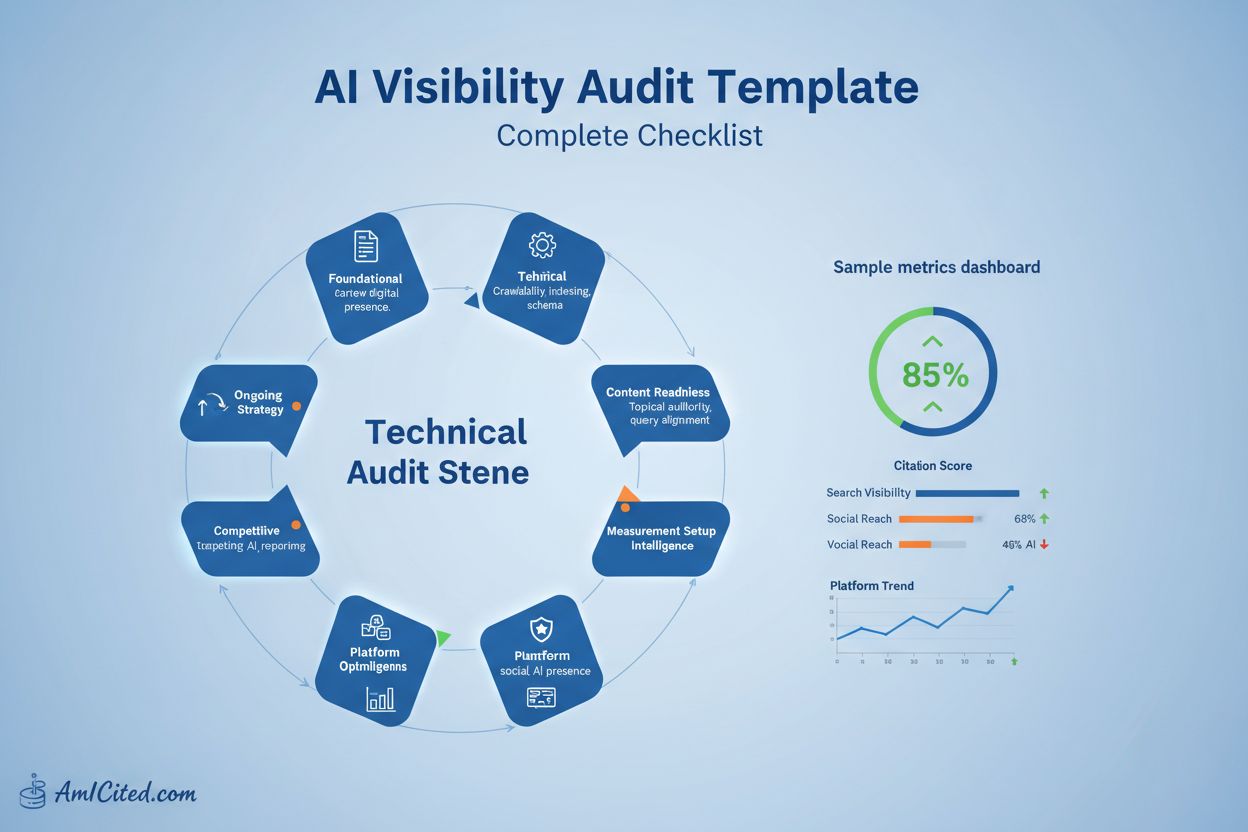
Complete AI visibility audit template and checklist. Audit your brand across ChatGPT, Perplexity, Google AI Overviews, and more. Step-by-step guide with tools, ...