
B2B Lead Generation Through AI Citations: A Case Study
Discover how Smart Rent generated 345% more leads through AI citations. Real case study showing B2B lead generation strategy, results, and implementation tactic...
9 min read
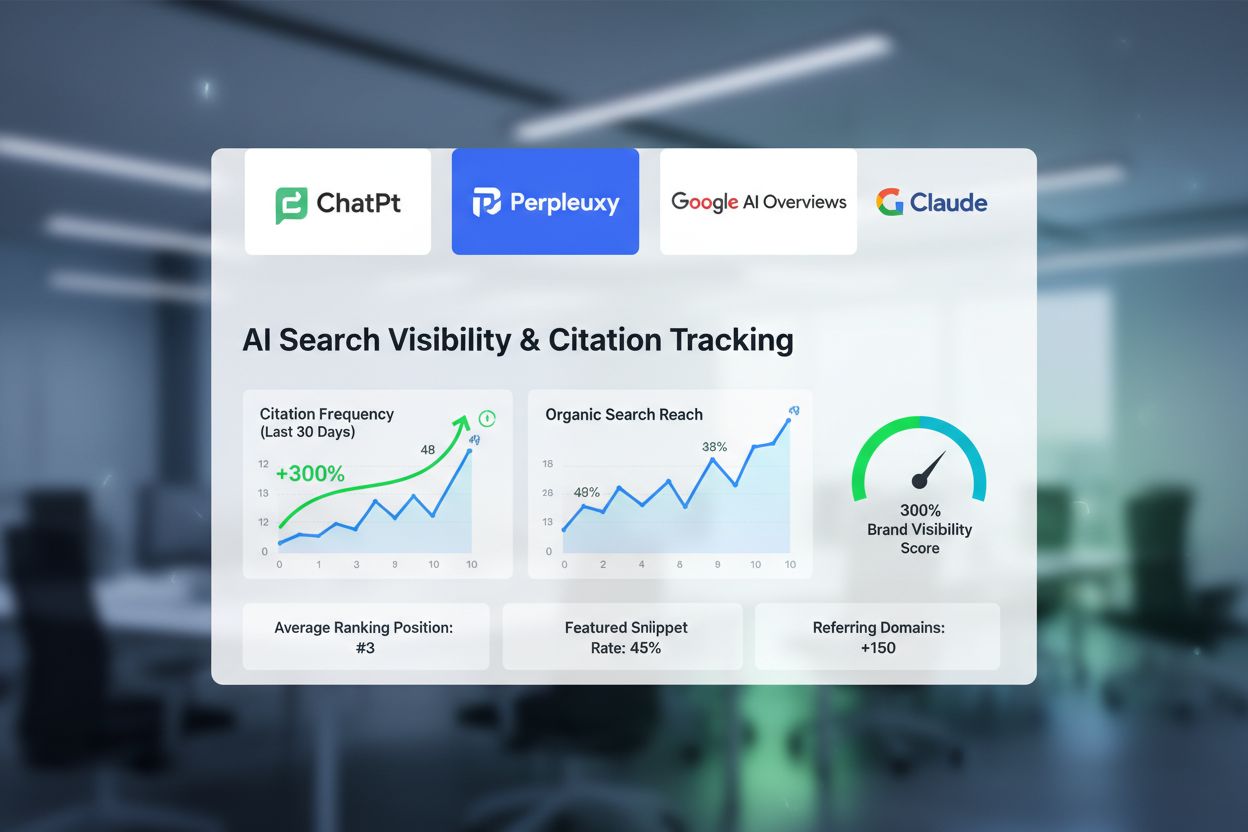
Discover how TechFlow Solutions achieved 300% AI citation growth and 185% qualified traffic increase through strategic GEO optimization. Real case study with actionable insights for SaaS brands.
The landscape of search has fundamentally shifted. ChatGPT processes 2.5 billion queries daily, while Perplexity attracts 153 million monthly visits—yet most SaaS brands remain invisible in these AI-powered results. Traditional SEO metrics have become obsolete; a brand can rank #1 on Google while remaining completely absent from AI Overviews and LLM citations. This gap represents a critical blind spot for B2B companies competing in crowded markets. TechFlow Solutions, a mid-sized project management SaaS platform, discovered this painful reality when they realized their competitors were capturing 60% of AI citations while they barely registered. By implementing a comprehensive AI-first strategy, TechFlow achieved a 300% increase in AI citations within six months, transforming from an invisible player into a cited authority. This case study reveals how SaaS brands can reclaim visibility in the AI-driven search ecosystem and capture the attention of both AI systems and the humans who rely on them.
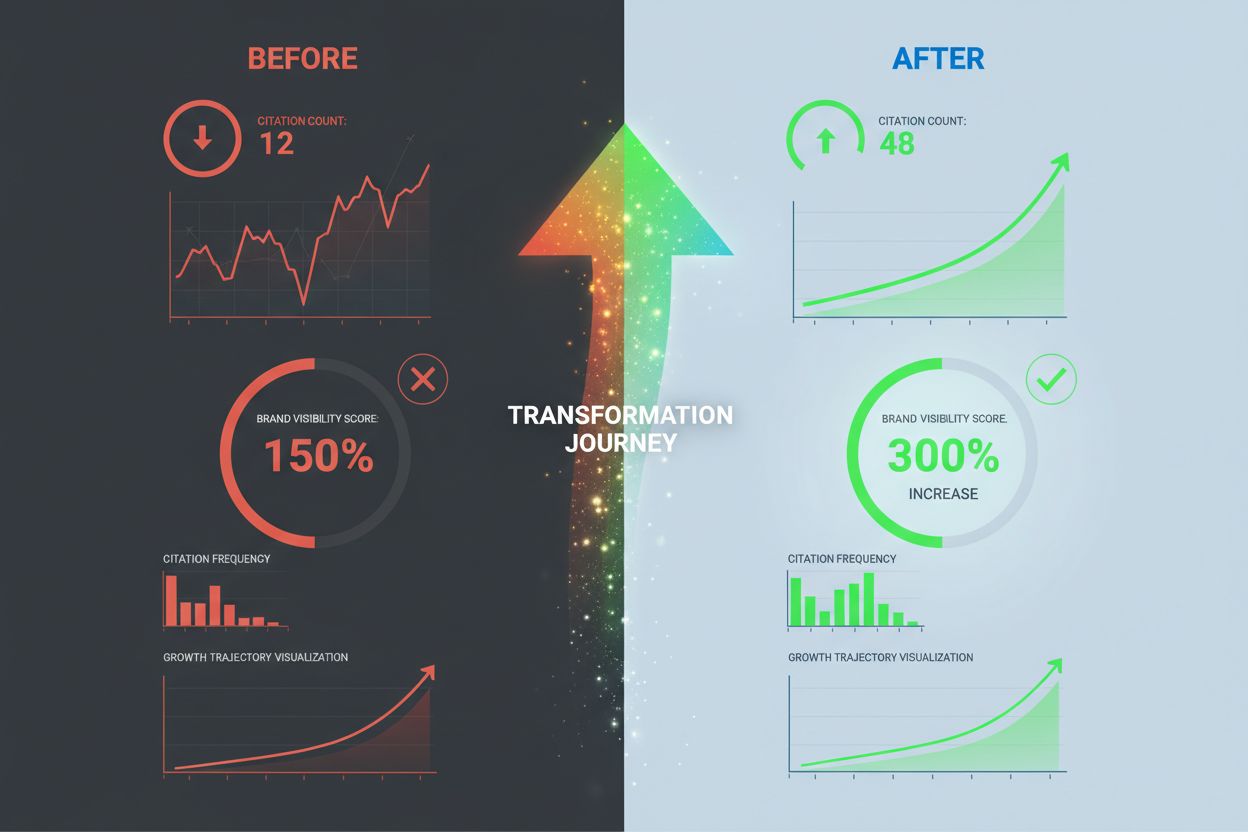
TechFlow Solutions operates in the competitive B2B project management space, competing directly against established players like Asana and Monday.com. With 150-200 employees and a solid product offering, the company had achieved respectable traditional SEO metrics—ranking for 200+ keywords and driving consistent organic traffic. However, when they began tracking AI citations in early 2024, the reality was sobering: they received only 12 AI citations per month with a 3.2% AI visibility score. Meanwhile, the market was shifting rapidly. AI Overview presence was growing at 18.76% month-over-month, and their competitors were capturing 60%+ of all AI citations in their category. The problem wasn’t their content quality or technical SEO—it was that they were optimizing for an outdated search paradigm. Traditional SEO focused on keyword density, backlinks, and click-through rates, but AI systems evaluated content through entirely different criteria: comprehensiveness, structured data, citation-worthiness, and direct answer potential.
| Competitor | Citations/Month |
|---|---|
| Competitor A | 245 |
| Competitor B | 89 |
| TechFlow (Before) | 12 |
This table starkly illustrated their challenge. They weren’t just behind—they were nearly invisible in the AI ecosystem that was rapidly becoming the primary discovery mechanism for enterprise software buyers.
TechFlow’s leadership recognized that incremental improvements wouldn’t close a 20x citation gap. They needed a fundamental strategic shift. Phase 1 began with a comprehensive content audit that revealed critical gaps: their existing content rarely appeared in AI Overviews, and they had virtually no presence in long-tail query results where AI Overviews appear 60.85% of the time. Phase 2 introduced an AI-first content strategy that prioritized comprehensive, answer-rich content designed specifically for LLM consumption. Phase 3 implemented the 5-Pillar AI Optimization Framework:
The execution was ambitious: TechFlow identified 200+ long-tail keyword opportunities and committed to creating 45 comprehensive guides, each exceeding 5,000 words. Rather than spreading resources thin, they focused on depth—each guide became a definitive resource that AI systems couldn’t ignore. They incorporated original research, step-by-step processes, comparison tables, and industry-specific examples that competitors hadn’t covered.
The results unfolded progressively over six months, each phase building momentum. In months 1-2, citations climbed to 18 per month as initial content began appearing in AI Overviews. By months 3-4, the framework’s full impact emerged with 32 citations monthly. By months 5-6, TechFlow had achieved 48 AI citations per month—a 300% increase from their baseline of 12. But citations were just the beginning. Qualified traffic from AI sources grew 185%, and more importantly, lead quality improved by 67% as AI systems routed higher-intent users to their content. The business impact was tangible: TechFlow captured 23% additional market share in their category within the same period.
| Month | Citations |
|---|---|
| Month 1-2 | 18 |
| Month 3-4 | 32 |
| Month 5-6 | 48 |
Sarah Chen, TechFlow’s VP of Marketing, reflected on the transformation: “We went from hoping someone would find us to being the resource that AI systems recommend. The leads coming through AI citations are 67% more likely to convert because they’ve already been validated by an AI system they trust. This isn’t just about visibility—it’s about credibility at scale.”
TechFlow’s success revealed surprising patterns about how AI systems evaluate and cite content. The most effective content shared common characteristics:
What Worked Best:
Unexpected Insights:
The underlying principle was simple but profound: AI systems cite content that genuinely solves problems. There’s no shortcut for authentic value creation. The brands that won weren’t those with the most aggressive SEO tactics, but those that created resources so comprehensive and helpful that AI systems naturally elevated them. This shift from gaming algorithms to creating genuine value represents a fundamental maturation of digital marketing strategy.
Traditional SEO metrics—domain authority, backlinks, keyword rankings—became increasingly irrelevant as AI visibility emerged as the primary discovery mechanism. TechFlow needed new measurement frameworks. They adopted 5 key GEO (Generative Engine Optimization) metrics:
These metrics revealed why traditional SEO was failing. A brand could rank #1 for a keyword but receive zero AI citations. Conversely, a brand could rank #15 but dominate AI Overviews if their content was more comprehensive and citation-worthy.
| Metric | Traditional SEO | GEO | Why It Matters |
|---|---|---|---|
| Keyword Ranking | Position 1-10 | Not tracked | AI doesn’t use rankings |
| Backlinks | Domain Authority | Citation Frequency | AI values direct mentions |
| Click-Through Rate | 2-5% | LLM Conversion Rate | AI users have higher intent |
| Traffic Volume | Impressions | AI Share of Voice | Quality over quantity |
| Visibility | Search Visibility Score | Brand Visibility Score | AI visibility is separate |
TechFlow tracked these metrics through a combination of tools and manual auditing, creating dashboards that revealed which content types generated the most citations and which topics needed deeper coverage. This data-driven approach allowed them to continuously optimize their strategy based on what actually worked.
Measuring AI visibility requires specialized tools designed for the generative search era. TechFlow evaluated several platforms:
Otterly.ai ($99-499/month) excels at tracking AI citations across multiple LLMs and AI Overviews, providing detailed attribution and competitor benchmarking. Promptmonitor ($199-799/month) focuses on prompt-level tracking, showing exactly which prompts trigger your content in AI responses. Semrush AI Toolkit ($120-450/month) integrates GEO metrics into their existing SEO platform, useful for brands already invested in Semrush. Profound AI ($299-999/month) offers the most comprehensive analysis, including sentiment tracking and LLM-specific performance data.
| Tool | Starting Price | Best For | Unique Feature |
|---|---|---|---|
| Otterly.ai | $99/month | Citation tracking | Multi-LLM comparison |
| Promptmonitor | $199/month | Prompt optimization | Exact prompt matching |
| Semrush AI Toolkit | $120/month | Integrated SEO+GEO | Existing SEO data |
| Profound AI | $299/month | Comprehensive analysis | Sentiment analysis |
However, TechFlow discovered that starting with free methods was equally valuable: manual prompt auditing (testing your content in ChatGPT, Perplexity, and Claude), GA4 custom configuration to track AI referral sources, and simple spreadsheet tracking of competitor citations. These free approaches provided 80% of the insights at 0% of the cost, making them ideal for brands testing the waters before committing to paid tools.
TechFlow’s transformation from invisible to authority wasn’t accidental—it resulted from systematic strategy, disciplined execution, and continuous optimization. The journey revealed that AI visibility isn’t a lottery; it’s a learnable skill that any SaaS brand can develop. The critical success factors were content depth (comprehensive guides that exhaustively covered topics), structured data (schema markup and clear formatting for AI parsing), and consistent optimization (weekly monitoring and monthly strategy adjustments).
Your brand can replicate this success by following these 5 Steps to Replicate TechFlow’s Success:
The brands winning in 2024 and beyond aren’t those with the most aggressive marketing budgets—they’re those creating genuinely helpful resources that AI systems naturally recommend. TechFlow proved that this approach works, delivering 300% citation growth, 185% traffic increase, and 67% lead quality improvement. Your opportunity is waiting. The question isn’t whether AI visibility matters—it clearly does. The question is whether you’ll act now or watch your competitors capture the attention of the AI systems your customers rely on.
Ready to implement? Start with a free audit of your AI visibility this week. The brands that move first will establish authority that takes competitors months to challenge.
AI visibility refers to how often your brand appears in AI-generated responses from ChatGPT, Perplexity, Google AI Overviews, and Claude. It matters because 89% of B2B buyers now use AI during their purchasing journey, and AI-referred visitors convert at 4.4x the rate of traditional organic search. If your brand isn't cited by AI systems, you're missing high-intent prospects.
Traditional SEO focuses on keyword rankings and click-through rates, while GEO prioritizes being cited as an authoritative source within AI-generated answers. GEO requires comprehensive content, structured data, and citation-worthy elements that AI systems naturally reference. A brand can rank #1 on Google but be completely absent from AI Overviews.
The five key GEO metrics are: Citation Frequency (how often you appear in AI responses), Brand Visibility Score (percentage of category queries mentioning your brand), AI Share of Voice (your citations vs. competitors), Sentiment Analysis (positive/negative mentions), and LLM Conversion Rate (AI traffic conversion percentage). These metrics reveal what traditional SEO dashboards miss.
Unlike traditional SEO which takes 6-12 months, AI visibility improvements can appear within weeks on platforms like Perplexity that conduct real-time web searches. However, building sustainable citation authority requires 3-6 months of consistent optimization. TechFlow saw measurable results within 2 months and achieved 300% growth by month 6.
Options range from free methods (manual prompt testing in ChatGPT/Perplexity, GA4 custom configuration) to paid platforms like Otterly.ai ($99-499/month), Promptmonitor ($199-799/month), Semrush AI Toolkit ($120-450/month), and Profound AI ($299-999/month). Start with free methods to validate the opportunity before investing in paid tools.
Yes. AI visibility is based on content comprehensiveness and citation-worthiness, not marketing budget. TechFlow competed against Asana and Monday.com by creating more exhaustive, helpful content. Small teams can win by focusing on depth (5,000+ word guides) and niche expertise rather than trying to outspend larger competitors.
AI systems prefer comprehensive guides (5,000+ words), question-based structures, step-by-step processes, comparison tables, original research, and industry-specific examples. Content with clear formatting (headings, bullets, tables) is 28-40% more likely to be cited. FAQ formats perform exceptionally well because they match how users query AI systems.
AmICited monitors how AI systems (ChatGPT, Perplexity, Google AI Overviews) cite your brand across thousands of queries. You get real-time visibility into citation frequency, competitive benchmarking, sentiment analysis, and actionable insights to improve your GEO strategy. It's the only platform purpose-built for tracking AI mentions and citations.
Join hundreds of SaaS brands using AmICited to track AI citations, monitor brand mentions across ChatGPT, Perplexity, and Google AI Overviews, and optimize for generative search visibility.
Discover how Smart Rent generated 345% more leads through AI citations. Real case study showing B2B lead generation strategy, results, and implementation tactic...
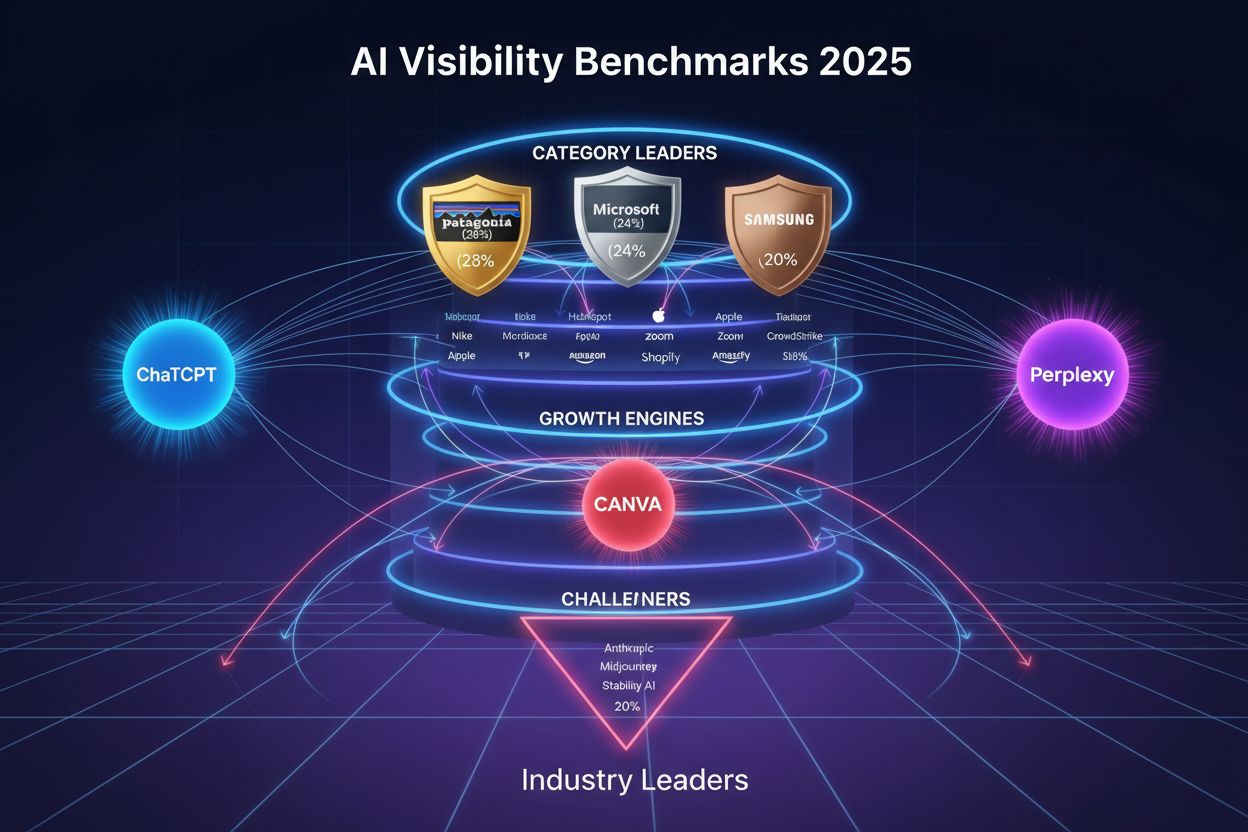
Discover which brands are winning AI visibility benchmarks. Analyze industry leaders across ChatGPT, Perplexity, and Google AI with data-driven insights and com...

Discover the hidden costs of AI invisibility for brands. Learn why ChatGPT mentions matter, how to measure visibility loss, and 8 tactics to regain AI presence ...