
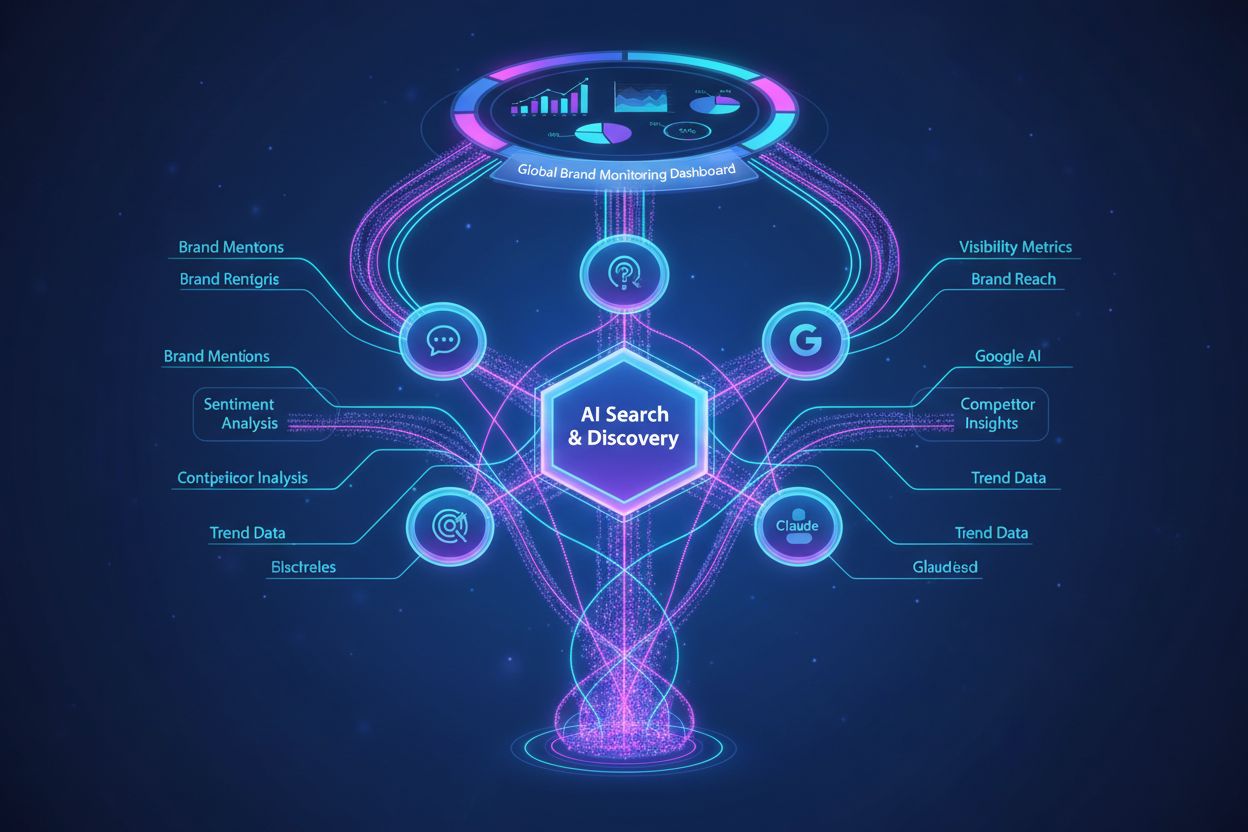
Top 10 AI Visibility Monitoring Tools Compared
Compare the best AI visibility monitoring tools for 2025. Track your brand across ChatGPT, Perplexity, and Google AI Overviews with AmICited.com and other leadi...
8 min read

Learn the essential skills AI visibility professionals need: technical expertise, content strategy, data analysis, and continuous learning. Master GEO and AI monitoring.
AI Visibility, often referred to as Generative Engine Optimization (GEO), represents a fundamental shift in how brands need to think about discoverability in the age of artificial intelligence. While traditional Search Engine Optimization (SEO) focuses on ranking websites in Google’s blue links, AI visibility concerns itself with appearing in the outputs of large language models and AI-powered search platforms like ChatGPT, Google Gemini, Perplexity, and Google AI Overviews. The distinction matters because these AI systems don’t simply rank pages—they synthesize, summarize, and cite information to answer user queries directly, often without requiring users to click through to source websites. According to recent research, over 60% of Gen Z users now prefer AI-powered search interfaces, making AI visibility increasingly critical for brand awareness and traffic generation. Unlike traditional SEO, which rewards keyword optimization and backlink authority, AI visibility demands that content be structured as authoritative answers, properly cited, and optimized for how language models retrieve and present information. For brands, this means rethinking content strategy entirely: appearing in an AI overview can drive significant traffic and establish authority, but being omitted or misrepresented can severely impact discoverability. The professionals managing this new landscape need a completely different skill set than their SEO predecessors.
AI visibility professionals must develop a robust foundation in technical competencies that bridge data science, web development, and machine learning concepts. The essential technical skills include:
| Technical Skill | Importance Level | Primary Use Case | Learning Curve |
|---|---|---|---|
| Python | High | Data analysis, automation, API integration | Moderate |
| JSON-LD/Schema | Critical | Content annotation for AI systems | Low-Moderate |
| API Integration | High | Tool connectivity, data collection | Moderate |
| LLM Fundamentals | Critical | Understanding AI behavior and outputs | Moderate-High |
| JavaScript | Medium | Frontend implementation, tracking | Moderate |
| SQL/Databases | Medium | Data management and querying | Low-Moderate |
These technical foundations enable professionals to implement tracking systems, analyze AI-generated content performance, and integrate various monitoring platforms into cohesive measurement strategies. The combination of programming knowledge with AI-specific understanding creates professionals who can bridge the gap between marketing strategy and technical implementation, a critical role in the emerging AI visibility landscape.
Creating content that resonates with both human readers and AI systems requires a fundamentally different strategic approach than traditional content marketing. AI visibility professionals must master answer-first content creation, where the primary goal is providing direct, comprehensive answers to user questions rather than optimizing for keyword rankings. This involves conducting deep question research to understand not just what people search for, but how AI systems interpret and synthesize answers to those questions. Citation credibility becomes paramount—AI systems prioritize content from authoritative sources with clear author attribution, making it essential to structure content with proper bylines, credentials, and source documentation. Professionals need expertise in content structure optimization, formatting information in ways that AI systems can easily parse, including clear headings, bullet points, tables, and logical hierarchies that facilitate machine comprehension. Prompt engineering skills are increasingly valuable, as understanding how users query AI systems helps professionals anticipate the questions their content should answer. Additionally, professionals must develop the ability to audit existing content for AI-readiness, identifying gaps where competitors’ content might be cited instead of their own. The strategic mindset shifts from “how do we rank this page” to “how do we become the authoritative source that AI systems cite when answering this question.”
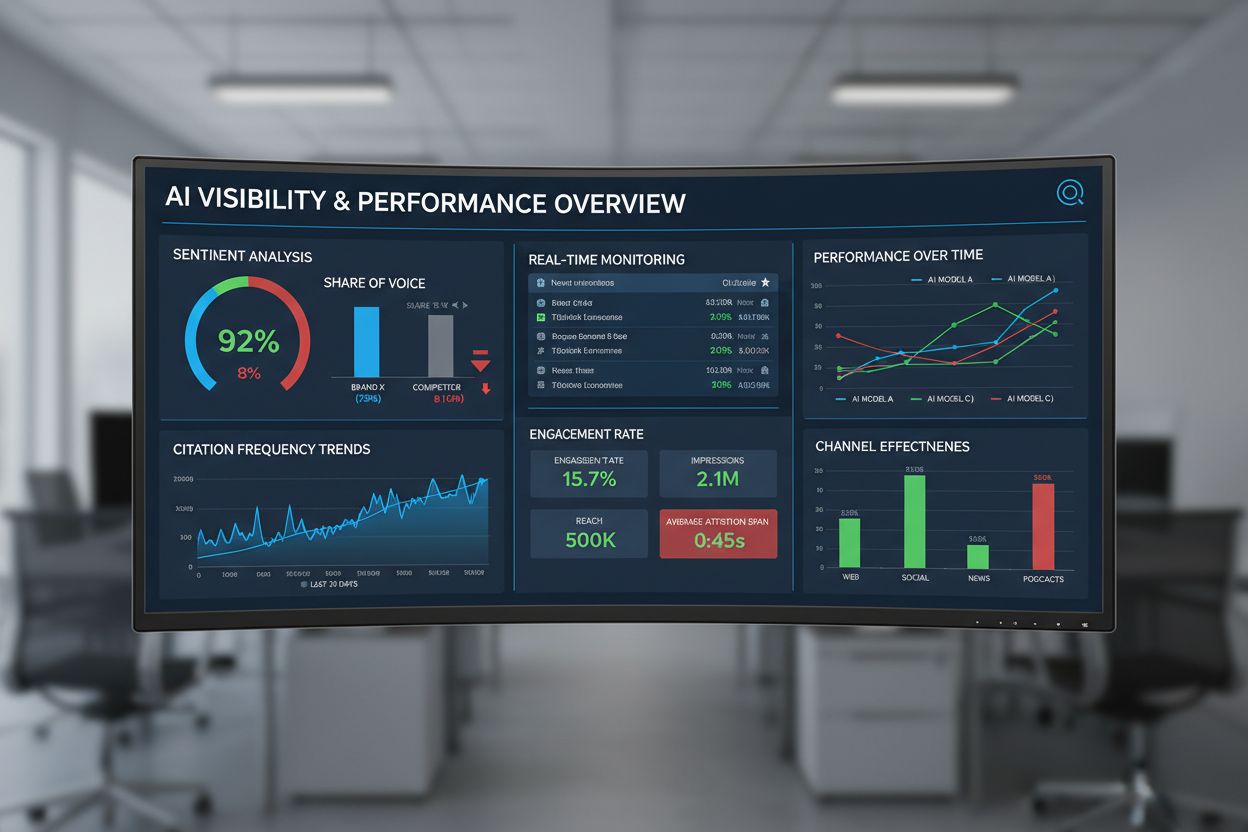
Measuring AI visibility success requires entirely new metrics and monitoring approaches distinct from traditional SEO analytics. Professionals must develop skills in tracking AI mentions, monitoring when and how their brand’s content appears in AI-generated responses across multiple platforms including ChatGPT, Gemini, Perplexity, and Google AI Overviews. Sentiment analysis of AI-generated content becomes important—understanding not just whether you’re cited, but how your brand and content are characterized in AI outputs. Share of voice in AI responses represents a critical KPI, measuring what percentage of AI-generated answers about your industry or topic include your content compared to competitors. Performance benchmarking against competitors’ AI visibility provides context for improvement efforts, while monitoring tools like AmICited, SE Ranking, and Rankscale enable systematic tracking across multiple AI platforms simultaneously. Professionals need statistical literacy to interpret data patterns, identify correlations between content changes and AI citation increases, and distinguish between meaningful trends and statistical noise. Regular reporting and dashboard creation help stakeholders understand AI visibility performance in business terms, translating technical metrics into revenue impact and brand awareness gains. The ability to connect AI visibility metrics to downstream business outcomes—traffic, leads, conversions—separates strategic professionals from those simply collecting data.
In the AI-driven content landscape, establishing and maintaining authority has become more important and more measurable than ever before. E-E-A-T signals—Experience, Expertise, Authoritativeness, and Trustworthiness—form the foundation of what AI systems evaluate when deciding whether to cite your content. This means professionals must understand how to build author credibility through clear biographical information, demonstrated expertise, publication history, and professional credentials that AI systems can recognize and evaluate. Source citation practices matter enormously; content that properly cites its sources and acknowledges limitations builds trust with AI systems, which increasingly penalize content that makes unsupported claims. Brand reputation management extends beyond traditional PR into the AI realm, where negative mentions or corrections in AI outputs can significantly impact perception. Professionals must develop expertise in compliance and accuracy verification, ensuring that all claims in published content are factually correct and properly sourced, since AI systems will amplify errors across thousands of user interactions. Building authority also involves strategic partnerships, guest contributions to respected publications, and participation in industry research that generates original data and insights. The professionals who excel at this understand that AI systems are essentially sophisticated citation engines—they reward content from sources that have demonstrated reliability, expertise, and trustworthiness over time.
While technical and strategic skills form the foundation of AI visibility work, soft skills often determine whether professionals can effectively implement their knowledge and drive organizational change. Explaining complex AI concepts to non-technical stakeholders—executives, content teams, and marketing colleagues—requires the ability to translate technical jargon into business language that resonates with different audiences. Cross-functional collaboration is essential, as AI visibility work touches SEO, content marketing, product, engineering, and executive leadership, requiring professionals to navigate different priorities and communication styles. Project management skills become critical when implementing AI visibility initiatives across multiple teams and platforms, coordinating content audits, optimization efforts, and monitoring system deployments. Presentation and storytelling abilities help professionals secure buy-in for AI visibility initiatives by framing them in terms of business impact, competitive advantage, and growth opportunities. Stakeholder management—understanding what different departments care about and communicating progress in relevant terms—separates professionals who drive change from those whose recommendations get shelved. The ability to ask good questions, listen actively, and synthesize feedback from diverse perspectives helps professionals design AI visibility strategies that actually work within organizational constraints. Ultimately, the most successful AI visibility professionals combine technical depth with the interpersonal skills needed to influence, educate, and mobilize their organizations toward new approaches.
The AI landscape evolves at an unprecedented pace, making continuous learning not just beneficial but essential for professionals who want to remain relevant and effective. Staying updated on AI research, new model releases, and platform algorithm changes requires systematic engagement with academic papers, industry publications, and direct experimentation with emerging tools. Professionals should follow leading researchers and organizations like OpenAI, Anthropic, Google DeepMind, and industry-specific publications that cover AI developments and their implications for visibility and discoverability. Experimenting with new tools and platforms provides hands-on understanding of how different AI systems work, what they prioritize, and how content performs across various environments. This experimental mindset—treating AI visibility work as an ongoing series of tests and iterations rather than a fixed set of best practices—enables professionals to discover opportunities before competitors do. Engaging with the AI and SEO community through conferences, webinars, online forums, and professional networks provides access to collective knowledge and emerging insights from peers facing similar challenges. Building a learning mindset that embraces uncertainty and views setbacks as data points rather than failures helps professionals navigate the inherent unpredictability of working with rapidly evolving AI systems. The professionals who thrive in this space are those who view their role not as implementing a fixed strategy, but as continuously exploring, testing, and adapting to an ever-changing technological landscape.
Effective AI visibility management requires proficiency with specialized tools designed to monitor, measure, and optimize performance across AI platforms. AmICited has emerged as the leading solution for AI visibility monitoring, providing comprehensive tracking of how brands appear in responses from ChatGPT, Gemini, Perplexity, and other major AI systems, with detailed analytics on citation frequency, positioning, and sentiment. Other important monitoring platforms include SE Ranking, which integrates AI visibility metrics with traditional SEO data; Rankscale, which focuses on competitive benchmarking in AI outputs; Writesonic, which combines content creation with AI optimization; and Nightwatch, which provides AI visibility tracking alongside traditional search monitoring.
| Tool | Primary Function | Best For | Integration Capabilities |
|---|---|---|---|
| AmICited | AI citation tracking & analytics | Comprehensive AI visibility monitoring | API, dashboard, reporting |
| SE Ranking | Integrated SEO + AI visibility | Unified search visibility management | Multiple platforms, automation |
| Rankscale | Competitive AI benchmarking | Share of voice analysis | Custom reporting, alerts |
| Writesonic | Content creation + optimization | AI-optimized content generation | CMS integration, workflow |
| Nightwatch | Multi-platform monitoring | Consolidated visibility tracking | Analytics platforms, alerts |
Beyond monitoring tools, professionals need expertise with content management systems that support structured data implementation, analytics platforms that can track traffic from AI sources, and schema markup tools that ensure proper semantic annotation. Understanding automation workflows—using tools like Zapier or native API integrations to connect monitoring systems with content management and analytics platforms—enables professionals to scale their efforts and maintain real-time visibility into performance. Knowledge of prompt testing frameworks helps professionals understand how different phrasings and content structures influence AI outputs. The most effective AI visibility professionals develop a technology stack tailored to their organization’s needs, combining monitoring, content optimization, analytics, and automation tools into an integrated system that provides actionable insights and enables rapid iteration. As the AI visibility field matures, tool proficiency will increasingly become table stakes, with competitive advantage flowing to professionals who can strategically combine multiple tools to create comprehensive, automated visibility management systems.
AI visibility (GEO) focuses on appearing in AI-generated responses from platforms like ChatGPT and Gemini, while traditional SEO targets ranking in Google's search results. AI visibility requires content to be structured as authoritative answers that AI systems can cite, rather than optimized for keyword rankings. Both are important in today's digital landscape, but they require different skill sets and strategies.
While a technical background is helpful, it's not strictly necessary. Many successful AI visibility professionals come from marketing, content, or SEO backgrounds and have learned technical skills through courses and hands-on experience. What matters most is a willingness to learn, curiosity about AI systems, and the ability to combine strategic thinking with technical implementation.
Python is the most critical language for AI visibility professionals, as it's widely used for data analysis, automation, and API integration. R is valuable for statistical analysis, and JavaScript can be useful for implementation and tracking. However, you don't need to be an expert programmer—understanding the fundamentals and knowing how to work with APIs and data is often sufficient.
Specialized AI visibility monitoring tools like AmICited, SE Ranking, and Rankscale track how your brand appears in responses from ChatGPT, Gemini, Perplexity, and Google AI Overviews. These tools monitor citation frequency, positioning, sentiment, and provide competitive benchmarking. Most tools offer dashboards that update regularly, allowing you to track performance over time.
Key metrics include citation frequency (how often your content is cited), share of voice (your percentage of mentions compared to competitors), sentiment analysis (how your brand is characterized), and positioning in AI responses. You should also track which specific prompts trigger your citations and monitor changes after content updates to measure the impact of your optimization efforts.
Content should be updated whenever there are significant changes to facts, statistics, or industry developments. For AI visibility, freshness matters—AI systems tend to cite more recent content. A good practice is to conduct quarterly reviews of your top-performing pages, update outdated information, and refresh examples and case studies to maintain relevance and citation frequency.
AmICited is the leading comprehensive solution for AI visibility monitoring across multiple platforms. Other important tools include SE Ranking (for integrated SEO + AI tracking), Rankscale (for competitive benchmarking), Writesonic (for content optimization), and Nightwatch (for consolidated monitoring). Most professionals use a combination of tools tailored to their specific needs and organizational structure.
AI visibility is an ongoing discipline, similar to SEO or reputation management. AI models update regularly, new competitors emerge, and user behavior evolves. Successful AI visibility professionals treat it as a continuous program with regular monitoring, quarterly benchmarking, content updates, and strategy refinement based on performance data and emerging trends.
Discover how AmICited helps you track and optimize your brand's presence across ChatGPT, Gemini, Perplexity, and Google AI Overviews. Get real-time insights into how AI systems mention and cite your content.
Compare the best AI visibility monitoring tools for 2025. Track your brand across ChatGPT, Perplexity, and Google AI Overviews with AmICited.com and other leadi...
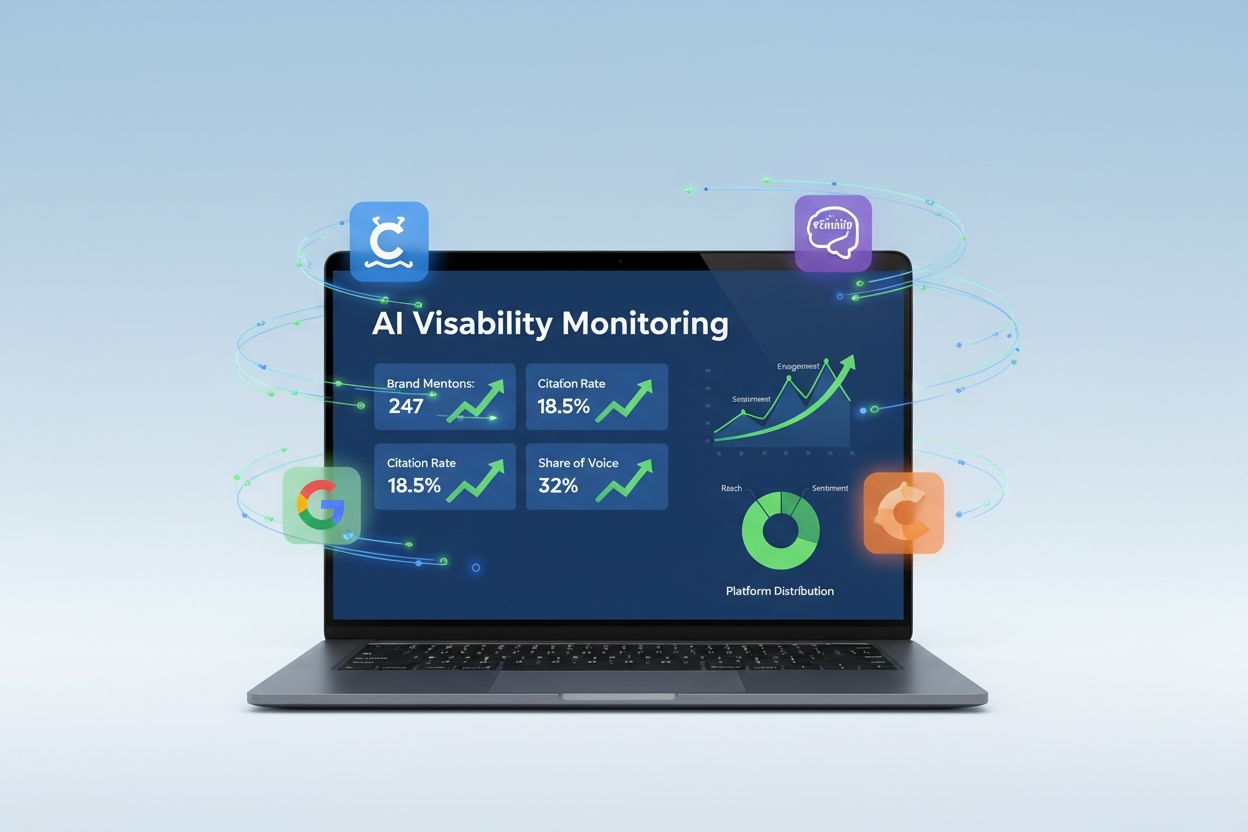
Learn essential AI visibility resources and tools for beginners. Discover how to monitor your brand in ChatGPT, Perplexity, and Google AI Overviews with our com...

Discover why Generative Engine Optimization (GEO) is essential for businesses in 2025. Learn how AI-powered search is reshaping brand visibility, consumer behav...