
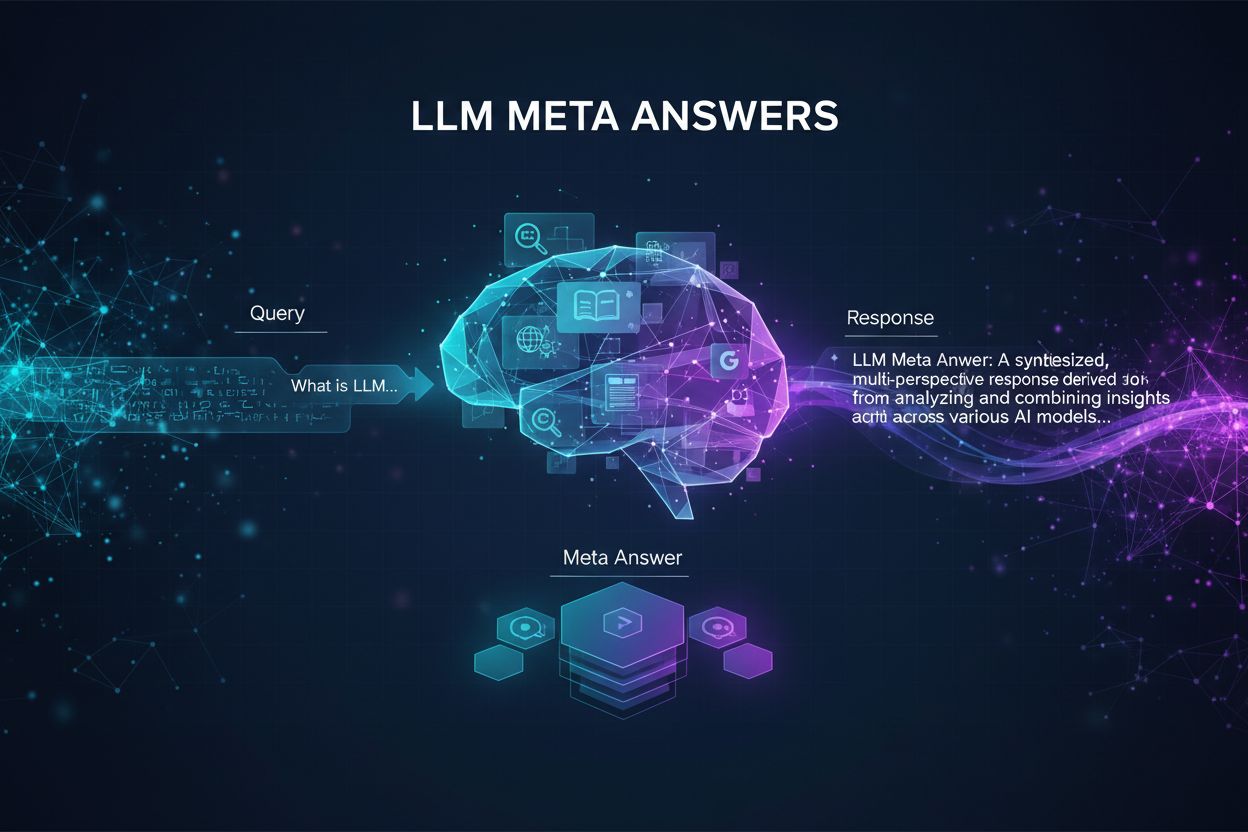
LLM Meta Answers
Learn what LLM Meta Answers are and how to optimize your content for visibility in AI-generated responses from ChatGPT, Perplexity, and Google AI Overviews. Dis...
11 min read
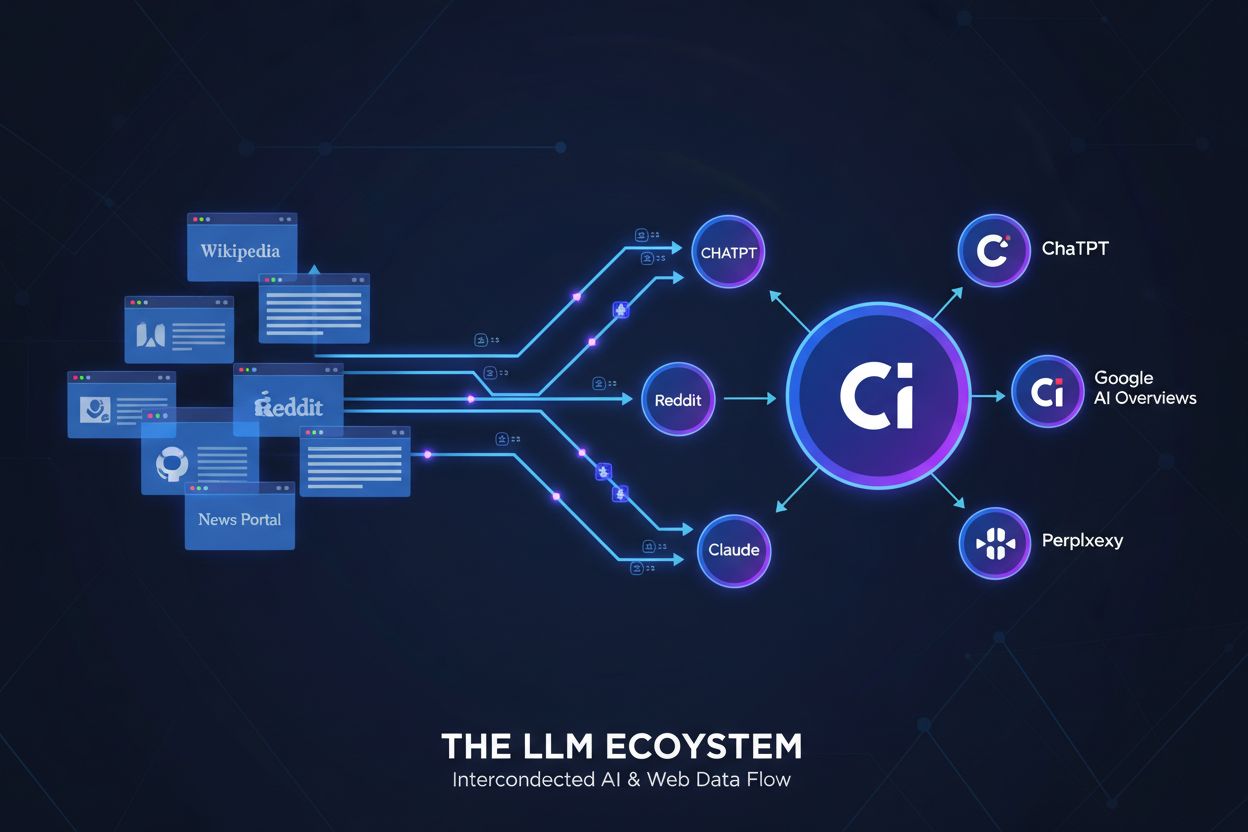
Learn how to identify and target LLM source sites for strategic backlinks. Discover which AI platforms cite sources most, and optimize your link-building strategy for AI search visibility in 2025.
LLM source sites are websites that large language models frequently scrape, summarize, and cite when generating answers. These aren’t just any websites—they’re the trusted authorities that AI systems recognize as credible sources of information. In 2025, targeting these specific sites for backlinks has become essential for brands wanting visibility in ChatGPT, Perplexity, Google AI Overviews, and Claude. Unlike traditional SEO where you chase Google rankings, LLM source targeting focuses on earning mentions and citations from the platforms that AI systems trust most.
Large language models don’t evaluate sources the way Google’s algorithm does. Instead, they assess credibility through multiple signals: topical relevance, author expertise, E-E-A-T signals (Experience, Expertise, Authoritativeness, Trustworthiness), and consistency across trusted platforms. Different AI systems have distinct preferences for data sources:
| AI Platform | Primary Data Sources | Citation Preference | Most Cited Content Type |
|---|---|---|---|
| Google AI Overviews | Google Index | High-authority domains, news sites | Industry reports, expert articles |
| ChatGPT | Training data + Bing | Wikipedia, established publications | Comprehensive guides, reviews |
| Perplexity | Web crawl + specialized sources | Review platforms, analytics | Comparison articles, data reports |
| Claude | Training data | Academic sources, expert content | Research papers, detailed analyses |
The key insight: repetition and context build influence. A single mention rarely suffices. LLMs more frequently cite brands that appear consistently across trusted contexts—from comparison articles to industry reports and community discussions. This means raw backlink numbers matter far less than the web of contexts where your brand appears.
The traditional SEO model relied on PageRank, where backlinks functioned as “votes” for authority. More links equaled higher authority, regardless of quality. This system worked until it didn’t—it became easy to manipulate through link farms and low-quality backlinks.
LLMs have fundamentally changed this equation. They don’t count links or calculate PageRank scores. Instead, they contextualize trust by understanding why one site links to another. This shift means:
This represents a fundamental shift from quantity-based authority to quality-based trust. Your goal isn’t accumulating backlinks—it’s building discoverable authority that LLMs recognize as credible.
Finding the right LLM source sites requires systematic research. Here’s how to identify which sites in your industry LLMs actually trust:
Conduct manual LLM testing: Ask ChatGPT, Perplexity, and Google AI Overviews questions relevant to your industry. Document which domains appear in responses. Repeat this monthly to identify consistent patterns.
Analyze competitor citations: Use tools like Ahrefs or Semrush to see which sites cite your competitors. If those sites appear in AI responses, they’re valuable targets for your backlinks.
Study industry publications: Identify the top 10-15 publications in your niche that consistently rank well and appear in AI citations. These are your primary targets.
Monitor Reddit and Quora: Search your industry keywords on these platforms. Note which domains get linked to and recommended. These communities heavily influence LLM training data.
Review comparison and listicle sites: Ahrefs research shows “Best X” list posts make up 43.8% of all pages referenced in AI responses. Find relevant listicles in your niche.
Check review platforms: Sites like G2, Capterra, TrustRadius, and industry-specific review platforms are frequently cited by LLMs for product recommendations.
Track media mentions: Use Google Alerts and brand monitoring tools to identify which publications mention brands in your space. These outlets have proven credibility with LLMs.
The sites that consistently appear in AI responses are your golden targets. These are the LLM source sites worth pursuing for backlinks.
LLMs show clear preferences for specific content formats. Understanding these preferences helps you create link-worthy content and identify where to target backlinks:
“Best of” and comparison lists: These dominate AI citations because they synthesize information and position brands within categories. LLMs love structured comparisons with clear verdicts for different use cases.
Original research and data studies: Unique data, surveys, and proprietary research get cited frequently because they provide information unavailable elsewhere. LLMs treat original research as authoritative.
FAQ-style content: LLMs were trained on Q&A platforms like Quora and Reddit. FAQ formats match their training data structure, making them highly citation-worthy.
Expert reviews with transparent methodology: Reviews that explain testing processes, criteria, and hands-on experience get cited more than generic product reviews. Transparency builds trust.
Industry reports and market analyses: Comprehensive reports that synthesize industry trends and data are frequently referenced by LLMs as authoritative sources.
How-to guides and tutorials: Step-by-step content that solves specific problems gets cited when users ask LLMs for instructions or processes.
Comparison tables and feature breakdowns: Structured data in table format is easy for LLMs to parse and cite. Clear comparisons with pros/cons for each option perform exceptionally well.
When targeting LLM source sites for backlinks, prioritize getting featured in these formats. A backlink from a “Best Tools” comparison article carries more weight than one from a generic blog post.
Not all backlinks on LLM source sites carry equal weight. Placement and context significantly impact how LLMs evaluate your link. Here’s what matters:
Editorial placement within main content outperforms footer or sidebar links. Semrush research shows 50% of ChatGPT-cited links originate from substantive content sections rather than peripheral page elements. When your backlink appears naturally within an article’s body, discussing your brand in context, LLMs recognize it as an editorial endorsement.
Anchor text and surrounding context signal relevance to LLMs. A link with anchor text like “best project management tools for remote teams” provides more context than generic “click here” links. The sentences surrounding your link should clearly explain why your brand is relevant.
Link placement near other authoritative sources amplifies credibility. If your backlink appears alongside citations from other trusted brands in your industry, LLMs interpret this as validation of your authority.
Topically aligned content matters more than high domain authority. A backlink from a niche publication discussing your specific industry outweighs one from a high-DA generalist site. LLMs assess whether the linking page’s topic aligns with your brand’s expertise.
The strategic approach: target backlinks from LLM source sites where your brand naturally fits the content, where the link appears editorially within the main text, and where it’s surrounded by other authoritative references.
Topical authority—being recognized as an expert in a specific subject area—is increasingly important for LLM visibility. LLMs assess topical authority by analyzing patterns: which sites link to you, what topics they discuss, and how consistently your brand appears alongside industry keywords.
Consistent backlinks from topically related sources build this authority. If you earn links from five different industry publications discussing your expertise, LLMs recognize you as a category authority. This recognition increases the likelihood of being cited when users ask questions in your domain.
The strategy involves semantic clustering: earning backlinks from sites that discuss related topics and link to each other. If you’re in the project management space, backlinks from productivity blogs, remote work publications, and team collaboration sites create a semantic network that signals topical expertise.
Co-citation patterns amplify this effect. When LLMs see your brand mentioned alongside competitors in comparison articles and industry reports, they understand your market position. Consistent appearances in these contexts—even without backlinks—strengthen your topical authority.
This approach differs fundamentally from traditional link building. You’re not just accumulating links; you’re constructing a semantic and reputational network that shapes how LLMs categorize and cite your brand.
Measuring LLM source backlink effectiveness requires different metrics than traditional SEO. Here’s how to track whether your efforts are improving AI visibility:
Manual citation testing: Monthly, ask relevant questions on ChatGPT, Perplexity, and Google AI Overviews. Document whether your brand appears in responses and in what context. Screenshot results to track changes over time.
Brand mention monitoring: Use tools like Semrush Brand Monitoring, Ahrefs Brand Radar, or Google Alerts to track linked and unlinked mentions across the web. Increasing mention frequency correlates with improved LLM visibility.
AI visibility platforms: Tools like Semrush’s AI Visibility Toolkit and AmICited.com specifically track how different LLMs mention your brand, providing sentiment analysis and competitive comparisons.
Direct and branded traffic analysis: Monitor Google Analytics for increases in direct traffic and branded searches. LLM citations often drive these metrics before generating direct clicks.
Impression data in Google Search Console: Track impressions alongside clicks. Increasing impressions with stable or declining clicks suggests LLM visibility is growing.
Competitor benchmarking: Compare your citation frequency with competitors using AI visibility tools. This reveals whether your LLM source backlink strategy is outperforming the market.
Success means increasing brand citation quantity and quality in trusted sources that LLMs reference, not just acquiring backlinks.
Avoid these pitfalls when building backlinks for LLM visibility:
Chasing domain authority metrics: Targeting high-DA sites regardless of topical relevance wastes effort. A low-DA niche publication that LLMs cite frequently is more valuable than a high-DA generalist site.
Ignoring content format preferences: Pursuing backlinks in blog posts when LLMs prefer listicles and comparisons reduces your impact. Match your link-building targets to formats LLMs actually cite.
Neglecting brand mentions: Focusing exclusively on backlinks while ignoring unlinked brand mentions misses 50% of the LLM visibility equation. Build both simultaneously.
Using manipulative link patterns: PBNs, link farms, and artificial linking patterns are easily detected by LLMs. These tactics damage credibility rather than build it.
Targeting irrelevant sites: A backlink from an unrelated high-authority site provides no LLM visibility benefit. Topical alignment matters more than domain metrics.
The LLM landscape continues evolving rapidly. To maintain visibility as AI search develops:
Stay adaptable to platform changes: New LLMs emerge regularly, and existing platforms update their source preferences. Monitor which sites appear in AI responses quarterly and adjust your targeting accordingly.
Build sustainable relationships: Rather than one-off link placements, develop ongoing relationships with LLM source sites. Regular contributions, expert quotes, and collaborative content create consistent visibility.
Diversify your source portfolio: Don’t rely on a single platform or publication type. Earn backlinks from industry publications, review sites, community forums, and research platforms to build resilient authority.
Invest in original content and research: As LLMs become more sophisticated, they increasingly value original insights and data. Creating proprietary research, studies, and unique perspectives ensures long-term citation potential.
The brands that thrive in AI search will be those that build genuine authority through quality content, strategic relationships, and consistent presence across trusted sources—not those chasing quick backlinks.
Traditional SEO backlinks focus on PageRank transfer and keyword relevance to improve Google rankings. LLM source targeting emphasizes trust signals, topical authority, and content quality that AI systems recognize as credible. While both matter, LLM sources require backlinks from sites that LLMs frequently cite, with content formatted for AI comprehension.
Test by asking relevant questions on ChatGPT, Perplexity, and Google AI Overviews in your industry. Document which domains appear in responses. Use tools like Semrush's AI Visibility Toolkit or Ahrefs to analyze which sites LLMs cite most frequently. Look for patterns in industry publications, review platforms, and community forums.
Yes, absolutely. Reddit and Quora are among the most frequently cited sources by LLMs. However, focus on providing genuine, expert answers rather than promotional content. Participate authentically in relevant communities, answer questions thoroughly, and include links naturally when they add value to your response.
AI visibility improvements typically appear within 2-4 weeks of earning backlinks from trusted sources, though this varies. The timeline depends on how quickly LLMs crawl and index the citing page, and how frequently they update their training data. Monitor your brand mentions monthly to track progress.
Both matter for LLM visibility. Recent research shows nofollow links from reputable sources contribute equally to AI visibility as dofollow links. Focus on the authority and relevance of the source site rather than the link type. A nofollow link from a trusted industry publication is more valuable than a dofollow link from a low-authority site.
Strong correlation exists: 75% of pages cited in AI Overviews rank in the top 12 organic results. High-quality backlinks improve your Google rankings, which increases the likelihood of being selected as a source by LLMs. However, some pages ranking beyond position 20 still get cited if they provide superior answers to user questions.
Track multiple metrics: monitor brand mentions across AI platforms using tools like Semrush or Ahrefs, measure changes in direct traffic and branded searches, analyze your inclusion in AI Overviews for target keywords, and compare your citation frequency with competitors. Calculate the value of brand visibility even without direct clicks.
Research shows brand mentions correlate more strongly with AI visibility (0.664) than backlinks alone (0.218). However, they work synergistically. Backlinks provide authority signals while mentions improve entity recognition. The strongest strategy combines both: earning backlinks from trusted sources while building consistent brand mentions across the web.
Track how ChatGPT, Perplexity, Google AI Overviews, and other LLMs mention your brand. Get real-time insights into your AI visibility and compare with competitors.
Learn what LLM Meta Answers are and how to optimize your content for visibility in AI-generated responses from ChatGPT, Perplexity, and Google AI Overviews. Dis...
Learn how to implement LLMs.txt on your website to help AI systems understand your content better. Complete step-by-step guide for all platforms including WordP...
Learn what LLM Seeding is and how to strategically place content on high-authority platforms to influence AI training and get cited by ChatGPT, Claude, and othe...