Testimonials for AI Visibility: Customer Voice Impact
Discover how authentic customer testimonials boost your AI visibility across Google AI Overviews, ChatGPT, and Perplexity. Learn why real customer voices matter more than ever in the AI era.
Published on Jan 3, 2026.Last modified on Jan 3, 2026 at 3:24 am
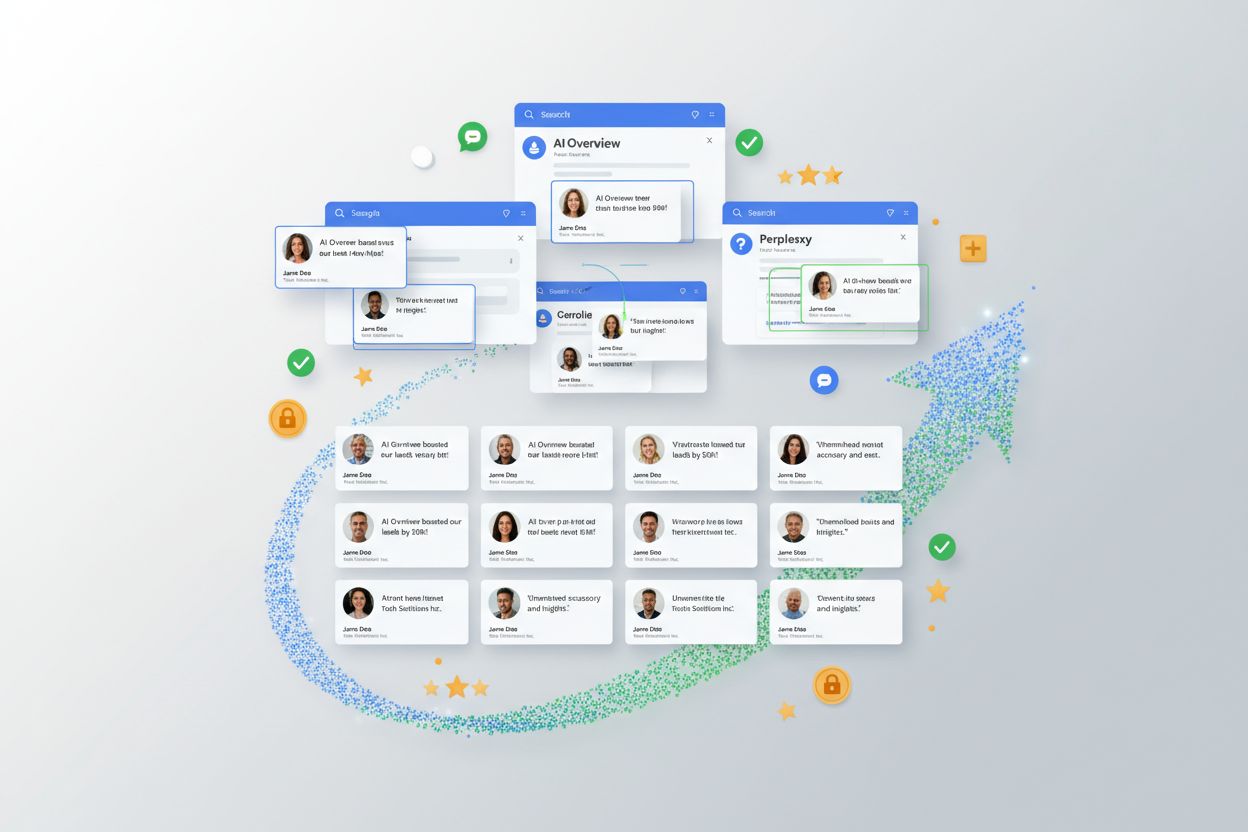
AI search platforms like Google AI Overviews, ChatGPT, and Perplexity have fundamentally changed how businesses achieve visibility online, and customer testimonials have become critical trust signals in this new landscape. With 2/3 of local searches now displaying AI Overviews, these systems are making confident recommendations about businesses without traditional human review. AI systems require validated data to make authoritative recommendations, and testimonials serve as the proof they need to confidently suggest a product or service. Rather than relying solely on algorithmic signals, modern AI platforms actively seek out authentic customer voices as evidence of real-world value and reliability. This shift means that businesses without strong testimonial portfolios are essentially invisible to the AI systems that now mediate customer discovery.
The Authenticity Gap - Why Real Voices Matter in AI Era
Aspect
AI-Generated Testimonials
Authentic Testimonials
Consumer Trust
15-20%
85%+
AI System Recognition
Often flagged
Prioritized
Conversion Impact
Minimal
Significant
Long-term Credibility
Declining
Growing
The rise of AI-generated content has created a critical authenticity gap that savvy consumers and AI systems are learning to detect. While 50% of consumers believe they can recognize AI-written content, the real story is more nuanced: 85%+ of consumers trust authentic testimonials, making genuine customer voices a powerful differentiator in an increasingly synthetic digital landscape. Real testimonials stand out precisely because they contain the messy, specific details that AI-generated content typically lacks—the hesitations, the unexpected benefits, the personality quirks that signal genuine human experience. As AI systems become more sophisticated at filtering out synthetic content, authentic customer testimonials have become a form of digital currency that no amount of marketing spend can replicate. Businesses that invest in collecting and showcasing real customer voices are building a moat against competitors relying on artificial alternatives.
Ready to Monitor Your AI Visibility?
Track how AI chatbots mention your brand across ChatGPT, Perplexity, and other platforms.
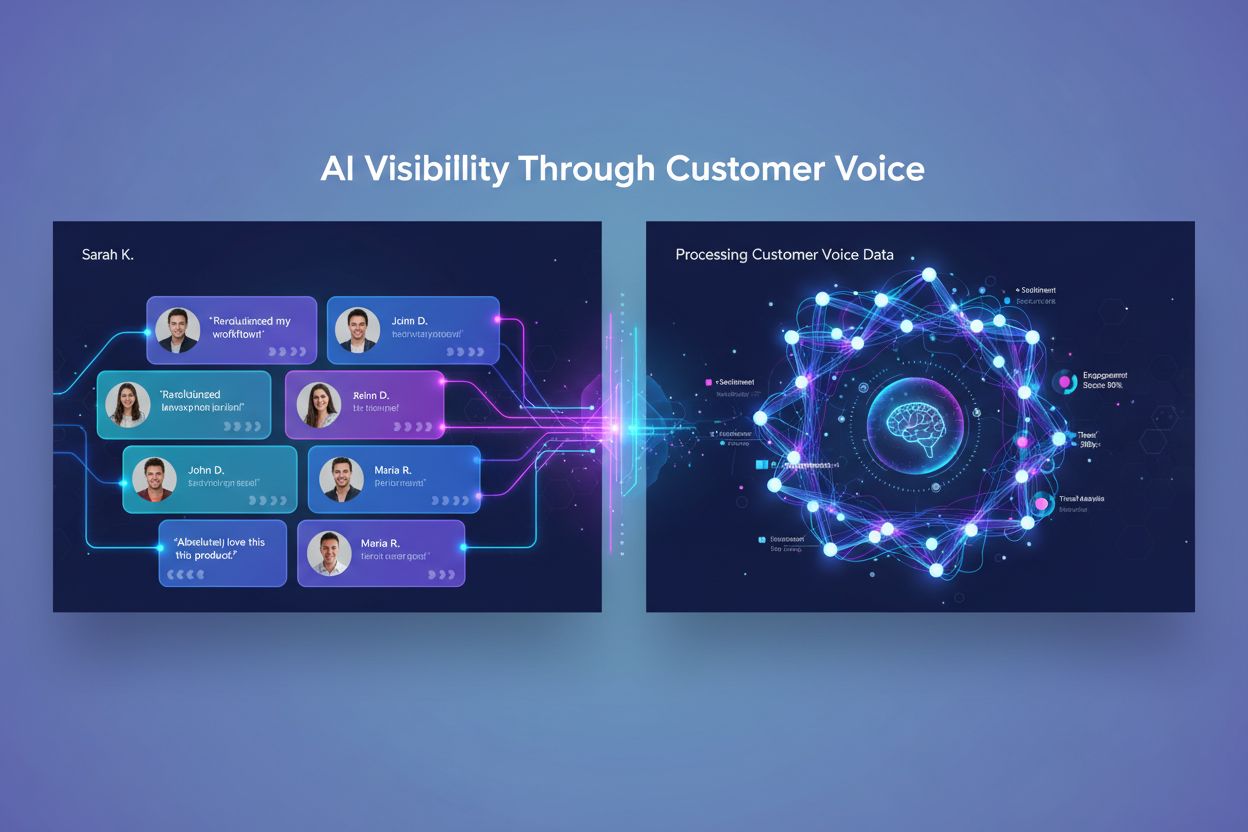
Detailed, specific testimonials help AI systems understand your business with remarkable precision, going far beyond simple keyword matching to capture the nuanced value proposition that makes your offering unique. When a customer writes “The software reduced our monthly reporting time from 40 hours to 8 hours, saving us $15,000 annually,” AI systems can parse this as concrete evidence of specific, measurable value—information that generic marketing claims cannot provide. Multi-platform presence strengthens AI recommendations significantly, as when the same business appears with consistent, positive testimonials across Google Reviews, industry-specific platforms, Trustpilot, and their own website, AI systems recognize this pattern as a reliability signal. Review consistency across platforms tells AI algorithms that a business isn’t cherry-picking testimonials but rather consistently delivering results that customers voluntarily praise in multiple contexts. Specific details like customer names, job titles, company sizes, and measurable outcomes dramatically improve how AI systems parse and understand testimonial content, making it more likely to be cited in AI Overviews and recommendations. For example, a healthcare provider with testimonials mentioning specific conditions treated, recovery timelines, and named practitioners will achieve higher AI visibility than one with generic praise like “great service.”
The Neuroscience Behind Testimonial Impact
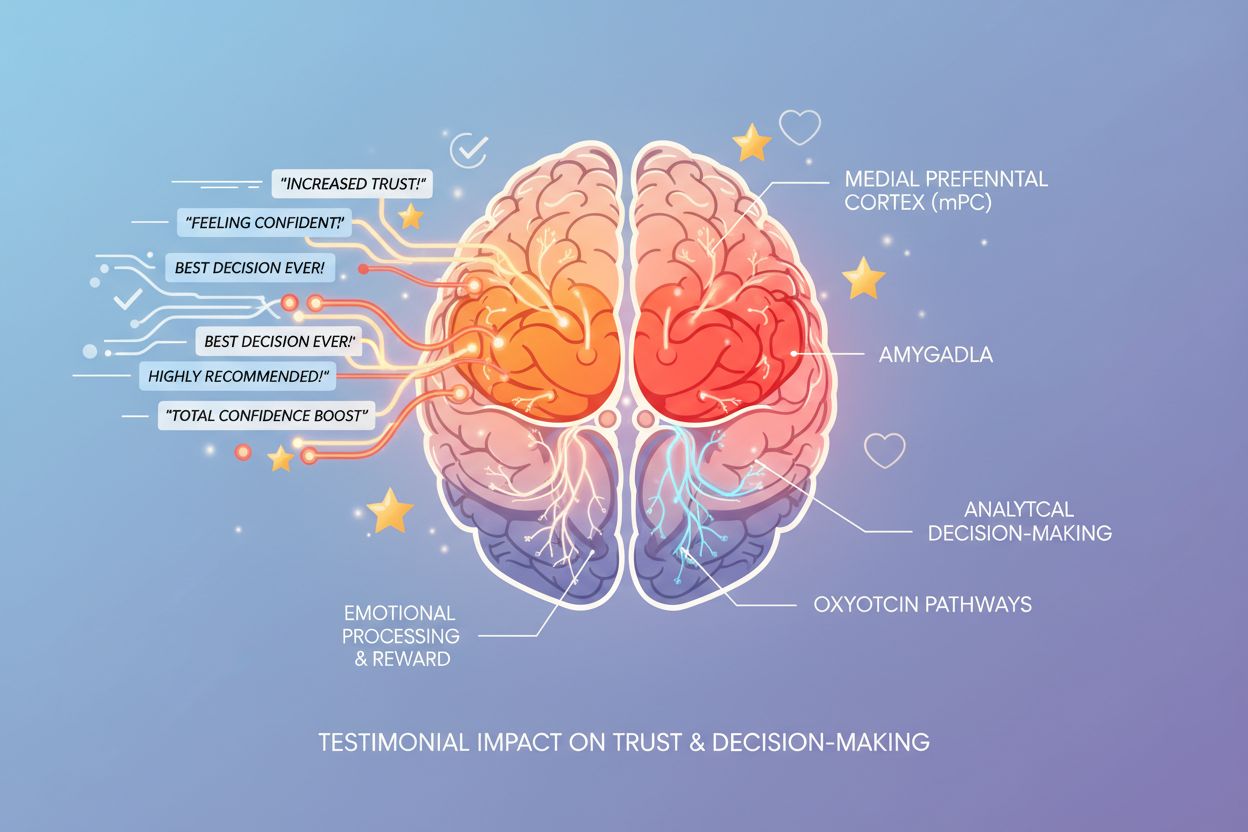
Customer testimonials activate multiple brain regions that traditional marketing cannot reach, triggering a neurological response that fundamentally changes how prospects evaluate your business. When someone reads a relatable customer story, their mirror neurons activate in empathy, creating a neural simulation of the customer’s experience that makes the benefits feel personally relevant and achievable. The medial prefrontal cortex (mPFC) engages when processing social information, allowing prospects to mentally place themselves in the customer’s situation, while the amygdala processes the emotional weight of the testimonial, creating lasting memory associations between your brand and positive outcomes. This neurological cascade reduces buyer resistance at a fundamental level—prospects aren’t just intellectually convinced; their brains are literally experiencing a simulation of success with your product or service. Testimonials that trigger oxytocin release (the “trust hormone”) through authentic storytelling and vulnerability create chemical bonds between prospects and your brand that rational arguments simply cannot match. The conversion impact is measurable: businesses featuring customer testimonials see 20-40% higher conversion rates compared to those relying solely on product descriptions, a difference that reflects the profound neurological power of authentic customer voices.
Stay Updated on AI Visibility Trends
Get the latest insights on AI mentions, brand monitoring, and optimization strategies.
Building Testimonials That AI Systems Can Parse
Best practices for AI-readable testimonials:
Include specific metrics and measurable outcomes (percentages, dollar amounts, time saved)
Name the customer, their role, and their company (when permission allows)
Describe the specific problem solved before mentioning the solution
Mention particular features or benefits by name rather than generic praise
Use clear, structured language that AI can easily segment and understand
Include before-and-after scenarios that demonstrate transformation
Provide context about the customer’s industry or use case
Structured data and schema markup dramatically improve how AI systems read and utilize testimonials, essentially giving AI a roadmap to understand exactly what value was delivered and to whom. Rather than burying important information in narrative prose, the most AI-friendly testimonials use clear, specific language that separates the problem, solution, and outcome into distinct, parseable elements. When customers mention concrete results—“increased productivity by 35%,” “reduced costs by $50,000 annually,” “improved customer satisfaction scores from 72% to 91%"—AI systems can extract and cite these claims with confidence in AI Overviews and recommendations. Naming specific features or benefits (rather than saying “great product”) helps AI understand exactly what aspects of your offering drive customer satisfaction, allowing for more targeted recommendations to prospects with similar needs. Multi-language support in testimonials significantly expands your AI visibility globally, as AI systems serving international audiences can surface your testimonials to prospects in their native language, dramatically increasing your reach beyond English-speaking markets.
Multi-Platform Strategy for Maximum AI Visibility
Single-platform testimonials severely limit your AI visibility, as AI systems weight evidence more heavily when the same business receives consistent praise across multiple independent sources. Industry-specific review platforms—whether that’s Capterra and G2 for software, Healthgrades for healthcare, Trustpilot for general services, or specialized platforms in your niche—carry particular weight with AI systems because they represent curated, verified customer feedback within your specific domain. Cross-platform consistency signals reliability to AI algorithms in ways that a single platform cannot, essentially creating a triangulated proof of your business’s value that AI systems recognize as authoritative. Strategic response to testimonials—thanking customers, addressing concerns, providing additional context—demonstrates expertise and engagement that AI systems recognize as a sign of a business that genuinely cares about customer satisfaction. The timing and frequency of testimonial collection matters significantly; businesses that consistently gather fresh testimonials signal ongoing customer satisfaction, while those with stale testimonials from years past may appear less relevant to current AI systems evaluating present-day business quality.
Measuring Testimonial Impact on AI Visibility
Tracking AI visibility improvements requires monitoring multiple channels where your business might appear as a result of strong testimonial portfolios and customer feedback. Key metrics include appearance in AI Overviews (how often your business is cited in Google’s AI-generated summaries), mentions in ChatGPT responses (whether your business is recommended when users ask relevant questions), and citations in Perplexity results (how frequently your testimonials appear in AI-powered search results). There’s a clear correlation between testimonial quality and frequency with AI recommendation rates—businesses with 50+ detailed, specific testimonials see significantly higher AI visibility than those with fewer or more generic reviews. Tools like Semrush, Ahrefs, and specialized AI monitoring platforms now offer features to track when your business appears in AI Overviews and AI-generated recommendations, providing concrete data on your testimonial strategy’s effectiveness. The ROI of a testimonial strategy becomes apparent when measuring the cost per acquisition through AI-driven traffic against traditional advertising channels, with many businesses finding that investment in testimonial collection yields 3-5x returns compared to paid search or display advertising.
Real-World Examples of Testimonial-Driven AI Visibility
Case Study 1: SaaS Platform Success
A mid-market project management software company with 200+ employees was struggling to appear in AI Overviews despite strong product-market fit. After implementing a systematic testimonial collection strategy focused on specific metrics and outcomes, they gathered 150+ detailed customer testimonials across G2, Capterra, and their website within 6 months. Result: AI Overviews mentions increased from 0 to appearing in 40% of relevant searches, and their ChatGPT recommendation rate jumped from occasional mentions to consistent inclusion in project management tool recommendations. Monthly demo requests increased by 65%, directly attributable to AI visibility improvements.
Case Study 2: Healthcare Provider Transformation
A regional healthcare network with 15 clinics implemented a patient testimonial program emphasizing specific conditions treated, recovery outcomes, and named practitioners. Within 8 months, they collected 300+ testimonials mentioning specific treatments, recovery timelines, and measurable health improvements. Result: Appearance in Perplexity results for condition-specific searches increased by 180%, and they began appearing in Google AI Overviews for local health queries. Patient acquisition through AI-driven discovery increased by 52%, with particularly strong results for their specialty services.
Case Study 3: Retail E-Commerce Growth
An online retailer selling specialized fitness equipment shifted from generic product reviews to detailed customer testimonials describing specific fitness goals achieved, weight loss metrics, and lifestyle transformations. They encouraged customers to share before-and-after photos and specific workout results. Result: AI Overviews began citing their testimonials for fitness-related queries, and ChatGPT started recommending their products when users asked about equipment for specific fitness goals. Conversion rates from AI-driven traffic were 3.2x higher than from traditional search traffic, as the testimonials provided exactly the social proof prospects needed to overcome purchase hesitation.
Frequently asked questions
How do AI systems use customer testimonials?
AI search platforms like Google AI Overviews, ChatGPT, and Perplexity analyze customer testimonials as trust signals to validate business credibility and make confident recommendations. These systems parse specific details, metrics, and outcomes from testimonials to understand what value a business delivers and to whom. When AI systems find consistent, detailed testimonials across multiple platforms, they weight these as authoritative evidence of real-world customer satisfaction.
Why are authentic testimonials better than AI-generated reviews?
Authentic testimonials contain specific details, emotional nuance, and genuine customer experiences that AI-generated content typically lacks. Consumers trust real testimonials at 85%+ rates compared to 15-20% for AI-generated content. AI systems themselves are increasingly sophisticated at detecting and deprioritizing synthetic content, making authentic customer voices a critical differentiator in achieving AI visibility.
What makes a testimonial AI-readable?
AI-readable testimonials include specific metrics and measurable outcomes (percentages, dollar amounts, time saved), customer names and titles, clear problem-solution-outcome structure, and mentions of specific features or benefits. Structured data and schema markup further improve AI parsing. Testimonials that separate information into distinct, parseable elements help AI systems extract and cite claims with confidence in AI Overviews and recommendations.
How many testimonials do I need for AI visibility?
Research suggests businesses need at least 50-100 detailed, specific testimonials across multiple platforms to achieve meaningful AI visibility. However, quality matters more than quantity—a smaller number of highly specific, metrics-driven testimonials will outperform a larger collection of generic praise. Consistency and freshness also matter; regularly updated testimonials signal ongoing customer satisfaction to AI systems.
Which platforms matter most for AI visibility?
Multi-platform presence is critical for AI visibility. Industry-specific platforms (G2, Capterra for software; Healthgrades for healthcare; Trustpilot for general services) carry particular weight with AI systems. Google Business Profile, your own website, and niche industry platforms all contribute to a triangulated proof of credibility that AI systems recognize as authoritative. Cross-platform consistency signals reliability more effectively than testimonials on a single platform.
How quickly will testimonials improve my AI visibility?
Most businesses see initial improvements in AI visibility within 30-60 days of implementing a systematic testimonial collection strategy. However, meaningful, measurable increases in AI Overviews appearances and ChatGPT recommendations typically take 3-6 months as AI systems index and analyze the new testimonial data. Consistency and ongoing collection accelerate results, as fresh testimonials signal current customer satisfaction to AI algorithms.
Can I use testimonials across multiple AI platforms?
Yes, and you should. The same testimonials can and should appear across Google Business Profile, your website, industry-specific platforms, and social media. AI systems like Google AI Overviews, ChatGPT, and Perplexity all crawl and analyze testimonials from multiple sources. Cross-platform presence strengthens your credibility signal and increases the likelihood that your testimonials will be cited in AI-generated recommendations.
How do I measure testimonial impact on AI visibility?
Track metrics including appearance in AI Overviews (using tools like Semrush or Ahrefs), mentions in ChatGPT responses, and citations in Perplexity results. Monitor your cost per acquisition through AI-driven traffic compared to traditional channels. Many businesses find that investment in testimonial collection yields 3-5x returns compared to paid search. Use specialized AI monitoring platforms to track when your business appears in AI-generated recommendations.
Monitor Your AI Visibility with AmICited
Track how AI systems like Google AI Overviews, ChatGPT, and Perplexity reference your brand and customer testimonials. Get real-time insights into your AI visibility and measure the impact of your customer voice strategy.
How to Encourage Reviews for AI Visibility in ChatGPT, Perplexity & AI Search
Learn proven strategies to encourage customer reviews and boost your brand's visibility in AI search results. Discover how reviews influence AI-generated answer...
Trustpilot and AI: How Consumer Reviews Shape LLM Recommendations
Discover how Trustpilot's 300+ million reviews influence AI recommendations, LLM training, and consumer trust. Learn about AI fraud detection, optimization stra...
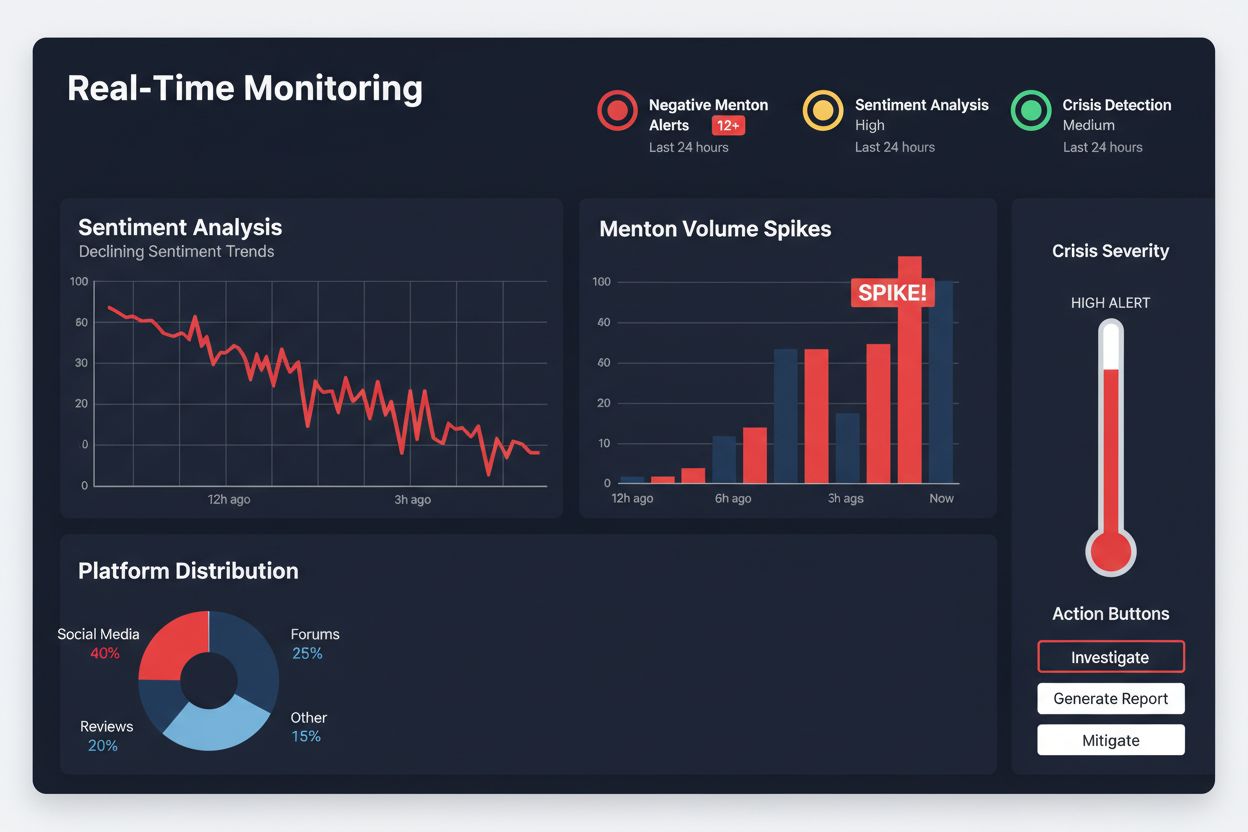
Monitoring for Negative AI Mentions: Alert Systems
Learn how to detect and respond to negative brand mentions in AI search platforms with real-time alert systems. Protect your reputation before negative content ...
11 min read
Cookie Consent We use cookies to enhance your browsing experience and analyze our traffic. See our privacy policy.