

How Does YouTube Content Affect AI Citations in ChatGPT and Perplexity
Learn how YouTube content influences AI citations across ChatGPT, Perplexity, and Google AI. Discover why YouTube dominates with 200x more citations than compet...
10 min read
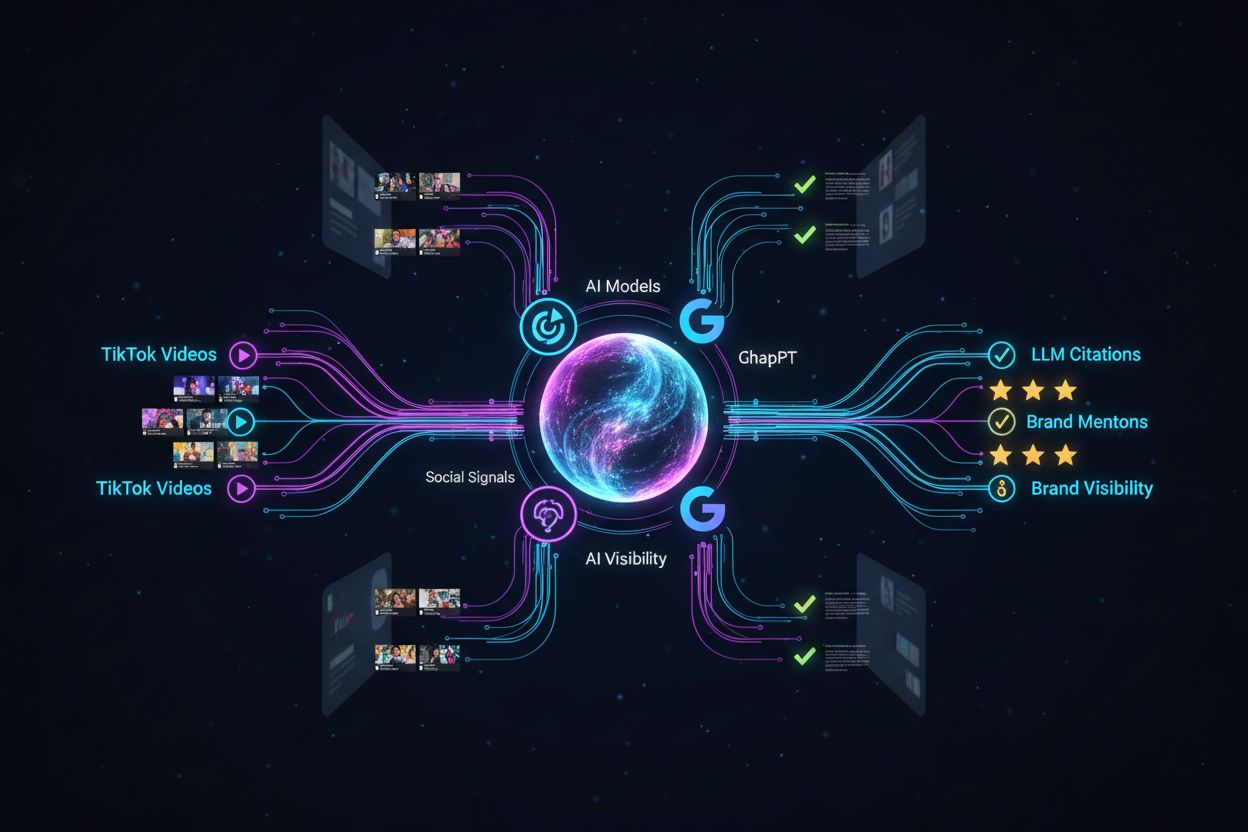
Discover how TikTok’s short-form videos influence LLM citations and AI visibility. Learn why social video matters for brand discovery in the AI era and how to optimize for AI systems.
TikTok has undergone a remarkable transformation from a platform primarily known for entertainment and dance trends into a legitimate search engine and AI training data source. With 64% of Gen Z now using TikTok as their primary search engine rather than Google, the platform has fundamentally shifted how younger audiences discover information. This shift has caught the attention of AI developers worldwide, as LLM traffic is projected to overtake traditional search by 2027, making social platforms like TikTok increasingly valuable for training data. Major AI companies recognize that TikTok’s massive repository of user-generated content—spanning everything from product reviews to educational tutorials—represents one of the richest sources of real-world human knowledge and expression. As AI systems become more sophisticated in their ability to process and learn from diverse content sources, TikTok’s role in shaping what LLMs “know” and cite has become impossible to ignore.
Modern large language models like ChatGPT, Perplexity, Google Gemini, and AI Overviews actively incorporate social media content into their responses, with varying degrees of transparency about their data sources. Meta’s LLaMA 3, one of the most advanced open-source language models, was explicitly trained on data from Facebook and Instagram, demonstrating that major tech companies view social platforms as essential training material. These AI systems employ a technique called Retrieval-Augmented Generation (RAG), which allows them to pull real-time or recent information from indexed sources—including social media—to provide more current and contextually relevant answers. Rather than relying solely on static training data, RAG enables AI systems to search across the web and social platforms to find the most relevant, up-to-date information for user queries. Social media platforms like TikTok are particularly valuable because they capture authentic human expression, trending language, and real-world use cases that traditional websites often miss. Different AI engines have different preferences for social media integration; some prioritize engagement metrics as quality signals, while others focus on content freshness and relevance to user intent.
| AI Engine | Primary Sources | Social Media Preference | Citation Style |
|---|---|---|---|
| ChatGPT | Wikipedia, News, Authoritative Sites | Minimal (< 0.5%) | Formal, Authority-focused |
| Perplexity | Expert Sites, Reviews, Blogs | Selective (~1-2%) | Balanced, Expert-driven |
| Google Gemini | Blogs, News, YouTube | Moderate (~2-3%) | Diverse, Multi-source |
| AI Overviews | Blogs, Reddit, Forums, News | High (~4-5%) | Conversational, Community-inclusive |
TikTok’s unique characteristics make it fundamentally different from other content platforms in ways that directly impact how AI systems process and cite its content. The platform’s short-form video format—typically 15 to 60 seconds—combined with audio-visual elements, trending music, and rapidly evolving slang creates a dynamic information ecosystem that’s constantly refreshing. TikTok is famous for generating new linguistic trends; terms like “on fleek,” “yeet,” and “no cap” originated on the platform and quickly became part of mainstream vocabulary, demonstrating its outsized influence on how people communicate. The multimodal nature of TikTok content—combining video, audio, text overlays, captions, and music—creates a richer information experience than text-only platforms, though this complexity also presents challenges for AI systems trying to extract meaning. Beyond pure entertainment, TikTok has become an “infotainment” powerhouse, where users share everything from financial advice and cooking tutorials to scientific explanations and product recommendations, all packaged in engaging, digestible formats. This blend of entertainment and information means that TikTok content often ranks higher in engagement metrics than more formal educational content, signaling to AI systems that the information is valuable and resonating with audiences.
Key characteristics of TikTok content:
Despite TikTok’s growing importance as an information source, AI systems face significant technical challenges when indexing and learning from TikTok content. The fundamental issue is that LLMs cannot directly “read” or process video files—they require transcripts, captions, or metadata to extract meaning, and TikTok videos often lack comprehensive text descriptions compared to blog posts or articles. Limited metadata is another critical barrier; while a detailed blog post might contain hundreds of words of context, a TikTok video often has only a brief caption and hashtags, making it harder for AI systems to understand the full context and relevance of the content. The rapid evolution of slang and memes on TikTok creates a moving target for AI training; models trained on data from six months ago may miss entirely new linguistic conventions and cultural references that have emerged since their training cutoff. Ephemeral trends compound this problem—hashtags, challenges, and viral formats disappear quickly, making it difficult for AI systems to maintain accurate, current knowledge about what’s trending and relevant. Additionally, there are significant measurement blind spots: unlike traditional web traffic, it’s extremely difficult to track whether and how often TikTok content is being discovered and cited by AI systems, making ROI calculations uncertain. Traditional SEO tactics that work on Google—keyword optimization, backlinks, technical structure—are largely irrelevant on TikTok, where the algorithm prioritizes engagement, watch time, and user interaction over keyword density or site authority.
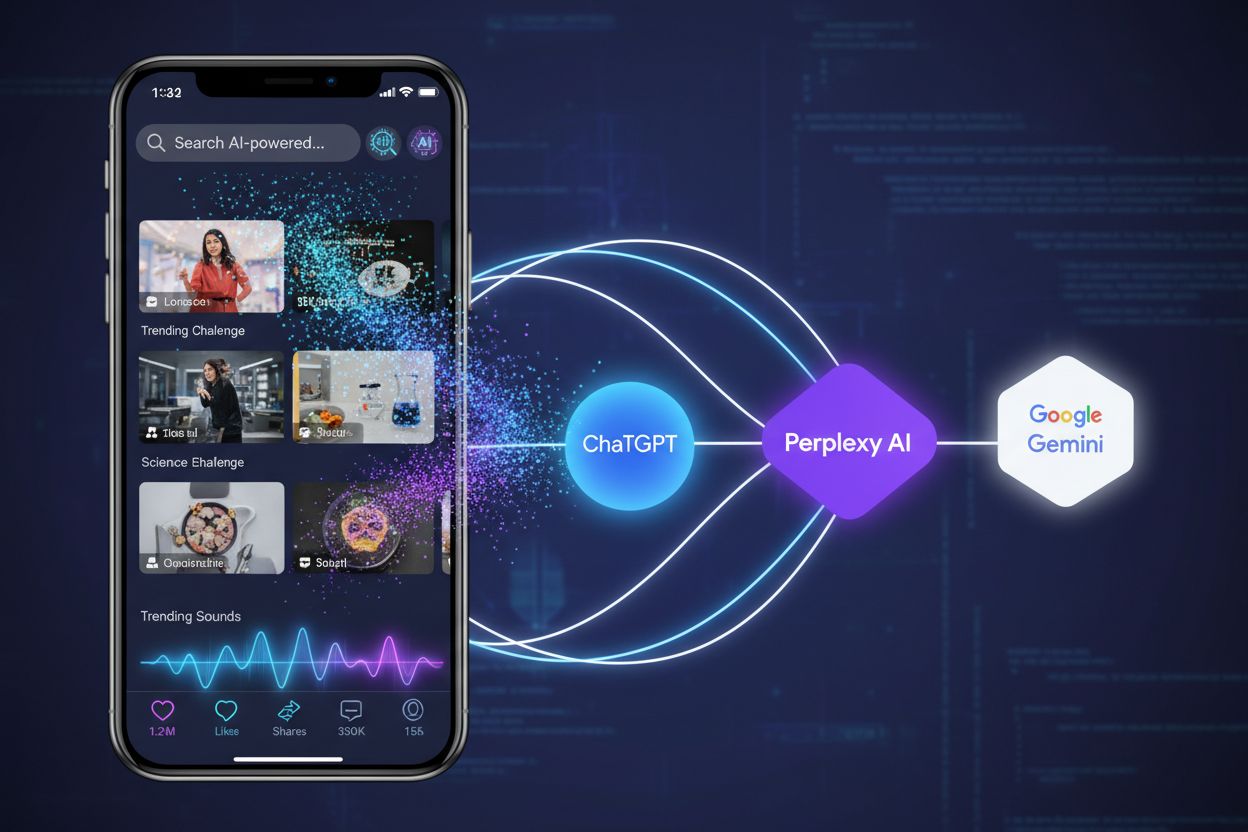
Despite these challenges, TikTok presents enormous opportunities for brands seeking to increase their visibility in AI-generated answers and citations. The data is compelling: 78% of Gen Z consumers have made a purchase after seeing a product on TikTok, and with 64% using the platform as a search engine, the intersection of discovery and commerce is undeniable. The platform’s algorithm creates a low barrier to visibility—unlike Google, where established brands with strong domain authority dominate search results, TikTok’s algorithm favors engagement and relevance over brand legacy, meaning a well-crafted video from a new creator can reach millions. Visual how-to content performs exceptionally well with both human audiences and AI systems; when an LLM is asked “how do I fix a leaky faucet?” or “what’s the best way to organize a small closet?”, it’s increasingly likely to reference or cite video demonstrations that clearly show the process. Question-based captions—framing content around common queries like “Why does my plant keep dying?” or “How to start a side hustle”—align perfectly with how people query AI systems, increasing the likelihood of citation. This creates a cross-platform synergy where strong TikTok messaging reinforces your overall AI presence across multiple platforms and search contexts. High engagement signals like views, likes, shares, and comments serve as quality indicators to AI systems, suggesting that the content is valuable and trustworthy. For example, a skincare brand that posts a 45-second video demonstrating how to apply sunscreen correctly might see that video cited in an AI answer to “What’s the proper way to apply sunscreen?”, driving both awareness and credibility.
To capitalize on TikTok’s potential for AI visibility, brands must actively monitor their presence and impact across AI systems, which requires understanding both where mentions occur and how they’re being framed. Monitoring matters because mentions influence what AI systems cite, and sentiment matters—a negative mention of your brand on TikTok could shape how AI systems characterize your product or service. Several tools can help track TikTok’s impact: Buzzabout, Brand24, Mention, Google Alerts, Ahrefs, and SEMrush all offer social listening capabilities that can identify when your brand is mentioned on TikTok and track engagement metrics. Beyond volume, it’s critical to assess sentiment—are mentions positive, negative, or neutral?—because AI systems increasingly incorporate sentiment analysis into their training and response generation. Many brands also discover unlinked citations, where AI systems reference their products or services without providing a direct link, representing untapped opportunities to claim credit and drive traffic. By systematically monitoring TikTok mentions and their context, brands can identify which types of content resonate most with audiences and AI systems, informing future content strategy and helping allocate resources toward the most impactful approaches.
| Tool | Key Features | Best For | Price Tier |
|---|---|---|---|
| Buzzabout | AI-driven entity monitoring, topic trends, community listening | LLM/AEO alignment, brand perception | Mid-range |
| Brand24 | Social + web monitoring, sentiment scoring, competitor comparison | Broad platform support, real-time alerts | Mid-range |
| Mention | Social media & blog tracking, influencer ID, team workflows | Real-time alerts, team collaboration | High-end |
| Google Alerts | Simple keyword-based alert system | Quick setup, free monitoring | Free |
| Ahrefs | Backlink + mention discovery, authority scoring | Backlink insights, competitive analysis | High-end |
| SEMrush | Backlink + mention discovery, authority scoring | Comprehensive SEO suite, AI overview monitoring | High-end |
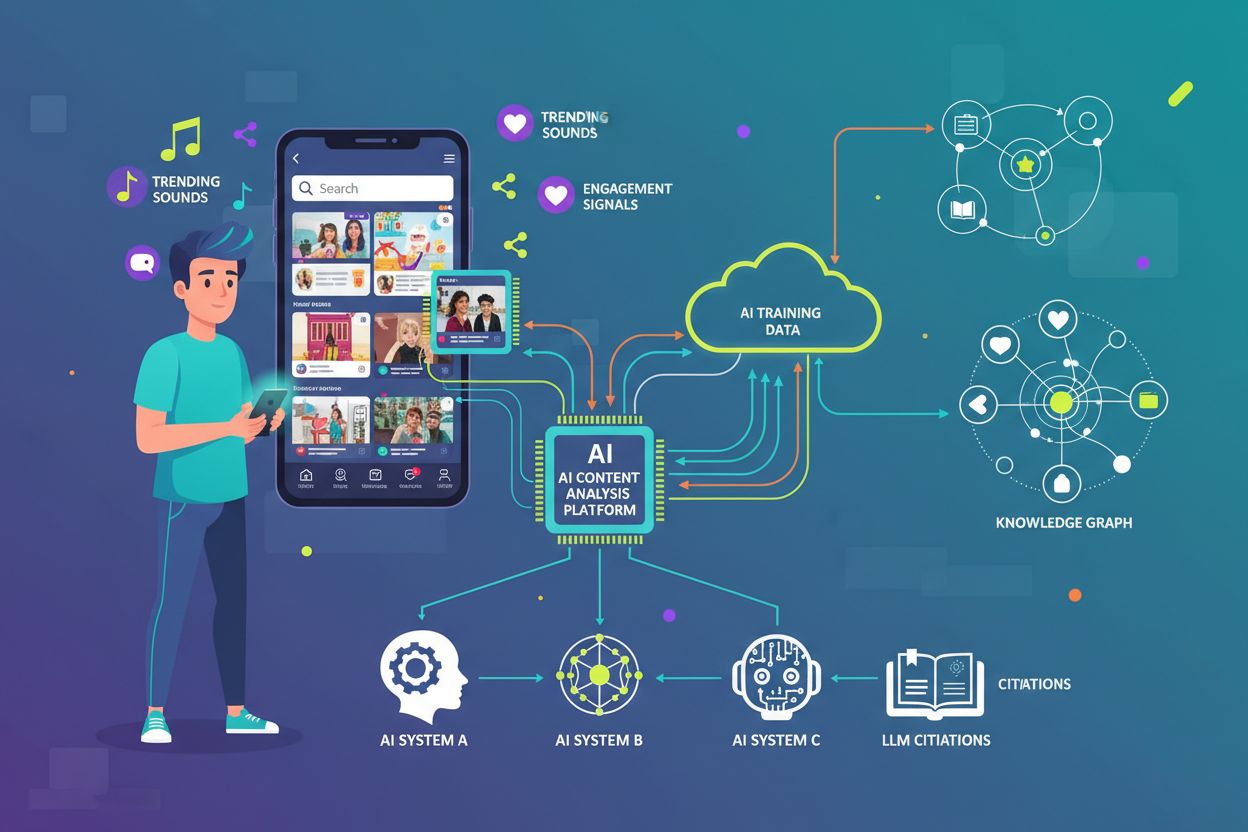
AmICited.com has emerged as an essential tool for brands serious about understanding and optimizing their TikTok presence within the broader AI visibility ecosystem. The platform monitors brand citations across ChatGPT, Perplexity, Google Gemini, and other major LLMs, providing a centralized dashboard that shows exactly which TikTok pages (and other content) are being cited by AI systems. This visibility is transformative because it answers a question that has plagued marketers: “Are my TikTok videos actually being seen and cited by AI systems?” AmICited’s dashboard reveals not just whether you’re being cited, but which specific TikTok content is driving AI citations, allowing brands to identify patterns in what works. The platform also identifies AI-friendly content opportunities—gaps where competitors are being cited but you’re not, or where user queries are going unanswered, representing chances to create content that fills those voids. Beyond monitoring, AmICited enables performance measurement by linking AI visibility directly to business outcomes, helping brands understand the ROI of their TikTok and broader content strategy. The competitive intelligence aspect is equally valuable; by seeing which competitors’ TikTok videos are cited most frequently, brands can reverse-engineer successful approaches and identify differentiation opportunities. AmICited positions itself as a cornerstone of Generative Engine Optimization (GEO)—the emerging discipline of optimizing content specifically for discovery and citation by AI systems—making it indispensable for any brand serious about TikTok’s role in their AI visibility strategy.
To maximize TikTok’s impact on AI citations, brands should implement a set of best practices specifically designed for AI discoverability and citation. Start with clear, answer-oriented captions that directly address common questions or pain points; instead of “Check out this hack,” try “Here’s why your WiFi keeps disconnecting (and how to fix it).” Include transcripts or detailed descriptions in your video captions and pinned comments, giving AI systems the text they need to understand and cite your content accurately. Use question-based framing throughout your content strategy—titles and captions structured around “How to…”, “What is…”, “Why does…”, and “When should I…” align perfectly with how people query AI systems and increase citation likelihood. Leverage trending audio and visual formats because they signal freshness and relevance to both the TikTok algorithm and AI systems, but ensure your core message remains clear and extractable. Strategic hashtag use helps with discoverability, but focus on hashtags that reflect actual search intent rather than generic trending tags. Maintain cross-platform consistency by ensuring your TikTok messaging aligns with your website, blog, and other content channels, reinforcing your expertise across the AI visibility ecosystem. Encourage comments and engagement by asking questions and responding to comments, as engagement signals help both TikTok’s algorithm and AI systems identify valuable content. Remember that this approach is part of a broader Generative Engine Optimization strategy that extends beyond TikTok to encompass your entire digital presence. A practical example: a productivity app that creates a TikTok series titled “5-Minute Productivity Hacks” with clear captions, question-based framing, and high engagement will likely see those videos cited when AI systems answer queries about time management, directly driving both awareness and user acquisition.
Key optimization tactics:
Yes, major LLMs like ChatGPT, Perplexity, and Google Gemini actively incorporate TikTok content into their training data and retrieval systems. Meta's LLaMA 3 was explicitly trained on Facebook and Instagram data, demonstrating that social platforms are essential training material for AI systems. However, TikTok's multimodal nature (video + audio) requires transcripts or captions for AI systems to extract meaning effectively.
Tools like AmICited.com, Buzzabout, Brand24, and Mention can help track brand mentions across AI systems and social platforms. You can also manually test realistic prompts in ChatGPT, Perplexity, and Google Gemini to observe current answers and citations. Look for unusual referral patterns or direct traffic spikes that might indicate AI-driven discovery.
Traditional SEO focuses on ranking entire pages in search results, while TikTok AI visibility is about having your short-form videos cited within AI-generated answers. TikTok success depends on engagement metrics, trending audio, and conversational relevance rather than keywords and backlinks. Both are important, but they require different optimization strategies.
TikTok is increasingly important because 64% of Gen Z use it as a search engine and it's becoming a major source for AI training data. However, a diversified approach is best. Different AI systems have different source preferences—ChatGPT favors Wikipedia and news, while Google's AI Overviews heavily cite Reddit. A balanced presence across multiple platforms maximizes your AI visibility.
Use clear, answer-oriented captions that directly address common questions. Frame content around 'How to...', 'What is...', 'Why does...', and 'When should I...' structures that align with how people query AI systems. Include transcripts or detailed descriptions in your video captions and pinned comments to give AI systems the text they need to understand and cite your content.
Absolutely. High-engagement TikTok videos with clear, informative content are increasingly cited in AI-generated answers, especially for 'how-to' and product-related queries. When your TikTok content is cited, it drives brand awareness even if users don't click through. The key is creating content that directly answers user questions and demonstrates clear value.
While direct attribution can be challenging, the data is compelling: 78% of Gen Z consumers have made a purchase after seeing a product on TikTok. Beyond direct sales, TikTok AI visibility builds brand authority and awareness. Use tools like AmICited to correlate AI visibility improvements with traffic and conversion metrics to quantify ROI for your specific business.
Reddit is currently cited more frequently by AI systems (especially Google's AI Overviews), but TikTok is rapidly growing in importance. Reddit excels for community discussions and Q&A, while TikTok dominates for visual demonstrations and trend-driven content. The best strategy is to maintain a presence on both platforms, tailoring content to each platform's strengths and audience expectations.
Track how your TikTok content influences citations across ChatGPT, Perplexity, Google Gemini, and other AI systems. Get actionable insights to boost your brand's AI visibility.
Learn how YouTube content influences AI citations across ChatGPT, Perplexity, and Google AI. Discover why YouTube dominates with 200x more citations than compet...
Discover the real business costs of ignoring AI search monitoring. Learn how brands lose visibility, market share, and customer discovery when they don't track ...

Complete guide for marketing agencies to understand, implement, and offer AI visibility services to clients. Learn monitoring strategies, tools, and ROI measure...