

The CMO's Guide to AI Visibility: Strategic Priorities for 2025
Discover how CMOs can master AI visibility, monitor brand presence across ChatGPT, Perplexity, and Google AI Overviews, and implement strategic priorities for 2...
11 min read
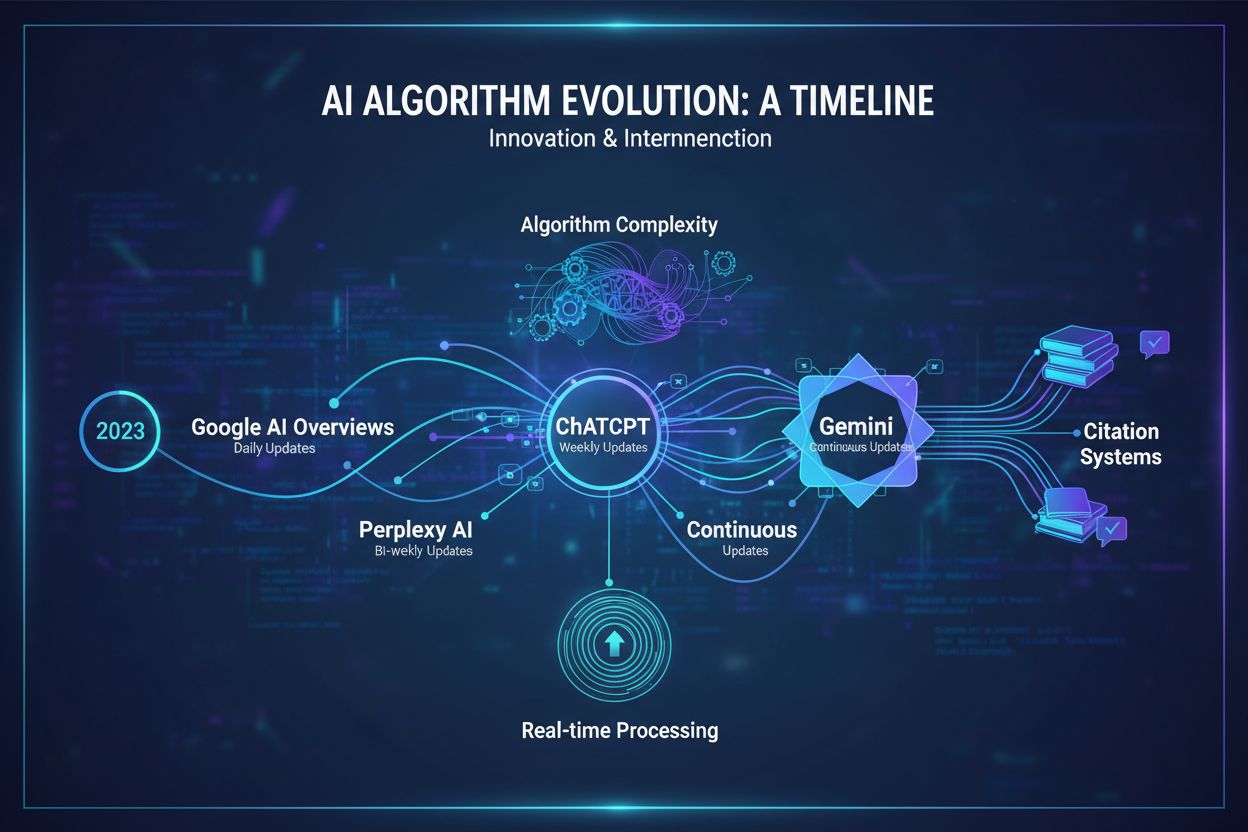
Learn how to monitor AI algorithm updates across ChatGPT, Perplexity, and Google AI Overviews. Track your brand’s visibility with real-time metrics and citation tracking.
The digital landscape is undergoing a fundamental transformation as AI-powered platforms increasingly replace traditional search engines as the primary discovery mechanism for information. With Google AI Overviews reaching 1.5 billion users monthly and ChatGPT boasting over 800 million weekly active users, the stakes for visibility have never been higher. The shift from traditional search to AI-driven answers means that algorithm monitoring is no longer optional—it’s essential for maintaining brand visibility and organic traffic. Recent data reveals that Google AI Overviews have caused a staggering 61% decline in organic click-through rates and a 68% decline in paid CTR, fundamentally changing how digital marketers must approach visibility strategy. Understanding and tracking these changes isn’t just about staying informed; it’s about survival in an increasingly AI-mediated digital ecosystem.

To effectively monitor AI algorithm changes, you must first understand the distinct characteristics and update patterns of the major platforms reshaping search and discovery. Each platform operates with different underlying architectures, update frequencies, and citation mechanisms that directly impact how your brand appears in AI-generated responses. Google AI Overviews integrates directly into Google Search with frequent algorithmic adjustments, while ChatGPT relies on training data with periodic model updates that can significantly shift response patterns. Perplexity stands out with its real-time RAG (Retrieval-Augmented Generation) architecture that dynamically sources and cites current information, making it particularly responsive to content freshness and citation frequency. Gemini (Google’s conversational AI) operates within the Google ecosystem and increasingly influences how information is synthesized and presented. The following table outlines the key characteristics of each platform:
| Platform | Update Frequency | Primary Mechanism | Citation Approach | Monthly Reach |
|---|---|---|---|---|
| Google AI Overviews | Thousands of changes yearly | Integrated search results | Source attribution | 1.5B users |
| ChatGPT | Periodic model updates | Training data + plugins | Variable citation | 800M+ weekly active |
| Perplexity | Real-time continuous | RAG architecture | Direct source tracking | Growing rapidly |
| Gemini | Frequent updates | Conversational synthesis | Integrated citations | Part of Google ecosystem |
Understanding these differences is crucial because each platform requires distinct monitoring strategies and responds differently to content optimization efforts.
Traditional SEO metrics like keyword rankings and click-through rates are becoming increasingly irrelevant in an AI-dominated landscape, requiring marketers to adopt a new set of performance indicators. The most critical metrics for AI platform visibility have fundamentally shifted toward citation frequency, share of voice, and brand mention patterns across AI-generated responses. Rather than tracking where your content ranks, you should now focus on how often your brand and content are cited, referenced, and recommended by AI systems. Here are the essential metrics you should be monitoring:
These metrics provide a more accurate picture of your actual visibility and influence in the AI-driven discovery ecosystem than traditional rankings ever could.
Monitoring Google AI Overviews requires a multi-layered approach combining automated tools with manual verification to catch algorithm changes as they occur. Start by leveraging Google Search Console, which now includes AI Overviews performance data showing how often your content appears in these AI-generated summaries and the resulting traffic patterns. Supplement this with dedicated SEO monitoring tools like Semrush, Ahrefs, or Moz, which have added AI Overviews tracking capabilities to their platforms, allowing you to monitor changes in visibility and citation frequency over time. Manual testing remains invaluable—regularly search for your target keywords and competitor keywords to observe how AI Overviews are synthesizing information and which sources are being prioritized. Pay particular attention to the source attribution within AI Overviews, as Google frequently adjusts which sources appear and how prominently they’re featured. Set up automated alerts for significant changes in your visibility metrics, and establish a weekly review cadence to identify emerging patterns. Since Google makes thousands of algorithm changes yearly, consistent monitoring is essential to catch shifts before they significantly impact your traffic.
Monitoring your brand’s presence in ChatGPT and Perplexity requires different strategies than traditional search monitoring, as these platforms don’t provide built-in analytics dashboards like Google Search Console. For ChatGPT, implement a systematic manual testing approach by querying the platform with your target keywords and competitor keywords, documenting whether your brand appears in responses and how prominently it’s featured relative to competitors. Perplexity’s real-time RAG architecture makes it particularly important to monitor, as it directly cites sources and updates continuously—use the platform’s built-in source tracking to see which of your content pieces are being referenced and how frequently. Specialized AI visibility tools like AmICited.com provide automated monitoring of your brand mentions and citations across multiple AI platforms, eliminating the need for manual testing and providing historical trend data. Create a testing matrix that includes your primary keywords, branded searches, and competitor comparisons, and execute these tests on a consistent schedule (weekly or bi-weekly) to identify changes in how these platforms surface your content. Document the exact responses you receive, including which sources are cited and in what order, as this positioning data reveals your actual share of voice within AI-generated answers. Additionally, monitor ChatGPT’s plugin ecosystem and Perplexity’s source preferences, as changes to these systems can dramatically shift which brands and content sources receive visibility.
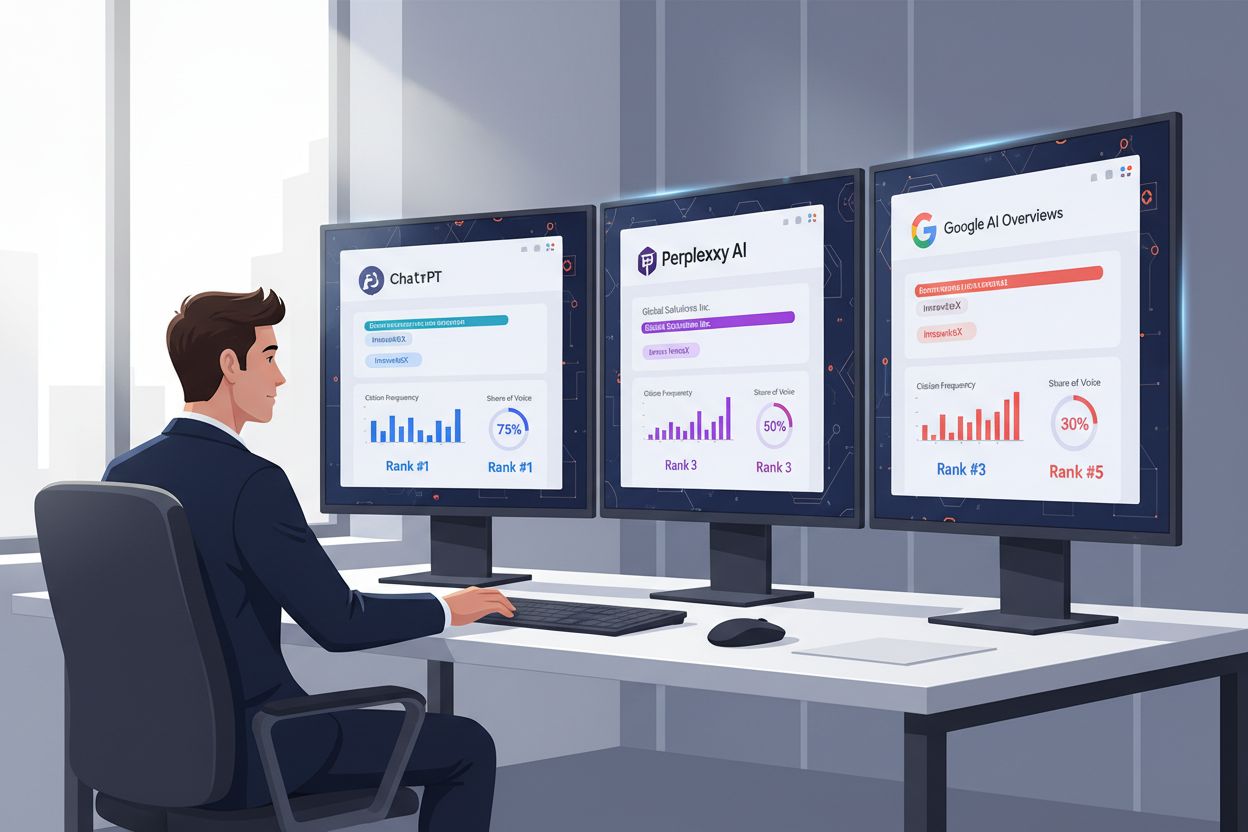
Implementing an effective AI algorithm monitoring system requires thoughtful tool selection, clear metrics definition, and consistent execution protocols. Begin by selecting your monitoring stack—combine Google Search Console for Google AI Overviews, specialized platforms like AmICited.com for cross-platform citation tracking, and your existing SEO tools for supplementary data. Define your monitoring frequency based on your industry volatility and competitive landscape; most brands should monitor at minimum weekly, with daily monitoring recommended for highly competitive or rapidly changing sectors. Create a centralized metrics dashboard that consolidates data from all sources, tracking your key performance indicators including citation frequency, share of voice, brand mention trends, and platform-specific visibility metrics. Establish baseline measurements before implementing any changes, allowing you to accurately attribute performance shifts to algorithm changes versus your own optimization efforts. Document your monitoring methodology and create standardized testing protocols to ensure consistency across time periods and team members. Finally, integrate your monitoring system into your regular reporting cadence, reviewing results weekly and conducting deeper analysis monthly to identify patterns and emerging opportunities.
When you detect significant algorithm changes through your monitoring system, the key is moving quickly from detection to strategic response while avoiding reactive panic. Start by analyzing what changed—did your citation frequency decline, did competitors gain share of voice, or did the types of sources being cited shift toward different content formats or authority signals? Use this analysis to inform your content optimization strategy, focusing on the factors that appear to be driving visibility in the new algorithmic environment. If you notice that citation frequency has become more important than it was previously, prioritize creating highly citable, authoritative content that directly addresses common questions in your industry. Build domain authority and topical expertise through comprehensive content clusters, original research, and thought leadership that positions your brand as a primary source rather than a secondary reference. Implement citation-building strategies that encourage other publishers and AI systems to reference your content, such as creating data-driven insights, publishing original research, and developing resource pages that naturally attract citations. Monitor how competitors are adapting to algorithm changes and learn from their successful strategies while identifying gaps where you can differentiate. Remember that algorithm changes often create temporary disruption followed by new opportunities—brands that adapt quickly typically emerge stronger than those that maintain outdated strategies.
The landscape of AI algorithm monitoring will continue to evolve as these platforms mature and become increasingly central to how people discover information. AI Mode is becoming the default for many users, particularly among younger demographics, meaning that visibility in AI-generated responses will soon be as important as traditional search rankings—or more so. We’re witnessing platform diversification beyond the current major players, with new AI-powered discovery tools emerging regularly, requiring monitoring strategies flexible enough to adapt to new platforms. The metrics that matter most will continue shifting away from traditional SEO indicators toward citation frequency, share of voice, and brand authority signals that AI systems use to evaluate source credibility. Forward-thinking organizations are already building monitoring infrastructure that can scale across multiple platforms and adapt to new algorithmic approaches, positioning themselves to maintain visibility regardless of how the AI landscape evolves. The brands that invest in comprehensive AI algorithm monitoring today will have significant competitive advantages as these platforms become the primary discovery mechanism for information tomorrow.
The primary platforms requiring monitoring are Google AI Overviews (1.5B monthly users), ChatGPT (800M+ weekly active users), Perplexity (rapidly growing with real-time RAG architecture), and Gemini (Google's conversational AI). Each platform has different update frequencies and citation mechanisms, requiring distinct monitoring strategies.
Google makes thousands of algorithm changes yearly, with major core updates occurring every few months. ChatGPT has periodic model updates, while Perplexity operates with real-time continuous updates. The frequency and impact vary significantly by platform, making consistent monitoring essential.
Traditional SEO focuses on keyword rankings and click-through rates, which are becoming less relevant. AI metrics prioritize citation frequency, share of voice, brand mention patterns, and visibility in AI-generated responses. These new metrics better reflect actual influence and authority in AI-driven discovery.
Yes, Google Search Console now includes AI Overviews performance data showing impressions and clicks. However, it doesn't separate AI Overview traffic from traditional search results. Supplement GSC with dedicated AI visibility tools like AmICited.com for more detailed citation and positioning data.
Monitor your key metrics weekly: citation frequency, share of voice, brand mention trends, and platform-specific visibility. Compare current data against baseline measurements to identify significant changes. Use both automated tools and manual testing to detect shifts in how AI platforms surface your content.
Combine Google Search Console for Google AI Overviews, specialized platforms like AmICited.com for cross-platform citation tracking, and existing SEO tools (Semrush, Ahrefs, Moz) that now include AI Overviews tracking. Manual testing across ChatGPT and Perplexity remains valuable for comprehensive monitoring.
Citation frequency is now more important than traditional rankings. When AI systems cite your content, you gain credibility and influence at high-intent moments. Research shows cited brands receive significantly higher engagement, making citation frequency a critical success metric in AI-driven discovery.
First, analyze what changed—citation frequency, share of voice, or source type preferences. Then adjust your content strategy accordingly, focusing on creating highly citable, authoritative content. Build domain authority through comprehensive content clusters and original research. Monitor competitor responses and identify differentiation opportunities.
Don't let algorithm changes catch you off guard. AmICited tracks how AI platforms reference your brand across ChatGPT, Perplexity, Google AI Overviews, and more.
Discover how CMOs can master AI visibility, monitor brand presence across ChatGPT, Perplexity, and Google AI Overviews, and implement strategic priorities for 2...
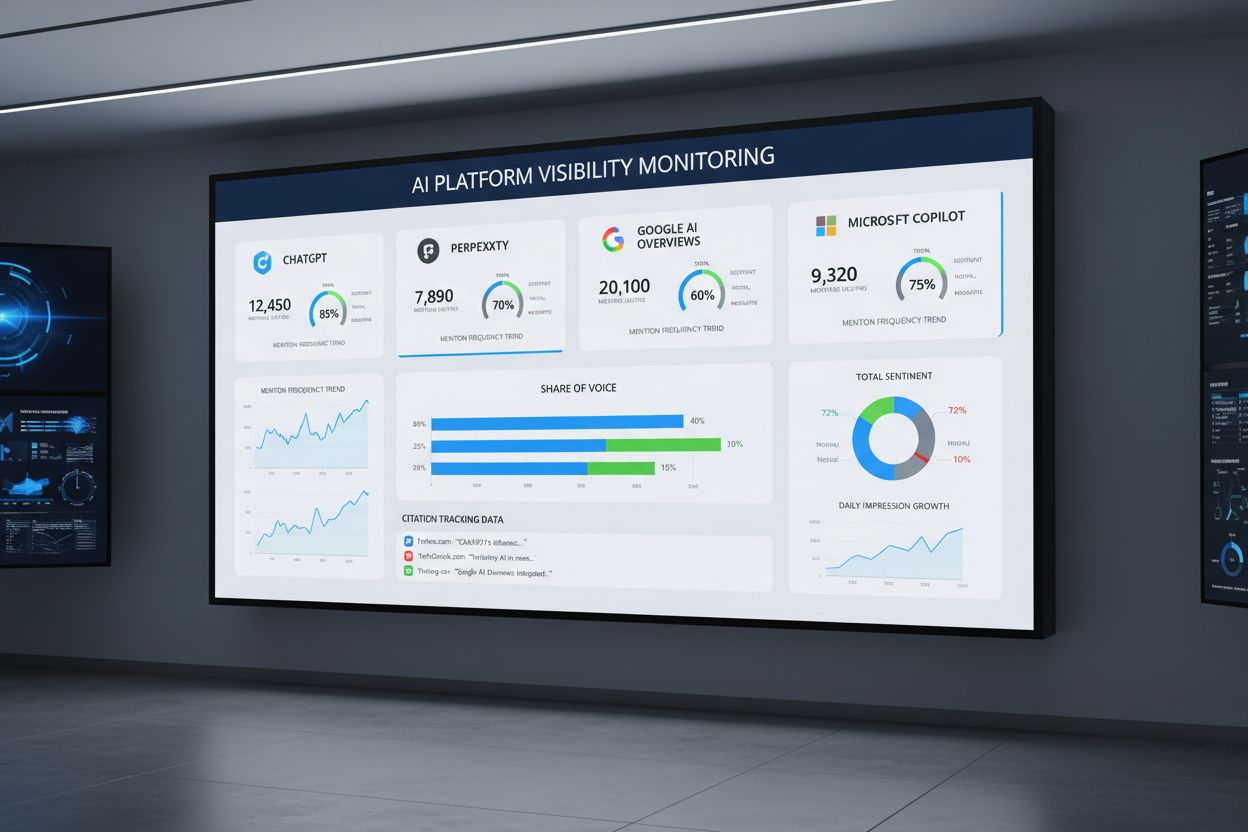
Learn how to choose the right AI visibility monitoring platform for your brand. Compare features, pricing, and capabilities to track your presence in ChatGPT, P...
Explore AI Visibility Futures - forward-looking analysis of emerging trends in AI-driven brand discovery. Learn how brands will be discovered by AI systems and ...