

Social Proof and AI Recommendations: The Trust Connection
Discover how social proof shapes AI recommendations and influences brand visibility. Learn why customer reviews are now critical training data for LLMs and how ...
9 min read

Discover how Trustpilot’s 300+ million reviews influence AI recommendations, LLM training, and consumer trust. Learn about AI fraud detection, optimization strategies, and the future of review-based AI.
As artificial intelligence reshapes how consumers discover and evaluate businesses, the role of authentic customer reviews has become more critical than ever. Trustpilot, hosting over 300 million reviews across 150+ countries, has emerged as one of the most influential data sources for large language models and AI-powered search systems. When consumers ask ChatGPT, Perplexity, or Google’s AI Overviews for business recommendations, these systems frequently reference and analyze Trustpilot reviews to provide informed answers. This shift represents a fundamental change in how trust is established in the digital age—moving from traditional search rankings to AI-driven recommendations powered by authentic consumer feedback.
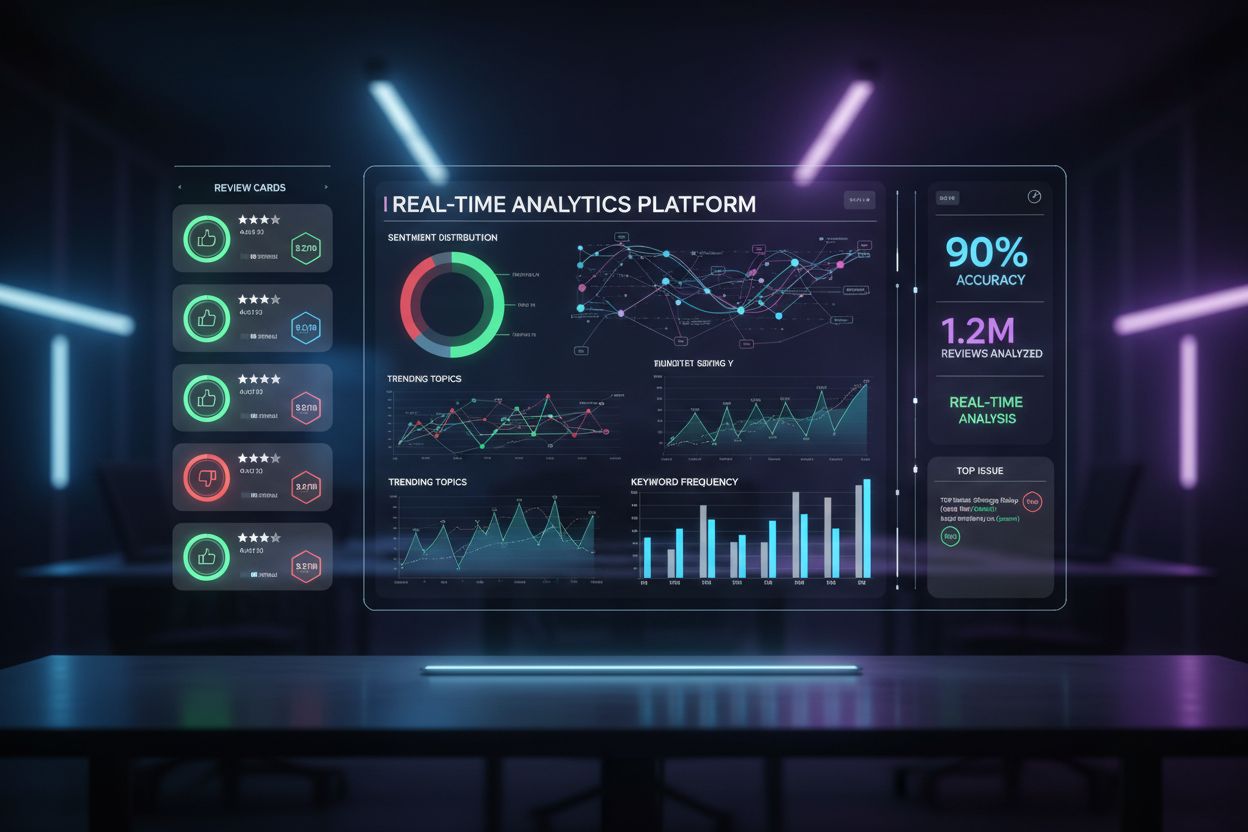
Large language models rely on semantic search and natural language understanding to process vast amounts of review data and extract meaningful insights. When an LLM encounters a query about a business or service, it doesn’t simply match keywords—it analyzes the semantic meaning of reviews, identifies patterns in customer sentiment, and weighs recent, verified reviews more heavily than older or unverified content. Trustpilot’s review data is particularly valuable because it provides LLMs with structured, verified feedback that signals genuine customer experiences. The platform’s emphasis on recent reviews means that LLMs can deliver current, relevant recommendations rather than relying on outdated information.
| Aspect | Traditional Search | AI-Powered Search |
|---|---|---|
| Data Source | Website content, backlinks | Reviews, user feedback, real-time data |
| Freshness | Updated periodically | Real-time analysis of recent reviews |
| Personalization | Generic results | Tailored to user intent and context |
| Trust Signals | Domain authority, links | Verified reviews, sentiment, response rates |
| Verification | Limited verification | Verified customer purchases, review authenticity |
Behind Trustpilot’s commitment to authenticity lies a sophisticated AI-powered fraud detection system that has become a model for the industry. In 2024, Trustpilot removed 4.5 million fake reviews—representing 7.4% of all submissions—with 90% of these removals happening automatically through machine learning and neural network algorithms. This technology analyzes patterns across millions of reviews, identifying suspicious indicators such as unnatural language patterns, unusual review spikes, coordinated submission timing, and other anomalies that suggest fabricated content. By continuously learning from new fraud tactics, Trustpilot’s AI systems stay ahead of bad actors attempting to manipulate ratings. This automated protection is crucial for LLMs, as it ensures they’re trained on and reference authentic customer feedback rather than artificially inflated or manipulated reviews.
Trustpilot’s AI-assisted review response feature represents a practical application of generative AI that benefits both businesses and consumers. When a business receives a review, Trustpilot’s AI can generate an initial response by analyzing semantically similar previous reviews and their responses, using vector database technology to find relevant context. The system employs a human-in-the-loop approach, meaning the AI generates suggestions but businesses always maintain editorial control before publishing. This feature addresses a critical challenge: with an average response time of 3.95 days and only 38% of reviews receiving responses, many businesses struggle to engage with customers at scale. By automating the initial response generation while preserving human judgment, Trustpilot helps businesses maintain consistent, on-brand communication while reducing the manual workload for customer service teams.

To maximize your visibility in AI-powered recommendations and LLM responses, focus on strategies that signal trustworthiness to both algorithms and consumers. Recent, verified reviews carry significantly more weight in AI algorithms than older reviews, making review recency a critical factor in AI visibility. Similarly, your response rate—particularly how quickly and thoughtfully you respond to negative reviews—sends important trust signals to LLMs. Here are key practices to optimize your Trustpilot presence for AI visibility:
These practices don’t just improve your human customer experience—they directly influence how AI systems perceive and recommend your business.
Natural Language Processing (NLP) technology enables Trustpilot and other platforms to analyze thousands of reviews and extract meaningful insights that would be impossible for humans to identify manually. AI sentiment analysis categorizes review content as positive, negative, or neutral with approximately 92% accuracy, while simultaneously identifying themes and topics that emerge across multiple reviews. For example, an AI system might identify that 40% of negative reviews mention “slow shipping,” while 60% of positive reviews highlight “excellent customer service.” This thematic analysis helps businesses understand what customers value most and where improvements are needed. For LLMs, this processed sentiment data provides structured, categorized information that improves the quality and relevance of AI-generated recommendations. Rather than analyzing raw review text, LLMs can leverage pre-processed sentiment and topic data to deliver more nuanced, accurate recommendations.
Verified reviews represent a critical trust signal in the AI-driven recommendation landscape. A verified review on Trustpilot indicates that the reviewer has a confirmed purchase history with the business, making it significantly more valuable to LLMs than unverified reviews. When an AI system encounters a business with a high percentage of verified reviews and strong response rates, it recognizes these as indicators of authenticity and active engagement. This verification status directly influences how LLMs weight and reference reviews in their recommendations—a business with 1,000 verified reviews will receive more favorable treatment in AI recommendations than one with 1,000 unverified reviews. The connection between review authenticity and AI reliability is direct: LLMs trained on verified, authentic feedback produce more trustworthy recommendations. This creates a virtuous cycle where businesses that prioritize authentic customer engagement benefit from improved visibility in AI-powered search and recommendation systems.
While multiple review platforms exist—including Google Reviews, Yelp, Amazon Reviews, and industry-specific platforms—Trustpilot occupies a unique position in the AI ecosystem. Trustpilot’s independence as a dedicated review platform (rather than a secondary feature of a larger service) means its reviews are less influenced by commercial incentives tied to product sales or advertising. The platform’s rigorous fraud detection, transparent governance, and commitment to authentic feedback make its data particularly valuable to LLMs. Additionally, Trustpilot’s global reach across 150+ countries and 64 million monthly active users provides LLMs with diverse, representative feedback across industries and geographies. Google Reviews, while ubiquitous, are tied to Google’s commercial interests and search algorithms. Amazon Reviews, though voluminous, are limited to products sold on Amazon. Yelp focuses primarily on local businesses. Trustpilot’s independence, scale, and commitment to authenticity position it as a trusted data source that LLMs increasingly rely on for generating recommendations.
Businesses don’t need to manually analyze their Trustpilot reviews—AI-powered tools like Anecdote AI, Brandwatch, and similar platforms can extract review data via Trustpilot’s API and provide automated insights. These tools use machine learning to identify sentiment patterns, extract key topics, benchmark performance against competitors, and surface actionable insights from large review volumes. A business with 5,000 reviews might spend weeks manually analyzing feedback; an AI tool can process the same data in minutes, identifying that customer service quality is the primary driver of positive reviews while shipping speed is the main complaint. These insights can be integrated into business intelligence systems, shared across teams via dashboards, and used to inform product development, marketing strategy, and customer service improvements. The ROI is significant: businesses that leverage AI review analysis tools report faster decision-making, more targeted improvements, and measurable increases in customer satisfaction scores.
The intersection of AI and consumer reviews continues to evolve rapidly. Emerging multimodal AI models like Google’s Gemini can analyze not just text reviews but also images and videos, potentially enabling video testimonials and visual feedback to influence LLM recommendations. The regulatory landscape is also shifting, with the FTC, EU regulators, and other bodies establishing guidelines for authentic reviews and AI transparency. Trustpilot has positioned itself at the forefront of this evolution, becoming a founding member of the Coalition for Trusted Reviews—a cross-industry initiative promoting best practices and shaping policy on review authenticity. As AI becomes more sophisticated and integrated into consumer decision-making, the platforms and businesses that prioritize authentic feedback, transparent AI governance, and genuine customer engagement will gain competitive advantages. The future belongs to those who understand that in an AI-driven world, authentic customer reviews aren’t just marketing assets—they’re the foundation of trust and visibility in AI-powered recommendations.
As consumer reviews increasingly influence AI recommendations, understanding how your business is cited and referenced across AI platforms becomes essential. Tools like AmICited.com provide visibility into how your brand appears in ChatGPT, Perplexity, Google AI Overviews, and other LLM-powered systems. By monitoring these AI citations alongside your Trustpilot presence, you can understand the complete picture of how consumer reviews translate into AI visibility and recommendations. This integrated approach—combining Trustpilot optimization with AI citation monitoring—ensures you’re maximizing your presence across both traditional and AI-powered discovery channels.
Large language models analyze Trustpilot's 300+ million reviews to understand consumer sentiment, identify trusted businesses, and provide recommendations. Recent, verified reviews carry more weight in AI algorithms, making Trustpilot a critical data source for LLM training and real-time recommendations.
Trustpilot's AI-powered fraud detection system automatically removes 90% of detected fake reviews without manual intervention. In 2024, this technology removed 4.5 million fake reviews (7.4% of total submissions), demonstrating the effectiveness of machine learning and neural networks in protecting platform integrity.
Focus on collecting recent, verified reviews through automated invitations, respond promptly to all reviews (especially negative ones), maintain consistent tone in responses, encourage detailed feedback, and monitor sentiment trends. These practices signal trustworthiness to AI algorithms and improve your visibility in LLM recommendations.
Trustpilot's independence, transparency, and rigorous fraud detection make its reviews particularly valuable to LLMs. The platform's AI governance framework, verified review system, and commitment to authenticity ensure that LLMs receive high-quality, trustworthy data for training and recommendations.
AI uses Natural Language Processing (NLP) to analyze review text, identifying positive, negative, and neutral sentiments with 92% accuracy. The technology extracts themes, trends, and topics from thousands of reviews, helping businesses understand customer feedback at scale and providing LLMs with nuanced sentiment data.
Trustpilot's human-in-the-loop approach means AI generates suggestions (like review responses) but humans always have final editorial control. This ensures AI doesn't operate unsupervised, maintains fairness in content moderation decisions, and allows appeals to human reviewers for any AI-assisted decisions.
Verified reviews signal to AI algorithms that a review comes from a genuine customer with a confirmed purchase history. This verification status carries significant weight in LLM recommendations, as it indicates authenticity and reduces the likelihood of fake or incentivized reviews influencing AI-generated recommendations.
Yes, platforms like Anecdote AI and other review analysis tools can extract Trustpilot data via API and provide AI-powered insights including sentiment analysis, topic clustering, competitor benchmarking, and trend identification. These tools help businesses understand customer feedback at scale and extract actionable insights.
Track mentions of your business across ChatGPT, Perplexity, Google AI Overviews, and other AI platforms. Understand how consumer reviews impact your AI visibility and recommendations.
Discover how social proof shapes AI recommendations and influences brand visibility. Learn why customer reviews are now critical training data for LLMs and how ...

Discover how authentic customer testimonials boost your AI visibility across Google AI Overviews, ChatGPT, and Perplexity. Learn why real customer voices matter...

Discover how review aggregation and AI detection work together to build consumer trust in e-commerce. Learn about fake review detection, trust signals, and the ...