
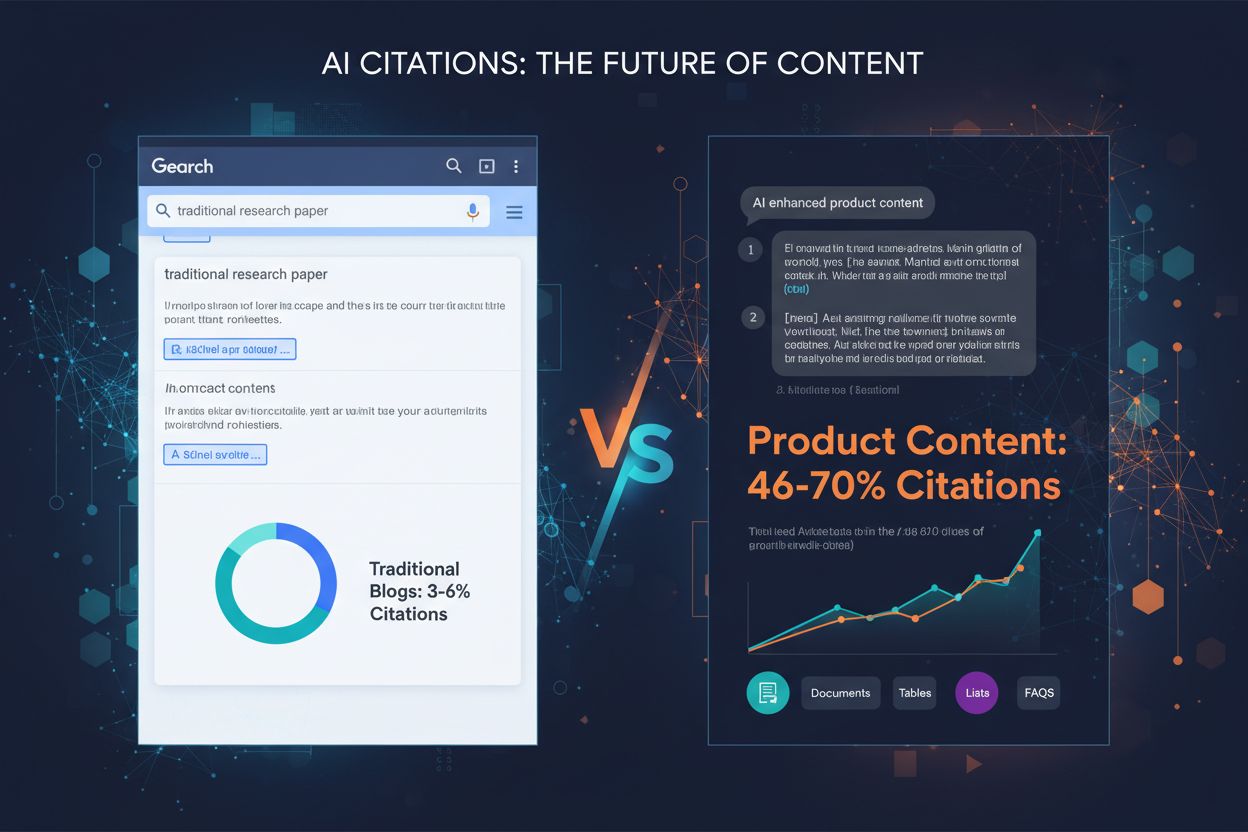
Which Content Formats Get More AI Citations? Data Analysis
Discover which content formats get cited most by AI models. Analyze data from 768,000+ AI citations to optimize your content strategy for ChatGPT, Perplexity, a...
10 min read
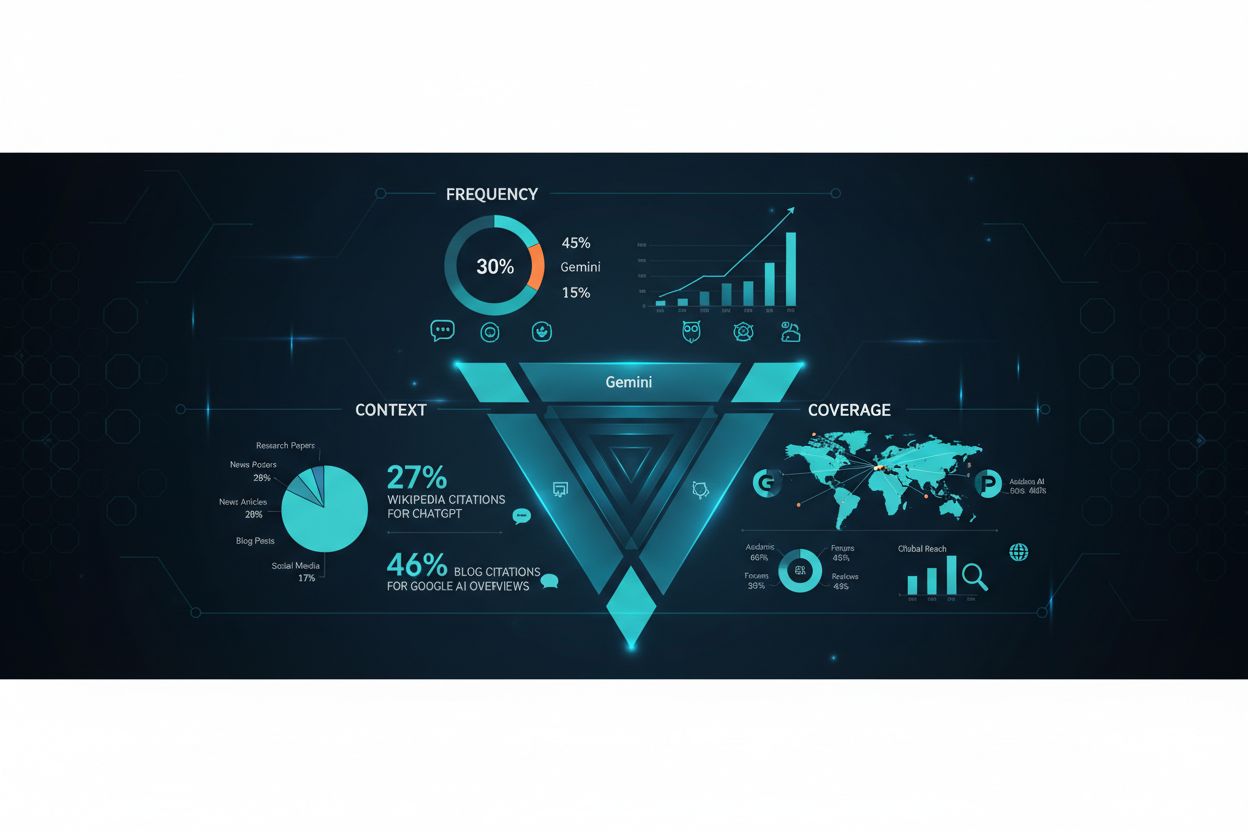
Discover how AI engines cite ultimate guides and long-form content. Learn citation patterns across ChatGPT, Gemini, Perplexity, and Google AI Overviews to boost your brand visibility.
The search landscape has fundamentally transformed. Where traditional SEO once focused on achieving the coveted position one ranking on Google, the rise of AI answer engines like ChatGPT, Perplexity, and Google AI Overviews has created a new definition of success: being cited as a source of truth. Ultimate guides and comprehensive long-form content have become the primary targets for AI citation, as these platforms synthesize information from multiple sources to deliver direct answers to users. In this new era, citation visibility—not ranking position—determines whether your brand reaches audiences who increasingly bypass traditional search results entirely.
Ultimate guides dominate AI citations because they embody the exact characteristics that generative engines prioritize: comprehensive coverage, clear structure, and authoritative information density. These long-form pieces typically address a topic from multiple angles, providing readers with complete answers rather than fragmented information scattered across numerous pages. AI engines recognize this comprehensiveness as a signal of quality and authority, making ultimate guides natural candidates for citation when synthesizing answers to complex queries. Additionally, well-constructed guides often include original research, data points, and examples that AI systems cannot find elsewhere, creating a competitive advantage in citation frequency. The answer-first structure that characterizes modern ultimate guides—where the main conclusion appears upfront—aligns perfectly with how AI engines extract and present information. Furthermore, these guides typically demonstrate strong E-E-A-T signals through detailed author credentials, cited sources, and consistent expertise, all factors that influence AI citation decisions. The combination of these elements makes ultimate guides approximately 40% more likely to be cited compared to shorter, topic-specific articles.
Different AI platforms exhibit distinct citation preferences that directly impact which sources get selected for their generated answers. Understanding these platform-specific patterns is essential for optimizing your ultimate guides for maximum visibility across the AI ecosystem. The following table illustrates how major AI engines prioritize different source types:
| AI Platform | Citation Preference | Top Sources | Citation Rate |
|---|---|---|---|
| ChatGPT | Authority-focused | Wikipedia, Reuters, News | ~27% Wikipedia |
| Google Gemini | Balanced approach | Blogs, YouTube, News | ~39% Blogs |
| Perplexity | Expert-driven | Reviews, Blogs, Expert Sites | ~38% Blogs |
| Google AI Overviews | Broad aggregation | Reddit, Blogs, News | ~46% Blogs |
ChatGPT heavily favors established, authoritative sources, with Wikipedia accounting for approximately 27% of its citations, reflecting its preference for neutral, reference-style materials. Google Gemini takes a more balanced approach, incorporating blogs (39%), news sources (26%), and notably YouTube content, making it more receptive to diverse content formats. Perplexity emphasizes expert-driven sources, with specialized review sites and industry-specific publications receiving prominent placement alongside blogs. Google AI Overviews casts the widest net, drawing from blogs (46%), news (20%), and significantly, community-generated content like Reddit (4%), indicating that diverse source types can achieve visibility across this platform. These variations mean that a single ultimate guide must be optimized differently depending on which AI platform you’re targeting, requiring a nuanced approach to content structure and authority signaling.
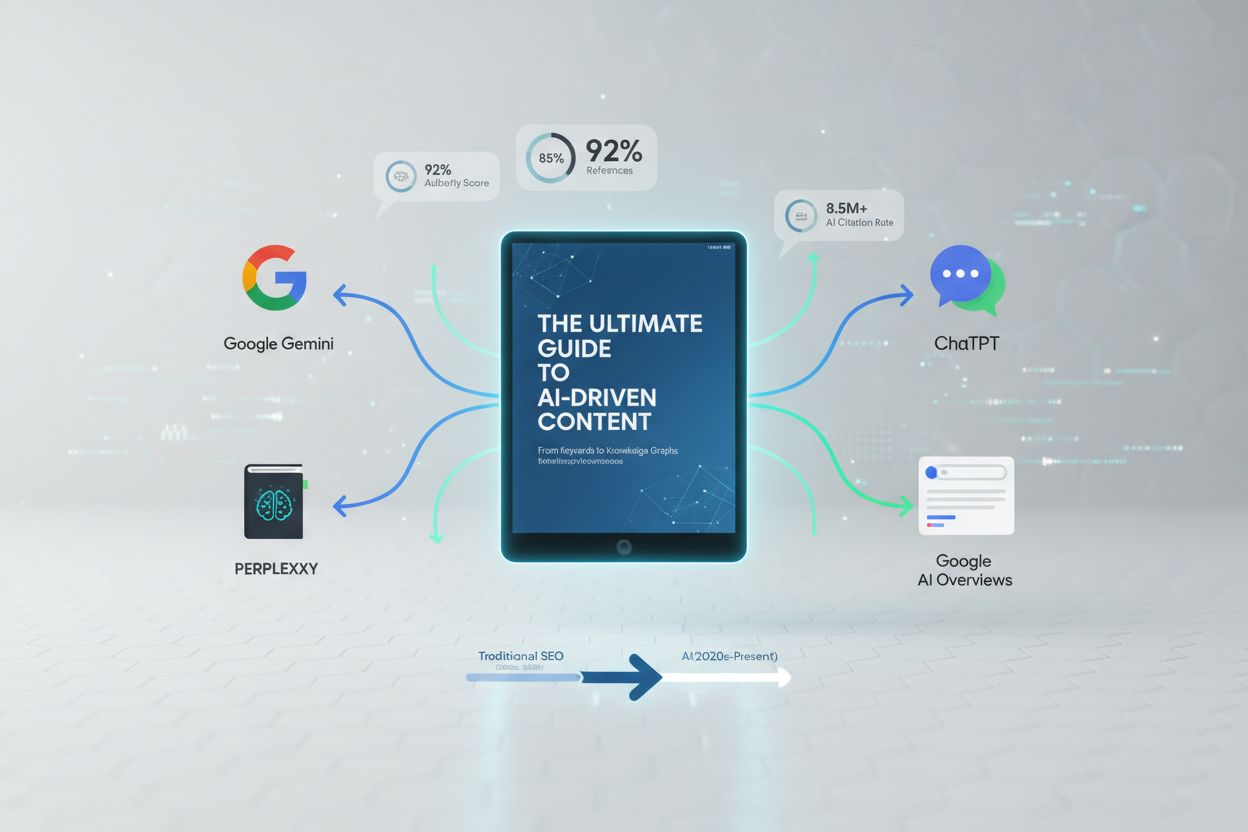
Citation-worthy ultimate guides share several critical characteristics that make them attractive to AI citation algorithms. First, they implement structured data markup—particularly schema.org vocabulary—that explicitly tells AI systems what information is being presented and how it’s organized. This technical foundation allows AI engines to parse content more accurately and extract relevant information with higher confidence. Second, these guides adopt an answer-first format, placing the direct response to the main query in the opening paragraphs before diving into supporting details and nuance. This structure aligns with how AI systems process information, making it easier for them to identify and extract the core answer. Third, citation-worthy guides demonstrate comprehensive coverage of their topic, addressing related questions, edge cases, and alternative perspectives that users might have. Fourth, they incorporate original research, proprietary data, or unique insights that cannot be found in competing content, creating a compelling reason for AI systems to cite them as primary sources. Finally, these guides build strong E-E-A-T signals through detailed author biographies that establish credentials, transparent sourcing practices, and regular content updates that demonstrate ongoing expertise. The combination of these elements creates content that AI systems recognize as authoritative, comprehensive, and worthy of citation.
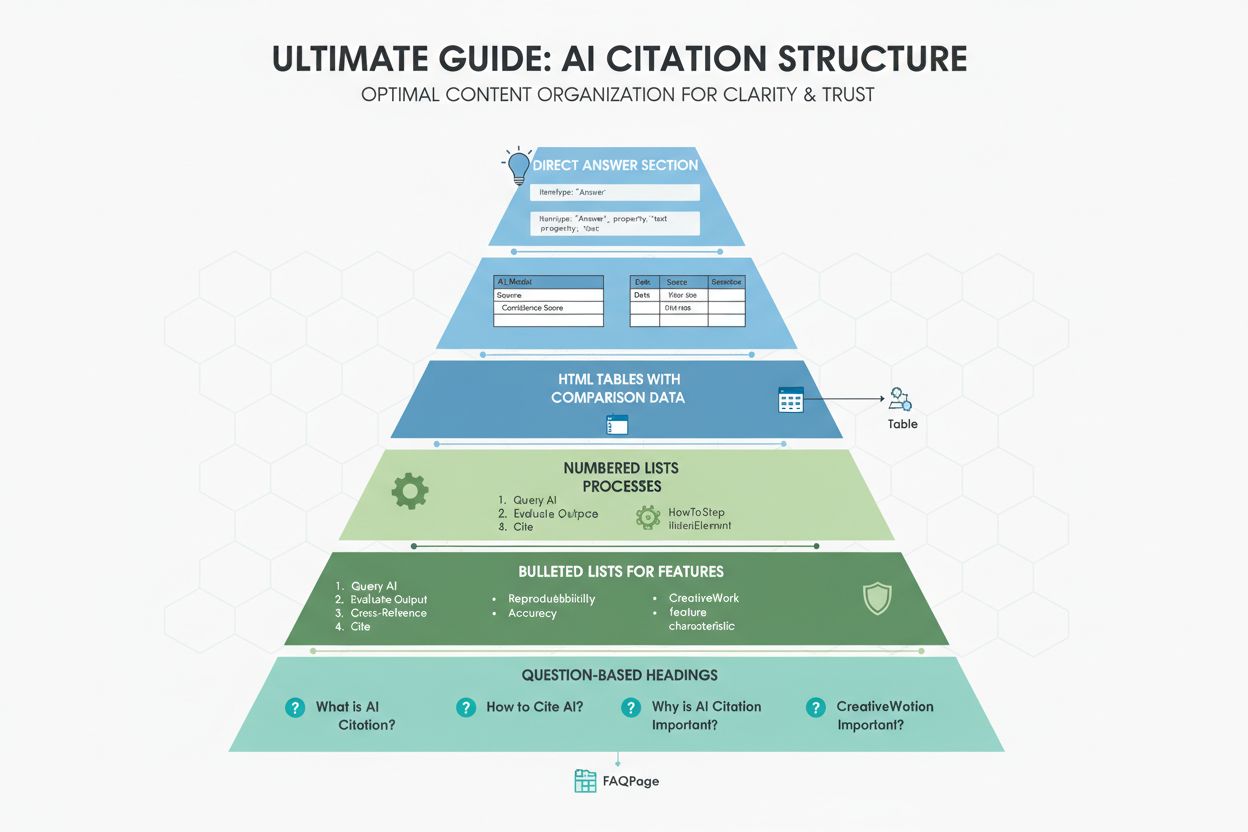
AI engines have demonstrated clear preferences for specific content structures that make information easier to extract and present to users. Implementing these structural elements significantly increases your ultimate guide’s citation potential:
<ol>) to make procedural content easily parseable<ul>) for feature sets, pros and cons, or benefit lists that don’t require sequential orderingThese structural choices aren’t merely aesthetic preferences—they directly impact how AI systems parse, understand, and cite your content. When information is presented in tables, lists, and question-answer formats, AI engines can extract specific facts with higher confidence and are more likely to cite your guide as the source. Conversely, dense paragraphs of narrative text, while potentially more engaging for human readers, are harder for AI systems to parse and less likely to be cited. The most successful ultimate guides balance human readability with AI parseability, ensuring that both audiences can easily access and understand the information presented.
AI citation patterns operate across three distinct dimensions that collectively determine your brand’s visibility in AI-generated answers. Understanding and optimizing for all three is essential for building a strong citation presence. Frequency measures how often your brand appears in relevant AI-generated responses—whether you’re cited in 5% of answers or 50% of answers for your target queries. High-frequency brands dominate the conversation around their topic, appearing consistently across multiple AI platforms and query variations. Context analyzes the sentiment and positioning of your citations, distinguishing between positive mentions that build authority, neutral references that provide information, and negative mentions that could damage reputation. An ultimate guide cited positively as an authoritative source carries far more weight than one mentioned neutrally or critically. Coverage assesses the breadth of topics where your brand appears, determining whether citations are limited to branded searches or extend across industry-wide, topic-based queries. A brand with strong coverage appears as a source not just for queries about their specific product, but for broader industry questions where they’re recognized as an expert. The most successful brands optimize across all three dimensions simultaneously, achieving high citation frequency, positive context, and broad topic coverage that establishes them as authoritative voices in their industry.
Authority signals have become the primary mechanism through which AI systems evaluate source credibility and determine citation worthiness. Building these signals requires a multi-layered approach that extends beyond traditional SEO. Author credentials represent the first layer—every article in your ultimate guide should include a detailed author biography that establishes expertise through credentials, relevant experience, and professional affiliations. This biographical information should be structured using schema markup so AI systems can easily verify author qualifications. The second layer involves organizational authority signals, implemented through Organization schema that explicitly identifies your company, its industry, and its official web presence. This schema should include sameAs properties that link to your official profiles on LinkedIn, Crunchbase, and ideally, your Wikidata entry, creating a verifiable digital identity that AI systems can reference. The third layer consists of third-party mentions and citations from authoritative sources—when respected publications, industry experts, or established authorities mention your brand, AI systems recognize this as external validation of your expertise. The fourth layer involves consistent brand messaging across all channels, ensuring that your positioning, values, and expertise are communicated uniformly across your website, social media, press releases, and third-party publications. Finally, maintaining and updating your Wikipedia entry and Google Knowledge Panel provides AI systems with centralized, verified information about your organization. Together, these authority signals create a comprehensive credibility profile that makes AI systems more likely to cite your ultimate guides as authoritative sources.
Original research and proprietary data represent the most powerful tools for securing AI citations, as these elements create content that cannot be found elsewhere and must be attributed to your brand. When your ultimate guide includes original survey data, proprietary research findings, or unique analysis, AI systems have no choice but to cite you as the source—they cannot synthesize this information from other sources. This creates a competitive moat around your content, ensuring that competitors cannot easily replicate your citation advantage. The most effective approach involves publishing original research that addresses questions your target audience is actively asking, then weaving these findings throughout your ultimate guide as “citable facts.” For example, rather than stating “many companies struggle with content distribution,” a citable fact would be: “A 2025 survey of 500 marketing leaders found that 73% report difficulty distributing content across multiple AI platforms.” This specificity and originality compels AI systems to cite your research as the authoritative source. Additionally, original research builds trust with both AI systems and human readers, as it demonstrates that your brand has invested in understanding the topic deeply rather than simply aggregating existing information. The competitive advantage is substantial—brands that publish original research see citation rates approximately 3-4 times higher than those relying solely on aggregated content. Furthermore, original research generates additional citation opportunities through press coverage, industry publications, and third-party mentions, creating a multiplier effect that extends your citation visibility far beyond your ultimate guide itself.
Ultimate guides function most effectively within a topic cluster strategy, where a comprehensive pillar page is supported by multiple related articles that collectively establish topic authority. This structure signals to AI systems that your brand owns a particular topic area, making you the natural choice for citations when answering questions within that domain. The pillar page—your ultimate guide—should address the broadest, most comprehensive version of your topic, while supporting articles dive deeper into specific subtopics, use cases, or related questions. This hierarchical structure, reinforced through strategic internal linking, creates semantic relationships that help AI systems understand the full scope of your expertise. When an AI system encounters a query about a specific aspect of your topic, it recognizes that your ultimate guide provides comprehensive context and is more likely to cite it alongside more specialized supporting content. The internal linking strategy is particularly important—each supporting article should link back to the pillar page, and the pillar page should link to all supporting articles, creating a web of semantic connections that AI systems use to understand topic relationships. This approach also improves your chances of being cited for a broader range of queries, as AI systems recognize that your content addresses multiple angles and perspectives on your topic. Additionally, topic clusters improve your overall domain authority for the topic area, as AI systems recognize that you’ve invested in comprehensive coverage rather than creating isolated articles. The result is increased citation frequency, broader topic coverage, and stronger positioning as an authoritative source within your industry.
Measuring and optimizing your AI citation performance requires a shift from traditional SEO metrics to new KPIs specifically designed for the AI-driven search landscape. The primary metric is AI Share of Voice (AISoV), which measures how often your brand is cited for your target queries compared to competitors. Unlike traditional rankings, which measure position on a single results page, AISoV captures your visibility across multiple AI platforms and query variations, providing a more comprehensive view of your citation performance. To track AISoV, begin with manual monitoring—have your team regularly query your top 20-50 target keywords across ChatGPT, Perplexity, Google AI Overviews, and Google Gemini, documenting which brands are cited and in what context. This manual approach, while time-intensive, provides qualitative insights into citation patterns and helps you understand why certain competitors are cited more frequently. Simultaneously, monitor your Google Search Console for a critical pattern: impressions that remain stable or increase while clicks decline. This pattern indicates that users are getting their answers from AI Overviews and no longer need to click through to your website—a sign that you’re being cited but not receiving traffic. Additionally, track referral traffic from perplexity.ai and chat.openai.com in your analytics, as this represents high-intent traffic from users who encountered your content in AI-generated answers. Finally, conduct competitive analysis by identifying which of your competitors’ pages are being cited most frequently, then reverse-engineer why those pages are successful—examining their structure, content depth, data presentation, and authority signals to inform your optimization strategy.
Monitoring AI citations manually is time-consuming and provides only a snapshot of your citation performance. AmICited.com addresses this challenge by providing real-time tracking of how AI engines cite your brand across ChatGPT, Perplexity, Google AI Overviews, and other major platforms. The platform continuously monitors your citation frequency, context (positive, neutral, or negative), and coverage across different topic areas, giving you a comprehensive view of your AI search visibility. Beyond simple monitoring, AmICited.com identifies citation drift—sudden, unexplained drops in citation frequency that could indicate content quality issues, algorithm changes, or competitive threats. When citation drift is detected, the platform provides actionable recommendations for content updates and optimizations that can restore your citation visibility. The competitive benchmarking features allow you to compare your citation performance against direct competitors, revealing gaps in your coverage and opportunities to expand your topic authority. By integrating AmICited.com into your content strategy, you transform AI citation optimization from a manual, reactive process into a data-driven, proactive discipline. This enables your team to make informed decisions about which topics to prioritize, which content to update, and where to invest in original research and comprehensive guides. The result is a systematic approach to building and maintaining strong citation patterns that drive brand visibility in the AI-powered search landscape.
Traditional SEO focuses on achieving high positions in search results, while AI citations measure how often and in what context your brand is mentioned in AI-generated answers. Citations are now more important than rankings because they determine visibility in answer engines like ChatGPT and Perplexity, where users get direct answers without clicking through to websites.
Ultimate guides get cited more because they provide comprehensive coverage, clear structure, and authoritative information density. AI engines recognize these long-form pieces as authoritative sources that address topics from multiple angles, making them natural candidates for citation when synthesizing answers to complex queries.
Structure your content with direct answers in opening paragraphs, use HTML tables for comparisons, implement numbered lists for processes, and use question-based headings. Additionally, incorporate schema markup, original research, and strong E-E-A-T signals through detailed author credentials and consistent brand messaging.
Original research is the most powerful tool for securing AI citations because it creates content that cannot be found elsewhere and must be attributed to your brand. When your ultimate guide includes proprietary data or unique analysis, AI systems have no choice but to cite you as the source, creating a competitive advantage.
Monitor AI citations by manually querying your target keywords across ChatGPT, Perplexity, Google AI Overviews, and Gemini. Track your AI Share of Voice (AISoV) metric, monitor referral traffic from AI platforms, and use tools like AmICited.com for real-time tracking and competitive benchmarking.
E-E-A-T stands for Experience, Expertise, Authoritativeness, and Trustworthiness. AI systems use these signals to evaluate source credibility and determine citation worthiness. Building E-E-A-T requires detailed author credentials, organization schema, third-party mentions, and consistent brand messaging across all channels.
AmICited.com provides real-time tracking of how AI engines cite your brand across multiple platforms, identifies citation drift, and offers competitive benchmarking. The platform delivers actionable recommendations for content updates and optimizations to restore and improve your citation visibility.
Topic clusters establish your brand as an authority on a subject area. When you create an ultimate guide (pillar page) supported by related articles, AI systems recognize your comprehensive coverage and are more likely to cite you for a broader range of queries within that topic area.
Track how AI engines cite your brand across ChatGPT, Perplexity, Google AI Overviews, and more. Get actionable insights to improve your citation patterns and dominate AI-powered search.
Discover which content formats get cited most by AI models. Analyze data from 768,000+ AI citations to optimize your content strategy for ChatGPT, Perplexity, a...

Discover which websites and pages get cited most frequently by AI systems like ChatGPT, Perplexity, and Google AI Overviews. Learn citation patterns, domain pre...
Discover which publications AI engines like ChatGPT, Perplexity, and Google AI cite most. Learn citation patterns, source preferences, and how to optimize your ...