Understanding Why Competitors Get More AI Citations
Discover why competitors dominate AI-generated answers and learn proven strategies to increase your brand’s visibility in ChatGPT, Perplexity, and Google AI Overviews.
Published on Jan 3, 2026.Last modified on Jan 3, 2026 at 3:24 am
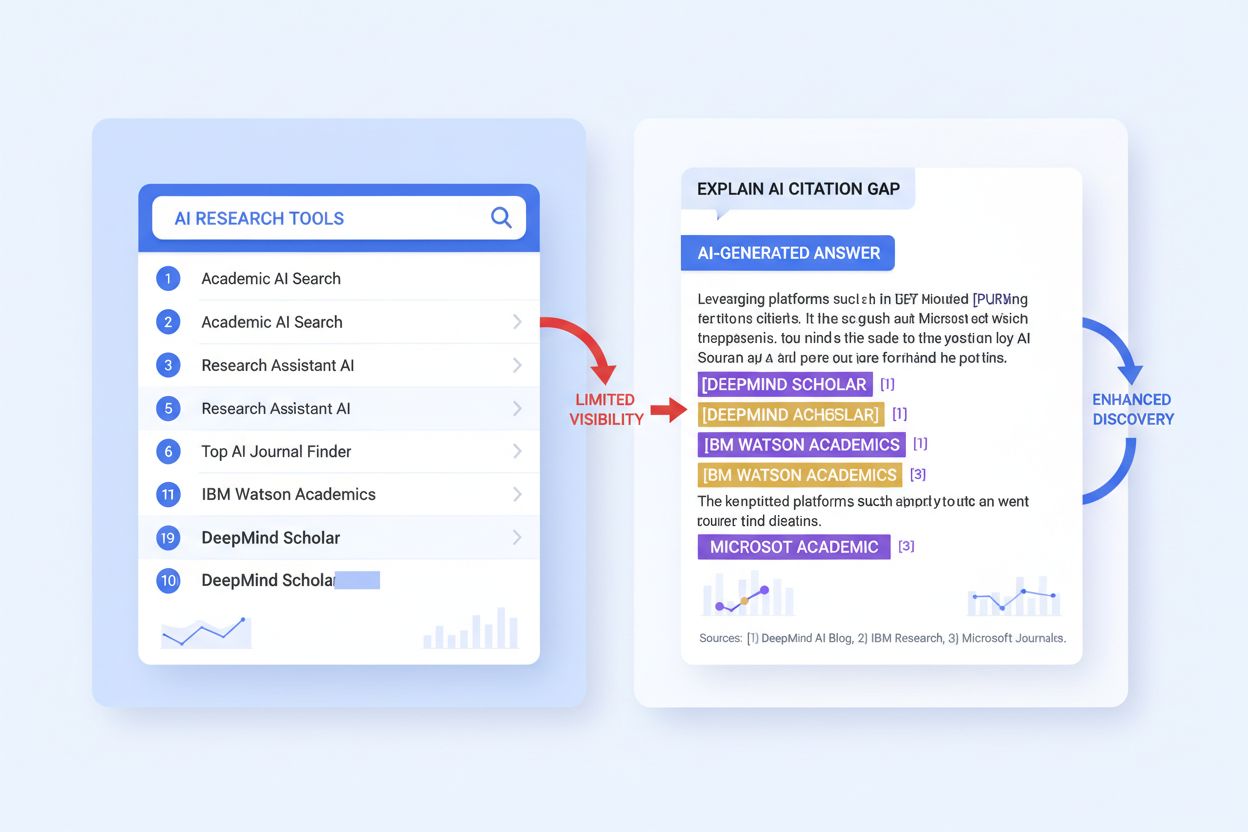
The digital landscape has fundamentally shifted, yet many brands haven’t noticed: your competitors might be getting significantly more visibility in AI-generated answers despite ranking lower in traditional Google search results. According to SEMrush research, there’s only a 51% domain overlap and just 32% URL overlap between AI Mode results and Google’s top 10 rankings, revealing a stark disconnect between conventional SEO success and AI visibility. This means that the strategies perfected over the past decade for Google rankings are increasingly insufficient for capturing citations in ChatGPT, Perplexity, Google AI Overviews, and other generative platforms. Understanding this gap isn’t just academic—it directly impacts your brand’s discoverability in the fastest-growing search interface, where users increasingly turn for answers before clicking through to websites. The brands winning in AI citations aren’t necessarily the ones dominating traditional search; they’re the ones who’ve adapted their content strategy to align with how AI systems evaluate, trust, and recommend sources.
Understanding the Citation Hierarchy
AI systems don’t cite sources randomly—they follow a clear hierarchy of trust that differs fundamentally from Google’s ranking algorithm. According to Yext research, 86% of AI citations originate from brand-managed sources, with the breakdown heavily favoring first-party websites (44%) and business listings (42%), while reviews and social media account for only 8% of citations. This concentration reveals that AI platforms prioritize official, authoritative sources over user-generated content when making citation decisions, though the story becomes more nuanced when examining specific platforms. Reddit deserves special attention here: despite being user-generated content, Reddit appears in 68% of AI Mode results, suggesting that AI systems value community discussion and peer validation differently than traditional ranking factors would indicate. The citation hierarchy can be visualized as follows:
Citation Source
Percentage of AI Citations
AI Trust Level
First-Party Websites
44%
Very High
Business Listings
42%
Very High
Reviews & Social Media
8%
Moderate
Reddit & Community Forums
Variable (68% platform inclusion)
High for specific queries
This structure explains why competitors with strong listing optimization and comprehensive website content often outperform those relying solely on traditional SEO tactics—AI systems are explicitly designed to weight official sources more heavily than the keyword-density algorithms of the past.
Ready to Monitor Your AI Visibility?
Track how AI chatbots mention your brand across ChatGPT, Perplexity, and other platforms.
One of the most counterintuitive discoveries in AI citation research is that mentions matter far more than rankings in determining whether your brand appears in generative answers. A brand can rank #15 on Google for a competitive keyword yet receive zero citations in AI results, while a competitor ranking #8 might appear in multiple AI platforms—the difference often comes down to how “mention-worthy” their content is perceived to be. Consider Mapbox and OpenStreetMap: despite limited Google visibility for many mapping-related queries, both appear frequently in AI citations because they’re recognized as authoritative, reference-worthy sources within their domain. This shift reflects a fundamental change in how AI systems evaluate content—they’re moving away from keyword matching toward entity recognition and topical authority, asking “which sources are most credible and comprehensive on this topic?” rather than “which pages contain these exact keywords?” The paradox creates both a challenge and an opportunity: brands can no longer rely on traditional ranking tactics alone, but they can leapfrog competitors by becoming genuinely authoritative, frequently-mentioned sources in their industry.
Competitor Visibility Factors
Understanding why competitors capture more AI citations requires examining the specific factors that influence AI systems’ citation decisions. Content depth and comprehensiveness rank at the top of this list—AI systems favor sources that thoroughly address topics from multiple angles, making long-form, well-researched content significantly more citation-worthy than thin or keyword-focused pages. Strategic placement in industry roundups, “best of” lists, and expert compilations dramatically increases citation likelihood, as these formats naturally position brands as reference-worthy options that AI systems can confidently recommend. Community engagement and active participation in industry discussions—particularly on platforms like Reddit, industry forums, and professional networks—signal authority and relevance to AI systems in ways that passive website content cannot. Domain authority signals still matter, but they’re weighted differently in AI citation algorithms; a newer domain with exceptional, comprehensive content on a specific topic can outperform an older domain with mediocre coverage. Content structure for AI visibility requires specific optimization: clear topic hierarchies, well-defined entity relationships, comprehensive FAQ sections, and structured data markup all help AI systems understand and cite your content more readily. Competitors winning in AI citations typically excel at multiple factors simultaneously—they’re not just ranking well, they’re building genuine authority through comprehensive content, strategic visibility in industry conversations, and consistent positioning as go-to sources.
Stay Updated on AI Visibility Trends
Get the latest insights on AI mentions, brand monitoring, and optimization strategies.
The Platform Preference Problem
Different AI platforms exhibit distinct citation preferences, creating a fragmented landscape where competitors might dominate in one platform while remaining invisible in another. ChatGPT citations tend to favor established, well-known sources and often include older, foundational content that has accumulated significant mentions over time, making brand longevity and historical authority particularly valuable. Perplexity demonstrates a stronger preference for recent, comprehensive content and shows higher citation rates for sources that appear in multiple reputable contexts, rewarding brands that maintain consistent visibility across platforms. Google AI Overviews currently show citation patterns closer to traditional Google rankings but with increased weight on topical authority and comprehensive coverage, creating a middle ground between ChatGPT’s historical bias and Perplexity’s recency preference. These platform differences mean that a competitor might appear prominently in Perplexity results while being absent from ChatGPT citations, or vice versa—a phenomenon that many brands overlook when developing their AI visibility strategy. The implication is clear: multi-platform optimization isn’t optional for brands serious about AI citation visibility; you must understand each platform’s preferences and tailor your content strategy accordingly. Competitors who appear across multiple AI platforms simultaneously have typically invested in understanding these nuanced differences and adapted their content, distribution, and authority-building strategies to align with each platform’s unique evaluation criteria.
Strategic Positioning for AI Visibility
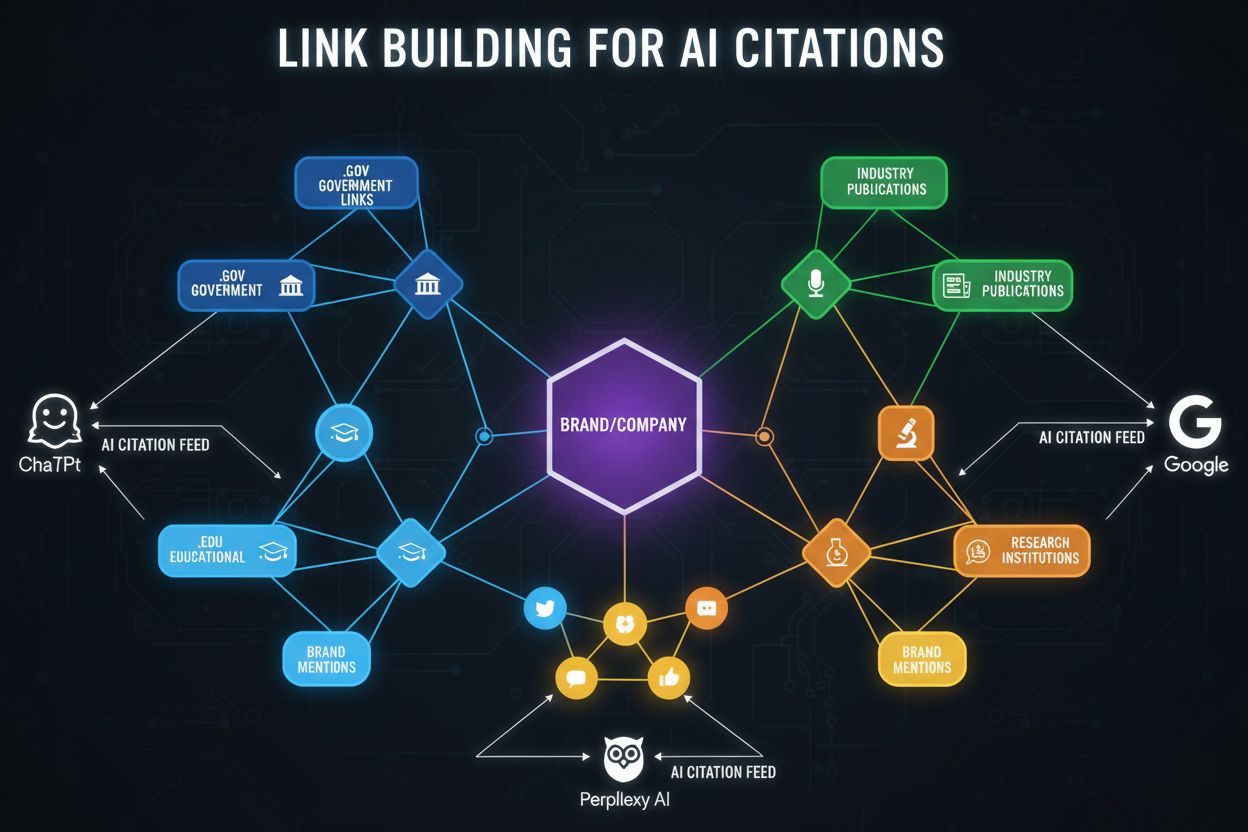
Competing effectively for AI citations requires a fundamentally different strategic approach than traditional SEO, one that emphasizes authority-building, mention generation, and topical comprehensiveness. Building authoritative content means moving beyond keyword optimization to create genuinely valuable resources that address topics exhaustively—the kind of content that industry experts naturally reference and that AI systems recognize as authoritative. Strategic mention building involves actively pursuing visibility in industry publications, expert roundups, case study compilations, and thought leadership platforms where your brand will be cited as a credible source. Securing placements in industry roundup articles and “best tools/services” compilations is particularly valuable, as these formats are frequently cited by AI systems and provide the kind of third-party validation that signals authority. Community engagement—particularly on platforms like Reddit, industry forums, and professional networks—builds the mention velocity that AI systems use to evaluate topical authority and relevance. For commercial queries specifically, comprehensive content that addresses user intent from multiple angles (comparisons, use cases, implementation guides) significantly increases citation likelihood compared to product-focused pages. Implementing GEO (Generative Engine Optimization) principles means structuring content for AI readability: clear topic hierarchies, comprehensive FAQ sections, entity-rich content, and explicit source attribution all improve citation potential. Finally, establish a regular monitoring and tracking cadence to understand which competitors are gaining citations, which platforms cite your brand most frequently, and where gaps exist in your AI visibility strategy.
The Role of Content Structure and Authority
How AI systems read and understand content differs significantly from how Google’s ranking algorithm processes pages, requiring structural adjustments that many brands haven’t yet implemented. Topic clusters and pillar content become increasingly important in AI citation contexts, as AI systems evaluate topical authority by examining how comprehensively a brand covers related concepts and how well those concepts are interconnected. Entity signals and structured data markup help AI systems understand your content’s context and relationships, making proper schema implementation and entity optimization critical components of AI visibility strategy. Content comprehensiveness—measured not just by word count but by the breadth of angles, use cases, and perspectives covered—directly correlates with citation likelihood, as AI systems favor sources that provide thorough, multi-faceted answers. Cross-platform consistency in how you present information, define key concepts, and position your brand ensures that AI systems encounter reinforcing signals across multiple touchpoints, strengthening your authority signals. Building topical authority requires demonstrating expertise across a cluster of related topics rather than optimizing individual pages in isolation; this interconnected approach signals to AI systems that your brand is a genuine authority rather than a collection of keyword-optimized pages. Competitors excelling in AI citations typically invest heavily in content structure and authority-building, recognizing that AI systems evaluate sources through a fundamentally different lens than traditional search algorithms.
Measuring and Monitoring Competitor AI Citations
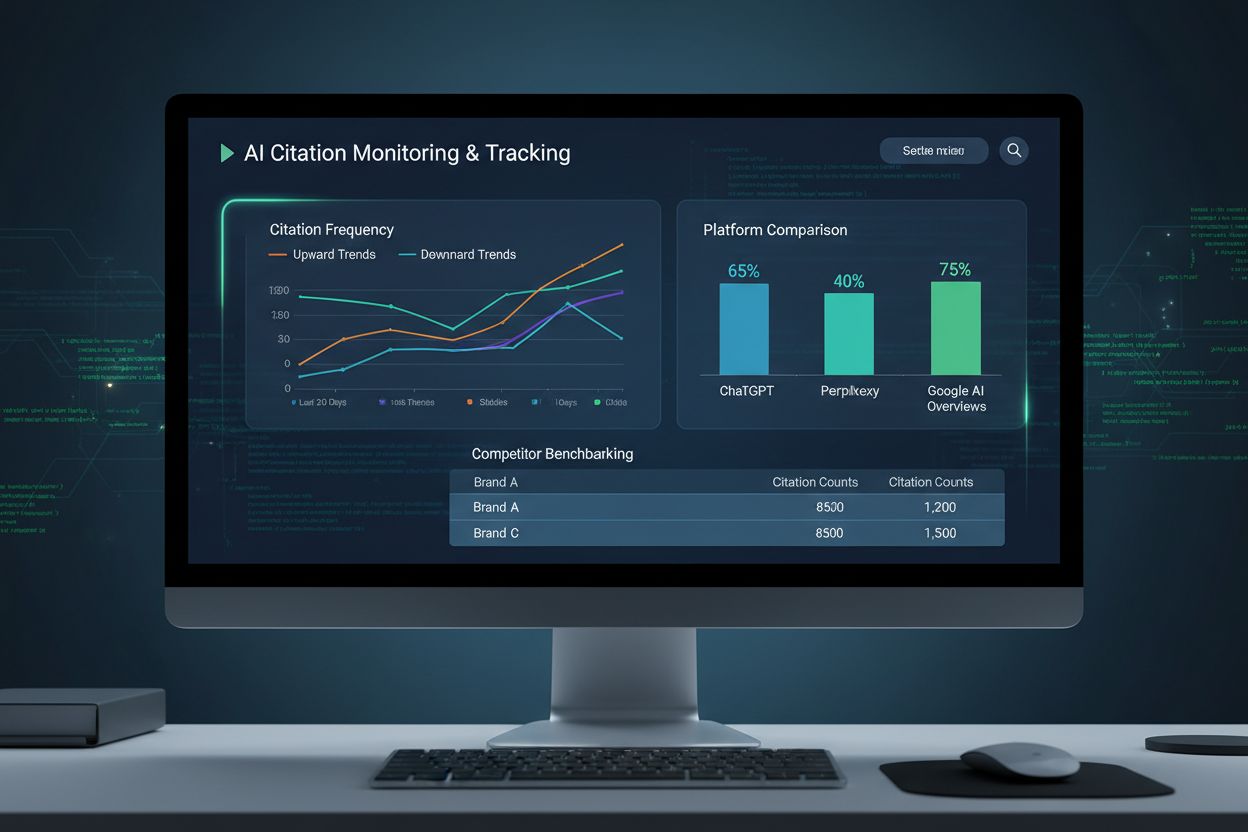
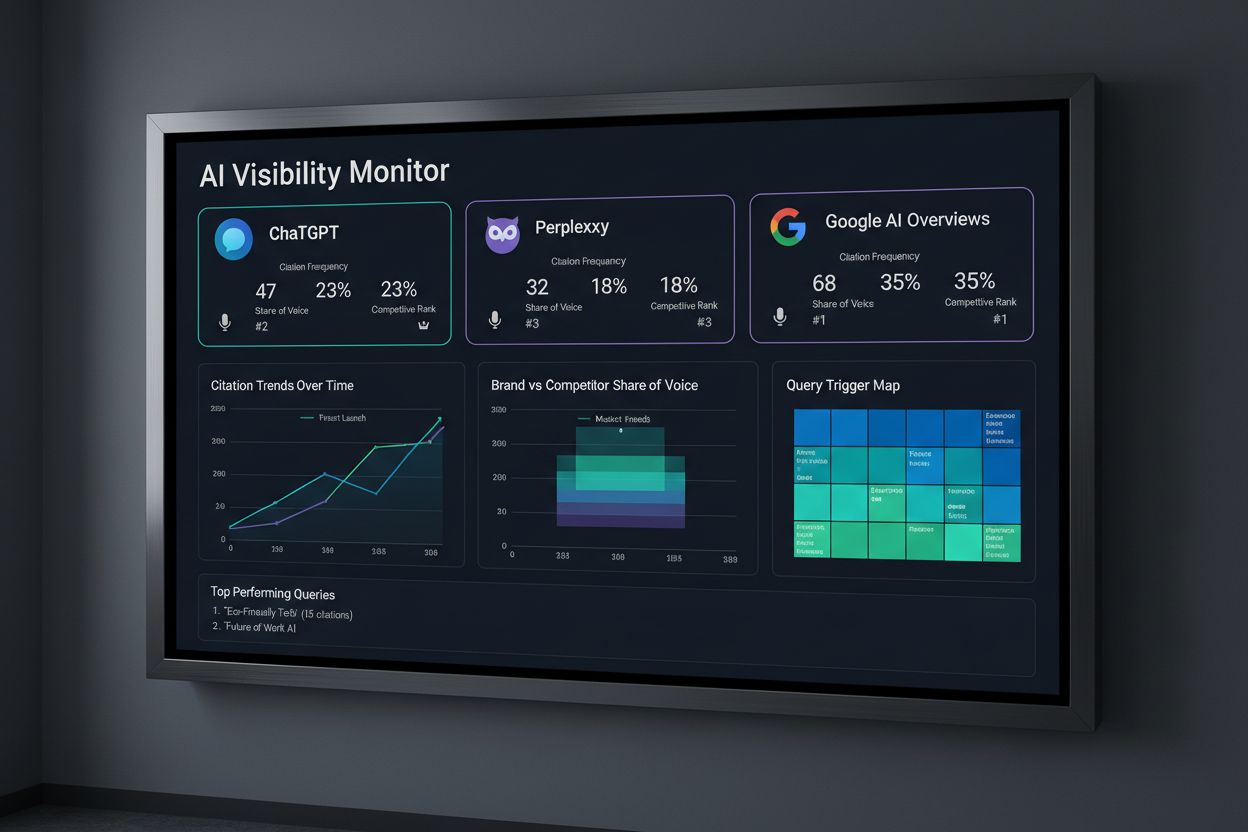
The ability to track and measure AI citations has become essential for competitive intelligence and strategy refinement, yet many brands lack visibility into where their brand appears in generative answers. AI citation tracking requires dedicated tools and processes, as manual monitoring across ChatGPT, Perplexity, Google AI Overviews, and emerging platforms quickly becomes impractical. Specialized platforms like AmICited.com provide systematic tracking of AI citations across multiple platforms, allowing you to monitor not just your own visibility but also competitive benchmarking against key rivals. The metrics that matter most include citation frequency across platforms, citation context (which queries trigger your citations), citation consistency (do you appear for the same queries across multiple platforms), and citation velocity (are your citations increasing or decreasing over time). Competitive benchmarking reveals which competitors are gaining ground in AI visibility, which platforms favor specific competitors, and where strategic opportunities exist to capture citations your competitors currently own. Establishing a regular monitoring cadence—weekly or bi-weekly reviews of citation changes—enables you to identify trends early and adjust your content and authority-building strategies before competitors further entrench their positions. Using this data to inform strategy means connecting citation insights back to content gaps, authority-building opportunities, and platform-specific optimization priorities, creating a feedback loop that continuously improves your AI visibility over time.
Frequently asked questions
Why don't my Google rankings translate to AI citations?
AI systems use fundamentally different evaluation criteria than Google's ranking algorithm. While Google prioritizes keyword relevance and backlinks, AI platforms emphasize mentions, topical authority, and content comprehensiveness. A brand can rank #15 on Google yet receive zero AI citations, while a competitor ranking #8 might appear in multiple AI platforms. The disconnect exists because AI systems are designed to identify reference-worthy sources rather than keyword-optimized pages.
How much does Reddit really influence AI citations?
Reddit appears in approximately 68% of AI Mode results, making it one of the most influential citation sources despite being user-generated content. This high citation rate reflects AI systems' recognition of community discussion and peer validation as trust signals. However, Reddit accounts for only about 2% of total citations when location context and query intent are applied, suggesting it's highly influential for specific query types rather than universally dominant.
Can I control which sources AI cites about my brand?
Yes, to a significant extent. Since 86% of AI citations come from brand-managed sources (websites, listings, reviews), you can directly influence AI visibility by optimizing these owned channels. Creating comprehensive, authoritative content on your website, maintaining accurate business listings, and encouraging authentic reviews all increase the likelihood that AI systems will cite your brand. The key is ensuring your information is structured, consistent, and genuinely valuable.
How long does it take to improve AI visibility?
Improving AI citation visibility typically takes 2-4 months of consistent effort, though this varies based on your industry, competition level, and starting position. Building topical authority requires time for content to be discovered, mentioned, and recognized by AI systems. However, strategic placements in industry roundups and high-authority publications can accelerate visibility gains. Regular monitoring helps you track progress and adjust your strategy accordingly.
What's the difference between AI citations and traditional backlinks?
AI citations are mentions of your brand or content in AI-generated answers, while backlinks are hyperlinks pointing to your website. AI citations don't require hyperlinks—a simple mention of your brand name or product counts as a citation. Additionally, AI systems weight citations differently than Google weights backlinks. A mention in a trusted source can drive AI citations without creating a backlink, making mention-building a distinct strategy from traditional link building.
How do I know if competitors are getting more AI citations?
Specialized AI citation tracking tools like AmICited.com allow you to monitor your brand's appearance in AI-generated answers and compare it against competitors. These tools track citations across multiple platforms (ChatGPT, Perplexity, Google AI Overviews) and provide metrics on citation frequency, context, and trends. Regular monitoring reveals which competitors are gaining ground, which platforms favor specific brands, and where strategic opportunities exist.
Should I focus on AI visibility or traditional SEO?
Both are essential, but they require different strategies. Traditional SEO remains important because strong domain authority and comprehensive content still influence AI citations. However, AI visibility requires additional focus on mention-building, community engagement, and topical authority. The most effective approach combines traditional SEO fundamentals with AI-specific optimization, ensuring your brand ranks well in Google while also appearing in AI-generated answers.
What's the best way to get mentioned in AI answers?
The most effective strategies include: creating genuinely authoritative, comprehensive content that addresses topics exhaustively; securing placements in industry roundups and expert compilations; actively participating in community discussions on platforms like Reddit and industry forums; building topical authority through interconnected content clusters; and ensuring consistent, accurate information across all owned channels. AI systems favor sources that are frequently mentioned, comprehensively cover topics, and demonstrate genuine expertise.
Monitor Your AI Citation Performance
Discover how often your brand appears in AI-generated answers compared to competitors. Track citations across ChatGPT, Perplexity, and Google AI Overviews with AmICited.
The 7% Overlap Problem: Why Being Visible on Google Doesn't Mean AI Visibility
Only 7% of URLs cited by AI search engines match Google's top results. Discover why ranking on Google doesn't guarantee AI visibility and how to optimize for mu...
Link Building for AI Citations: New Strategies for the AI Era
Learn how link building has evolved for AI search. Discover strategies to earn AI citations across ChatGPT, Perplexity, and Google AI Overviews. Master the new ...
The SEO and AI Visibility Connection: Correlation Analysis
Discover the strong correlation between SEO rankings and AI visibility. Learn how traditional SEO drives AI citations and what signals matter most for AI platfo...
7 min read
Cookie Consent We use cookies to enhance your browsing experience and analyze our traffic. See our privacy policy.