
Integrating AI Visibility with Your Existing SEO Strategy
Learn how to combine AI visibility monitoring with traditional SEO to create a unified search strategy that captures visibility across all discovery channels.
12 min read
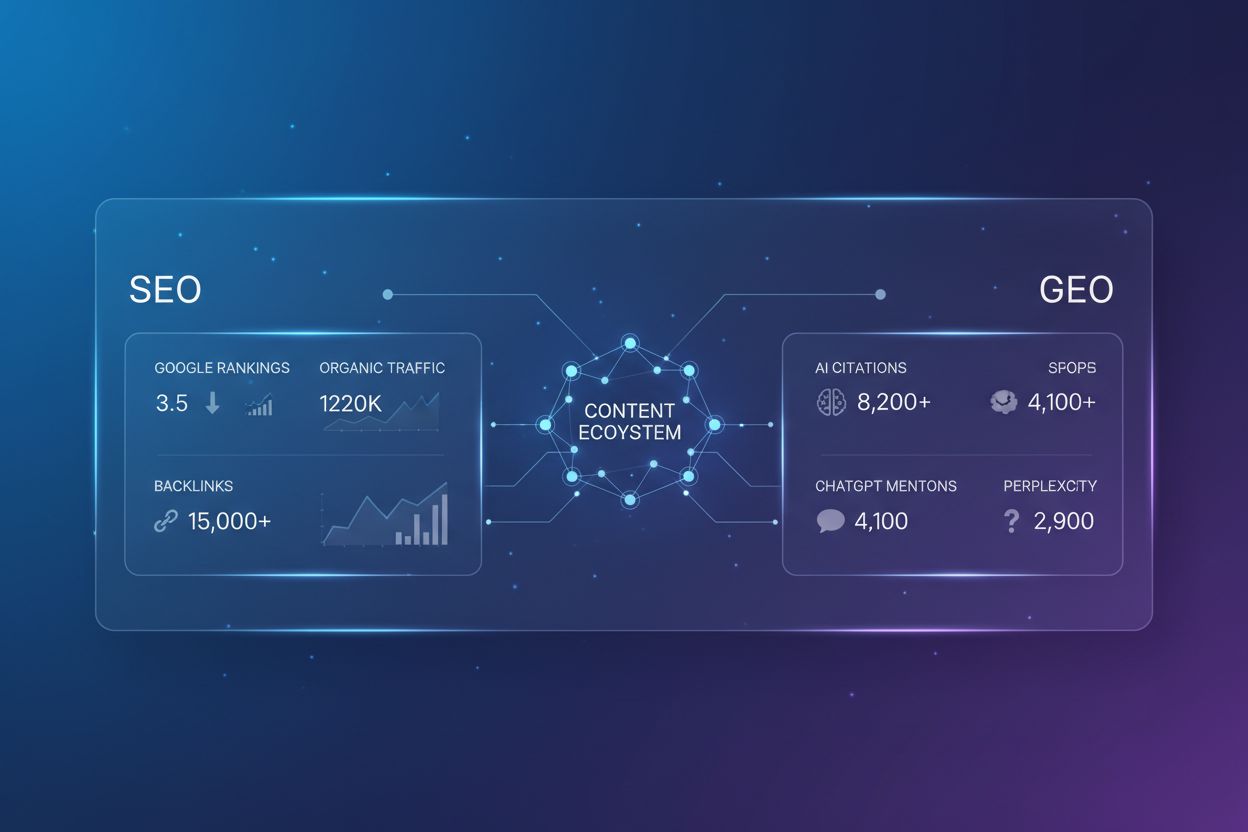
Learn how to combine SEO and GEO strategies for maximum visibility across traditional search engines and AI-powered platforms. Discover unified optimization techniques, metrics that matter, and practical implementation steps.
The search landscape has fundamentally transformed, yet many organizations still operate SEO and GEO as separate, siloed initiatives. Traditional SEO focused exclusively on ranking in Google’s blue links, but today’s users encounter search results across multiple platforms—Google’s traditional results, AI-powered generative search engines, ChatGPT, Claude, Perplexity, and countless other AI systems. This fragmentation means that optimizing for one channel while ignoring others leaves significant visibility gaps. The rise of generative AI search has introduced a new metric that matters more than clicks: citations. When an AI system cites your content as a source, it’s not just driving traffic—it’s establishing authority and trust in ways that traditional rankings never could. A unified search strategy acknowledges that modern visibility requires simultaneous optimization for both traditional search engine optimization (SEO) and generative engine optimization (GEO), ensuring your content reaches users regardless of which search interface they’re using.
While SEO and GEO share common goals—making your content discoverable and authoritative—they operate through fundamentally different mechanisms and require distinct optimization approaches. SEO targets algorithmic ranking factors in traditional search engines, focusing on keyword relevance, backlink authority, user experience signals, and content structure to achieve high positions in the search results page. GEO, by contrast, optimizes content for inclusion and citation in AI-generated responses, prioritizing factual accuracy, comprehensive coverage, clear sourcing, and structured data that AI systems can easily parse and attribute. The distinction matters because a piece of content might rank well in Google’s traditional results but never get cited by ChatGPT, or vice versa. Understanding these differences allows you to create content strategies that serve both ecosystems effectively.
| Aspect | SEO | GEO |
|---|---|---|
| Primary Focus | Ranking position in search results | Citation in AI-generated responses |
| Key Metrics | Rankings, clicks, CTR, organic traffic | Citations, inclusion rate, source attribution |
| Content Type | Optimized for keyword matching and user intent | Comprehensive, authoritative, well-sourced |
| Citation Method | Backlinks and domain authority | Direct attribution and source credibility |
| Primary Platform | Google, Bing, traditional search engines | ChatGPT, Claude, Perplexity, AI search engines |
Today’s searchers don’t choose between traditional search and AI search—they use both, often within the same research session. A user might start with a Google search for quick answers, then turn to ChatGPT for deeper analysis, then check Perplexity for a synthesized overview with sources. This multi-platform behavior means that visibility on any single channel is no longer sufficient for comprehensive market coverage. The fundamental shift from clicks to citations represents a profound change in how success is measured: instead of counting how many people clicked your link, you’re now tracking how many AI systems are citing your content as authoritative. This shift rewards accuracy, comprehensiveness, and clear attribution over keyword stuffing and clickbait tactics. Organizations that recognize this behavioral change and adapt their strategies accordingly gain a significant competitive advantage in capturing attention across the entire search ecosystem.
The concept of “big rock content”—substantial, authoritative pieces that serve as the foundation of your topical authority—has become essential in a unified search strategy. Rather than creating isolated blog posts optimized for individual keywords, successful organizations now build content ecosystems where cornerstone pieces establish deep expertise on core topics, supported by a network of related content that reinforces and expands on those foundational ideas. This approach works because both traditional search engines and AI systems reward topical depth and interconnected knowledge. When you create a comprehensive guide on a subject, then support it with detailed articles on related subtopics, you’re signaling to both algorithms and AI systems that you possess genuine expertise. This ecosystem approach also improves citation likelihood because AI systems prefer to cite sources that demonstrate comprehensive understanding rather than shallow coverage.
Implementation strategy for content ecosystems:
The metrics that defined SEO success for the past decade—rankings, clicks, and organic traffic—remain relevant but are no longer sufficient for measuring unified search strategy performance. As AI search grows, citation metrics have become equally important, yet many organizations lack the tools to track them effectively. Citations represent something more valuable than clicks: they’re endorsements from AI systems that your content is authoritative enough to be included in generated responses. This shift requires a fundamental change in how you measure success, moving from a purely traffic-focused model to one that balances traditional visibility with AI visibility. The challenge is that citation tracking requires different tools and methodologies than traditional SEO analytics, which is why platforms like AmICited.com have become essential for organizations serious about unified search strategy.
| Metric Category | Traditional SEO | Unified Search Strategy |
|---|---|---|
| Visibility Measure | Keyword rankings and search position | Rankings + citation frequency across AI platforms |
| Traffic Indicator | Organic clicks and CTR | Organic clicks + AI-driven traffic and citations |
| Authority Signal | Backlinks and domain authority | Backlinks + citation frequency and source attribution |
| Content Performance | Time on page, bounce rate | Time on page + citation rate, inclusion in AI responses |
Structured data has always mattered for SEO, but it’s become absolutely critical for GEO success because AI systems rely heavily on structured data to understand, extract, and attribute information. Schema markup tells both search engines and AI systems exactly what your content is about, who created it, when it was published, and how authoritative the source is. For organizations in specialized fields—healthcare, finance, law, science—industry-specific schema becomes even more important because AI systems are trained to be cautious about these domains and look for clear signals of expertise and authority. E-E-A-T signals (Experience, Expertise, Authoritativeness, Trustworthiness) embedded in your schema markup directly influence whether AI systems will cite your content. Implementing comprehensive schema markup for author credentials, publication dates, content updates, and topical relationships creates a foundation that supports both traditional search visibility and AI citation likelihood. The investment in proper schema implementation pays dividends across both SEO and GEO channels simultaneously.
Unifying your SEO and GEO strategies requires a systematic approach that acknowledges the different requirements of each channel while creating synergies between them. Rather than maintaining separate teams and processes, successful organizations integrate these functions into a cohesive content and optimization strategy. The key is recognizing that most optimization efforts benefit both channels—comprehensive content helps with rankings and citations, proper schema markup improves both discoverability and AI understanding, and topical authority signals matter to both traditional and generative search systems. However, some specific optimizations are unique to each channel, requiring specialized attention and expertise.
Actionable integration steps:
A unified search strategy requires unified monitoring that tracks performance across both traditional and generative search channels simultaneously. This means moving beyond standard Google Analytics and Search Console to implement comprehensive visibility monitoring that captures citations, AI search inclusion, and traditional rankings in a single dashboard. The challenge is that citation data doesn’t appear in traditional analytics platforms—you need specialized tools designed specifically to track how AI systems are citing your content. Monitoring should include tracking which pieces of your content are being cited most frequently, which AI systems are citing you, and how citation patterns correlate with your content updates and optimization efforts. This data becomes invaluable for refining your strategy, identifying which topics and content types generate the most AI visibility, and allocating resources toward the highest-impact opportunities.

Platforms like AmICited.com provide the specialized monitoring infrastructure needed to track unified search performance effectively, offering visibility into citation frequency, AI platform inclusion, and source attribution patterns that traditional analytics tools simply cannot capture. By implementing continuous monitoring of both traditional SEO metrics and new GEO metrics, you create a feedback loop that continuously improves your unified search strategy. The organizations that will dominate search visibility in the coming years won’t be those that choose between SEO and GEO—they’ll be those that recognize these channels as complementary parts of a single, integrated visibility strategy. Regular analysis of your unified metrics reveals which content types, topics, and optimization approaches drive the best results across both channels, allowing you to refine your strategy based on real performance data rather than assumptions about how search is evolving.
SEO (Search Engine Optimization) focuses on ranking in traditional search engines like Google through keyword optimization, backlinks, and user experience signals. GEO (Generative Engine Optimization) focuses on getting your content cited in AI-generated responses from systems like ChatGPT, Perplexity, and Claude. While SEO targets rankings and clicks, GEO targets citations and inclusion in AI answers.
Users now search across multiple platforms—traditional Google, AI search engines, and conversational AI systems. A unified strategy ensures your content is discoverable and authoritative regardless of which search interface users employ. Optimizing for only one channel leaves significant visibility gaps and missed opportunities for brand exposure.
Specialized monitoring platforms like AmICited.com track how often your content is cited by major AI systems. These tools monitor citation frequency, which AI platforms are citing you, and how your citations compare to competitors. This data is essential because traditional analytics tools don't capture AI-generated citations.
Beyond traditional SEO metrics (rankings, clicks, traffic), track citation frequency, AI platform inclusion rates, source attribution patterns, and sentiment analysis from AI responses. These new metrics indicate how AI systems perceive and represent your brand, which directly impacts long-term visibility.
Building interconnected content ecosystems with cornerstone pieces and supporting assets signals topical authority to both traditional search engines and AI systems. This approach improves both rankings and citation likelihood because both channels reward comprehensive, authoritative coverage of topics.
E-E-A-T stands for Experience, Expertise, Authoritativeness, and Trustworthiness. AI systems use these signals to determine whether to cite your content. Clear author credentials, publication dates, content updates, and topical depth all communicate E-E-A-T signals that increase citation likelihood.
No. The most effective approach is creating unified content that serves both channels simultaneously. Comprehensive, well-researched content with proper schema markup, clear sourcing, and topical depth naturally performs well in both traditional search and AI systems. Separate strategies waste resources and create inconsistency.
Continuous monitoring is ideal, with weekly reviews of key metrics and monthly deep-dive analysis. Track both traditional SEO metrics and new GEO metrics simultaneously to understand how your unified strategy is performing across all search channels and identify optimization opportunities.
Track how AI systems like ChatGPT, Perplexity, and Google AI Overviews are citing your brand. Get real-time insights into your GEO performance and optimize your unified search strategy.
Learn how to combine AI visibility monitoring with traditional SEO to create a unified search strategy that captures visibility across all discovery channels.
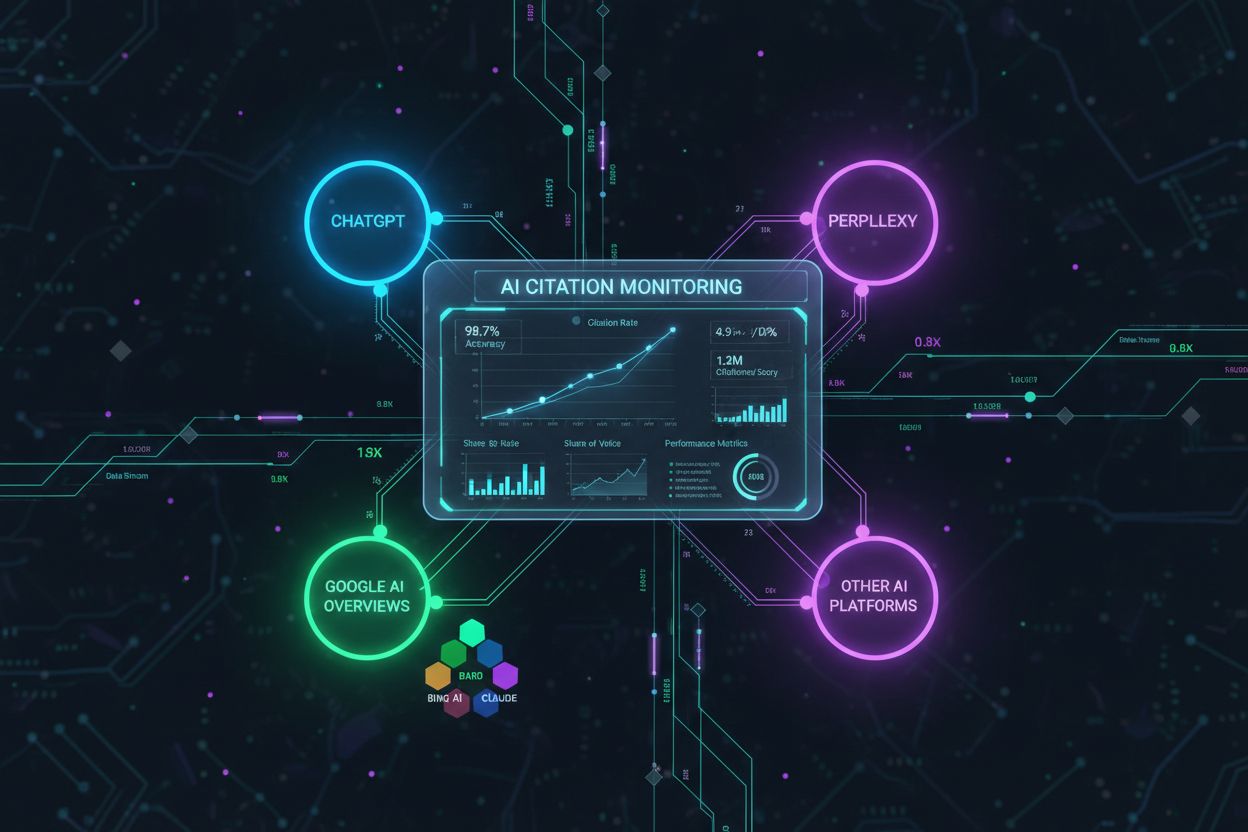
Complete GEO optimization checklist for AI monitoring. Printable guide to optimize your content for Google AI Overviews, ChatGPT, and Perplexity citations.
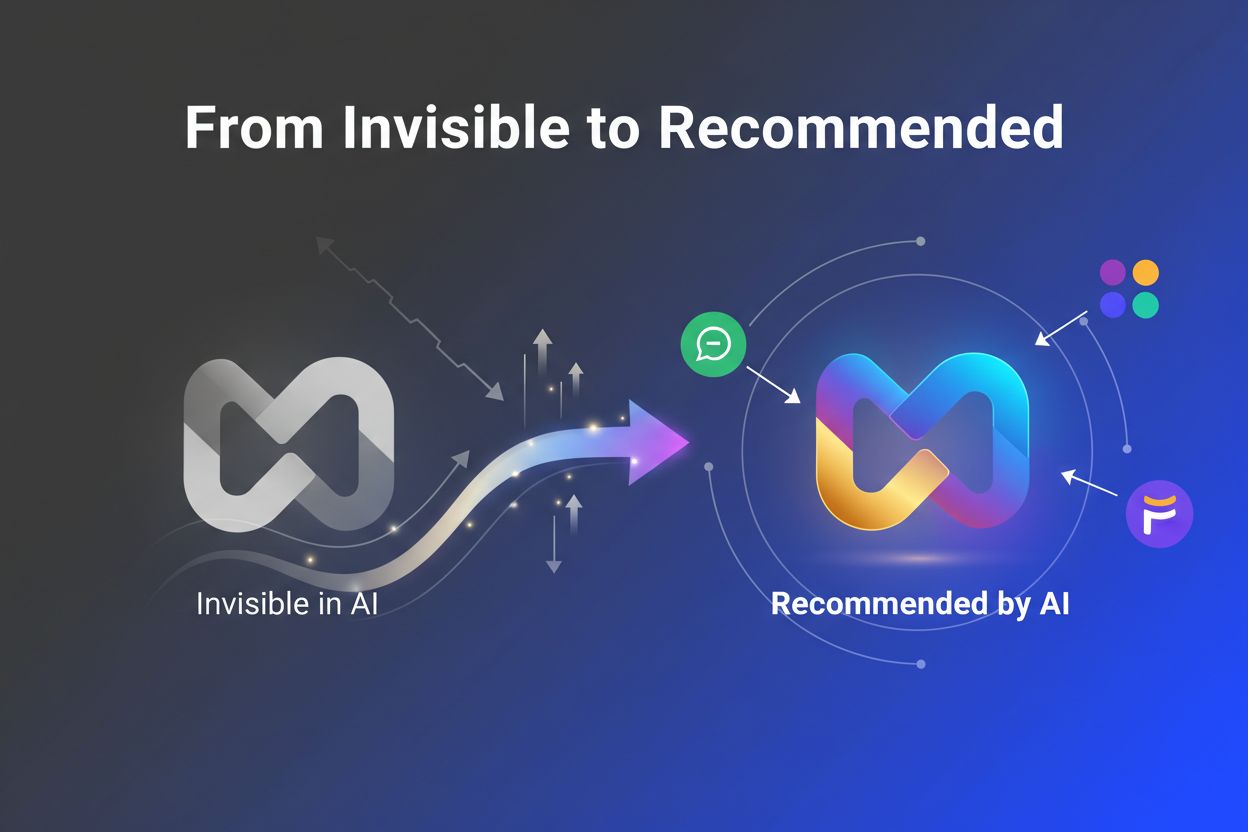
Discover how brands transform from invisible to recommended in AI search. Real case studies showing 67% traffic growth, 32% SQLs from AI, and $90M+ pipeline imp...