
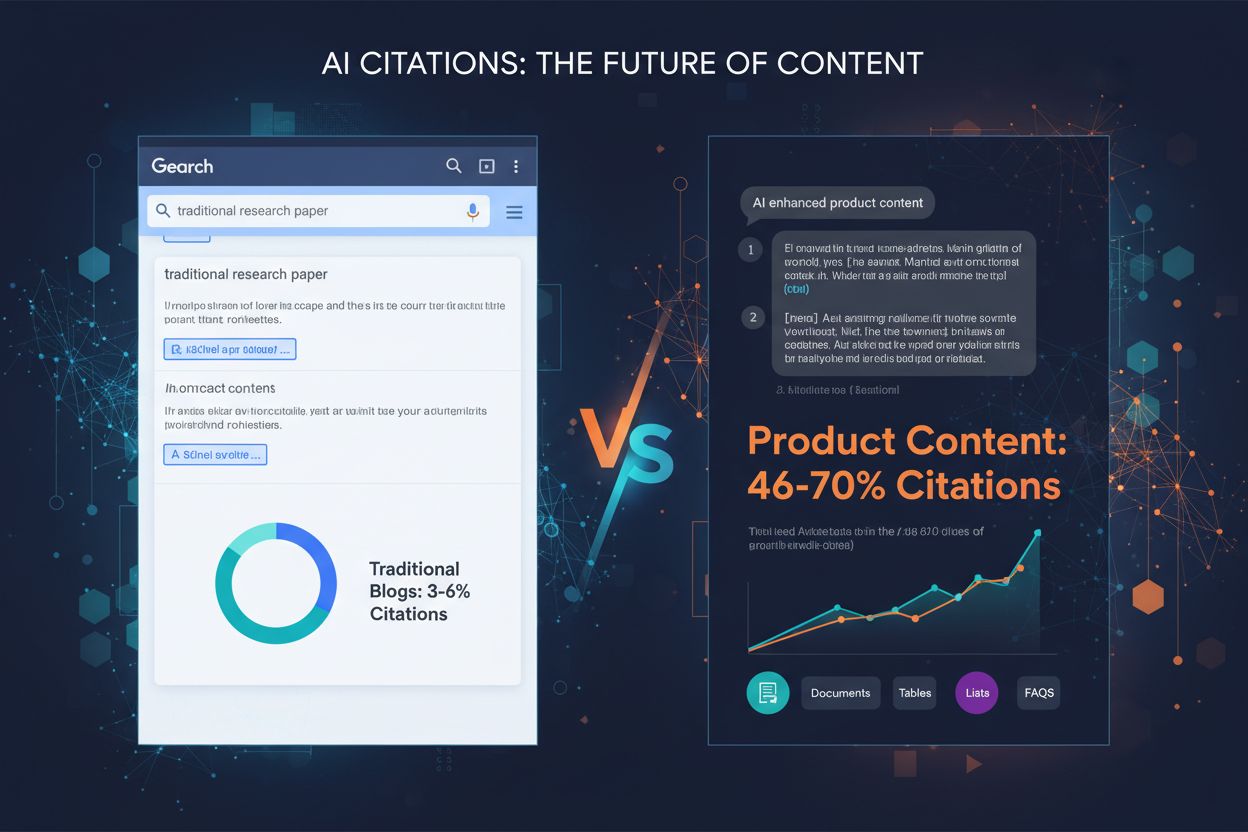
Which Content Formats Get More AI Citations? Data Analysis
Discover which content formats get cited most by AI models. Analyze data from 768,000+ AI citations to optimize your content strategy for ChatGPT, Perplexity, a...
10 min read
Real before and after case study showing how strategic website optimizations increased AI citations by 47+ monthly mentions. Learn the exact changes that improved visibility in ChatGPT, Perplexity, and Google AI Overviews.
The landscape of digital visibility has fundamentally shifted. While traditional SEO focused on ranking for specific keywords, today’s challenge is far more nuanced: getting your brand cited by artificial intelligence systems that increasingly mediate how people discover information. An estimated 93% of queries are now answered by AI without users ever clicking a traditional search result, making AI citations not just a nice-to-have but a critical component of brand visibility. The difference between appearing in ChatGPT, Perplexity, or Google AI Overviews versus being invisible to these systems can mean the difference between capturing qualified traffic and losing it entirely to competitors. This shift has created an urgent need for businesses to understand not just how to optimize for traditional search, but how to make their content discoverable, trustworthy, and citable by AI systems. The good news is that this isn’t mysterious—it’s measurable, and it’s achievable through strategic website changes that align with how AI systems actually work.
Consider a mid-sized B2B software company that discovered they were virtually invisible to AI systems despite having solid traditional SEO rankings. Their website received decent organic traffic from Google, but when their target customers asked ChatGPT or Perplexity questions about their industry, the company’s content never appeared in the AI-generated answers. This wasn’t a content quality issue—it was a visibility problem specific to how AI systems discover and cite sources. The company had zero citations in ChatGPT, only 2-3 AI crawler visits per week, and their content clarity score for AI comprehension was just 32 out of 100. Their structured data implementation was minimal, with only basic schema markup on the homepage. This scenario is far more common than most businesses realize, and it represents a massive missed opportunity.
| Metric | Before | After |
|---|---|---|
| AI Citations (Monthly) | 0 | 47 |
| AI Crawler Visits (Weekly) | 2-3 | 15-18 |
| Content Clarity Score | 32/100 | 89/100 |
| Schema Implementation | 15% of pages | 94% of pages |
| Google AI Overview Appearances | 0 | 12 |
| Perplexity Citations | 0 | 8 |
The transformation didn’t happen overnight, but it was systematic and measurable. The company implemented six key changes that directly addressed how AI systems discover and evaluate content:
Structured Data Implementation: Added comprehensive JSON-LD schema markup across all content pages, including FAQPage schema for Q&A content, Article schema with author attribution, and Organization schema with consistent entity information across all platforms. This made their content machine-readable and verifiable by AI systems.
Content Restructuring for AI Comprehension: Reorganized dense paragraphs into modular chunks with clear H2/H3 hierarchies, phrased subheadings as questions, and added 30-50 word answer summaries at the beginning of each section. This format is exactly how AI systems prefer to extract and cite information.
Entity Consistency Across Platforms: Ensured that company name, author names, and organizational information matched consistently across their website, LinkedIn, Crunchbase, G2, and Wikipedia. AI systems use cross-platform consistency to verify entity authority and trustworthiness.
FAQ Optimization: Created comprehensive FAQ sections with clear question-answer pairs formatted specifically for AI extraction, with answers in the 40-60 word range—the optimal length for AI systems to pull directly into synthesized responses.
Internal Linking Architecture: Rebuilt internal linking to create topical clusters, ensuring that high-authority pages linked to related content and that AI crawlers could easily discover the full depth of expertise on specific topics.
Knowledge Graph Optimization: Added sameAs properties linking to authoritative sources, implemented breadcrumb schema, and ensured all author profiles included credentials and external profile links to build entity authority.
The most impactful change was implementing proper schema markup. When the company added FAQPage schema to their Q&A content, they saw immediate improvements in how AI systems understood and cited their answers. Article schema with author attribution helped establish credibility signals that AI systems use when deciding whether to cite a source. Organization schema with comprehensive sameAs properties created the entity recognition that allows AI systems to confidently attribute information to the company across different platforms. The impact was dramatic: research shows that sites with structured data see up to 30% higher visibility in AI Overviews, and this company experienced even more significant gains. Their content clarity improved from 32/100 to 89/100 within weeks of implementing proper schema. The reason is straightforward—AI systems like ChatGPT, Gemini, and Perplexity rely on structured data to extract facts with confidence. When your content includes proper schema markup, you’re essentially providing AI systems with pre-formatted, verifiable information they can cite without ambiguity. This isn’t just about rich snippets anymore; it’s about making your content the preferred source for AI-generated answers.
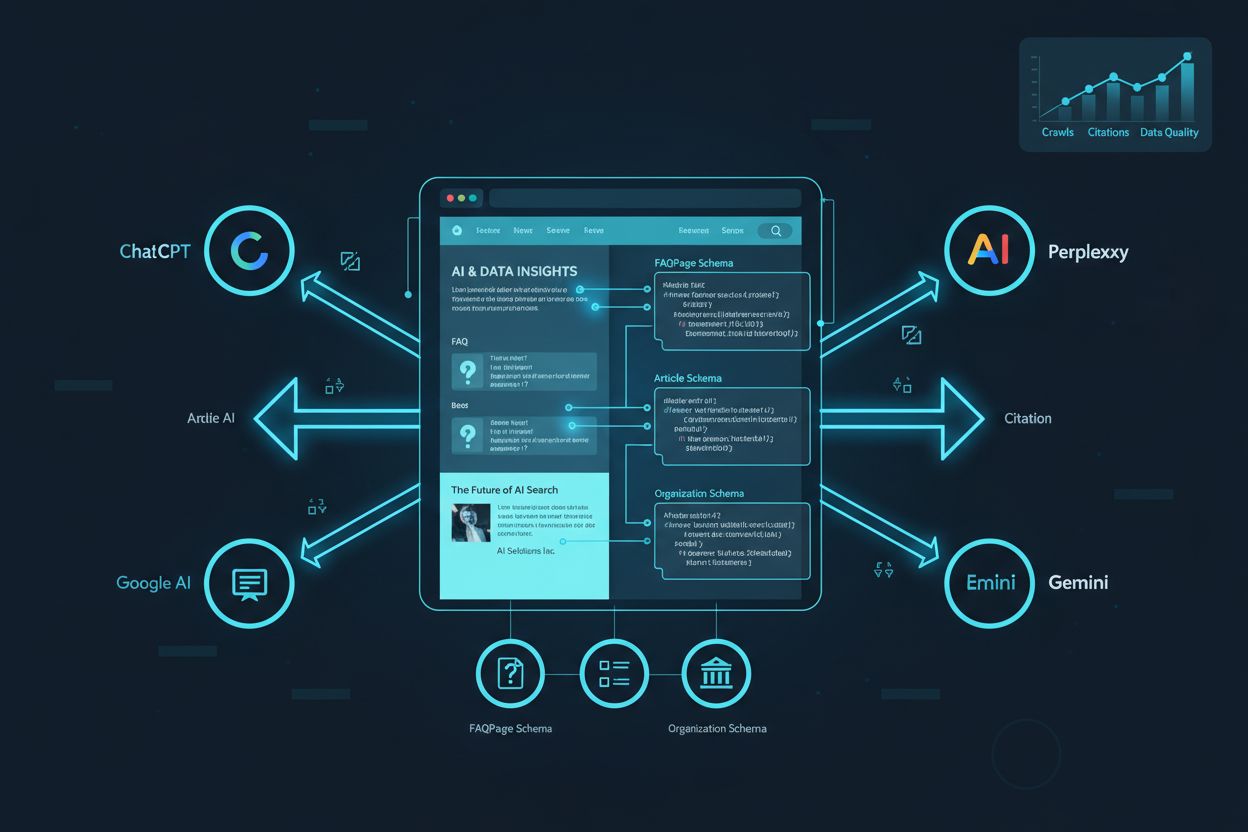
Within 4-8 weeks of implementing these changes, the results became undeniable. The company went from zero AI citations to 47 monthly citations across ChatGPT, Perplexity, and Google AI Overviews. Their AI crawler visits increased by 650%, jumping from 2-3 visits per week to 15-18 visits. Most importantly, their content began appearing in AI-generated answers where their target customers were actually searching. They achieved 12 appearances in Google AI Overviews for high-value keywords, 8 citations in Perplexity’s research-focused results, and consistent mentions in ChatGPT responses about their industry. The timeline matters here—most improvements appeared within 4-6 weeks, with continued growth through week 8. This aligns with industry data showing that companies typically see measurable AI citation improvements within 90 days of systematic optimization. The company also noticed a secondary benefit: their traditional SEO rankings improved as well, suggesting that the clarity and structure they added for AI systems also benefited their Google rankings. The content clarity score improvement from 32 to 89 out of 100 directly correlated with increased AI crawler activity and citation rates.
| Metric | Before | After | Change |
|---|---|---|---|
| AI Citations (Monthly) | 0 | 47 | +∞ |
| AI Crawler Visits (Weekly) | 2-3 | 15-18 | +650% |
| Content Clarity Score | 32/100 | 89/100 | +178% |
| Schema Implementation | 15% of pages | 94% of pages | +526% |
| Google AI Overview Appearances | 0 | 12 | +∞ |
| Perplexity Citations | 0 | 8 | +∞ |
The path to AI visibility doesn’t require a complete website redesign. You can start implementing these changes immediately with measurable results within weeks. Here are the four most impactful actions you can take right now:
Audit Your Current Schema Implementation: Use Google’s Rich Results Test to identify which pages have proper structured data and which are missing critical schema types. Prioritize adding FAQPage schema to Q&A content and Article schema to your main content pieces.
Restructure Your Content for AI Comprehension: Review your top 10 traffic-driving pages and reorganize them into modular chunks with clear question-based subheadings. Add 30-50 word answer summaries at the beginning of each section. This single change can dramatically improve your AI citation rates.
Ensure Entity Consistency Across Platforms: Audit your company name, author names, and organizational information across your website, LinkedIn, Crunchbase, G2, and other platforms. Inconsistencies confuse AI systems and reduce citation likelihood. Update your sameAs properties to link to all authoritative profiles.
Monitor Your AI Visibility: Start tracking your brand mentions and citations across ChatGPT, Perplexity, and Google AI Overviews. Tools like AmICited.com provide automated monitoring of how AI systems are citing your brand, allowing you to measure the impact of your optimizations and identify new opportunities for improvement.
The companies winning in AI search aren’t waiting for perfect conditions—they’re implementing these changes now and measuring results. Your competitors are likely still focused on traditional SEO rankings while ignoring the AI citation opportunity entirely. The window to establish authority in AI search is open, but it won’t stay that way forever. Start with structured data, move to content clarity, and monitor your progress with dedicated AI citation tracking. Within 4-8 weeks, you’ll have measurable proof of improvement, and within 90 days, you’ll likely see significant increases in AI citations and the qualified traffic that comes with them.
Most companies see measurable improvements within 4-8 weeks of implementing structured data and content optimizations. Significant citation increases typically appear within 90 days. The timeline depends on your current optimization level and how comprehensively you implement the changes.
Implementing proper schema markup (FAQPage, Article, and Organization schema) is the single most impactful change. Structured data helps AI systems understand, verify, and cite your content with confidence. Companies that implement comprehensive schema markup see up to 30% higher visibility in AI Overviews.
No. You can start with strategic optimizations to your top 10 pages. Focus on adding schema markup, restructuring content into modular chunks with clear headings, and ensuring entity consistency across platforms. These changes can be implemented incrementally without a full redesign.
Prioritize ChatGPT, Perplexity, Google AI Overviews, and Gemini, as these are the most widely used AI search platforms. The optimization strategies are similar across all platforms—clear content structure, proper schema markup, and entity consistency benefit visibility across all AI systems.
Use tools like AmICited.com to monitor your brand mentions and citations across AI platforms. Track metrics like monthly AI citations, AI crawler visits, and appearances in AI Overviews. Compare these metrics before and after your optimizations to measure impact.
No. Proper schema markup improves both AI visibility and traditional SEO. In fact, the clarity and structure you add for AI systems often benefits your Google rankings as well. Schema markup is a best practice that enhances visibility across all search systems.
Traditional Google rankings and AI citations are different visibility channels. You can rank #1 for a keyword but still not appear in AI-generated answers. Optimizing for AI citations captures a different audience—those using ChatGPT, Perplexity, and other AI tools to find information.
The cost depends on your current state and the scope of changes. You can start with free tools like Google's Rich Results Test and implement schema markup yourself. For comprehensive optimization, agencies typically charge based on the number of pages and complexity of changes needed.
Monitor how AI systems like ChatGPT, Perplexity, and Google AI Overviews are citing your brand. Get real-time visibility into your AI search performance and identify optimization opportunities.
Discover which content formats get cited most by AI models. Analyze data from 768,000+ AI citations to optimize your content strategy for ChatGPT, Perplexity, a...
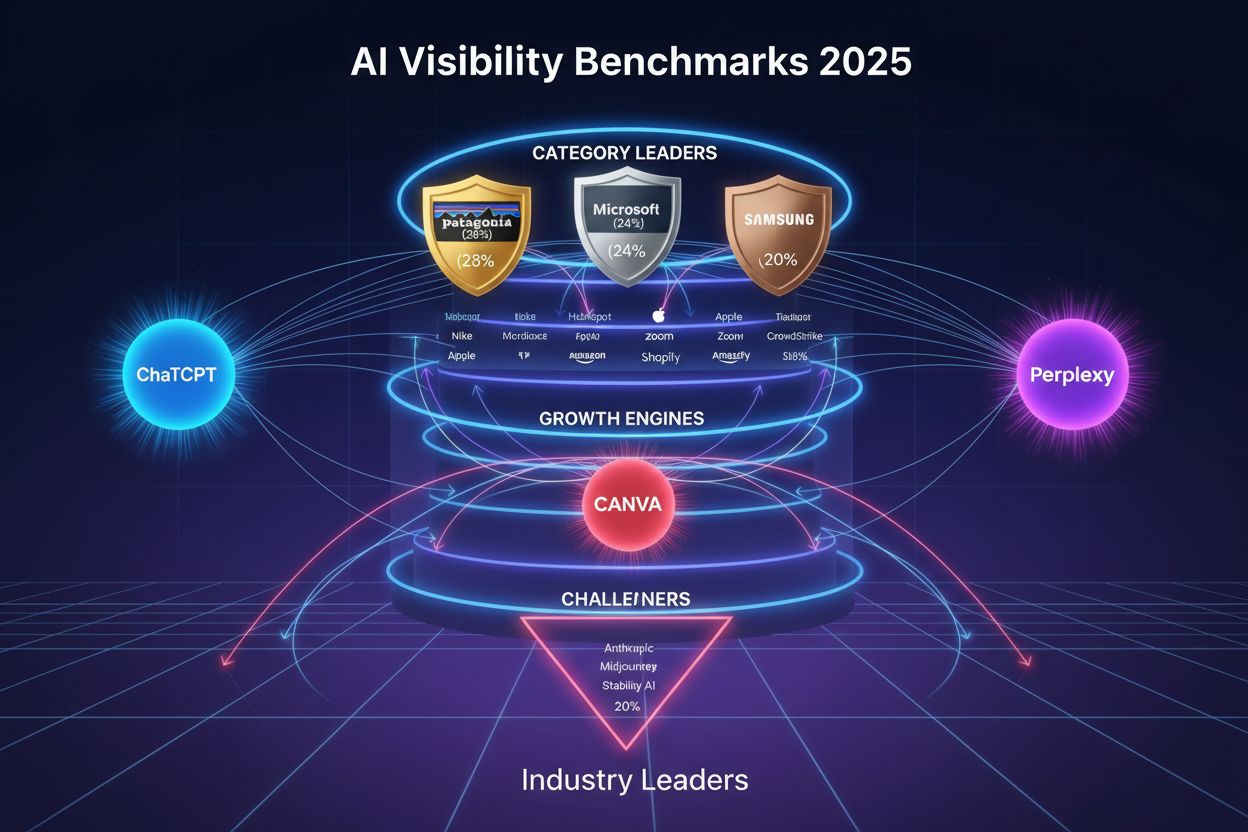
Discover which brands are winning AI visibility benchmarks. Analyze industry leaders across ChatGPT, Perplexity, and Google AI with data-driven insights and com...
Learn how templates and tools optimize your content for AI citations. Discover strategies to increase visibility in ChatGPT, Perplexity, and Google AI Overviews...