

Does Video Content Help with AI Citations? Complete Guide for 2025
Learn how video content impacts AI citations in ChatGPT, Perplexity, and Google AI. Discover why YouTube dominates AI search results and how to optimize your vi...
10 min read
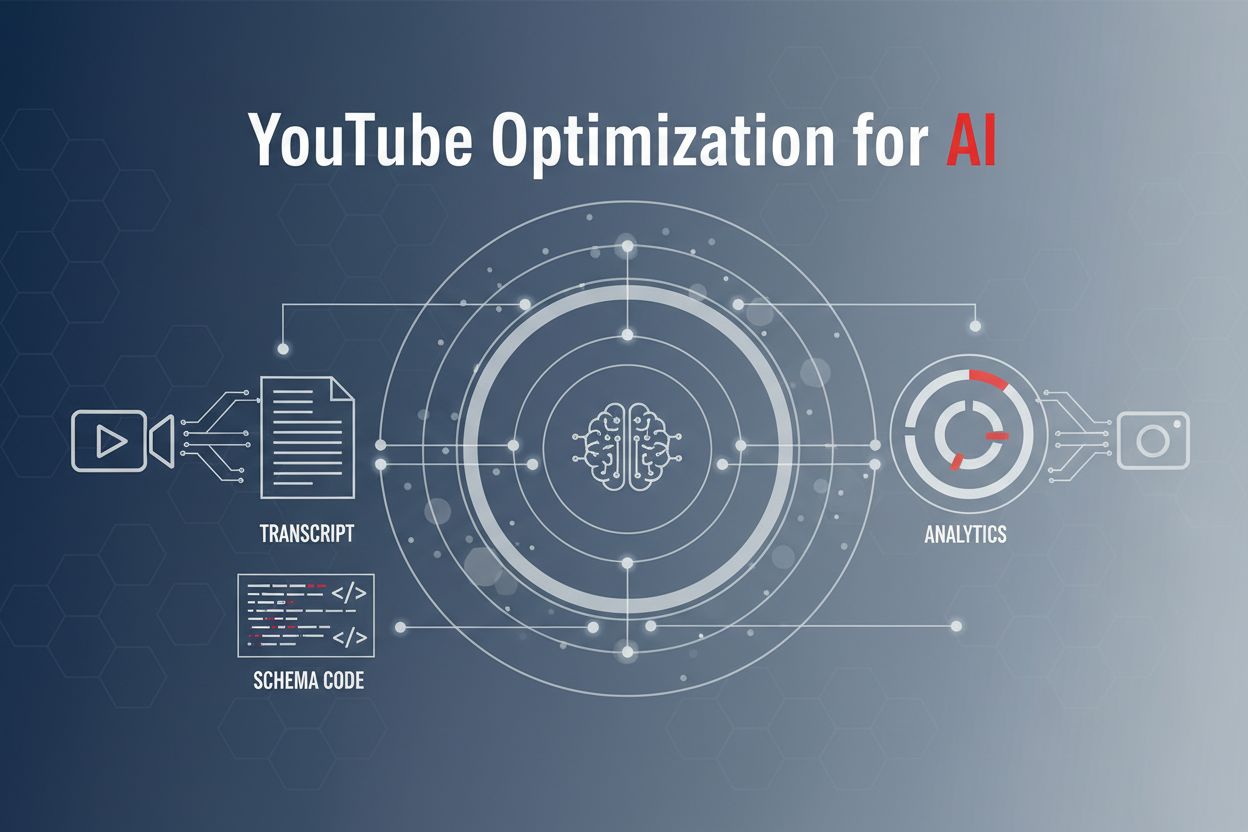
Learn how to optimize YouTube videos for AI citations. Discover the critical role of transcripts, captions, and schema markup in getting your content cited by LLMs and AI search engines like ChatGPT and Perplexity.
YouTube has become one of the most significant citation sources for AI models, particularly when users ask questions about products, e-commerce, tutorials, and how-to content. Major language models increasingly reference video content when generating answers, making YouTube visibility critical for brands and creators who want their content discovered by AI systems. Unlike traditional search engine optimization, YouTube AI citations operate on a fundamentally different principle—AI models don’t watch your videos the way humans do, but they absolutely read and analyze the data surrounding them. This shift represents a major opportunity for content creators to reach audiences through AI-powered search and recommendation systems. Understanding how to optimize for AI citations on YouTube requires rethinking your approach to video metadata, transcripts, and structured data.
When an AI model encounters your YouTube video, it doesn’t press play and watch from start to finish like a human viewer would. Instead, AI systems read and process the text-based information associated with your video: transcripts, captions, titles, descriptions, and structured metadata. This means that the quality and accuracy of your video transcripts are exponentially more important than the production value of your footage when it comes to YouTube optimization for LLM discovery. AI models use these text elements to understand your video’s content, context, and relevance to user queries. The implications are profound—a poorly transcribed video with excellent cinematography will be invisible to AI systems, while a clearly transcribed video with minimal production value can become a trusted citation source. This is why video transcripts AI has become a cornerstone of modern content strategy for creators seeking visibility in the age of generative AI.
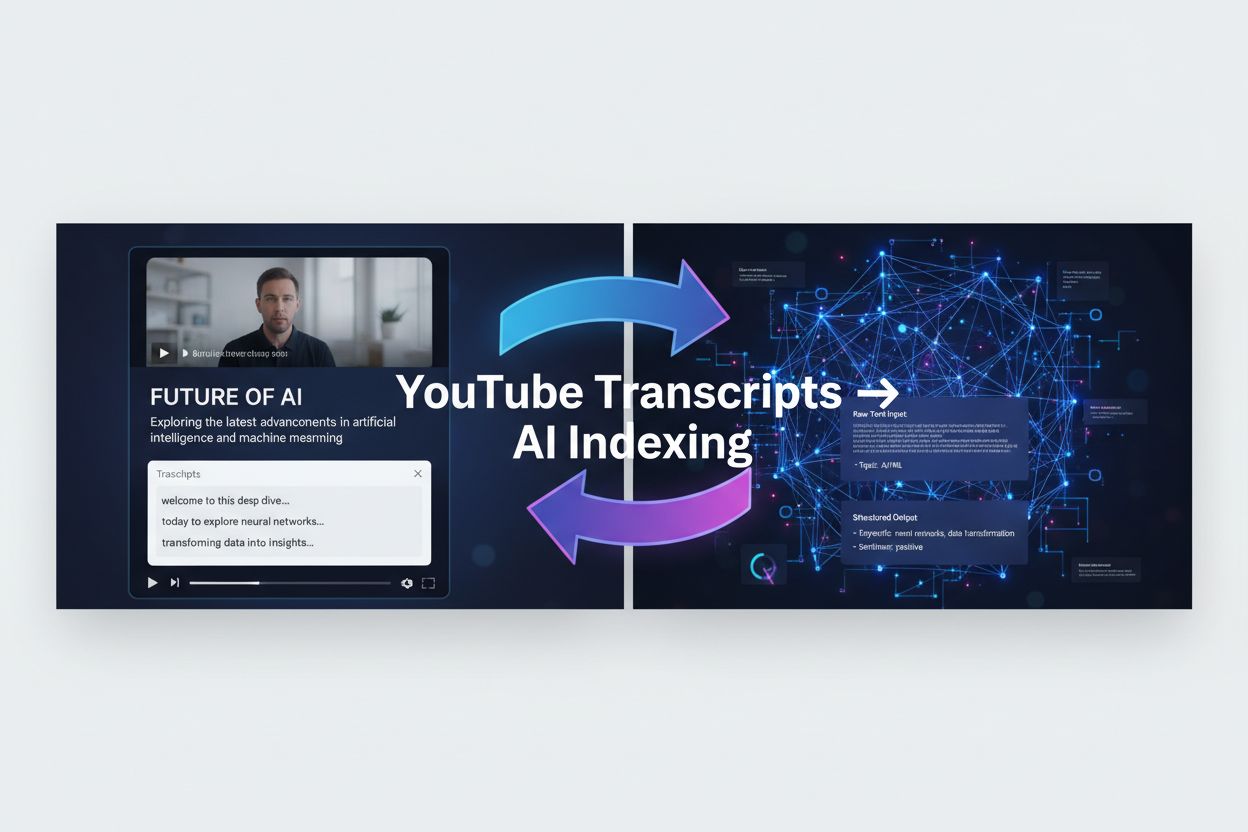
Effective YouTube optimization for LLM discovery requires attention to three interconnected layers of information that AI systems read and evaluate. These layers work together to help AI models understand, index, and cite your content:
Layer 1: Transcripts — Accurate, complete video transcripts form the foundation of AI readability. AI models rely on transcripts to extract meaning, identify key topics, and determine whether your content answers specific user queries. Ensure your transcripts are verbatim, properly punctuated, and include speaker identification when relevant.
Layer 2: Captions and Metadata — Video titles, descriptions, and captions provide context and keywords that help AI systems categorize your content. This layer includes your video title, detailed description, tags, and closed captions (which may differ slightly from full transcripts). Optimized metadata acts as a guide that helps AI models quickly understand your video’s primary topics and relevance.
Layer 3: Schema Markup — Structured data using schema markup (such as VideoObject schema) tells AI systems explicit information about your video’s duration, upload date, thumbnail, and content summary. Schema markup is the most technical layer but provides the clearest signals to AI systems about your video’s properties and context.
| Element | What Humans See | What AI Reads |
|---|---|---|
| Video Content | Visual footage, graphics, animations | Transcript text only |
| Title | Headline in video player | Full title text for keyword analysis |
| Description | First 2-3 lines (expandable) | Complete description text |
| Captions | On-screen text (if enabled) | Full caption file with timing data |
| Metadata | Minimal visible info | Title, description, tags, upload date, duration |
| Schema Markup | Invisible to viewers | Structured data about video properties |
| Engagement Signals | View count, likes, comments | Engagement metrics for relevance ranking |
Understanding this distinction is essential: while humans engage with your video’s visual and audio elements, AI systems are reading the textual layer beneath. This means your optimization strategy must prioritize the information that AI can actually process. The most successful YouTube creators in the AI era will be those who recognize that video transcripts AI and schema markup are not optional enhancements—they are foundational requirements for discoverability in an AI-driven information landscape.
Video transcripts are one of the most underutilized SEO assets in YouTube optimization, yet they unlock tremendous potential for long-tail keyword coverage and conversational search visibility. When you provide accurate transcripts, you’re essentially giving search engines a complete text version of your content, allowing them to index every word, phrase, and concept discussed in your video. This is particularly powerful for capturing long-tail queries that viewers might use—for example, someone searching “How long does foundation repair take?” is far more likely to find your video if that exact phrase appears in your transcript, even if your title focuses on broader terms like “foundation repair guide.” Transcripts also enable your content to rank for conversational search queries, where users ask questions in natural language rather than using traditional keyword phrases. By including detailed transcripts on your video pages, you dramatically expand the surface area for organic discovery and create multiple entry points for different search intents. The SEO benefit compounds when you repurpose transcript content into blog posts, social media snippets, and other formats that drive additional traffic back to your video.
While captions are often implemented primarily for accessibility compliance, their true value extends far beyond helping viewers with hearing impairments—they’re powerful engagement signals that directly impact your video’s performance in YouTube’s algorithm. Videos with captions consistently show higher watch time metrics, lower bounce rates, and increased viewer retention, all of which are critical ranking factors that YouTube’s algorithm prioritizes. Captions also improve comprehension for viewers watching in noisy environments, non-native speakers, and those who simply prefer reading along with audio, which collectively represents a significant portion of your audience. From an SEO perspective, captions provide another text layer that search engines can crawl and index, reinforcing your keyword relevance and topical authority. The engagement signals generated by captioned videos—including longer average view duration, higher click-through rates, and increased likes and comments—create a positive feedback loop that boosts your video’s visibility in both YouTube search and Google’s main search results. Implementing high-quality, synchronized captions is one of the highest-ROI optimizations you can make, delivering immediate improvements to both user experience and algorithmic performance.
Schema markup, specifically VideoObject structured data, acts as a translator between your video content and AI systems, providing explicit context that helps search engines and AI models understand what your video is about, who created it, and how it should be classified. By implementing VideoObject schema elements—including title, description, duration, thumbnail URL, upload date, and interaction statistics—you’re essentially giving AI systems a standardized, machine-readable blueprint of your content’s key attributes. This structured data is particularly valuable for helping AI understand nuanced context that might be ambiguous from the raw video alone; for instance, schema markup can clarify whether your video is a tutorial, review, news segment, or entertainment content, which helps AI systems serve it to the most relevant audiences. Search engines use this schema information to generate rich snippets in search results, which can significantly increase click-through rates by displaying additional context like video duration, upload date, and rating directly in the SERP. When combined with transcripts and captions, schema markup creates a comprehensive information architecture that AI systems can easily parse and understand, dramatically improving your content’s discoverability across multiple platforms and search contexts. Implementing VideoObject schema is straightforward using tools like Google’s Structured Data Markup Helper, and the SEO benefits are immediate and measurable.
The true power of YouTube optimization emerges when transcripts, captions, and schema markup work synergistically as an integrated system, each element reinforcing and amplifying the others to create a comprehensive AI-friendly content package. Your transcript provides the detailed textual content that enables long-tail SEO and conversational search visibility, while your captions generate the engagement signals that YouTube’s algorithm uses to determine ranking potential, and your schema markup supplies the structured context that helps AI systems understand and classify your content correctly. This three-layer approach addresses the complete information hierarchy that modern search engines and AI systems require: the semantic content layer (transcript), the user engagement layer (captions), and the structural context layer (schema markup). When all three elements are optimized and aligned, they create a multiplier effect where each component enhances the effectiveness of the others—better captions lead to higher engagement, which signals quality to the algorithm; schema markup helps AI understand your content’s relevance to specific queries, which improves ranking; and transcripts capture long-tail variations that drive incremental traffic from multiple search angles. The practical takeaway is clear: don’t treat these elements as separate, optional features, but rather as interconnected components of a unified optimization strategy that maximizes your video’s visibility to both AI systems and human viewers. By implementing all three layers consistently across your YouTube channel, you’re building a sustainable competitive advantage that compounds over time as your content library grows.
The fundamental shift from traditional search ranking to AI-powered synthesis changes everything about how you should approach video content strategy. AI search engines like Google’s AI Overviews don’t simply rank pages—they synthesize answers by pulling information from multiple sources and presenting a unified response to users. This means your video content needs to provide clear, structured information that AI systems can easily extract and understand. Rather than competing for the top position in search results, you’re now competing to be the source that AI engines choose to cite when answering user questions. Videos with clear explanations, well-organized transcripts, and explicit answers to common questions are far more likely to be selected by AI systems than vague or entertainment-focused content. Understanding this distinction is crucial: your video content strategy must prioritize clarity and searchability alongside engagement.
A comprehensive video content strategy requires creating different types of videos that address users at every stage of their journey, from initial awareness to final purchase decision. Top-of-funnel videos should focus on broad educational content that answers foundational questions and establishes your expertise—think “What is machine learning?” or “How does AI impact my industry?” Mid-funnel videos should dive deeper into specific solutions and comparisons, helping viewers understand how your approach differs from alternatives. Bottom-of-funnel videos should address implementation details, case studies, and specific use cases that help prospects make confident decisions. By mapping your video content strategy to search intent at each funnel stage, you ensure that AI search engines can match your videos to the right queries at the right moment in the buyer’s journey. This full-funnel approach also maximizes the value of each video you create, as a single piece of content can serve multiple purposes across different stages of awareness and consideration.
The hub and spoke model transforms a single video into a comprehensive content ecosystem that maximizes reach and repurposing potential. In this model, your primary video (the “hub”) becomes the foundation for multiple derivative assets (the “spokes”) that extend its reach across different platforms and formats. A 10-minute YouTube video can become a series of 60-second social media clips, a detailed blog post built from the transcript, an infographic highlighting key statistics, a podcast episode, and multiple LinkedIn posts—all without creating entirely new content from scratch. This approach is particularly powerful for AI search optimization because each spoke reinforces the others, creating multiple entry points for AI systems to discover and cite your expertise. The hub and spoke model also dramatically improves your content efficiency: instead of creating 10 separate pieces of content, you create one comprehensive video and intelligently repurpose it. By strategically distributing these spokes across platforms where your audience searches and learns, you increase the likelihood that AI search engines will encounter your content and recognize it as authoritative.
Embedding video within SEO-optimized blog posts creates a powerful synergy that benefits both human readers and AI search systems. When you publish a blog post that includes your video alongside written explanations, transcripts, and structured data, you’re giving AI search engines multiple formats to analyze and understand your content. The written content provides context and keywords that help AI systems understand what your video is about, while the video itself demonstrates expertise and provides the kind of detailed explanations that AI Overviews often synthesize. Your video transcript should be more than just a caption file—it should be formatted as readable blog content with headers, bullet points, and clear sections that make it easy for both humans and AI to scan and extract key information. This pairing strategy also improves user experience: some visitors prefer reading, others prefer watching, and many prefer a combination of both. By creating blog posts that feature your video content alongside written explanations, you’re not just optimizing for AI search—you’re serving the diverse preferences of your human audience while making it easier for search systems to understand, index, and recommend your content to the right people at the right time.
Video distribution extends far beyond YouTube’s platform—a true multi-channel strategy maximizes your content’s visibility and impact on AI discovery. Rather than uploading once and hoping for organic reach, successful creators repurpose their YouTube content across LinkedIn, TikTok, blogs, and industry forums where AI researchers actively search for insights. Each platform requires tailored captions and summaries that respect its unique audience and format; a 10-second TikTok clip demands punchy language, while a LinkedIn post benefits from professional context and thought leadership framing. By strategically distributing your video content across multiple channels, you create multiple entry points for AI professionals to discover your work, dramatically increasing the likelihood that your research or insights will be cited. This multi-platform approach transforms a single YouTube upload into a comprehensive content ecosystem that drives sustained visibility and engagement.
YouTube chapters are a powerful yet underutilized feature that breaks your video into timestamped sections, making it easier for viewers to navigate and for YouTube’s algorithm to understand your content structure. When you add chapters to your video description (formatted as timestamps followed by section titles), YouTube displays them as clickable segments in the video player, allowing viewers to jump directly to relevant sections without watching the entire video. This structural clarity signals to YouTube that your content is well-organized and valuable, which can improve your video’s ranking in search results and recommendations. Chapters also increase viewer retention by allowing researchers to quickly locate the specific information they need—critical for AI professionals who often search for particular methodologies, datasets, or findings within longer educational videos. By implementing YouTube chapters strategically, you’re not just improving user experience; you’re optimizing your content for both algorithmic favor and human discovery.
The landscape of video optimization tools has evolved dramatically, offering creators sophisticated capabilities to enhance every aspect of their YouTube strategy. Descript streamlines video editing and transcription, automatically generating accurate captions that improve accessibility and SEO; VidIQ provides real-time analytics and keyword recommendations specifically designed for YouTube optimization; Opus Clip intelligently extracts short-form clips from longer videos, perfect for repurposing content across TikTok and Instagram; and Semrush and Ahrefs extend your SEO analysis to video content, helping you identify high-value keywords and competitive gaps. Beyond these specialized tools, ChatGPT can assist in generating compelling video descriptions, chapter titles, and social media captions tailored to each platform’s unique requirements. The tactical advantage comes from combining these tools strategically: use VidIQ to identify trending keywords, optimize your title and description with those insights, structure your content with chapters, generate platform-specific summaries with ChatGPT, and extract clips with Opus Clip for multi-channel distribution. This integrated approach transforms video optimization from guesswork into a data-driven process that measurably improves your content’s discoverability and impact.
Understanding whether your YouTube content actually influences AI research and citations requires moving beyond standard YouTube analytics, which only measure views and engagement within the platform itself. Traditional metrics like watch time and click-through rate tell you how many people watched your video, but they don’t reveal whether your content shaped research directions, influenced citations, or contributed to the broader AI knowledge base. This is where AmICited.com becomes invaluable—it’s specifically designed to track how your YouTube content impacts AI citations and research visibility, providing insights that standard analytics simply cannot offer. By monitoring your content’s influence through AmICited.com, you can measure the true ROI of your YouTube optimization efforts, identify which videos drive the most research impact, and refine your strategy based on actual citation metrics rather than vanity metrics. To maximize your YouTube content’s influence on AI research and ensure your work receives proper attribution, visit AmICited.com today and start tracking the real-world impact of your video content on the AI community.
AI models access YouTube transcripts through the platform's API and publicly available transcript data. When you upload a video to YouTube, the platform automatically generates transcripts (or you can upload your own), and these transcripts become part of the indexable content that AI systems like ChatGPT, Google's AI Overviews, and Perplexity can read and analyze. This is why transcript accuracy is critical—AI systems rely entirely on the text to understand your video's content.
Auto-generated transcripts provide a starting point but often contain errors, misheard words, and formatting issues that can confuse AI systems. Manual transcripts are more accurate, properly punctuated, and include speaker identification, which helps AI better understand context and nuance. For maximum AI discoverability, invest in clean, edited transcripts that reflect exactly what's said in your video.
Yes, captions indirectly affect AI citations by improving engagement metrics like watch time and viewer retention. These engagement signals tell YouTube's algorithm that your content is valuable, which improves your video's ranking and visibility. Better visibility means more opportunities for AI systems to discover and cite your content. Additionally, captions provide another text layer that AI systems can analyze.
Schema markup is essential for modern video SEO. It provides structured data that helps AI systems understand your video's properties, duration, upload date, and content summary. This explicit information makes it easier for AI search engines to classify your content correctly and serve it to relevant audiences. Without schema markup, you're relying on AI to guess what your video is about.
Absolutely. Your video transcript is a goldmine of SEO-rich content. You can transform it into a detailed blog post, break it into multiple articles, extract quotes for social media, or create an infographic from key statistics. This hub-and-spoke approach maximizes the value of each video you create and creates multiple entry points for AI systems to discover your expertise.
Prioritize YouTube (for indexing), your own blog or website (for control and SEO), LinkedIn (for B2B and professional reach), and TikTok (increasingly important for AI discovery). Each platform has different audience expectations and formats, so tailor your captions and summaries accordingly. The more places your content appears with consistent messaging, the more likely AI systems will recognize your authority.
Standard YouTube analytics only show views and engagement within the platform. To track actual AI citations, use AmICited.com, which monitors how your YouTube content appears in ChatGPT, Perplexity, Google AI Overviews, and other AI search engines. This gives you insights into your real research impact and helps you understand which videos drive the most AI citations.
Use YouTube chapters with clear timestamps to break your video into logical sections. Include a detailed description with keywords and a link to your full transcript. Ensure your title is keyword-rich and descriptive. Add schema markup to provide structured data about your video. This combination of structure, metadata, and transcripts makes it easy for AI systems to understand and cite your content.
Track how your YouTube content drives citations in AI search engines and LLMs. Get detailed insights into your brand's visibility across ChatGPT, Perplexity, Google AI Overviews, and more.
Learn how video content impacts AI citations in ChatGPT, Perplexity, and Google AI. Discover why YouTube dominates AI search results and how to optimize your vi...
Learn how YouTube content influences AI citations across ChatGPT, Perplexity, and Google AI. Discover why YouTube dominates with 200x more citations than compet...
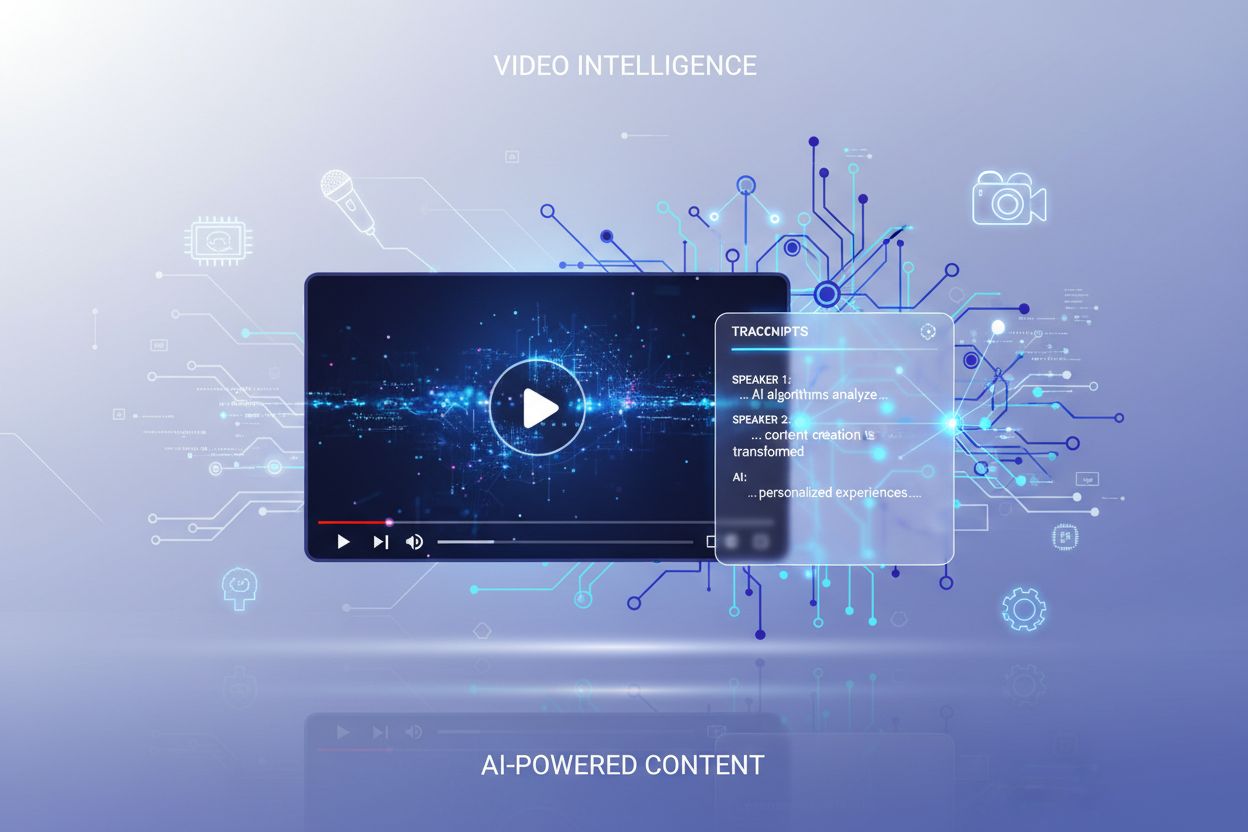
Discover how YouTube transcripts impact AI visibility and LLM citations. Learn optimization strategies to increase your brand's presence in ChatGPT, Google AI O...