Discussion International AI Search

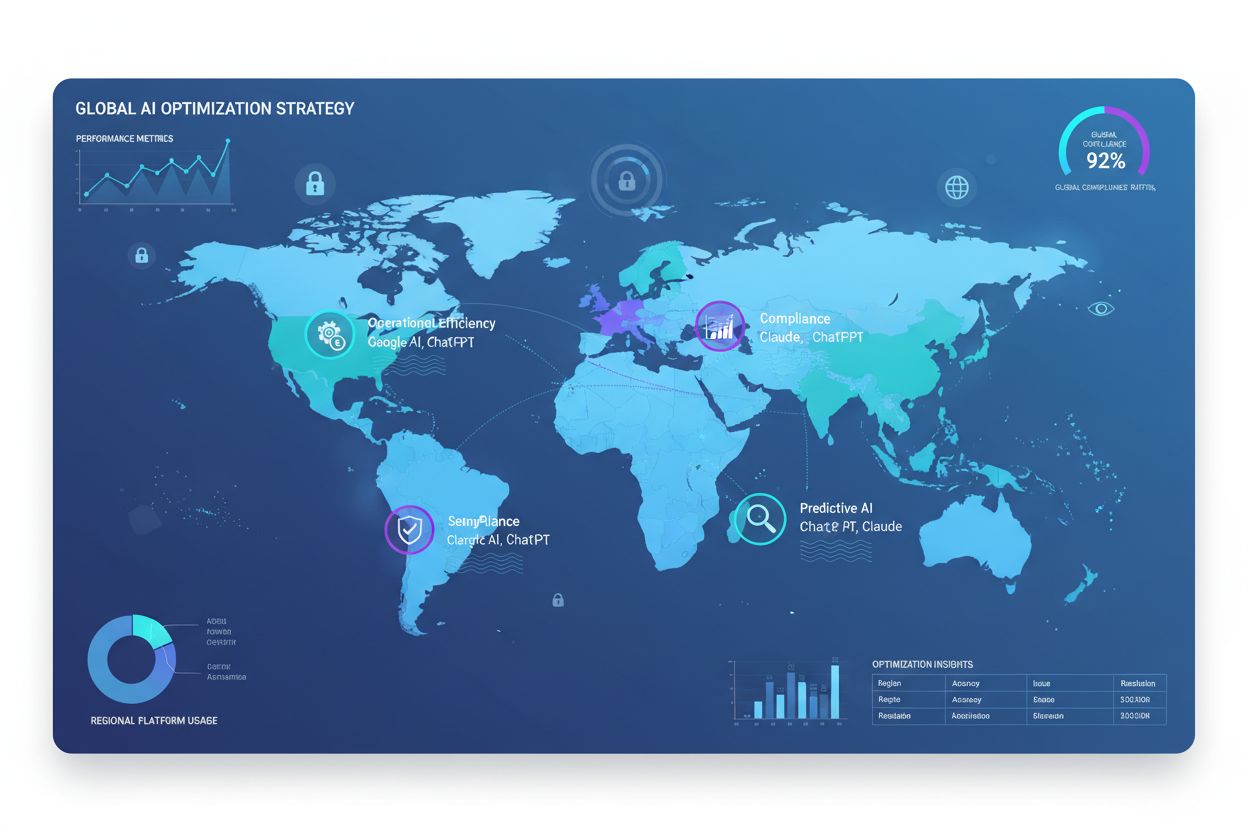
Are AI search results different by country? Noticed discrepancies between US and UK

GL
GlobalMarketer_James · International Marketing Director
· · 119 upvotes · 10 comments
GJ
GlobalMarketer_James
International Marketing Director · January 6, 2026

Managing marketing across multiple countries and noticing AI search differences:

What I’m seeing:

  • Same queries in US vs UK give different sources
  • Some AI features available in US but not in other markets
  • Local content seems favored in some regions

My questions:

  • Do AI search engines actually work differently by country?
  • Should we have separate AI visibility strategies per region?
  • How do we monitor global AI presence?

Anyone else dealing with international AI visibility?

10 comments

10 Comments

IE
InternationalSEO_Elena Expert Global SEO Director · January 6, 2026

Yes, AI search varies significantly by region. Here’s the breakdown:

Platform availability by region:

PlatformUSUKEUAsiaLatAm
ChatGPTFullFullFullMostlyMostly
PerplexityFullFullFullFullFull
Google AI OverviewsFullLimitedRolloutVariesLimited
ClaudeFullFullFullLimitedLimited
CopilotFullFullFullFullFull

Why results differ:

  1. Data licensing - Different content deals by region
  2. Search index differences - Bing/Google have regional indexes
  3. Language - Training data varies by language
  4. Regulations - GDPR, etc. affect what’s available
  5. Local content - Regional authority signals differ

Strategy implication: You need regional AI visibility strategies, not just localization.

GJ
GlobalMarketer_James OP · January 6, 2026
Replying to InternationalSEO_Elena
So we should monitor AI visibility separately for each market? That sounds complex.
IE
InternationalSEO_Elena Expert · January 6, 2026
Replying to GlobalMarketer_James

Yes, but you can prioritize:

Tier 1: High priority markets

  • Monitor frequently
  • Create market-specific content
  • Build local authority

Tier 2: Secondary markets

  • Monitor quarterly
  • Ensure content is accessible
  • Rely on global authority

Tier 3: Emerging markets

  • Periodic checks
  • Basic localization

Monitoring approach: Tools like Am I Cited can track visibility across regions. Set up queries from different geo locations to see how results vary.

Key insight: Your US strategy won’t automatically translate. A UK site might cite different sources than the same query in US.

Start with:

  1. Map where your customers are
  2. Test AI queries from those regions
  3. Identify gaps vs. US performance
  4. Prioritize accordingly
US
UKMarketingLead_Sarah Marketing Director UK · January 5, 2026

UK-specific observations:

Differences we see:

  • Google AI Overviews less prevalent than in US
  • Perplexity works similarly to US
  • ChatGPT often cites UK sources for UK-specific queries
  • Local publications get more weight (BBC, Guardian, etc.)

What works for UK visibility:

  1. .co.uk domain - Signals UK relevance
  2. UK-specific content - Localized examples, regulations
  3. UK authority links - From UK publications
  4. British English - Spelling, terminology matters

Common mistake: Assuming US content serves UK. It often gets outranked by local competitors.

Example: US content about employment law gets ignored for UK queries. Need UK employment law content to be cited.

Localization isn’t optional for AI visibility.

ET
EuropeExpansion_Tom · January 5, 2026

Multi-country European perspective:

Each market behaves differently:

MarketAI MaturityLocal CompetitionStrategy
GermanyHighStrong local playersHeavy localization
FranceMediumModerateLocalized content
SpainMediumLighterEnglish + Spanish
NordicsHighEnglish often worksLess localization needed
Eastern EULowerLightOpportunity

GDPR considerations: Some AI features are limited or different due to GDPR compliance. This affects what data feeds AI answers.

Language matters more than you think: German users often get German-language sources even when English content is superior. AI respects language preferences.

Our approach: Primary markets (DE, FR, UK): Full localization Secondary markets: Essential content only Tertiary markets: Monitor for opportunity

AL
APACDigital_Lisa APAC Marketing Director · January 5, 2026

Asia-Pacific adds another layer of complexity:

Regional variations:

MarketPrimary AI PlatformsLanguage NeedsStrategy
AustraliaSame as US/UKEnglishSimilar to UK
JapanChatGPT popularJapanese essentialHeavy localization
SingaporeGlobal platforms workEnglish fineLight localization
IndiaGrowing AI useEnglish + HindiMarket-specific
ChinaLocal platforms onlyChinese onlyCompletely different

China is a different world:

  • No access to ChatGPT, Perplexity
  • Baidu AI, iFlytek, Alibaba Tongyi dominate
  • Requires separate strategy entirely

Japan observation: Japanese content strongly preferred. Our English content rarely gets cited for Japan queries even when it’s the best source.

APAC strategy:

  1. Treat major markets individually
  2. English works for some, not all
  3. China needs dedicated approach
  4. Monitor locally, not just globally
LC
LatAmMarketing_Carlos · January 4, 2026

Latin America perspective:

The landscape:

  • AI adoption growing rapidly
  • Spanish/Portuguese content gaps
  • US English content often cited (lack of alternatives)

Opportunity: Many topics have no good Spanish content. First to create it wins AI visibility.

What we’ve done: Created Spanish versions of our key content. Now the primary source AI cites for our industry in LatAm.

Brazil specific: Portuguese content is even more underserved. Creating PT-BR content has been very effective for AI visibility.

Regional insight: LatAm is an AI visibility opportunity because:

  1. Growing AI use
  2. Content gaps in Spanish/Portuguese
  3. Less competition than US/Europe
  4. First-mover advantage available
LR
LocalizationPro_Rachel · January 4, 2026

Beyond translation - true localization matters:

What AI picks up:

  • Local examples and case studies
  • Region-specific regulations
  • Local currency and measurements
  • Cultural context

Common mistakes:

  • Translate only (not localize)
  • Use US examples for other markets
  • Ignore local regulations
  • Wrong date formats (!)

AI prefers: Content that feels native to the region, not translated from US.

How to do it right:

  1. Local writers or reviewers
  2. Region-specific examples
  3. Local authority citations
  4. Proper localization (not just translation)

AI seems to detect and prefer genuinely localized content over machine-translated content.

MK
MonitoringExpert_Kevin · January 4, 2026

How to actually monitor global AI visibility:

Challenges:

  • AI results vary by location
  • VPNs can be unreliable for testing
  • Manual testing doesn’t scale

Solutions:

  1. Proxy services - Query from different regions
  2. Local team testing - Have regional colleagues check
  3. Monitoring tools - Some support multi-region tracking
  4. Periodic audits - Quarterly deep dives per region

What to track per region:

  • Citation frequency
  • Which sources get cited (competitors?)
  • Language-specific queries
  • Platform availability

Reporting approach: Global dashboard with regional breakdowns. Compare visibility scores across markets.

Am I Cited can help track across regions - set up monitoring from different geographic perspectives.

GJ
GlobalMarketer_James OP International Marketing Director · January 3, 2026

This thread confirmed what I suspected and gave me a framework. Summary:

Key findings:

  1. AI search definitely varies by region
  2. Content availability and language drive differences
  3. Local authority matters for local queries
  4. China is a completely separate ecosystem

Our strategy going forward:

Tier 1 (US, UK, Germany):

  • Dedicated localized content
  • Local authority building
  • Frequent monitoring

Tier 2 (France, Spain, Australia):

  • Essential content localized
  • Quarterly monitoring

Tier 3 (Other markets):

  • Opportunistic localization
  • Annual review

Immediate actions:

  1. Set up regional monitoring
  2. Audit content localization quality
  3. Identify gaps vs. local competitors
  4. Prioritize by market importance

Key insight: “Global AI visibility” doesn’t exist - only regional AI visibility. Plan accordingly.

Thanks everyone for the international perspectives!

Have a Question About This Topic?

Get personalized help from our team. We'll respond within 24 hours.

Frequently Asked Questions

Does AI search work differently by country?
Yes, AI search can vary by country due to differences in data sources, language models, content availability, and regional partnerships. Google AI Overviews availability varies by country, and Perplexity uses different search indexes in different regions.
Why do AI answers differ between regions?
Regional differences result from: different content being indexed or licensed, language-specific training data, local search partnerships, regulatory requirements, and varying availability of AI features across markets.
How should international brands optimize for AI search?
Create localized content for each target market, use hreflang tags, consider regional domain strategies, build local authority signals, and monitor AI visibility separately for each region.
Which AI platforms work best internationally?
Perplexity and ChatGPT work similarly across most countries. Google AI Overviews availability varies significantly by region. Some countries have local AI search alternatives that may dominate locally.

Monitor Your Global AI Visibility

Track how your brand appears in AI answers across different regions and countries. Understand geographic variations in AI citations.

Learn more

Country-Specific AI Platforms: Optimization by Region

Country-Specific AI Platforms: Optimization by Region

Learn how to optimize your brand's visibility across country-specific AI platforms. Discover regional strategies, compliance requirements, and tools for interna...

12 min read