
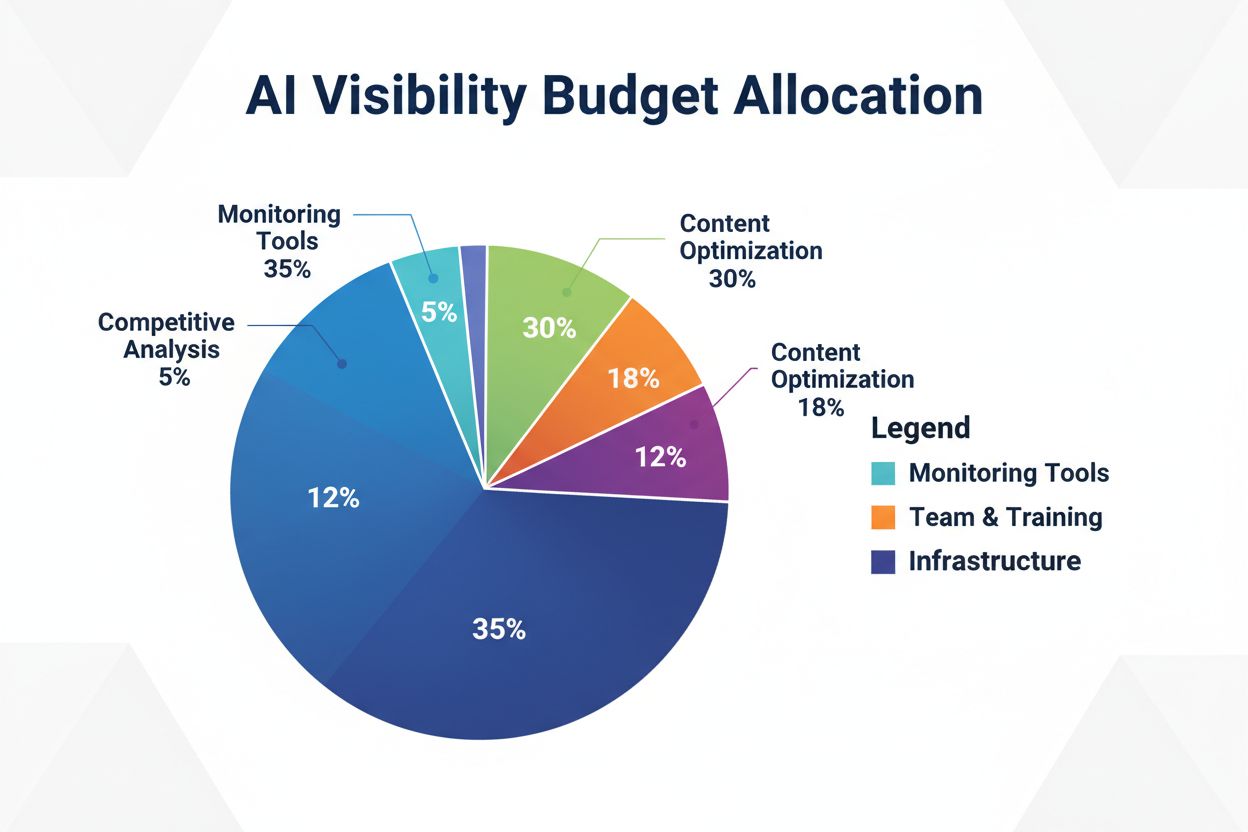
AI Visibility Budget Planning: Where to Allocate Resources
Learn how to strategically allocate your AI visibility budget across monitoring tools, content optimization, team resources, and competitive analysis to maximiz...
18 min read

Learn how social signals impact AI visibility. Discover which platforms matter most for AI citations, how social engagement influences AI answers, and strategies to improve your brand’s presence in AI search results.
Yes, social signals significantly affect AI visibility. AI systems like ChatGPT, Perplexity, and Google's AI Overviews increasingly cite content from social platforms, with Reddit, YouTube, and LinkedIn being the most referenced sources. Social engagement, platform authority, and earned media mentions now influence how your brand appears in AI-generated answers.
Yes, social signals significantly affect AI visibility. The relationship between social media activity and how your brand appears in AI-generated answers has become one of the most important factors in modern digital visibility. Unlike traditional search engine optimization, which focuses on keywords and backlinks, AI systems prioritize earned media, social proof, and third-party mentions when deciding which sources to cite in their responses.
When someone asks ChatGPT, Perplexity, or Google’s AI Overviews a question about your industry, the answer they receive is built from sources that AI systems have learned to trust. Research shows that 85 to 90 percent of citations in AI-generated answers come from earned media—not brand-owned content. This fundamental shift means that your social media presence, community engagement, and how others discuss your brand online now directly influence your visibility in AI answers.
Different AI systems rely on different social platforms, and understanding this hierarchy is crucial for your strategy. Reddit has emerged as the single most-cited social platform across AI systems, appearing in approximately 46.9% of ChatGPT citations and dominating Google’s AI Overviews. This dominance isn’t accidental—it’s the result of official data licensing agreements between Reddit and both OpenAI and Google, giving these AI systems direct, real-time access to Reddit’s content.
| Platform | ChatGPT Citations | Google AI Overviews | Access Type | Key Insight |
|---|---|---|---|---|
| 46.9% (1st) | Top 3 | Licensed API | Direct real-time access | |
| YouTube | 2nd most cited | 1st most cited | Partial (opt-in) | Video transcripts indexed |
| 2nd in ChatGPT | 4th in Google | Restricted | Professional credibility | |
| Quora | 3rd in Google | 3rd in Google | Open indexing | Community discussions |
| Minimal | ~1% | Limited indexing | Closed platform | |
| Minimal | <0.39% | Restricted | Closed platform | |
| X/Twitter | Minimal | <0.24% | Prohibited | API restrictions since 2025 |
YouTube’s prominence in Google’s AI Overviews reflects the fact that Google owns YouTube and can directly access video transcripts and metadata. For ChatGPT, LinkedIn and Medium rank as the second and third most-cited sources after Reddit, though they appear far less frequently than Reddit. This difference matters because it shows that platform accessibility directly impacts AI visibility—platforms that restrict scraping and API access naturally appear less in AI answers.
Understanding how AI systems actually access social media content is essential for developing an effective strategy. AI systems use two distinct methods to incorporate social content: training data and real-time retrieval. During the training phase, AI models learn from massive datasets of text collected from across the web. For platforms like Reddit, which has licensed its data to OpenAI and Google, AI systems have direct, structured access to current and historical content. This means Reddit posts and discussions are continuously fed into AI systems’ knowledge base.
For platforms that restrict access—like Instagram, Facebook, and LinkedIn—AI systems can only learn about content indirectly. When a news article quotes an Instagram post, or when a blog discusses a LinkedIn article, that quoted text becomes part of the general web data that AI systems can crawl. This indirect access is significantly less reliable and comprehensive than direct licensing agreements. X/Twitter explicitly prohibits third-party AI systems from training on or retrieving tweets as of June 2025, making it virtually invisible to ChatGPT and Google’s AI systems.
The frequency of AI crawling has increased dramatically, with GPTBot activity rising 305% over one year according to Cloudflare’s 2025 data. However, AI systems don’t crawl continuously—they operate in cycles with extended periods of low activity followed by sustained spikes lasting days or weeks. This means new social content typically appears in AI systems within a few hours to a few days, depending on how quickly search engines index it and whether the platform has a direct licensing agreement with the AI provider.
One of the most significant discoveries in AI visibility research is that earned media—third-party mentions and discussions—carries three times more weight than brand-owned content in AI systems’ decision-making. This represents a fundamental shift from traditional SEO, where your own website content was paramount. In the AI era, what others say about you matters far more than what you say about yourself.
Earned media includes news articles featuring your company, analyst reports mentioning your solution, Reddit discussions recommending your product, YouTube reviews of your service, and LinkedIn posts from industry experts citing your work. When these third-party sources discuss your brand, AI systems interpret this as validation and credibility. The more independent sources that mention you in positive contexts, the more likely AI systems will cite you when answering relevant questions.
This shift has profound implications for your strategy. Posting more content on your own channels won’t directly improve AI visibility—but generating content that inspires others to discuss and share your work will. When your social posts spark conversations, earn shares, or prompt user-generated content, these secondary mentions become the earned media that AI systems value. A single well-crafted LinkedIn post that gets shared by industry influencers and discussed in comments creates far more AI visibility than ten posts that generate no external discussion.
While social engagement metrics like likes, shares, and comments don’t directly appear in AI ranking algorithms, they serve as indirect signals of content quality and relevance. When a post receives significant engagement on social platforms, it typically means the content resonates with real people—and this resonance often translates into broader visibility that AI systems can detect.
High engagement on social posts frequently leads to secondary visibility signals that AI systems do recognize: increased backlinks, media coverage, brand mentions, and organic search visibility. When your social content goes viral, journalists notice it and write about it. When your LinkedIn post gets thousands of shares, industry peers reference it in their own content. These downstream effects create the earned media signals that AI systems actively seek out.
However, fake engagement and bot activity don’t fool AI systems. While individual AI platforms may not have the backend visibility to detect coordinated inauthentic behavior the way Meta does, AI systems are increasingly sophisticated at recognizing patterns that indicate low-quality or manipulated content. Content that receives engagement primarily from bot accounts or coordinated networks tends to generate less genuine secondary coverage, which means it fails to create the earned media signals that matter for AI visibility.
Reddit requires a fundamentally different approach than other platforms because of its direct integration with AI systems. Reddit content appears in AI answers not because it’s optimized or promoted, but because it’s authentic, conversational, and community-validated. To leverage Reddit for AI visibility, focus on participating genuinely in relevant subreddits, answering questions thoroughly, and providing value without overt self-promotion. When your Reddit comments and posts help solve real problems, they become the kind of content that AI systems cite.
YouTube’s prominence in Google’s AI Overviews means video content deserves significant attention. AI systems can now understand video through automatic speech recognition (ASR) and optical character recognition (OCR), extracting meaning from both spoken words and on-screen text. Create comprehensive, well-structured video content that directly addresses questions your audience asks. Include clear transcripts, detailed descriptions, and proper tagging to ensure AI systems can fully understand and index your content.
LinkedIn’s restricted access means it appears less frequently in AI answers, but its professional context gives it credibility weight when it does appear. LinkedIn content that gets cited in AI answers tends to be thought leadership pieces, original research, and expert commentary rather than promotional content. Focus on sharing insights, data, and perspectives that other professionals will reference and discuss.
Instagram and Facebook’s closed nature means they contribute minimally to AI visibility. While Instagram now allows Google and Bing to index public posts from professional accounts, this indexing is recent and limited. For now, these platforms should be viewed as community-building and audience engagement channels rather than AI visibility drivers.
Creating content that appears in AI answers requires understanding what AI systems actually look for. Semantic clarity and topical depth matter far more than keyword optimization. AI systems understand meaning and context, not just keyword matching. When you create content that thoroughly addresses a specific question or topic, you’re creating the kind of comprehensive, authoritative content that AI systems prefer to cite.
Structure your social content for clarity and comprehension. Use clear headlines, logical organization, and explicit topic statements. When AI systems analyze your content, they’re looking for strong semantic signals about what your content is about and why it matters. A LinkedIn post that clearly states “Here are three reasons why [topic] matters” followed by detailed explanations is far more likely to be cited than vague or rambling content.
Encourage authentic discussion and engagement. Ask genuine questions, respond thoughtfully to comments, and participate in conversations. This engagement creates the secondary signals—shares, mentions, and discussions—that eventually become the earned media that AI systems value. The goal isn’t to game engagement metrics but to create content worth discussing.
Maintain consistency across platforms. When your message, expertise, and perspective remain consistent across Reddit, LinkedIn, YouTube, and other platforms, AI systems build a stronger entity representation of your brand. This consistency helps AI systems recognize you as an authoritative voice on your topic, making you more likely to be cited across different AI systems and different queries.
Tracking how your brand appears in AI answers has become essential, yet it remains challenging because AI systems don’t provide the same transparency as search engines. Unlike Google Search, where you can see your ranking position, AI systems generate unique answers for each query, making systematic tracking difficult. However, emerging tools now make AI visibility measurement possible.
Dedicated AI visibility monitoring platforms can track your brand mentions across ChatGPT, Perplexity, Google AI Overviews, and other systems. These tools monitor how often your brand is cited, in what context, and with what sentiment. You can see which queries trigger your brand mentions, which competitors appear alongside you, and how your visibility changes over time. This data helps you understand whether your social media efforts are translating into AI visibility.
The key metrics to track include citation frequency (how often your brand appears in AI answers), citation context (whether mentions are positive, neutral, or negative), query coverage (which types of questions trigger your mentions), and competitive positioning (how often you appear compared to competitors). By monitoring these metrics, you can measure the ROI of your social media and earned media efforts in the AI era.
The relationship between social signals and AI visibility will continue to evolve as AI systems become more sophisticated and as platforms negotiate new data access agreements. The trend is clear: social and community platforms are becoming increasingly important to AI visibility, while traditional owned channels matter less. This doesn’t mean your website is irrelevant—it means your website must be supported by strong social presence and earned media.
Cross-functional collaboration is now essential. SEO, social media, PR, and brand teams must work together to create a unified visibility strategy. When these teams operate in silos, they miss opportunities to amplify each other’s impact. A great social media post that generates discussion can drive earned media coverage, which improves search visibility, which increases brand authority—creating a compounding effect that benefits AI visibility.
The brands that will dominate AI visibility in the coming years won’t be those with the most followers or the most posts. They’ll be the brands that authentically engage their communities, generate genuine discussion, and earn third-party validation. Social signals matter for AI visibility not because AI systems directly measure likes and shares, but because authentic social engagement creates the earned media signals that AI systems have learned to trust.
Track how your brand appears across ChatGPT, Perplexity, Google AI, and other AI answer engines. Get real-time insights into your AI citations, sentiment, and competitive positioning.
Learn how to strategically allocate your AI visibility budget across monitoring tools, content optimization, team resources, and competitive analysis to maximiz...

Discover how social media shapes AI search results. Learn why platforms like Reddit and LinkedIn matter for AI visibility, and how to optimize your brand for AI...
Learn where to guest post for maximum AI visibility. Discover the top platforms AI systems cite and create a guest posting strategy that increases your brand's ...