Understanding the Visibility and Protection Paradox
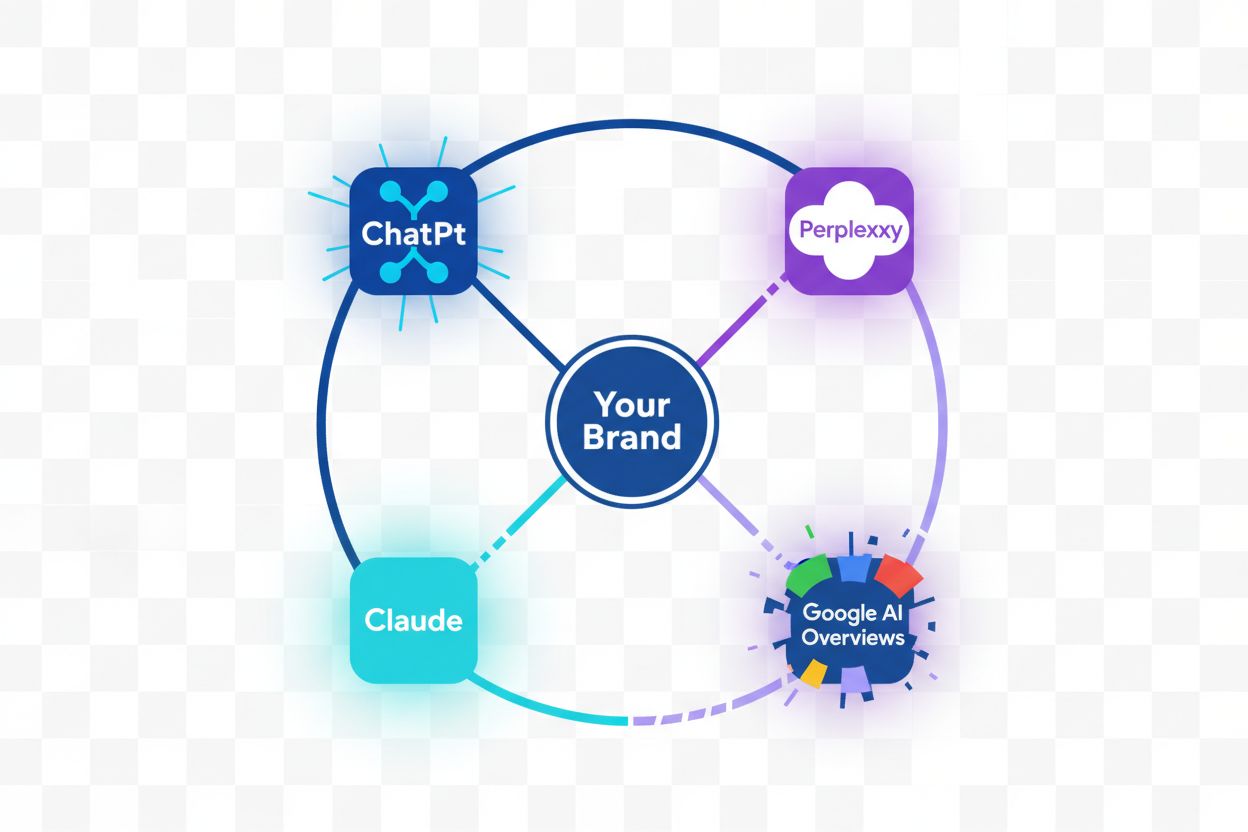
The modern digital landscape presents a fundamental challenge for brands: you need to be visible where your customers search, yet you must protect your intellectual property and customer data from misuse. This tension has intensified dramatically with the rise of AI-powered search engines and answer generators like ChatGPT, Perplexity, and Google AI Overviews. These platforms now drive significant traffic to websites—with some companies reporting over 1% of total sessions coming from AI platforms—but they also create new risks for content theft and brand misrepresentation. The key to success lies not in choosing between visibility and protection, but in implementing a strategic, layered approach that achieves both simultaneously.
Why This Balance Matters for Your Brand
Visibility in AI answers has become as critical as traditional search engine rankings. When users ask AI platforms questions about your industry, product category, or specific problems you solve, your brand either appears in the response or it doesn’t. If you’re invisible, potential customers discover competitors instead. However, achieving this visibility requires publishing content that AI systems can access and cite—which creates exposure risks. Your content could be republished without attribution, your proprietary information might be extracted and reused, or your brand could be misrepresented in AI responses. The stakes are high: brands that master this balance capture market share that becomes nearly impossible to reclaim, while those that ignore it face both visibility gaps and protection vulnerabilities.
Ready to Monitor Your AI Visibility?
Track how AI chatbots mention your brand across ChatGPT, Perplexity, and other platforms.
The Technical Foundation: Protecting While Publishing
The first layer of your strategy involves technical safeguards that allow you to publish content for AI visibility while maintaining control over how it’s used. Digital Rights Management (DRM) technology is essential for protecting video content, online courses, and proprietary training materials. DRM systems control access, prevent unauthorized copying, and block screen recording—common methods pirates use to steal content. When you publish content that AI systems can cite, DRM ensures that only authorized users can access the full, unprotected version. For documents and PDFs, encryption and document-level DRM provide similar protection, allowing you to share content with specific audiences while preventing redistribution.
Watermarking serves as both a deterrent and a tracking mechanism. Visible watermarks with your logo or branding remind users that the content is yours and discourages casual sharing. Invisible watermarks—also called fingerprinting—embed unique identifiers tied to specific users or timestamps. If your content appears on unauthorized platforms, the watermark reveals exactly which user account leaked it, enabling you to take targeted action. Dynamic watermarking, which changes based on the viewer’s identity, is particularly effective because it makes each copy unique and traceable. This approach allows you to publish content freely for AI visibility while maintaining the ability to identify and stop unauthorized distribution.
Encryption protects data during transmission and storage, preventing interception or unauthorized access. When you publish content that AI systems will access, encryption ensures that sensitive information embedded in that content remains protected. This is especially important for content containing proprietary methodologies, customer data, or competitive intelligence. By encrypting sensitive sections or requiring authentication to access full content, you can publish enough information for AI systems to cite your brand while keeping your most valuable intellectual property secure.
Data Protection and Privacy-First Marketing
While technical safeguards protect your content, privacy-first marketing strategies protect your customers and build trust. The challenge is that many brands collect extensive customer data to personalize marketing and improve visibility, but this creates privacy risks that damage trust and invite regulatory penalties. The solution is first-party data collection—gathering information directly from customers through surveys, email subscriptions, website interactions, and explicit consent mechanisms rather than relying on third-party cookies or data brokers.
First-party data is more reliable, more compliant with regulations like GDPR and CCPA, and more valuable because it comes directly from your audience. When you collect first-party data transparently, customers understand exactly what information you’re gathering and why. This builds trust and reduces the risk of data breaches or misuse. You can then use this data to improve your visibility in AI answers by understanding what questions your customers ask and creating content that addresses those specific needs—without relying on invasive tracking or data sharing.
Transparent data policies are equally critical. Your privacy policy should clearly explain what data you collect, how you use it, how long you retain it, and what rights customers have to access or delete their information. Make these policies easy to find and easy to understand—avoid legal jargon that obscures your actual practices. When customers see that you’re transparent about data handling, they’re more likely to share information willingly, which actually improves your ability to create targeted, relevant content for AI visibility. This creates a virtuous cycle: transparency builds trust, trust enables better data collection, and better data enables more effective visibility strategies.
Stay Updated on AI Visibility Trends
Get the latest insights on AI mentions, brand monitoring, and optimization strategies.
Monitoring Your Brand in AI Answers
Real-time monitoring of how your brand appears in AI answers is essential for maintaining both visibility and protection. Unlike traditional search engines where you can check rankings manually, AI platforms update constantly and generate responses dynamically based on user queries. You need specialized tools that track your brand mentions across multiple AI platforms, monitor the context in which you’re mentioned, and identify when your content is cited or misrepresented.
| Monitoring Dimension | What to Track | Why It Matters |
|---|
| Mention Frequency | How often your brand appears in AI responses across different platforms | Reveals visibility gaps and opportunities for improvement |
| Citation Context | Whether you’re mentioned as a leader, alternative, or footnote | Determines whether AI mentions drive qualified traffic or confused prospects |
| Source Attribution | Which of your content pieces AI systems cite | Shows which content types and topics resonate with AI platforms |
| Competitive Positioning | Which brands appear alongside yours in responses | Identifies market opportunities and competitive threats |
| Sentiment and Accuracy | How your brand is described and whether information is current | Catches misrepresentation or outdated information before it damages your reputation |
| Traffic Correlation | Whether increased AI visibility translates to actual website visits | Proves ROI and guides optimization priorities |
Different AI platforms have distinct source preferences. ChatGPT favors Wikipedia, Reddit, and Forbes. Perplexity prefers Reddit, YouTube, and Gartner. Google AI Overviews cite Reddit, YouTube, and Quora. Only about 50% of AI citations overlap with traditional Google search results, meaning your SEO strategy alone won’t ensure AI visibility. You need platform-specific monitoring to understand where your brand appears and where it’s missing. Tools that update at least daily—ideally every four hours—are essential because AI platforms change their algorithms and training data constantly. A competitor’s content strategy shift or a platform algorithm update can impact your visibility within hours, not weeks.
Content Strategy for AI Visibility Without Sacrificing Protection
Creating content that AI systems cite while protecting your intellectual property requires a strategic content approach. AI systems prefer structured, fact-rich content with clear hierarchical headings, concise answers, and semantic clarity. This means your content should directly answer common questions your customers ask, provide specific data and examples, and use formatting that makes information easy to extract. FAQ pages, how-to guides, and comparison articles perform particularly well because they directly address the types of queries users ask AI platforms.
However, you don’t need to publish your most valuable intellectual property to achieve AI visibility. Instead, publish enough information to be cited while keeping your deepest insights, proprietary methodologies, and competitive advantages behind paywalls, membership requirements, or access controls. For example, you might publish a detailed guide explaining your industry’s best practices (which AI systems will cite), while keeping your specific implementation approach and client results in a premium resource available only to paying customers. This approach gives you visibility in AI answers while protecting your most valuable content.
Content diversification is equally important. Since different AI platforms prefer different sources, expand your content presence beyond your website. Create content on Reddit, Quora, industry publications, and YouTube—platforms where AI systems frequently source information. This doesn’t mean duplicating your website content; instead, create platform-specific content that addresses the types of questions users ask on each platform. A detailed Reddit discussion about your industry’s challenges will be cited differently than a YouTube tutorial, and both will drive different types of visibility. By diversifying your content presence, you increase the likelihood that AI systems cite you across multiple platforms and contexts.
Access Control and Internal Protection
Role-based access control (RBAC) ensures that only authorized team members can access sensitive content and customer data. When you implement RBAC, you define specific roles—such as content creator, editor, manager, and administrator—and assign permissions based on what each role needs to accomplish. A freelance writer might have access to publish content but not to view customer data. A customer service representative might access customer information but not financial records. This principle of least privilege—giving users only the access they absolutely need—dramatically reduces the risk of internal leaks or misuse.
Access logs and auditing create accountability and enable you to detect suspicious activity. When you know who accessed what information and when, you can identify unusual patterns that might indicate a security breach or intentional misuse. Regular audits of active users and access permissions help you catch over-permissioning before it becomes a problem. For example, if a contractor’s access hasn’t been revoked after their project ended, an audit would catch this and allow you to immediately restrict their permissions.
NDAs and IP ownership contracts with employees, freelancers, and vendors provide legal protection for your content. These agreements should clearly state that you own all content created, that employees and contractors cannot reuse your content for competitors, and that they must maintain confidentiality. When someone signs an NDA, they understand the legal consequences of leaking or misusing your content, which serves as a powerful deterrent. Combined with technical safeguards and monitoring, legal agreements create a comprehensive protection framework.
Balancing Transparency with Security
The most effective approach to balancing visibility and protection is radical transparency about your practices. When you’re transparent about how you collect data, how you protect it, and how you use it, customers trust you more and are more willing to engage. This transparency extends to your content strategy: be clear about what information is freely available, what requires authentication, and what’s reserved for premium customers. This clarity actually improves your visibility in AI answers because AI systems can better understand your content structure and cite you more accurately.
Transparency also applies to your brand representation. If you monitor AI answers and find that your brand is misrepresented, respond promptly and transparently. Reach out to the AI platform, provide corrected information, and explain why the current representation is inaccurate. Many AI platforms have mechanisms for reporting inaccuracies, and they’re increasingly responsive to these reports because they want their answers to be accurate. By being transparent about corrections and improvements, you build credibility with both AI platforms and users.
Measuring Success: Visibility and Protection Metrics
Track both visibility and protection metrics to ensure your strategy is working. Visibility metrics include mention frequency across AI platforms, citation context (are you mentioned as a leader or alternative?), and traffic attribution from AI platforms. Protection metrics include unauthorized content distribution incidents, data breach attempts, and customer trust scores. The goal is to see increasing visibility metrics while protection metrics remain stable or improve.
For example, if your AI mentions increase by 40% but you also detect a 20% increase in unauthorized content distribution, your strategy needs adjustment. You might need stronger DRM, more aggressive monitoring, or different content positioning. Conversely, if visibility increases while unauthorized distribution decreases, your strategy is working—you’ve found the balance point where you’re visible where it matters while protecting what’s valuable.
The Future of Visibility and Protection
As AI platforms become more sophisticated and influential, the balance between visibility and protection will become increasingly important. Personalization is advancing rapidly—AI systems are becoming capable of remembering past searches and personalizing responses based on user history. This means brand visibility will increasingly depend on user preferences and context, not just content quality. Real-time optimization will become essential as platforms favor content that updates dynamically and provides current information. Regulatory scrutiny will increase, with governments imposing stricter requirements on how AI platforms cite sources and handle commercial influence in responses.
The brands that thrive in this environment will be those that master the balance: visible where customers search, protective of their intellectual property, transparent with their data practices, and proactive in monitoring and responding to how they’re represented. This isn’t a one-time setup; it’s an ongoing strategy that evolves as AI platforms and customer expectations change. By implementing the technical, strategic, and legal safeguards outlined here, you position your brand to capture the market opportunities that AI visibility creates while protecting the assets that make your brand valuable.