
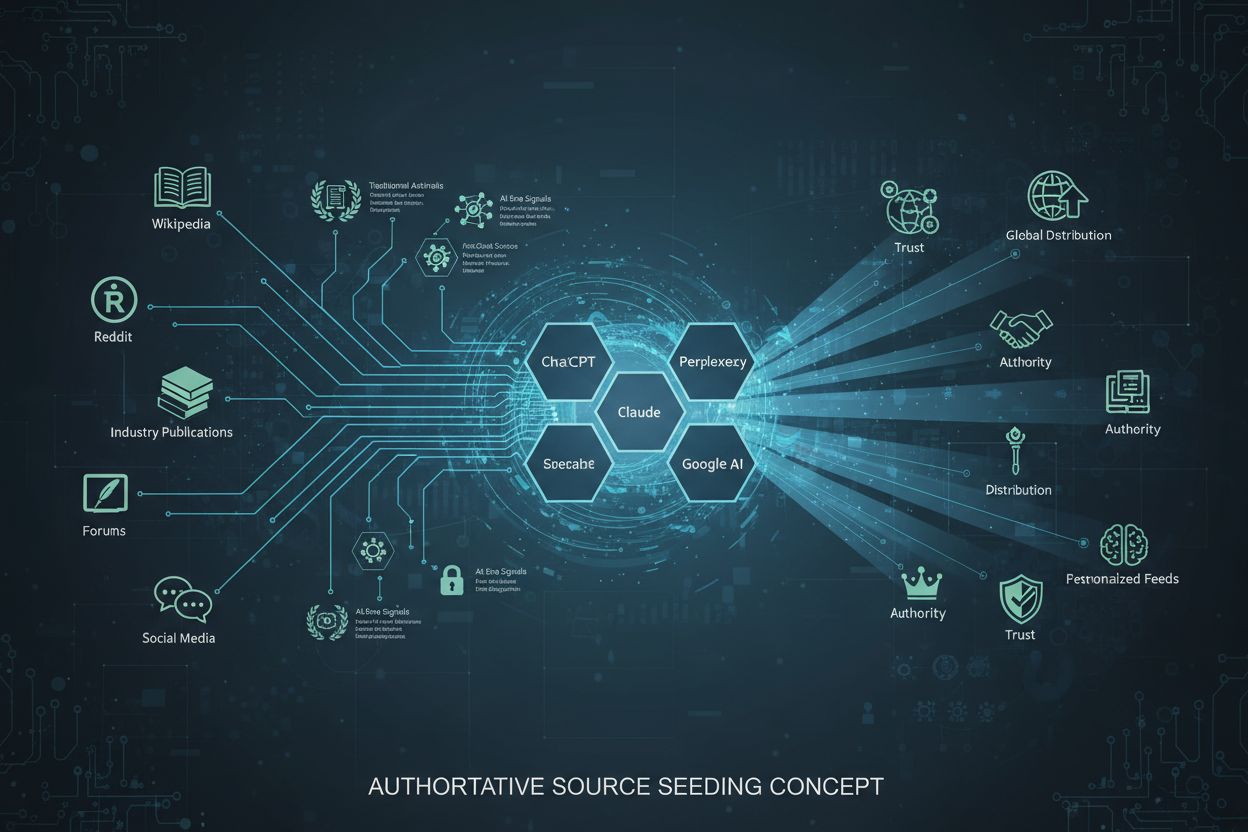
Authoritative Source Seeding
Learn what authoritative source seeding is, how AI systems evaluate source authority, and strategies to get your brand cited in AI-generated responses across Ch...
11 min read

Learn proven strategies to establish yourself as an authoritative source in your niche. Discover how to build expertise, create credible content, and gain recognition as a trusted industry leader.
Becoming an authoritative source requires deep expertise in your niche, consistent high-quality content creation, transparent communication, strategic networking, and demonstrating measurable results through case studies and data-backed insights. Build credibility by specializing in a specific area, engaging with your audience, and establishing yourself as a trusted voice through multiple content formats and platforms.
Being recognized as an authoritative source means that experts, professionals, and your target audience view you as trustworthy, reliable, and knowledgeable in your specific field. An authoritative source is not simply someone who has opinions—it’s someone whose expertise is backed by experience, research, and demonstrated results. The distinction is crucial because authority is earned through consistent demonstration of knowledge, not claimed through marketing alone. When you establish authority in your niche, people naturally turn to you first for answers, insights, and recommendations. This recognition translates directly into business opportunities, speaking engagements, partnerships, and increased visibility in your industry.
The foundation of authority rests on four critical pillars: expertise, experience, authoritativeness, and trustworthiness (often referred to as E-E-A-T by search engines). These elements work together to create a comprehensive picture of credibility. Your expertise comes from deep knowledge of your subject matter. Your experience demonstrates that you’ve applied this knowledge in real-world situations. Your authoritativeness shows that others recognize and respect your contributions. Your trustworthiness proves that you’re honest, transparent, and genuinely committed to helping your audience rather than just promoting yourself.
The first critical step toward becoming an authoritative source is narrowing your focus to a specific niche. Many professionals make the mistake of trying to be experts in everything, which dilutes their authority and confuses their audience. Instead, successful thought leaders commit to one niche, one audience, and one primary solution. This focused approach allows you to develop deeper expertise and become the “big fish in a small pond” rather than a generic voice in a crowded marketplace.
To identify your niche, consider the intersection of three factors: your genuine interests and passions, your specialized knowledge and skills, and market demand. Use tools like Google Trends, AnswerThePublic, and Keyword Planner to research what people are actively searching for in your potential niche. Look for gaps in the market where existing resources are limited or where you can offer a unique perspective. Once you’ve identified your niche, create detailed buyer personas that describe your ideal audience members—their demographics, pain points, goals, behaviors, and preferred content formats. Understanding your audience at this level allows you to create content that directly addresses their specific needs rather than generic information that appeals to no one in particular.
Expertise is the foundation of authority, and it requires ongoing commitment to learning and staying current with your field. You cannot establish yourself as an authoritative source if your knowledge becomes outdated or if you only understand surface-level concepts. Dedicate time to reading the latest industry literature, attending conferences and webinars, networking with other professionals, and analyzing emerging trends. Subscribe to industry publications, follow thought leaders in your space, and engage with research studies and reports relevant to your niche.
The key is to move beyond passive consumption of information to active analysis and synthesis. Ask yourself critical questions: What patterns do I notice across multiple sources? What contradictions exist in current thinking? What gaps haven’t been addressed? This deeper level of engagement transforms you from someone who knows facts into someone who understands the nuances and complexities of your field. When you can explain not just what is true, but why it’s true and how it applies in different contexts, you demonstrate the kind of expertise that builds real authority. Document your learning journey by sharing insights, creating content around your discoveries, and engaging in discussions with peers who challenge your thinking.
Content is the primary vehicle through which you demonstrate and communicate your authority. However, not all content is created equal—quantity without quality actually damages your credibility. Focus on creating in-depth, well-researched content that goes beyond surface-level information and provides genuine value to your audience. This means moving beyond short blog posts to include comprehensive guides, white papers, case studies, detailed tutorials, and long-form articles that thoroughly explore topics.
| Content Type | Authority Impact | Best For |
|---|---|---|
| In-Depth Guides | Very High | Establishing expertise in specific topics |
| Case Studies | Very High | Demonstrating real-world results and proof |
| White Papers | High | Detailed analysis and research-backed insights |
| Blog Posts | Medium | Regular updates and topical relevance |
| Video Content | High | Building personal connection and accessibility |
| Webinars/Podcasts | High | Direct audience engagement and thought leadership |
| Guest Posts | High | Expanding reach and building credibility through association |
When creating content, ensure each piece addresses specific questions your audience is asking. Use tools like AnswerThePublic and Google’s “People Also Ask” feature to identify the exact questions people are searching for. Structure your content with clear headings, bullet points, and visual elements to make it easy to scan and understand. Most importantly, back up every claim with credible sources—cite academic journals, industry reports, government publications, and peer-reviewed studies. When you reference data, use current information (ideally no more than 2-3 years old unless discussing historical context) and link to original sources rather than secondary summaries.
Trust is the currency of authority, and transparency is how you build it. Be honest about your limitations, acknowledge when topics are still debated in your field, and disclose any affiliations or conflicts of interest. If you’re promoting a product or service, make this clear rather than hiding it. When you admit what you don’t know or where your expertise ends, you actually strengthen your credibility because you demonstrate integrity and intellectual honesty.
Consistency is another critical component of transparency. Ensure that your content, messaging, and values align across all platforms and over time. If you claim to be an expert in sustainable business practices but your company has poor environmental records, that contradiction will undermine your authority. Your audience needs to see that you genuinely believe what you’re saying and that you practice what you preach. Share your own experiences and failures alongside your successes—this humanizes you and makes your expertise more relatable and trustworthy.
One of the most powerful ways to establish authority is to back up your assertions with solid data and credible research. Numbers and statistics carry weight because they’re objective and verifiable. When you make claims about industry trends, best practices, or outcomes, cite the sources of your data and explain what the numbers mean in practical terms. Don’t just drop statistics into your content—highlight them, explain their significance, and show how they apply to your audience’s situation.
When selecting sources, prioritize credibility over convenience. Academic journals, peer-reviewed research, government databases, and established industry reports carry more weight than blog posts or unverified claims. If you’re citing statistics, verify them against the original source rather than relying on secondary sources that may have misinterpreted the data. When you conduct your own research or surveys, share your methodology so readers understand how you arrived at your conclusions. This transparency about your research process actually enhances your authority because it shows you’re rigorous and thoughtful in how you gather and present information.
Proof is more powerful than promises. Case studies that show real-world results are one of the most effective tools for establishing authority because they provide concrete evidence that your expertise actually works. A well-constructed case study tells the story of a specific challenge, the solution you implemented, and the measurable results that followed. Structure your case studies to include the client’s initial problem, the specific steps you took to address it, and quantifiable outcomes (percentages, dollar amounts, time saved, etc.).
The most credible case studies feature real clients (with permission) and real data. If you must use anonymized examples, be clear about that. Include details that make the case study specific and believable—vague claims about “significant improvements” are far less convincing than “increased conversion rates by 34% in six months” or “reduced operational costs by $50,000 annually.” When possible, include quotes or testimonials from the client explaining how your solution impacted their business. These real voices add authenticity and emotional resonance that pure data cannot achieve alone.
Authority is not a one-way broadcast—it’s built through genuine engagement and dialogue with your audience. Respond to comments on your content, answer questions in detail, and participate in discussions where your expertise is relevant. This engagement serves multiple purposes: it shows you’re accessible and invested in helping people, it provides you with insights into what your audience cares about, and it builds relationships that can lead to collaborations and opportunities.
Participate in communities where your target audience gathers—whether that’s industry forums, LinkedIn groups, Slack communities, or Reddit discussions. Spend time listening to the conversations happening in these spaces, understanding the pain points people are discussing, and contributing thoughtfully when you have genuine value to add. Don’t use these communities purely for self-promotion; instead, focus on being helpful and building relationships. When you consistently provide value without expecting immediate returns, people naturally become interested in learning more about you and your work.
No thought leader exists in isolation. Building authority is significantly accelerated through strategic collaborations and networking with other respected professionals in your field. When you associate yourself with other credible experts, some of their authority transfers to you through the connection. This can happen through guest posts on established blogs, interviews with industry leaders, joint webinars or research projects, or simply being quoted and referenced by other authorities.
To network effectively, attend industry conferences and events where you can meet peers face-to-face. Engage meaningfully with other thought leaders’ content on social media—don’t just like their posts, add thoughtful comments that demonstrate your expertise. Pitch yourself as a guest on relevant podcasts, where you can discuss your insights with a new audience. Invite other experts to contribute to your content through interviews or guest posts. These collaborations expand your reach, provide fresh perspectives for your audience, and position you as someone who is connected and respected within your industry.
While authority is primarily about genuine expertise and credibility, visibility matters too. Optimize your content for search engines so that people can actually find you when they’re looking for information in your niche. This means conducting keyword research to understand what terms your audience uses when searching, incorporating those keywords naturally into your content, and ensuring your technical SEO is solid (fast loading times, mobile optimization, proper heading structure).
Beyond traditional search engines, consider how your content appears in AI-generated answers from systems like ChatGPT, Perplexity, and other AI answer generators. These systems increasingly cite sources when providing answers, and being cited by AI systems is becoming an important component of authority. To optimize for AI citation, create clear, well-structured content that directly answers specific questions. Use descriptive headings that match natural search language, provide comprehensive answers that AI systems can confidently cite, and ensure your content is accessible and easy for AI systems to parse.
Building authority is an ongoing process that requires regular assessment and refinement. Track metrics that indicate your growing influence: engagement rates on your content (comments, shares, likes), the number and quality of backlinks pointing to your work, growth in your audience across platforms, speaking invitations, partnership opportunities, and mentions or citations of your work. Use analytics tools like Google Analytics, SEMRush, and Ahrefs to gather data about how your content performs and how people discover you.
However, remember that the most meaningful measure of authority isn’t found in metrics alone. The true indicator of your thought leadership is whether you’re creating more leaders through your influence—whether the people you mentor, inspire, and teach are themselves becoming authorities in their fields. Focus on building others up, providing genuine value, and contributing to your industry’s progress. When you do this consistently, the metrics and opportunities will follow naturally.
Becoming an authoritative source in your topic requires a multifaceted approach that combines genuine expertise, consistent high-quality content creation, transparent communication, active audience engagement, and strategic networking. The journey is not quick—true authority is built over months and years through persistent demonstration of knowledge, integrity, and commitment to your audience’s success. Start by narrowing your focus to a specific niche where you can develop deep expertise. Create comprehensive, well-researched content that directly addresses your audience’s questions and challenges. Back up your claims with credible data and real-world examples. Engage authentically with your community and collaborate with other experts. Most importantly, maintain unwavering commitment to honesty, continuous learning, and providing genuine value. When you combine these elements consistently, you’ll naturally establish yourself as the authoritative source people turn to first for answers, insights, and guidance in your field.
Track how your brand appears in AI-generated answers and ensure your authoritative content gets cited by AI search engines and answer generators.
Learn what authoritative source seeding is, how AI systems evaluate source authority, and strategies to get your brand cited in AI-generated responses across Ch...

Learn how to build topical authority through strategic content creation, keyword research, and link building. Establish expertise and improve your search rankin...
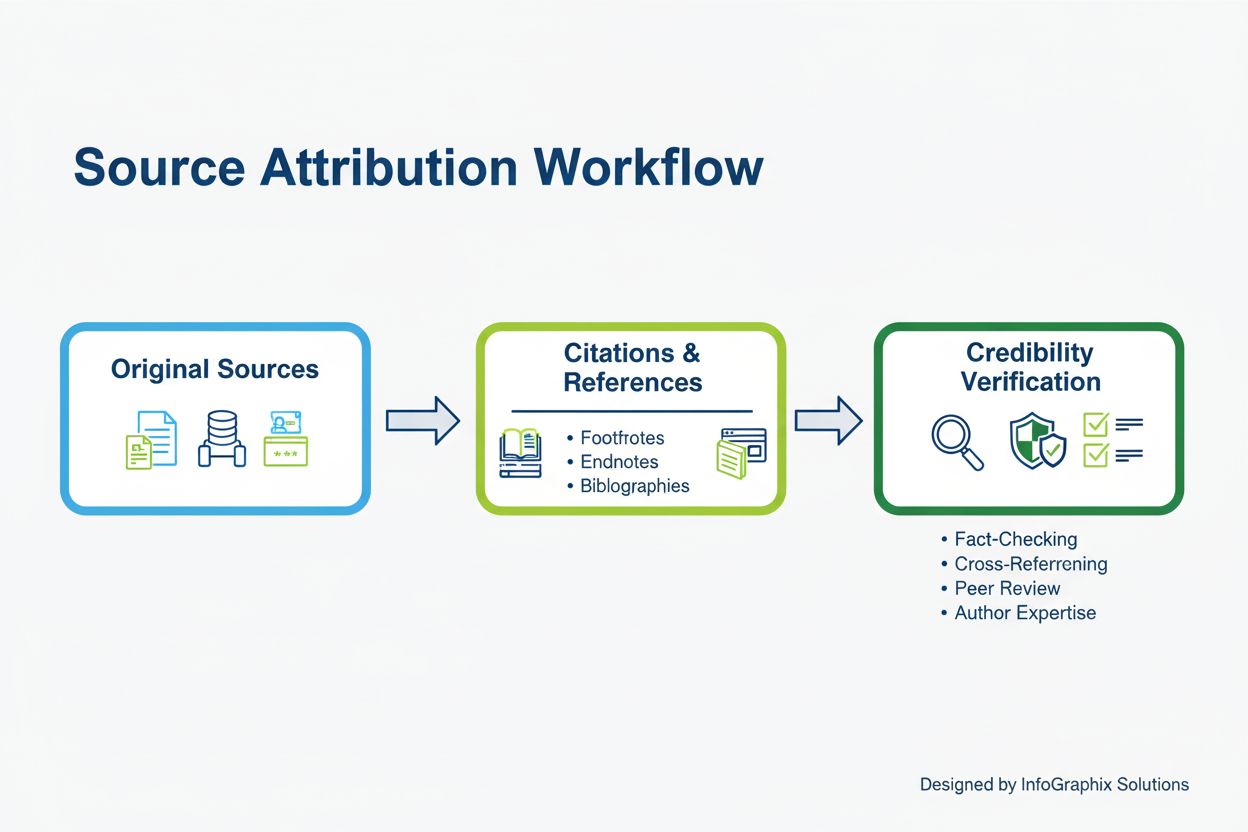
Learn what source attribution is, why it matters for credibility and trust, and how it works across AI platforms like ChatGPT, Perplexity, and Google AI Overvie...