

Building an AI-First Content Calendar
Learn how to build an AI-first content calendar that automates planning, optimizes posting schedules, and drives engagement with data-driven insights and intell...
7 min read

Learn how to create an effective AI content calendar with step-by-step guidance, best practices, and strategies for planning, organizing, and optimizing your content strategy using artificial intelligence.
Create an AI content calendar by setting clear marketing goals, analyzing your audience, identifying content pillars, using AI to generate ideas and optimize scheduling, and leveraging tools to automate planning and distribution across multiple channels.
An AI content calendar is an intelligent planning tool that uses artificial intelligence to automate, optimize, and enhance your content planning and scheduling process. Unlike traditional calendars that simply display dates and tasks, an AI-powered calendar analyzes data from social media trends, audience preferences, and competitor activities to recommend the best times to post content, what types of content to create, and the most effective channels for distribution. This technology transforms content planning from a manual, time-consuming process into a strategic, data-driven operation that helps you maximize engagement and reach.
The primary advantage of using AI for content planning is that it eliminates guesswork and enables you to make informed decisions based on real-time data and predictive analytics. By leveraging machine learning algorithms, these tools can identify patterns in audience behavior, predict which content themes will resonate most with your target segments, and suggest optimal publishing schedules. This means you can spend less time on administrative tasks and more time on creative strategy and content quality.
Before you begin creating your AI content calendar, you must establish clear, measurable marketing objectives. These goals serve as the foundation for all subsequent planning decisions and help ensure that every piece of content you create directly supports your business outcomes. Your goals might include increasing brand awareness, generating qualified leads, driving website traffic, improving customer retention, or boosting conversion rates.
When defining your objectives, be as specific as possible. Instead of saying “increase brand awareness,” specify “increase brand awareness among B2B SaaS decision-makers by 25% over the next quarter.” This specificity allows AI tools to provide more targeted recommendations and helps you measure success accurately. Additionally, align your content goals with broader business objectives so that your content strategy directly contributes to revenue generation and company growth. Once you’ve established these goals, feed them into your AI content calendar tool so it can tailor its suggestions and recommendations to support these specific outcomes.
Understanding your target audience is absolutely critical for creating content that resonates and drives engagement. Use AI audience analysis tools to segment your audience based on demographics, psychographics, behavior patterns, and content consumption habits. AI can process vast amounts of data from your website analytics, social media platforms, and customer databases to identify distinct audience segments with different preferences and pain points.
Once you understand your audience segments, work with AI to identify content pillars—the core topics and themes that align with both your audience’s needs and your business objectives. Content pillars typically include 4-5 main topic areas that showcase your expertise and address your audience’s primary concerns. For example, a marketing software company might have pillars like “Content Strategy,” “Marketing Automation,” “Analytics & Reporting,” and “Team Collaboration.” For each pillar, identify 3-4 subtopics that provide depth and variety. This structure ensures your content remains focused, strategic, and valuable while preventing repetition and maintaining audience interest.
| Content Pillar | Subtopic 1 | Subtopic 2 | Subtopic 3 |
|---|---|---|---|
| Content Strategy | Audience Research | Content Planning | Performance Measurement |
| Marketing Automation | Workflow Setup | Lead Nurturing | Integration & Tools |
| Analytics & Reporting | Data Analysis | Metrics Tracking | ROI Calculation |
| Team Collaboration | Project Management | Communication Tools | Approval Workflows |
With your goals and audience clearly defined, leverage AI content generation to brainstorm fresh, strategic content ideas. AI tools can analyze your industry, competitor content, trending topics, and audience interests to suggest content themes that are likely to perform well. The key to getting excellent results is providing detailed context in your prompts—the more specific information you give the AI, the more targeted and valuable its suggestions will be.
Start by asking AI to suggest monthly themes that align with your content pillars and business objectives. For example, you might ask: “Based on our content pillars and target audience of marketing managers, suggest 3 monthly themes for Q2 that would drive engagement and support our lead generation goals.” AI will analyze seasonal trends, industry events, and audience behavior patterns to recommend themes that have the highest probability of success. Once you have your monthly themes, use AI to generate 10-15 specific content ideas for each theme, including blog posts, social media content, videos, infographics, and email newsletters. This creates a diverse content mix that appeals to different learning styles and platform preferences.
One of the most powerful capabilities of AI content calendars is their ability to analyze audience behavior patterns and recommend optimal publishing times. AI examines when your audience is most active on different platforms, which content types generate the highest engagement, and how seasonal factors influence content performance. This data-driven approach ensures your content reaches your audience when they’re most likely to see it and engage with it.
When building your content calendar, consider your publishing capacity—how many pieces of content can your team realistically create and publish each week? A typical balanced content mix might include 60% educational content, 30% promotional content, and 10% entertainment or engagement-focused content. AI can help you maintain this balance while distributing content across your channels strategically. Additionally, factor in important dates relevant to your industry, such as product launches, seasonal events, industry conferences, and holidays. AI tools can automatically flag these opportunities and suggest relevant content angles that capitalize on increased audience attention during these periods.
Creating content once and distributing it across multiple channels is far more efficient than creating unique content for each platform. AI content repurposing tools can help you adapt a single piece of content for different platforms while maintaining your core message and brand voice. For instance, a comprehensive blog post can be transformed into a LinkedIn article, a series of Instagram carousel posts, an email newsletter, a video script, and multiple social media snippets—all optimized for each platform’s unique audience and format requirements.
When planning your distribution strategy, recognize that each platform has its own language and audience expectations. LinkedIn audiences prefer professional insights and case studies, Instagram thrives on visual storytelling and behind-the-scenes content, email subscribers want detailed information and exclusive offers, and Twitter/X users engage with quick tips and industry commentary. AI can suggest platform-specific hooks, optimal posting times for each channel, relevant hashtags, and content formats that will maximize reach and engagement. This strategic approach to distribution ensures your content reaches the right people on the right platforms at the right time, significantly improving your overall content ROI.
Choosing the right content calendar tool is essential for successful implementation. Popular options include Google Sheets for simplicity and collaboration, Trello for visual organization, Asana for team project management, CoSchedule for integrated content planning and social scheduling, Airtable for complex database-style organization, and specialized AI-powered platforms like StoryChief or Jasper that combine planning with AI-assisted content creation.
Your content calendar should include the following key elements: publication dates and content deadlines, content type and format, title and brief description, primary and secondary keywords for SEO, target platforms and channels, assigned team members and their responsibilities, content status (planning, in progress, review, published), and performance metrics to track. Establish a clear workflow that includes content creation, editing, approval, and publishing stages. Assign specific team members to each responsibility and set clear deadlines to ensure accountability. Regularly review your calendar in team meetings to maintain alignment, discuss upcoming content, address any bottlenecks, and celebrate successful campaigns. This structured approach keeps everyone on the same page and ensures consistent, high-quality content delivery.
Creating your AI content calendar is not a one-time task—it’s an ongoing process that requires regular monitoring and optimization. After publishing content, track key performance metrics including engagement rates, click-through rates, conversion rates, social media shares, and traffic generated. AI analytics tools can automatically collect and analyze this data, identifying patterns in what content performs best with different audience segments.
Use these insights to continuously refine your content strategy. If certain topics consistently outperform others, create more content around those themes. If specific content formats generate higher engagement, prioritize those formats in future planning. If particular platforms drive more conversions, allocate more resources to content creation for those channels. Additionally, monitor your competitors’ content strategies and industry trends to identify emerging opportunities and stay ahead of the curve. This data-driven, iterative approach ensures your content calendar evolves with your audience’s needs and market conditions, continuously improving your content’s effectiveness and your overall marketing ROI.
When using AI for content planning, remember that AI is a strategic partner, not a replacement for human creativity and judgment. The most effective content calendars combine AI’s analytical capabilities and speed with human expertise, intuition, and brand knowledge. Always review and validate AI-generated suggestions before implementing them, ensuring they align with your brand voice, values, and strategic objectives. Don’t rely solely on AI for brand positioning decisions—these require human vision and understanding of your unique value proposition.
Additionally, ensure your AI tools are enriched with your company’s specific data, brand guidelines, and historical performance metrics. The more context you provide, the more accurate and valuable the AI’s recommendations will become. Maintain flexibility in your calendar to capitalize on trending topics and timely opportunities that emerge unexpectedly. Finally, preserve the human touch by injecting personality, authentic storytelling, and emotional intelligence into your content. AI can help with structure, optimization, and distribution, but your unique perspective and voice are what truly connect with your audience and differentiate your brand in a crowded marketplace.
Track how your brand appears in AI-generated answers and ensure your content gets cited by ChatGPT, Perplexity, and other AI search engines.
Learn how to build an AI-first content calendar that automates planning, optimizes posting schedules, and drives engagement with data-driven insights and intell...
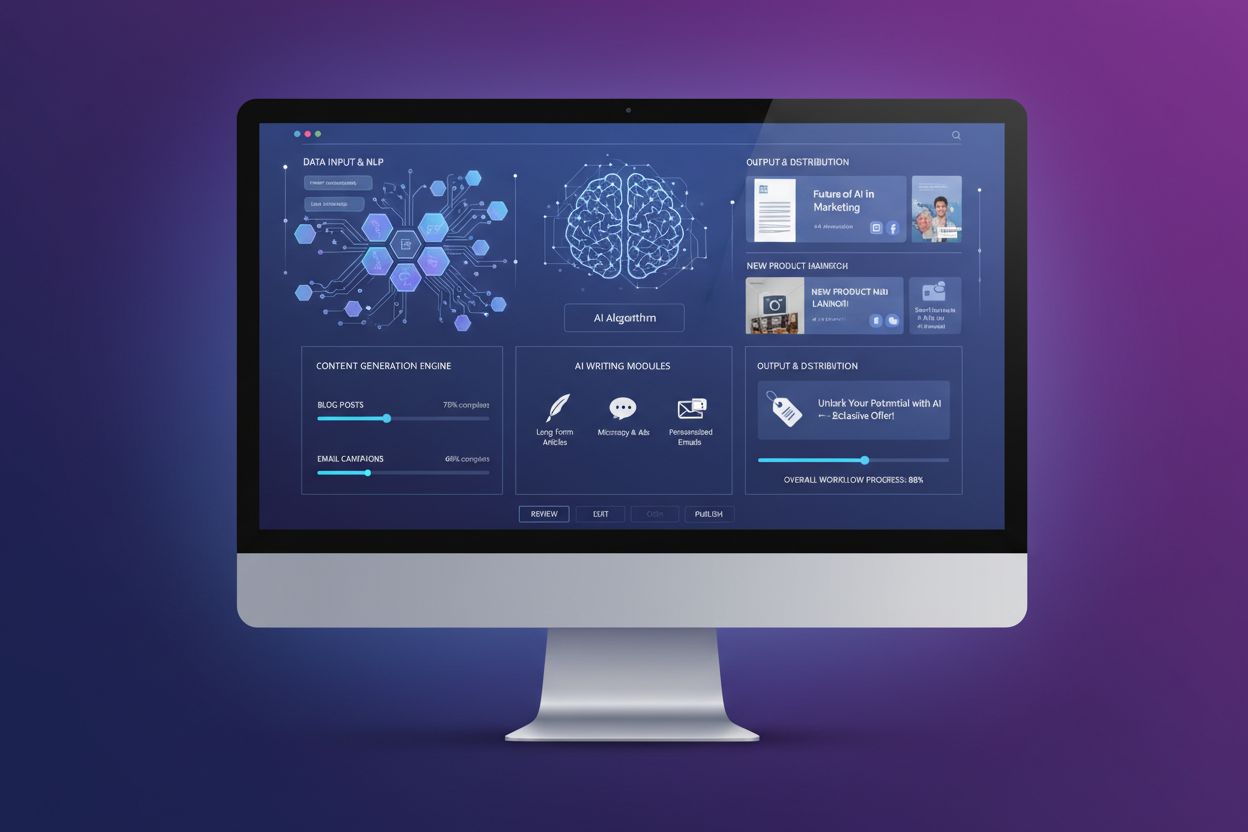
Learn what AI content generation is, how it works, its benefits and challenges, and best practices for using AI tools to create marketing content optimized for ...

Learn what a content calendar is, how it functions as a strategic planning tool for content marketing, and why 96% of successful marketers use one to organize a...