Understanding Perplexity’s Source Selection Process
Perplexity AI operates fundamentally differently from traditional search engines like Google. Rather than indexing billions of web pages and ranking them based on links and keywords, Perplexity maintains a curated pool of trusted sources and selects from this collection when generating answers. This selective approach ensures that the information presented to users comes from credible, reliable, and high-quality sources that meet specific evaluation standards. When you ask Perplexity a question, the system doesn’t simply retrieve pre-ranked results—it actively searches the internet in real-time, evaluates available sources against its criteria, and synthesizes information into a coherent, cited answer.
The Four Core Evaluation Criteria
Perplexity AI evaluates sources using a structured framework consisting of four critical dimensions. Understanding these criteria is essential for anyone seeking to improve their content’s visibility in AI-generated answers. Each criterion plays a distinct role in determining whether your content will be selected and cited.
| Evaluation Criterion | Definition | Impact on Selection | Optimization Focus |
|---|
| Credibility | Publisher authority, expert authorship, institutional backing, and citation patterns | Critical | Build author expertise, institutional affiliations, and reference quality sources |
| Recency | Content freshness, publication date, and update frequency | High | Maintain current data, refresh examples, update statistics regularly |
| Relevance | Direct alignment with user query intent and topic specificity | Critical | Answer questions directly, use natural language, match search intent precisely |
| Clarity | Structured formatting, easy extraction, logical organization | High | Use headings, lists, tables, FAQ sections, and schema markup |
Credibility: The Foundation of Trust
Credibility represents the most critical factor in Perplexity’s source selection process. Perplexity prioritizes sources from established publishers, recognized experts, and institutions with strong reputations for accuracy. The system evaluates credibility through multiple signals including author credentials, institutional affiliation, publication history, and the quality of citations within the content itself. A website with a long track record of publishing accurate, well-researched information will be weighted more heavily than a newer or less-established domain. Additionally, Perplexity considers whether content is backed by peer review, expert consensus, or authoritative references. This means that content from academic institutions, government agencies, established news organizations, and recognized industry leaders receives preferential treatment in source selection.
Recency: Staying Current and Relevant
Recency plays a particularly important role in Perplexity’s evaluation, especially for topics where information changes rapidly such as technology, healthcare, finance, and current events. Perplexity AI actively prioritizes newer content over outdated information, recognizing that users need the most current insights available. This doesn’t mean older content is automatically excluded—rather, when multiple sources address the same topic, Perplexity tends to favor those with recent publication or update dates. The system recognizes when content has been refreshed with new data, updated statistics, or revised examples. For content creators and brands, this means that regularly updating existing content can significantly improve citation chances. Adding new case studies, refreshing statistics, updating examples, and revising publication dates (when changes are substantive) all signal to Perplexity that your content remains relevant and trustworthy.
Relevance: Answering the Actual Question
Relevance determines whether a source directly addresses what the user is asking. Perplexity uses advanced natural language processing to understand query intent—not just matching keywords, but comprehending what the user truly wants to know. A source that directly answers the user’s question in clear, specific language will be selected over one that tangentially touches the topic. This criterion rewards answer-first content that leads with direct responses rather than burying key information under context or background. When Perplexity evaluates relevance, it looks for content that uses the same terminology and phrasing patterns that users employ in their queries. This means understanding your audience’s language and writing in a way that naturally aligns with how people ask questions about your topic.
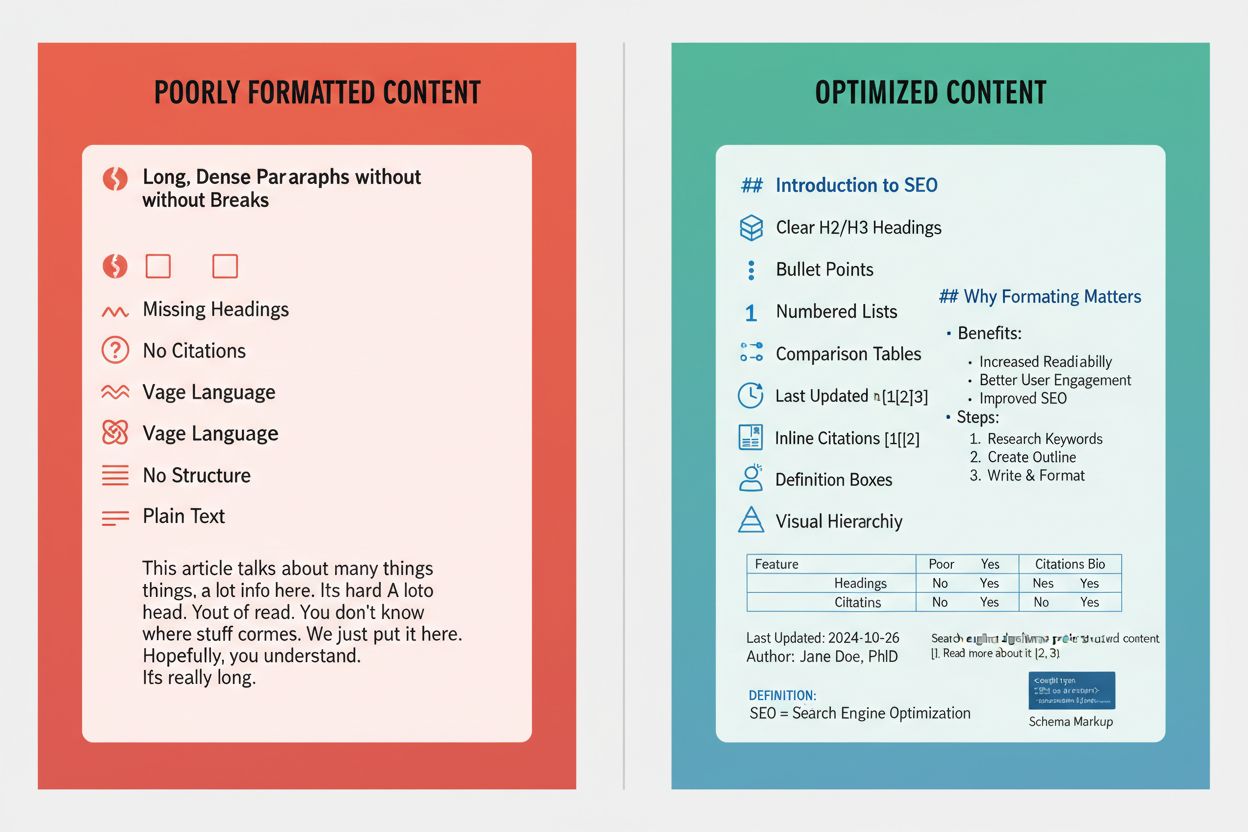
Clarity refers to how easily Perplexity’s AI can extract, understand, and cite specific information from your content. Well-structured content with clear headings, bullet points, tables, and logical organization is significantly more likely to be selected for citation. When content is difficult to parse—buried in dense paragraphs, poorly organized, or lacking clear section breaks—Perplexity may skip it in favor of more accessible alternatives. This criterion particularly favors content that uses semantic HTML markup, schema.org structured data, and answer-first formatting. FAQ sections, how-to guides with numbered steps, comparison tables, and definition-focused content all perform exceptionally well because they present information in formats that AI systems can easily extract and cite.
Ready to Monitor Your AI Visibility?
Track how AI chatbots mention your brand across ChatGPT, Perplexity, and other platforms.
How Perplexity’s Real-Time Search Works
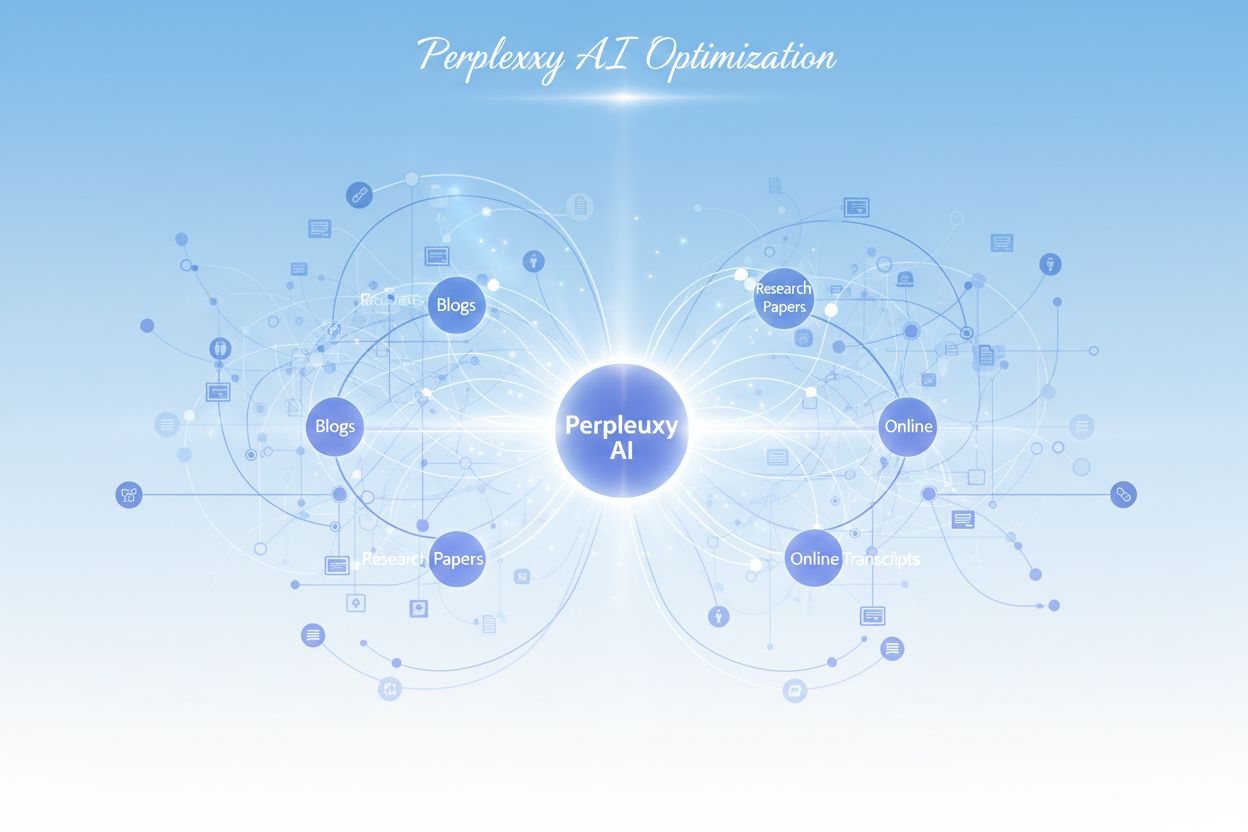
When you submit a query to Perplexity, the system doesn’t simply retrieve pre-indexed answers. Instead, it performs real-time web searches using advanced language models like GPT-4 Omni and Claude 3 to gather current information. Perplexity searches across its curated source pool, evaluates results against the four core criteria, and synthesizes information into a coherent response. This real-time approach means that freshly published content can be discovered and cited quickly, often within 24-48 hours of publication. The system uses sophisticated algorithms to identify the most relevant passages from multiple sources, combine them into a unified answer, and provide transparent citations showing exactly where information came from. This process is fundamentally different from traditional search engines, which rely on pre-computed rankings and historical link data.
Technical Requirements for Source Selection
Beyond the four evaluation criteria, Perplexity has specific technical requirements that sources must meet to be considered for citation. Your website must allow PerplexityBot to crawl and index your content through proper robots.txt configuration. Content must be accessible in clean HTML—if your site relies entirely on client-side JavaScript rendering, Perplexity may not be able to see your content. Additionally, implementing structured data markup (particularly FAQPage and HowTo schema) significantly improves your chances of being selected. These technical foundations ensure that Perplexity can actually access, understand, and extract information from your pages.
Stay Updated on AI Visibility Trends
Get the latest insights on AI mentions, brand monitoring, and optimization strategies.
Content Types That Perform Best in Perplexity
Certain content formats align particularly well with how Perplexity selects and presents sources. How-to guides with numbered steps perform exceptionally well because they provide clear, actionable information that’s easy to extract and cite. FAQ pages and Q&A content are frequently cited because they directly match the question-answer format that Perplexity uses. Comparison content (such as “X vs Y” breakdowns) performs well because it provides structured information that’s easy to synthesize. Definition-focused content that explains foundational concepts clearly also receives strong citation rates. Data-driven analysis backed by statistics, charts, and original research tends to be cited more frequently than opinion-based content. Expert insights and thought leadership from recognized authorities in specific fields are regularly selected for citation.
The Difference Between Perplexity and Traditional Search Engines
Understanding how Perplexity differs from Google is crucial for optimizing your content strategy. Google indexes virtually all publicly available web pages and ranks them based on hundreds of signals including backlinks, keyword relevance, user engagement metrics, and domain authority. Perplexity, by contrast, works with a curated subset of sources and selects based on the four core criteria rather than traditional ranking signals. This means that backlinks matter far less in Perplexity’s selection process than they do in Google’s algorithm. Instead, Perplexity emphasizes content quality, clarity, authority, and freshness. A website with fewer backlinks but superior content structure and clearer answers may be cited more frequently in Perplexity than a site with stronger link profiles but less accessible content. Additionally, Perplexity prioritizes citations over rankings—you don’t achieve a “position” in Perplexity results the way you do in Google. Instead, your goal is to be selected as a cited source in the answer that Perplexity generates.
Building Authority for Perplexity Selection
While Perplexity doesn’t use traditional backlinks as a ranking factor, it does evaluate broader authority signals that extend beyond your own website. Perplexity considers mentions and citations from trusted third-party platforms including Reddit, industry review sites (like G2, Gartner, GetApp), professional directories, and established news outlets. Building a strong presence on these platforms—through active community participation, positive reviews, and mentions from respected sources—signals to Perplexity that your brand is trustworthy and authoritative. Additionally, author expertise and credentials matter significantly. Content authored by recognized experts, with clear author bios and credentials, receives preferential treatment. This means investing in thought leadership content from your team members and building their professional profiles can improve your overall citation rates.
Monitoring Your Perplexity Visibility
For brands and content creators, understanding whether your content is being cited in Perplexity answers is essential for measuring success. Citation tracking tools can help you monitor when your domain appears in Perplexity responses and identify which queries trigger your citations. Unlike traditional SEO metrics that focus on rankings and traffic, Perplexity success is measured by citation frequency and Share of Voice—how often your brand appears relative to competitors in answers to similar questions. Tracking these metrics over time reveals whether your optimization efforts are working and which content types generate the most citations. Additionally, monitoring referral traffic from Perplexity shows the business impact of your citations, as users who click through from AI-generated answers often have high purchase intent.
Practical Steps to Improve Your Perplexity Selection
To increase the likelihood that Perplexity selects your content as a source, focus on these actionable strategies. First, ensure technical accessibility by allowing PerplexityBot in your robots.txt file and confirming that your main content is visible in HTML (not hidden behind JavaScript). Second, structure your content for clarity using descriptive headings, bullet points, tables, and FAQ sections that make information easy to extract. Third, lead with direct answers—start sections with clear, specific responses to implied questions rather than burying key information. Fourth, keep content fresh by regularly updating statistics, examples, and publication dates to signal recency. Fifth, build authority through expert authorship, institutional affiliations, and presence on trusted third-party platforms. Finally, implement structured data markup (FAQPage and HowTo schema) to help Perplexity understand and extract your content more effectively.