

Keyword Optimization for AI Search: Complete Guide for 2025
Learn how to optimize keywords for AI search engines. Discover strategies to get your brand cited in ChatGPT, Perplexity, and Google AI answers with actionable ...
9 min read

Learn how brand SERP optimization for AI works, why it matters for your visibility in ChatGPT, Perplexity, and Google AI Overviews, and how to get your brand cited in AI-generated answers.
Brand SERP optimization for AI is the process of structuring and optimizing your content, data, and online presence so that AI-powered search engines and language models cite your brand when generating answers to user queries. Unlike traditional SEO which focuses on ranking in search results, AI optimization ensures your brand appears in AI-generated summaries and responses across platforms like ChatGPT, Perplexity, and Google AI Overviews.
Brand SERP optimization for AI represents a fundamental shift in how businesses approach search visibility in the modern digital landscape. As AI-powered search engines and large language models (LLMs) become increasingly central to how users discover information, the traditional approach of optimizing for keyword rankings on Google’s blue links is no longer sufficient. This emerging discipline focuses on ensuring your brand becomes a trusted source that AI systems actively cite and recommend when answering user questions, rather than simply appearing in search results.
The core principle behind brand SERP optimization for AI is understanding that AI systems don’t rank content the way Google does. Instead, they synthesize information from multiple sources to generate conversational, contextual answers. When a user asks ChatGPT, Perplexity, or Google’s AI Overviews a question, these systems pull from their training data and real-time sources to construct responses. Your goal is to ensure your brand’s content is structured, authoritative, and accessible enough that AI systems recognize it as a credible source worth citing. This requires a completely different optimization strategy than traditional SEO, though the two approaches complement each other effectively.
The distinction between traditional search engine optimization and AI search optimization is critical to understand because it fundamentally changes your strategy. Traditional SEO focuses on helping your website rank higher in search engine results pages (SERPs) through keyword optimization, backlinks, and technical improvements. The goal is to appear on the first page of Google for relevant queries. However, AI-powered search operates on an entirely different principle.
When users interact with AI search tools, they’re not looking at a ranked list of links. Instead, they receive synthesized answers that the AI has generated by pulling information from multiple sources. These AI systems don’t have fixed rankings like Google does. Instead, they evaluate content based on factors like contextual relevance, source credibility, consistency across the web, and how well the information answers the specific question. This means that even if your website ranks #1 on Google for a particular keyword, if your content isn’t structured in a way that AI systems can easily understand and cite, you may not appear in AI-generated answers at all.
| Aspect | Traditional SEO | AI Search Optimization |
|---|---|---|
| Primary Goal | Achieve high rankings in SERPs | Get cited in AI-generated answers |
| Focus | Keywords and backlinks | Brand mentions and contextual relevance |
| Content Structure | Optimized for search algorithms | Optimized for AI comprehension |
| Success Metric | Traffic from search results | Citations and visibility in AI responses |
| Data Dependency | Live web indexing | Pre-trained data + real-time sources |
| Authority Signal | Domain authority and links | Consistency, expertise, and trustworthiness |
The urgency of implementing AI search optimization cannot be overstated. Recent research reveals that up to 45% of organic search traffic for informational and transactional queries is being lost to AI-generated answer summaries. Major publishers and content creators are experiencing dramatic traffic declines—some reporting drops of 40-45%—despite maintaining top rankings on Google. This phenomenon occurs because users are getting their answers directly from AI summaries without ever clicking through to the actual websites. For eCommerce brands, this means that even your best-optimized product pages and landing pages can see significant traffic reductions if they’re not optimized for AI visibility.
The shift is accelerating rapidly. ChatGPT receives 4.79 billion visits per month and is now the 8th most visited website globally. Nearly 48% of consumers have used ChatGPT or similar AI tools within the past week. Google’s own AI Overviews are appearing on millions of search queries, fundamentally changing how users interact with search results. If your brand isn’t visible in these AI-generated answers, you’re losing access to a critical traffic source that’s only growing in importance. The brands that adapt quickly to this new reality will capture significant competitive advantages, while those that ignore it risk becoming invisible in the AI-driven search landscape.
Effective brand SERP optimization for AI requires a multi-faceted approach that addresses how AI systems discover, understand, and evaluate your content. The first critical component is structured data implementation, particularly Schema markup. Unlike humans who can read and understand content contextually, AI systems rely on explicit, machine-readable information to understand what your content is about. By implementing Organization Schema, Product Schema, Service Schema, and FAQPage Schema, you’re essentially creating a detailed digital file about your brand that AI systems can easily parse and reference.
The second component involves content structure and clarity. AI systems favor content that is well-organized, uses clear hierarchical headings, includes lists and tables, and directly answers questions in concise language. When your content is structured this way, AI systems can more easily extract key information for inclusion in their generated responses. This means using question-based headers that mirror how real people search, providing TL;DR summaries for long-form content, and organizing information in scannable formats that AI can quickly process and cite.
The third component is brand consistency across the web. AI systems cross-reference information from multiple sources—your website, Google My Business, LinkedIn, Trustpilot, Yelp, and industry directories—to verify information about your brand. When your business information, product descriptions, service offerings, and even answers to common questions are consistent across all these platforms, AI systems recognize your brand as reliable and trustworthy. Inconsistencies, on the other hand, signal unreliability and reduce the likelihood that AI will cite your content.
Authority and trustworthiness are paramount in AI search optimization, and these signals work differently than they do in traditional SEO. While backlinks still matter for establishing domain authority, AI systems place significant emphasis on brand mentions in authoritative publications, customer reviews and testimonials, and consistency of information across trusted sources. This is why digital PR strategies have become increasingly important—securing mentions of your brand in high-authority publications, news outlets, and industry blogs directly influences how AI systems perceive your credibility.
Customer reviews and testimonials play a surprisingly powerful role in AI optimization. When AI systems evaluate whether to cite your brand, they consider customer sentiment and satisfaction as credibility indicators. This means that embedding structured reviews on your website, maintaining high ratings on Google My Business and Trustpilot, and actively managing your online reputation directly impacts your visibility in AI-generated answers. AI systems are more likely to recommend brands that have consistent, positive customer feedback across multiple platforms.
Additionally, establishing topical authority through expert content and thought leadership strengthens your position in AI search. By developing comprehensive content that demonstrates deep expertise in your industry, positioning your brand leaders as experts, and creating research-backed content that other sources reference, you build the kind of semantic authority that AI systems value. This is fundamentally different from traditional SEO’s focus on keyword density and backlink quantity—it’s about becoming a recognized authority that AI systems naturally turn to when answering questions in your domain.
Implementing brand SERP optimization for AI begins with a comprehensive audit of your current online presence. Start by asking AI systems directly what they know about your brand. Go to ChatGPT, Gemini, or Perplexity and search for your brand name, your products, and common questions your customers ask. Document what the AI says about you, where it sources that information, and what’s missing or incorrect. This direct feedback from AI systems reveals exactly where your optimization efforts should focus.
Next, implement Schema markup across your website. Start with Organization Schema to clearly define who you are, what you do, and where you operate. Add Product Schema for every product you sell, detailing specifications, pricing, availability, and aggregate ratings. Implement FAQPage Schema for your most common customer questions—this provides AI with ready-made answers that it can directly cite. Use Review Schema to mark up customer testimonials and ratings. This structured data acts as a bridge between your content and AI systems, making it dramatically easier for them to understand and cite your information.
Audit and standardize your brand information across all platforms. Ensure your business name, description, contact information, and service offerings are identical or nearly identical on your website, Google My Business, LinkedIn, Trustpilot, Yelp, and any industry-specific directories. Update your NAP (Name, Address, Phone) data to be consistent in formatting across all platforms. When you make changes to policies, pricing, or offerings, update them simultaneously across all channels. This consistency signals to AI systems that your information is reliable and authoritative.
Restructure your content for AI comprehension. Review your blog posts, product pages, and service descriptions. Replace vague headers with question-based headers that mirror how people actually search. Add TL;DR sections and key takeaway bullets to long-form content. Break up dense paragraphs into shorter, scannable sections. Use lists and tables to present information clearly. Ensure your content directly answers the questions users are asking, with the answer appearing early in the content rather than buried deep within. This makes it easy for AI systems to extract and cite your information.
Unlike traditional SEO where you can easily track rankings and traffic through Google Search Console and Analytics, measuring AI visibility requires a more proactive approach. Begin by manually testing how your brand appears in AI responses. Regularly ask AI systems questions that your customers would ask—questions about your products, services, industry expertise, and brand reputation. Document whether your brand is mentioned, in what context, and whether the information is accurate. This manual monitoring reveals gaps in your optimization efforts and shows you exactly what AI systems are saying about your brand.
Implement UTM parameters on key content links, especially those that might be cited by AI systems. While not all AI tools pass referral data, some do, and UTM parameters help you track traffic that originates from AI citations. Monitor your referral traffic sources in Google Analytics 4, looking for unusual sources or traffic spikes that might indicate AI citations. Watch for organic traffic changes that don’t correspond to ranking changes—these often indicate that AI systems have started citing your content more frequently.
Use monitoring tools and platforms designed specifically for AI visibility tracking. These tools can help you understand which queries result in your brand being cited, how frequently you’re mentioned, and how your visibility compares to competitors. They can also alert you when your brand information appears incorrectly in AI responses, allowing you to quickly correct the source information on your website and other platforms. This continuous monitoring and optimization cycle is essential because AI systems are constantly updating their training data and refining how they evaluate sources.
The transition from traditional search to AI-powered search is not a distant future scenario—it’s happening now. Every day, millions of users are getting their answers from AI systems rather than clicking through to websites. This shift represents both a challenge and an opportunity for brands. The challenge is that your existing SEO investments may not automatically translate to visibility in AI-generated answers. The opportunity is that brands that adapt quickly can capture significant competitive advantages by becoming the preferred sources that AI systems cite.
Brand SERP optimization for AI is not about replacing traditional SEO—it’s about evolving your strategy to address how search is fundamentally changing. The brands that succeed in the next 12-36 months will be those that understand this distinction and implement comprehensive strategies that address both traditional search visibility and AI citation. By focusing on structured data, content clarity, brand consistency, authority building, and continuous monitoring, you position your brand to thrive in an AI-driven search landscape where being cited matters more than simply ranking.
Track how your brand appears and gets cited across ChatGPT, Perplexity, Google AI Overviews, and other AI answer engines. Get real-time insights into your AI visibility and optimize your presence where your audience is searching.
Learn how to optimize keywords for AI search engines. Discover strategies to get your brand cited in ChatGPT, Perplexity, and Google AI answers with actionable ...
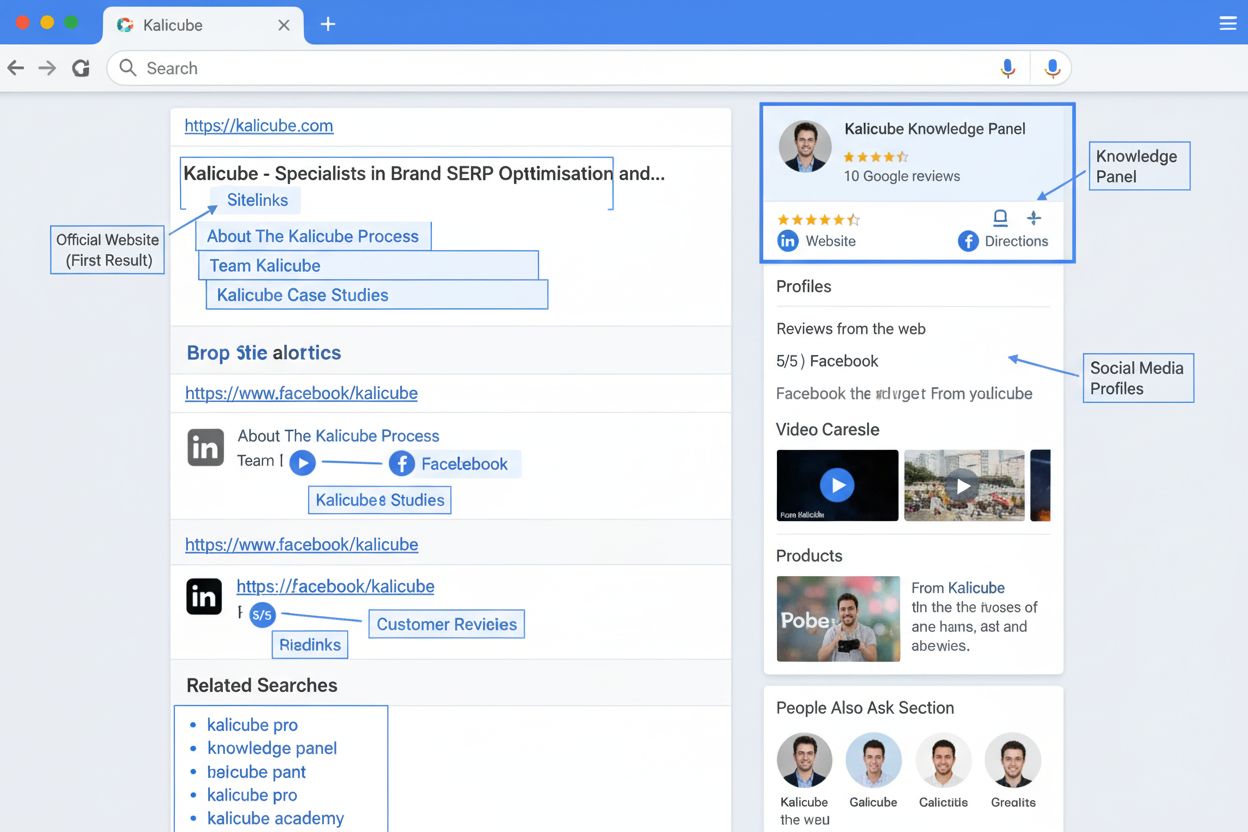
Learn what a Brand SERP is, why it matters for brand visibility, and how to optimize your search results. Understand Brand SERP features and monitoring strategi...
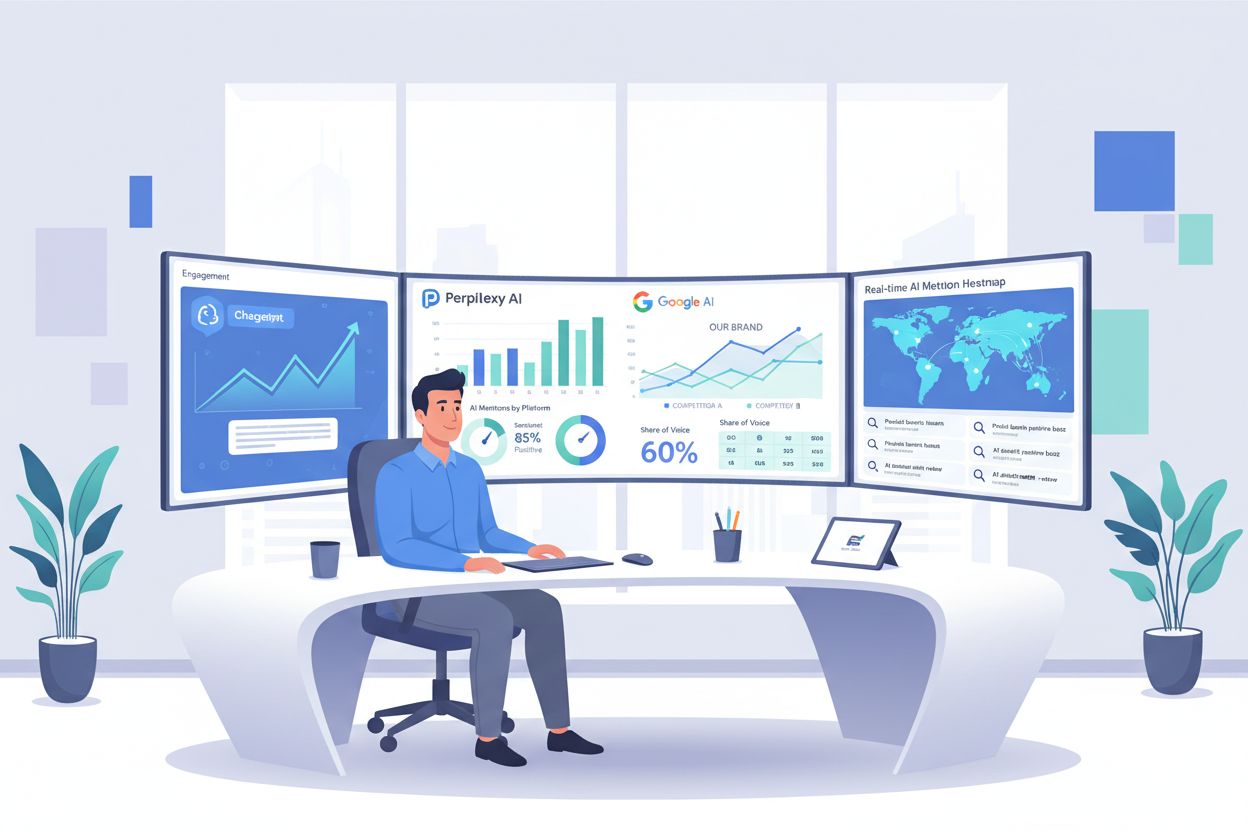
Learn how to set up AI brand monitoring to track your brand across ChatGPT, Perplexity, and Google AI Overviews. Complete guide with tools, strategies, and best...