

How to Create How-To Guides for AI Visibility: Complete Guide
Learn how to create effective how-to guides for AI visibility monitoring. Discover strategies for Answer Engine Optimization, content structuring, and tracking ...
10 min read

Learn how to optimize your content for AI featured snippets and AI-generated answers. Discover strategies to improve visibility in ChatGPT, Perplexity, Google AI Overviews, and other AI search engines.
Featured snippet optimization for AI involves structuring and formatting content to appear in AI-generated answers from platforms like ChatGPT, Perplexity, and Google AI Overviews. It requires clear formatting, concise answers, semantic clarity, and authoritative content that AI systems can easily parse and cite.
Featured snippet optimization for AI is the practice of structuring and formatting your web content to appear in AI-generated answers from conversational search engines and AI assistants like ChatGPT, Perplexity, Google AI Overviews, and similar platforms. Unlike traditional search engine optimization that focuses on ranking in blue link results, AI snippet optimization targets the synthesized answers that AI systems generate by parsing and citing multiple web sources. This emerging discipline, sometimes called Answer Engine Optimization (AEO) or Generative Engine Optimization (GEO), requires a fundamentally different approach to content structure, clarity, and presentation.
The core principle behind featured snippet optimization for AI is that AI systems break down web content into smaller, structured pieces through a process called parsing. These modular pieces are then evaluated for authority, relevance, and accuracy before being assembled into comprehensive answers. If your content isn’t aligned with how AI systems process information, it’s less likely to be included in these answers, even if it ranks well in traditional search results. Understanding this distinction is critical for brands looking to maintain visibility as search behavior shifts toward conversational AI.
AI systems like those powering ChatGPT, Perplexity, and Google’s AI Overviews don’t read web pages the way humans do—sequentially from top to bottom. Instead, they employ sophisticated natural language processing (NLP) algorithms to break content into smaller, semantically meaningful units. These units are then ranked based on multiple factors including topical relevance, source authority, content freshness, and semantic clarity. The AI system evaluates whether the extracted content directly answers the user’s query and whether the source is trustworthy enough to cite.
| Factor | Impact on AI Selection | How to Optimize |
|---|---|---|
| Content Structure | High | Use clear headings (H1, H2, H3), bullet points, and tables |
| Semantic Clarity | High | Write precise language with context; avoid vague terms |
| Source Authority | Very High | Build domain authority through quality content and backlinks |
| Content Freshness | High | Update content regularly with new data and insights |
| Answer Conciseness | Medium | Provide 40-60 word answers to common questions |
| Multimedia Integration | Medium | Include relevant images, videos, and graphics |
| Schema Markup | Medium | Implement structured data (JSON-LD) for better interpretation |
This parsing process means that traditional SEO fundamentals remain essential—crawlability, metadata, internal linking, and backlinks are still foundational. However, what differs is the emphasis on how content is organized and presented. AI systems prioritize content that is easy to extract, understand, and repurpose. A page with excellent SEO metrics but poor structural organization may rank well in traditional search but fail to appear in AI-generated answers.
Content structure is arguably the most important factor in featured snippet optimization for AI. AI systems rely on clear, hierarchical organization to understand where one idea ends and another begins. This structural clarity directly impacts whether your content gets selected for inclusion in AI answers. The most effective structures include:
Headings and Subheadings: Your page title, H1 tag, and subsequent H2 and H3 tags act as signals that help AI systems interpret the purpose and scope of your content. These tags should clearly summarize what each section delivers using natural language that aligns with search intent. For example, instead of a vague heading like “Overview,” use “How Does Featured Snippet Optimization Differ from Traditional SEO?” This specificity helps AI systems understand exactly what information follows and whether it’s relevant to a user’s query.
Question-and-Answer Formatting: Direct questions with clear, concise answers mirror the way people naturally search and ask follow-up questions. AI systems can often lift these Q&A pairs directly into their responses. When structuring Q&A content, ensure each answer is self-contained and makes sense even when extracted from the broader article. This means avoiding references to previous sections or assuming readers have context from earlier paragraphs. The answer should stand alone as a complete response.
Lists and Tables: Bulleted lists, numbered steps, and comparison tables break complex information into clean, reusable segments that AI systems can easily parse and repurpose. These formats are especially effective for how-to queries, feature comparisons, and step-by-step processes. Tables are particularly valuable because they present structured data in a format that AI systems can interpret with high confidence. When creating tables, ensure headers are descriptive and each cell contains concise, relevant information.
Semantic clarity refers to how explicitly and precisely you communicate meaning in your content. AI systems don’t just scan for keywords; they analyze the semantic relationships between words and concepts to understand what you’re actually saying. This means that vague language, ambiguous phrasing, and unanchored claims significantly reduce your chances of being selected for AI-generated answers.
To achieve semantic clarity, write for intent rather than keywords. Instead of optimizing for the phrase “featured snippet optimization,” write content that directly answers what users actually want to know: “How do I get my content to appear in AI-generated answers?” This intent-driven approach naturally incorporates relevant terminology while maintaining clarity. Additionally, avoid vague language like “innovative,” “cutting-edge,” or “eco-friendly” without providing specific context or measurable details. For example, instead of saying a platform is “innovative,” explain exactly what makes it different: “This platform uses real-time monitoring to track your brand mentions across ChatGPT, Perplexity, and Google AI Overviews.”
Add context to every claim. When you mention a feature or benefit, provide the specific context that makes it meaningful. Rather than stating “our tool improves visibility,” say “our tool helps you monitor where your content appears in AI-generated answers, allowing you to identify gaps and optimize accordingly.” This contextual approach helps AI systems understand not just what you’re saying, but why it matters and how it relates to user needs.
Before your content can even be considered for inclusion in AI-generated answers, it must meet fundamental technical requirements that allow AI systems to discover, crawl, and index your pages. These requirements are similar to traditional SEO but with specific implications for AI systems:
Crawlability and Indexability: Ensure that Googlebot and other AI crawlers can access your pages without restrictions. This means your robots.txt file shouldn’t block important content, and your pages should return HTTP 200 (success) status codes. Additionally, avoid hiding critical information in JavaScript, tabs, or expandable menus, as AI systems may not render these elements reliably. All important content should be present in the HTML source code.
Page Speed and Performance: While page speed has always been important for SEO, it’s equally critical for AI systems. Slow-loading pages may be crawled less frequently or deprioritized in indexing. This directly impacts content freshness, which is a significant ranking factor for AI-generated answers. Optimize images, minimize CSS and JavaScript, and consider using a content delivery network (CDN) to improve load times.
Mobile Responsiveness: AI systems prioritize mobile-friendly content, especially as more users access AI assistants through mobile devices. Ensure your site displays correctly across all devices and that important content isn’t hidden on mobile versions. Test your site using Google’s Mobile-Friendly Test tool to identify any issues.
Structured Data Implementation: Schema markup (JSON-LD format) helps AI systems understand your content with greater confidence. Implement relevant schema types such as Article, FAQPage, HowTo, or Product depending on your content type. Proper schema markup can make your content eligible for rich snippets and increases the likelihood of being cited in AI-generated answers.
One of the most practical aspects of featured snippet optimization for AI is understanding the ideal length and format for answers. Research from multiple sources indicates that concise answers of 40-60 words have the highest likelihood of being selected for featured snippets. This length is long enough to provide meaningful information but short enough to be easily digestible and quotable.
However, length alone isn’t the determining factor. The format and structure of your answer matter equally. Answers should be self-contained and make sense when extracted from context. This means avoiding phrases like “as mentioned above” or “in the previous section.” Each answer should provide complete information that stands alone. Additionally, answers should use clear, simple language without jargon or unnecessarily complex terminology. If technical terms are necessary, define them within the answer.
The opening sentence is critical. AI systems often use the first sentence or two of an answer as the primary snippet. Make sure your opening directly addresses the question and provides the most important information. For example, if answering “What is featured snippet optimization for AI?”, start with a direct definition rather than background context. This ensures that even if only the first sentence is extracted, it provides value to the user.
Authority and trust are paramount in featured snippet optimization for AI. AI systems, particularly Perplexity, place significant emphasis on source credibility when deciding which content to cite. This means that building a trustworthy, authoritative website is one of the most effective long-term strategies for appearing in AI-generated answers.
Authority is built through multiple channels: high-quality, original content that provides unique insights; positive reviews and ratings on platforms like Google Business Profile, G2, and industry-specific review sites; backlinks from reputable sources that signal your expertise; and consistent, accurate information across all your web properties. Additionally, original research and data significantly boost your authority. If you can support your claims with survey results, case studies, or proprietary research, AI systems are more likely to cite your content as a trusted source.
Trust is also built through transparency and accuracy. Ensure all claims are verifiable and supported by evidence. If you cite statistics or research, provide clear attribution and links to original sources. This transparency signals to AI systems that your content is reliable and worthy of citation. Additionally, regularly update your content to reflect the latest information and remove outdated claims. Content freshness is a significant ranking factor for AI systems, and outdated information can damage your credibility.
Several common mistakes can significantly reduce your chances of appearing in AI-generated answers. Understanding and avoiding these pitfalls is essential for effective optimization:
Long walls of text blur ideas together and make it difficult for AI systems to identify distinct, extractable pieces of information. Instead of writing dense paragraphs, break content into smaller sections with clear headings and subheadings. This structural clarity helps AI systems understand where one concept ends and another begins.
Hiding important information in tabs, expandable menus, or JavaScript-rendered content can prevent AI systems from accessing and citing your content. While these interactive elements may enhance user experience, they can hinder AI crawling. Ensure all critical information is present in the HTML source code and easily accessible to crawlers.
Relying on images for critical information is problematic because while AI systems can sometimes interpret images, they do so with less accuracy than text. Always provide text descriptions or HTML content alongside images. Use descriptive alt text for all images, but don’t rely on alt text alone to convey critical information.
Inconsistent or contradictory information across your website damages your credibility with AI systems. Ensure that key facts, statistics, and claims are consistent across all pages. If information changes, update it everywhere it appears on your site.
Keyword stuffing and unnatural language are red flags for AI systems. Write naturally for human readers first, and optimize for AI second. Forced keyword inclusion makes content harder to read and signals to AI systems that you’re prioritizing search optimization over user value.
Unlike traditional search rankings, tracking featured snippet performance in AI systems is challenging because most AI platforms don’t provide built-in analytics for citations. However, several strategies can help you monitor your visibility:
Manual monitoring involves regularly searching for relevant queries on platforms like ChatGPT, Perplexity, Google AI Overviews, and other AI assistants to see if your content is cited. While time-consuming, this approach provides direct insight into your visibility. Keep a spreadsheet of target queries and track which ones cite your content over time.
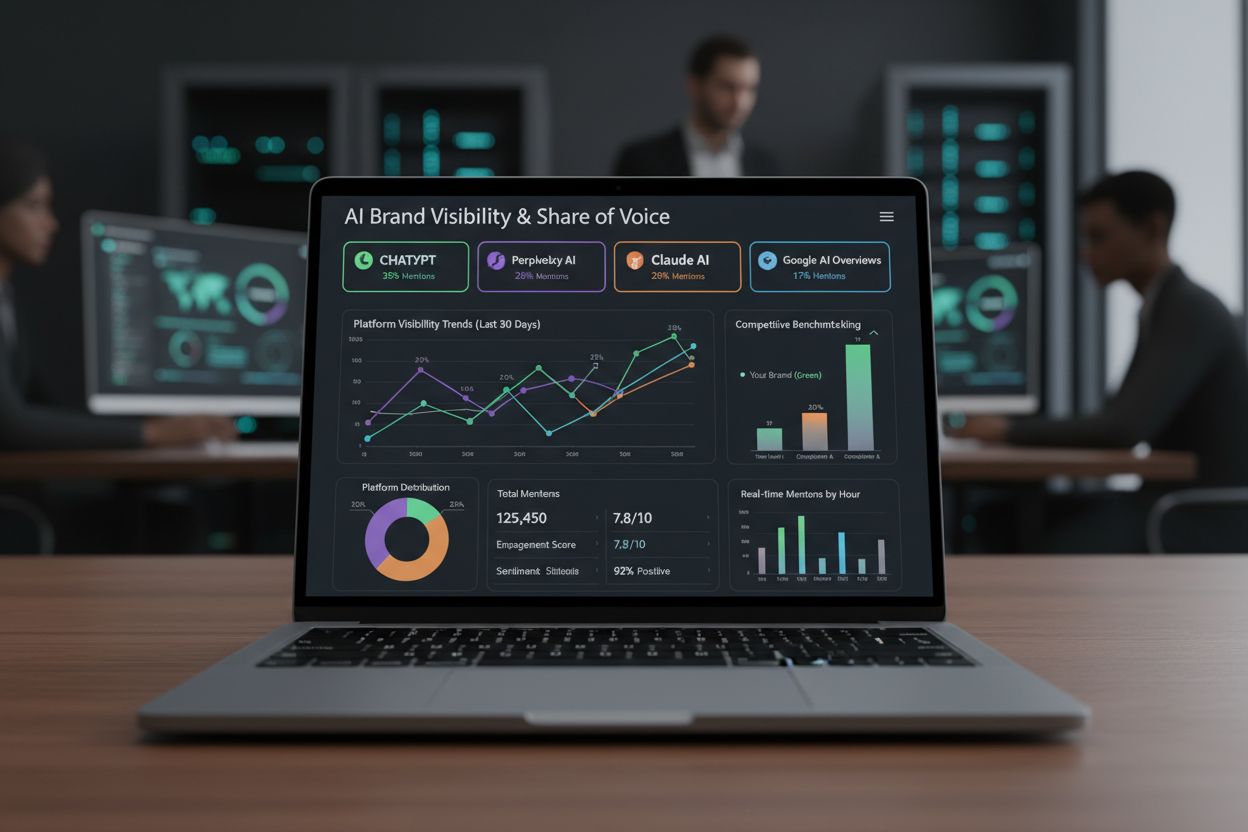
Specialized tools like OmniSEO® and similar platforms are emerging to track visibility across multiple AI engines. These tools monitor your domain’s appearance in AI-generated answers and provide competitive benchmarking data. If you’re serious about AI featured snippet optimization, investing in these tools can provide valuable insights.
Google Search Console can provide indirect insights into AI visibility. Monitor your performance data for queries that trigger AI Overviews. If you’re ranking well in traditional search for these queries, you have a better foundation for appearing in AI answers. Additionally, track changes in click-through rates and impressions for queries that trigger AI features.
Engagement metrics on your website can indicate whether AI-driven traffic is converting. Monitor time on page, bounce rate, and conversion rates for traffic coming from AI sources. Higher-quality traffic from AI systems suggests that your content is being cited in relevant, high-intent queries.
As AI search continues to evolve, featured snippet optimization will become increasingly important for maintaining visibility. The landscape is shifting from traditional “ten blue links” to AI-synthesized answers that draw from multiple sources. This evolution creates both challenges and opportunities for content creators and brands.
Challenges include the fact that AI systems may cite your content without driving direct traffic to your website, as users get their answers directly from the AI interface. Additionally, the criteria for selection are less transparent than traditional search algorithms, making optimization more difficult. Competition for citations is intensifying as more brands recognize the importance of AI visibility.
Opportunities include the potential to reach users earlier in their research journey, as AI systems often cite sources for follow-up exploration. Additionally, appearing in AI-generated answers builds brand authority and trust, which can lead to long-term benefits beyond immediate traffic. Furthermore, the emphasis on unique, valuable content in AI systems rewards brands that invest in original research and insights rather than commodity content.
The most successful brands will be those that adapt their content strategy to serve both human readers and AI systems. This means maintaining a focus on creating genuinely helpful, authoritative content while structuring it in ways that AI systems can easily parse and cite. The fundamentals of good content—clarity, accuracy, and value—remain constant, but the presentation and structure must evolve to meet the needs of AI-driven search.
Track where your content appears in AI-generated answers across ChatGPT, Perplexity, Google AI Overviews, and other AI platforms. Get real-time insights into your AI visibility and competitive positioning.
Learn how to create effective how-to guides for AI visibility monitoring. Discover strategies for Answer Engine Optimization, content structuring, and tracking ...
Learn how publishers optimize content for AI citations across ChatGPT, Perplexity, and Google Gemini. Discover strategies for answer-first content, structured d...
Compare leading GEO and AEO agencies. Find the best AI visibility partner with our comprehensive guide to industry leaders, pricing, and selection criteria.