How AI is Reshaping Affiliate Marketing
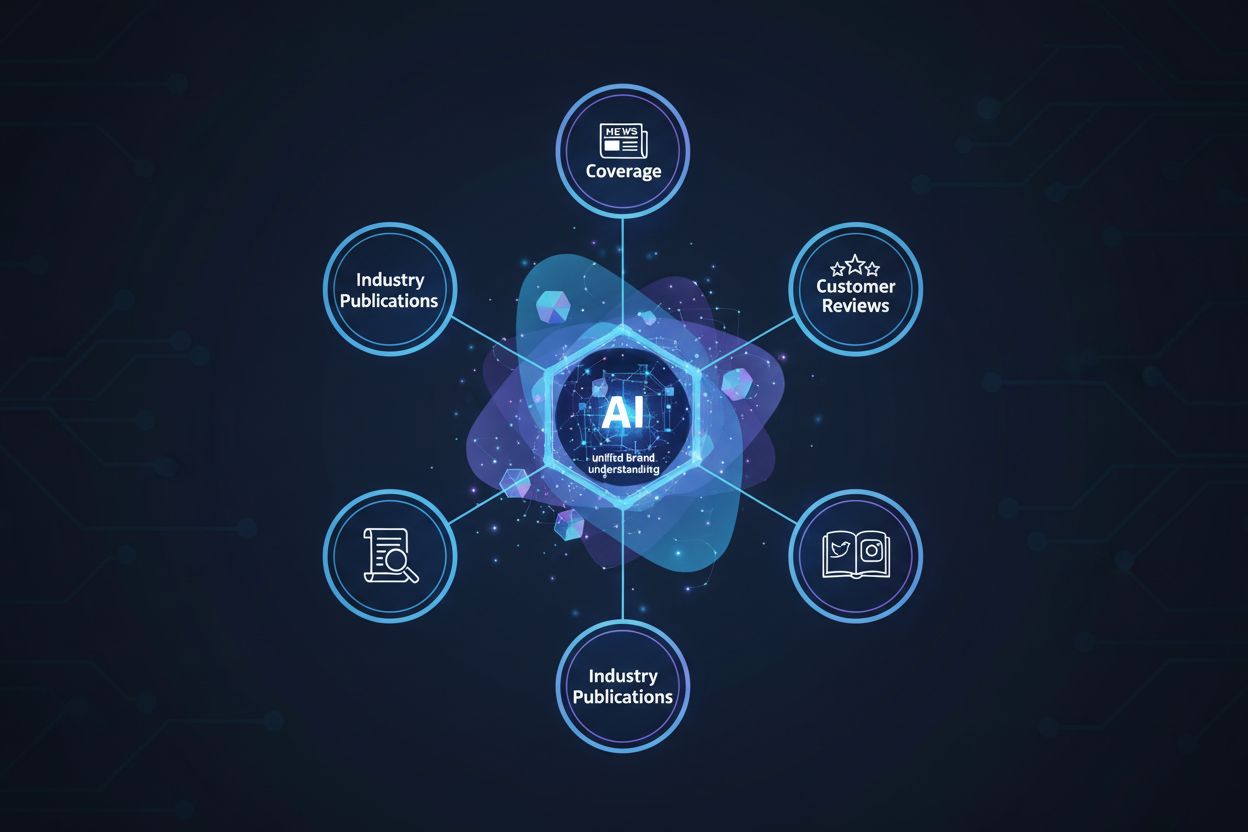
Artificial intelligence is fundamentally redefining how affiliate marketing operates, moving the industry from reactive, data-driven approaches to proactive, intelligent strategies. Rather than simply analyzing past performance, AI-powered platforms now predict future trends, automate complex tasks, and create personalized experiences at scale. This transformation extends beyond basic automation—it represents a complete reimagining of how affiliates connect with audiences, manage partnerships, and measure success. The integration of machine learning algorithms, natural language processing, and predictive analytics has created an ecosystem where every customer interaction is optimized for relevance and impact.
The shift is particularly evident in how AI enables real-time optimization. Traditional affiliate marketing relied on periodic reviews and adjustments, often missing opportunities in between. Today’s AI-driven systems continuously monitor campaign performance, adjust targeting parameters, and refine messaging without human intervention. This constant evolution means campaigns stay relevant even as market conditions, consumer preferences, and competitive landscapes shift. For affiliate marketers, this represents a significant competitive advantage—those who embrace AI-powered tools can respond to market changes faster than competitors still relying on manual processes.
Hyper-Personalization and Customer Segmentation
AI-driven personalization has moved beyond basic demographic targeting to create deeply individualized customer experiences. Modern AI systems analyze real-time behavioral data—browsing patterns, purchase history, time spent on pages, device type, location, and even external factors like weather or local events—to deliver recommendations that feel almost human. For example, an affiliate promoting fitness equipment might notice a user browsing yoga mats and instantly suggest complementary items like resistance bands or meditation cushions, creating a seamless shopping experience that builds trust and increases conversion rates.
The sophistication of AI segmentation allows marketers to identify micro-audiences with unprecedented precision. Rather than creating broad customer segments, machine learning algorithms can identify high-impact clusters based on behavioral patterns, purchase intent, and engagement metrics. An affiliate promoting outdoor gear can use AI-powered segmentation to distinguish between casual hikers and serious mountaineers, then deliver tailored content, pricing, and product recommendations to each group. This nuanced approach can outperform generic campaigns by 30% or more, while also reducing wasted ad spend on irrelevant audiences.
However, successful AI personalization requires balancing precision with authenticity. Over-segmentation can dilute focus and inflate costs, while excessive targeting can feel invasive to consumers. The most effective approach combines AI insights with human judgment—using algorithms to identify high-impact clusters, then scaling campaigns strategically. Additionally, dynamic content optimization powered by AI analyzes engagement metrics like bounce rates and click-through rates, automatically adjusting headlines, calls-to-action, and tone to better resonate with specific audience segments. This iterative process ensures content remains relevant and impactful throughout a campaign’s lifetime.
| Personalization Strategy | AI Capability | Expected Impact |
|---|
| Contextual Relevance | Adapts offers based on weather, location, events | 30% higher conversion rates |
| Behavioral Analysis | Real-time tracking of user actions and patterns | Improved targeting accuracy |
| Dynamic Content | Automatic adjustment of headlines and CTAs | Better engagement metrics |
| Sentiment Analysis | Gauges audience emotions from comments/reviews | More emotionally resonant messaging |
| Predictive Recommendations | Forecasts products users will likely purchase | Increased average order value |
Ready to Monitor Your AI Visibility?
Track how AI chatbots mention your brand across ChatGPT, Perplexity, and other platforms.
AI-Powered Chatbots and Virtual Assistants
AI-powered chatbots represent one of the most visible applications of artificial intelligence in affiliate marketing, fundamentally changing how brands interact with customers. Unlike traditional chatbots that follow rigid decision trees, modern AI chatbots utilize natural language processing (NLP) to understand context, interpret intent, and deliver nuanced responses that mimic human empathy. These systems can engage in meaningful conversations, answer complex questions, and guide users through the entire buyer’s journey—from initial awareness to post-purchase support. Affiliates using AI chatbots have reported up to a 30% increase in conversions by addressing customer queries with precision and relevance, essentially providing a personal shopping assistant for every visitor at scale.
The power of AI chatbots extends beyond reactive customer service to proactive engagement. Advanced systems don’t simply wait for customer inquiries—they initiate conversations based on behavioral triggers. When a user abandons their shopping cart, the chatbot can immediately offer assistance or suggest complementary products. When a visitor spends significant time on a product page, the bot can provide additional information or answer anticipated questions. This proactive approach keeps users engaged and significantly increases the likelihood of conversion while simultaneously improving the overall customer experience.
Integration with CRM systems amplifies the effectiveness of AI chatbots by ensuring data consistency across all customer touchpoints. When a chatbot has access to a customer’s complete interaction history, purchase patterns, and preferences, it can deliver truly personalized recommendations and support. This synergy not only improves immediate engagement metrics but also builds long-term customer trust and loyalty. Furthermore, AI chatbots operate 24/7, providing consistent support across all time zones and languages, eliminating the limitations of human customer service teams while reducing operational costs.
Predictive Analytics and Trend Forecasting
Predictive analytics represents a paradigm shift in how affiliate marketers approach campaign planning and resource allocation. Rather than reacting to market trends after they’ve already emerged, AI-powered predictive models analyze historical data, current market conditions, and external factors to forecast future consumer behavior with remarkable accuracy. This enables affiliates to launch campaigns ahead of demand spikes—for instance, promoting fitness equipment weeks before New Year’s resolutions peak, or suggesting winter clothing as seasonal weather patterns shift. This proactive strategy allows marketers to capture demand at its peak rather than competing for attention after the trend has already saturated the market.
Machine learning algorithms excel at identifying patterns that human analysts might miss. By analyzing vast datasets encompassing customer behavior, seasonal trends, competitive activity, and even macroeconomic indicators, these systems can predict which audience segments are most likely to convert during specific timeframes. This intelligence enables more effective resource allocation—affiliates can concentrate their efforts and budgets on high-probability opportunities rather than spreading resources thinly across all possible channels. The result is significantly improved return on investment and more efficient use of marketing budgets.
Multi-touch attribution models powered by AI provide another critical advantage in understanding campaign effectiveness. Traditional attribution models often relied on “last-click” attribution, crediting only the final touchpoint before conversion. This approach misses the complex customer journey where multiple interactions across different channels contribute to the final purchase decision. AI-driven attribution maps the entire customer journey, identifying which touchpoints—blog reviews, social media mentions, email campaigns, chatbot interactions—actually drive conversions. This comprehensive understanding allows affiliates to refine their strategies, allocate resources more effectively, and recognize the true value of each marketing channel.
Stay Updated on AI Visibility Trends
Get the latest insights on AI mentions, brand monitoring, and optimization strategies.
Automation of Routine Tasks and Partner Management
AI automation dramatically reduces the time and resources required for routine affiliate marketing tasks, freeing marketers to focus on strategy and relationship building. Administrative functions like scheduling meetings, creating invoices, building proposals, and sending reminders can all be automated, eliminating tedious manual work that consumes valuable time. Similarly, template-based content creation—newsletters, email campaigns, social media posts, and basic copywriting—can be generated by AI systems, allowing human marketers to focus on more complex, creative, and strategic work that requires human judgment and creativity.
AI-powered partner management systems monitor affiliate performance continuously, alerting partnership managers to inactive or underperforming partners before they become lost opportunities. Research shows that if an affiliate partner isn’t properly activated within the first 30 to 90 days, they may never become productive. AI automation can streamline the onboarding journey, ensuring new partners are fully equipped and comfortable with the affiliate program. While top-performing affiliates benefit from close relationships with dedicated partner managers, AI systems can maintain ongoing contact with less-performing partners through personalized, automated messages tailored to different performance tiers.
AI-driven data analysis also enhances internal decision-making regarding campaign investment. Rather than relying on intuition or incomplete information, affiliate marketers can use AI insights to determine whether to invest in acquisition or retention campaigns, adjust targeting in real-time during campaign execution, and analyze results to inform future strategy. This data-driven approach reduces guesswork and ensures marketing budgets are allocated to the most effective channels and strategies. Additionally, AI can analyze partner behavior via algorithms, helping affiliate marketers make better decisions about which partners to promote, which products to feature, and how to structure incentives to maximize performance.
Key AI Trends Shaping Affiliate Marketing in 2025
The affiliate marketing landscape is experiencing rapid transformation driven by several converging AI trends. Hyper-personalization continues to advance, with AI systems delivering increasingly tailored recommendations that feel almost prescient in their relevance. Voice and visual search optimization is gaining critical importance as consumers increasingly search using voice commands through Alexa and Google Assistant, or visual searches through Google Lens. Affiliates who optimize for conversational keywords and descriptive alt text are tapping into traffic streams their competitors overlook, essentially unlocking hidden doors to new audiences.
Dynamic commission structures powered by AI represent another significant trend. Rather than static commission rates, AI platforms analyze performance metrics in real-time and automatically adjust payouts to reward high-performing affiliates. This creates a data-driven incentive system that fosters stronger partnerships and aligns affiliate goals with program success. Additionally, AI ethics and transparency are moving from compliance checkboxes to competitive advantages. Affiliates who prioritize consent, clarity in data usage, and algorithmic fairness build trust with increasingly privacy-conscious consumers, creating loyal customer bases that competitors struggle to match.
Natural language processing (NLP) continues to evolve, enabling AI systems to craft hyper-personalized content that resonates deeply with niche audiences. An affiliate promoting eco-friendly products can use NLP to analyze customer sentiment and tailor messaging that aligns with sustainability values, transforming generic pitches into emotionally compelling narratives. Finally, AI-driven fraud detection ensures campaigns remain ethical and transparent by identifying suspicious activity patterns, protecting both the affiliate program’s integrity and consumer trust.
Balancing AI Automation with Human Authenticity
While AI offers unprecedented efficiency and optimization capabilities, the most successful affiliate marketers recognize that automation must be balanced with authenticity. Consumers increasingly detect and reject interactions that feel mechanical or algorithmically forced. The most effective approach combines AI-driven insights with human creativity and judgment—using algorithms to handle data analysis, segmentation, and optimization while reserving human effort for storytelling, relationship building, and strategic decision-making.
AI-powered content creation works best for routine, template-based materials like newsletters and basic product descriptions. However, complicated campaigns, thought leadership content, and relationship-building communications should remain human-created. Similarly, while AI chatbots excel at answering routine questions and providing product recommendations, complex customer issues often require human intervention to resolve satisfactorily. The future of affiliate marketing belongs to those who master this balance—leveraging AI’s computational power while preserving the human touch that builds genuine customer relationships and brand loyalty.
Challenges and Considerations in AI Implementation
Despite the significant benefits, implementing AI in affiliate marketing presents several important challenges that marketers must address. Privacy concerns are paramount, as data breaches can expose sensitive customer and company information. Major corporations like Samsung have restricted or banned certain AI tools after programmers accidentally uploaded proprietary code that was subsequently leaked. Banks have similarly restricted AI use due to regulatory consequences of handling sensitive financial information. Affiliates must carefully evaluate the security practices of any AI platform they adopt and ensure compliance with regulations like GDPR and CCPA.
Algorithmic bias represents another critical concern. Machine learning systems iterate based on input data, meaning biased or poisoned data produces biased results. If training datasets contain historical biases or incomplete information, the AI system will perpetuate and potentially amplify those biases. This can lead to discriminatory targeting, unfair pricing, or exclusionary marketing practices. Additionally, implementation costs can be substantial, ranging from $100 monthly subscriptions to $300,000+ for customized implementations, plus ongoing maintenance and consultation expenses. Smaller affiliates may struggle to justify these investments, potentially widening the gap between well-resourced and under-resourced marketers.
Finally, lack of trust remains a significant barrier. Consumers increasingly scrutinize whether AI-driven recommendations align with genuine needs or feel algorithmically forced. Affiliates must ensure that AI-powered personalization enhances rather than undermines customer trust, and that recommendations genuinely serve customer interests rather than simply maximizing short-term conversions.
Preparing Your Affiliate Strategy for AI-Driven Success
To thrive in the evolving AI-powered affiliate marketing landscape, marketers should embrace adaptive intelligence—creating campaigns that evolve in real-time in response to shifts in user behavior and market trends. This requires integrating AI platforms with analytics tools like Google Analytics to create feedback loops that continuously refine strategies. Successful affiliates will combine AI-driven insights with authentic storytelling, using algorithms as co-pilots that handle technical details while marketers steer the creative vision.
Investment in AI literacy is essential for affiliate marketing teams. Understanding how machine learning algorithms work, what data they require, and how to interpret their outputs enables marketers to use these tools more effectively and identify potential biases or errors. Additionally, affiliates should prioritize data quality, as the effectiveness of AI systems depends entirely on the quality of input data. Clean, comprehensive, and unbiased datasets produce better predictions and recommendations.
Finally, successful AI implementation requires a strategic approach that aligns with overall business objectives. Rather than adopting AI tools simply because they’re available, affiliates should identify specific challenges or opportunities where AI can deliver measurable value—whether that’s improving conversion rates, reducing customer acquisition costs, or enhancing partner retention. This focused approach ensures that AI investments generate positive returns and contribute meaningfully to business growth.